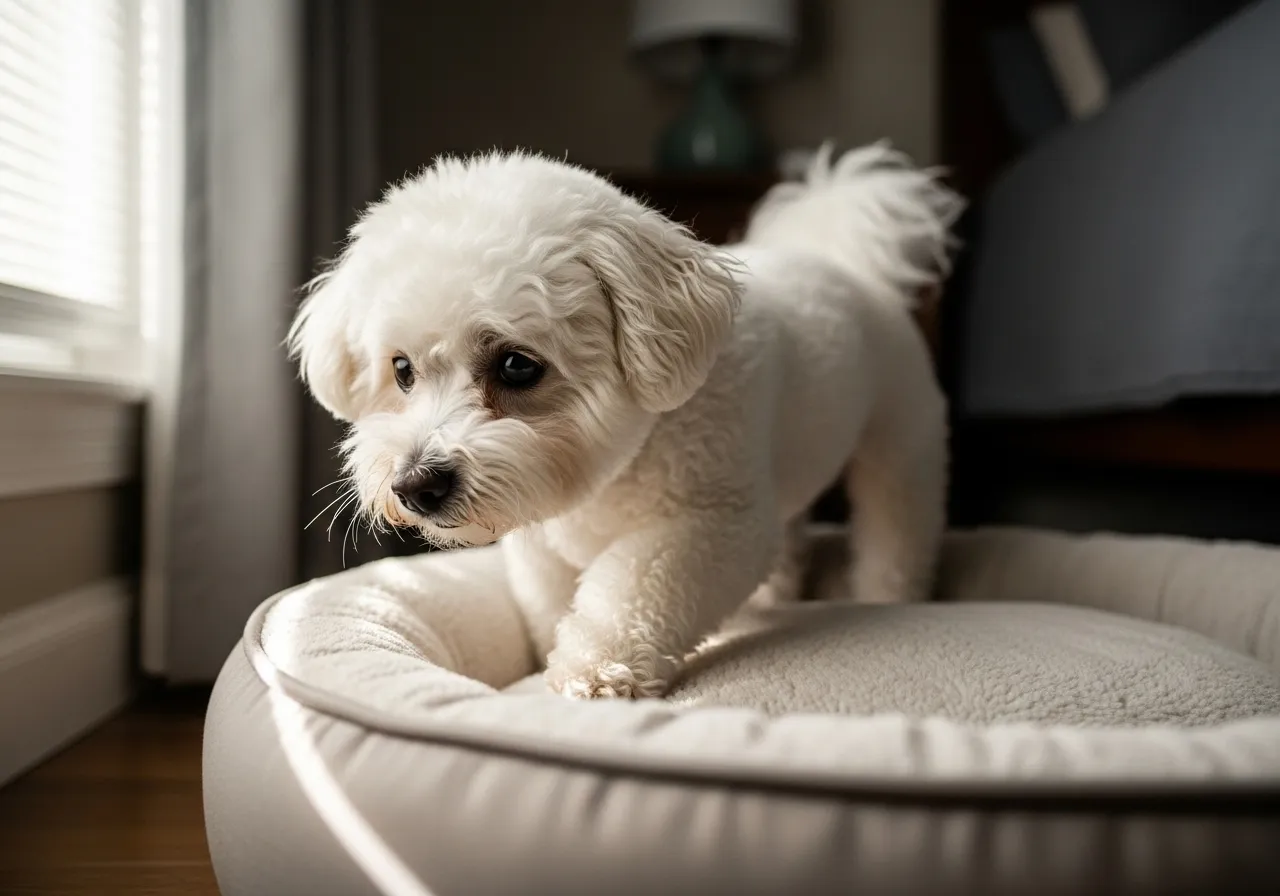
Setting Up for Success: Your First Few Weeks of Dog Training
Bringing your new dog home is the start of a wonderful adventure. The first few weeks are crucial for building a routine and establishing a bond of trust. A calm and predictable environment will help your new friend feel secure.
The Decompression Period
Whether from a breeder or a shelter, every dog needs time to adjust. The “3-3-3 Rule” is a helpful guide: for the first 3 days, your dog may feel overwhelmed and shy. In the first 3 weeks, they’ll start settling in and learning your routine. By 3 months, they should be feeling comfortable and showing their true personality. Be patient and give them space.
Create a Predictable Routine
Dogs thrive on predictability. Establish a consistent schedule for feeding, potty breaks, walks, and bedtime. This helps them understand the rules of their new world and reduces anxiety. A predictable routine is the bedrock of successful house training.
Essential Gear for a Good Start
You don’t need a mountain of supplies. Start with the basics:
- A comfortable, flat collar with ID tags and a sturdy harness for walks. A harness is often safer and more comfortable, especially for small breeds or those with delicate necks.
- A standard 6-foot leash. Avoid retractable leashes, which offer less control and can be dangerous.
- Separate food and water bowls.
- A comfortable bed or crate where your dog can rest undisturbed.
- A few safe and durable toys, like a rubber chew toy or a puzzle feeder.
A Mini-Example: Your First 5-Minute “Sit” Session
This simple exercise starts your training journey on a positive note. Find a quiet space with no distractions.
Step 1: Get Ready. Hold a small, high-value treat (like a tiny piece of cheese or chicken) between your thumb and forefinger.
Step 2: Lure the Motion. Let your dog sniff the treat. Slowly move your hand up and back over their head. As their nose follows the treat up, their rear end will naturally lower into a sit. The moment their bottom touches the floor, say “Yes!” in a happy tone and give them the treat.
Step 3: Repeat. Do this 4-5 times. The focus is on the motion, not a verbal command yet. Keep it fun and light. If they don’t sit, that’s okay! Just try again. The goal is success.
Step 4: Add the Cue. Once they are reliably following the lure into a sit, you can start saying the word “Sit” just as you begin the lure. They will quickly associate the word with the action.
Step 5: End on a High Note. After a few successful sits, end the session with lots of praise and a final treat. Five minutes is plenty for a first session. This short, positive interaction teaches your dog that learning with you is fun and rewarding.