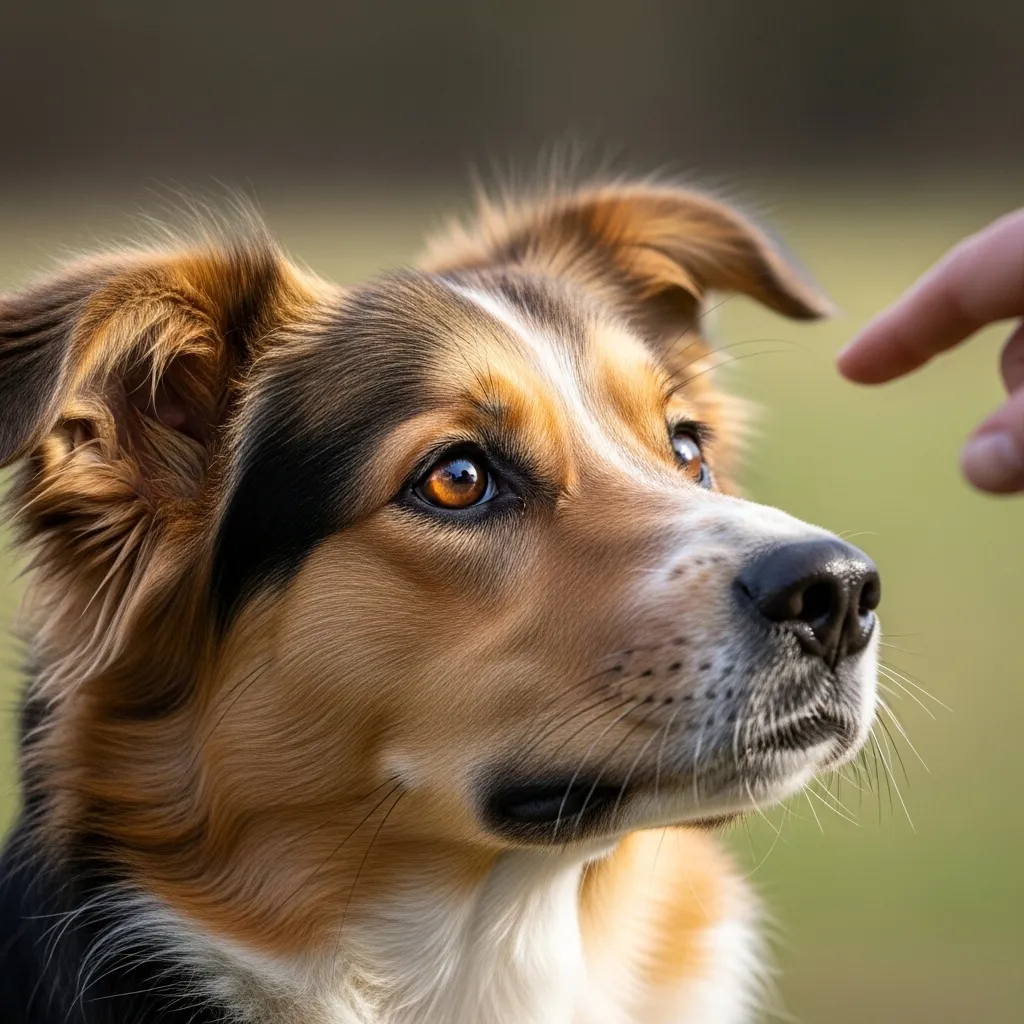
What Does “Loyalty” Really Mean in a Dog?
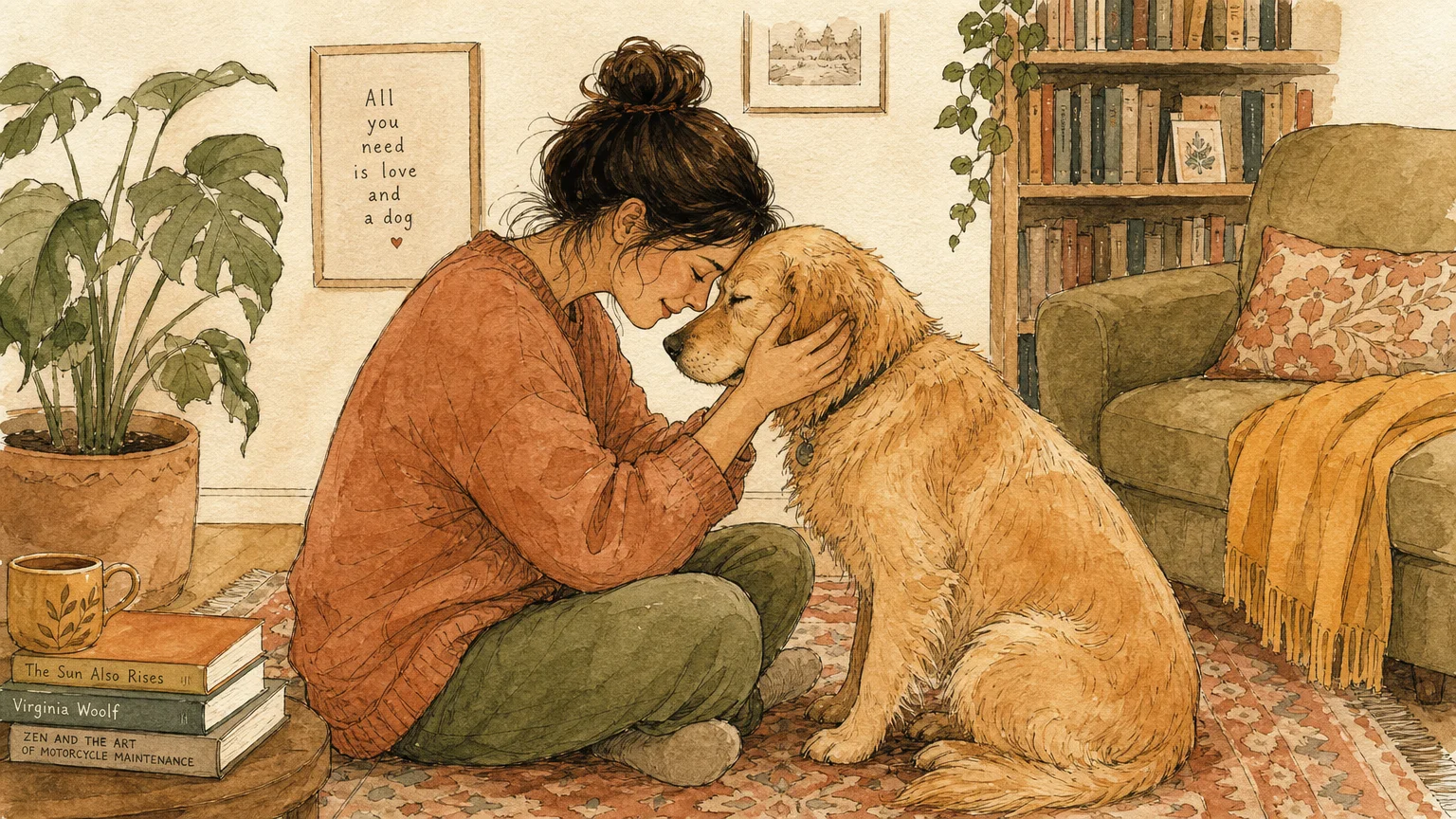
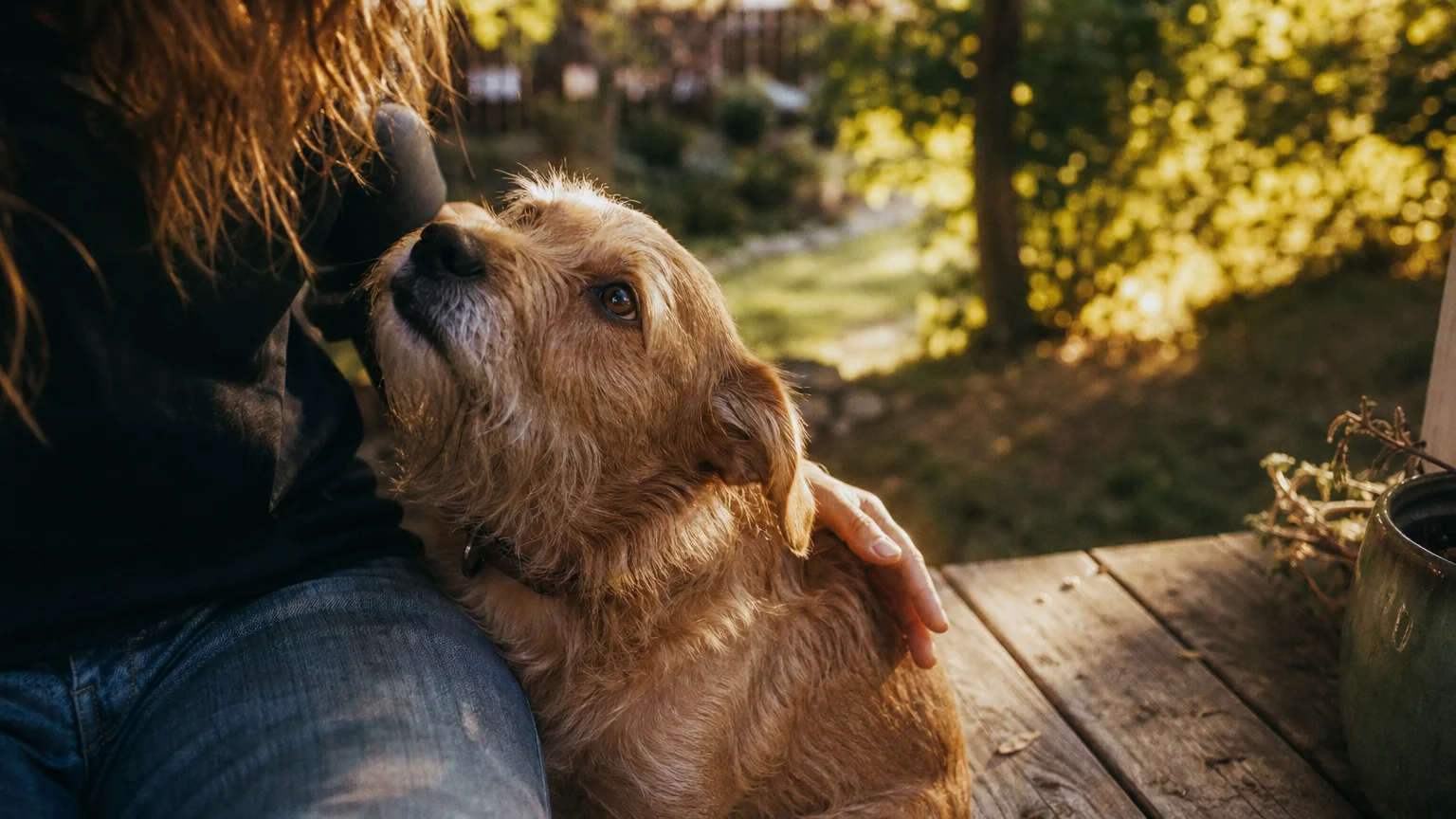
Before we meet our five featured breeds, it’s helpful to understand what we mean by “loyal.” Loyalty in a dog is more than just following you from room to room. It’s a deep, secure attachment built on a foundation of trust and mutual respect. A loyal dog sees you as their safe space, their leader, and the center of their world.
This beautiful trait often includes several key characteristics:
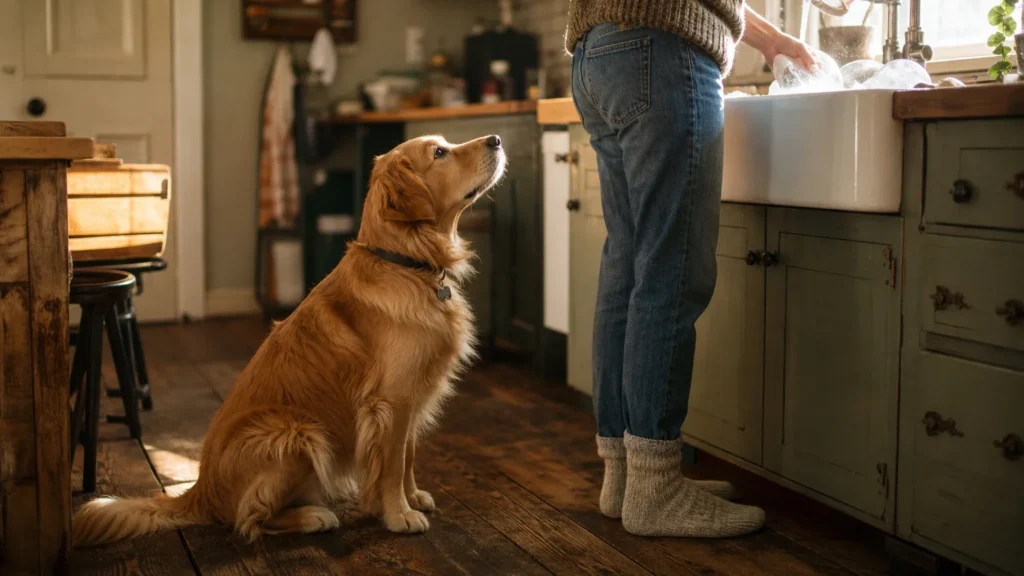
Attentiveness: A loyal dog is often highly attuned to your emotions and routines. They watch you, listen for your voice, and seem to know what you’re thinking before you do.
Trainability: Dogs who are eager to please their person are often easier to train. This desire to work with you is a form of loyalty; they want to understand the rules and make you happy.
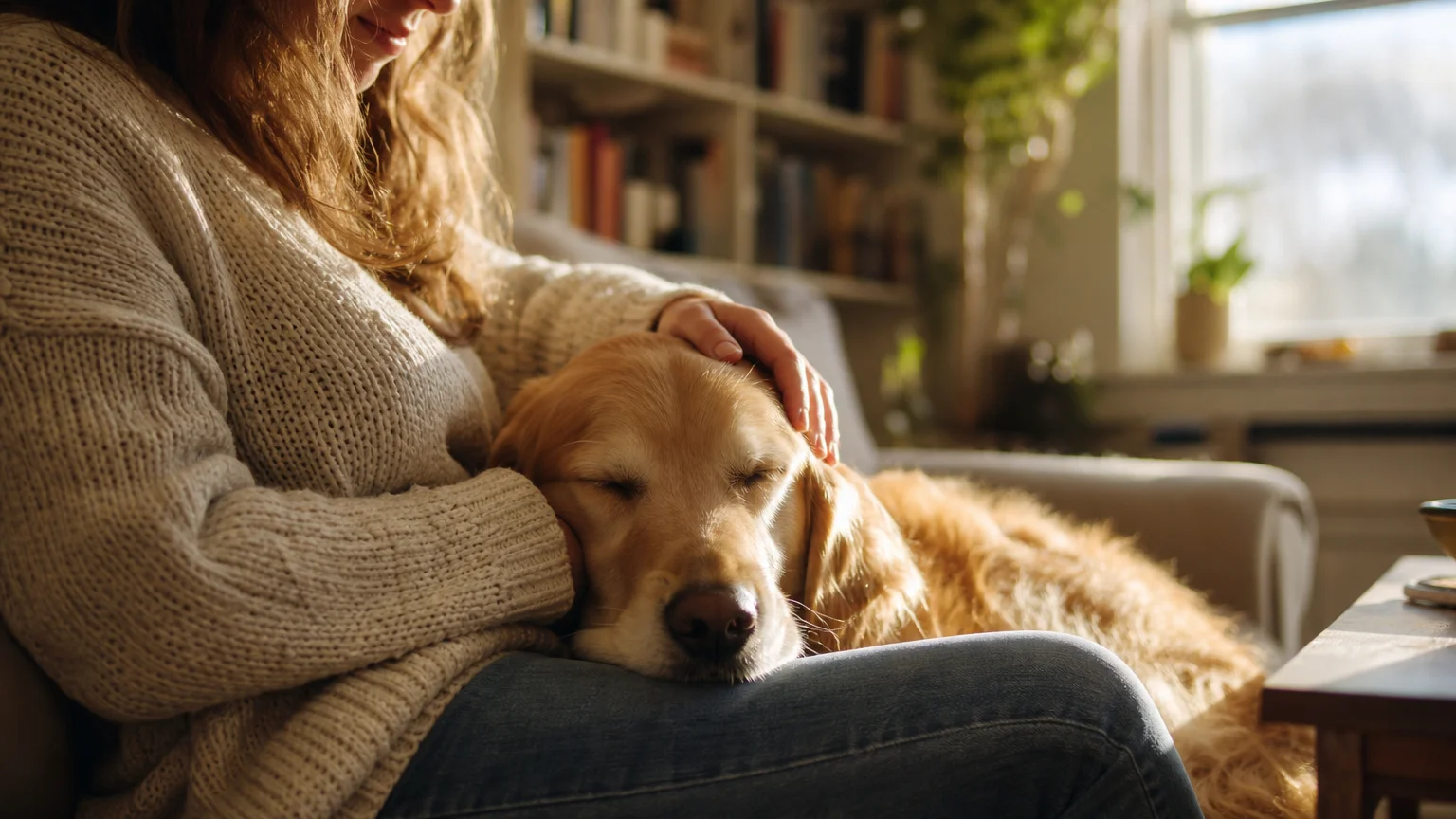
Companionship: At its core, loyalty is about a desire to be together. A loyal companion dog genuinely enjoys your presence, whether you’re on a grand adventure or simply relaxing on the sofa.
Protectiveness: For many loyal dog breeds, a natural instinct to guard their family is part of the package. This doesn’t necessarily mean aggression; it can be as simple as a warning bark when a stranger approaches the door. This is one reason people ask, “what is the most protective dog breed?”—they are often searching for this deep sense of devotion.
Loyalty vs. Separation Anxiety
It’s crucial to distinguish between healthy loyalty and an unhealthy level of distress. A loyal dog is secure in your bond and can handle reasonable periods of being alone. They trust that you will return.
On the other hand, a dog with separation anxiety experiences genuine panic when left alone. This is a clinical behavior issue, not a sign of extra love. Symptoms can include destructive chewing (especially at doors or windows), excessive barking or howling, and having accidents in the house only when you’re away. If you see these signs, it’s important to consult your veterinarian and a certified professional dog trainer. They can help you with management and behavior modification plans, like counterconditioning, which works to change your dog’s fearful association with being alone into a positive one.
The strongest, healthiest loyalty is built through positive experiences. Using positive reinforcement—a training method where you reward your dog with treats, praise, or toys for good behavior—is the best way to build trust and a joyful partnership. This method teaches your dog that good things happen when they are with you, strengthening their desire to be by your side.