The Science of the Snuggle: Why Are Some Pets So Clingy?
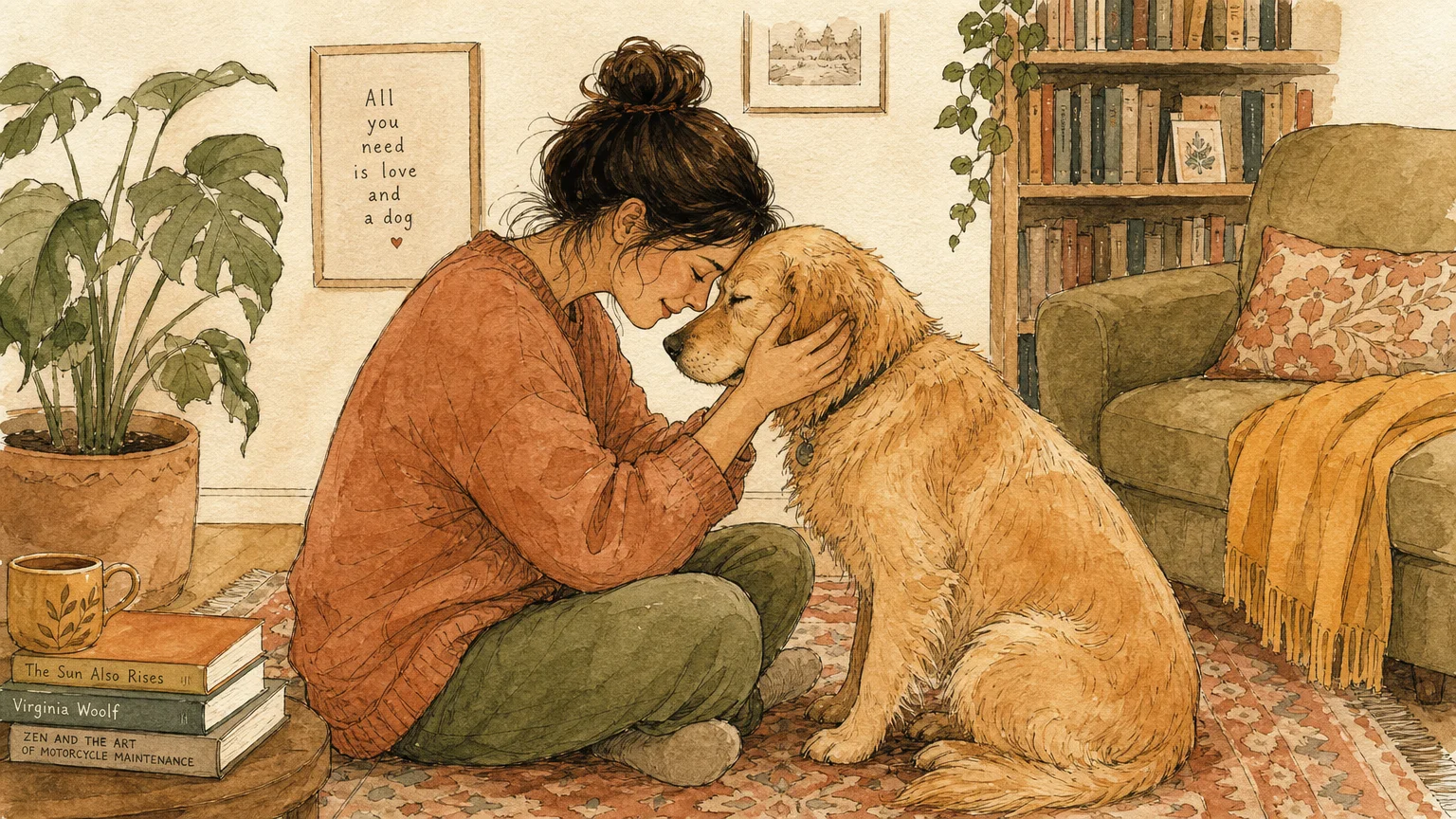
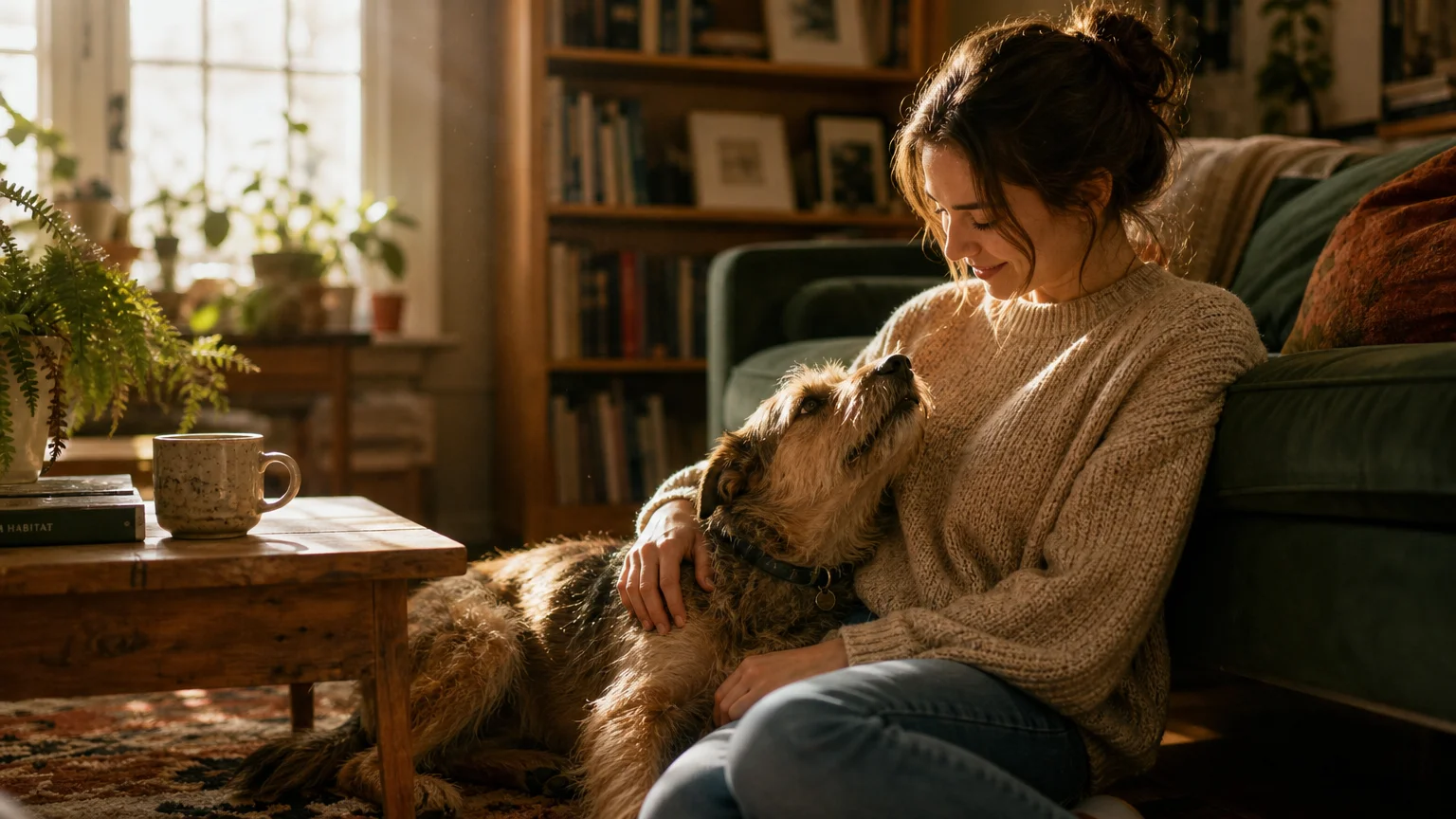
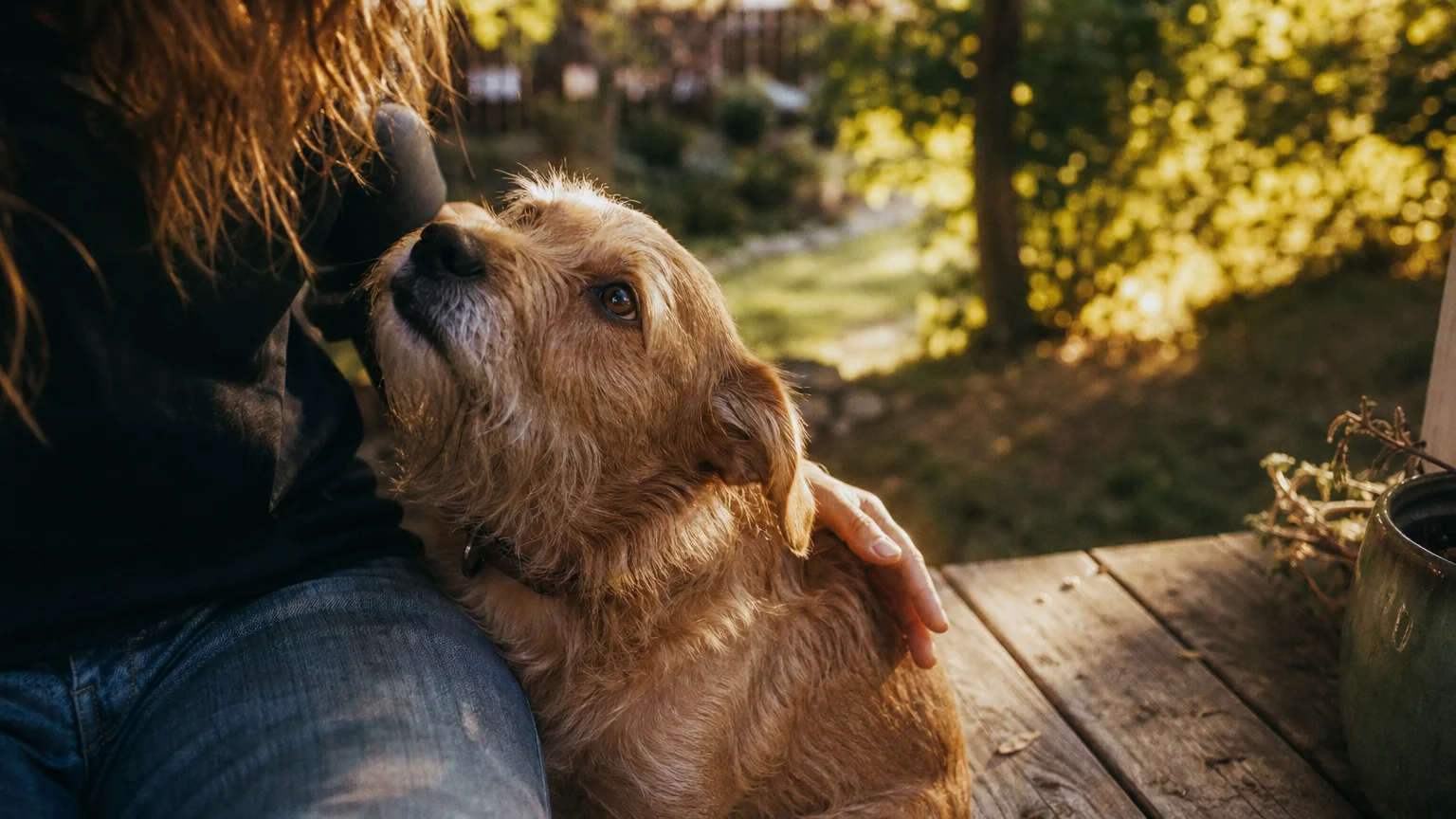
That feeling of a warm body curled up next to you isn’t just comforting—it’s chemical. The human-animal bond is a powerful, two-way street built on millennia of co-evolution. When you gaze into your pet’s eyes or stroke their fur, both of your brains can release oxytocin, often called the “love hormone.” It’s the same hormone that facilitates bonding between mothers and infants. This biological reward system strengthens your connection and makes you both feel safe, calm, and, well, attached.
But why do some pets seem to crave this connection more intensely than others? Several factors can contribute to a pet becoming your personal shadow.
Breed and History
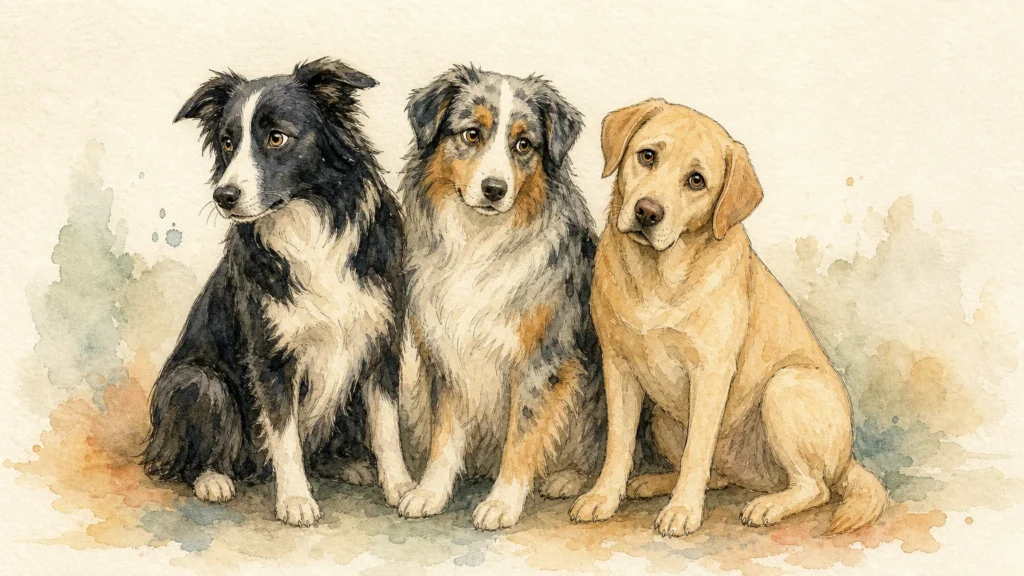
Certain dog breeds were selectively bred for centuries to work in close partnership with humans. Think of lap dogs from the toy group, bred for companionship, or herding dogs, who are exquisitely attuned to their handler’s every move. These genetic predispositions can make them more likely to stay close. However, it’s a critical mistake to rely solely on breed generalizations. Every animal is an individual. A dog’s personal history, early socialization, and life experiences play a much larger role in shaping their personality than their breed standard ever will. We see a huge variety of temperaments within every single breed.
Early Life Experiences
A pet’s first few months are incredibly formative. A puppy or kitten that had positive, stable experiences with people is more likely to form secure attachments. Conversely, an animal who was weaned too early, experienced instability, or was rehomed multiple times might develop an insecure attachment. They may cling to their new, safe person out of a deep-seated fear of being abandoned again. This is especially true for many rescue animals who are learning to trust for the first time.
You’re Unintentionally Rewarding It
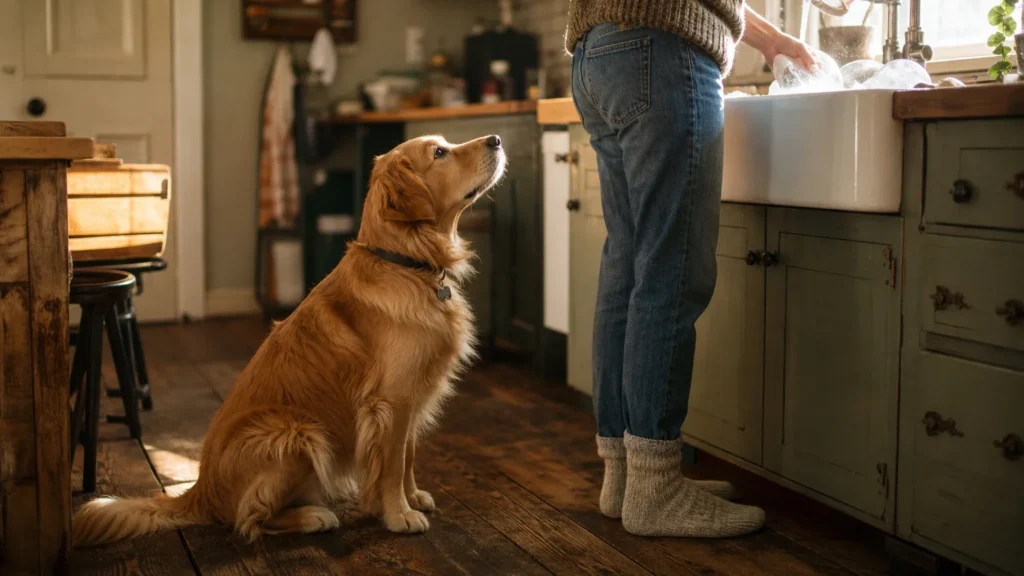
This is the factor we have the most control over. Let’s be honest: it’s hard to ignore a cute, furry face. When your dog paws at your leg for attention, you probably pet them. When your cat meows and rubs against you, you might scoop them up. This is a simple form of positive reinforcement, which means you are rewarding a behavior, making it more likely to happen in the future. Without meaning to, we can teach our pets that clinging, following, and demanding attention is the most effective way to get the affection they crave. While this comes from a place of love, it can inadvertently discourage them from learning to entertain themselves or relax on their own.