Beyond the Toys: Building a Lifestyle of Enrichment
Creating DIY pet toys is a fantastic starting point, but the true spirit of enrichment is about weaving these principles into the fabric of your daily life. It’s a mindset focused on giving your dog choices and opportunities to engage their senses and mind every day, not just during designated “playtime.”
Thinking beyond the toys opens up a world of simple, free, and powerful homemade dog enrichment ideas. These small changes to your routine can have a massive impact on your dog’s happiness and behavior.
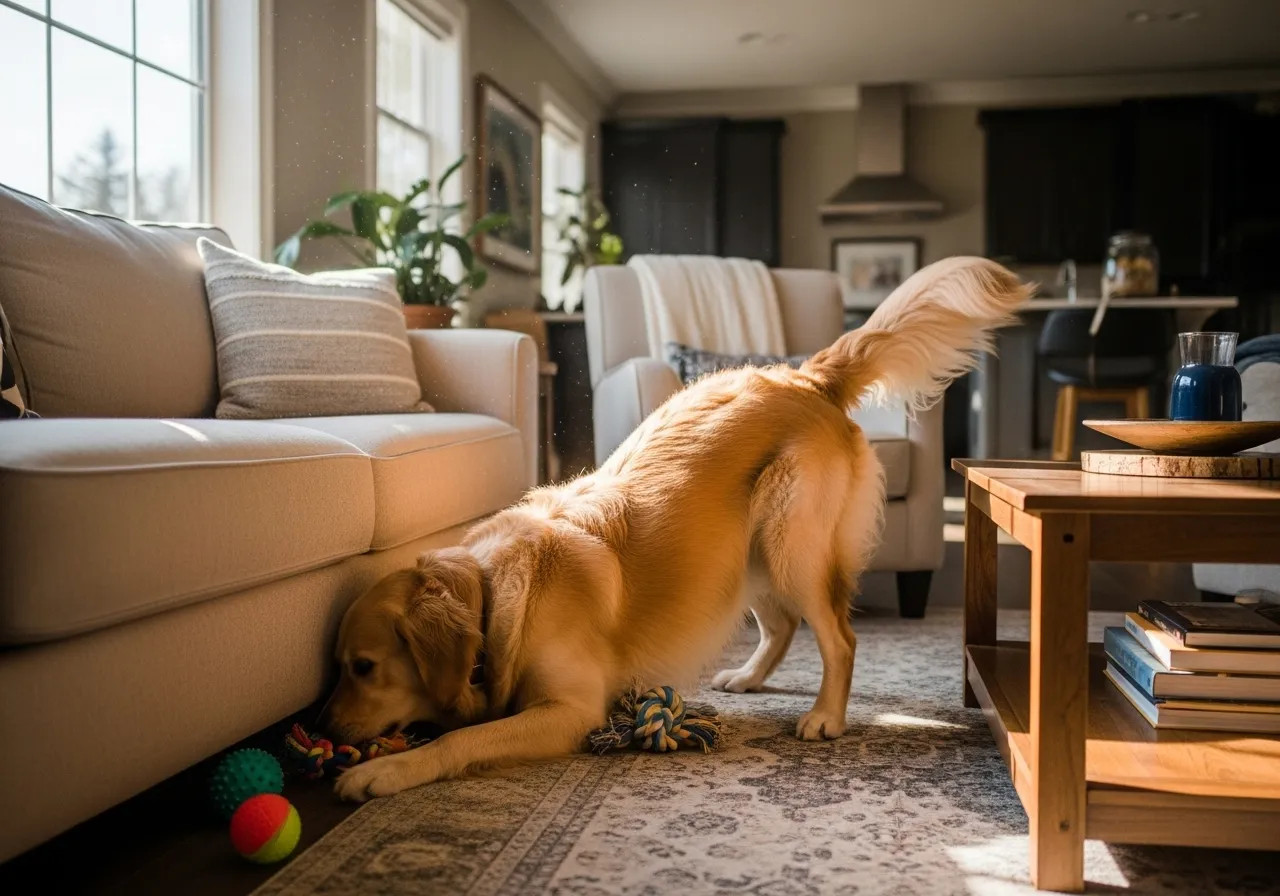
One of the easiest ways to add more enrichment is through scent work. A dog’s nose is their superpower. Instead of just handing them a treat, hide it! Start simply by placing a treat under a blanket or behind a chair leg while they watch, and tell them to “Find it!” As they get better, you can hide treats in different rooms for them to discover. This simple game is incredibly stimulating and satisfying for them.
You can also revolutionize your walks. Many of our daily walks are about human convenience—a quick trip around the block to get business done. Try incorporating a weekly “decompression walk.” Go to a safe, quiet park or trail, use a long (15-20 foot) leash, and just let your dog lead the way. Let them sniff a single blade of grass for five minutes if they want to. This kind of walk is for them, allowing them to gather information about their world through scent. It can be more tiring and relaxing for a dog than a brisk, structured walk.
Training new cues and tricks is another form of enrichment. The process of learning, problem-solving, and communicating with you is a fantastic mental workout. Using positive reinforcement—rewarding your dog with treats, praise, or toys for desired behaviors—keeps training fun and builds a strong, trusting relationship. Teaching a simple “touch” (where they touch their nose to your hand) or a fun “spin” can be a 5-minute enrichment session that brightens their whole day. For guidance on training, you can find helpful resources on humane methods from organizations like the ASPCA.
The goal is not to fill every moment with structured activity. It’s about providing variety and choice. One day might feature a muffin tin puzzle, the next might be a long sniffy walk, and the day after might be a fun training session. By offering a rich and varied environment, you are meeting your dog’s core behavioral needs and helping them live a more fulfilled, happier life.