4. Their Tail Wags to the Right
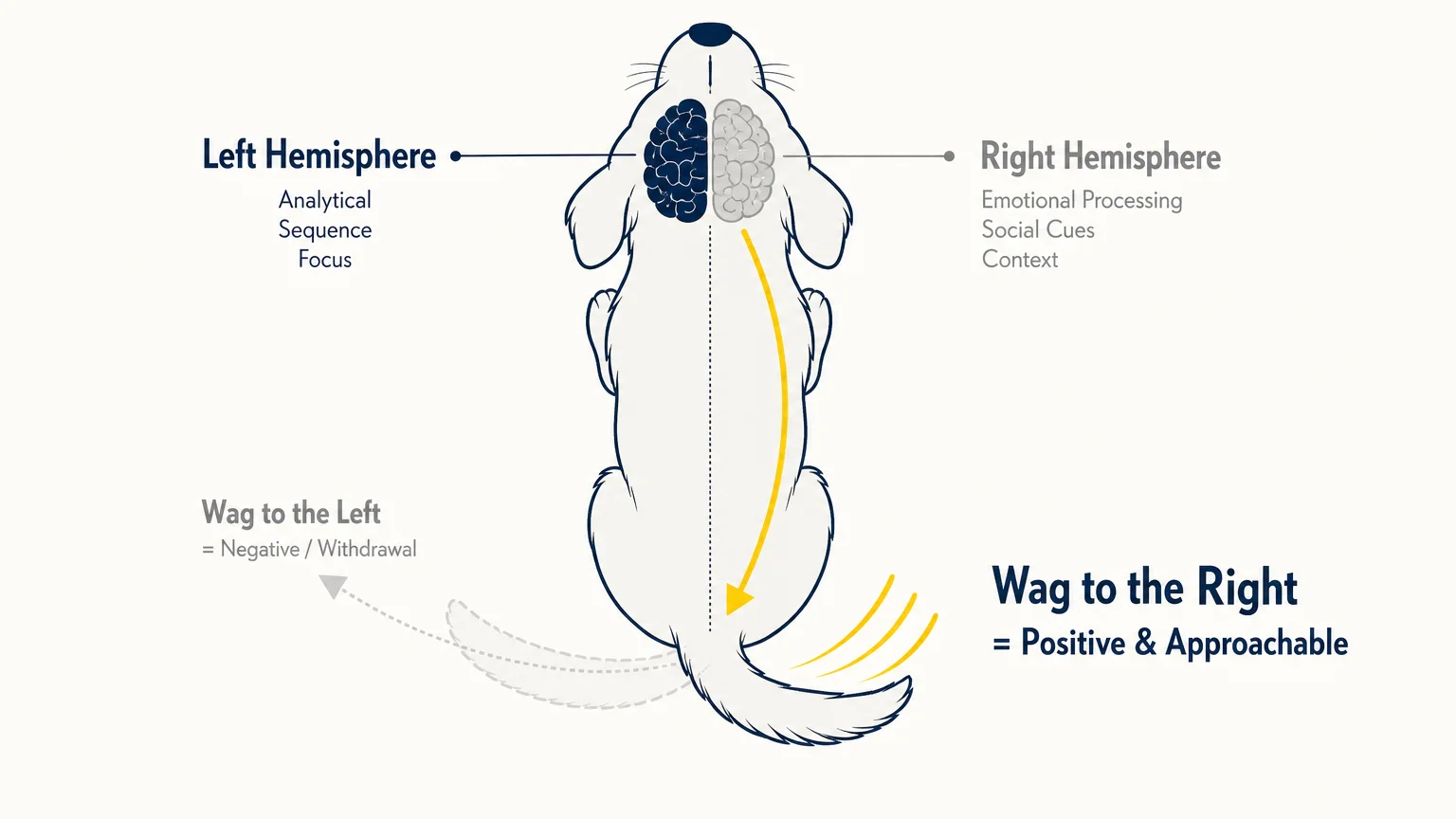
A wagging tail is a reliable sign of emotional arousal, but it does not automatically mean a dog is happy. The specific direction of the wag tells a much deeper story. Because the brain’s hemispheres control opposite sides of the body, the direction of a dog’s tail wag reflects which side of their brain is currently most active.
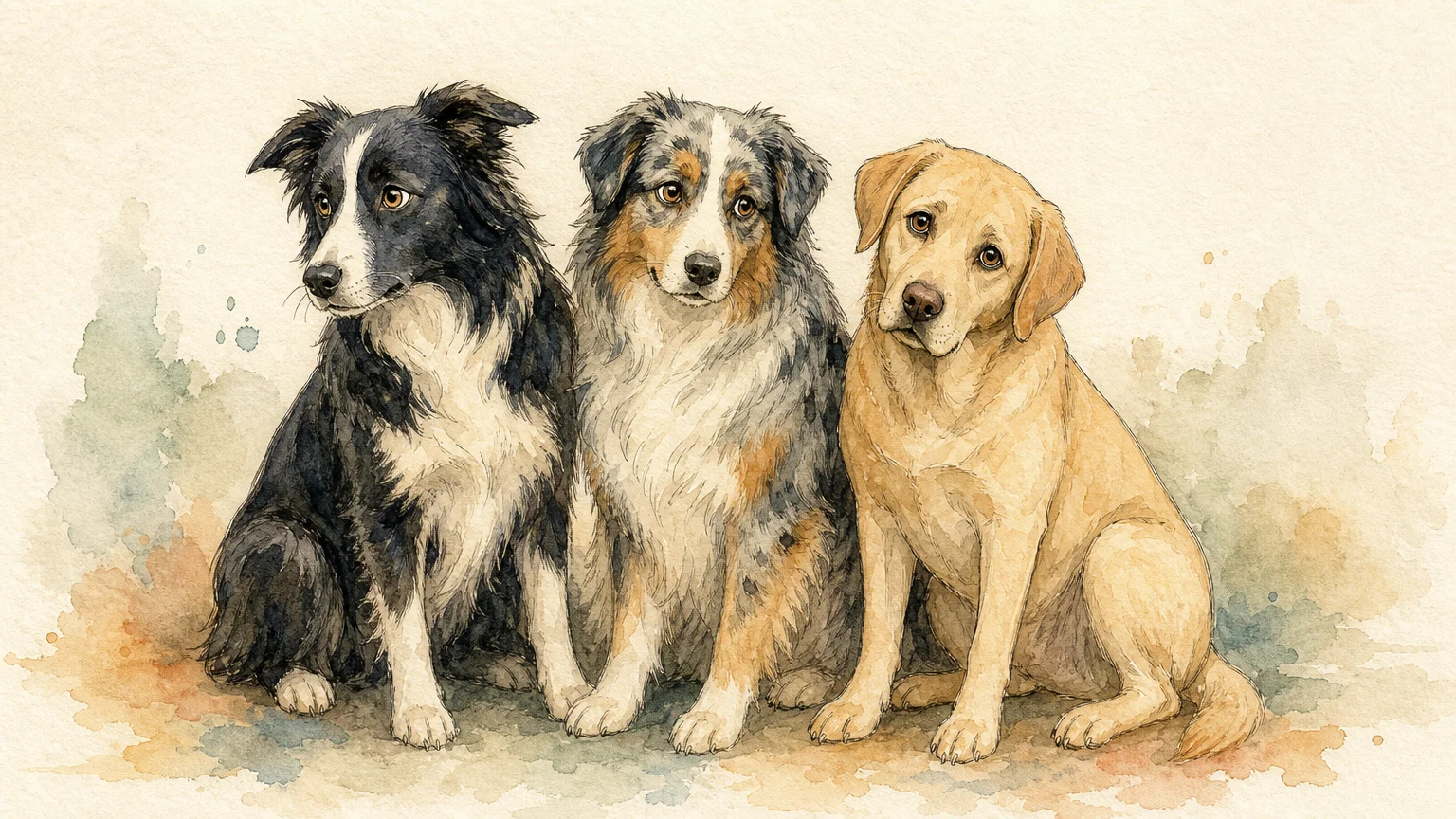
Veterinary research reveals that dogs wag their tails more to the right side of their body when they see something that triggers positive, approach-oriented emotions—like their favorite human. This asymmetrical right-sided wagging is tied to left-hemisphere brain activation.
Conversely, a left-biased wag indicates withdrawal, stress, or anxiety. The next time you grab the leash or walk through the door, watch the base of their tail carefully to spot this subtle physical declaration of love.
5. They Develop a Unique Language Just for You
Kittens meow frequently to get their mother’s attention, but wild felines generally drop this behavior entirely as they reach adulthood. Domestic cats, however, retain the meow specifically to communicate with humans. If your cat trills, chirps, or has a specific meow they only use around you, they have developed a unique vocal relationship tailored entirely to your presence.
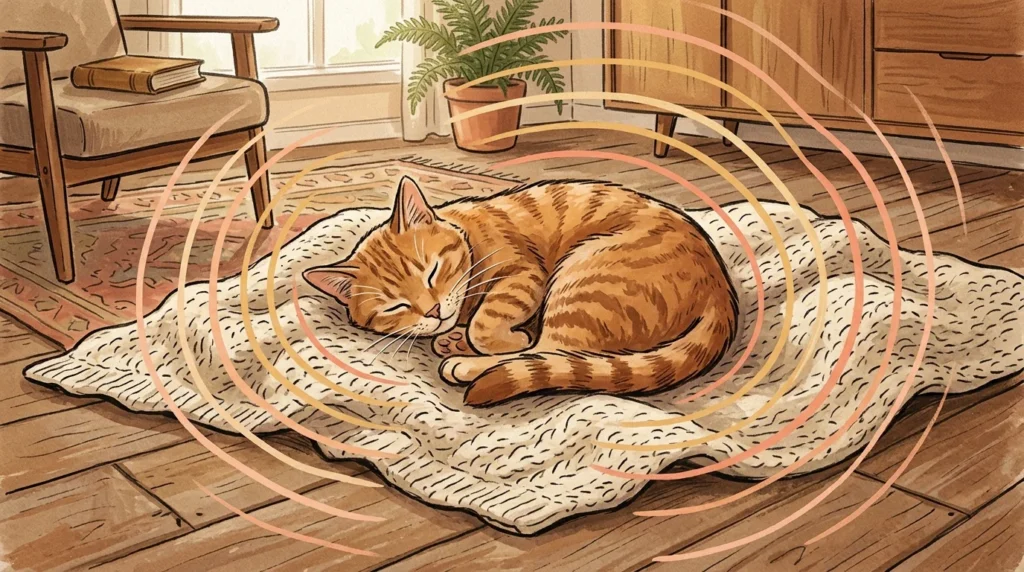
Cats also employ specific frequencies of purring to solicit care and comfort from their favorite people. Dogs adapt their vocalizations in a similar way, learning exactly which pitch of bark, playful growl, or soft grumble will prompt you to engage with them. When your pet vocalizes in a way they reserve only for you, they are confirming their special social bond.