7 Tips to Help Pet Parents Better Communicate With Their Dogs

help pet parents
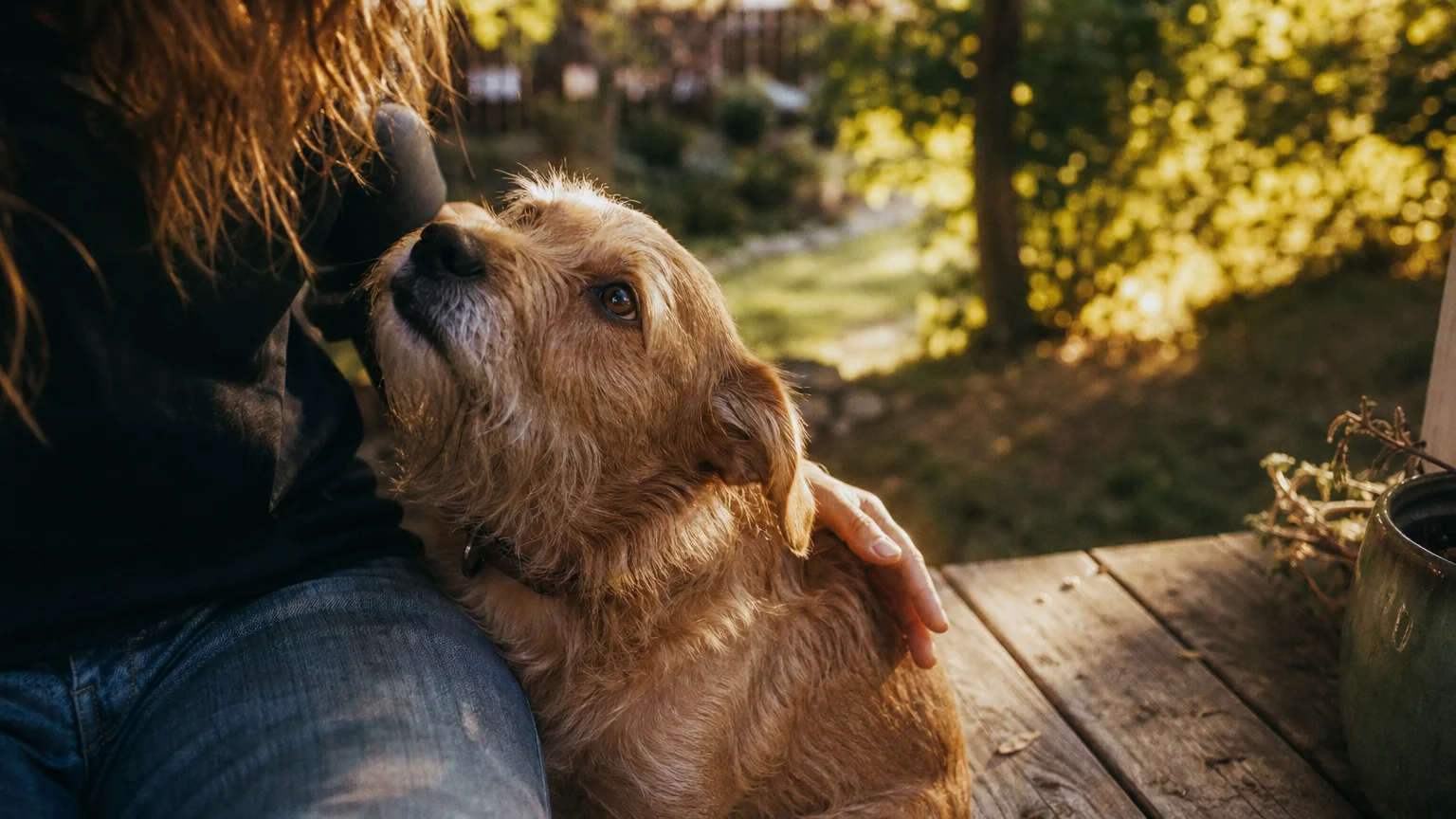
Photo by Jannissimo from shutterstock.com

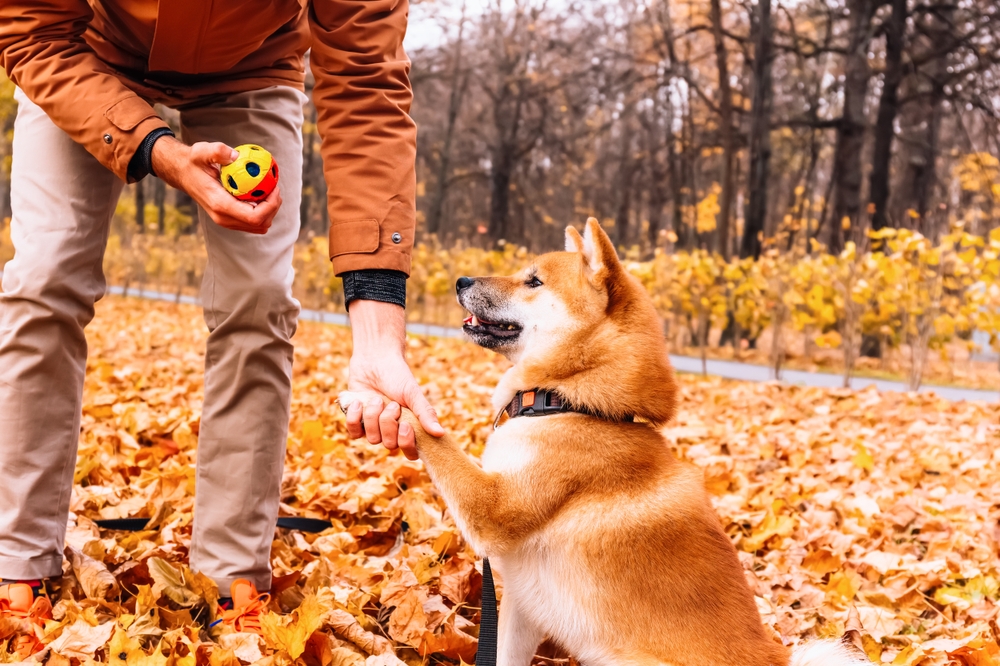
6. Take it slowly

Even though you might already know that, another thing that can help pet parents a lot is taking everything slowly.

Remember that they’re exactly like children, so they need things to move slowly but surely to a more advanced training system.

For instance, you should start giving your dog commands while you’re in a safe and comfortable environment, such as in your home or in your backyard, so they don’t get distracted by other factors.

Once they learn all of these tricks and know how to behave, you can then move the training session to another place, such as in the park.

If you notice that they can learn better and stay focused longer, increase the duration of the training session. Don’t forget to give them treats if they follow your recommendations to increase motivation!


< 1 ... 56 7 8>

Share:

Related Article

Watercolor illustration of a person and their dog gently touching foreheads in a warm, cozy living room.

7 Signs Your Pet Considers You Family

Discover the science behind pet bonding, from canine oxytocin loops to feline slow blinks, and learn how your dog or cat shows they view you as family.

A warm watercolor illustration of three different cuddly cats sleeping together in a cozy armchair next to a hot mug of tea.

11 Cat Breeds That Love Cuddling

Discover the 11 most affectionate cat breeds, from the warmth-seeking Sphynx to the floppy Ragdoll, and learn the science behind cuddly felines.

Watercolor illustration of a cozy living room with several cats sleeping in a box, kneading a blanket, and playing.

8 Strange Cat Behaviors Explained

Discover the science and psychology behind common feline habits, from slow blinking to 3 AM zoomies, to better understand your cat’s body language.

A golden retriever rests its head on its owner's lap in a warm, sunlit living room, showcasing a quiet moment of trust.

8 Signs Your Dog Trusts You Completely

Discover the subtle behavioral cues and body language signs that prove your dog completely trusts you, from making soft eye contact to relaxed sleeping positions.