You might think slipping your dog a piece of leftover breakfast meat is a harmless way to show affection, but veterinarians warn that one popular morning staple can trigger a life-threatening medical emergency. Bacon is the absolute worst meat you can feed your dog. Its massive fat and sodium content forces a dog’s pancreas into dangerous overdrive. The sudden influx of heavily processed fat from bacon, ham, or sausage often leads to acute pancreatitis. This painful, sometimes fatal inflammation can cost thousands of dollars to treat and cause permanent organ damage. Before you scrape your plate into your dog’s bowl, you need to understand exactly what high-fat meats do and find safer alternatives.
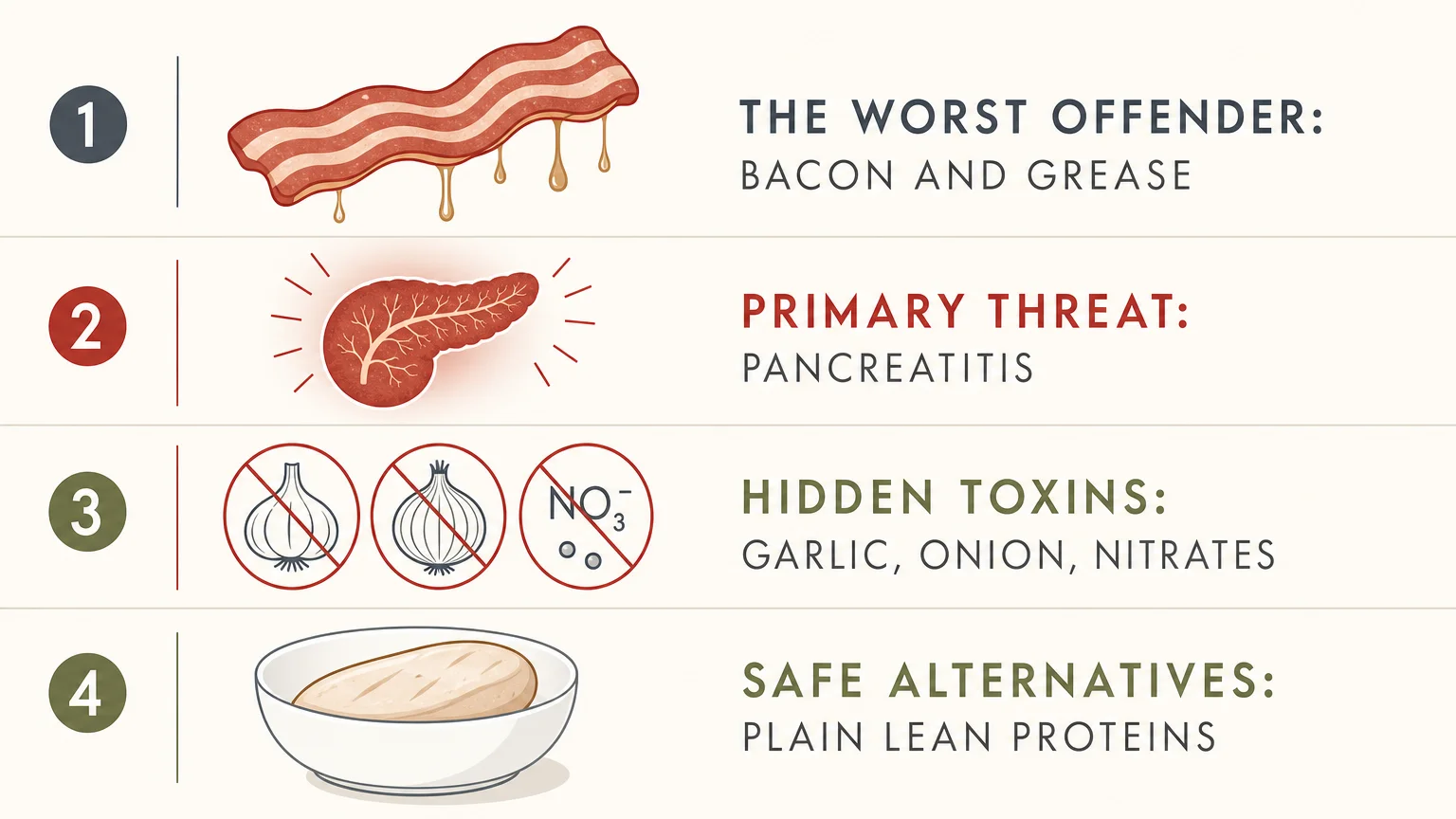
The Essentials
- The worst offender: Bacon and bacon grease flood a dog’s digestive system with more fat and sodium than their organs can process, directly causing pancreatic distress.
- The primary medical threat: High-fat processed meats trigger acute pancreatitis, a severe condition where the pancreas essentially begins digesting itself.
- Hidden toxic ingredients: Breakfast meats like sausage and ham often contain garlic powder, onion powder, and nitrates, which damage canine red blood cells.
- Safe alternatives exist: Plain, unseasoned lean proteins like boiled chicken breast or drained ground turkey provide the meat your dog craves without the medical risks.
What Makes Bacon So Dangerous for Dogs?
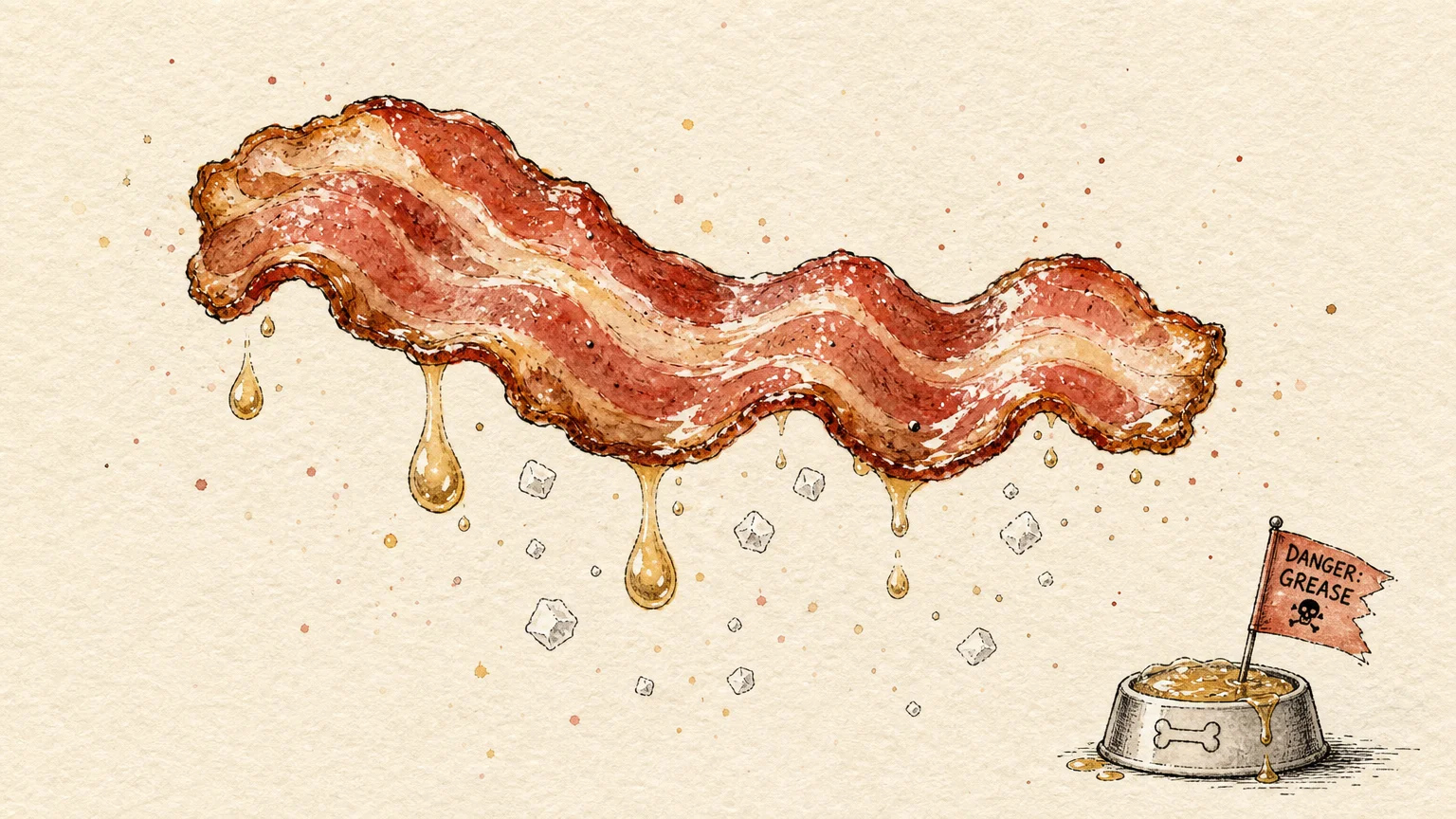
Dogs evolved as scavengers and opportunistic carnivores, which leads many pet owners to mistakenly believe their digestive systems can handle any type of meat. While it holds true that canines process raw proteins and bone material differently than humans, modern processed meats bear no resemblance to a wild diet. Bacon sits at the very top of the danger list because it combines three distinct hazards into one highly concentrated strip: excessive saturated fat, astronomical sodium levels, and toxic chemical preservatives.
When you fry bacon, the meat renders down, concentrating the fat into a heavy grease. A dog’s stomach simply lacks the appropriate balance of bile and enzymes required to break down this volume of pure, processed lipid. For humans, eating heavy, greasy food might result in mild indigestion or heartburn. For dogs, this sudden spike in circulating blood fats acts like a chemical shock to the digestive organs.
Sodium presents a secondary, equally dangerous threat. Commercial bacon requires heavy curing in salt brines to preserve the meat and develop its signature flavor. A single slice of bacon contains enough sodium to severely dehydrate a small dog. When a dog consumes highly salted meats, they experience excessive thirst. If they gorge on water to compensate, they risk life-threatening gastric dilatation-volvulus, commonly known as bloat. If they cannot access enough water, they risk sodium ion poisoning, which causes tremors, seizures, and neurological damage.
Furthermore, manufacturers treat bacon, sausage, and deli meats with nitrites and nitrates to maintain their pink color and extend shelf life. These chemical compounds irritate the canine stomach lining and disrupt healthy gut flora. Many breakfast meats also feature heavy seasonings. Garlic powder, onion powder, and smoked paprika frequently coat premium bacon brands. All members of the allium family—including onions and garlic—contain compounds called N-propyl disulfides that destroy a dog’s red blood cells, leading to a dangerous condition known as hemolytic anemia.
The Silent Threat: Canine Pancreatitis Explained
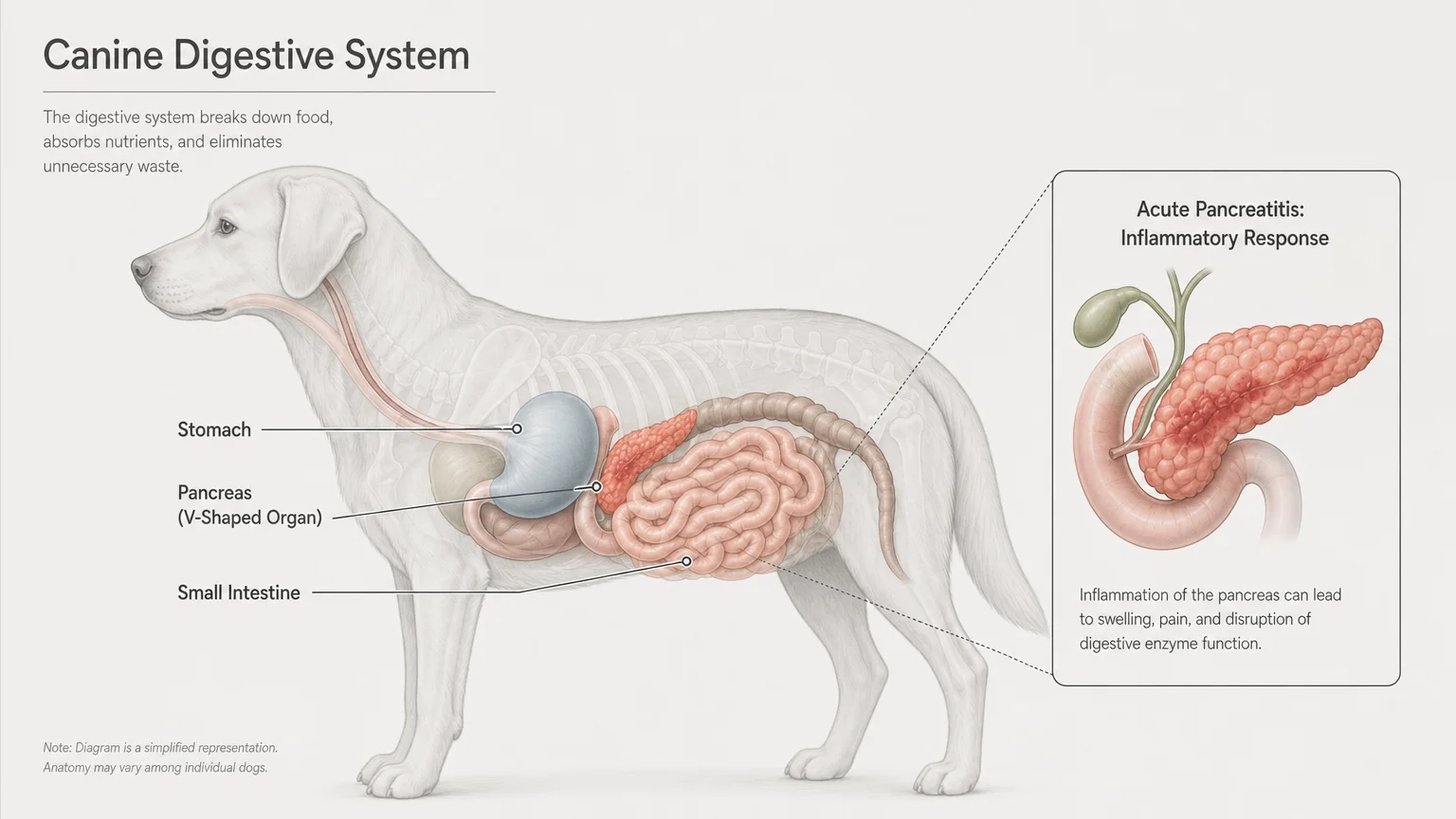
The most immediate and severe consequence of feeding your dog bacon is a condition called acute pancreatitis. The pancreas is a small, V-shaped organ nestled behind the stomach and alongside the small intestine. It serves two vital functions; it regulates blood sugar by producing insulin, and it manufactures powerful digestive enzymes that break down proteins, carbohydrates, and fats.
Under normal circumstances, the pancreas packages these digestive enzymes in an inactive state. They travel safely down the pancreatic duct and only activate once they reach the small intestine, where they safely digest food. However, a massive influx of dietary fat from foods like bacon causes this sophisticated system to short-circuit. The fat triggers the pancreas to release an overwhelming surge of enzymes, which activate prematurely inside the pancreas itself.
Once active, these enzymes begin digesting the very organ that created them. This causes massive inflammation, intense pain, and localized tissue death. As the inflammation spreads, it can easily damage adjacent organs like the liver and intestines, or leak toxins into the bloodstream, triggering systemic shock.
Veterinary experts at PetMD note that treating acute pancreatitis requires aggressive medical intervention. Your dog will likely need hospitalization, intravenous fluids to combat dehydration, anti-nausea medications, and strong prescription pain relief. Because the pancreas must rest to stop the production of enzymes, veterinarians usually withhold all food and water by mouth until the inflammation subsides. Pet owners can expect veterinary bills ranging from $500 to $5,000 depending on the severity of the attack and the required days of intensive care.
According to the American Kennel Club, recognizing the early signs of pancreatitis can mean the difference between a quick recovery and a fatal crisis. Watch your dog closely for these symptoms if they accidentally consume high-fat meats:
- Repeated, persistent vomiting, often yellow and frothy
- The “prayer position”—resting with their front legs flat on the floor and their rear end elevated in the air, a classic sign of intense abdominal pain
- A swollen, hard, or highly sensitive abdomen
- Extreme lethargy and total loss of appetite
- Fever and rapid, shallow breathing
Common Mistakes to Avoid
Well-meaning pet owners often inadvertently put their dogs at risk simply because they lack accurate nutritional information. Avoid these specific missteps to keep your dog’s pancreas healthy.
Pouring Bacon Grease Over Kibble
Some owners attempt to entice picky eaters by drizzling warm bacon grease over dry dog food. This turns a balanced meal into a toxic fat bomb. The kibble acts like a sponge, soaking up pure rendered animal fat. This delivers a highly concentrated dose of lipids directly into the digestive tract, practically guaranteeing an emergency vet visit.
Assuming “Just One Bite” Won’t Hurt
Size matters significantly in veterinary medicine. A single slice of thick-cut bacon might seem like a tiny morsel to you, but for a 10-pound Yorkshire Terrier or Chihuahua, that slice represents a massive percentage of their daily caloric and fat allowance. Small breeds actually face a higher genetic predisposition to pancreatitis, making even a single bite incredibly dangerous.
Leaving Trash Bins Unsecured After Breakfast
Dogs possess incredibly sensitive noses and strong scavenging instincts. Many pancreatitis cases occur not because the owner fed the dog bacon, but because the dog raided the garbage can after a weekend breakfast. They ingest discarded fat trimmings, grease-soaked paper towels, and raw bacon packaging. Always use a secure, locking trash can or immediately take meat scraps to an outside bin.
Trusting Cheap “Meat-Flavored” Treats
Walk down any pet store aisle, and you will see dozens of treats marketed to look and smell exactly like bacon. While these rarely contain actual pork fat, lower-tier brands often load these treats with artificial smoke flavorings, excessive salt, and low-quality meat by-products that irritate sensitive stomachs. Always read the ingredient label and prioritize treats made with whole, recognizable ingredients.
Other Processed Meats You Should Keep Off the Menu
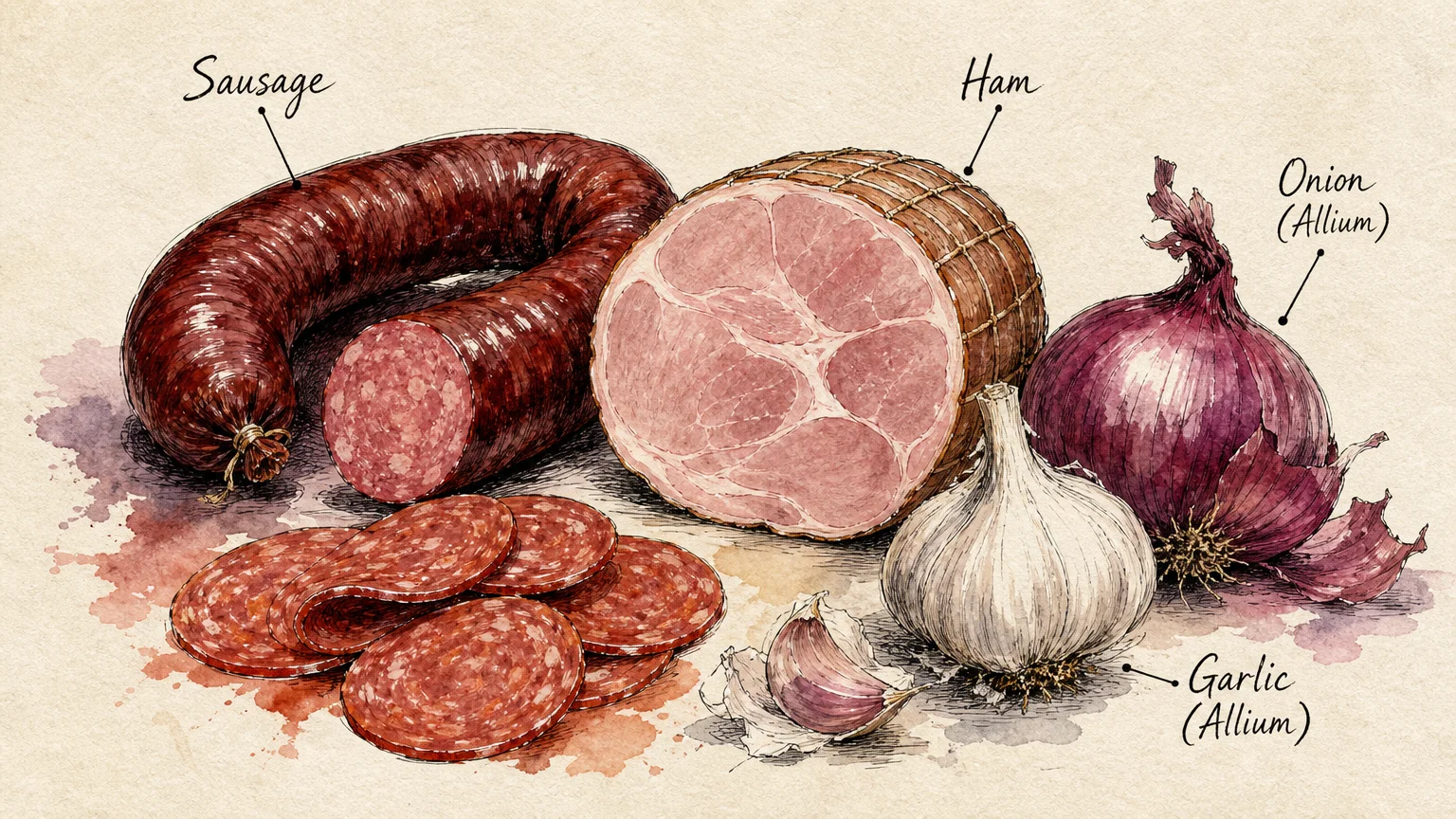
The ASPCA explicitly lists fatty meats among the top human foods that pet owners must avoid. Bacon is not the only culprit. Several other popular deli and breakfast meats carry similar risks and should never enter your dog’s food bowl.
- Deli Ham: Commercial ham undergoes heavy brining and smoking. It carries a massive sodium load and features dense marbling. Even a few slices of deli ham can trigger an intense bout of diarrhea or push a susceptible dog into full-blown pancreatitis.
- Hot Dogs and Bologna: These ultra-processed tubes of meat contain meat paste, heavy salt, artificial casings, and chemical preservatives. Furthermore, chunks of hot dog represent a significant choking hazard for dogs who tend to inhale their food without chewing.
- Breakfast Sausage: Whether in link or patty form, breakfast sausage is essentially ground pork mixed with pure fat and heavy spices. The inclusion of sage, nutmeg, and onion powder makes sausage highly toxic to canine organ systems.
- Raw Pork: While the raw food diet has gained popularity, raw pork carries unique risks. It can harbor the parasite Trichinella spiralis, which causes trichinosis. It also carries the risk of pseudorabies virus (Aujeszky’s disease), an often fatal neurological condition in dogs.
- Cooked Rib Bones: Any cooked meat attached to a bone presents an extreme hazard. Cooking calcifies bones, making them brittle. A cooked pork rib will easily splinter into sharp, needle-like shards that can puncture your dog’s esophagus, stomach, or intestines, requiring emergency surgery.
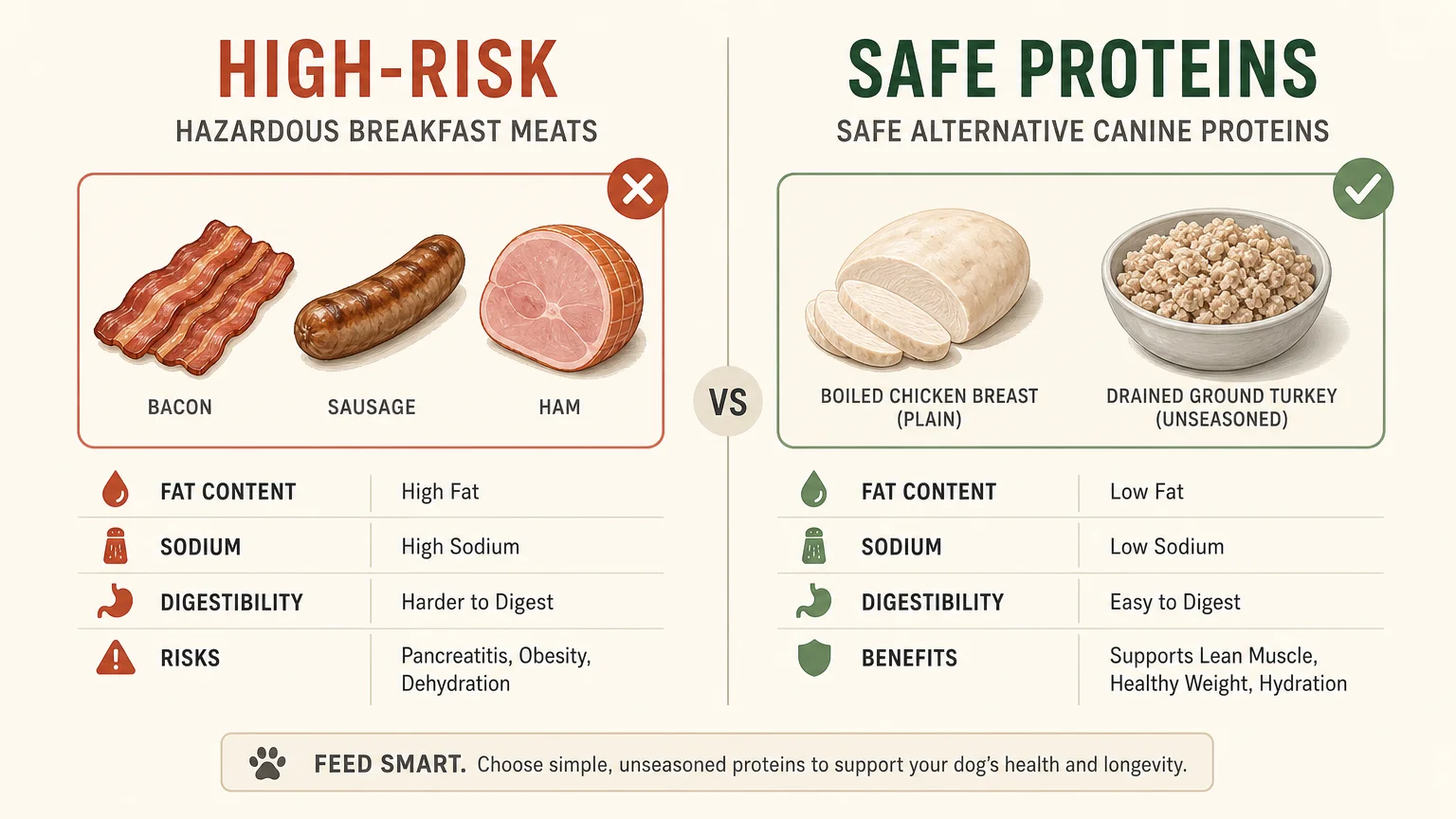
Comparing High-Risk Meats to Safe Proteins
To better understand why certain meats cause harm while others provide vital nutrition, review this breakdown of common household proteins. The way a meat is processed and prepared dictates its safety for your dog.
| Meat Type | Fat & Sodium Profile | Primary Canine Health Risk | Veterinary Verdict |
|---|---|---|---|
| Bacon & Bacon Grease | Extremely High Fat, High Sodium | Acute Pancreatitis, Salt Toxicity | Never Feed |
| Deli Ham & Hot Dogs | High Fat, Extreme Sodium | Dehydration, GI Distress, Nitrate Exposure | Never Feed |
| Breakfast Sausage | High Fat, Moderate Sodium | Pancreatitis, Toxic Spice Ingestion | Never Feed |
| Boiled Chicken Breast (No Skin) | Very Low Fat, Low Sodium | None (unless the dog has a specific poultry allergy) | Highly Recommended |
| Lean Ground Turkey (Drained) | Low Fat, Low Sodium | None | Highly Recommended |
| Cooked Salmon (Unseasoned) | Moderate (Healthy Omega) Fat, Low Sodium | Must be fully cooked to avoid parasites | Recommended in Moderation |
Getting Expert Input
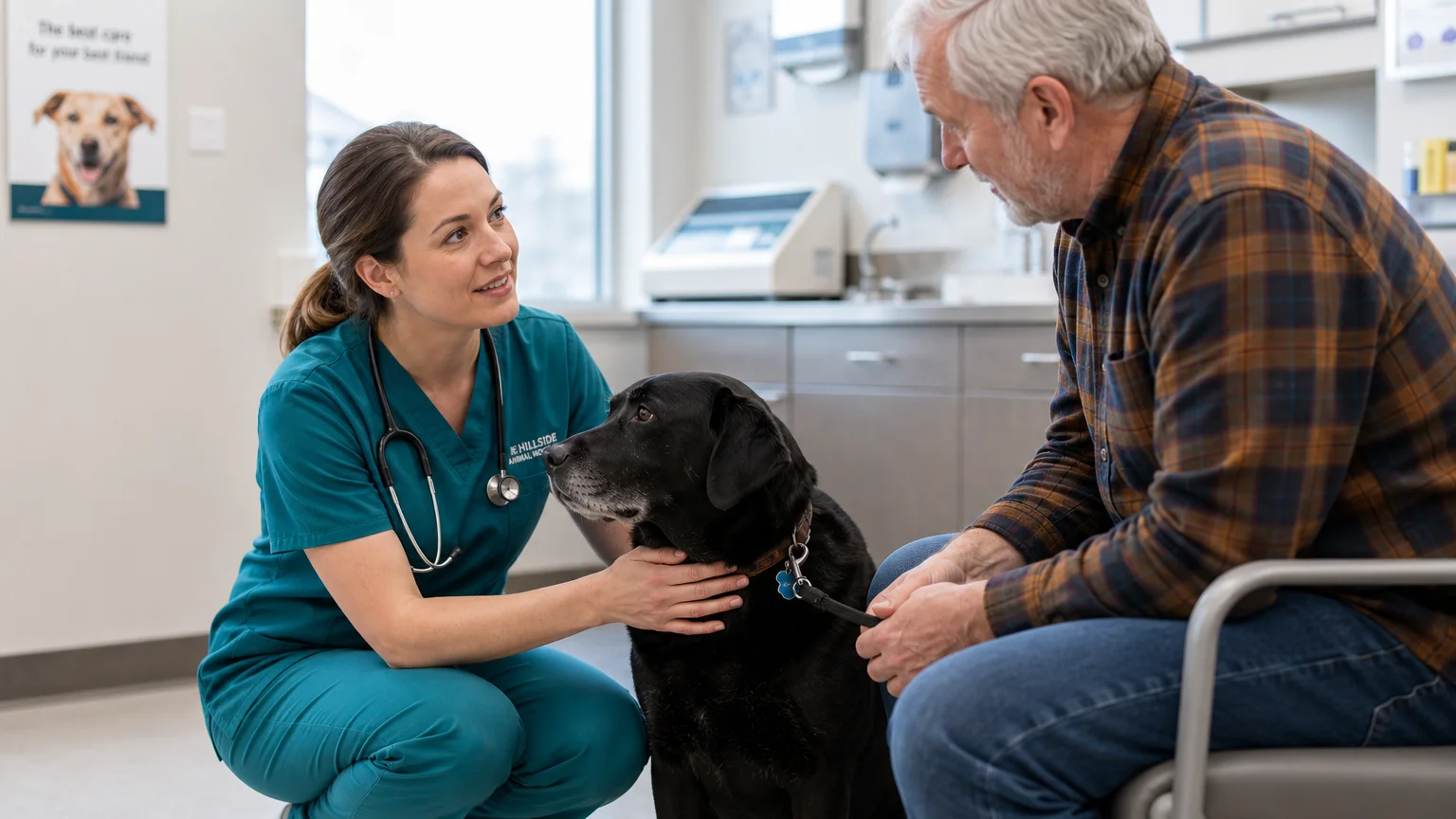
Navigating canine nutrition and responding to digestive emergencies requires professional guidance. Do not rely on home remedies if you suspect your dog has consumed a dangerous amount of fatty meat.
Recognizing an Emergency
If your dog steals a plate of bacon from the counter, monitor them closely. If they vomit more than once, refuse their regular food, or show signs of abdominal pain, call your emergency veterinarian immediately. Pancreatitis progresses rapidly; catching it in the first few hours drastically improves the prognosis and reduces the risk of long-term organ damage.
Navigating the Diagnostic Process
When you arrive at the clinic, be completely honest about what your dog ate, including the estimated quantity and the timeframe. The veterinarian will likely run a specific blood test called a cPLI (canine pancreatic lipase immunoreactivity) to confirm pancreatic inflammation. They may also use an abdominal ultrasound to check for localized swelling and rule out intestinal blockages from items like cooked bones or plastic packaging.
Consulting a Veterinary Nutritionist
If your dog suffers a bout of pancreatitis, their dietary needs will change permanently. Once a dog experiences an acute attack, their pancreas remains sensitized and highly prone to chronic flare-ups. Partner with a board-certified veterinary nutritionist to transition your dog to an ultra-low-fat prescription diet. These specialized kibbles and wet foods keep fat levels below 8% on a dry matter basis, allowing the pancreas to function without strain.
Vet-Approved Lean Proteins to Share Instead
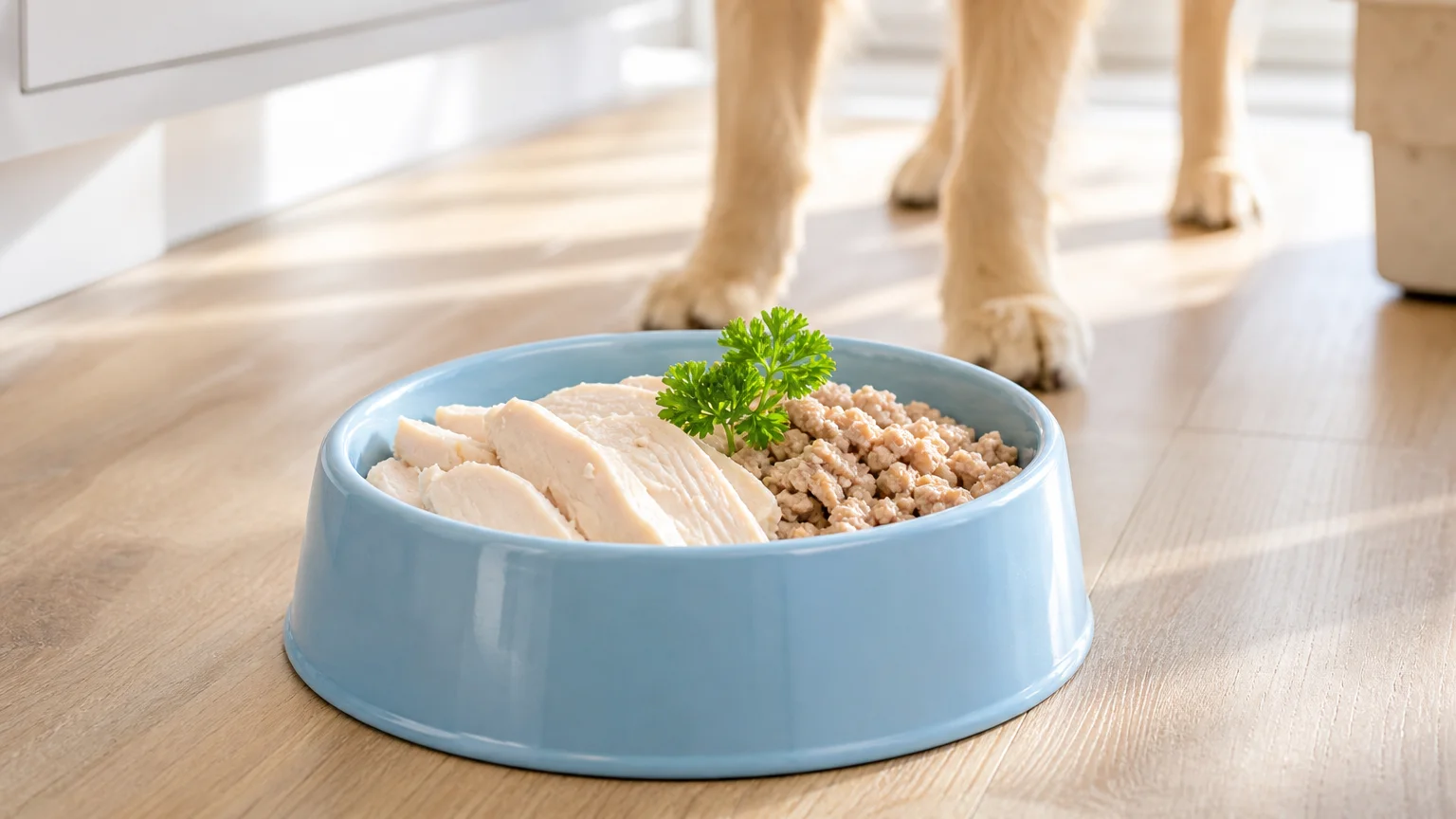
You do not have to completely stop sharing food with your dog. You simply need to pivot to proteins that support their health rather than jeopardize it. When preparing meat for your dog, always adhere to the golden rules of canine cooking: boil or bake the meat, never add salt, avoid all oils and butter, and never use garlic or onions.
Skinless, Boiled Chicken Breast
Chicken breast remains the gold standard for canine treats and upset stomachs. Boiling the chicken ensures that any trace amounts of fat render out into the water, leaving behind pure, easily digestible protein. Shred it finely and use it as a high-value training reward or a kibble topper.
Lean Ground Beef or Turkey
Choose ground meat that is at least 90% lean. Brown the meat in a non-stick skillet without any added cooking spray or oil. Once fully cooked, place the meat in a colander and rinse it with warm water. This extra step washes away the residual grease, making it entirely safe for your dog’s digestive tract.
Plain, Thoroughly Cooked Salmon
Salmon provides excellent omega-3 fatty acids, which reduce joint inflammation and promote a shiny, healthy coat. However, you must bake or poach the salmon until it is completely cooked through. Raw salmon from the Pacific Northwest can harbor a parasite infected with a bacteria called Neorickettsia helminthoeca, which causes a highly fatal condition known as salmon poisoning disease.
Eggs
While not a meat, eggs offer one of the most bioavailable sources of protein for dogs. Scramble an egg in a dry, non-stick pan, or slice up a hard-boiled egg. Eggs provide essential amino acids and fatty acids that support skin and muscle health, without the dangerous heavy lipids found in processed pork.
You can still build a powerful bond with your dog through shared food. By swapping out dangerous processed breakfast meats for clean, lean proteins, you protect their pancreas, save thousands of dollars in veterinary bills, and ensure they live a long, comfortable, and healthy life by your side.
This is general informational content based on widely accepted guidance. Individual results vary. Verify current details—rules, prices, eligibility, regulations—with official sources before making important decisions.