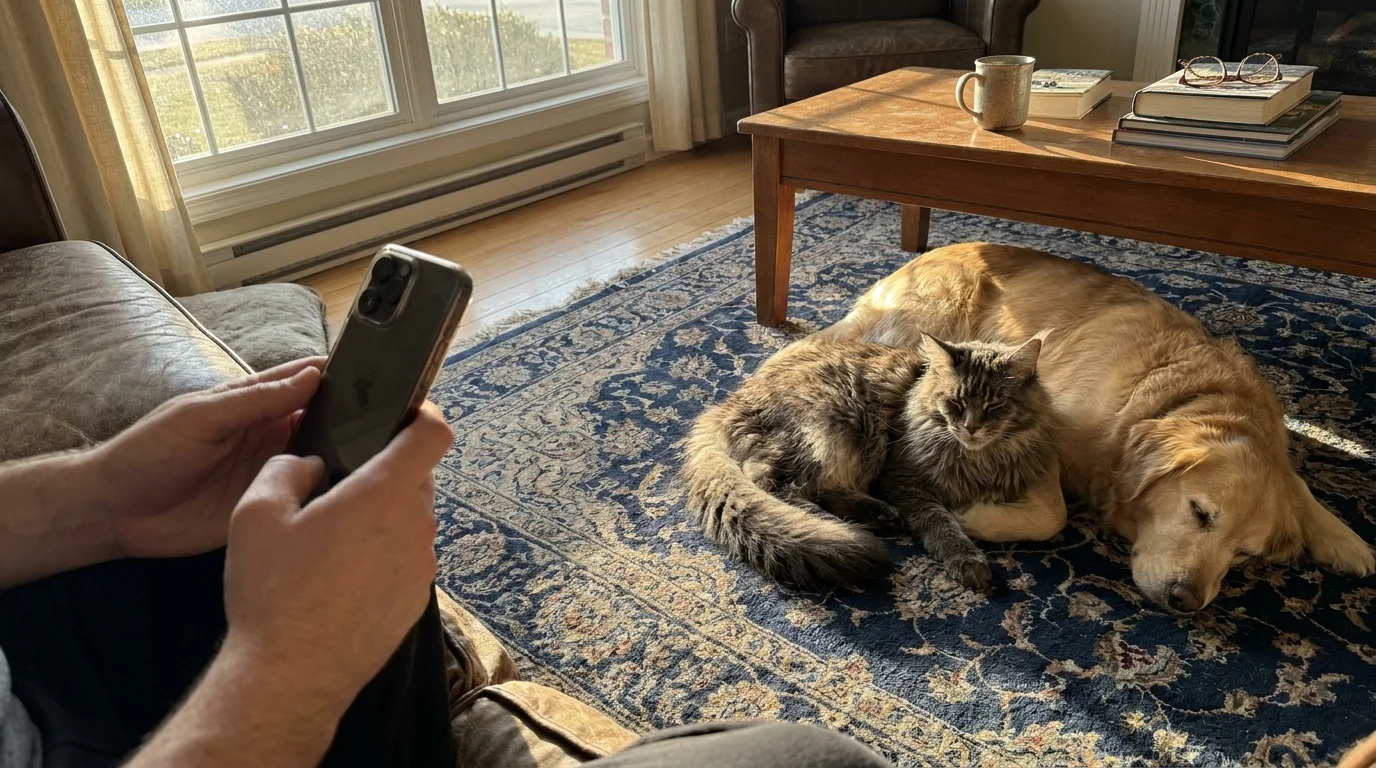
Cats often carry an unfair reputation for being aloof, independent, and completely uninterested in humans unless dinner is served. However, feline behavior is far more nuanced, and genetics play a surprisingly significant role in how outgoing a feline might be. If you want a pet that greets you at the door, follows you from room to room, and actively seeks out human interaction, choosing the right companion cat breed makes all the difference. Many breeds thrive on deep connections and act much more like golden retrievers than solitary prowlers. Here is a look at ten affectionate cats that defy the aloof stereotype and offer the kind of engaging, highly social companionship you might not expect.
Quick Summary
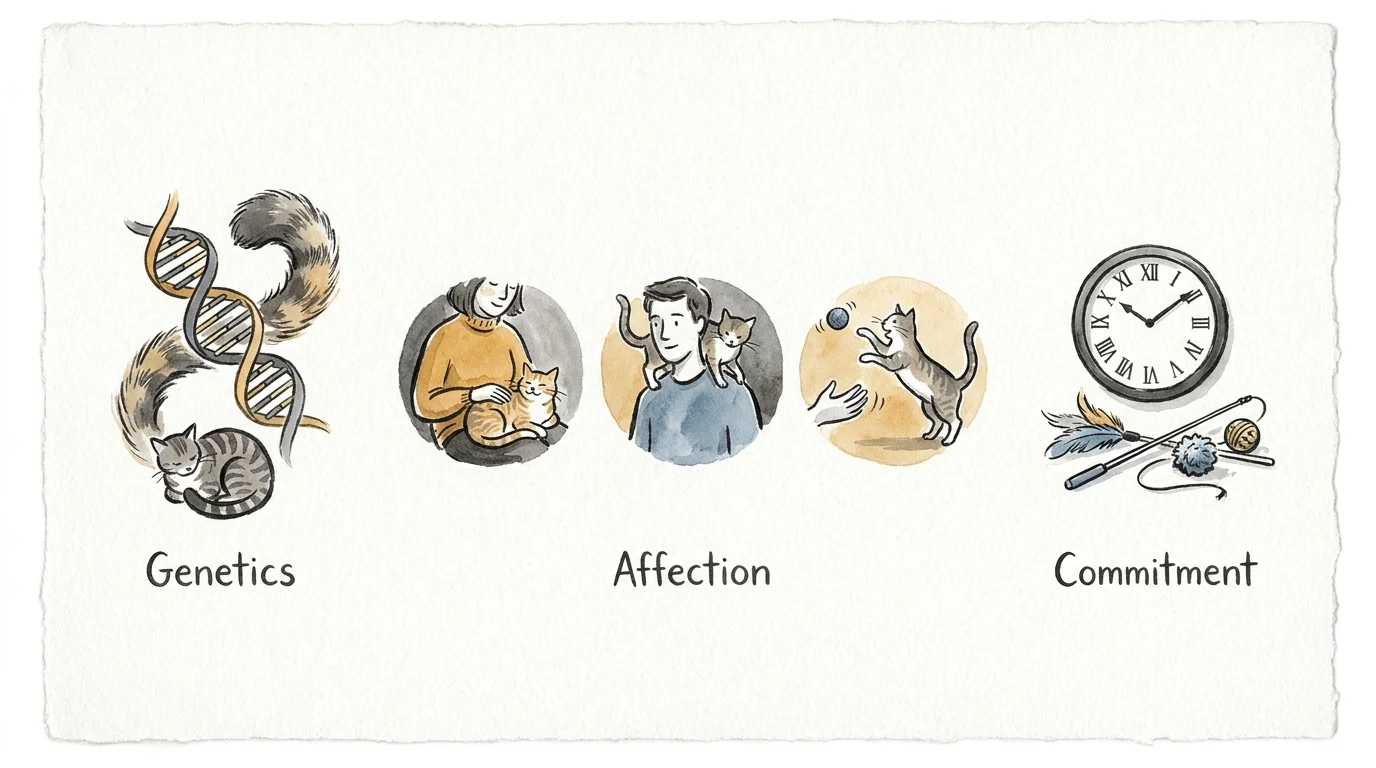
- Genetics drive behavior: Selecting pedigreed social cat breeds gives you a predictable behavioral blueprint for affection and playfulness.
- Affection looks different for every breed: Some friendly cat breeds want to sleep on your lap all day, while others prefer to perch on your shoulder or play fetch.
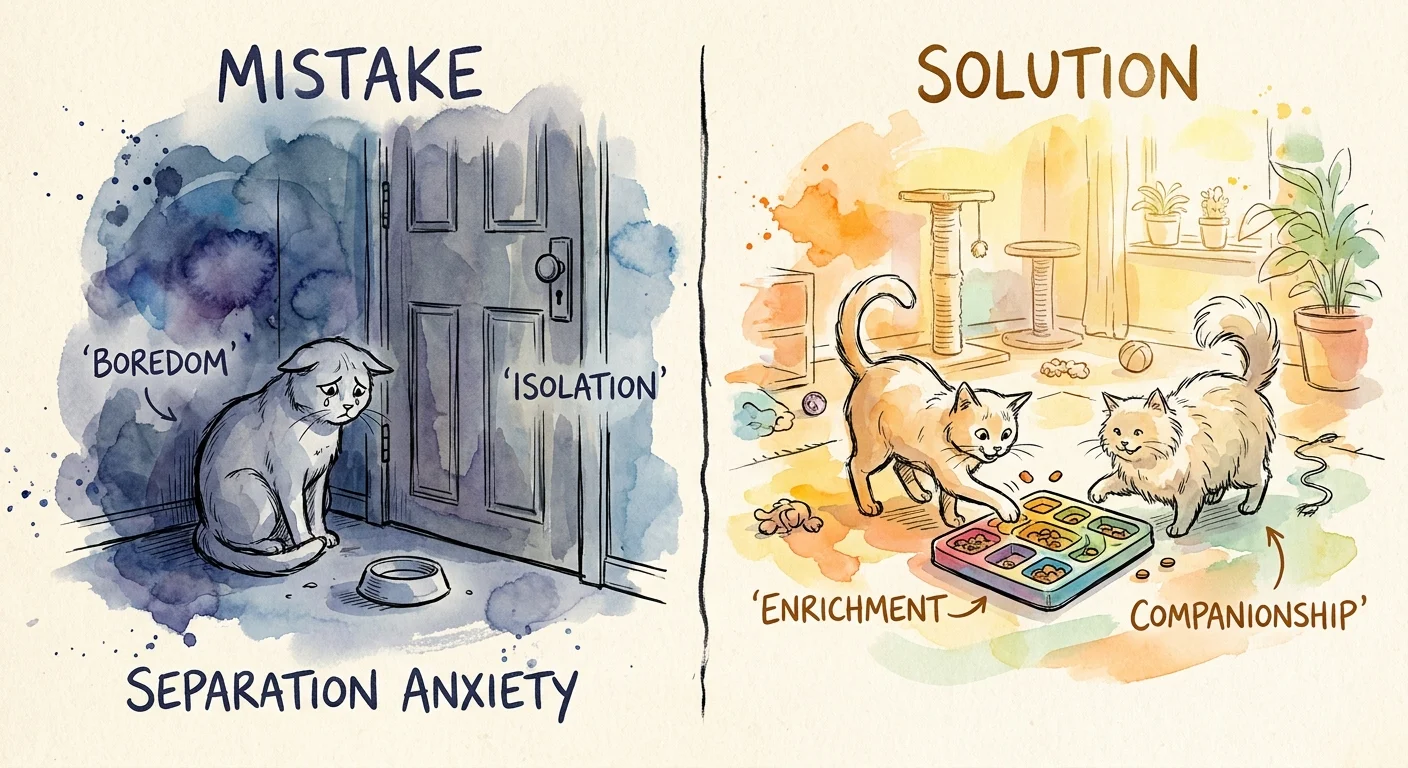
- High social needs require commitment: Outgoing cat breeds often struggle with separation anxiety; they demand daily enrichment and substantial interaction to stay happy and healthy.
The 10 Most Outgoing and Friendly Cat Breeds
1. Ragdoll
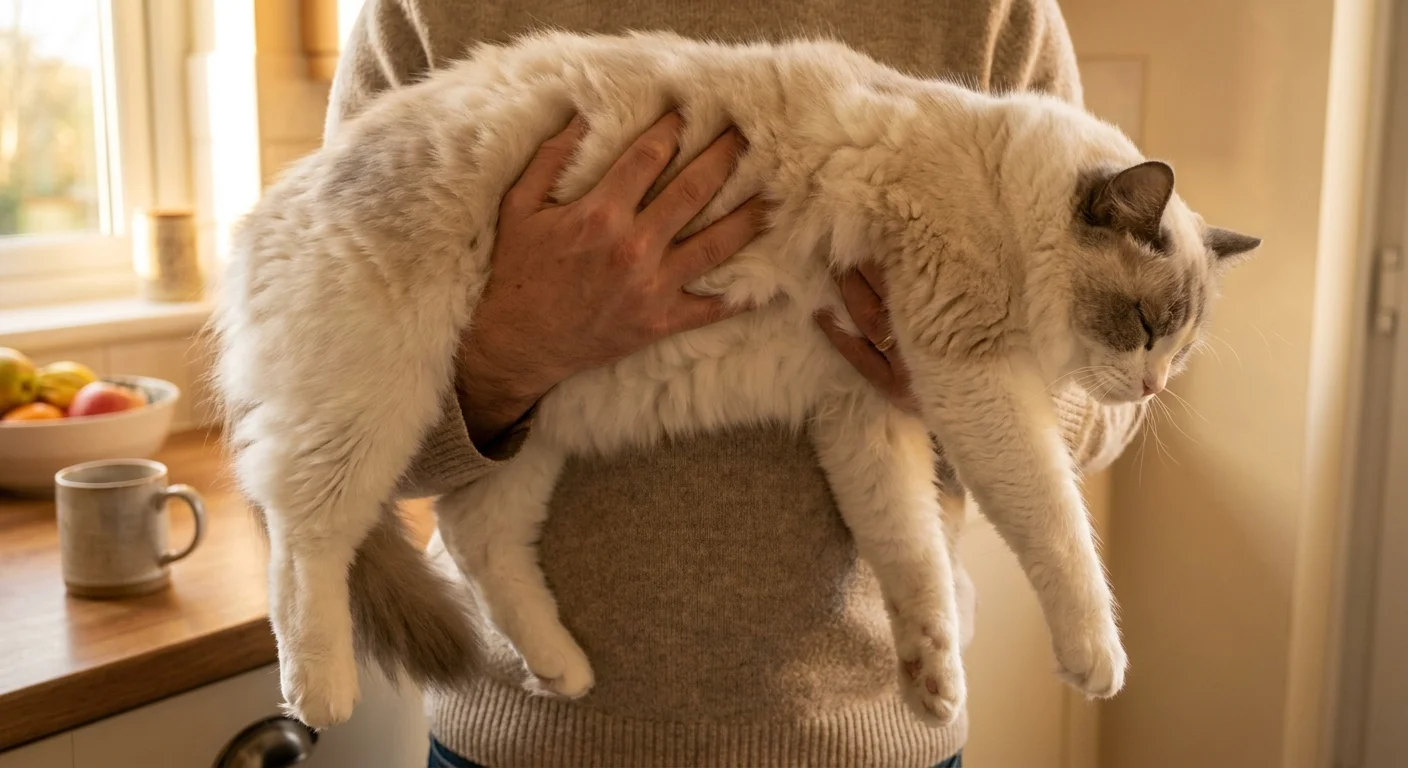
The Ragdoll owes its name to a highly endearing physical quirk—they frequently go entirely limp when you pick them up, much like a child’s stuffed toy. Developed in California in the 1960s by Ann Baker, this breed was selectively bred specifically for a docile and sweet-tempered disposition. According to The International Cat Association (TICA), Ragdolls are remarkably outgoing and possess a laid-back disposition that makes them highly tolerant of children and other household animals.
They are famously slow to mature, sometimes taking up to four years to reach their full, impressive size of 15 to 20 pounds for males. Their social style relies heavily on physical proximity. A Ragdoll will gladly flop across your lap, follow you from room to room to see what you are doing, and can even be taught to play fetch.
2. Abyssinian
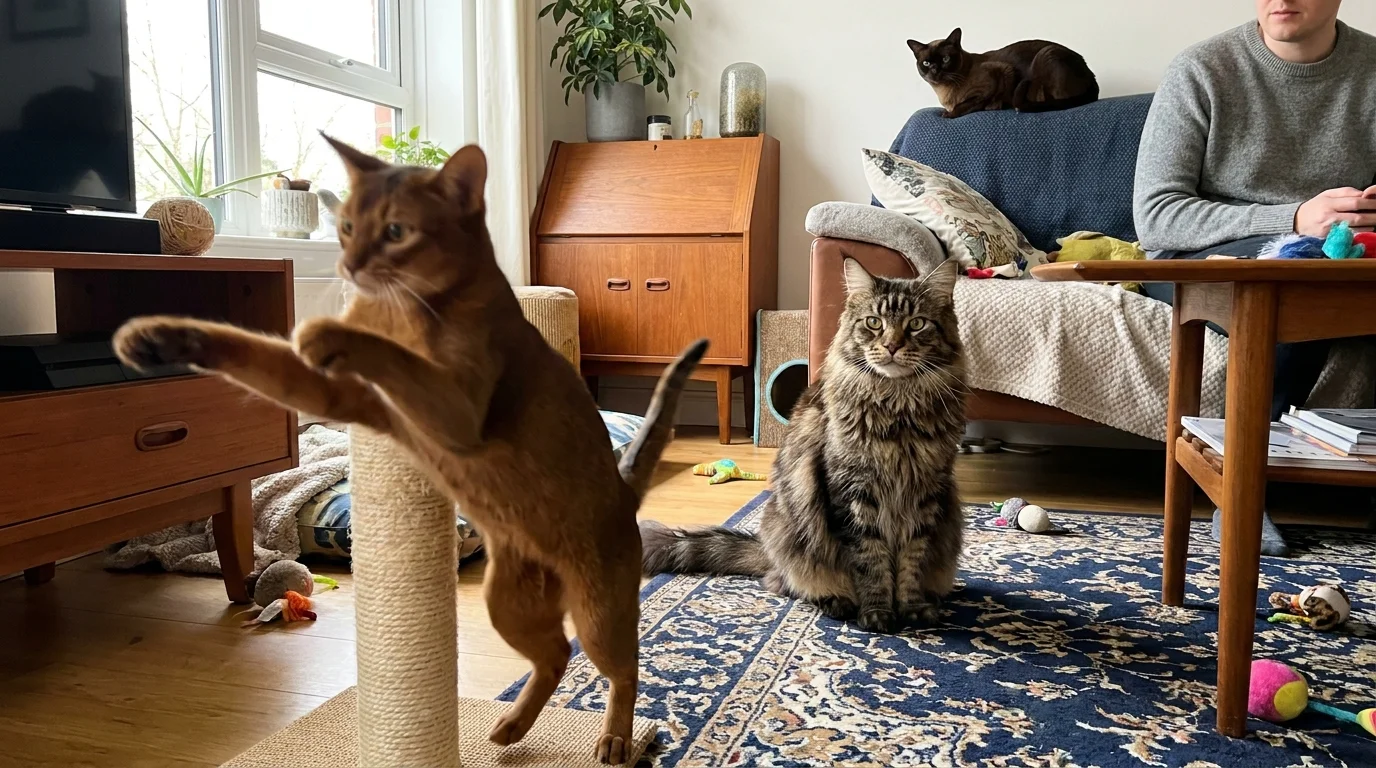
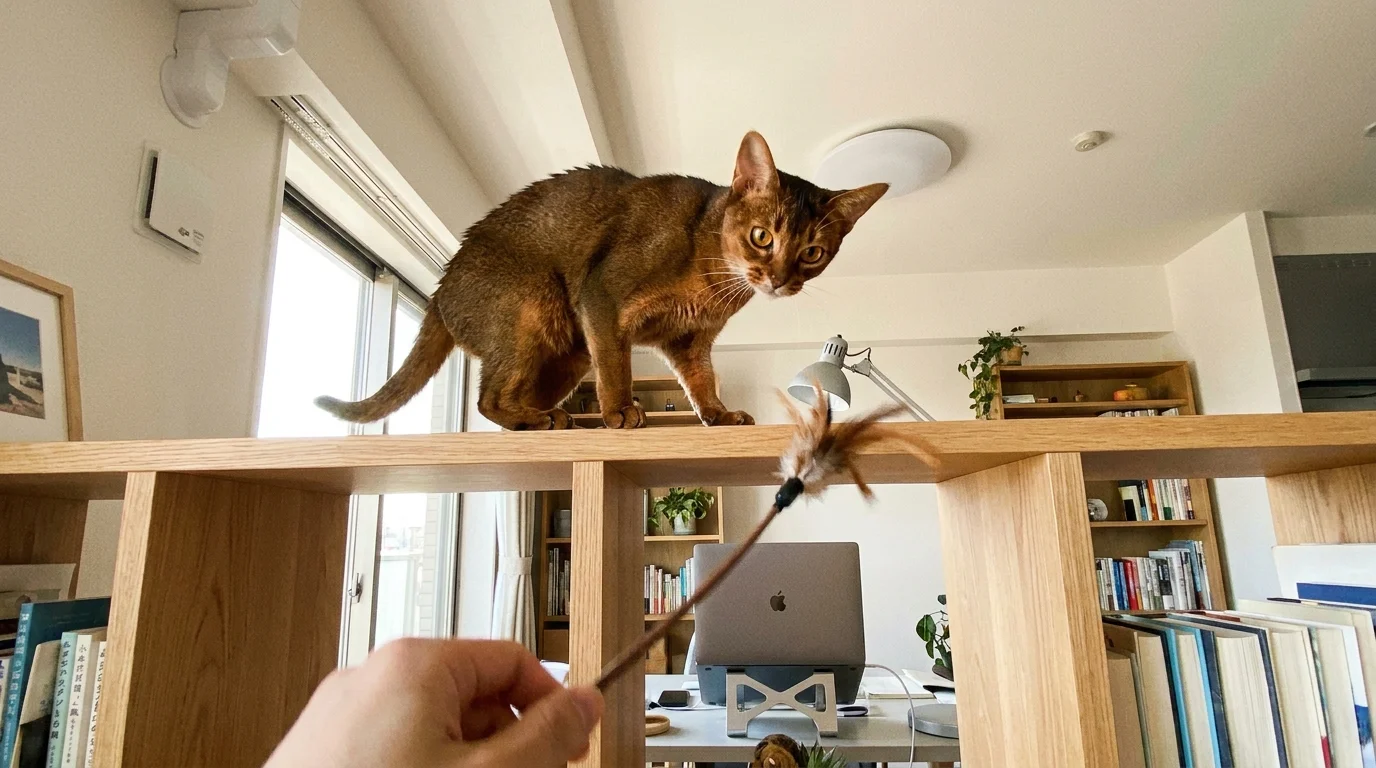
If you imagine affectionate cats as purely quiet couch potatoes, the Abyssinian will completely shatter that expectation. Often described as the supermodels of the feline world due to their long, lean, and athletic build, Abyssinians are constantly in motion. Rather than curling up quietly on your lap for hours, an Abyssinian demands to be an active participant in your daily activities.
They are incredibly curious and highly social, thriving in busy households or multi-cat environments where there is always something exciting happening. Because they possess such high energy levels, you will need to provide substantial enrichment—think puzzle feeders, tall cat trees, and interactive wand toys—to keep their sharp minds occupied and prevent boredom.
3. Burmese
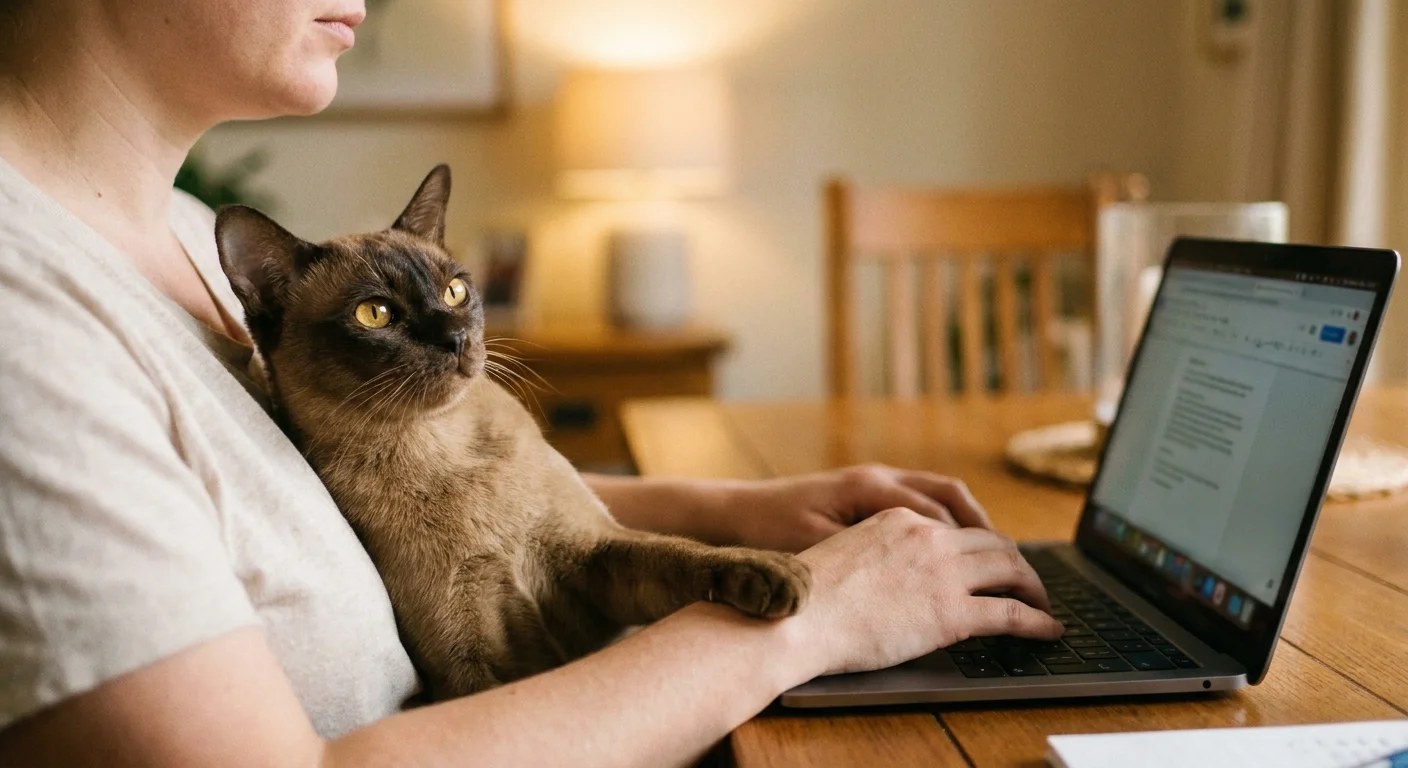
The Burmese cat is often referred to as a “velcro cat” because they form incredibly intense bonds with their families and absolutely refuse to be ignored. Developed in the United States using a foundation cat named Wong Mau, the modern Burmese is a sturdy, muscular feline with a famously stubborn but deeply affectionate streak.
These felines are heavily people-oriented and tend to involve themselves in every conversation, often voicing their opinions if they feel they are not getting adequate attention. Because of their deep need for continuous social interaction, a Burmese is not the best choice if you work long hours away from home; they do best when they have a constant human or animal companion to interact with.
4. Sphynx
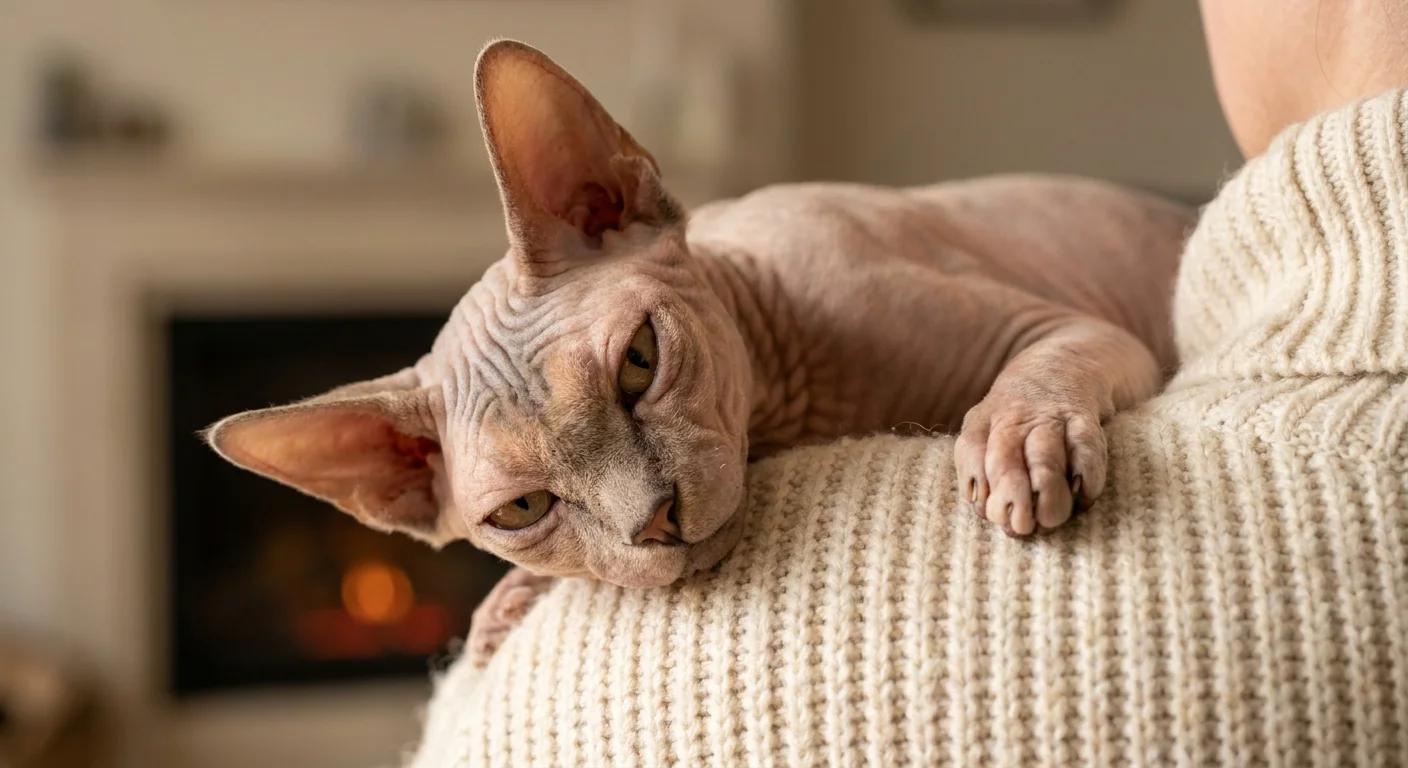
Famous for their distinctive lack of a traditional fur coat, the Sphynx might look quite unusual, but they possess one of the most vibrant and engaging personalities in the cat world. Because they lack thick insulating fur, they naturally seek out external heat sources. This very often means they will insist on curling up tightly against your body or burrowing deeply under your bed covers at night.
The Cat Fanciers’ Association notes that while they appear completely hairless, their skin actually feels like a warm peach covered in a fine down. Beyond their obvious need for warmth, they are highly intelligent, wildly playful, and deeply affectionate cats who will happily greet visitors at the front door rather than hiding under a sofa.
5. Maine Coon
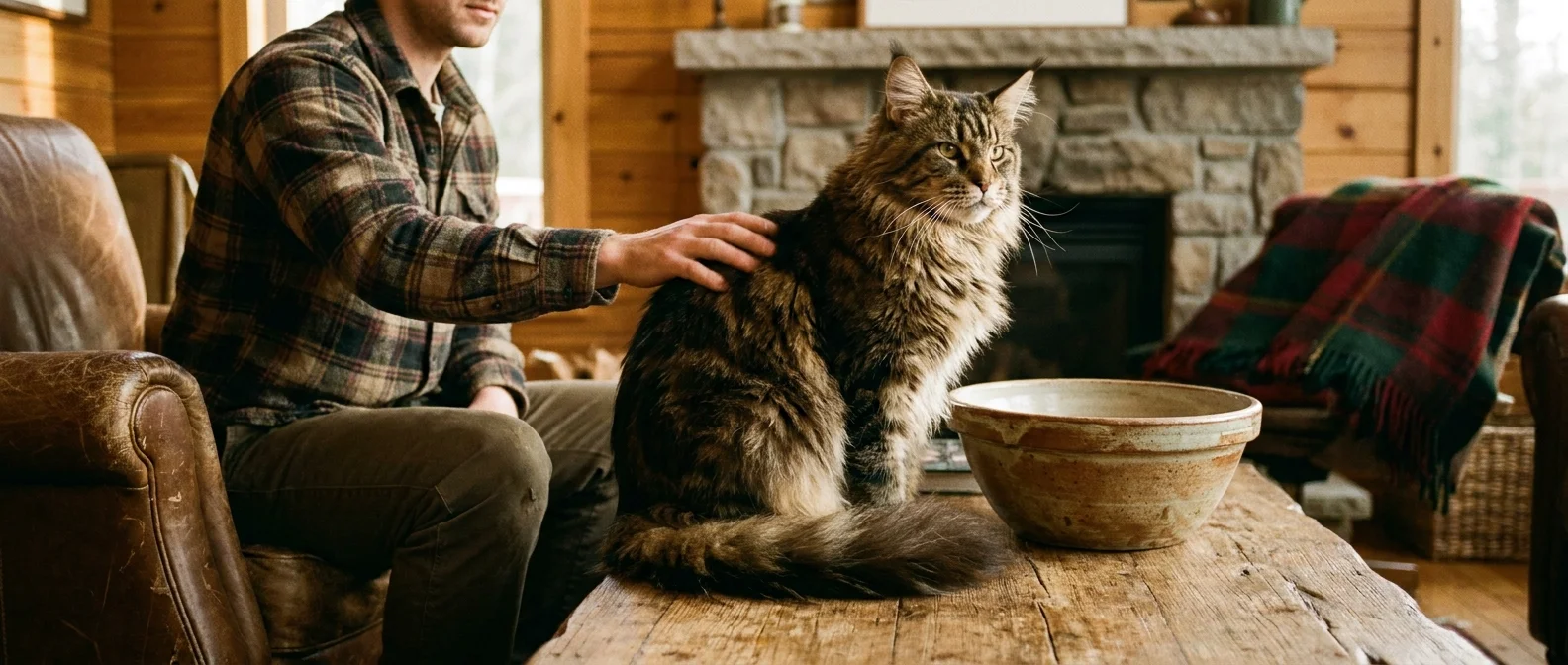
The Maine Coon is widely celebrated as the ultimate gentle giant. Originating as rugged working cats in New England, they are one of the largest domestic breeds, with some individuals easily exceeding 20 pounds. Despite their somewhat intimidating appearance, Maine Coons are incredibly sweet-tempered and act remarkably like devoted dogs.
They are known to be highly intelligent, deeply inquisitive, and exceptionally good with active children and large dogs. Instead of utilizing a standard meow, they often communicate with their owners through a series of endearing chirps and trills. If you want a substantial companion who will happily participate in family life without demanding constant lap time, the Maine Coon is a spectacular choice.
6. Tonkinese
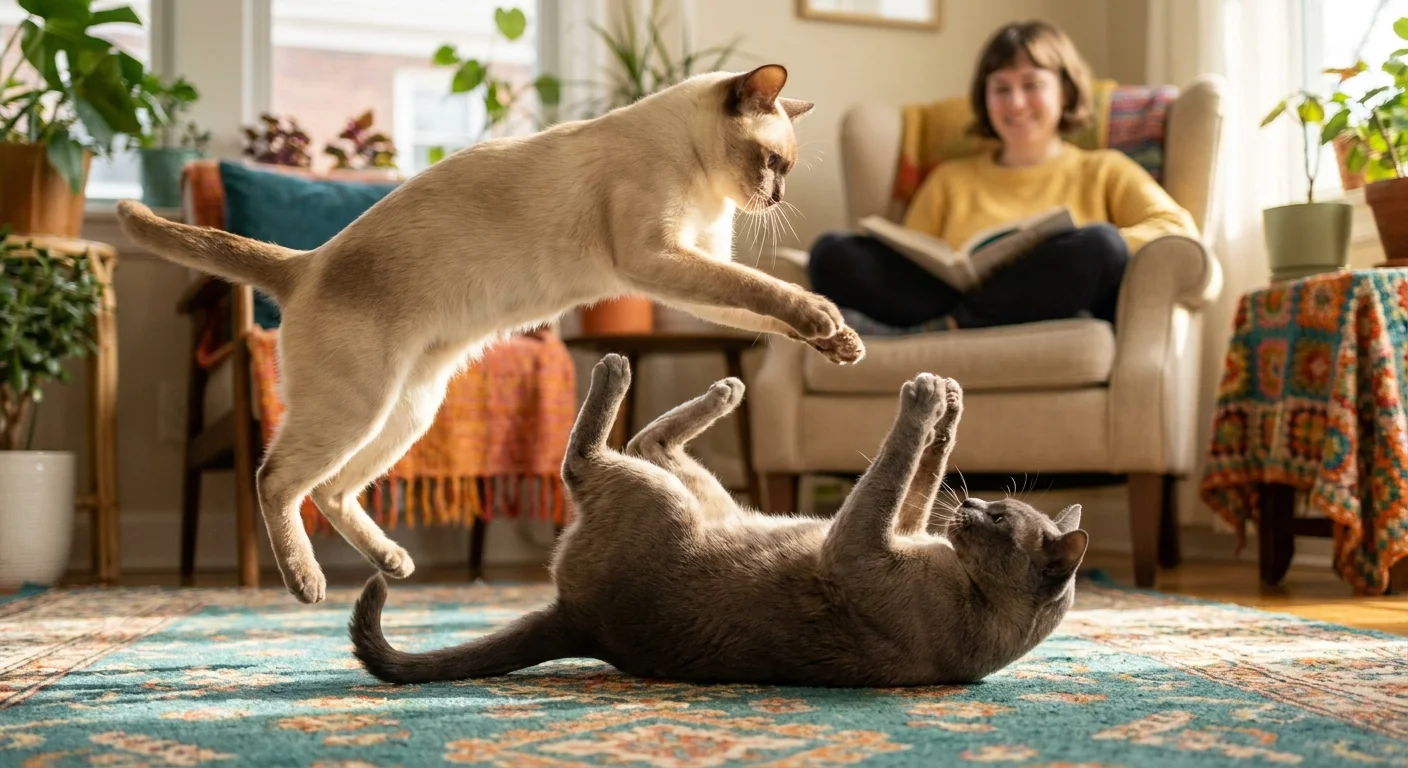
A brilliant genetic blend of the Siamese and the Burmese, the Tonkinese strikes a perfect balance between its two vocal parent breeds. Developed in the 1960s by breeders aiming to create a moderate cat with a strong, balanced personality, the Tonkinese feels surprisingly heavy for its size—much like a little muscular brick draped in a luxurious mink-like coat.
They are incredibly outgoing and actively demand engagement, often learning to play fetch just like a golden retriever. Their vocalizations are less piercing than a traditional Siamese but far more persistent than an average domestic cat. If you are looking for companion cat breeds that thrive on interactive play and robust mental stimulation, the Tonkinese will thoroughly entertain you.
7. Siamese
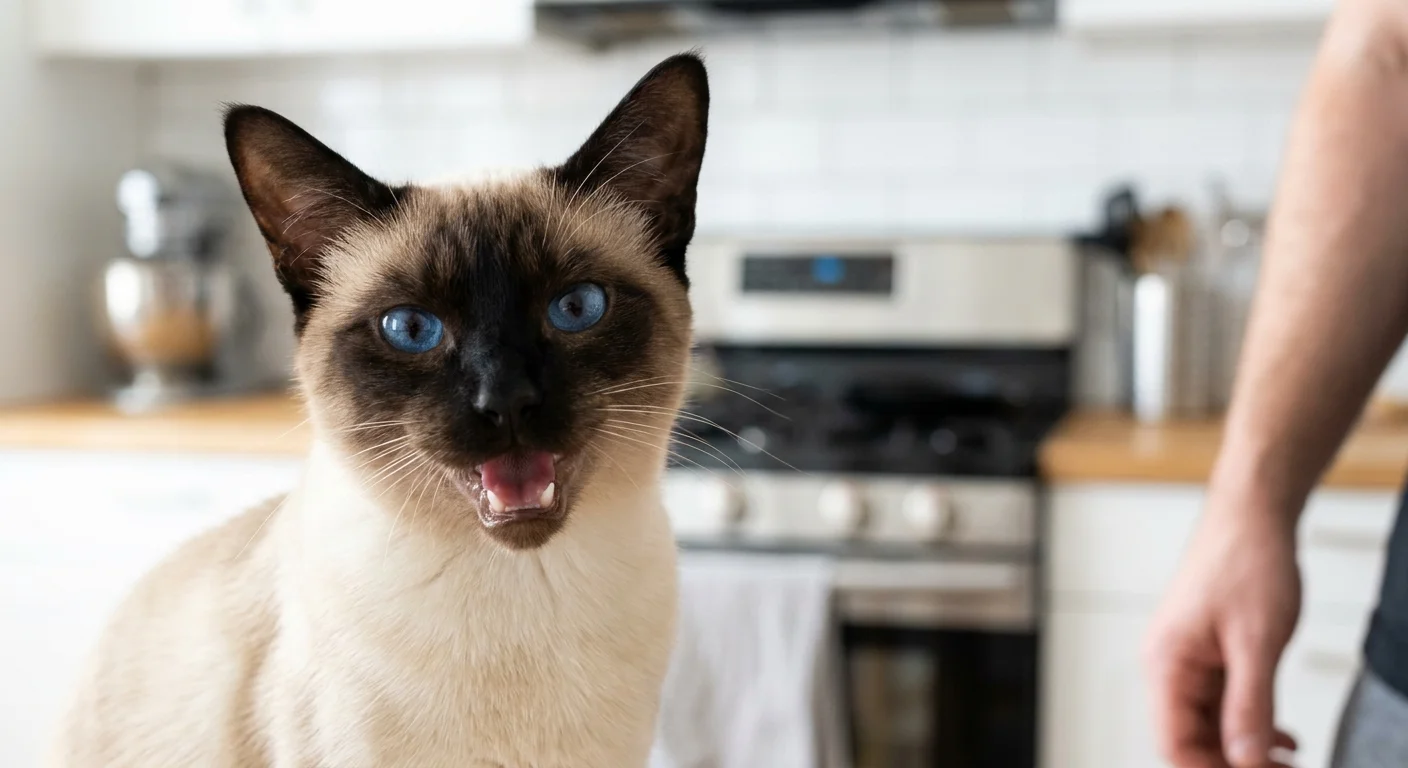
Few breeds are as famous for their vocal and demanding nature as the Siamese. This ancient, elegant breed from Thailand is highly intelligent, remarkably athletic, and deeply devoted to its human family. A Siamese cat will follow you relentlessly, offering a loud, running commentary on everything you do throughout the day.
They are incredibly affectionate and active, forming exceptionally tight emotional bonds that can sometimes lean toward possessiveness. Because they are so highly tuned to their environment and the people in it, they require plenty of daily mental stimulation and physical play. If they become bored or feel neglected, they will loudly and persistently let you know about it.
8. Devon Rex
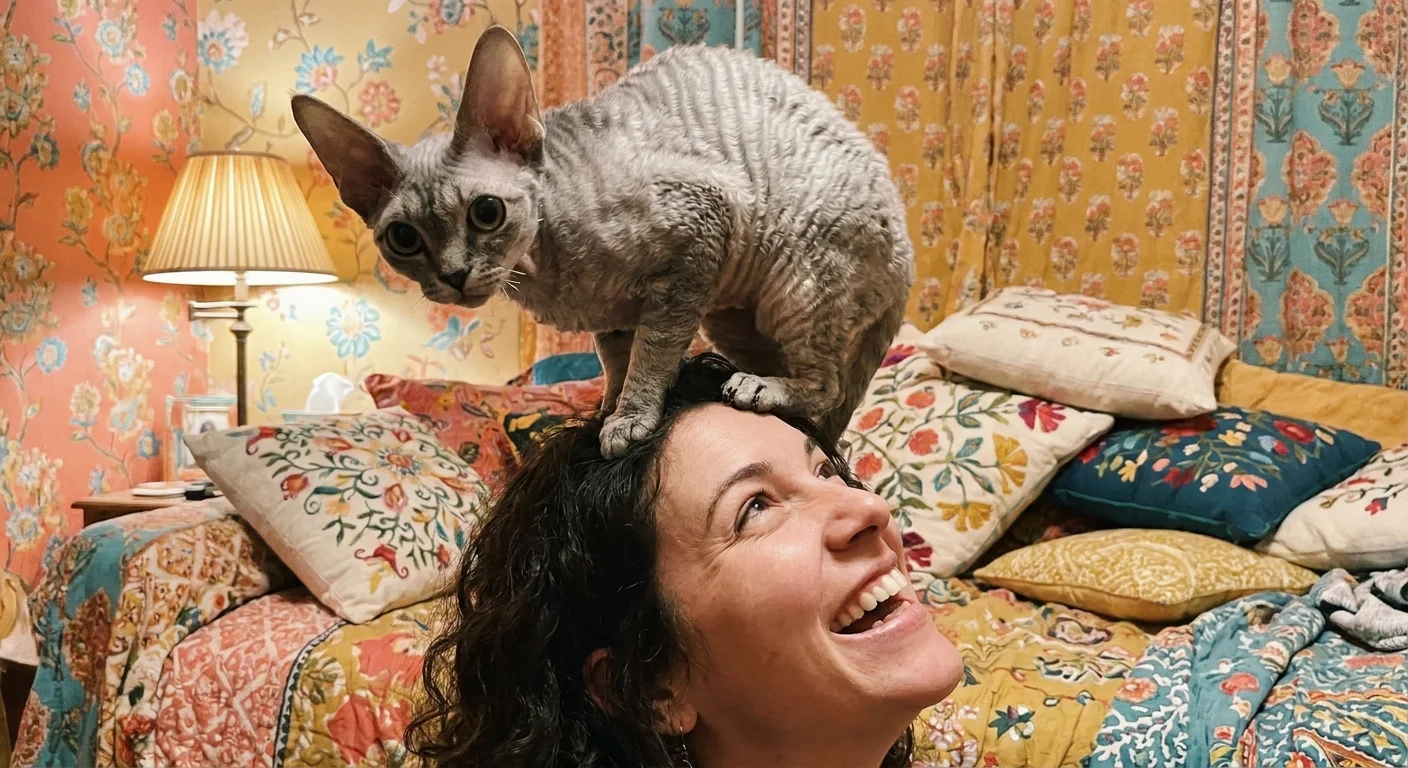
With their oversized ears, large expressive eyes, and soft wavy coats, the Devon Rex looks like a tiny woodland pixie and possesses a mischievous, fun-loving personality to match. They are incredibly agile and have a distinct fondness for perching on high vantage points, which very often includes their owner’s shoulders.
The Devon Rex is highly social, delightfully curious, and deeply attached to its human family. They thrive on being intimately involved in every single household chore, whether you are folding fresh laundry, cooking dinner, or typing on your laptop. Their unique wavy coat requires minimal grooming, but their highly energetic minds require a serious daily commitment to interactive play.
9. Singapura
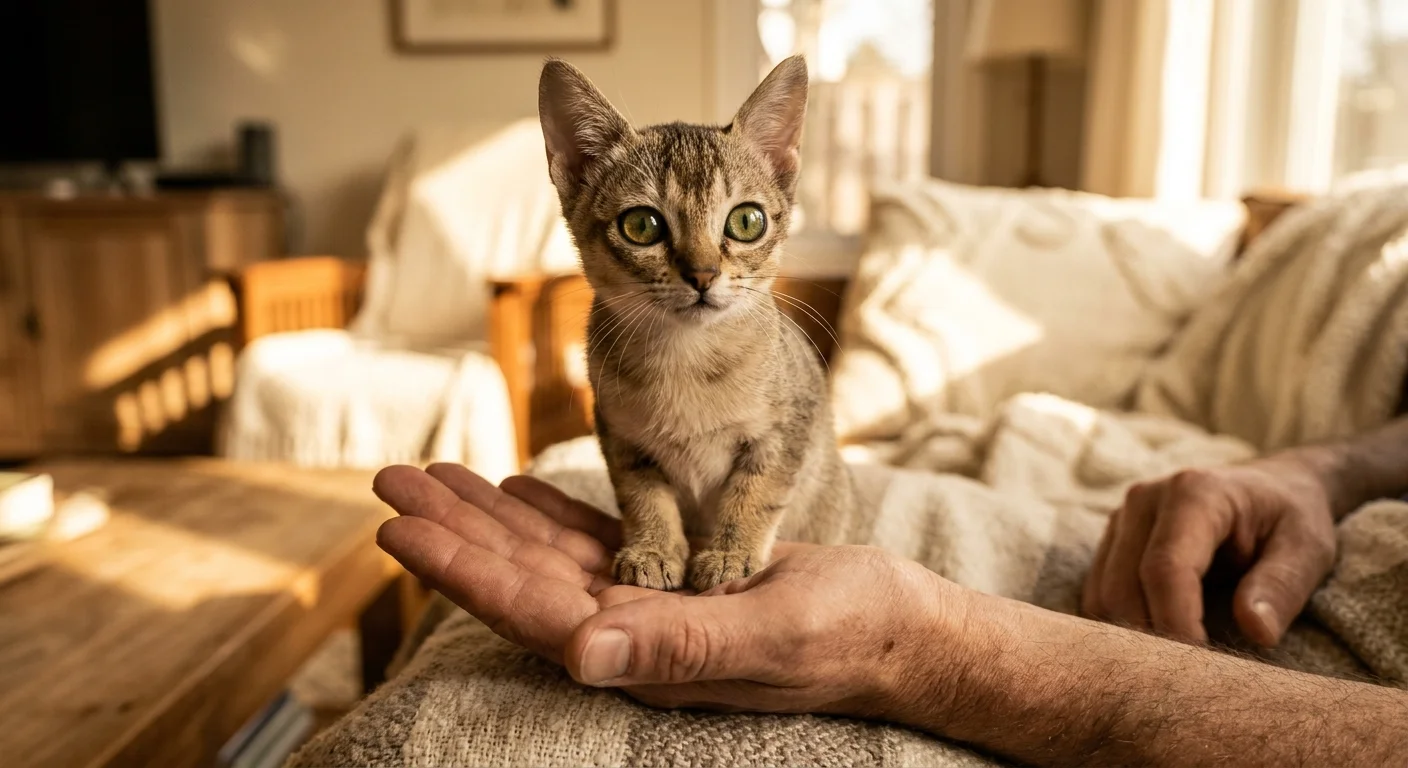
The Singapura is one of the smallest recognized cat breeds, but they pack a remarkably massive personality into their tiny, delicate frames. Originally linked to the bustling streets of Singapore, these little cats feature large eyes and a warm beige, ticked coat. They are incredibly sweet but can also be endearingly bossy, demanding to be the absolute center of attention at all times.
A Singapura simply refuses to be ignored and will readily insert itself into whatever activity you are doing. They are highly attuned to the specific moods of their humans and thrive best in households where they can be constant, active participants rather than background decorations.
10. Siberian
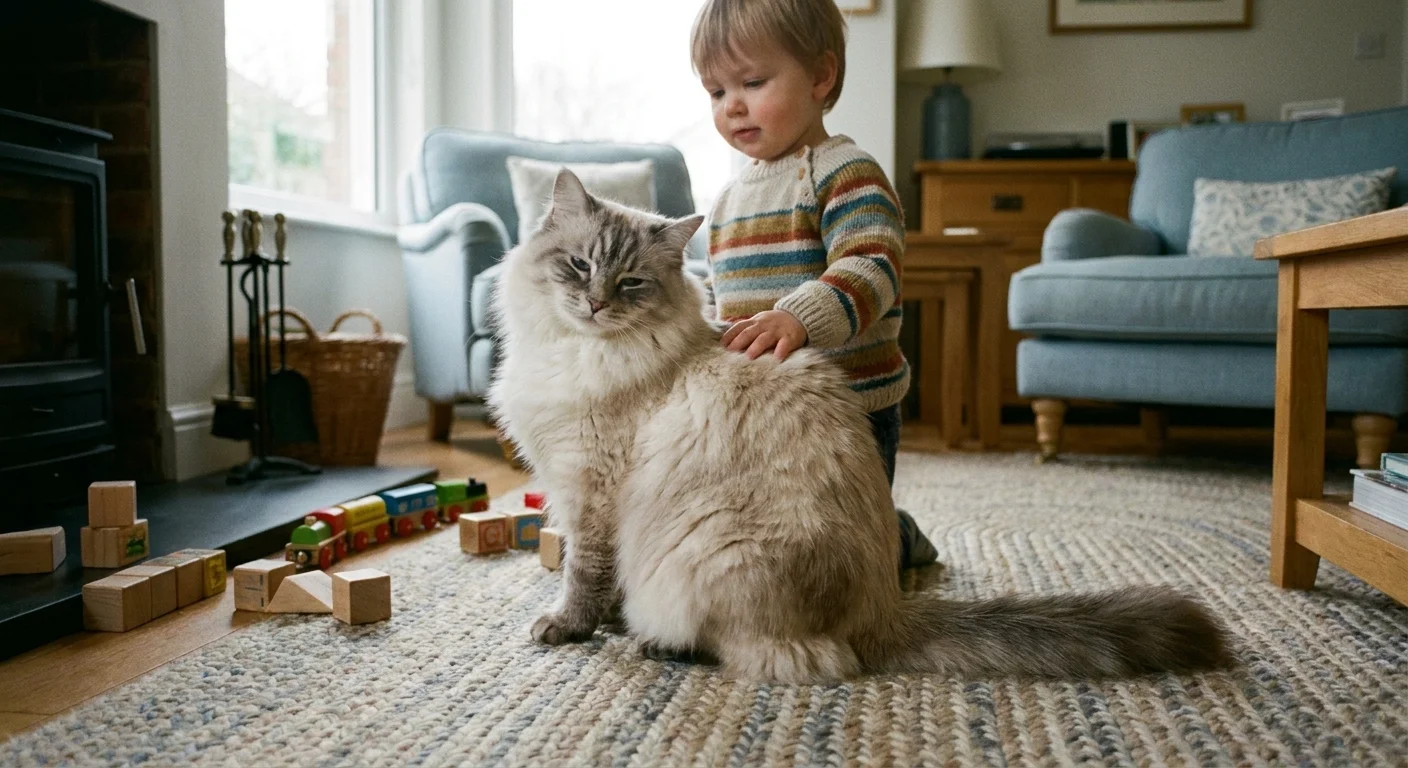
Hailing from the unforgiving climates of Russia, the Siberian is a powerfully built, barrel-chested cat wrapped in a dense, water-resistant triple coat. Do not let their rugged exterior fool you; they are exceptionally gentle and display an almost dog-like loyalty to their families.
They will follow you faithfully from room to room, happily come when called, and genuinely enjoy robust interactive playtime. Many Siberian owners note that these cats possess a profound emotional intelligence, often seeking out family members who feel unwell or sad. They are substantial, deeply loving companions who offer a powerful presence and a wonderfully warm heart.
Side-by-Side Comparison of Social Cat Breeds
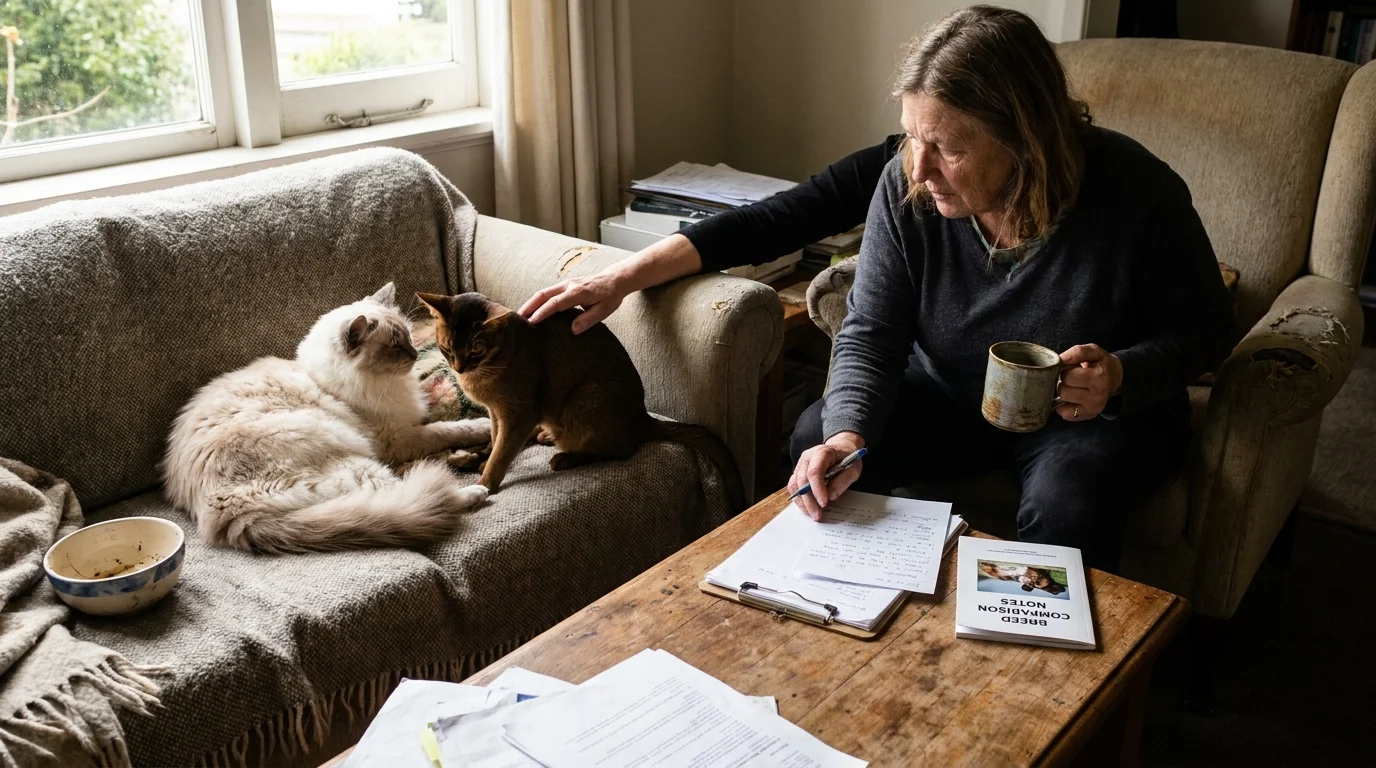
Use this quick reference guide to see which highly interactive indoor cat breeds best fit your specific living situation and tolerance for vocalization.
| Breed | Average Size | Social Style | Vocal Level |
|---|---|---|---|
| Ragdoll | 10-20 lbs | Lap cat, highly physically affectionate | Quiet |
| Abyssinian | 6-10 lbs | Active participant, always exploring | Moderate |
| Burmese | 8-12 lbs | Velcro cat, intense human bonding | Moderate to High |
| Sphynx | 6-12 lbs | Cuddler, seeks human body heat | Moderate |
| Maine Coon | 12-20+ lbs | Gentle companion, dog-like presence | Quiet (chirps and trills) |
| Tonkinese | 6-12 lbs | Playful, loves fetching and interacting | Moderate to High |
| Siamese | 6-10 lbs | Demanding, highly involved in your day | Very High |
| Devon Rex | 5-9 lbs | Shoulder percher, mischievous and fun | Moderate |
| Singapura | 4-8 lbs | Center of attention, slightly bossy | Moderate |
| Siberian | 10-17 lbs | Loyal follower, emotionally intuitive | Quiet |
Why Feline Genetics Matter Now
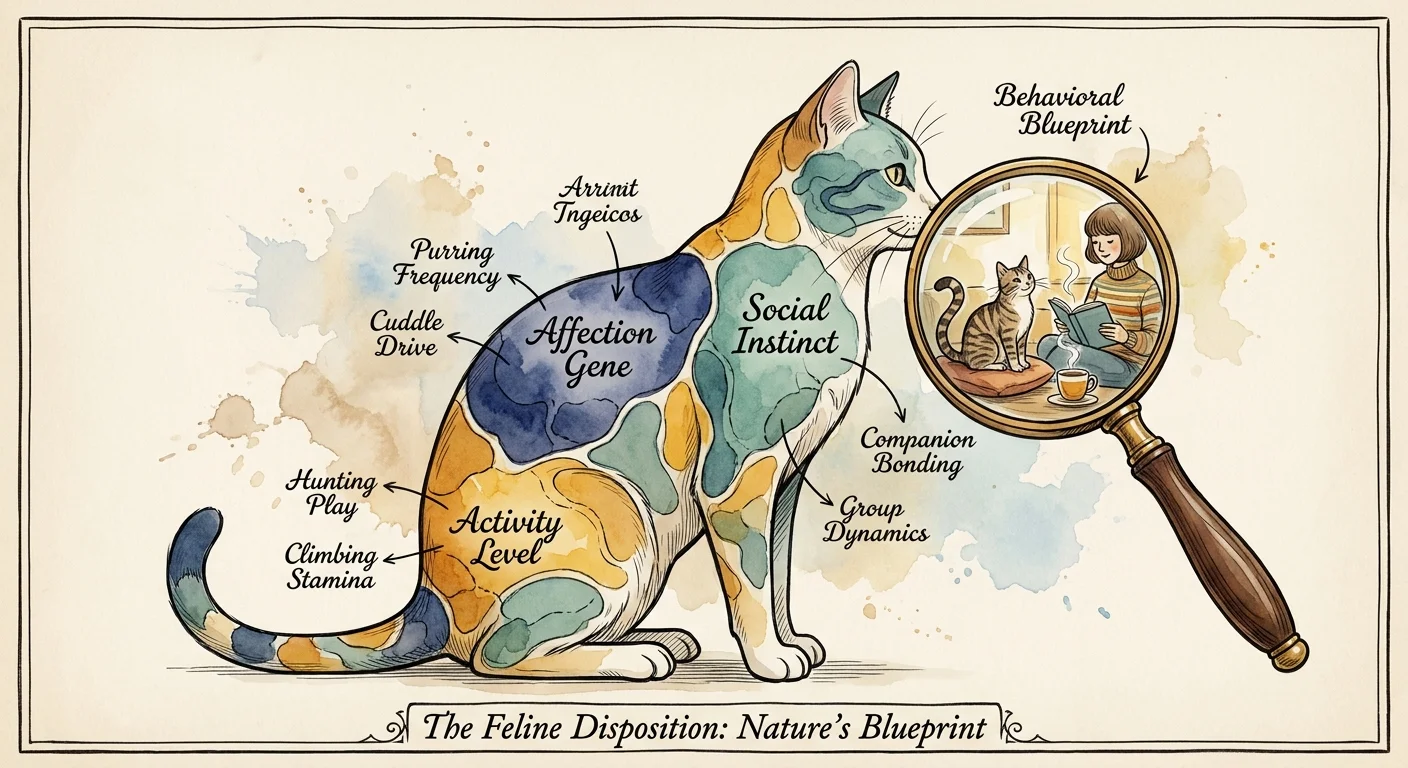
According to the Cat Fanciers’ Association, each pedigreed breed carries distinct personality traits honed through generations of careful selection. When you select a specific breed, you are not just choosing a visually appealing coat color; you are actually choosing a behavioral blueprint. This predictability allows you to match a cat’s specific energy levels and social needs directly to your daily routine, ensuring a harmonious and mutually fulfilling household.
Common Mistakes to Avoid
- Neglecting mental enrichment: Highly interactive indoor cat breeds demand mental stimulation. Leaving an intelligent breed bored all day can easily lead to destructive behaviors, such as scratching valuable furniture or chewing fabric.
- Underestimating the time commitment: A velvet-coated velcro cat like the Burmese or the Siamese will genuinely suffer emotionally if left entirely alone for ten hours a day. They need robust social networks.
- Assuming friendly means fully trained: Even the most sociable feline companions require boundaries. Consistent, positive reinforcement is still necessary to teach them where to scratch, where to jump, and how to play gently.
Getting Expert Input
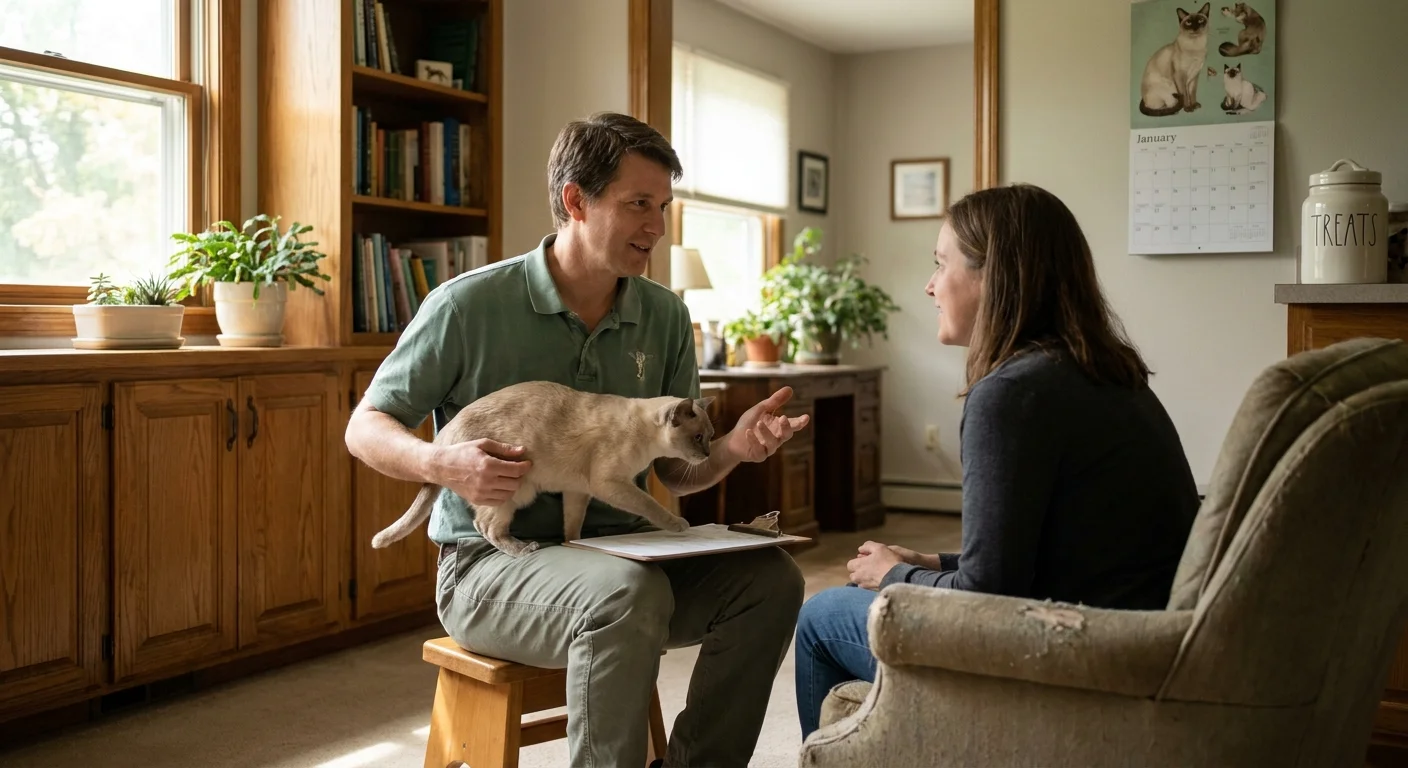
If you bring a highly social cat into your home and they suddenly exhibit signs of intense fear, withdrawal, or hostility, do not assume they are simply acting out. The Cornell Feline Health Center notes that sudden aggression is a fairly common behavioral problem and can often stem from underlying, painful medical issues or unmanaged environmental stress. Early intervention with a licensed veterinarian or a certified animal behaviorist is crucial to protecting your bond. Furthermore, never use physical punishment to correct a cat, as this will quickly increase their anxiety, destroy their trust in you, and severely worsen the behavior.
Frequently Asked Questions
What is the most affectionate cat breed?
While individual personalities always vary, the Ragdoll and the Sphynx consistently rank at the top of the list for sheer physical affection. Ragdolls are famous for literally going limp in your arms when held, while the Sphynx actively seeks out your body heat and loves cuddling as closely as physically possible.
Can a normally aloof cat become more social?
Yes, up to a certain point. Providing structured daily play, maintaining a highly predictable routine, and offering positive reinforcement can help a shy domestic cat feel much more confident. However, you cannot entirely overwrite a cat’s inherent genetic blueprint. A naturally independent, solitary cat will rarely transform into a highly demanding Velcro cat.
Are male or female cats more friendly?
Breed traits and early kitten socialization matter far more than gender when it comes to friendliness. Once they are spayed or neutered, both male and female cats make deeply affectionate, wonderful companions. You should always choose your pet based on established breed traits and their individual temperament rather than strictly on sex.
Finding the right feline companion requires honest reflection about your daily routine and available time. When you choose a breed that perfectly aligns with your household’s energy, you set the stage for a deeply rewarding bond that will last for years. Take your time, ask questions, and prepare your home for a remarkably engaging new friend. The information here is meant for educational purposes. Specific circumstances—including health conditions, finances, location, and goals—may require different approaches. When in doubt, consult a licensed professional or check official sources directly.
Last updated: May 2026. Rules, prices, and details change—verify current information with official sources before acting on it.