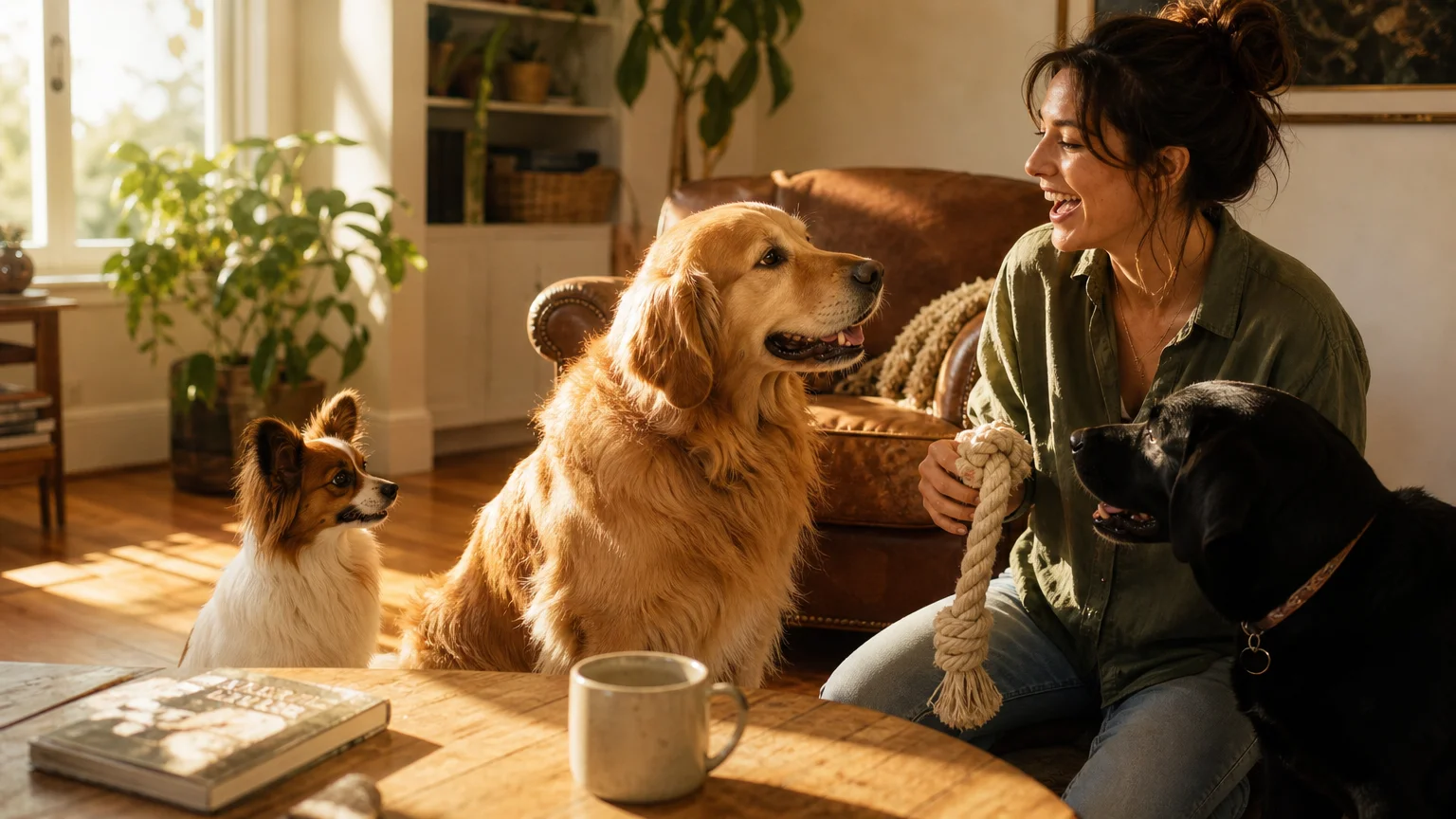
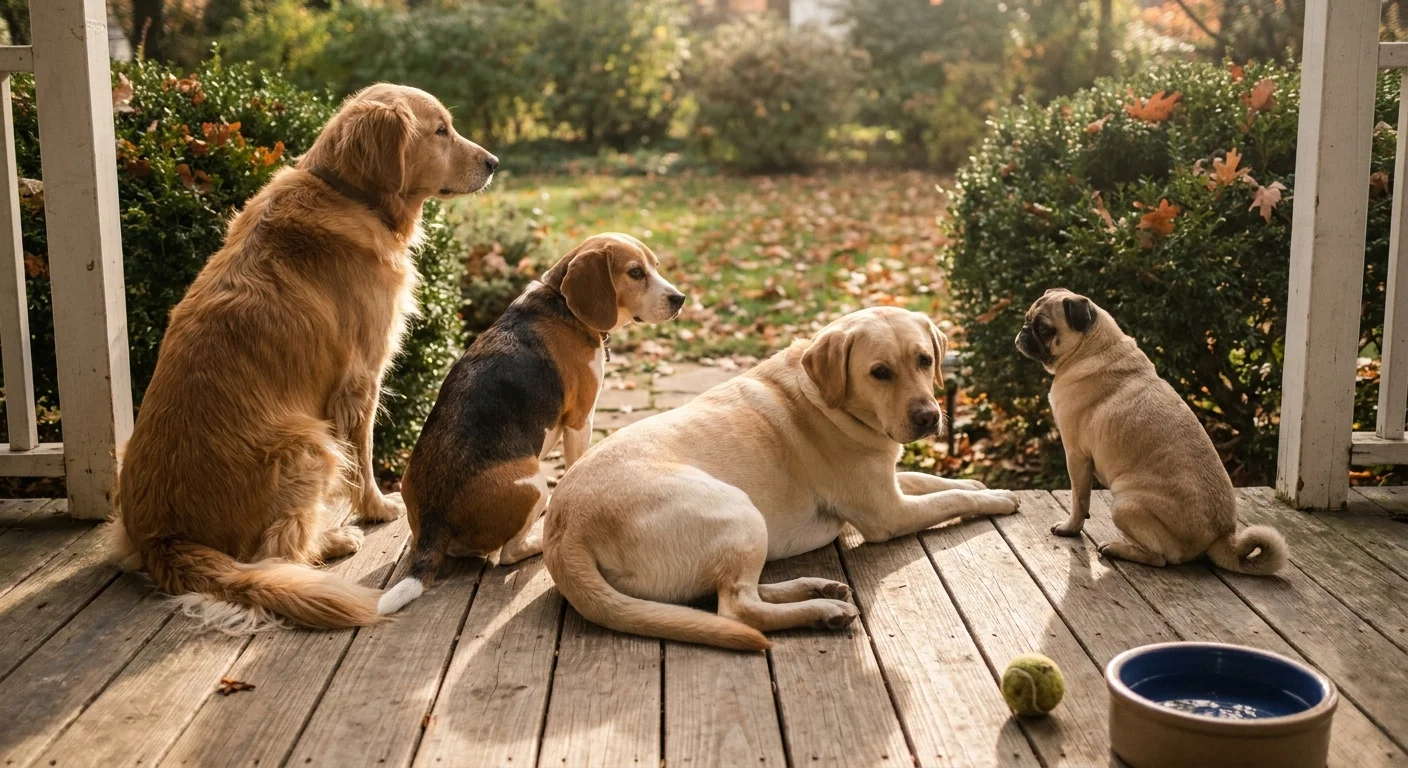
Adding a second dog to your household shifts the dynamic from a single-pet home to a living, breathing pack. While careful introductions and individual temperaments matter, certain dog breeds are genetically wired to thrive in groups. Breeds originally developed to hunt in packs, herd livestock, or serve as dedicated companions generally lack the sharp territorial instincts that can spark household tension. Whether you are searching for a playful buddy for your current pet or building a multi-dog family from scratch, choosing a dog known for its social grace significantly increases your chances of peace. These 10 dog breeds consistently demonstrate the patience, sociability, and easygoing nature required to get along beautifully with other canines under the same roof.
The Essentials of Multi-Dog Harmony
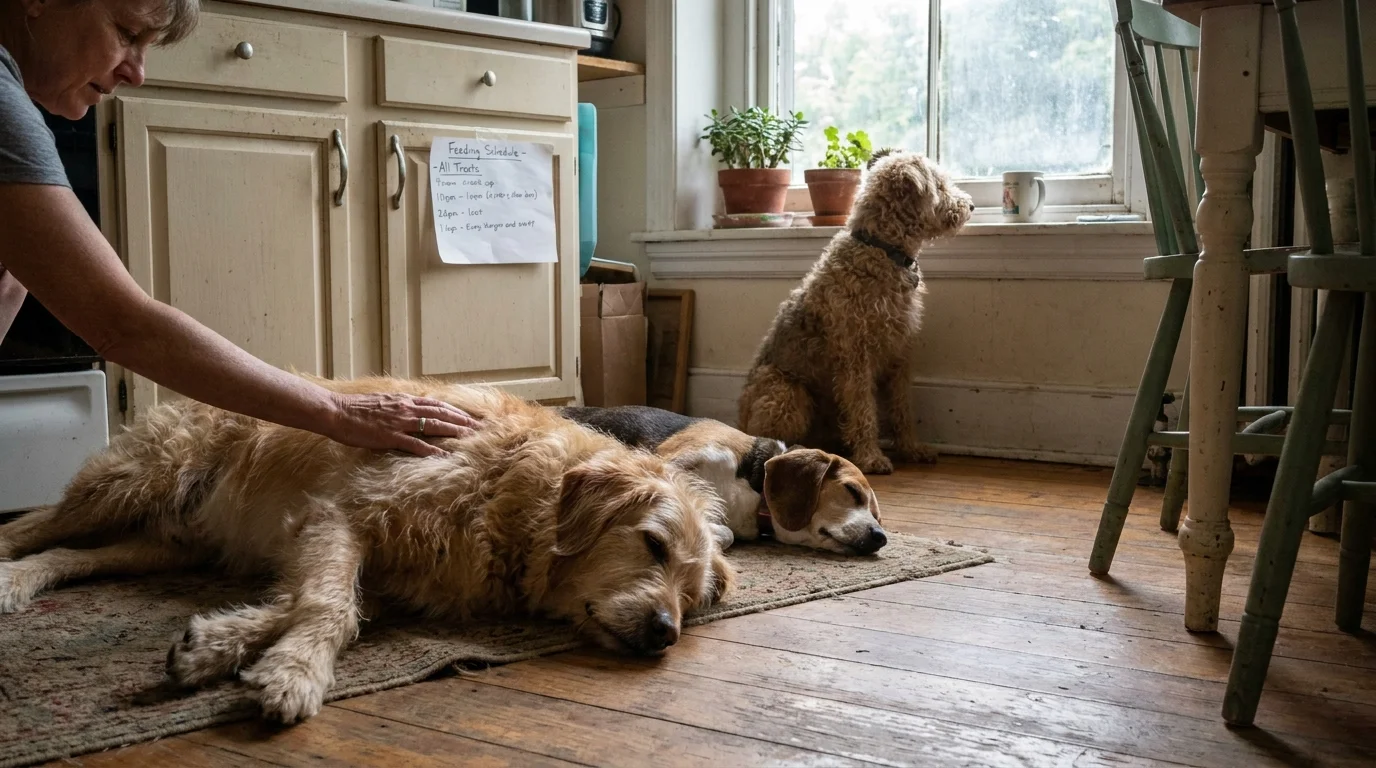
Canine compatibility relies heavily on genetics, but genetics only provide a foundation. The environment you create and the way you manage resources dictate whether your home feels like a calm sanctuary or a chaotic battleground. Pack dynamics shift based on age, sex, energy levels, and health.
According to research published by the AVMA Journals, intrahousehold interdog aggression is statistically more common between two dogs of the same sex, with female pairs experiencing the highest rate of conflict. If you currently have a female dog, adopting a male dog often reduces competitive friction. Age spacing also plays a crucial role. Bringing a high-energy puppy into a home with a frail senior dog creates immediate stress for the older animal. Staggering the ages of your dogs allows the older pet to mentor the younger one without feeling constantly overwhelmed.
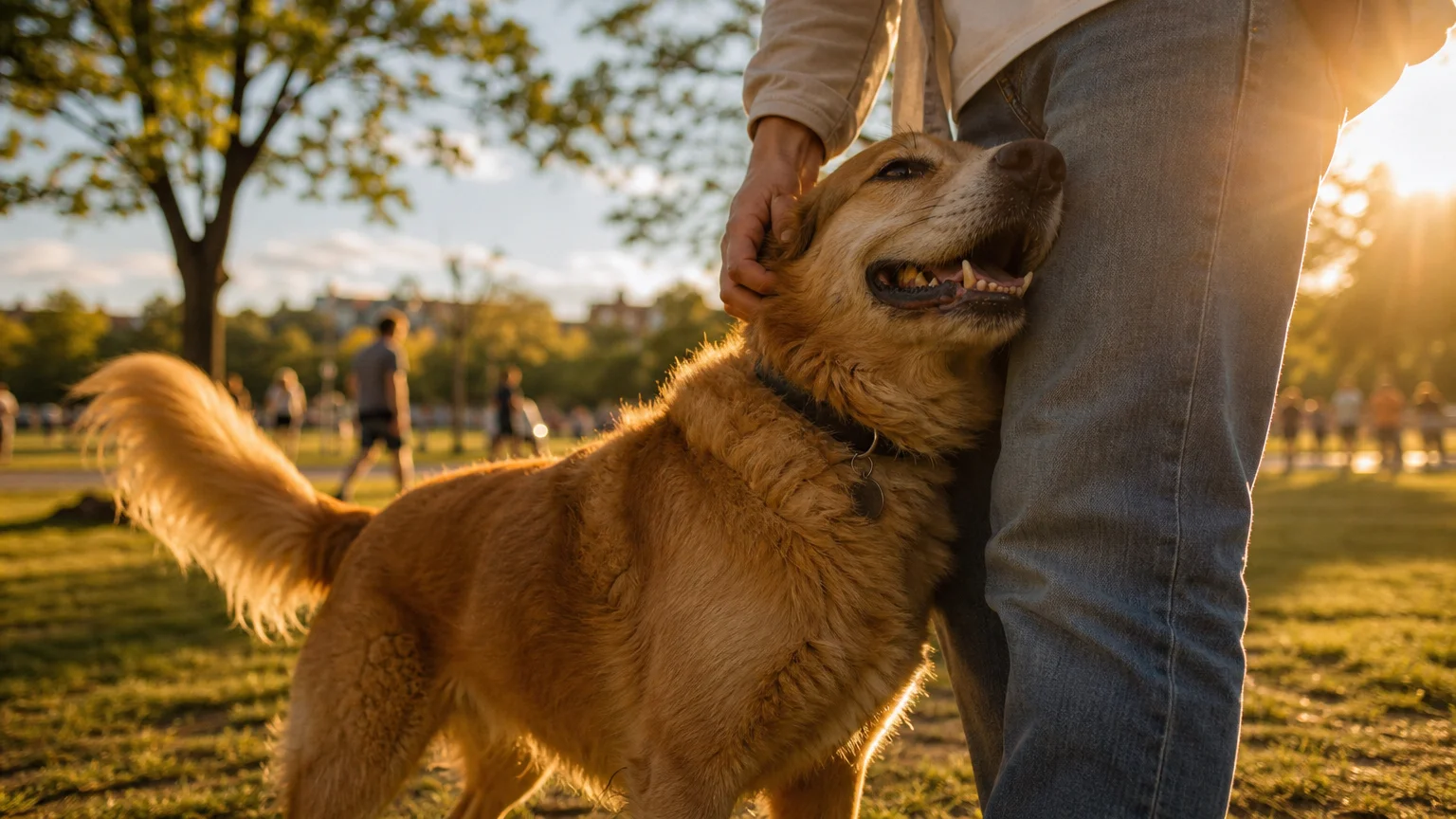
To set a positive tone from day one, the American Kennel Club recommends introducing new dogs on neutral ground—such as a quiet park—and taking them for a structured, side-by-side walk before allowing them to cross the threshold into your home together. This shared forward momentum reduces face-to-face confrontation and helps them bond as a unit.
Canine compatibility is rarely love at first sight. Even the most sociable breeds need time, space, and structured routines to build mutual trust and establish a peaceful household hierarchy.
1. Labrador Retriever
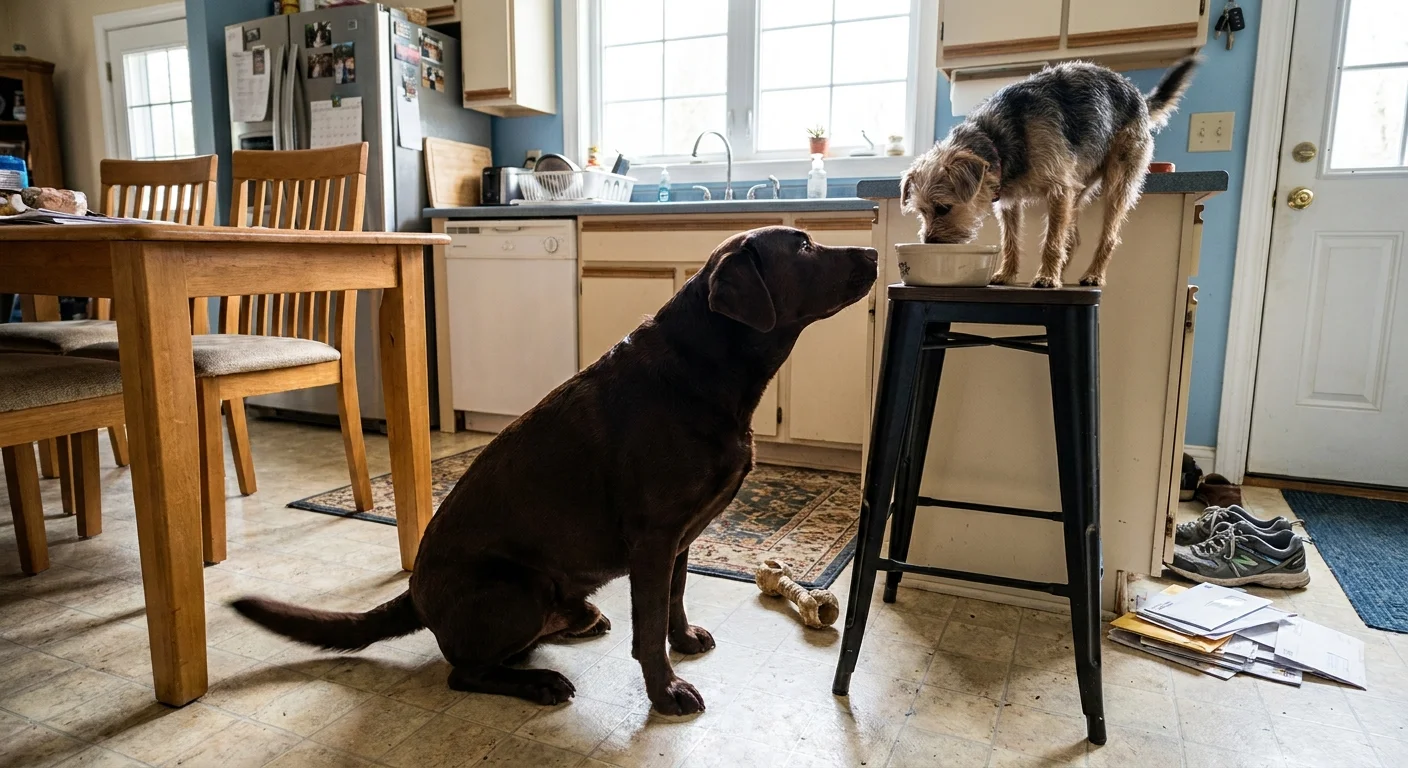
The Labrador Retriever consistently ranks as one of the most popular dogs in the world, and their supreme sociability plays a massive role in that ranking. Bred to work closely alongside human hunters and other canines in the field, Labs carry a deep genetic predisposition for teamwork and cooperation. They rarely display the protective sharpness that causes territorial disputes.
When you introduce a Labrador to your existing pack, they act as an emotional mirror. They read canine body language exceptionally well, dialing up their energy for a robust wrestling match with a fellow athlete or softening their approach when interacting with a smaller, older dog. This adaptable play style makes them exceptional additions to mixed-breed homes.
Because Labs are highly food-motivated, they respond beautifully to group training sessions. You can easily teach them to sit and wait their turn for a treat alongside your other dogs. However, you must monitor feeding times closely. Their voracious appetites can occasionally lead to stolen meals if you leave food bowls unattended on the floor.
2. Golden Retriever
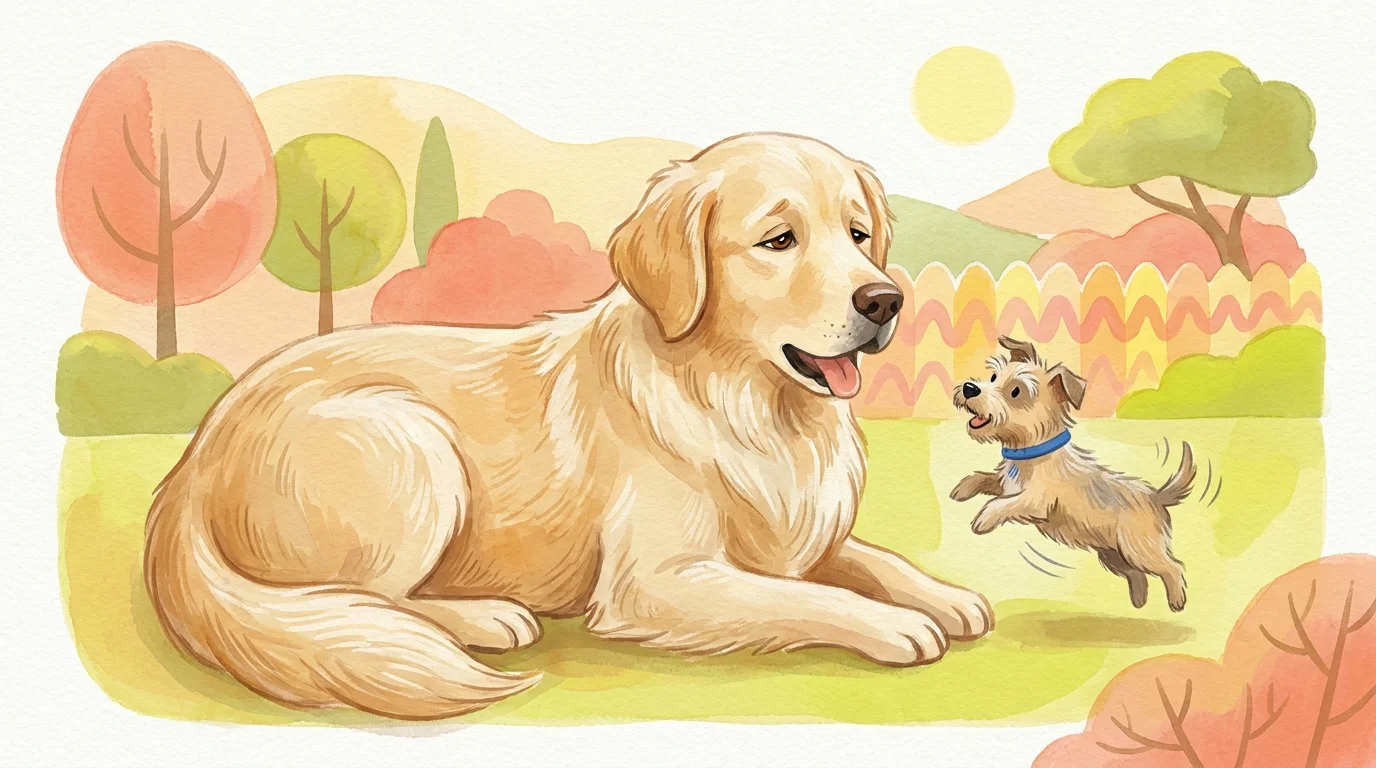
If you want a dog that actively avoids conflict, the Golden Retriever is your ideal match. Goldens are deeply empathetic and carry a soft, submissive undertone in their daily interactions. They almost never instigate fights and default to using canine calming signals—such as yawning, turning their head away, or lying down—to defuse tension if another dog becomes overly assertive.
Their thick, beautiful coats require regular maintenance, especially when they engage in their favorite activity: wrestling on the floor with their canine siblings. You will need to brush them frequently to prevent the deep matting that occurs when dog saliva mixes with shedding fur during prolonged play sessions.
Goldens thrive entirely on companionship. Leaving them alone for long stretches can trigger profound separation anxiety, making them excellent candidates for households that already have an established, confident dog. A calm older dog can provide the constant presence a Golden needs to feel secure while you are at work.

3. Beagle
Beagles are the ultimate pack animals. European hunters bred them for centuries to track game in massive groups, meaning any dog that displayed dog-directed aggression was swiftly removed from the breeding pool. Today, that legacy lives on in a dog that literally needs the company of other canines to feel fully satisfied.
Beagles communicate fluidly with other dogs, using a complex array of sniffs, nudges, and vocalizations to maintain group harmony. They are incredibly tolerant of clumsy puppies and rarely guard their sleeping spaces. If you have a Beagle, you will often find them curled up in a tight, tangled pile with your other pets.
Keep in mind that Beagles are highly vocal. They bay, howl, and bark to express excitement. If you pair a Beagle with another vocal breed like a Husky or a Terrier, be prepared for a noisy household. They are best paired with a quiet, confident breed that will not join in every time the Beagle sounds an alarm.
4. Basset Hound
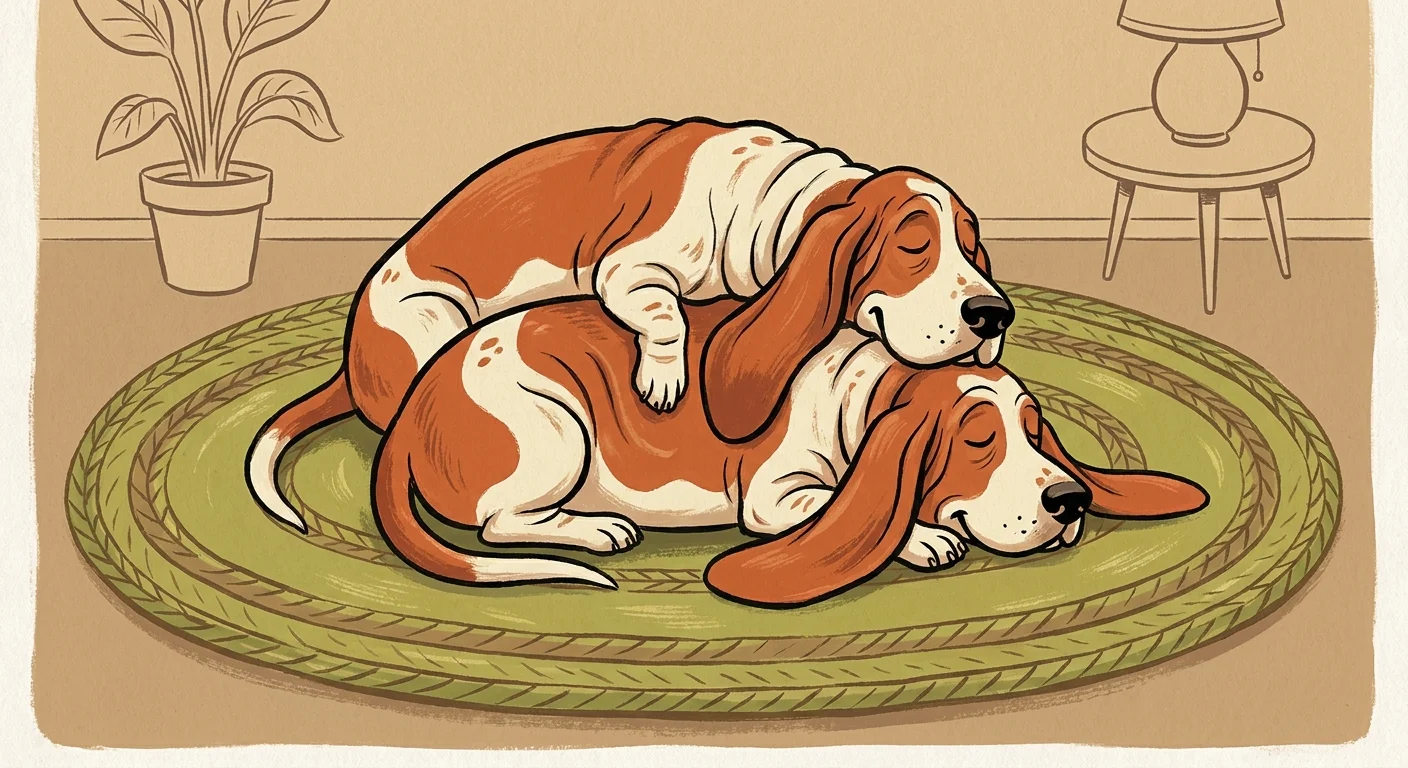
The Basset Hound brings a remarkably grounding presence to any home. With their low center of gravity, drooping ears, and soulful eyes, Bassets move through life at their own deliberate pace. Like Beagles, they are traditional pack hounds built for communal living.
Basset Hounds possess an incredibly high tolerance for annoyance. If a younger, hyperactive dog tries to provoke a reaction, a Basset will typically just sigh, turn away, and go back to sleep. This unbothered attitude makes them fantastic companions for nervous or highly reactive dogs. The Basset Hound’s calm, steady energy acts as an emotional anchor, often helping anxious dogs learn how to relax indoors.
During playtime, you do need to act as an advocate for your Basset. Their long ears and heavy skin folds make tempting targets for mouthy puppies. Intervene if another dog continuously pulls on your Basset’s ears to prevent painful nicks or infections.
5. Pug
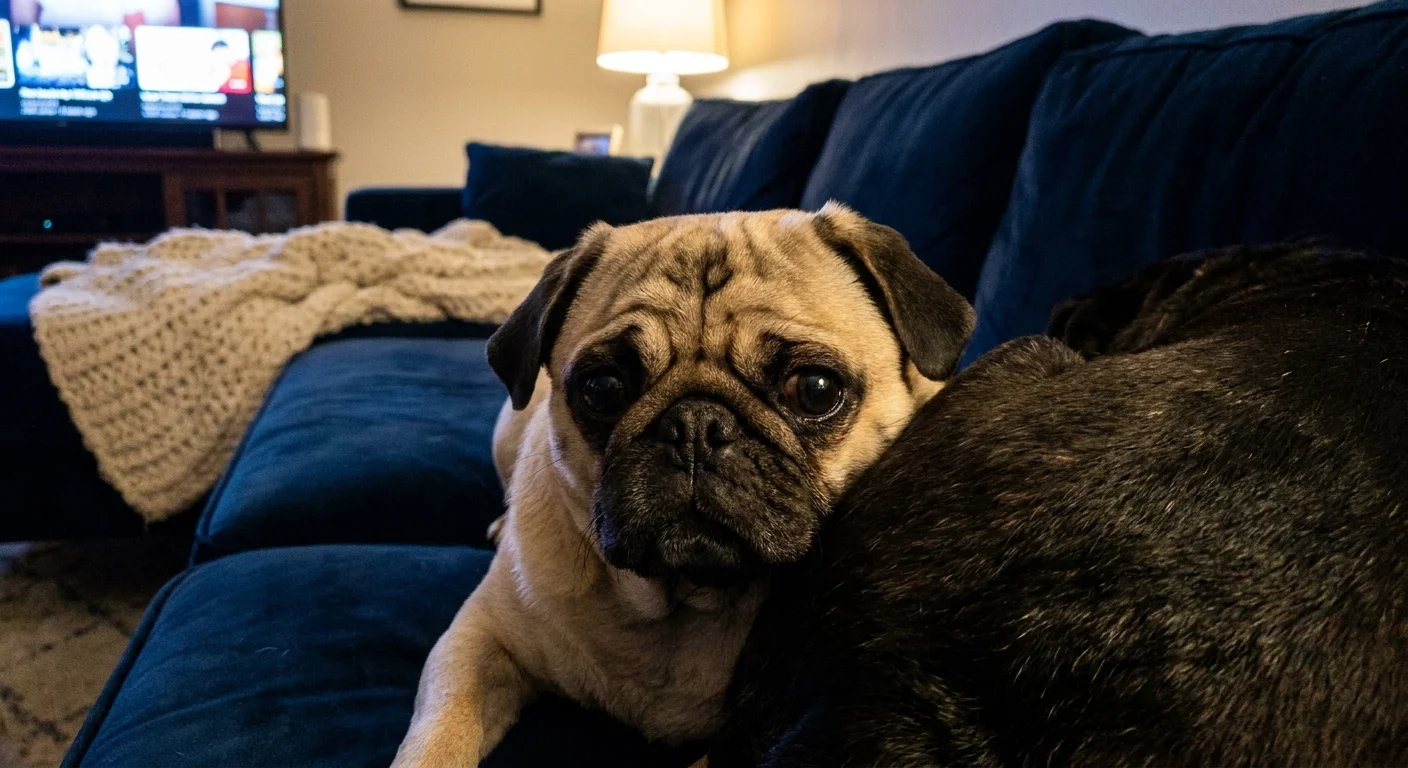
Unlike working breeds, Pugs were bred exclusively to sit on royal laps and provide companionship. Because they lack a high prey drive, herding instinct, or guarding background, they view other animals strictly as potential friends or comfortable pillows.
Pugs integrate seamlessly into multi-dog homes because they do not compete for dominance. They are perfectly content to follow the lead of a larger, more confident dog. Despite their small stature, they possess a sturdy, muscular build that allows them to safely engage in moderate play with medium-sized breeds.
Because they are brachycephalic (flat-faced), Pugs overheat quickly and have vulnerable, protruding eyes. Pair them with gentle dogs that do not use their paws aggressively during play. Always supervise outdoor playtime during the summer months, as a Pug will try to keep up with a faster dog until they collapse from heat exhaustion.
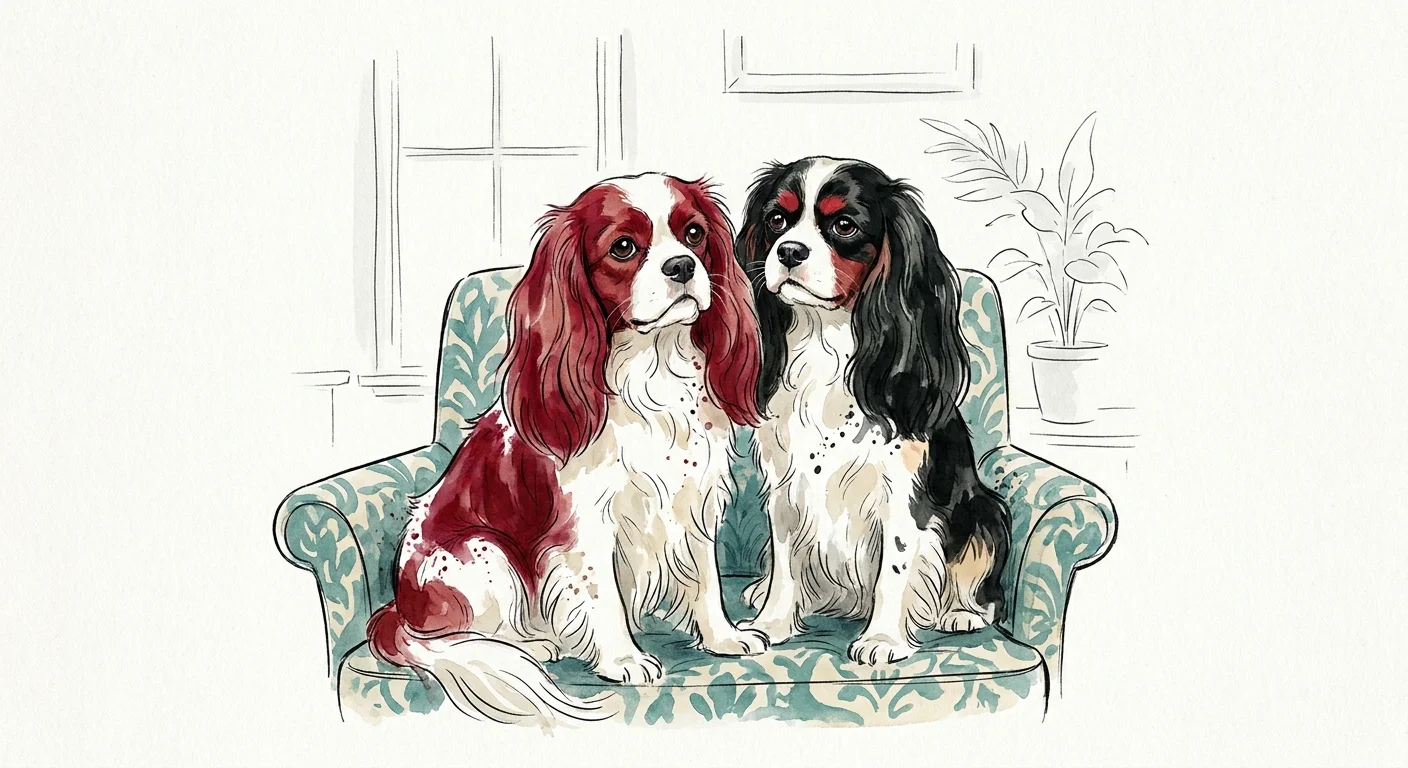
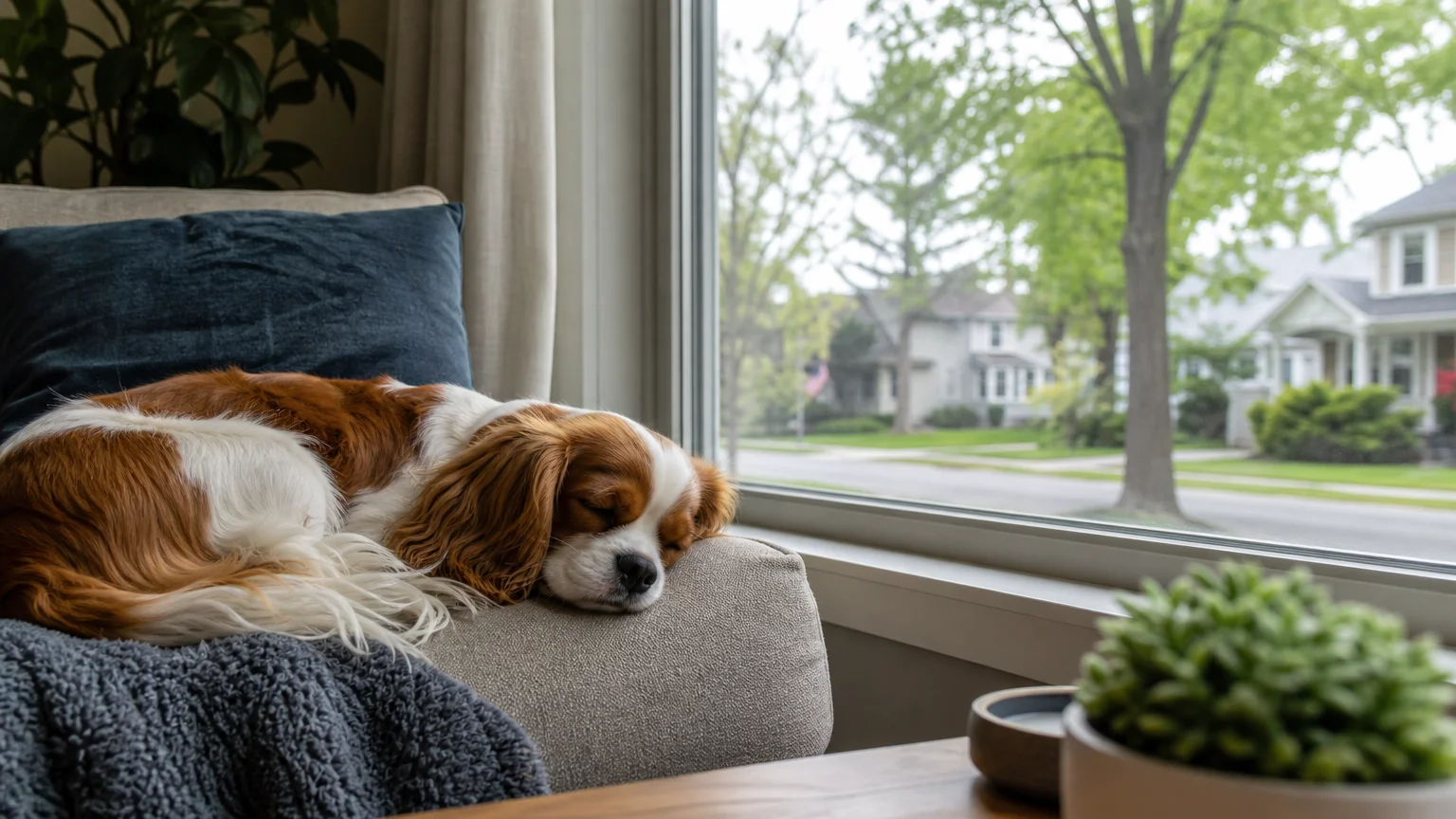
6. Cavalier King Charles Spaniel
The Cavalier King Charles Spaniel holds a reputation as one of the most polite dogs in the canine kingdom. They blend the gentle affection of a toy breed with the cheerful, outgoing spirit of a sporting spaniel. Cavaliers do not demand attention aggressively; instead, they wait patiently for their turn to be petted or fed.
These spaniels match the energy of the room. If your other dog wants to chase a ball in the yard, the Cavalier will happily sprint right behind them. If the house is quiet, the Cavalier will sleep quietly on the sofa. Their complete lack of territorial behavior makes them a safe choice for blending families or taking on vacations with friends’ dogs.
Because Cavaliers are remarkably sensitive to human and canine emotions, they do not handle constant aggression well. Do not pair them with resource guarders or bullies, as the Cavalier will retreat, internalize the stress, and become deeply unhappy.
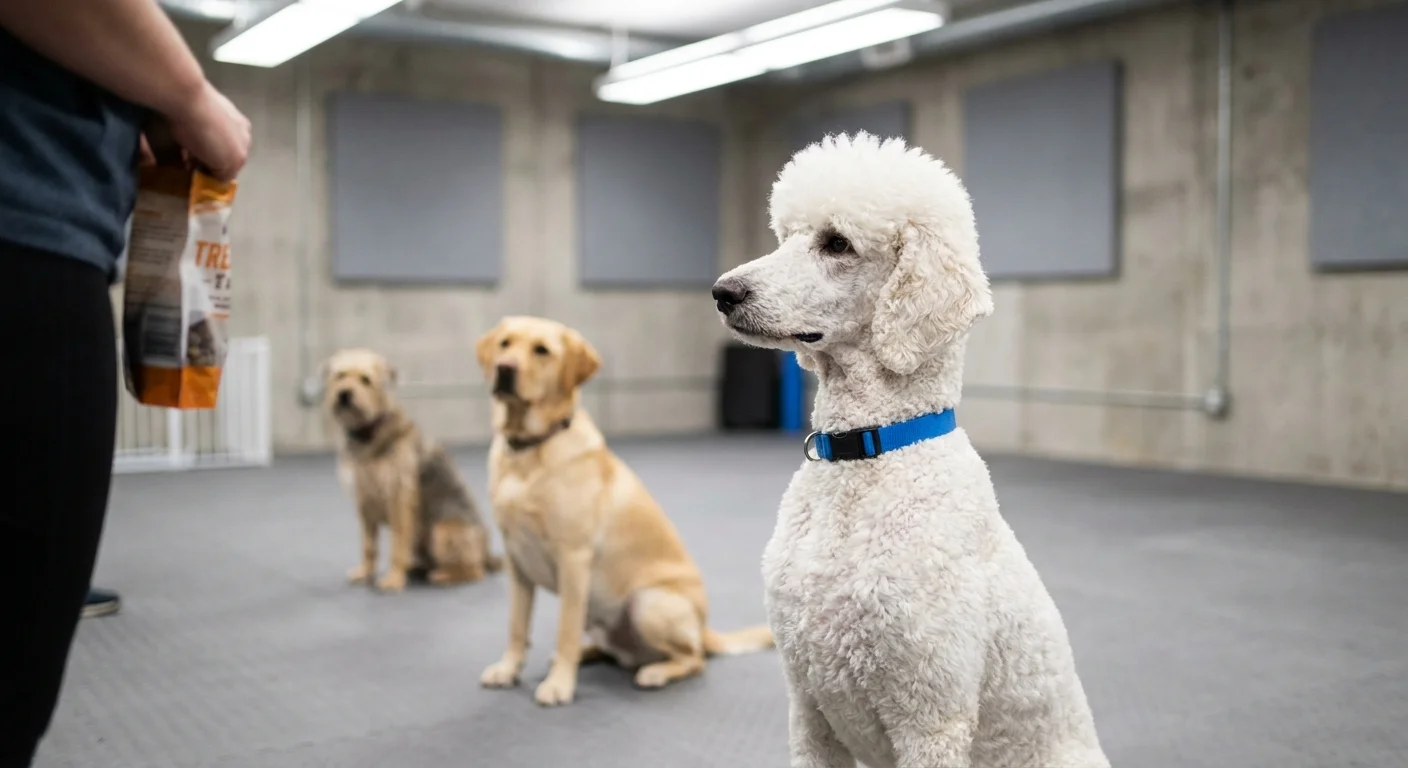
7. Poodle
Whether you choose a Standard, Miniature, or Toy, the Poodle is a fiercely intelligent breed that understands social boundaries. Poodles read subtle body language better than most breeds. If another dog stiffens or gives a warning look, a Poodle immediately recognizes the cue and de-escalates the situation by backing away.
Poodles engage in a highly polite, bouncing play style. They prefer games of chase rather than the heavy physical body-slamming favored by Bully breeds. This makes them ideal companions for older dogs or delicate breeds that enjoy moving around without being knocked over.
Their high intelligence means they learn routines rapidly. A Poodle will quickly figure out the established pecking order of your home and respect it. Because they do not shed, they are physically clean playmates, though their curly hair requires professional grooming to prevent painful mats.
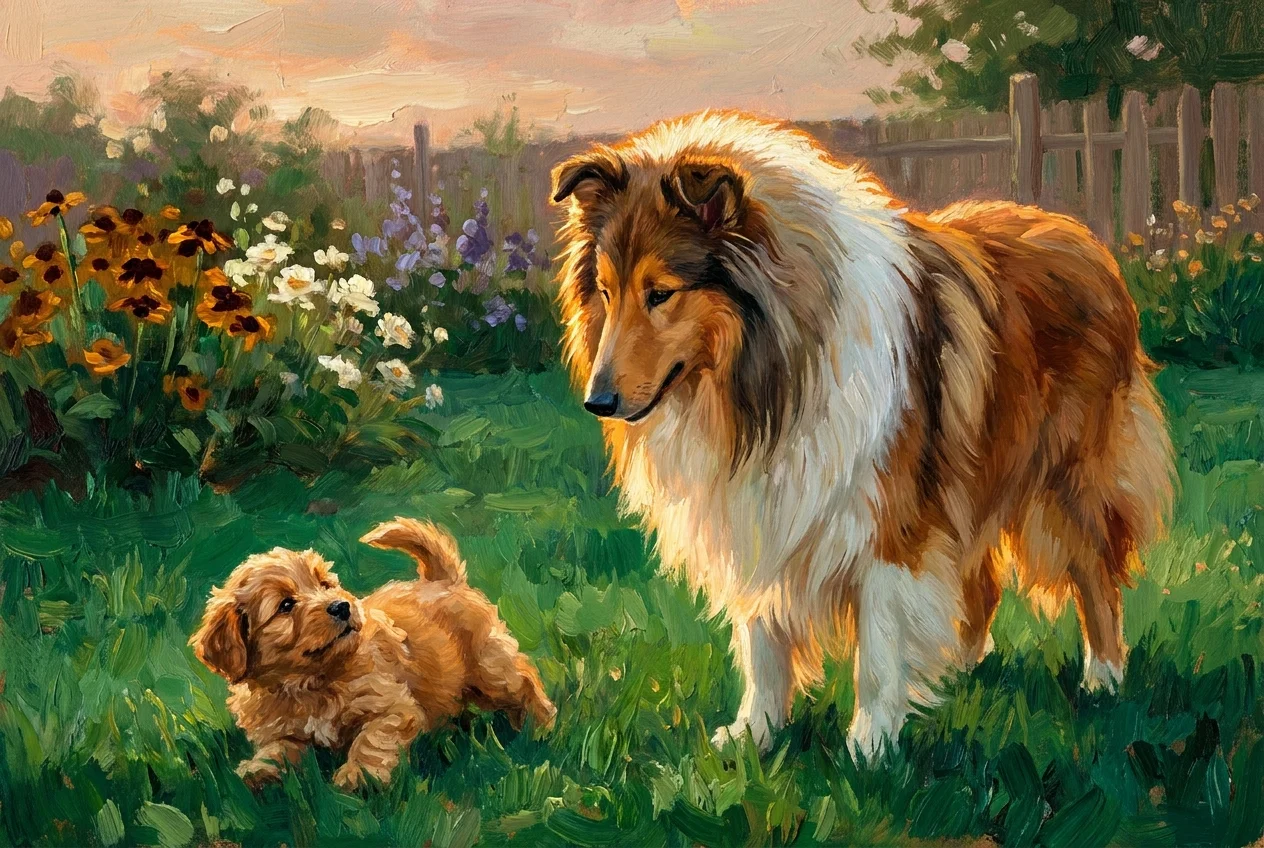
8. Collie
Famous for their gentle nature, Collies—both the Rough and Smooth varieties—are herding dogs that look out for their flock. In a modern home, your family and your other pets become that flock. Collies are incredibly nurturing and will often take it upon themselves to watch over puppies or small dogs.
If play between two other dogs gets too aggressive, a Collie will frequently act as the household referee. They will step between the fighting dogs or bark sharply to break up the tension. They prefer order and harmony, and they work proactively to maintain it.
Because they are driven by a strong herding instinct, Collies might nip lightly at the heels of your other dogs to guide them around the yard. While this is rarely aggressive, some independent breeds find it highly annoying. Providing your Collie with structured mental stimulation—like agility training or puzzle toys—prevents them from obsessively herding their canine housemates.
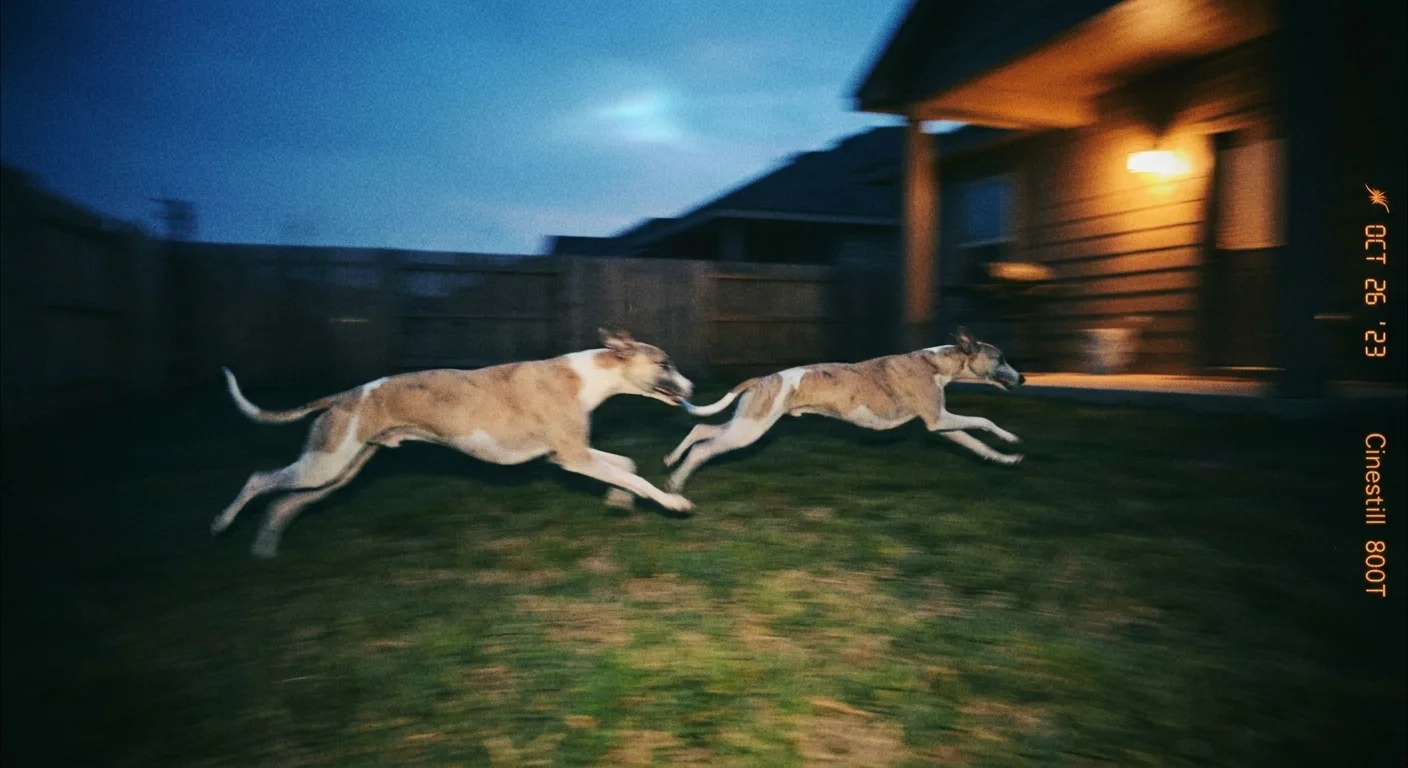
9. Whippet
The Whippet is a visual paradox: capable of explosive, lightning-fast sprints outdoors, yet entirely lazy and non-confrontational indoors. As sighthounds, they do not possess the guarding instincts of a Mastiff or the territorial barking habit of a Terrier. Indoors, they are virtually silent, preferring to curl up under a fleece blanket.
Whippets get along beautifully with other dogs because they simply do not care about establishing dominance over household space. They avoid conflict by walking away and finding a quieter place to sleep. When they do play, it consists of high-speed chases in open spaces.
You must be mindful of size differences when pairing a Whippet. Their skin is incredibly thin, and they lack the thick layer of protective fat found on Retrievers. A rough-playing, heavy-pawed dog can easily tear a Whippet’s skin by accident. Pair them with other sighthounds, gentle spaniels, or polite retrievers.
10. Boxer
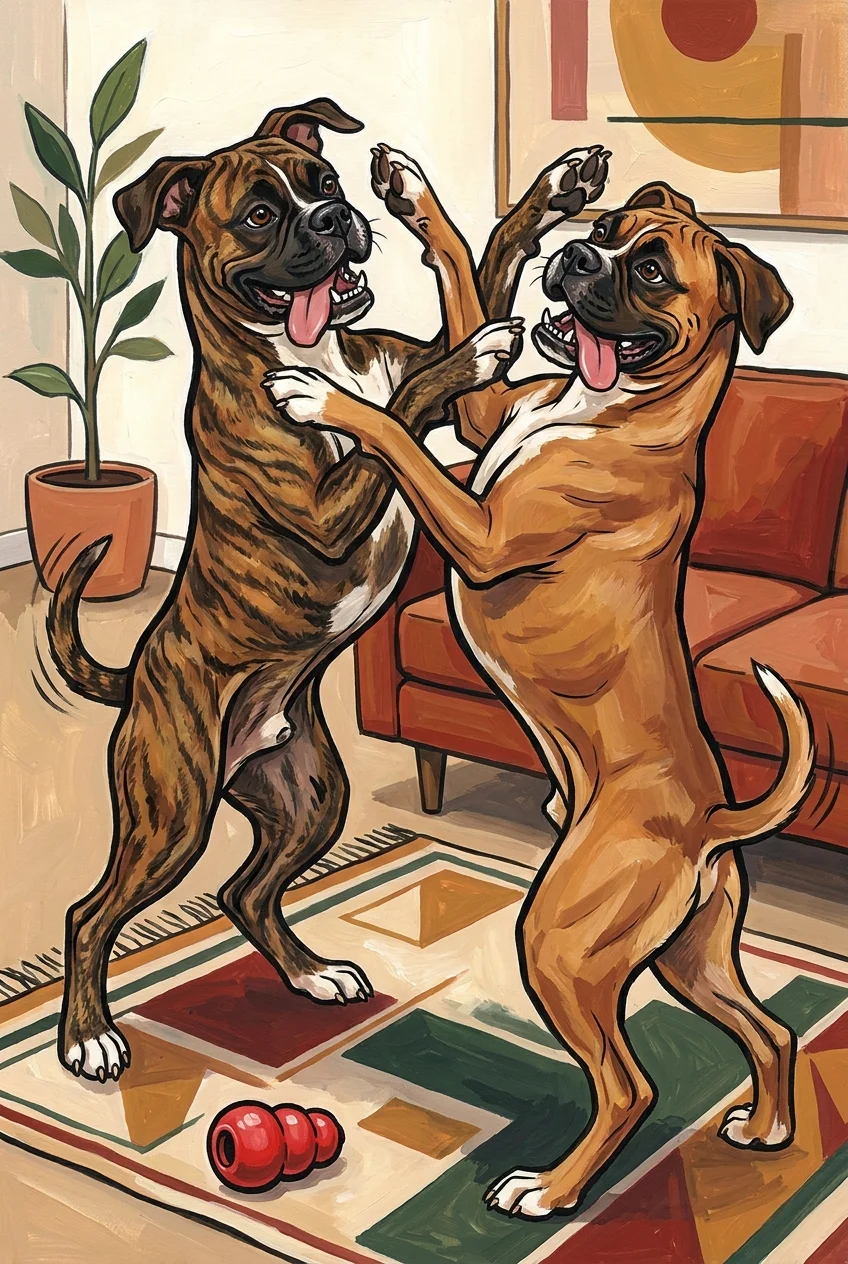
If you have an active, sturdy dog that lives for physical play, the Boxer is the ultimate addition to your family. Boxers are exuberant, clownish, and completely devoid of malice. They approach every dog they meet assuming they have just found a new best friend.
Boxers play with a distinct style: they stand on their hind legs and use their front paws to swat and wrestle, much like a human boxer. They are highly vocal during play, emitting a series of snorts, growls, and sneezes to signal that they are just having fun.
Because their play style is so intensely physical, Boxers should only be paired with other robust, confident dogs. A Labrador, Golden Retriever, or large hound can easily handle a Boxer’s energy. Small, delicate, or arthritic dogs will quickly become overwhelmed by a Boxer’s lack of spatial awareness.
Breed Compatibility at a Glance
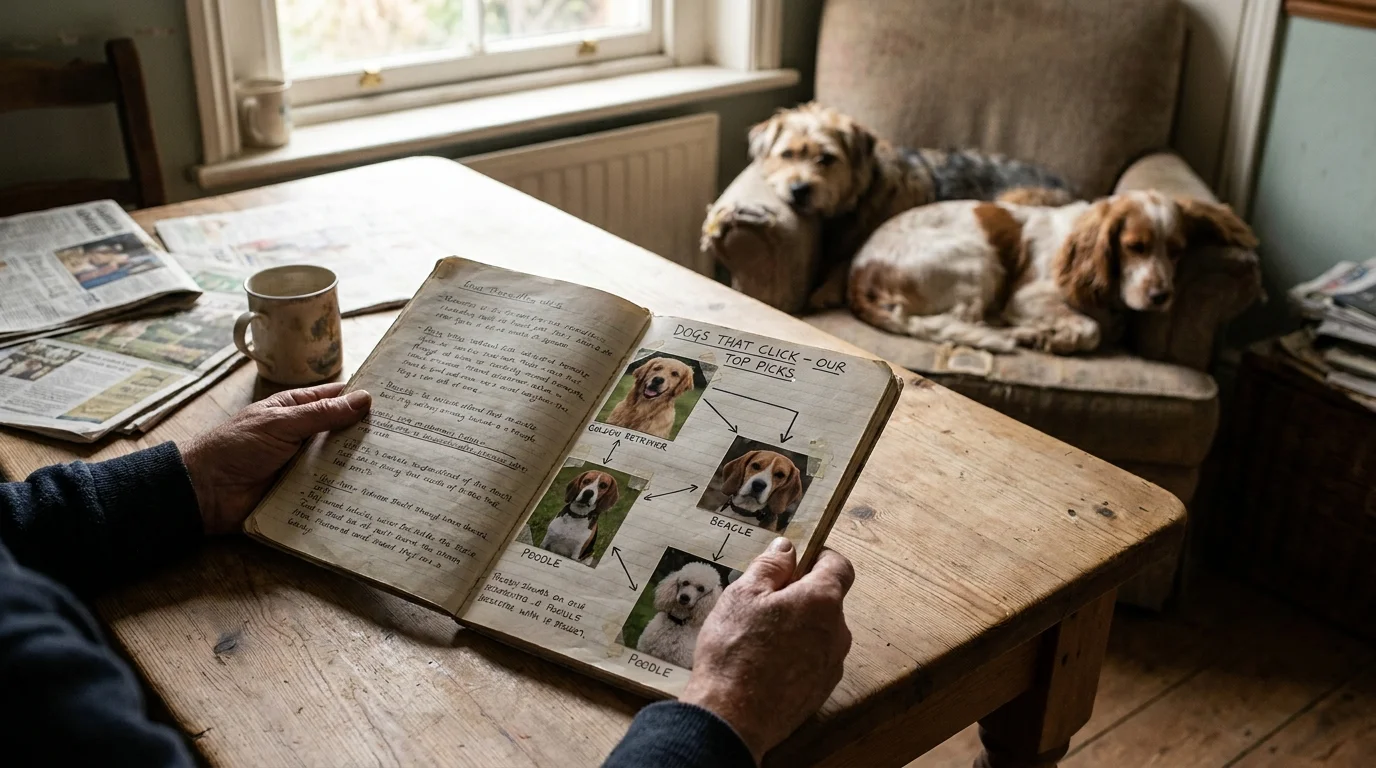
Use this quick reference guide to understand how these highly compatible breeds fit into different household dynamics.
| Breed | Energy Level | Play Style | Multi-Dog Superpower |
|---|---|---|---|
| Labrador Retriever | High | Adaptable / Wrestling | Mirrors the energy of their playmate effortlessly. |
| Golden Retriever | Medium | Soft / Gentle Mouthing | Actively diffuses tension with calming body language. |
| Beagle | Medium | Vocal / Chasing | Shares sleeping spaces without guarding behavior. |
| Basset Hound | Low | Slow / Observational | Radiates calm energy that helps anxious dogs relax. |
| Pug | Low | Close Contact / Snuggling | Happily submits to larger, more confident dogs. |
| Cavalier King Charles | Medium | Polite / Chase | Adjusts smoothly to the quiet or active mood of the room. |
| Poodle | Medium-High | Bouncing / Non-Contact | Reads and respects canine boundaries instantly. |
| Collie | Medium | Herding / Nurturing | Steps in to break up rough play and maintain order. |
| Whippet | Medium | High-Speed Sprinting | Remains completely non-territorial inside the home. |
| Boxer | High | Physical / Boxing | Provides endless entertainment for robust, active dogs. |
Worth Keeping in Mind
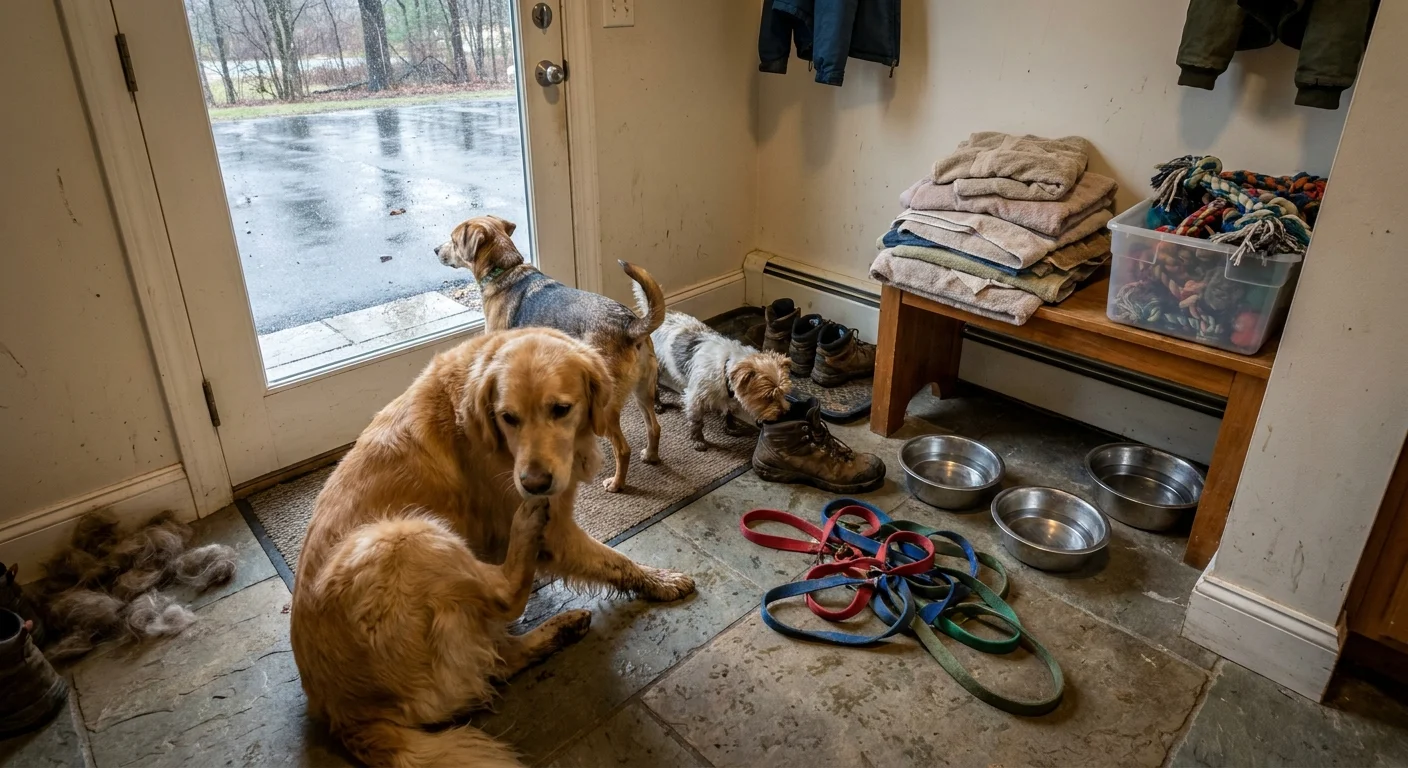
Even with the friendliest breeds, managing a multi-dog home requires proactive effort. Pay attention to these potential pitfalls as you blend your canine family.
- Littermate Syndrome: Adopting two puppies of the exact same age often causes them to bond so tightly with each other that they reject human guidance and become highly fearful of the outside world. Stagger adoptions by at least six months.
- Resource Guarding: Genetics do not guarantee perfect behavior. Even a sweet Golden Retriever might snap if another dog tries to steal a high-value bone. Feed your dogs in separate crates or rooms, and monitor high-value toys to prevent sudden fights.
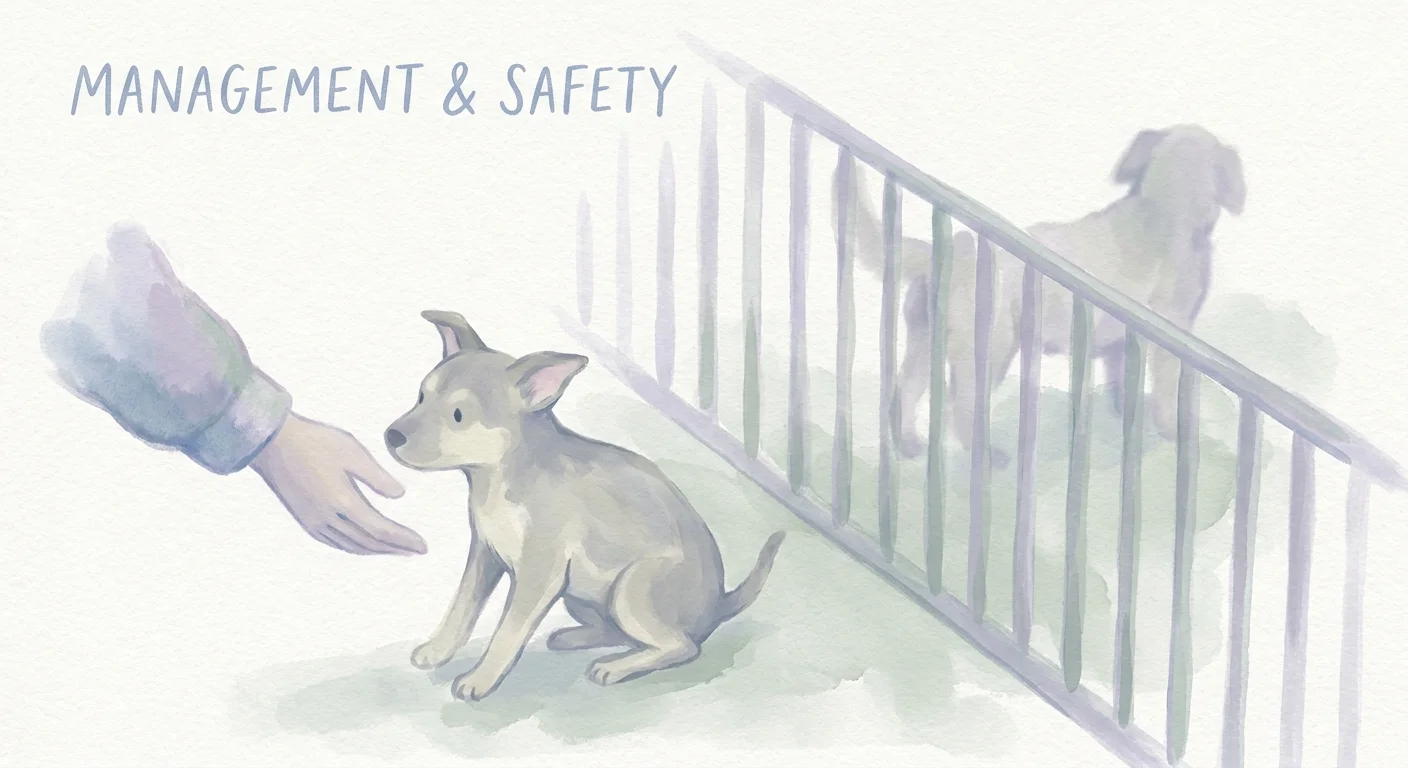
- The Senior-Puppy Dynamic: Dropping a hyperactive puppy into a home with an arthritic, exhausted senior dog rarely goes well. You must physically manage their interactions using baby gates so the older dog can rest without being constantly pounced on.
- Hallway Bottlenecks: Fights frequently break out in narrow spaces like doorways, staircases, or hallways where dogs feel trapped. Teach your dogs to wait and pass through doorways one at a time to eliminate competitive rushing.
When to Get Professional Help
While minor grumbling and brief corrections are normal parts of canine communication, true aggression requires immediate intervention. Seek help from a certified veterinary behaviorist or a force-free trainer if you experience the following:
- Fights that break the skin: If a squabble escalates past noise and posturing into a genuine attack that requires veterinary stitches, separate the dogs entirely and call a professional.
- Chronic hiding and stress: If one dog refuses to leave their crate, stops eating, or slinks tightly along the walls to avoid your other dog, their quality of life is severely compromised.
- Unmanageable guarding: If you cannot safely walk past your dogs while they are eating, or if they trap each other in corners to guard a favorite couch, you need a structured intervention before an animal or human gets badly bitten.
Frequently Asked Questions
Is it better to get a male and a female dog?
Yes. Veterinary behaviorists generally agree that opposite-sex pairings are the most stable. Male-female pairs rarely compete for the exact same rank in the household hierarchy, significantly reducing the chances of serious, ongoing conflict.
How long does it take for two dogs to get along?
Expect a transition period of at least four to eight weeks. Dogs need time to understand each other’s boundaries, learn the household routine, and figure out that resources (like food and your affection) are not scarce. Do not force them into constant contact during this period.
Should I feed my dogs together or separately?
Always feed them separately, at least in the beginning. Use different rooms, separate sides of a baby gate, or individual crates. This completely removes the anxiety of having their food stolen, allowing them to eat peacefully and associate the presence of the other dog with a positive, stress-free routine.
Setting Your Pack Up for Success
Building a successful multi-dog household takes more than just picking a friendly breed. It requires patience, fair resource management, and a willingness to supervise early interactions closely. By choosing a breed known for its social grace—like a Lab, Beagle, or Cavalier—you give yourself a massive head start. Focus on structured routines, ensure every dog gets individual one-on-one time with you, and give your new pack the time they need to figure out their shared language.
This is general informational content based on widely accepted guidance. Individual results vary. Verify current details—rules, prices, eligibility, regulations—with official sources before making important decisions.
Last updated: May 2026. Rules, prices, and details change—verify current information with official sources before acting on it.