Building a Bond: First Weeks and Beyond
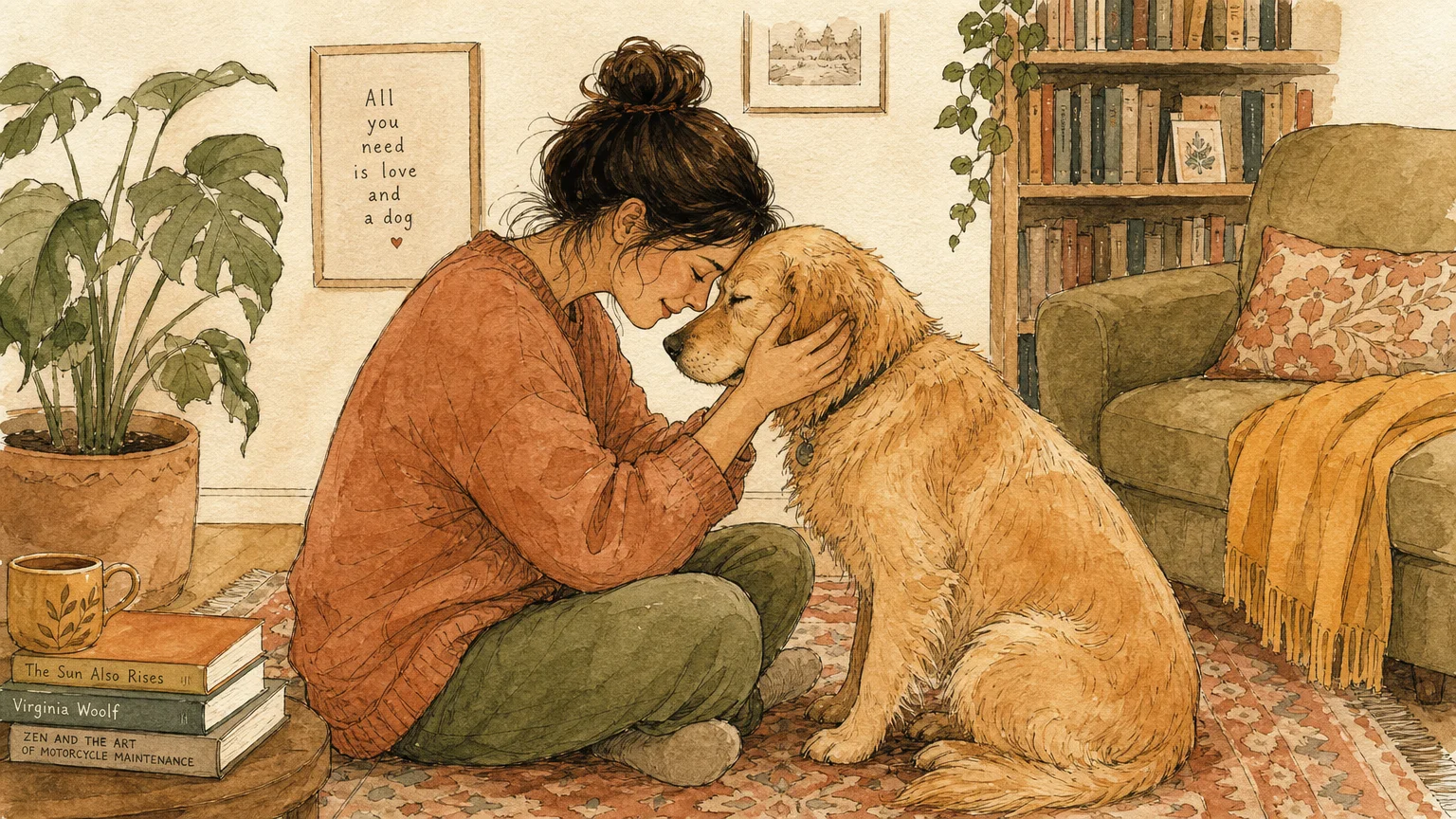
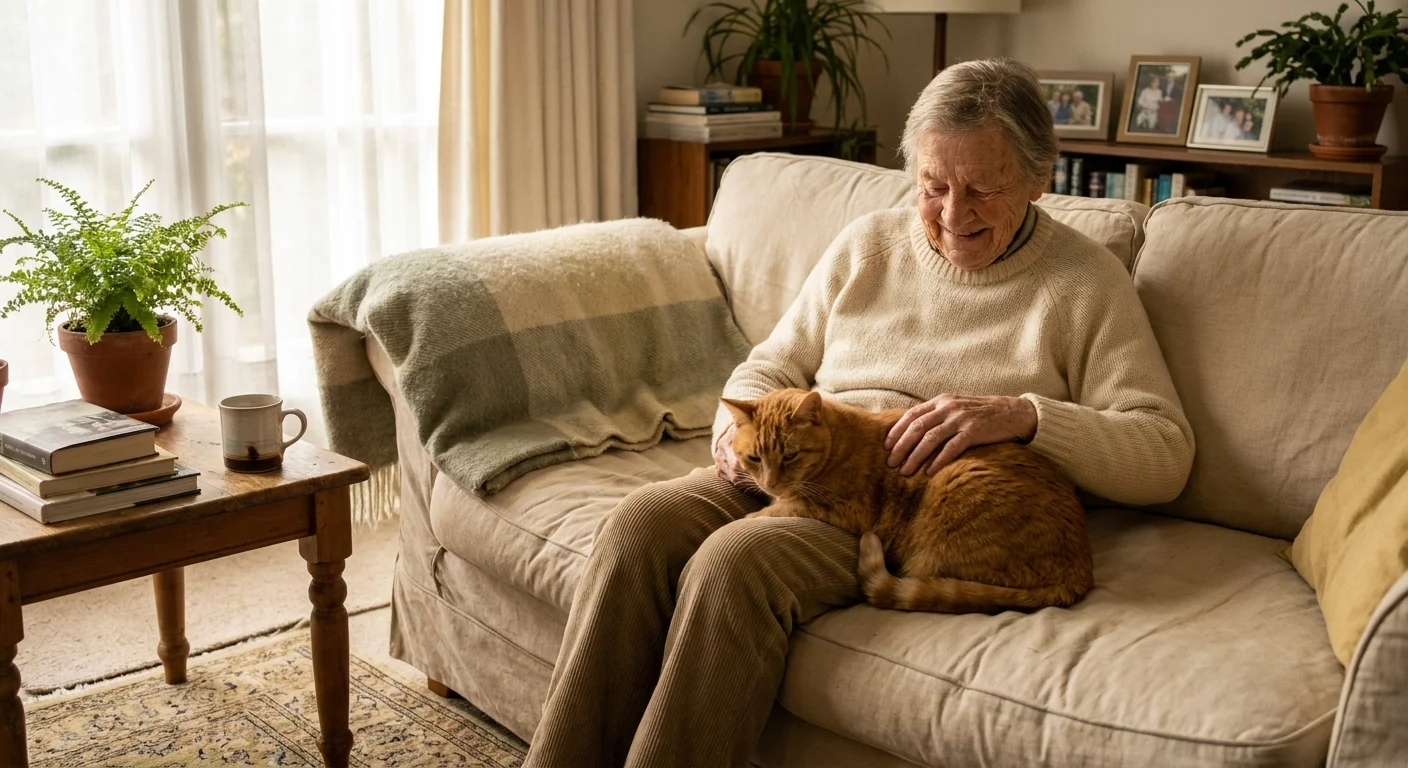
The first few weeks are about building trust and establishing a gentle routine. This is where your relationship truly begins to blossom through positive interaction and predictable care.
Humane Training and Positive Reinforcement
Modern, effective training is all about rewarding the behavior you want to see. This is called positive reinforcement. When your dog sits, they get a small, tasty treat. When your cat uses the scratching post instead of the sofa, they get praise and a gentle pet. This method builds a pet’s confidence and strengthens your bond because they learn that good things happen when they are with you. Avoid harsh corrections or punishment, which can create fear and anxiety.
Here is a mini-example of a positive reinforcement training session:
Goal: Teach a dog to “come” when called in the house.
Step 1: Sit on the floor a few feet away from your dog. Say their name followed by “Come!” in a happy, excited tone of voice.
Step 2: As they start to move toward you, praise them enthusiastically (“Good dog! Yes!”).
Step 3: When they reach you, give them a small, high-value treat (like a tiny piece of chicken) and lots of affection.
Step 4: Repeat this 3-4 times, then end the session on a positive note. Keep training sessions short and fun—just a few minutes at a time is perfect.
Enrichment for Mind and Body
All animals need enrichment, which are activities that stimulate their minds and allow them to engage in natural behaviors. A bored pet is often a destructive or anxious pet. Enrichment doesn’t have to be complicated or strenuous.
For Dogs: A slow feeder bowl or a puzzle toy that they have to nudge or roll to get treats out of can turn mealtime into a fun game. Gentle walks where they are allowed to stop and sniff provide immense mental stimulation.
For Cats: Hiding a few treats around a room for them to “hunt” or providing a window perch where they can watch birds engages their natural instincts.
For Small Animals and Birds: Providing safe-to-chew cardboard tubes or special foraging toys that encourage them to work for their food keeps their minds active.
Establishing a Gentle Routine
Pets thrive on predictability. A consistent schedule for meals, walks, playtime, and bedtime helps them feel secure. They learn what to expect and when, which dramatically reduces stress. This routine will quickly become a comforting rhythm for both of you, structuring your days around the shared joy of caring for another living being.