Frequently Asked Questions (FAQs) for Senior Pet Owners
It’s natural to have questions as you consider this important decision. Here are answers to some common queries.
What are the best low-maintenance pets for the elderly?
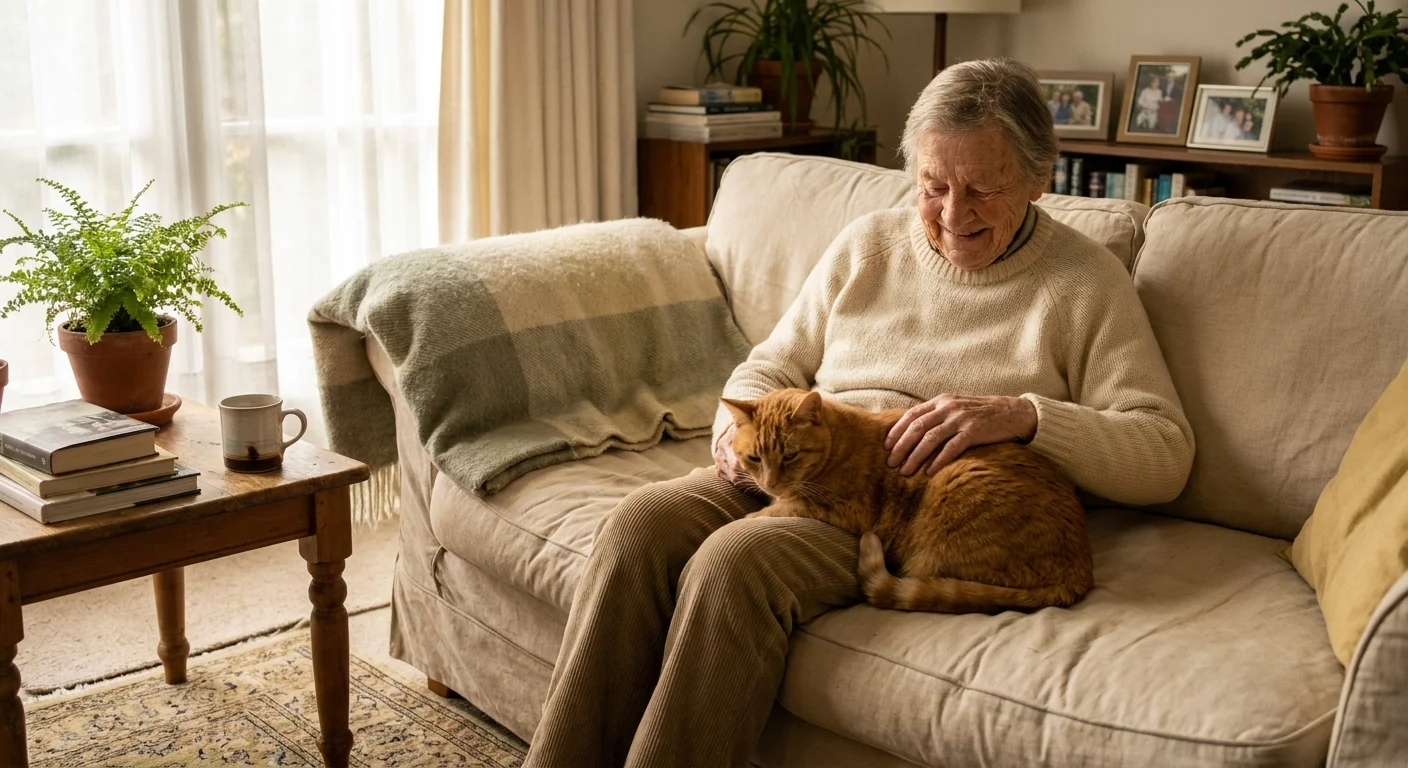
The term “low-maintenance” is relative, as all animals require dedicated care. However, pets that don’t need outdoor exercise are often considered easier for seniors with mobility challenges. An adult cat is frequently a top choice, as they are independent yet affectionate. A pair of fish in a well-set-up aquarium can provide serene companionship with a very predictable maintenance schedule. Smaller birds like finches can also be a good fit, offering cheerful sounds without needing hands-on interaction.
Should I get a puppy/kitten or an adult animal?
While puppies and kittens are undeniably cute, they are a tremendous amount of work. They require constant supervision, house-training, and intensive socialization. For most seniors, adopting an adult or senior animal is a much better option. An adult pet’s personality is already formed, they are often already trained, and their energy level is stable and predictable. You can find a perfect companion whose temperament is a known quantity, making the transition into your home much smoother.
What if I can no longer care for my pet?
This is a responsible and important question to consider. Planning for your pet’s future provides peace of mind. Talk to trusted family members or friends who might be willing to take in your pet if needed. Some shelters and rescue organizations have programs or agreements to help rehome pets for seniors who can no longer care for them. It is wise to have a plan written down and shared with your loved ones and your veterinarian.
How can I manage pet care on a fixed income?
The costs of pet ownership can be a concern, but there are ways to manage them. When budgeting, consider pet insurance, which can help cover unexpected large veterinary bills. Many veterinary clinics, as well as grooming and pet supply stores, offer senior discounts. Additionally, many communities have non-profit or low-cost veterinary clinics that can provide routine care at a more affordable price. Reputable organizations like the American Veterinary Medical Association (AVMA) may have resources on financial assistance for pet care.