Nature routinely ignores the boundaries of human logic, producing creatures with abilities that sound like absolute fiction. You might assume that surviving a winter requires warmth or that tasting food requires a mouth, yet evolution has engineered entirely different solutions. Across the animal kingdom, biology bends the rules of physics, chemistry, and anatomy to keep species alive in harsh environments. From amphibians that freeze solid to marine predators throwing supersonic punches, these verified scientific phenomena showcase the extraordinary adaptability of life on Earth. Understanding these biological marvels gives you a deeper appreciation for the complex ecosystems right outside your door and the incredible, highly specialized survival mechanisms hiding in plain sight.
1. Wombats Produce Cube-Shaped Poop
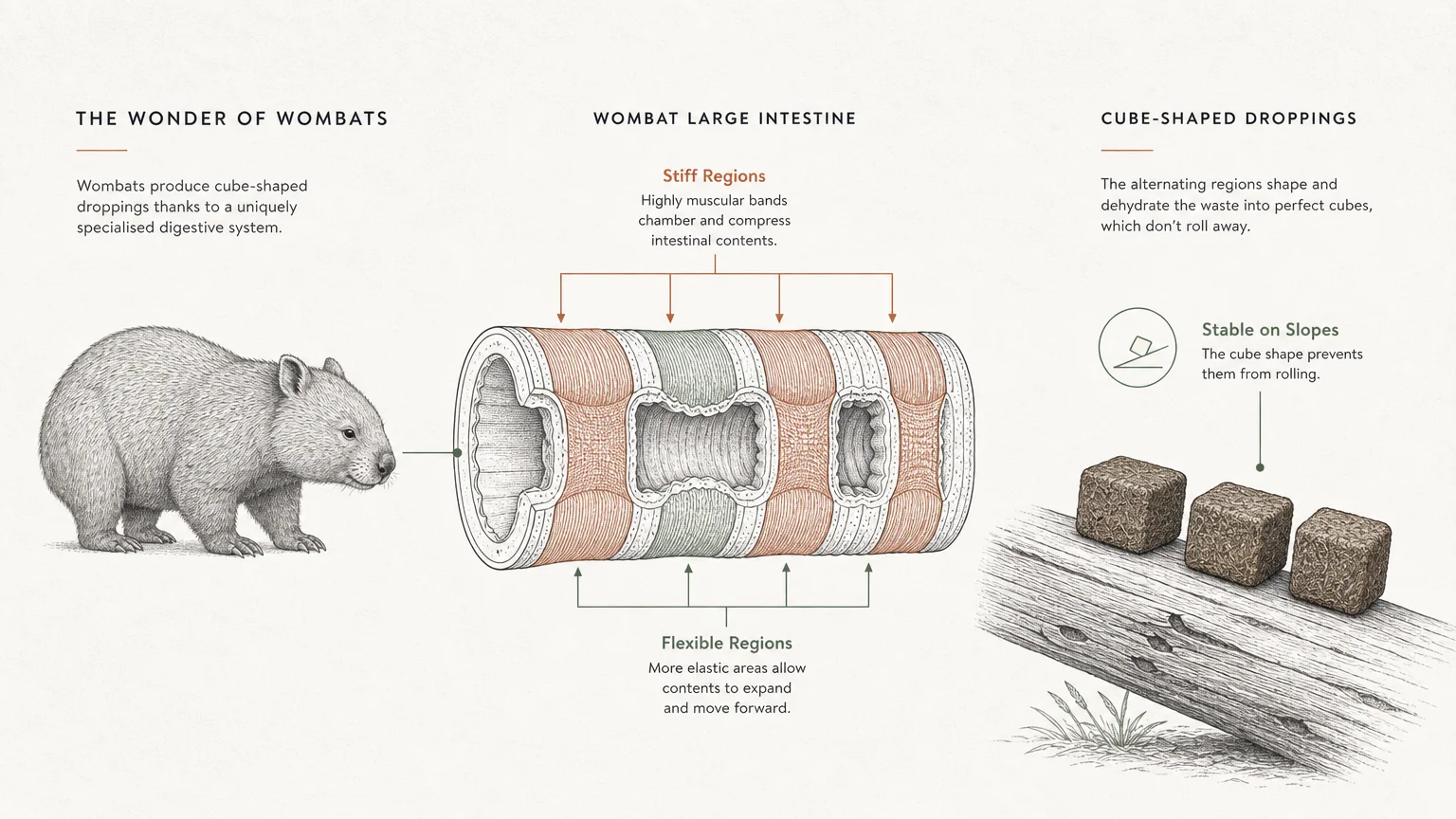
You might assume that all animal droppings share a similar, predictable shape. The Australian wombat defies this logic entirely by producing perfectly cube-shaped poop. They excrete 80 to 100 of these dice-sized blocks every single night. Scientists puzzled over this phenomenon for decades before discovering the biological mechanism in 2018. A wombat’s intestines do not stretch evenly; they contain distinct stiff and flexible regions. As digestion occurs, these varying elasticities sculpt the waste into sharp-cornered cubes before it exits the body.
Wombats have poor eyesight and rely heavily on scent to navigate and communicate. They deposit their droppings on elevated surfaces like rocks and logs to mark their territory and attract mates. A spherical dropping would easily roll off these high vantage points, but a cube stays exactly where the wombat left it.
Veterinarians and wildlife biologists now use this information practically. Because healthier wombats produce sharper, more defined cubes, caretakers can visually assess an animal’s digestive health simply by inspecting its environment.
2. Wood Frogs Freeze Completely Solid in Winter
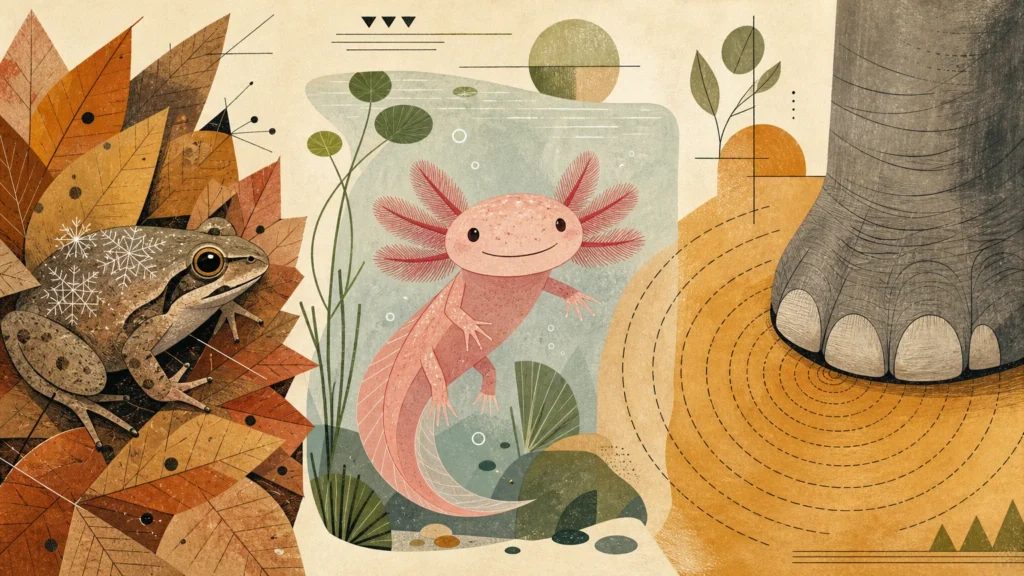
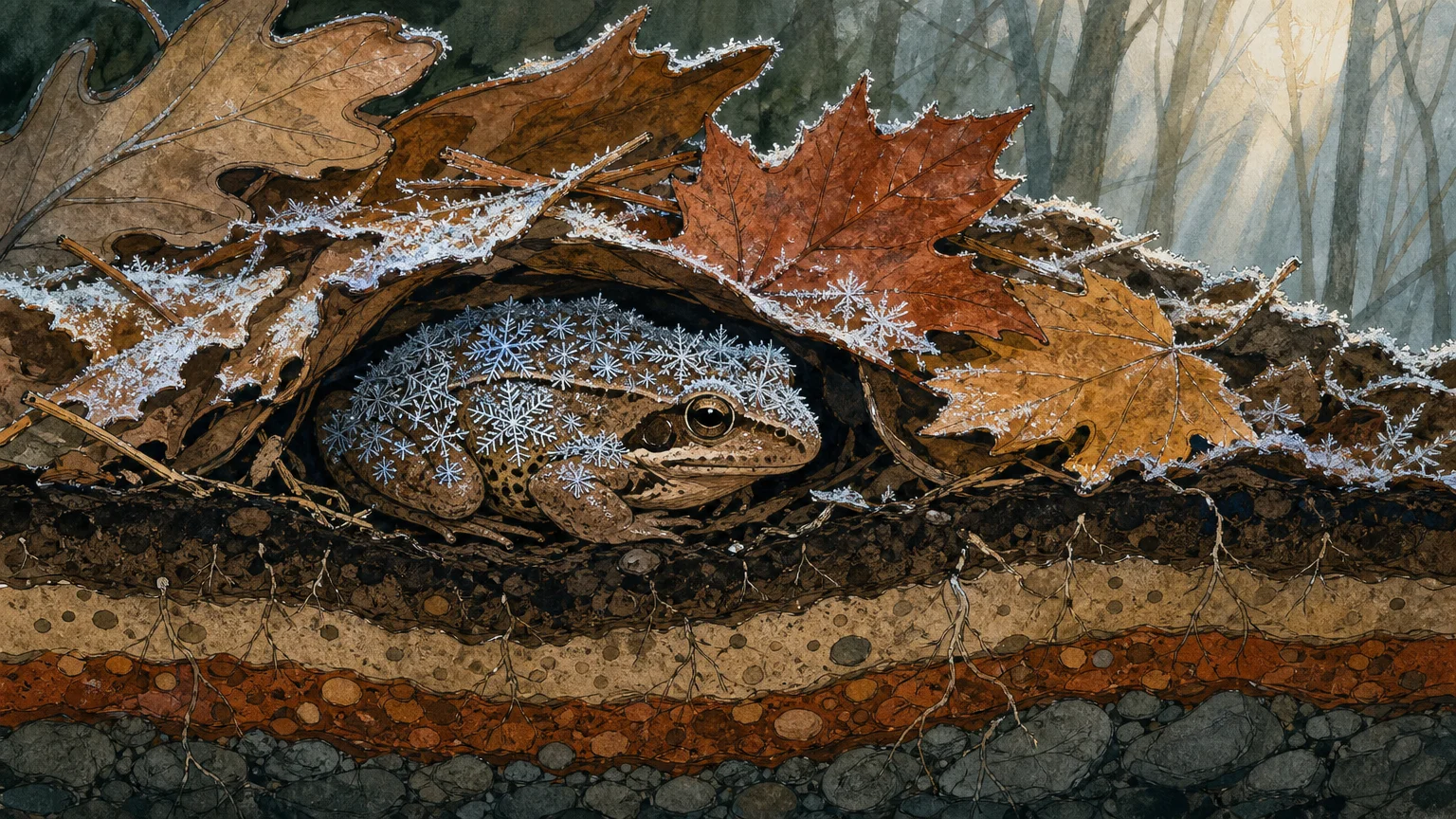
Winter survival typically involves seeking shelter, migrating, or growing thicker fur. The North American wood frog takes a more extreme approach: it simply lets itself freeze. When temperatures plummet, the frog burrows under leaf litter and shuts down completely. Up to 65 percent of the water inside its body turns into solid ice. Its heart stops beating, its breathing ceases, and its brain activity flatlines. By all standard medical definitions, the frog appears dead.
The secret to this miraculous survival lies in the frog’s liver, which produces massive amounts of glucose. This sugar acts as a biological antifreeze, flooding the frog’s cells and preventing jagged ice crystals from puncturing delicate cell membranes. When spring arrives and temperatures warm, the frog thaws out from the inside, restarts its heart, and hops away as if nothing happened.
Medical researchers closely study the wood frog’s cryopreservation abilities. If scientists can replicate this cellular protection mechanism, they could drastically extend the viable shelf life of human organs awaiting transplant, revolutionizing modern surgery.
3. Elephants “Hear” Seismic Vibrations Through Their Feet
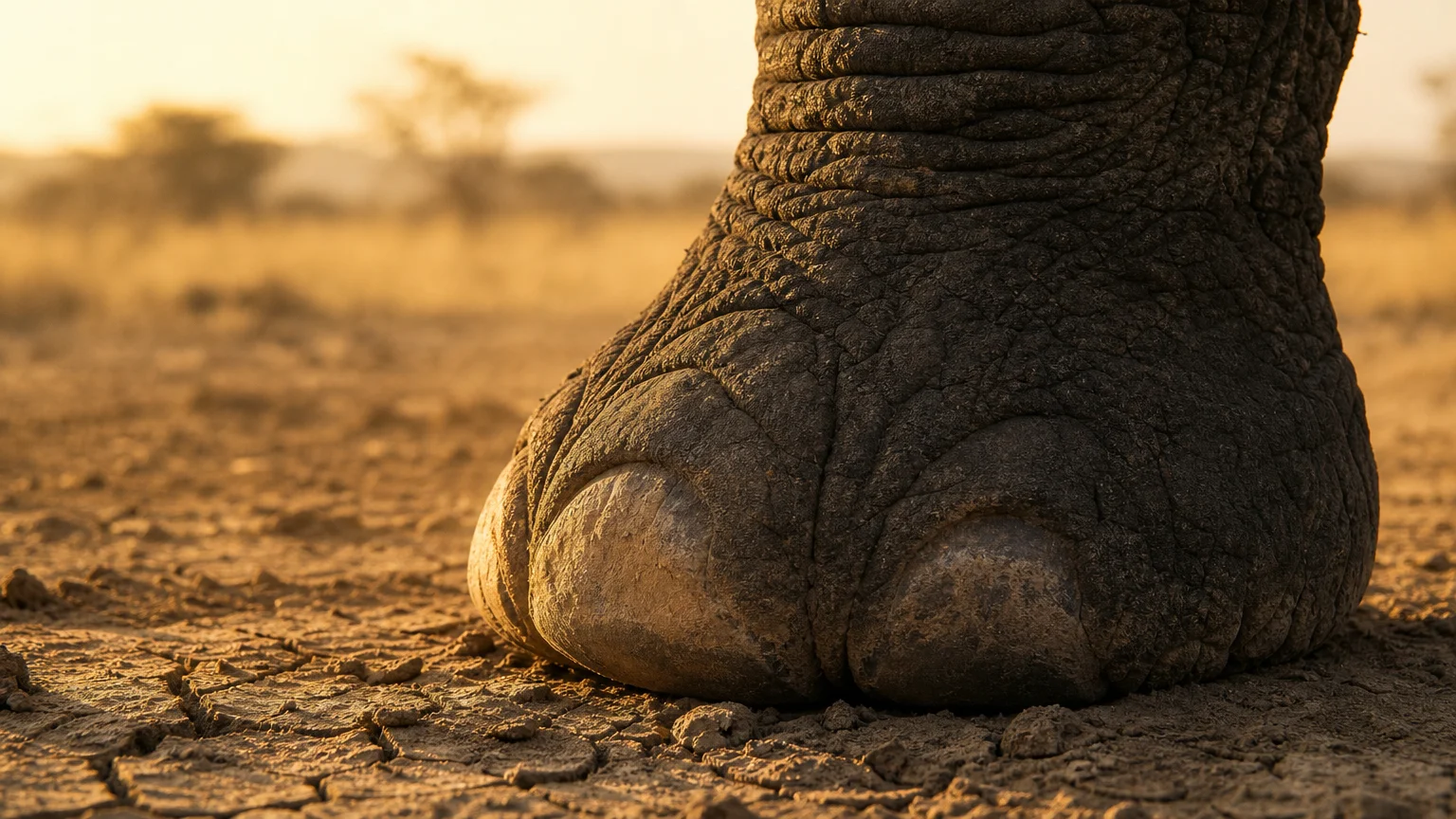
We recognize elephants for their massive ears, but their feet contain equally impressive sensory organs. Elephants possess the remarkable ability to communicate and listen to their environment through seismic vibrations traveling through the ground. When an elephant produces a low-frequency rumble—often too deep for human ears to detect—the sound waves travel for miles through the earth.
Elephants pick up these subterranean signals using highly sensitive nerve endings situated in the thick, fatty pads of their feet and the tips of their trunks. As a herd travels, you will often see them pause, lean forward, and press their weight onto their front feet to listen to distant storms, approaching predators, or other elephant herds up to ten miles away.
Conservationists use this behavioral insight to better protect the species. By installing seismic monitors in the ground across African and Asian habitats, researchers can track herd movements and deploy rangers to intercept poachers long before visual contact occurs.
4. The Mantis Shrimp Punches With the Speed of a Bullet
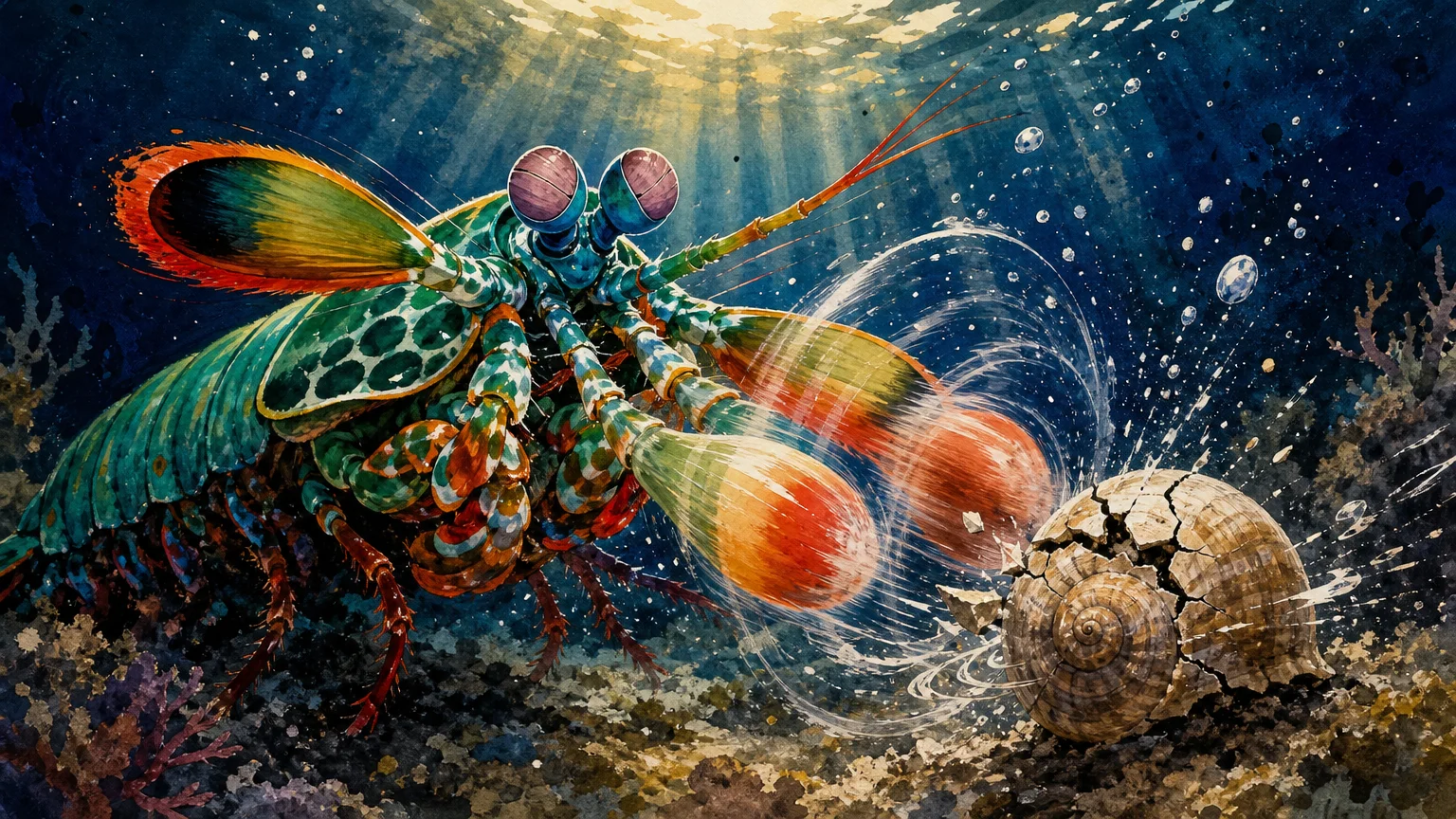
When you think of a powerful punch, you likely imagine a heavyweight boxer. However, the true striking champion lives on the ocean floor. The mantis shrimp, a brightly colored crustacean, possesses spring-loaded club-like appendages that strike prey with the speed and force of a .22 caliber bullet. Accelerating at over 50 miles per hour, this punch delivers enough kinetic energy to instantly shatter the thick shells of crabs, clams, and even thick aquarium glass.
The speed of the mantis shrimp’s strike defies the resistance of water. The club moves so incredibly fast that it vaporizes the water around it, creating a pocket of gas known as a cavitation bubble. When this bubble collapses an instant later, it releases a secondary shockwave accompanied by a flash of light and localized heat matching the surface of the sun.
Materials scientists actively study the microscopic structure of the mantis shrimp’s club. By mimicking its shock-absorbing architecture, engineers develop stronger, lighter composite materials for aerospace components and military-grade body armor.
5. Honey Bees Can Recognize Individual Human Faces
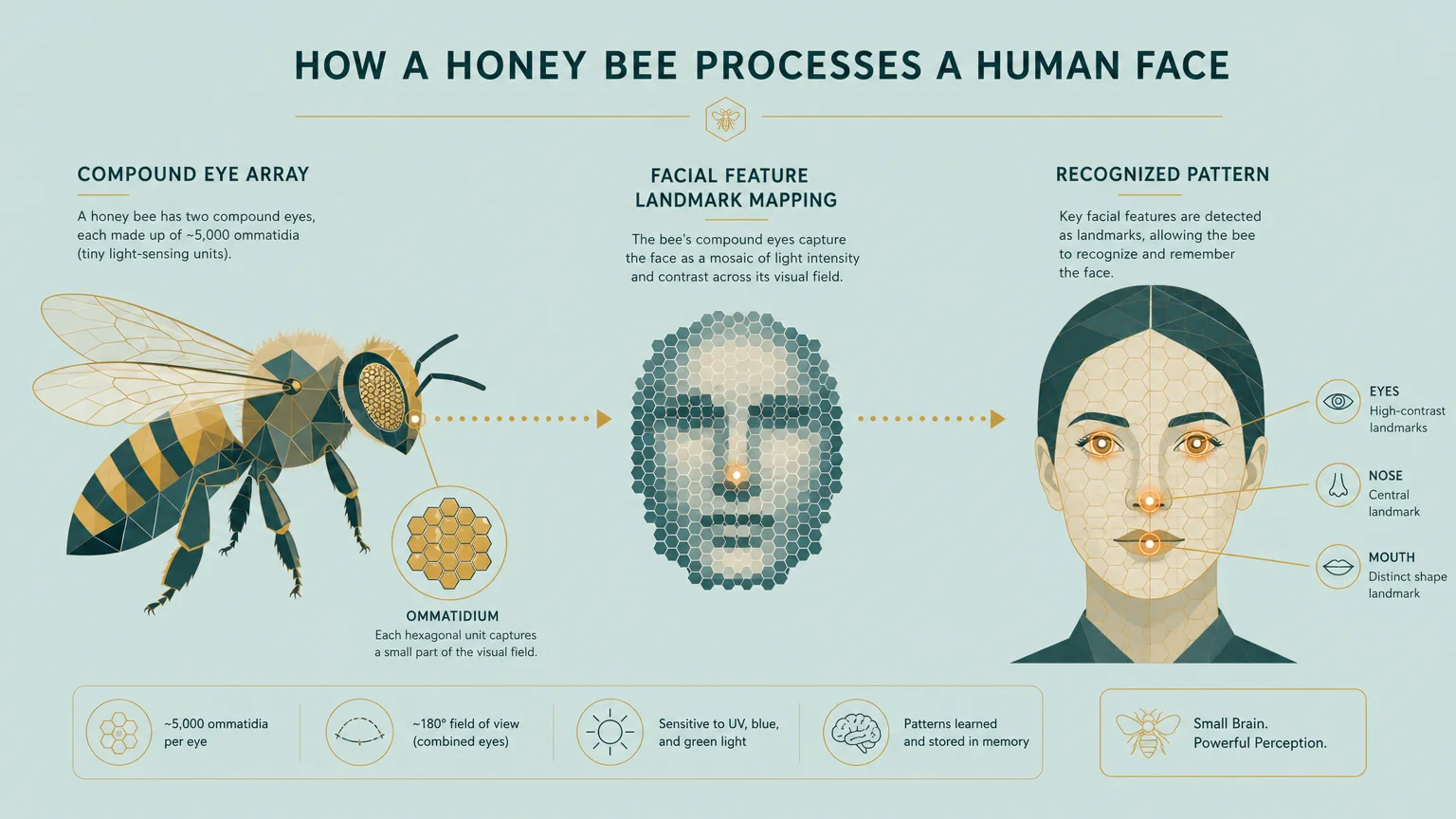
Recognizing a human face requires sophisticated neural processing. You might expect primates or domestic pets to identify their caretakers, but insects also possess this remarkable capability. Despite having a brain the size of a sesame seed, the honey bee can remember and distinguish between individual human faces.
According to research highlighted by The New York Times, honey bees process visual information using a method called configural processing. Rather than looking at individual features like a nose or an eye in isolation, the bee’s brain pieces these features together into a recognizable map. When scientists train bees to associate a specific photograph of a human face with a sugar reward, the bees consistently fly to the correct face even when mixed among dozens of strangers.
Computer scientists and software developers study insect vision to optimize artificial intelligence. Understanding how a tiny biological brain accurately performs complex facial recognition helps programmers write more efficient, lightweight algorithms for modern security cameras and smartphones.
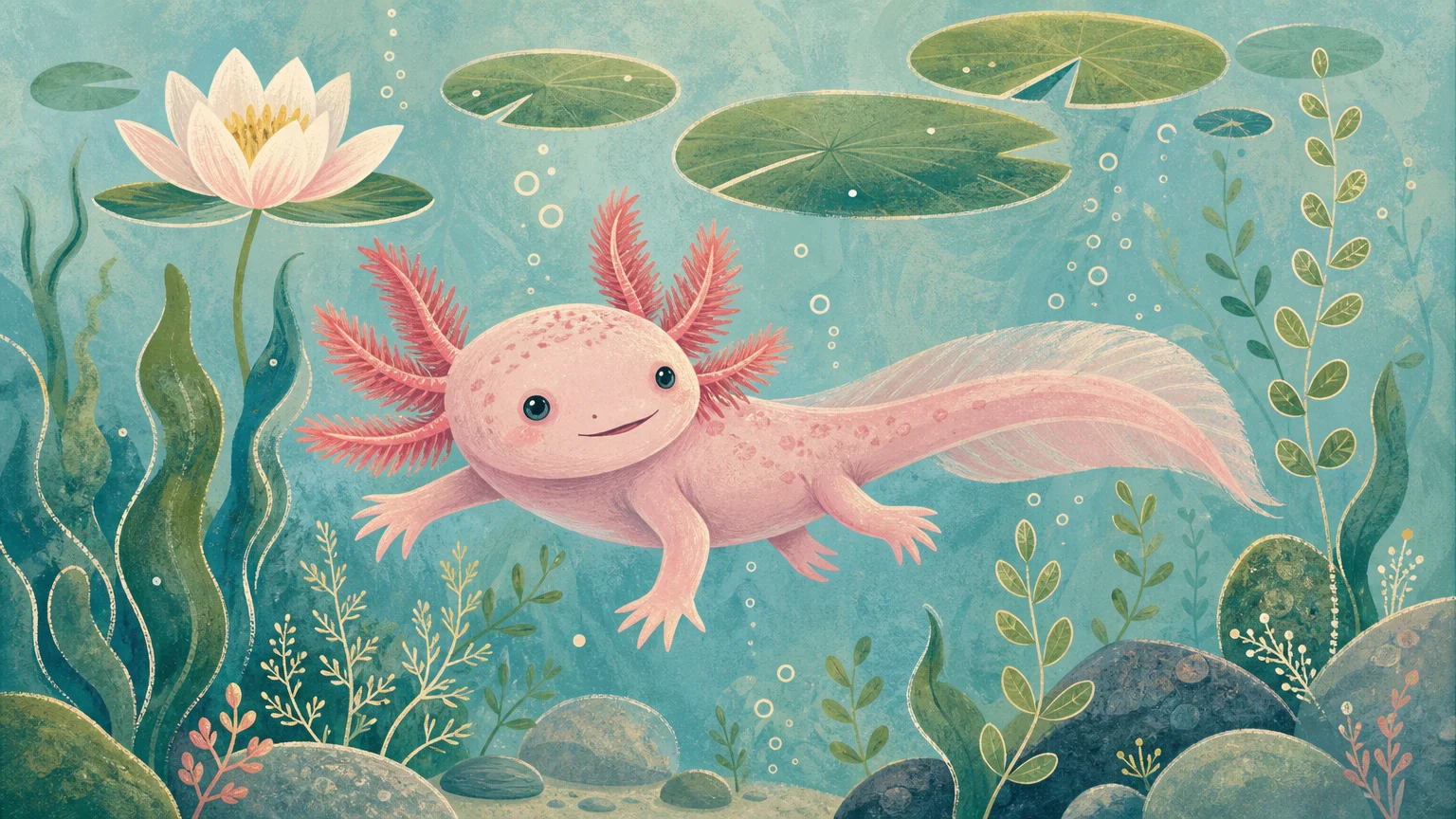
6. Axolotls Can Regenerate Parts of Their Brains
The axolotl, a critically endangered amphibian native to the lakes of Mexico City, holds the title for nature’s ultimate healer. While many amphibians can regrow a lost tail or limb, the axolotl takes regeneration to an entirely different level by routinely rebuilding its own central nervous system. If an axolotl suffers a severe head injury, it can seamlessly regenerate missing parts of its brain.
As documented by Medical Xpress, the axolotl achieves this by rapidly activating progenitor cells at the wound site. These cells multiply and transform into new, fully functional neurons. Astonishingly, the newly grown brain tissue perfectly reconnects with the existing neural network, completely restoring the animal’s original cognitive and motor functions without leaving any scar tissue.
This biological superpower has profound implications for human medicine. Neurologists continuously sequence the axolotl genome, hoping to isolate the exact genetic triggers that control this regeneration to eventually develop therapies for human spinal cord injuries and degenerative brain diseases.
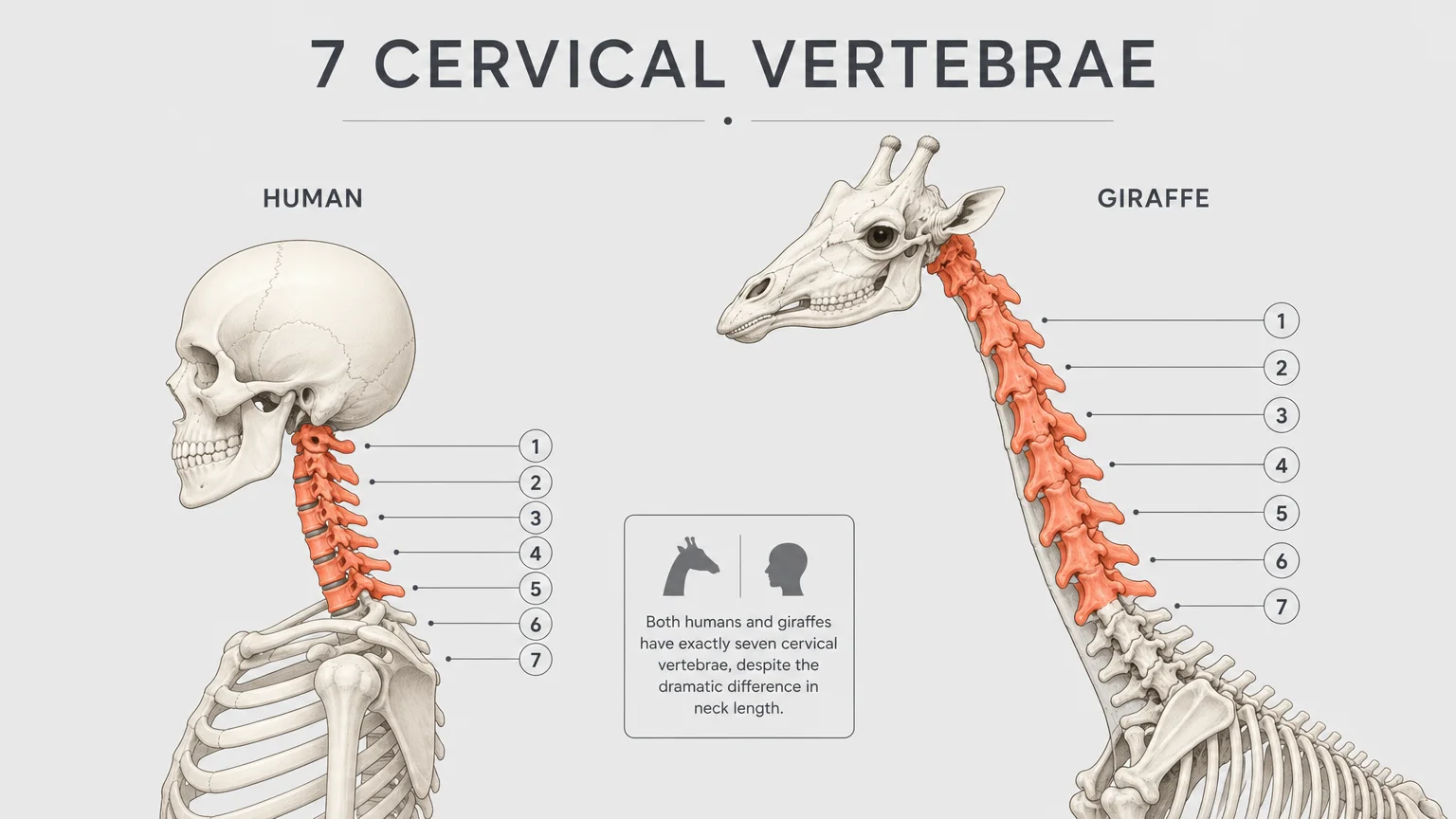
7. Giraffes Have the Same Number of Neck Vertebrae as Humans
A giraffe’s neck can grow up to six feet long and weigh over 600 pounds, allowing the animal to graze on high canopy leaves that other herbivores cannot reach. Given this massive size difference, you might naturally assume a giraffe possesses dozens of complex neck bones. Surprisingly, a giraffe has exactly seven cervical vertebrae—the exact same number found in the human neck.
Instead of adding more bones to the skeletal blueprint, evolution simply stretched the existing mammalian structure. Each of the giraffe’s seven neck vertebrae can measure over ten inches long. To support this elongated architecture, the giraffe relies on a massive, elastic ligament running down the back of its neck, acting like a giant rubber band that prevents muscle fatigue.
This fact serves as a perfect example of evolutionary efficiency. Biology rarely invents entirely new structures when modifying existing ones gets the job done. Understanding this anatomical consistency helps evolutionary biologists trace the shared ancestry of all modern mammals back to their earliest origins.
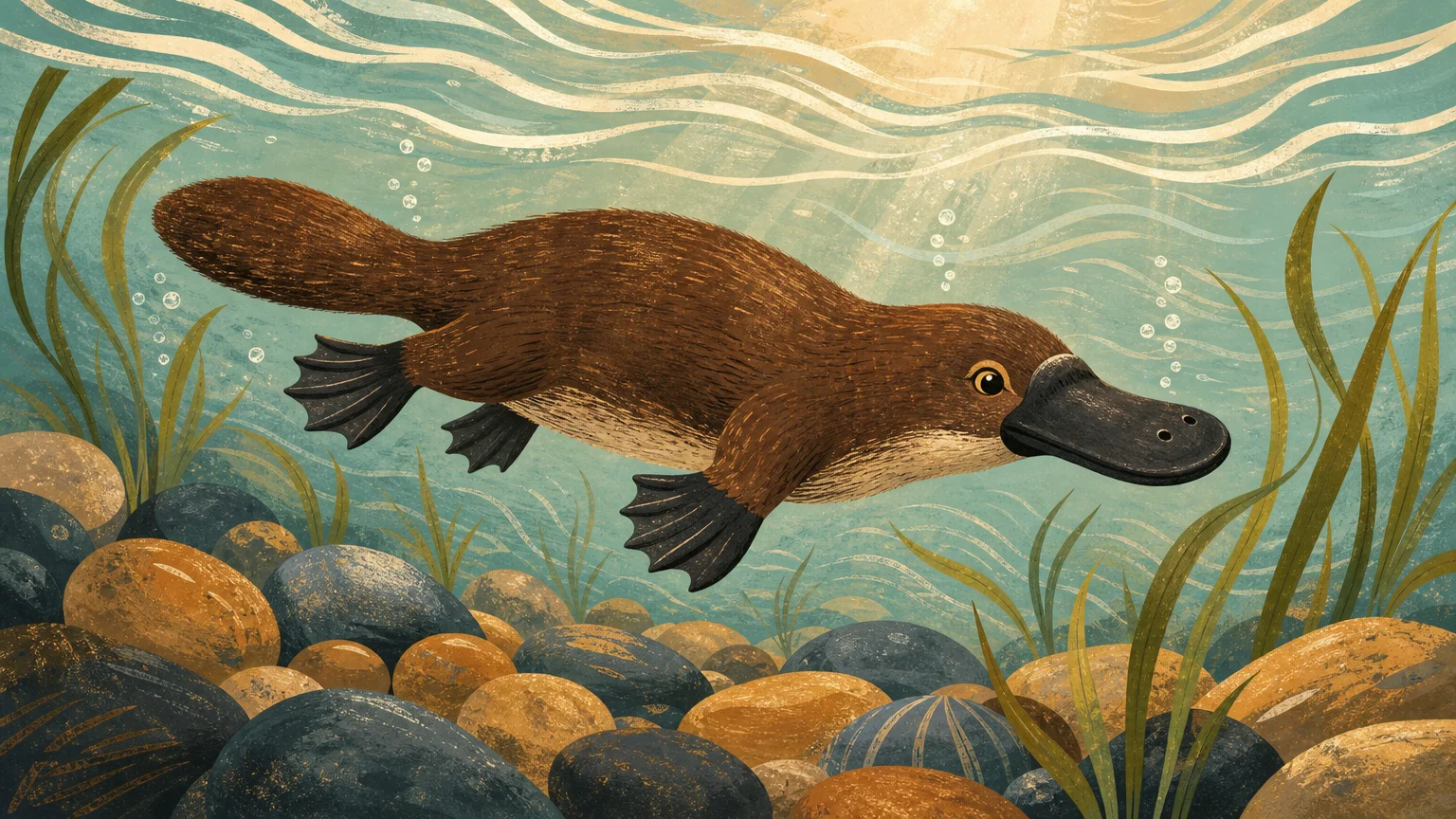
8. Platypuses Sweat Milk and Have No Stomachs
When European naturalists first examined a platypus specimen in the late 1700s, they thought someone had stitched a duck’s bill onto a beaver’s body as a prank. Today, modern science recognizes the platypus as a monotreme—a highly unique mammal that lays eggs instead of giving birth to live young. However, their strangeness extends deep into their anatomy.
First, platypuses do not have a stomach. Their esophagus connects directly to their intestines. Since their diet of soft-bodied aquatic invertebrates requires very little breakdown, they completely evolved away the need for an acidic digestive chamber. Second, female platypuses lack teats. Instead of nursing conventionally, the mother “sweats” milk through specialized pores on her abdomen. The milk pools into the grooves of her skin, and the baby platypuses simply lap it up.
Because this external feeding method exposes the milk to environmental bacteria, platypus milk contains highly specialized, naturally occurring antibacterial proteins. Pharmaceutical researchers currently test these unique proteins as potential templates for a new generation of life-saving human antibiotics.
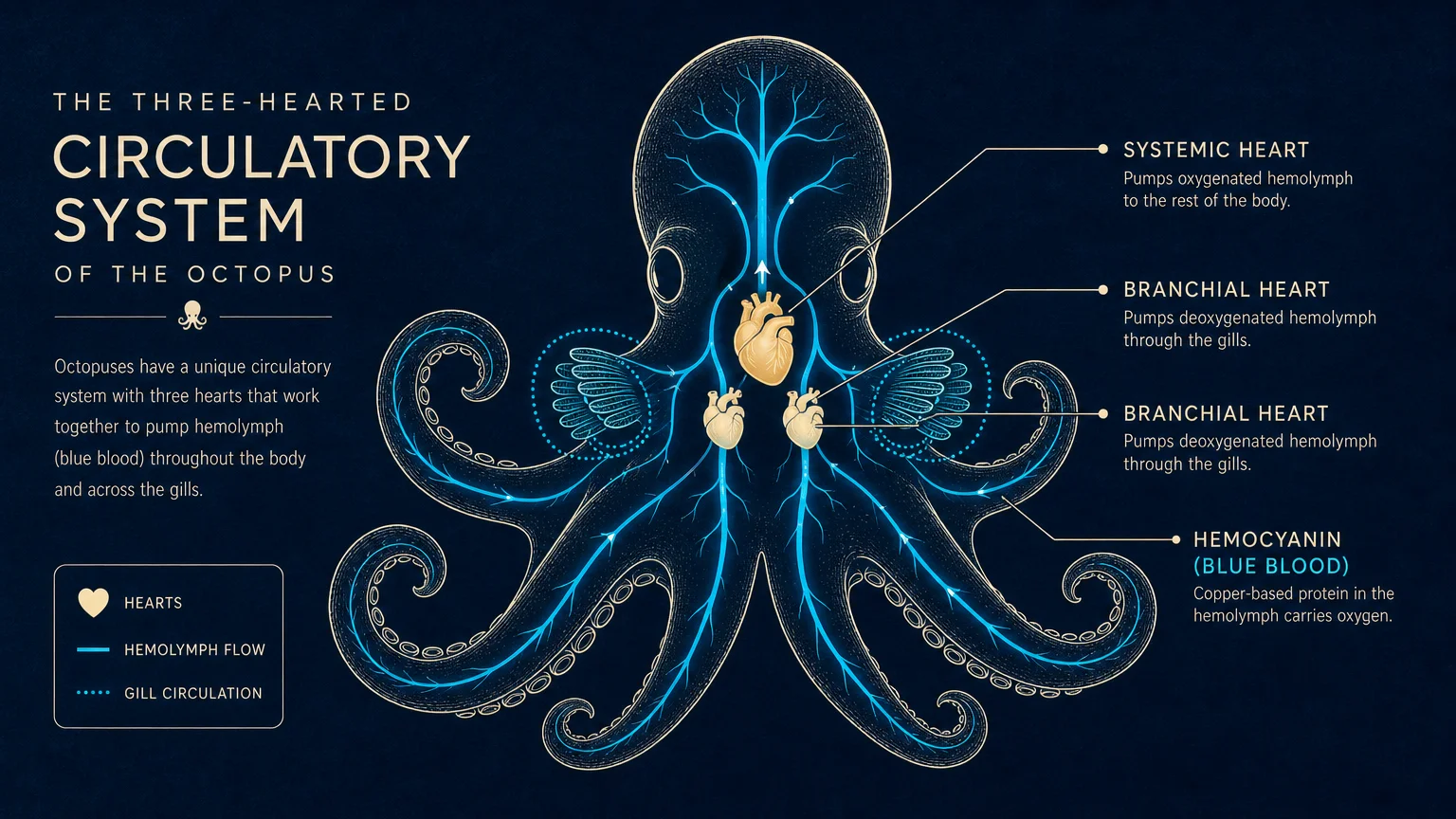
9. Octopuses Have Three Hearts and Blue Blood
The octopus represents the closest thing to an alien lifeform currently residing on Earth. These highly intelligent cephalopods solve complex puzzles, use tools, and escape from sealed enclosures. Their internal anatomy proves just as fascinating as their behavior, featuring three separate hearts and bright blue blood.
An octopus has two branchial hearts dedicated exclusively to pumping blood through its gills, while a central systemic heart pumps oxygenated blood to the rest of its body. When an octopus swims rapidly, the systemic heart stops beating entirely, which exhausts the animal quickly and explains why octopuses prefer to crawl along the ocean floor.
Furthermore, their blood runs blue because it relies on a copper-rich protein called hemocyanin rather than the iron-rich hemoglobin found in humans. Hemocyanin transports oxygen far more efficiently in the freezing, low-oxygen environments of the deep ocean. Marine biologists study these cardiovascular adaptations to better understand how complex life thrives in extreme marine habitats.
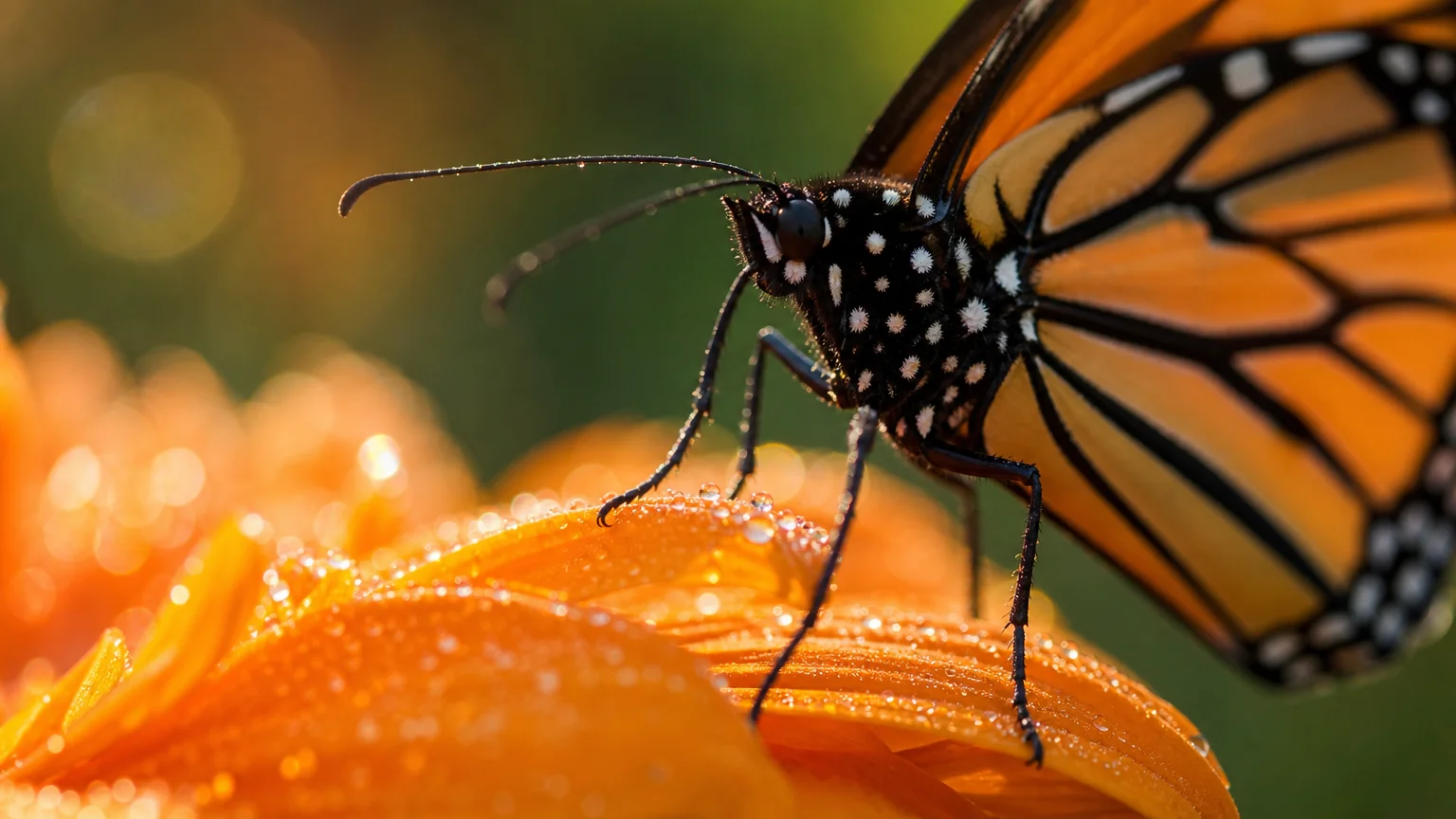
10. Butterflies Taste Their Food With Their Feet
Watching a butterfly land gracefully on a flower feels like a serene moment in nature. However, the insect is performing a critical chemical analysis the moment it touches down. Butterflies do not have taste buds in their mouths; instead, they taste their food entirely through their feet.
According to the National Wildlife Federation, a butterfly’s feet contain sensitive chemoreceptors known as tarsi. When the insect lands on a vibrant bloom or a leafy plant, these receptors instantly analyze the chemical composition of the surface. This rapid foot-tasting tells the butterfly whether the flower contains sugary nectar for feeding, or if the leaf provides the correct toxicity and nutrition for laying its eggs. Once it confirms a meal, the butterfly uncoils its long, straw-like proboscis to drink.
Understanding this delicate sensory network helps entomologists design better pollinator gardens. When you avoid using harsh chemical pesticides on your plants, you protect the microscopic taste receptors on the feet of every visiting butterfly, ensuring they can safely find food and reproduce.

The Bigger Picture
When you explore the outer limits of animal biology, you realize that humanity still has much to learn from the natural world. Biomimicry—the practice of solving human challenges by imitating nature—relies directly on the strange facts listed above. By studying how the axolotl regrows its brain, medical professionals edge closer to breakthroughs in treating severe human tissue injuries. By analyzing the structure of a mantis shrimp’s club, material scientists design lighter, stronger protective gear. Protecting biodiversity goes far beyond saving cute animals; it ensures that we do not lose millions of years of evolutionary research and development.
| Animal | Extreme Biological Trait | Human Scientific Application |
|---|---|---|
| Wood Frog | Freezes solid using glucose antifreeze | Organ transplant cryopreservation |
| Mantis Shrimp | Supersonic strike generating cavitation bubbles | Advanced body armor and composite materials |
| Honey Bee | Configural processing of faces with a tiny brain | More efficient AI and facial recognition software |
| Platypus | Milk contains unique antibacterial properties | Development of next-generation antibiotics |

Worth Keeping in Mind
As you share these incredible wildlife facts, it helps to remember a few scientific principles that keep these abilities in proper context:
- Context is crucial for survival: An animal’s specialized trait only works within its specific ecological niche. A wood frog can survive a frozen forest, but it cannot tolerate the dry heat of a desert environment.
- Adaptations come with biological trade-offs: Extreme abilities often cost significant energy. An octopus using three hearts requires immense oxygen and energy, which is why swimming rapidly exhausts them so quickly.
- Avoid projecting human emotions: When you see an octopus solving a puzzle or a bee recognizing a face, you might be tempted to assign human motivations to them. These animals operate on highly specialized survival intelligence, not human sentiment or affection.
- Evolution is an ongoing process: These traits did not appear overnight. They represent millions of years of brutal trial and error, and as habitats change rapidly due to climate shifts, these highly specialized animals face immense survival pressures.
Frequently Asked Questions
How do animals evolve such extreme adaptations?
Animals evolve extreme traits over millions of years through natural selection. Environmental pressures—such as extreme cold, scarce food, or heavy predation—favor individuals born with helpful genetic mutations. Over countless generations, these advantageous traits become standard in the species.
Can scientists recreate these animal abilities in humans?
While humans will never spontaneously regrow a brain or freeze solid, scientists actively isolate the genetic and chemical mechanisms behind these animal traits. By understanding the underlying biology, researchers aim to develop targeted medical therapies, structural materials, and software that mimic these natural abilities.
Are any of these unique animals endangered?
Yes, several of the animals that possess these incredible traits face severe threats. The axolotl is critically endangered in the wild due to habitat destruction and water pollution in Mexico. Sea turtles, specific butterfly species, and even certain populations of elephants face ongoing pressure from poaching, climate change, and habitat loss.
Taking the time to understand the complex science behind animal behavior enriches the way you view the natural world. Whether you are planting a pollinator garden for butterflies or simply sharing a piece of trivia about a wombat, respecting these highly evolved creatures ensures their remarkable survival stories continue for generations.
This is general informational content based on widely accepted guidance. Individual results vary. Verify current details—rules, prices, eligibility, regulations—with official sources before making important decisions.
Last updated: May 2026. Rules, prices, and details change—verify current information with official sources before acting on it.