The Morning Routine: Setting a Calm Tone for the Day
The day with a Velcro dog often starts the moment your eyes open—or perhaps, even before. Their internal clock is perfectly synced with yours, and they are masters of the gentle (and sometimes not-so-gentle) wake-up call.
6:00 AM: The Anticipatory Stare
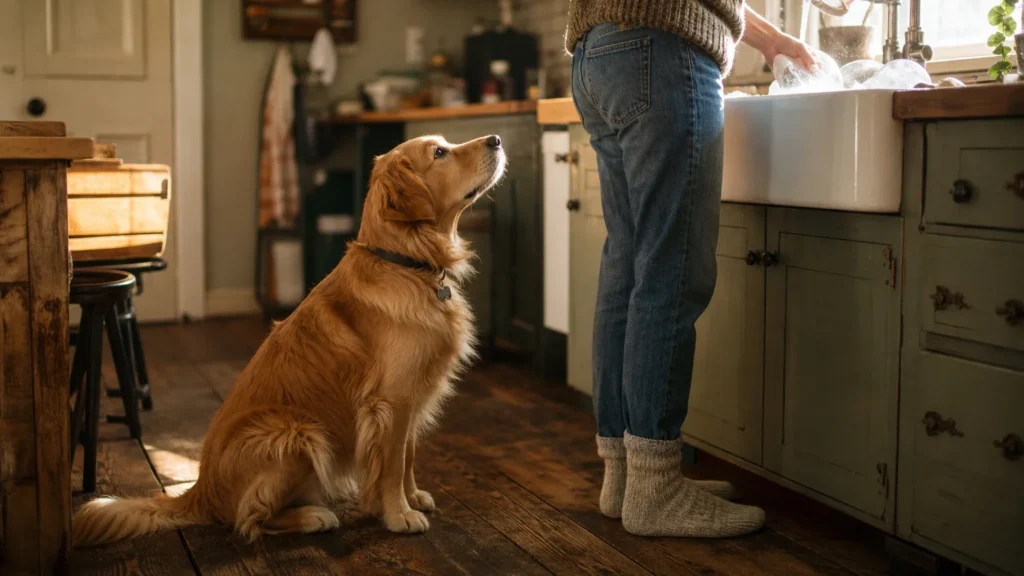
You stir, and you feel it: the weight of a steady gaze. Your furry friend is likely already awake, lying by the bed or perhaps with their chin resting on the mattress, waiting patiently for the first sign of movement. This can be an endearing start to the day. The goal is to reward their calm presence, not frantic excitement. If they start whining, pawing, or barking, it’s best to ignore it until they are quiet. When you do get up, greet them with a soft voice and a gentle ear scratch rather than high-pitched, energetic praise that can ramp up their excitement into overdrive.
6:30 AM: The Bathroom Buddy
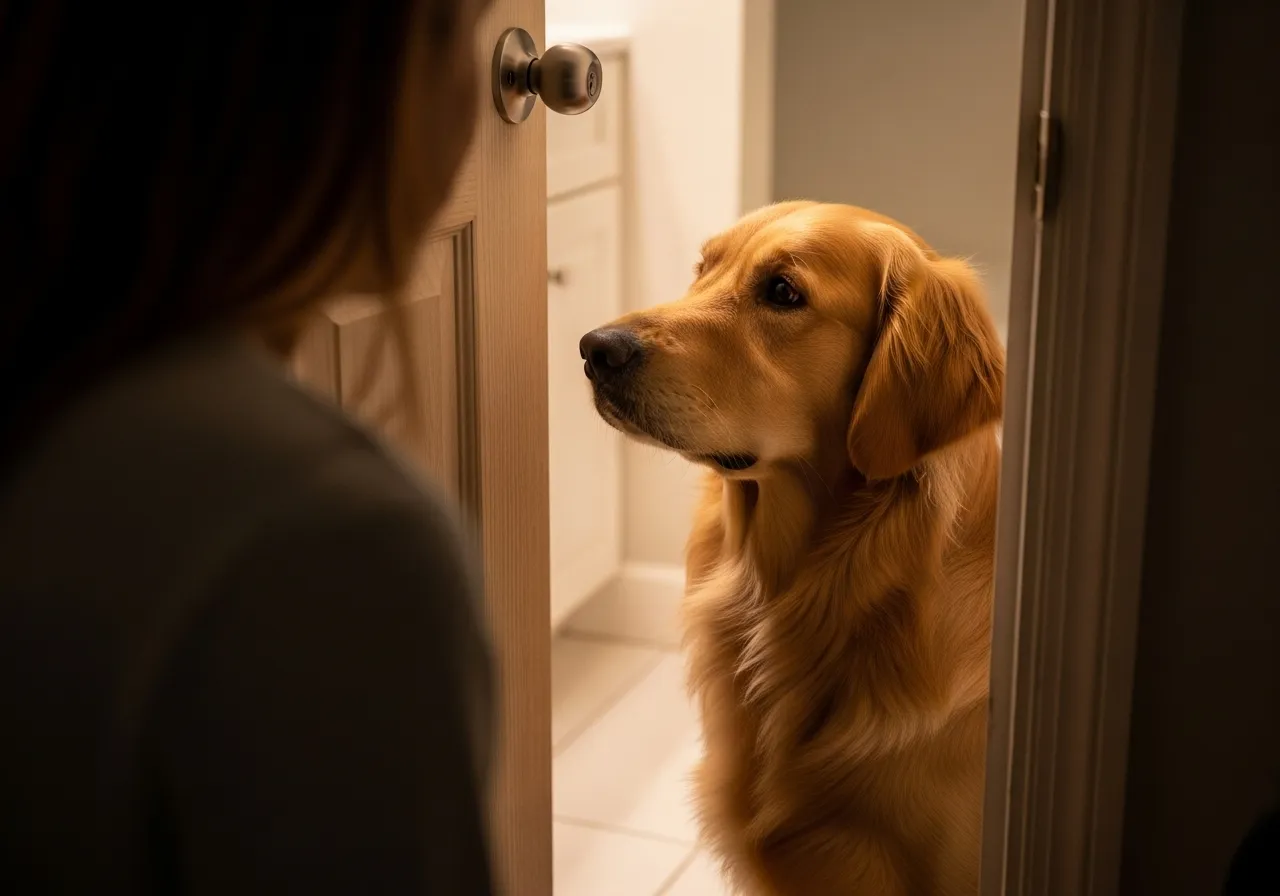
This is a hallmark of the Velcro dog experience: you are never, ever alone in the bathroom. They may follow you in and lie on the bathmat, their head resting on your feet, or simply sit in the doorway, acting as a self-appointed guardian of your morning ritual. While it might seem odd, this behavior often stems from a pack animal’s instinct to stick together. In their mind, they are simply accompanying a member of their family. If you’d prefer a little privacy, you can use these moments as mini training opportunities. Gently ask them to “wait” outside the door, and reward them with a small treat or praise when you emerge. Consistency is key.
7:00 AM: Breakfast and Calm Departures
Mealtime can be another point of high excitement. It’s helpful to establish a calm routine. Ask your dog for a simple behavior, like a “sit,” before you put their bowl down. This reinforces the idea that calm behavior gets rewarded.
If you have to leave the house for work or errands, your departure routine is critical, especially if your dog teeters on the edge of separation-related stress. Avoid long, emotional goodbyes, as this can heighten their anxiety. Instead, make your leaving process as boring as possible. About 10-15 minutes before you leave, give them a special, high-value enrichment toy that they only get when you’re gone. This could be a puzzle feeder or a sturdy toy stuffed with a bit of peanut butter (ensure it’s xylitol-free) and frozen overnight.
This practice is a form of counterconditioning, which means changing your dog’s emotional response to a situation from anxious to pleasant. The goal is for your dog to start associating your departure with something wonderful. Then, when it’s time to go, simply walk out without any fanfare. Your calm demeanor tells your dog that this is a normal, non-threatening event.
Mini-Example: A Calm Departure Routine
1. Preparation: The night before, prepare a food-stuffable toy and place it in the freezer. Keep your keys, coat, and bag in a spot where grabbing them isn’t a major production.
2. The 15-Minute Buffer: About 15 minutes before you plan to leave, begin to ignore your dog. This prevents the build-up of frantic energy as they sense your impending exit.
3. The “Goodbye” Treat: A few minutes before you walk out, calmly go to the freezer, get the special toy, and give it to your dog in their favorite spot, like their bed or crate.
4. The Boring Exit: While they are happily engaged with their treat, pick up your things and leave quietly. No big “goodbyes,” no emotional farewells. You’re just stepping out, and it’s no big deal.
This simple but powerful routine can make a world of difference in managing the dog behavior of a clingy canine, ensuring your absence is a time for peaceful enrichment, not anxious waiting.