Frequently Asked Questions About Velcro Dogs
Living with a clingy dog can bring up a lot of questions. Here are answers to some of the most common ones.
Is it my fault my dog is so clingy?
Absolutely not. This is one of the biggest misconceptions. A dog’s clinginess is a complex mix of their innate temperament, breed predisposition, and past experiences—none of which are your fault. It is not a sign that you have “spoiled” your dog. The best approach is to move away from blame and toward compassionate management. Focus on building their confidence with enrichment and training, celebrate their affectionate nature, and enjoy the incredible bond you share.
Can I have a Velcro dog if I work full-time outside the home?
Yes, you can. The key is to focus on the quality of the time you spend together, not just the quantity. Ensure their needs are met while you are away through a trusted dog walker or a well-vetted doggy daycare. When you are home, make that time count with engaging walks, training games, and lots of cuddles. A solid routine and plenty of mental and physical enrichment can help a Velcro dog adapt well to a working owner’s schedule.
Will getting another dog help my Velcro dog?
This is a common question, but it’s rarely the right solution, especially if you suspect separation anxiety. Your dog’s anxiety is about their separation from you, not just about being alone. Getting another dog often just results in having two dogs with problems, and it can add social stress to the household. It is always best to work on your current dog’s confidence and security first. If you do decide to get another dog in the future for other reasons, be sure to follow proper protocols for slow, supervised introductions.
How do I teach my Velcro dog to give me space?
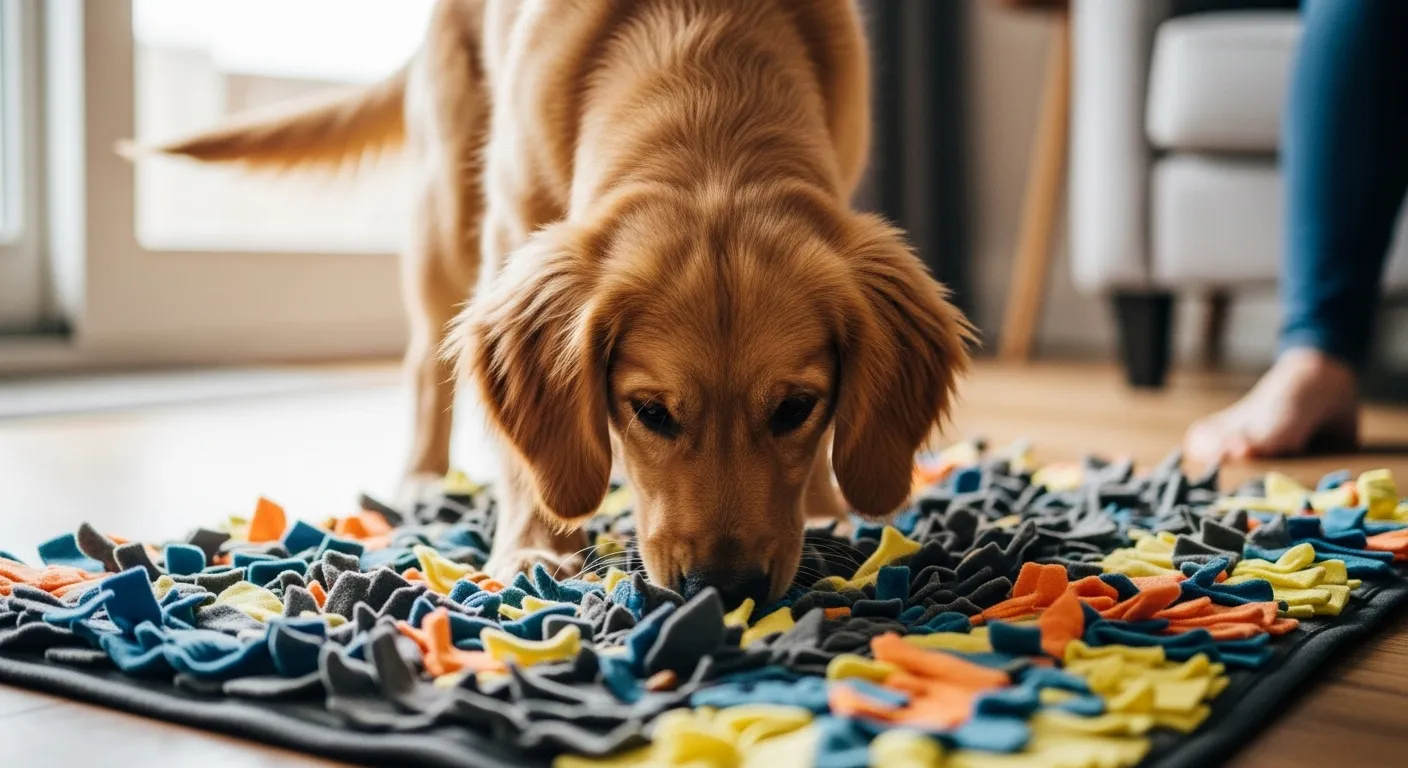
The goal isn’t to push your dog away, but to teach them an alternative, desirable behavior. The “Settle” cue we discussed earlier is your most powerful tool. Consistently practicing this teaches your dog that relaxing on their own mat is a highly rewarding activity. Combine this with providing engaging enrichment toys, like a frozen Kong or a snuffle mat, which gives them a fun “job” to do that doesn’t involve you. This combination builds their ability to self-soothe and entertain themselves, creating natural, comfortable space for both of you.