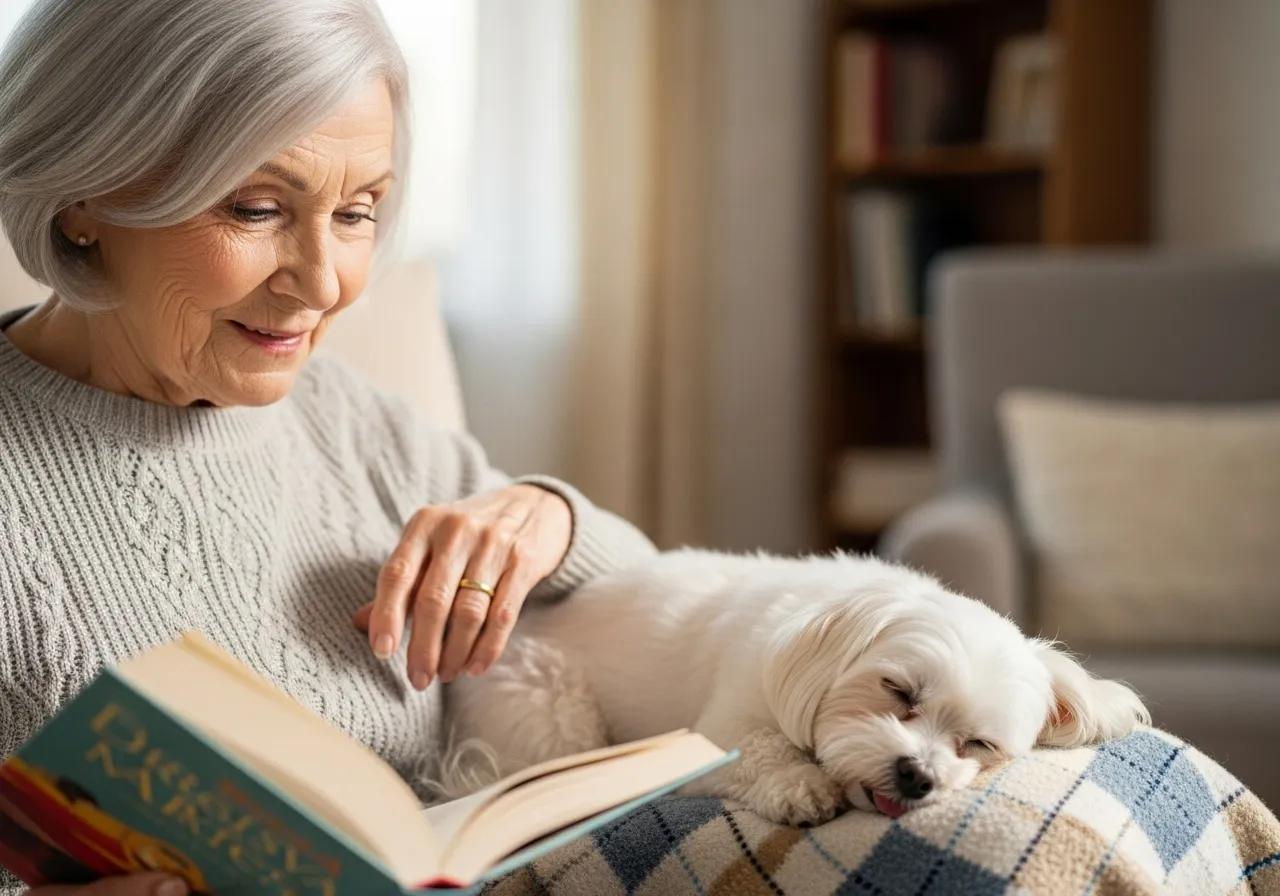
Choosing Your Shadow: Best Dog Breeds for Constant Companionship
Perhaps you don’t have a dog yet, but the idea of a constant, loving shadow appeals to you. Many people, especially retirees or those who work from home, actively seek out the best dog breeds for constant companionship. While certain breeds are predisposed to this trait, it’s vital to start with a dose of realism.
A Strong Disclaimer: Breed is not a guarantee of temperament. Every dog is an individual whose personality is shaped by genetics, early socialization, training, and life experiences. A dog from a typically independent breed could turn out to be a Velcro dog, and a dog from a famously clingy breed might be more aloof. The most important factor is the match between a specific dog’s energy level, needs, and your lifestyle.
With that said, some breeds were developed over centuries to work in close partnership with people, and they often thrive on having a “person.” These can include:
Companion Group Dogs: Breeds like the Cavalier King Charles Spaniel, Bichon Frise, and Papillon were bred specifically to be lap dogs and companions. They are often happiest when they are with their families.
Some Sporting Dogs: Breeds like the Vizsla and German Shorthaired Pointer are often called “Velcro dogs” in the sporting group. They form incredibly tight bonds but also come with very high exercise needs that must be met.
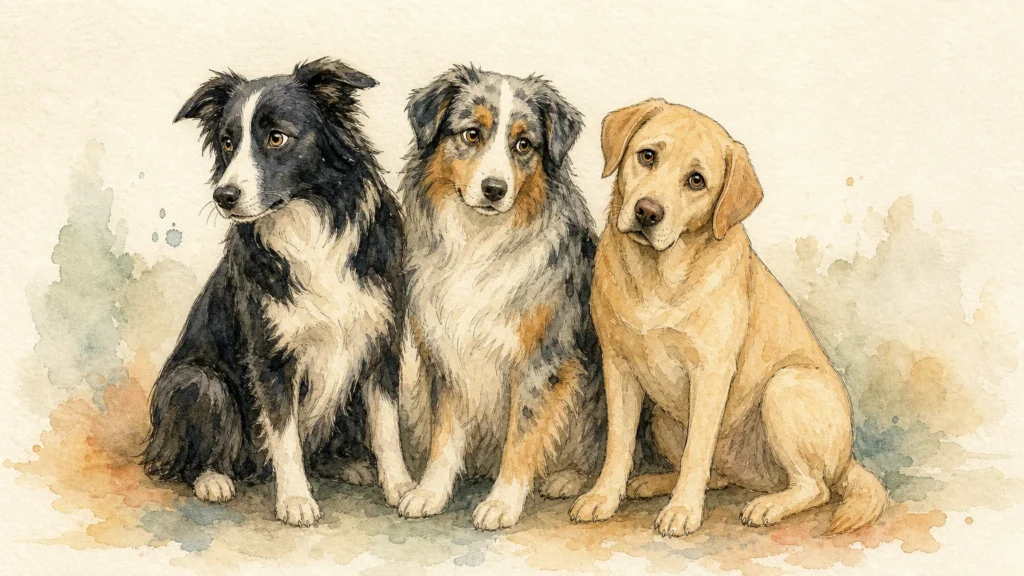
Herding Dogs: Border Collies and Australian Shepherds are bred to work in tune with their handlers, a trait that often translates to wanting to be near them at all times. They also have very active minds that require significant enrichment.
Think Beyond the Breed: The Value of Adoption
Instead of focusing solely on a breed, consider visiting a local shelter or using a service like Petfinder to find your perfect companion. The benefit of adopting an adult dog is that their personality is already formed. Shelter staff and foster parents can often tell you which dogs are cuddle-bugs who would love nothing more than a constant companion.
When you bring a rescue dog home, remember to give them a decompression period of at least two to three weeks. This is a quiet time for them to adjust to their new environment, routine, and family without the pressure of meeting new people or going to overwhelming places. During this time, a strong bond can form, and you will get a true sense of their personality, including whether they are destined to be your loving, loyal shadow.