Frequently Asked Questions for Beginner Birdwatchers with Pets
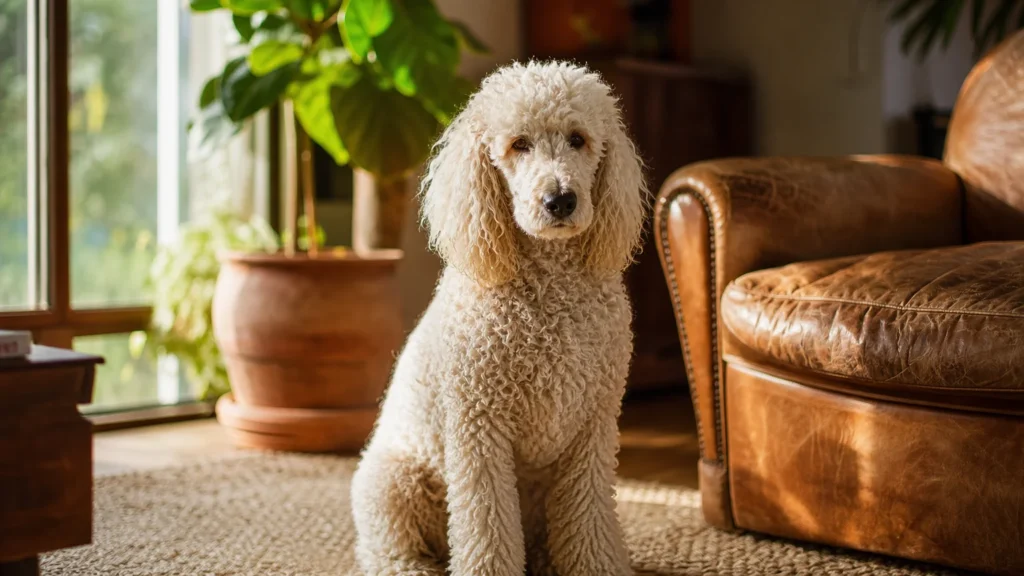
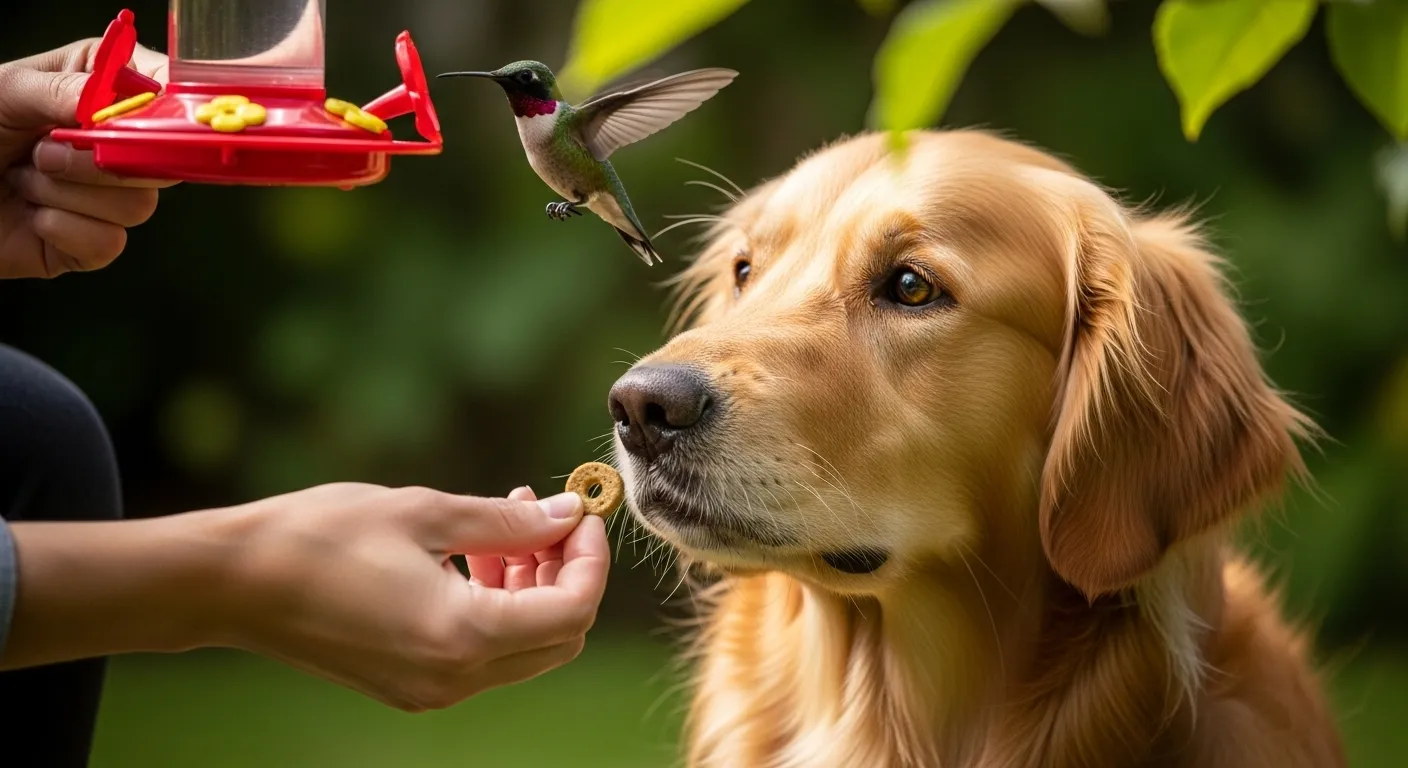
What if my dog barks at the birds?
This is a very common issue. The key is to manage the situation and use positive reinforcement. First, don’t let your dog rehearse the barking behavior. If they bark at birds through a window, calmly block their view or use a window film on the bottom half of the glass. When outside, keep them on a leash so you can lead them away when they start to bark. Then, practice the training mini-example outlined earlier in this article. Teach them that seeing a bird and remaining quiet earns them a wonderful treat. Over time, you can change their excited or anxious reaction into a calm, hopeful one.
Is bird seed dangerous for my dog or cat to eat?
For the most part, bird seed is not toxic to dogs or cats. However, eating a large amount can cause stomach upset, vomiting, or diarrhea because of the high fat and fiber content. The bigger danger comes from seed that has gotten wet and moldy. Mold can contain tremorgenic mycotoxins, which can cause serious neurological issues like tremors and seizures. Always store your seed in a dry, sealed container and regularly clean up spills under your feeders. If you suspect your pet has eaten moldy seed, contact your veterinarian immediately.
How do I keep squirrels away from my bird feeders without harming them?
The squirrel-versus-feeder battle is a classic one! The most humane and effective method is to use a baffle. A baffle is a dome or cylinder-shaped object that you can mount on the pole below the feeder (or hang above it) that prevents squirrels from climbing up or jumping down onto the feeder. You can also try offering safflower seed, which many birds enjoy but squirrels typically dislike. Another strategy is to offer squirrels their own easy-to-access food, like a bit of corn on the cob in a different part of the yard, to lure them away from the more expensive bird seed.
When is the best time of day to watch for birds?
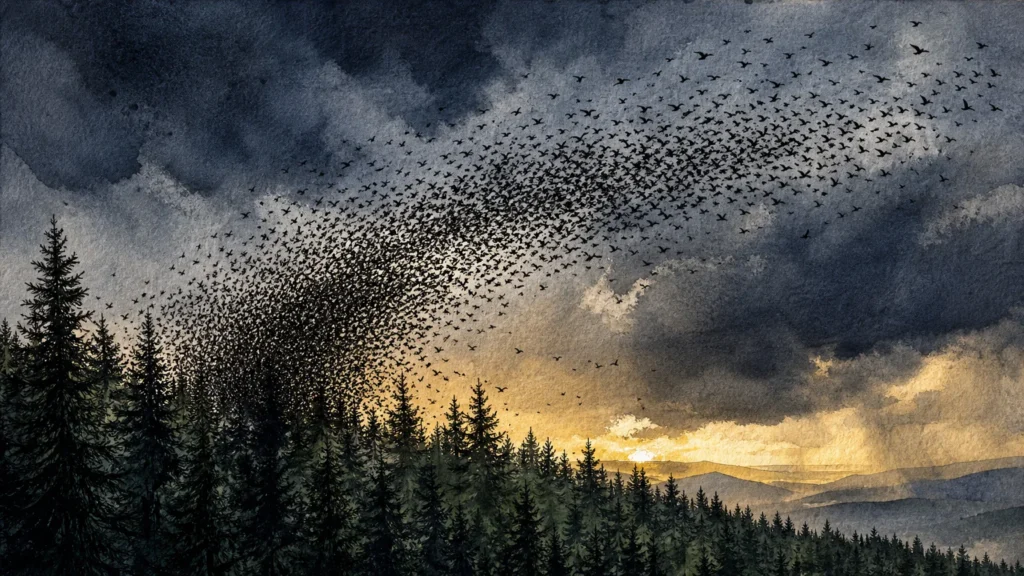
Birds are most active during the early morning hours, shortly after sunrise. They are busy foraging for food to refuel after a long night. The second most active period is in the late afternoon or early evening as they prepare to roost for the night. The middle of the day is often much quieter. Starting your day with a cup of coffee and a few minutes of birdwatching can be a wonderfully peaceful routine.