Preparing Your Home: Setting the Stage for Success
Long before your new pet crosses the threshold, your home needs to be prepared. Proactive management is the cornerstone of a successful introduction. Management simply means arranging the environment to prevent unwanted behaviors from happening in the first place. It’s not about punishment; it’s about setting everyone up for success.
Create Separate, Safe Zones
Your senior dog needs a sanctuary—a place they can retreat to where the new pet is absolutely not allowed to go. This could be a spare bedroom, a den, or even your own bedroom, secured with a baby gate or a closed door. This space should contain their bed, water, and some favorite toys. It’s their private club, and it ensures they can rest without being pestered.
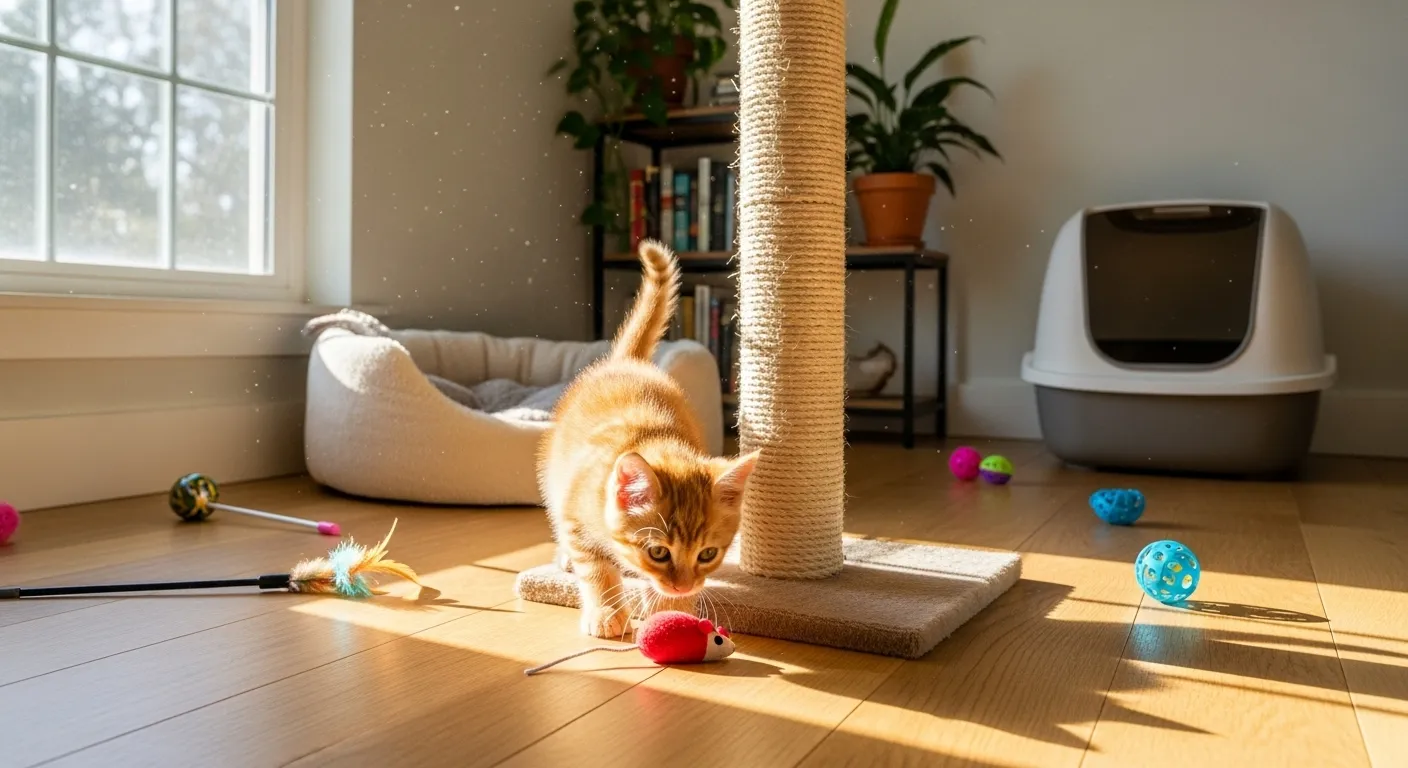
Similarly, the new pet will need their own space for their initial decompression period. This is a crucial time for a new animal to adjust to a new home, new people, and new routines without the added stress of interacting with a resident pet. This area, equipped with a crate, bed, food, and water, helps them feel secure as they acclimate. Using tools like crates, exercise pens, and baby gates will be your best friends in managing a multi-pet household, especially in the early stages.
Manage Your Resources
Many conflicts between dogs arise over resources like food, toys, sleeping spots, or even your attention. To prevent this, initially, all resources should be provided separately. Feed the dogs in different rooms or in their crates. If one dog finishes first, don’t let them go bother the other. Pick up the food bowls once mealtime is over.
High-value items like bones, bully sticks, or puzzle toys should only be given when the dogs are separated. Have multiple water bowls available in different areas of the house to prevent one dog from “guarding” the water source. The same goes for beds and toys; having more than enough reduces competition.
The Power of Scent Swapping
Dogs communicate heavily through scent. You can introduce them to each other olfactorily before they ever meet face-to-face. A few days before the introduction, bring home a blanket or towel that the new pet has slept on and leave it in a common area for your senior dog to investigate on their own terms. Do the same in reverse, taking a blanket with your senior dog’s scent to the new pet.
This process, called scent swapping, allows them to gather information about each other without the pressure of a physical meeting. Don’t force your dog to interact with the item. Simply leave it for them to explore when they’re ready. This simple step helps make the new animal seem a little more familiar when they finally do meet.