Common Challenges and When to Call a Professional
Even with the best planning, you may encounter bumps in the road. Knowing how to handle common challenges can keep small issues from turning into big problems. However, it’s also crucial to recognize when a situation is beyond your ability to manage and requires the help of a certified professional.
Resource Guarding
Resource guarding—where a dog uses threats to keep others away from a valued item—is a common behavior. This is why managing food, toys, and high-value chews is so important. If you notice one dog stiffening, growling, or snapping when the other dog approaches their food bowl or a favorite toy, you are seeing resource guarding. The immediate solution is strict management: always feed them separately and never leave high-value items out when they are together. For persistent or severe guarding, a professional trainer can help you implement a safe behavior modification plan using techniques like counterconditioning (changing the dog’s emotional response to a trigger).
Annoying Puppy Behavior
If you did choose to get a puppy, you will need to be their primary playmate and teacher. It is not your senior dog’s job to “teach the puppy manners.” A senior dog may correct a puppy with a growl or a snap, but this can be very stressful for the older dog and can sometimes escalate. Instead, it is your job to manage the puppy. Use pens and gates to give your senior dog a break, and redirect the puppy’s nipping and jumping onto appropriate toys. Enroll the puppy in a positive reinforcement puppy class to help them learn bite inhibition and social skills with other puppies.
When to Seek Professional Help
You should contact a professional if you see:
- Any fight that results in an injury, no matter how minor.
- Persistent growling, snarling, or snapping that doesn’t improve with management.
- One dog constantly bullying or stalking the other.
- Extreme fear or anxiety in either dog.
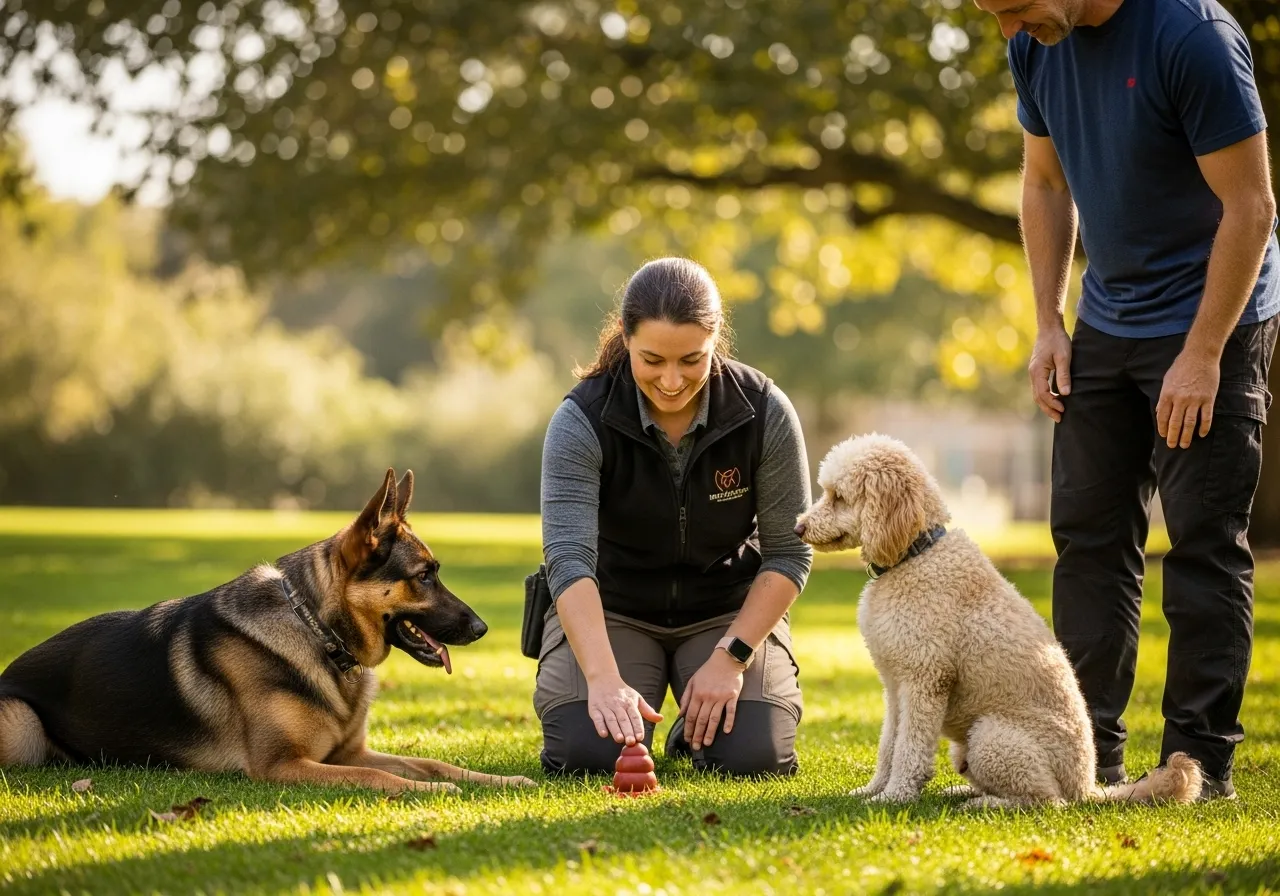
Look for a certified professional who uses humane, science-based methods. Avoid anyone who recommends punishment, shock collars, or “alpha rolls.” Credentials to look for include Certified Professional Dog Trainer (CPDT-KA) from the Certification Council for Professional Dog Trainers or a Certified Dog Behavior Consultant (CDBC) from the International Association of Animal Behavior Consultants (IAABC).