Reading Dog Body Language: Your Guide to a Peaceful Home
Understanding canine communication is like having a superpower. Dogs are constantly telling us how they feel through their body language. Learning to read their signals is the key to preventing conflicts before they start and knowing how to make two dogs get along safely. Pay close attention to the subtle cues, as they are often the most important.
“Go Slow” Signals: Signs of Stress and Anxiety
These are the yellow lights of dog communication. When you see these, it means a dog is feeling uncomfortable or anxious about the situation. It’s a cue for you to increase distance or remove one of the dogs from the interaction.
- Yawning: A yawn when a dog isn’t tired is a classic sign of stress.
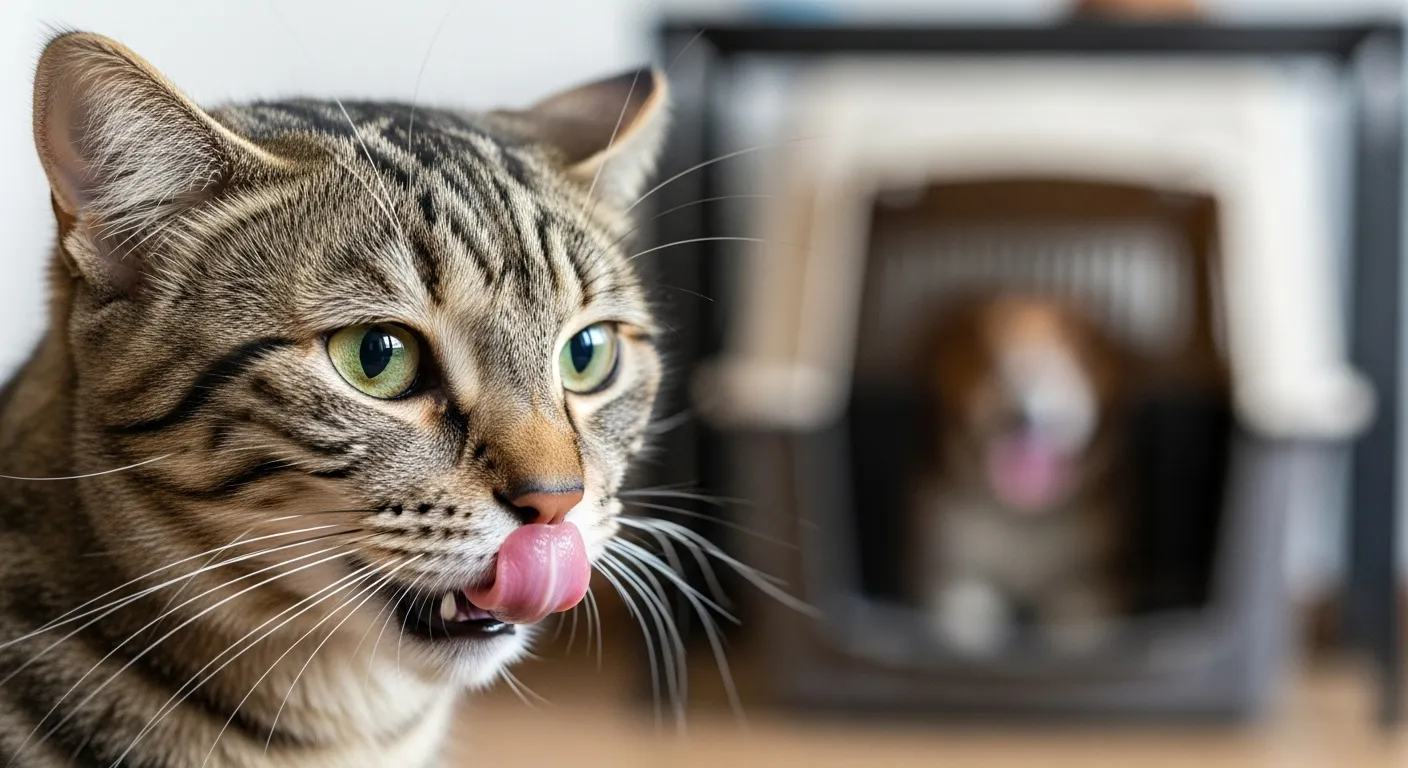
- Lip Licking or Nose Licking: Quick flicks of the tongue can indicate nervousness.
- Whale Eye: This is when a dog turns its head away but keeps its eyes on something, showing the whites of its eyes in a crescent shape.
- Tense Body and Face: A closed, tight mouth, furrowed brow, and a stiff body posture.
- Tucked Tail: A tail held low or tucked between the legs signals fear or submission.
- Panting: Panting when it is not hot and the dog has not been exercising is another sign of stress.
“Intervene Now” Signals: Signs of High Arousal and Imminent Conflict
These are the red lights. If you see these signals, you need to intervene immediately and safely separate the dogs. These behaviors indicate that a dog is highly aroused and may be about to act defensively.
- Hard Stare: A fixed, unblinking stare directed at the other dog is often a threat.
- Stiff, Frozen Body: A dog that suddenly becomes rigid and still is a major warning sign.
- Raised Hackles: The hair along a dog’s spine (piloerection) stands up. This indicates a high state of arousal—not necessarily aggression, but a sign that the dog is on high alert.
- Growling, Snarling, or Baring Teeth: These are clear distance-increasing signals. A dog is saying, “Back off, I am very uncomfortable.” Never punish a growl. A growl is crucial communication. A dog that is punished for growling may learn to bite without warning. Instead, thank your dog for the warning and immediately remove them from the situation.
“Good Job!” Signals: Signs of Positive, Relaxed Interaction
These are the green lights! This is the body language you want to see and encourage.
- Play Bow: The classic “front end down, back end up” posture is an invitation to play.
- Loose, Wiggly Body: A relaxed, flowing body motion is a great sign.
- Relaxed, Open Mouth: A soft, open mouth, sometimes looking like a “smile,” indicates a relaxed dog.
- Taking Turns: During healthy play, dogs will often take turns chasing and being chased.
- Sneezing: Play sneezes are thought to be a way dogs signal that their behavior is all in good fun.
For more in-depth guidance on reading these signals, organizations like the ASPCA offer excellent online resources on dog behavior.