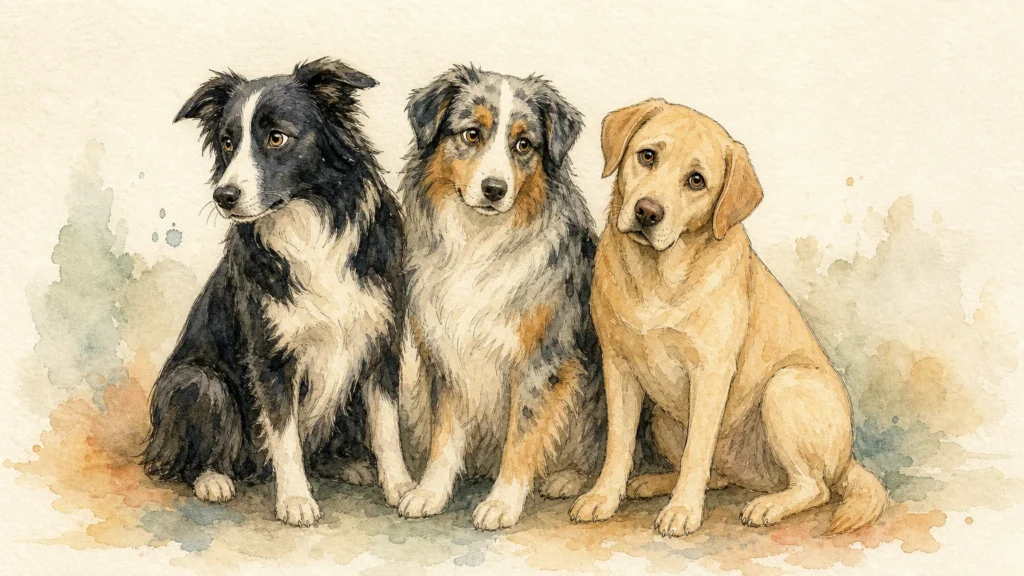
10 Dog Breeds That Will Probably Get Cancer

golden retriever
Photo by Chendongshan from ShutterstockUnfortunately, dogs, like humans, can have cancer too. In fact, certain canine breeds are more likely to develop this nasty disease than others. If you’re looking to get a dog, you may want to do a bit of research before getting one to know at least what to expect. Keep reading to see which breeds are at high risk of developing cancer.

1. Golden Retriever

Sorry if this makes you feel sad, but unfortunately, the Golden Retriever is the dog breed that is at the highest risk of developing this nasty disease. According to a 1988 study, nearly 70% of male Goldens and 60% of female Goldens will receive a cancer diagnosis eventually. When compared to other dog breeds, the cancer rate is more than twice as high.

Although every type of cancer has been found in the breed, the most common ones are hemangiosarcoma cancer and lymphoma cancer. One in five Goldens is diagnosed with hemangiosarcoma, and one in eight is diagnosed with lymphoma.

The study mentioned above also discovered that cancer is more likely to develop in American Golden Retrievers compared to European Golden Retrievers.

<1 2 34 ... 11>

Share:

Related Article

A colorful gouache illustration of a chameleon, an arctic fox in two seasonal coats, and a cuttlefish on a textured paper background.

8 Animals That Change Colors

Discover the fascinating science behind 8 animals that change colors, from the seasonal molts of the arctic fox to the structural crystals of the chameleon.

A mixed-media collage with animal silhouettes and the text 'Sorrow is a Universal Language' on a textured, earth-toned background.

8 Animals That Mourn Their Dead

Discover the incredible ways animals process grief. From orcas carrying their calves to dogs mourning their owners, explore the deep emotional lives of wildlife.

Close-up of a happy golden retriever 'smiling' in a sunny backyard, capturing a moment of pure animal joy.

8 Animals That Laugh Or Show Joy

Discover the fascinating science behind animal laughter and learn how chimpanzees, dogs, foxes, and even rats use vocalizations to express joy and happiness.