Pouring a bowl of kibble seems simple, yet minor daily feeding habits often quietly jeopardize your pet’s long-term health. Supplying precise, balanced nutrition directly prevents chronic disease and extends your companion’s lifespan.
Clinical veterinary surveys indicate that over half of all companion animals suffer from nutritional imbalances or excess weight. Most owners unknowingly miscalculate daily calories or misjudge their pet’s physical frame.
Correcting these common pet feeding mistakes will optimize your dog or cat’s daily vitality, protect their joints, and prevent painful digestive upset.
At a Glance: Key Pet Nutrition Errors to Fix
Small adjustments to your daily feeding routine can add years of comfortable life to your dog or cat.
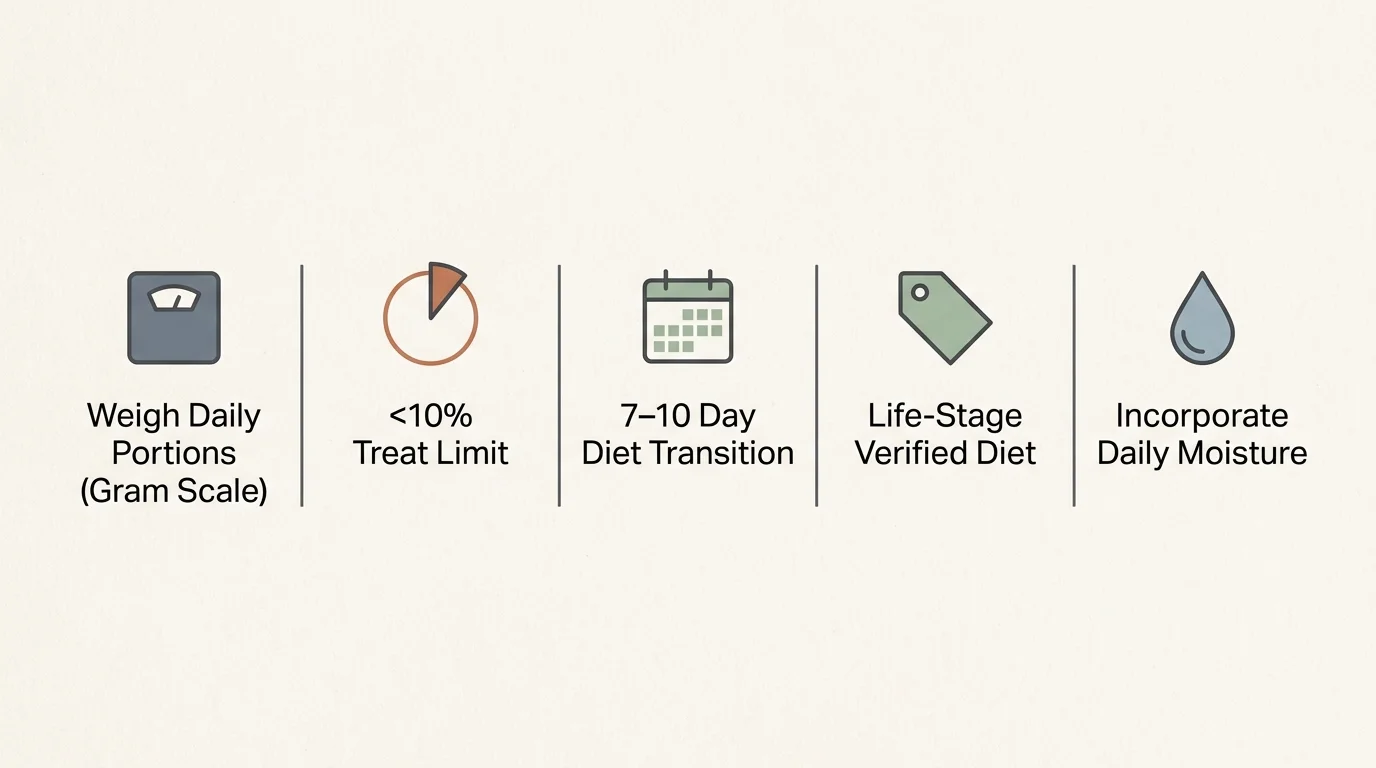
Review these foundational principles before examining specific mealtime habits:
- Measure exact food portions with a digital gram scale rather than estimating with volume cups.
- Limit treats and human table scraps to less than one-tenth of total daily caloric intake.
- Transition to new pet diets gradually over a full seven-to-ten-day schedule.
- Select foods verified by nutritional adequacy statements for your pet’s exact life stage.
- Support healthy organ function by incorporating moisture into daily meals.

Why Pet Nutrition Matters Now
Modern companion animals live longer than ever, but extended lifespans make them vulnerable to chronic dietary illnesses.
Conditions such as osteoarthritis, feline diabetes, pancreatitis, and hepatic lipidosis often stem directly from poor feeding routines.
Understanding biological nutrition helps you make proactive, health-conscious choices at the food bowl every single day.
Mistake 1: Eyeballing Portions and Free-Feeding
Leaving a full bowl of food out all day allows pets to graze whenever boredom or anxiety strikes.
This continuous access disrupts natural metabolic cycles and encourages chronic overeating.
According to survey data from the Association for Pet Obesity Prevention, veterinary professionals classify 59% of dogs and 61% of cats as overweight or obese.
Crucially, clinical studies show that free-fed pets are up to 24% more likely to become overweight than meal-fed animals.
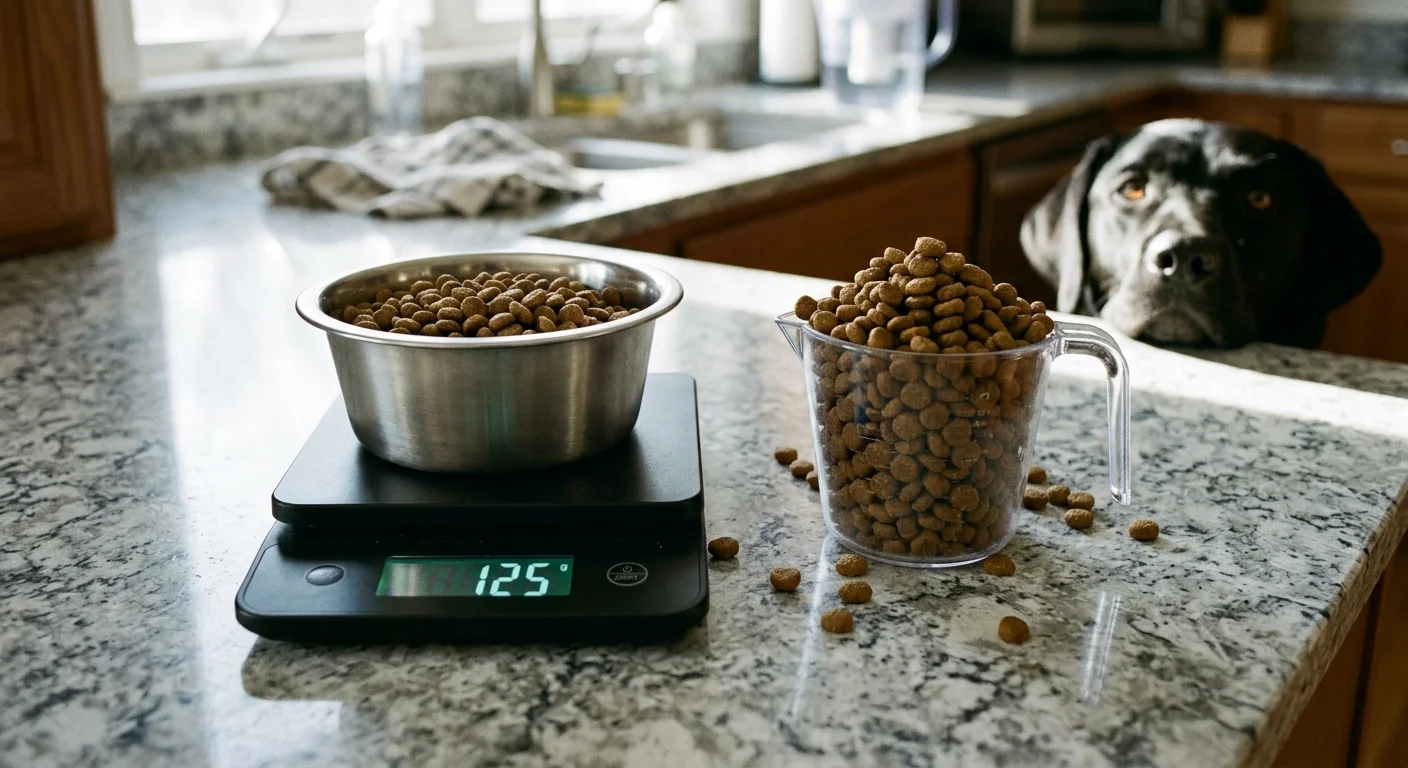
Many pet owners also rely on standard plastic measuring cups, which introduce substantial portion inaccuracies.
A rounded scoop of dense kibble can easily add twenty to thirty percent more calories than your pet needs.
Weighing food with a simple digital kitchen scale guarantees exact portions down to the gram.
Veterinarians recommend evaluating your pet’s body using a 1-to-9 Body Condition Score (BCS) chart.
You should easily feel your pet’s ribs under a light fat layer without applying firm pressure.
When viewed from above, your pet should display a distinct hourglass waistline behind the rib cage.
Mistake 2: Ignoring the 10% Treat Rule and Table Scraps
Treats build strong bonds and reinforce positive behavior during training sessions.
However, commercial biscuits, jerky chews, and dinner table scraps add unmonitored calories remarkably fast.
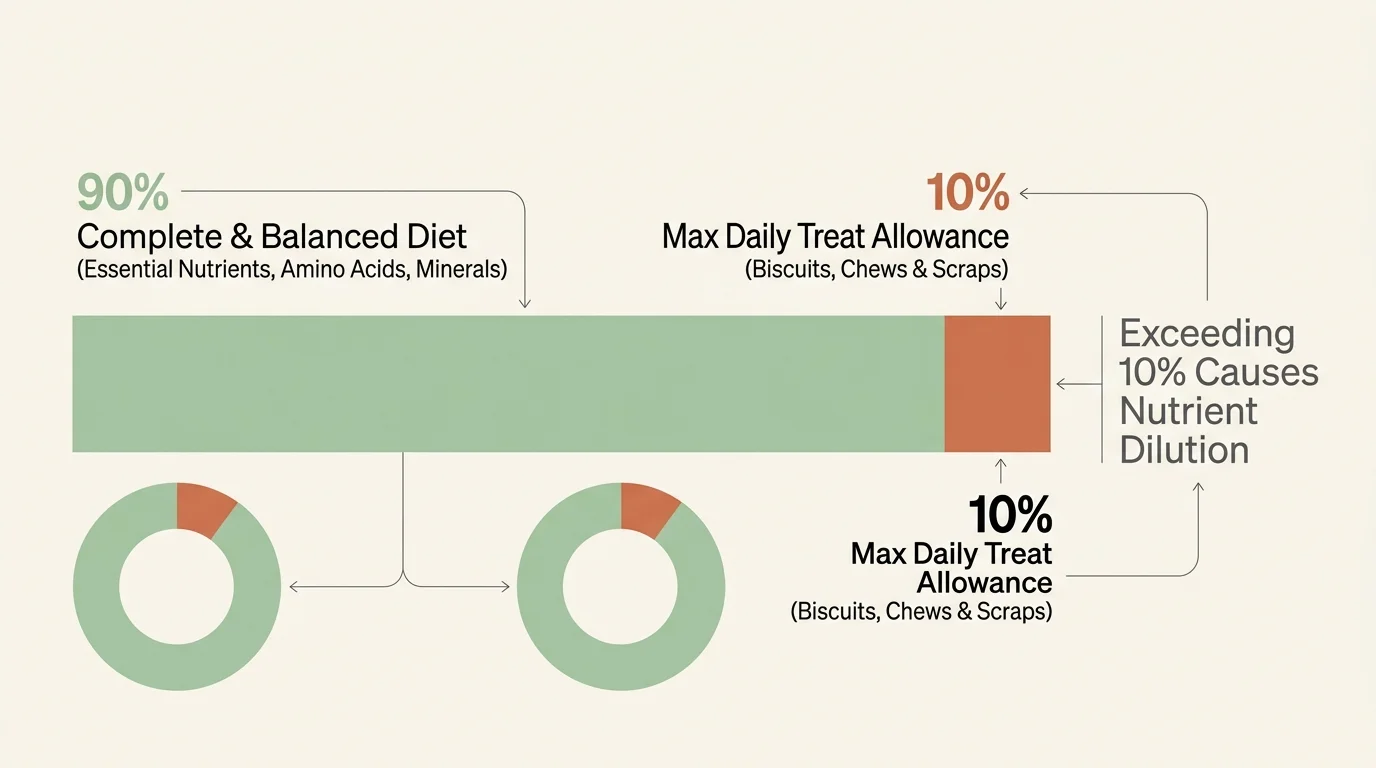
Official guidelines from the World Small Animal Veterinary Association state that treats should make up no more than 10% of total daily calories.
The remaining 90% must come from a complete, nutritionally balanced commercial or veterinary diet.
Exceeding the ten-percent ceiling leads to nutrient dilution over time.
When treats crowd out balanced food, pets miss essential amino acids, fatty acids, vitamins, and minerals.
Sharing rich table scraps introduces excessive sodium and heavy fats that strain delicate organs.
High-fat human foods frequently trigger acute canine pancreatitis, a severe condition requiring hospitalization.
Always deduct treat calories from your pet’s daily meal allotment to maintain an ideal energy balance.
You can also use healthy, low-calorie alternatives like raw baby carrots, green beans, or plain pumpkin puree.
Mistake 3: Switching Foods Too Quickly
Abruptly changing a pet’s food brand or protein source frequently causes sudden gastrointestinal distress.
Your pet’s digestive tract relies on a specialized colony of gut bacteria to process specific proteins and carbohydrates.
A rapid change shocks this delicate microbiome, leading to acute diarrhea, vomiting, nausea, and intestinal cramping.
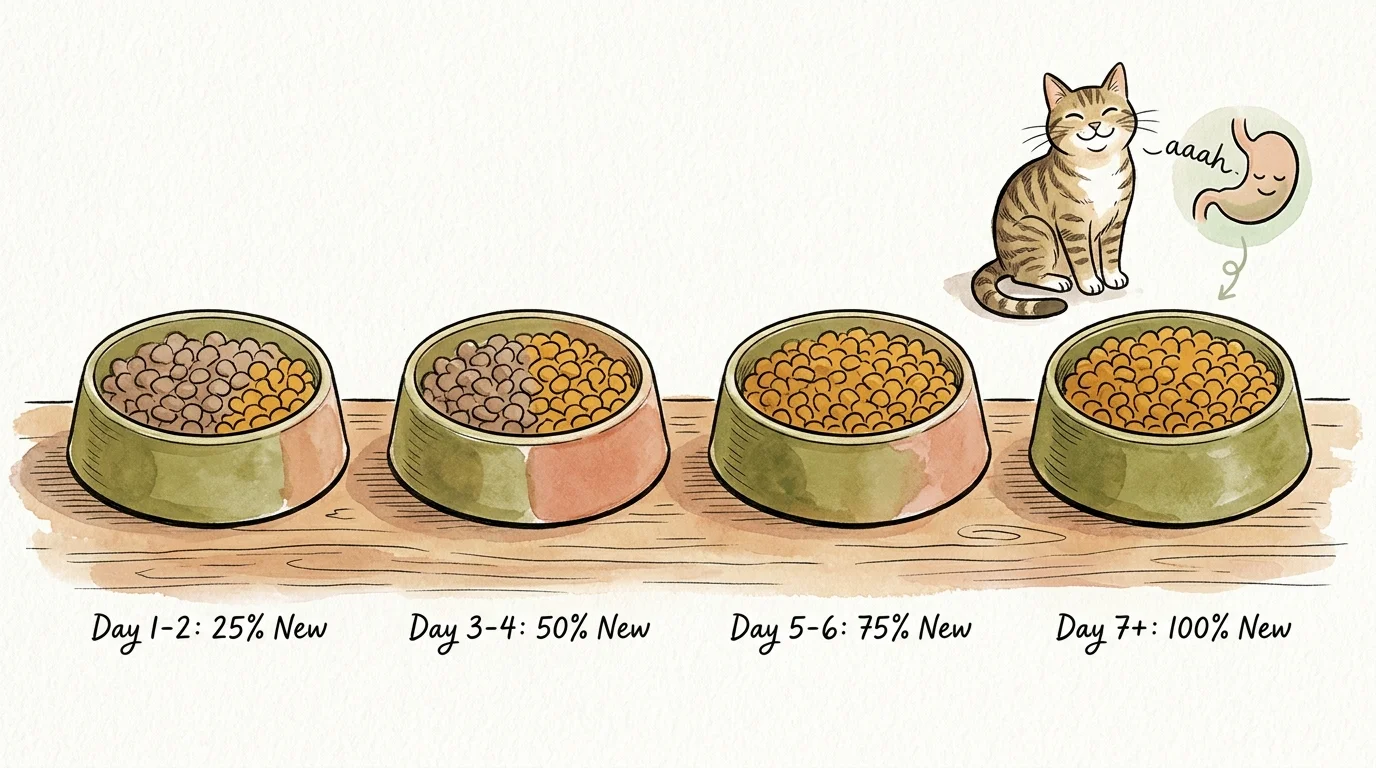
The American Animal Hospital Association recommends transitioning companion animals to a new diet over 7 to 10 days.
This controlled timeline gives digestive enzymes and beneficial gut flora adequate time to adjust to new ingredients.
If your pet experiences soft stools during the transition, hold the current ratio steady for two additional days before proceeding.
Veterinary gastroenterology demonstrates that gradual dietary changes preserve mucosal barrier function and prevent stress-induced dysbiosis in companion animals.
Mistake 4: Feeding the Wrong Life-Stage Formula
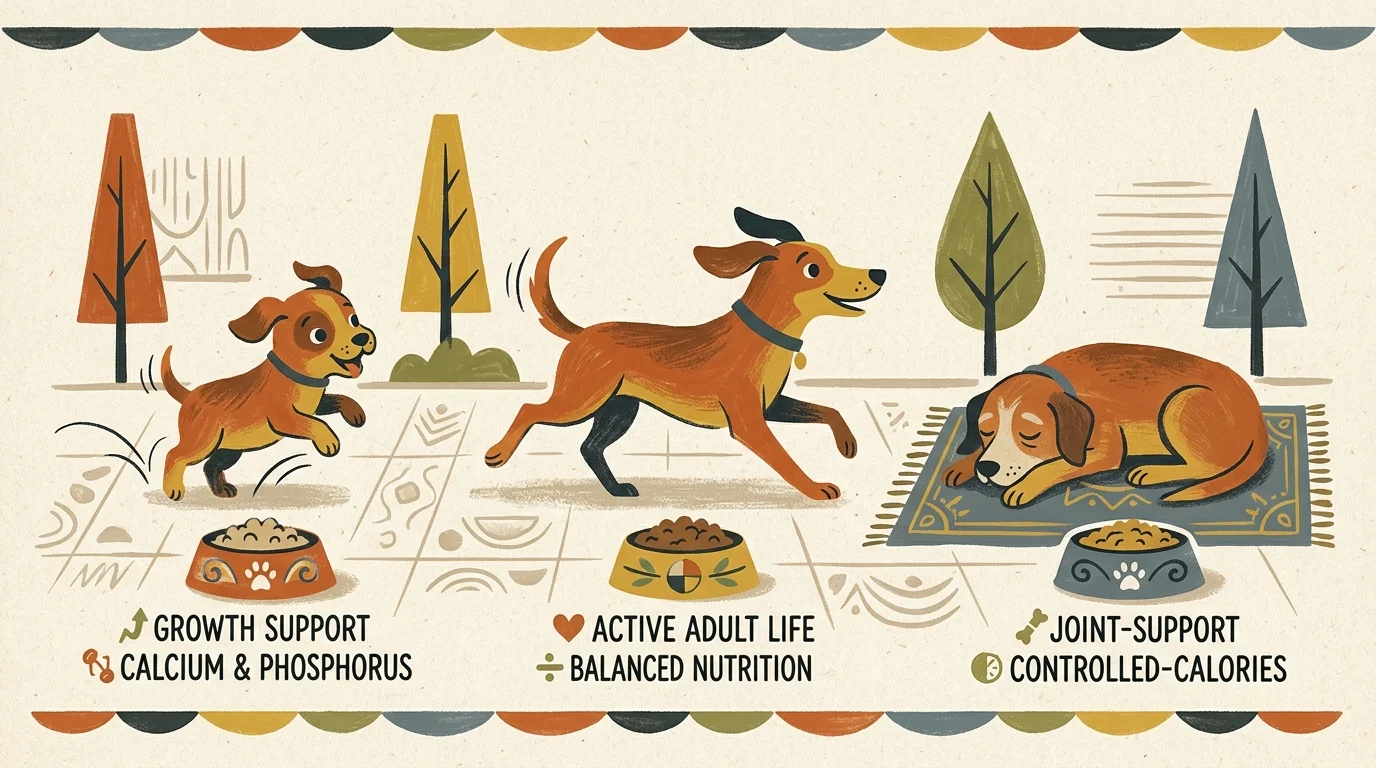
A growing puppy or kitten possesses vastly different metabolic needs than a mature adult or a quiet senior.
Feeding an adult maintenance diet to a young puppy can cause permanent developmental deficits.
Puppies need higher concentrations of protein, amino acids, and precise calcium-to-phosphorus ratios to build strong skeletons.
In large-breed puppies, excessive dietary calcium triggers rapid abnormal bone growth, increasing the risk of hip dysplasia.
Senior animals require lower overall caloric density, easily digestible proteins, and elevated omega-3 fatty acids to protect aging joints.
Always check the nutritional adequacy statement established by the Association of American Feed Control Officials on the pet food label.
Ensure the packaging states the food is formulated for growth, all life stages, or adult maintenance.
Avoid feeding formulas labeled for intermittent or supplemental use as your pet’s primary daily meal.
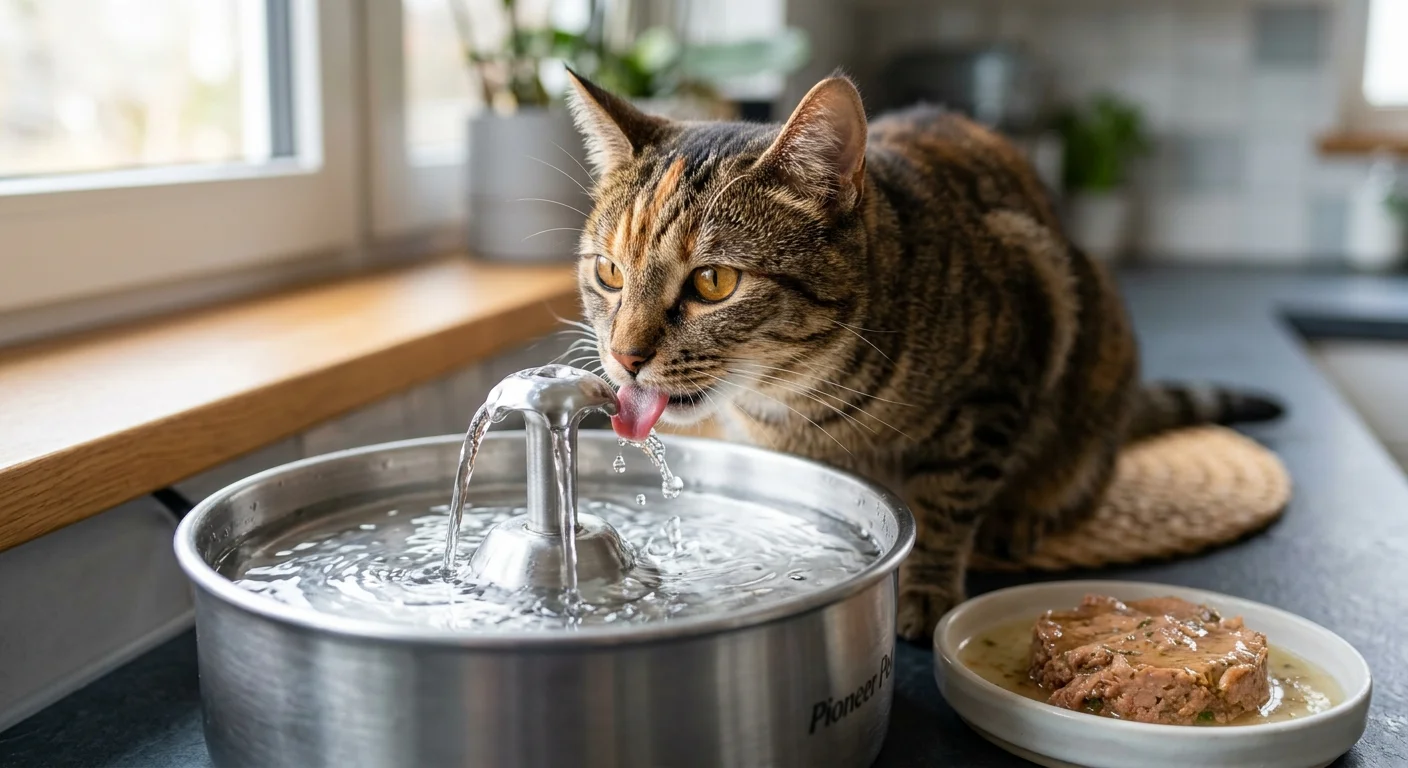
Mistake 5: Overlooking Moisture and Hydration Needs
Chronic mild dehydration is a frequent but overlooked issue, particularly among domestic felines.
Domestic cats descended from African wildcats and naturally possess a very low thirst drive.
In the wild, felines absorb approximately 70% of their daily hydration directly from fresh prey.
Standard dry kibble contains only 8% to 10% moisture content.
Cats fed dry food rarely drink enough still water from bowls to match the hydration provided by wet diets.
Persistent low water consumption produces concentrated urine, creating an ideal environment for painful urinary crystals and feline lower urinary tract disease.
Integrating canned wet food into daily meals provides essential hydration and supports kidney function.
You can also increase fluid intake by offering pet-safe broths or circulating water fountains.
Understanding Resting Energy Requirements (RER)
Commercial packaging guides frequently overestimate how many calories companion animals actually require.
Most feeding charts calculate food amounts for active, unspayed, or unneutered animals with higher baseline metabolisms.
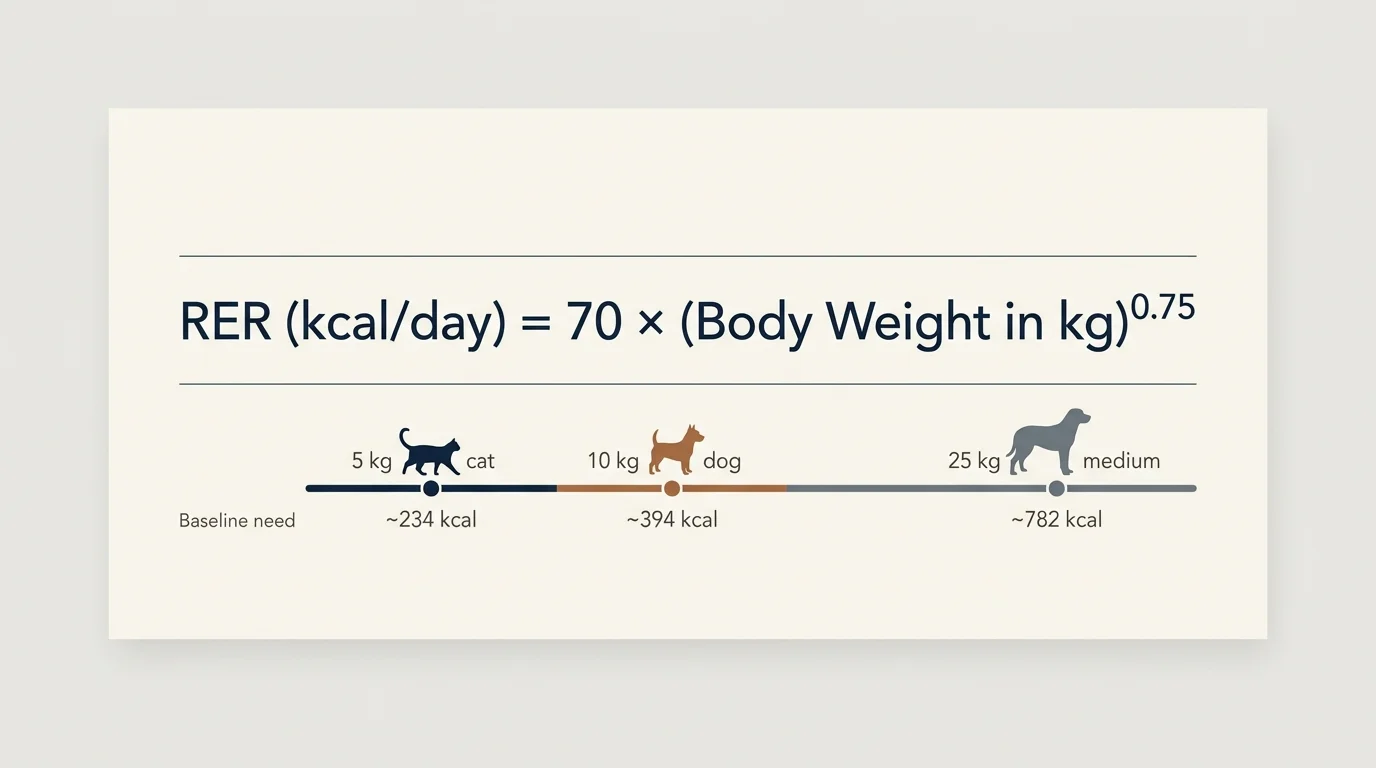
Veterinary nutritionists calculate base daily energy using the Resting Energy Requirement (RER) mathematical formula.
The formula multiplies 70 by your pet’s ideal body weight in kilograms raised to the 0.75 power.
An average neutered adult dog or cat multiplies their baseline RER by 1.2 to 1.6 to determine maintenance calories.
Consult your veterinarian to calculate exact target calories based on your pet’s unique body score and activity level.
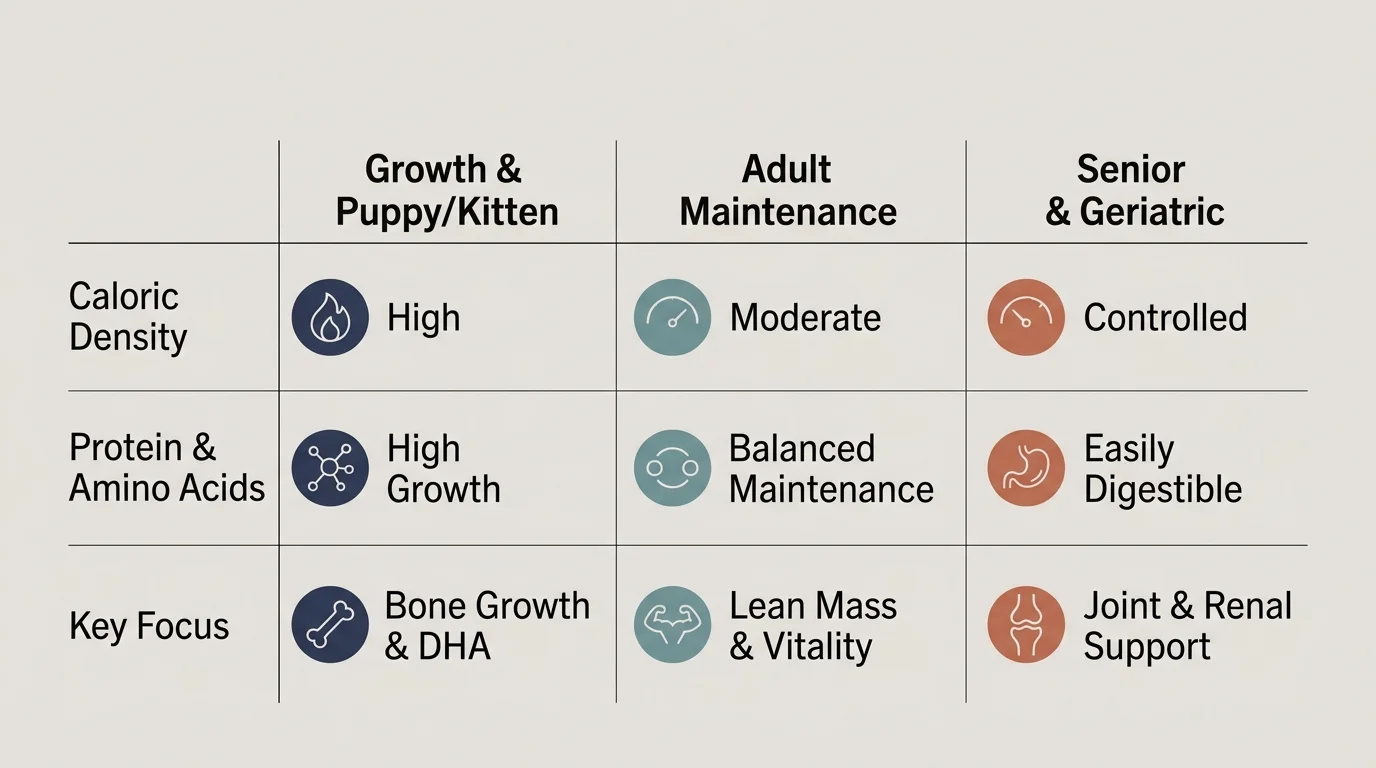
Life-Stage Feeding Strategy Comparison
Selecting the right diet requires matching nutrient balance to your companion’s physiological age.
Use this comparison guide to structure your pet’s nutritional plan:
| Life Stage | Primary Nutritional Focus | Recommended Feeding Frequency | Key Risk to Avoid |
|---|---|---|---|
| Puppy / Kitten (0–12 Months) | High protein, DHA for brain development, strict calcium-phosphorus ratio | 3 to 4 meals daily | Accelerated skeletal growth from excess calcium and calories |
| Adult Maintenance (1–7 Years) | Controlled caloric density, balanced amino acids, lean muscle support | 2 measured meals daily | Caloric creep and obesity from ad-libitum free-feeding |
| Senior (7+ Years) | Highly digestible protein, joint support nutrients, controlled phosphorus | 2 measured meals daily | Muscle wasting (sarcopenia) and kidney strain from improper mineral balance |
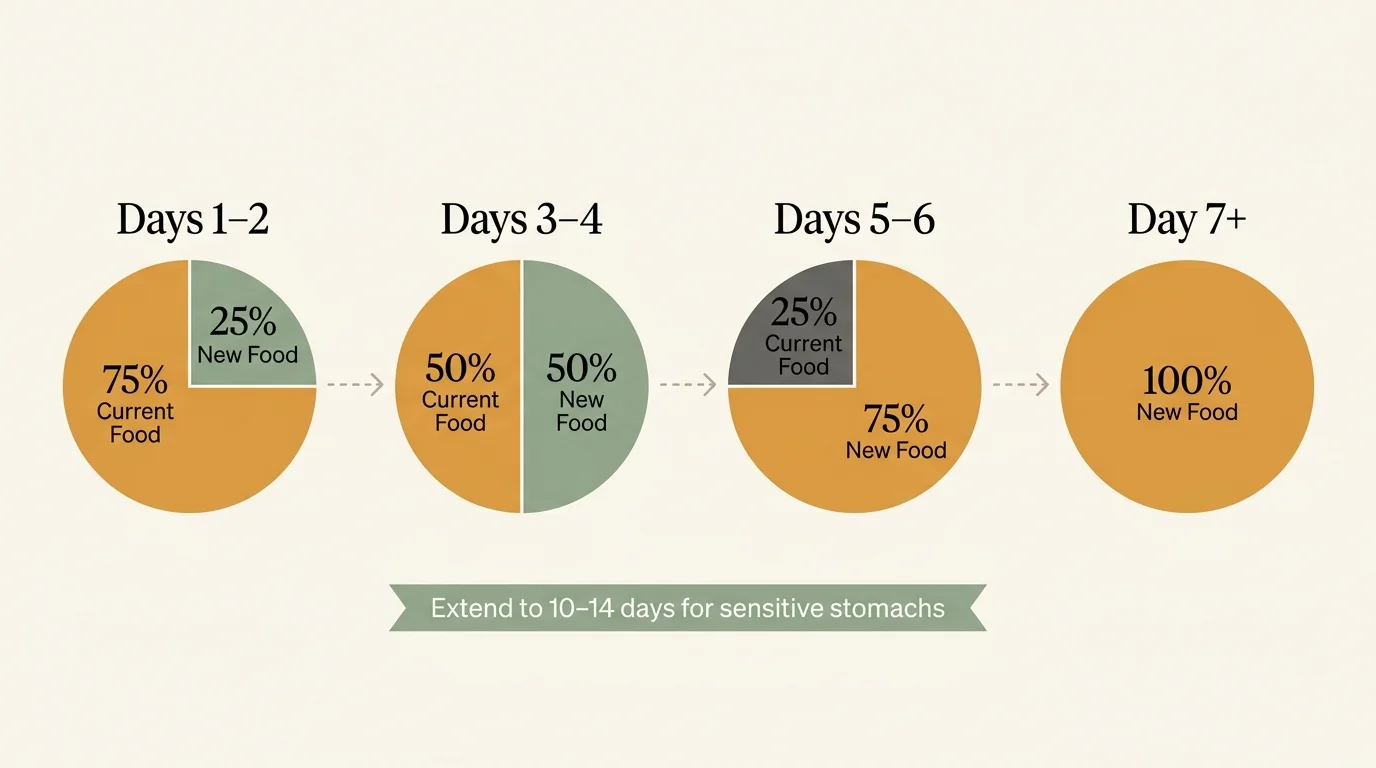
Step-by-Step Diet Transition Protocol
Protect your pet’s intestinal tract by following this measured four-phase transition plan:
- Days 1 to 3: Mix 75% of your pet’s current food with 25% of the new diet.
- Days 4 to 6: Combine equal parts, serving 50% current food and 50% new diet.
- Days 7 to 9: Shift the balance to 25% current food and 75% new diet.
- Day 10 and Beyond: Serve 100% of the new formula with full digestive safety.
Slow down the transition schedule immediately if your pet displays soft stool, lethargy, or nausea.
Common Mistakes to Avoid Beyond the Bowl
Nutritional success involves more than just selecting the right food brand.
Watch out for these secondary feeding pitfalls in your home:
- Leaving Canned Food Out: Discard uneaten wet food after four hours at room temperature to prevent harmful bacterial proliferation.
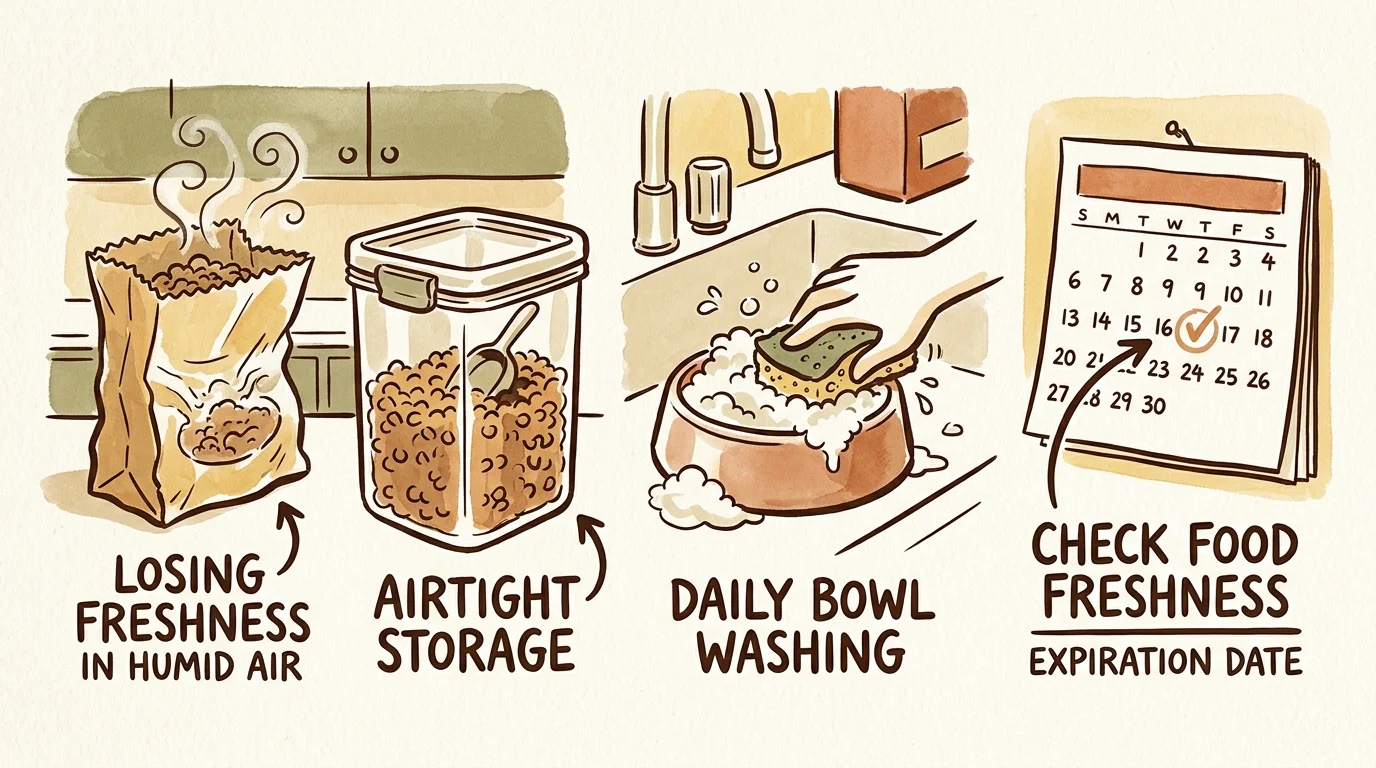
- Improper Food Storage: Store dry kibble inside its original bag within an airtight container to prevent lipid oxidation and nutrient degradation.
- Using Plastic Bowls: Replace porous plastic dishes with stainless steel or ceramic options to prevent feline chin acne and bacterial buildup.
- Feeding High-Starch Grain Replacements: Avoid boutique grain-free foods that substitute grains with high volumes of peas, lentils, or legumes without veterinary supervision.
Getting Expert Input: When to Consult a Veterinary Professional
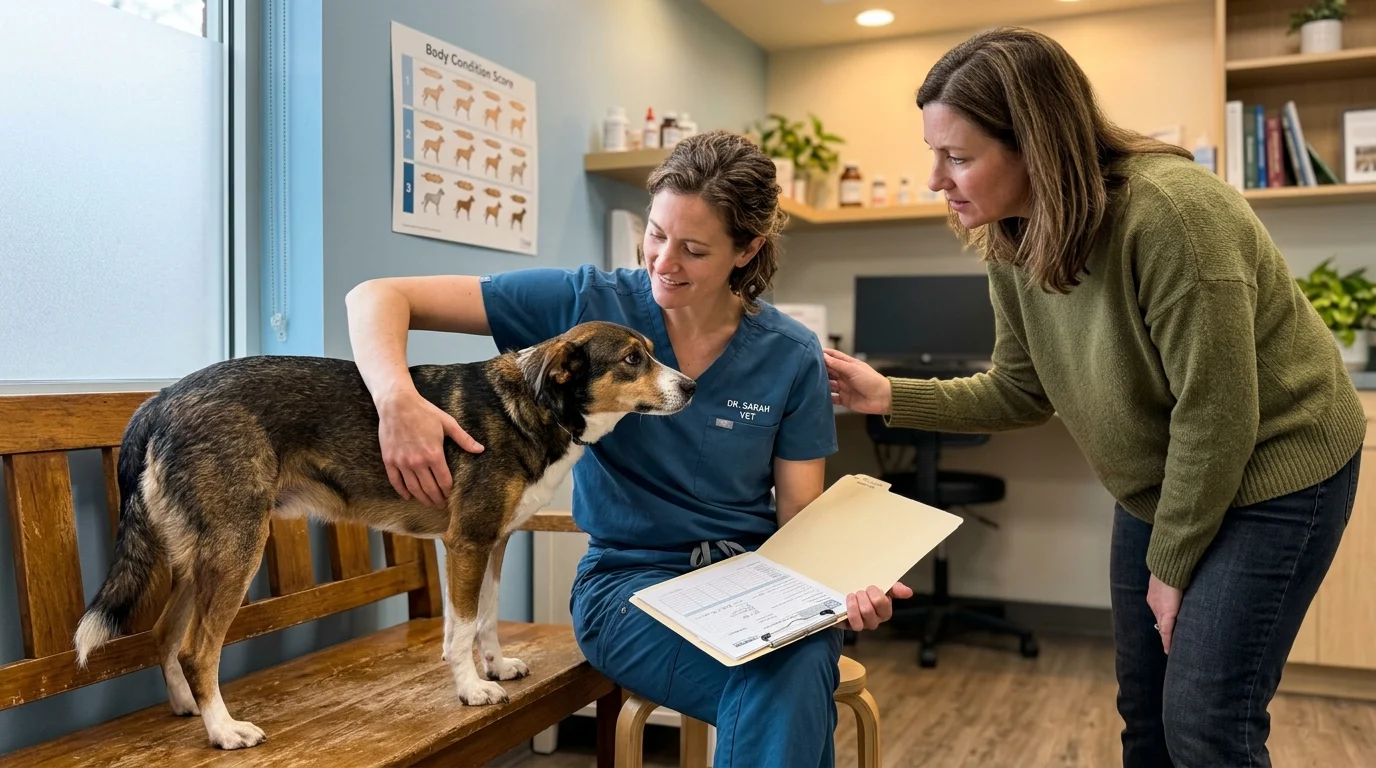
Individual metabolism and underlying health issues often demand personalized nutritional strategies.
Schedule an evaluation with your veterinarian in these specific situations:
- Unexplained Weight Loss or Gain: Sudden changes in body mass often indicate underlying metabolic, hormonal, or endocrine disorders.
- Chronic Digestive Distress: Ongoing loose stools, vomiting, or flatulence may signal food intolerance, inflammatory bowel disease, or gut dysbiosis.
- Managing Chronic Organ Disease: Kidney disease, heart failure, and diabetes require clinically formulated therapeutic diets.
- Formulating Raw or Home-Cooked Meals: Home-prepared recipes require professional formulation to avoid severe, life-threatening micronutrient deficiencies.
Frequently Asked Questions
Is dry kibble better for my pet’s dental health than wet food?
Standard dry kibble crumbles immediately upon chewing, offering negligible dental cleaning benefits.
Only specialized veterinary dental diets with structural fiber matrices effectively scrape plaque from tooth surfaces.
Can dogs and cats share the same commercial food?
No, dogs and cats have fundamentally different biological and nutritional requirements.
Cats are obligate carnivores that require dietary taurine and arachidonic acid, which standard dog food lacks.
How many calories does an average indoor cat or dog need?
A typical 10-pound indoor cat requires approximately 200 calories per day to maintain healthy body mass.
A moderately active 50-pound adult dog generally needs between 900 and 1,100 calories daily.
Are grain-free diets healthier for companion animals?
Grain-free diets offer no proven health benefit unless a veterinarian diagnoses a specific grain allergy.
Veterinary researchers continue monitoring potential associations between certain boutique grain-free diets and canine heart disease.
Building Lifelong Healthy Feeding Habits
Optimizing your pet’s diet does not require complex routines or expensive specialty equipment.
Simple practices like weighing meals on a scale, measuring treats, and boosting moisture intake yield enormous health benefits.
Start by auditing your pet’s daily portions today to build a foundation for long-term health and vitality.
The information here is meant for educational purposes. Specific circumstances—including health conditions, finances, location, and goals—may require different approaches. When in doubt, consult a licensed professional or check official sources directly.
Last updated: May 2026. Rules, prices, and details change—verify current information with official sources before acting on it.