
Nature presents a surprising reality when it comes to romance and loyalty. While humans celebrate lifelong devotion, true monogamy is exceptionally rare across the wild animal kingdom.
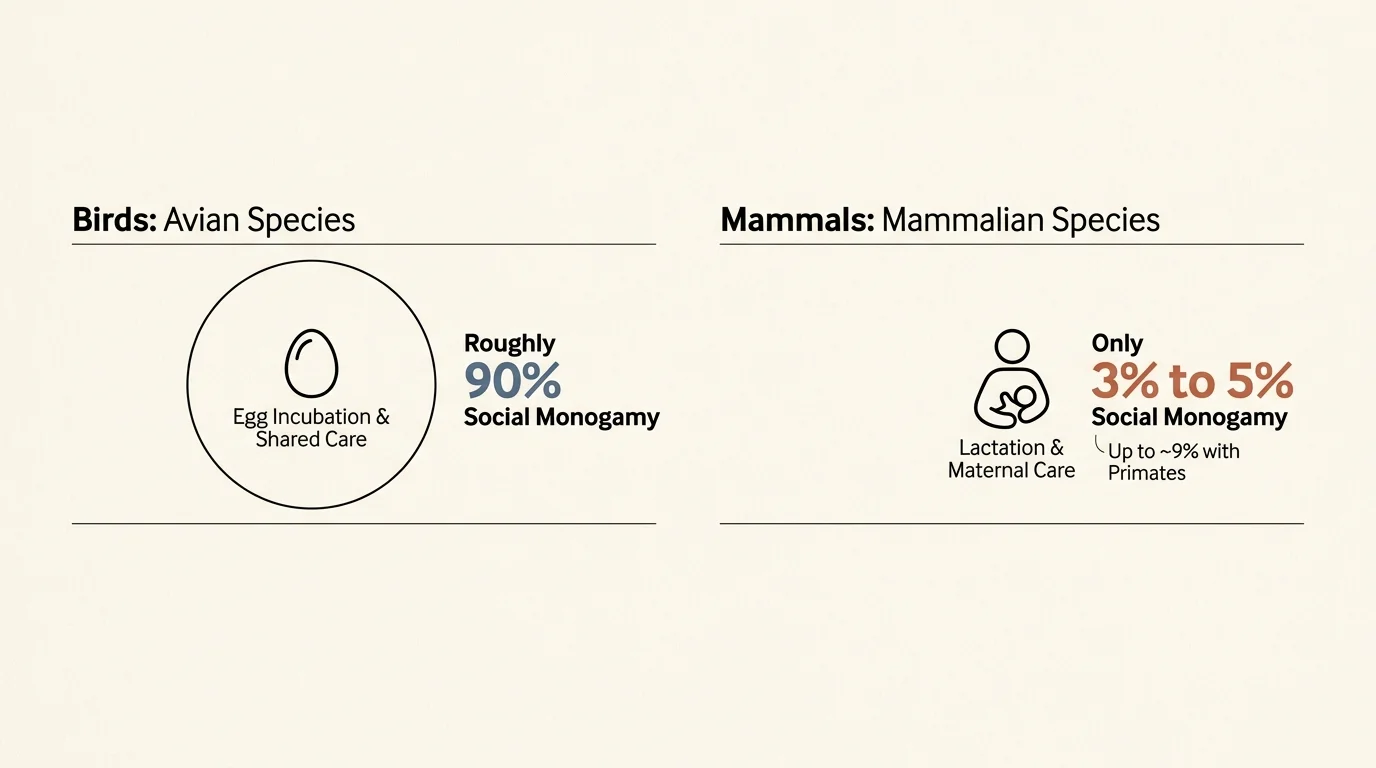
Only 3% to 5% of mammal species practice social monogamy, compared to roughly 90% of bird species. Yet modern genetics reveals that social partnership rarely guarantees absolute sexual fidelity.
Exploring these varied animal mating habits shows how cooperation, shared territory, and reproduction drive survival. Here is what science reveals about lifelong fidelity in nature.
The Biology of Partnership: Social vs. Genetic Monogamy
Biologists distinguish between two distinct forms of loyalty in the animal kingdom. Understanding this difference is essential for evaluating wild mating behavior.
Social monogamy occurs when two animals share a territory, build nests together, and cooperate to raise young. However, they may still mate with neighbors when opportunities arise.
Genetic monogamy, by contrast, requires complete sexual exclusivity between partners. DNA testing over recent decades confirmed that this behavior is exceptionally scarce in the wild.
Roughly 90% of avian species form socially monogamous partnerships to protect their eggs. In sharp contrast, only 3% to 5% of mammal species live in socially monogamous pairs.
When researchers include primates in mammal surveys, that figure rises slightly to approximately 9%. Even so, polygamy remains the standard baseline for most mammalian life on Earth.
Parental investment explains this massive divide between birds and mammals. Male mammals cannot lactate or carry gestating embryos, making paternal desertion evolutionarily common.
Female birds, however, require constant assistance to incubate vulnerable eggs and feed rapidly growing chicks. For birds, cooperative nesting often determines whether offspring survive.
Loyal Animal Species That Truly Mate for Life
Despite the rarity of lifelong fidelity, several species have evolved remarkable pair bonds. These loyal animal species rely on lasting partnerships to conquer demanding environments.
1. Albatrosses: Masters of Oceanic Devotion
Albatrosses spend years wandering thousands of miles across open oceans in complete isolation. Despite these epic journeys, they return to the exact same nesting grounds to reunite with their partners.
These massive seabirds practice intricate courtship dances that take years for young pairs to perfect. Once established, their partnerships routinely endure for fifty years or longer.
Natural divorce rates among albatross pairs typically range between just 1% and 3%. According to research published in the Proceedings of the Royal Society B, rising sea surface temperatures can alter this stability.
In warm-water seasons, nutritional stress caused divorce rates to reach 7.7% among black-browed albatrosses. Even so, they remain among the most faithful animals on the planet.
2. Prairie Voles: The Neurochemical Model of Love
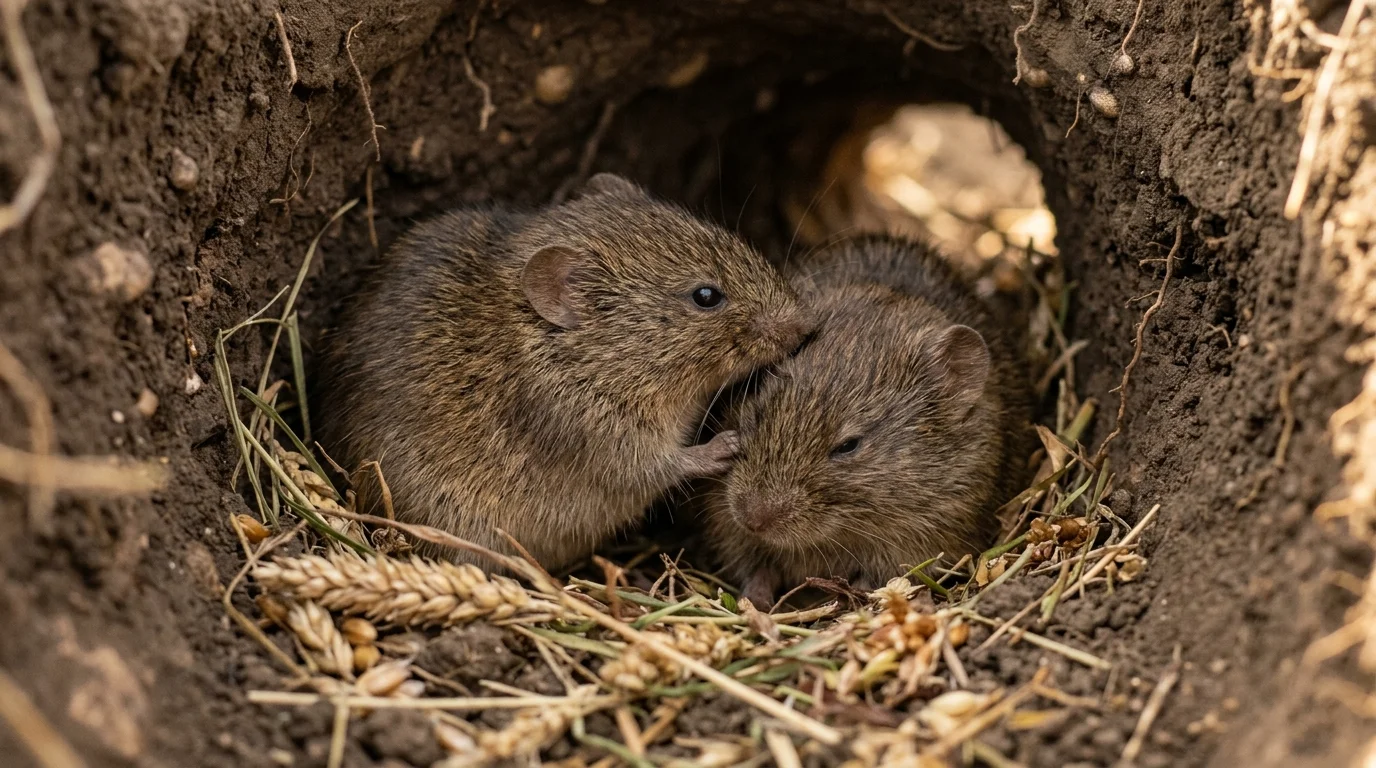
Prairie voles (Microtus ochrogaster) represent one of the rare exceptions in the mammalian world. While closely related meadow voles remain promiscuous, prairie voles form fierce, lifelong bonds.
This commitment stems directly from their distinctive neurobiology. Research indexed by the National Center for Biotechnology Information reveals high densities of oxytocin and vasopressin receptors in their brains.
When a prairie vole mates, neurochemicals flood its reward centers and establish an enduring attachment. Bonded pairs defend shared burrows, groom one another, and raise their pups together.
If one partner dies, roughly 80% of surviving prairie voles refuse to take another mate. They remain dedicated to that original bond for the rest of their lives.
3. Shingleback Skinks: Reptilian Lifelong Bonds
Reptiles rarely receive recognition for emotional warmth or long-term fidelity. Australia’s shingleback skink (Tiliqua rugosa), also known as the sleepy lizard, shatters that stereotype.
These heavily armored lizards live solitary lives for most of the year in the arid outback. Every spring, however, males seek out the exact same female partner.
Field research documented by the Australian Museum shows identical pairs reuniting every breeding season for over 20 years. They walk side by side, feeding and basking together for months.
Males protect their partners vigilantly during pregnancy and guard them from approaching predators. Their long-term synchrony reduces conflict and ensures efficient seasonal reproduction.
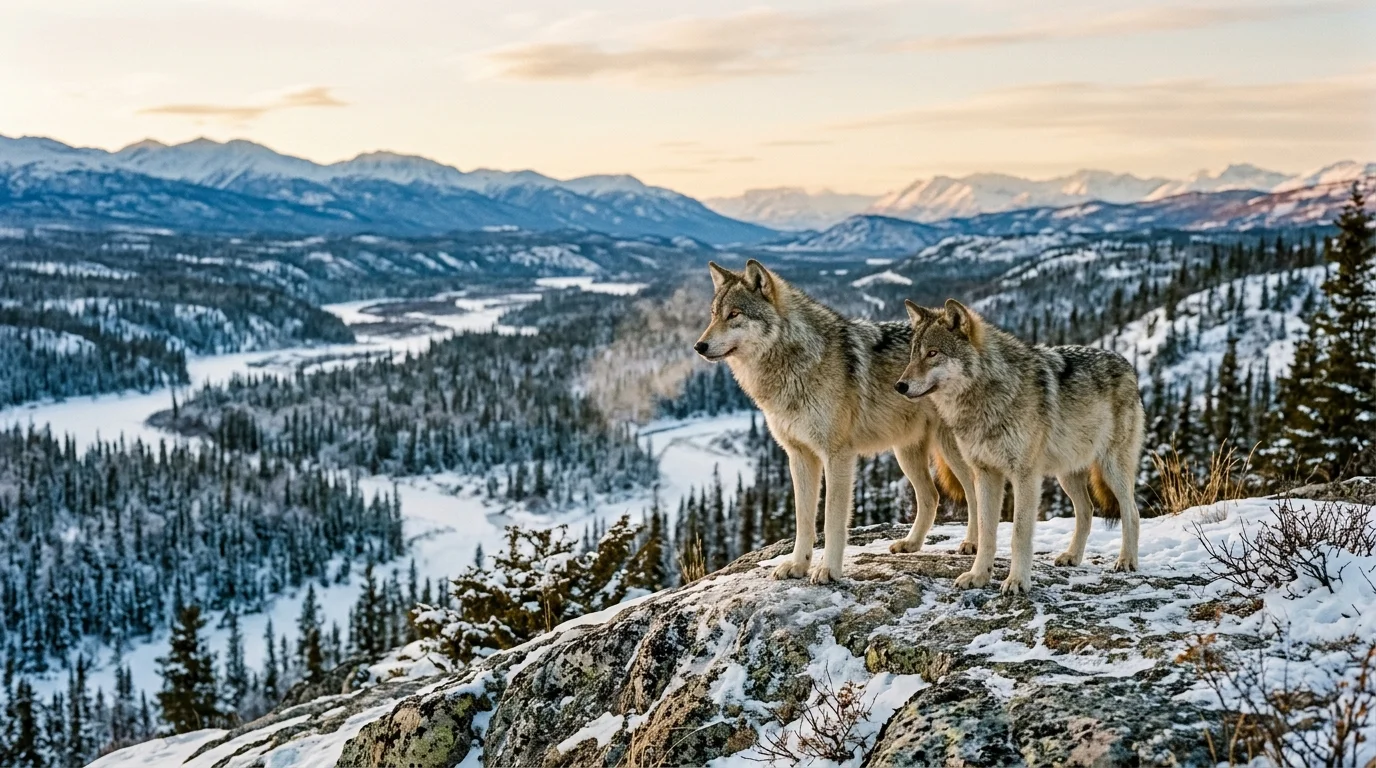
4. Gray Wolves: The Strength of the Family Pack
Popular culture often misinterprets the structure of wolf packs as violent hierarchies dominated by aggressive rivals. In reality, a wild wolf pack functions as a cohesive nuclear family.
The breeding male and female—commonly called the alpha pair—mate exclusively for life. They establish territory, lead collaborative hunts, and nurture litters of pups each spring.
Older siblings stay with the pack for several years, helping feed and guard new litters. A wolf will typically seek a new mate only after its partner passes away.
5. Beavers: Lifelong Aquatic Engineers
North American beavers (Castor canadensis) rely on lifelong monogamy to manage their demanding physical environments. Building complex dams and underwater lodges requires immense, coordinated labor.
Beaver pairs maintain joint territories and share parental duties equally. Both parents gather food, repair architectural structures, and care for their vulnerable kits throughout freezing winters.
Their cooperative bonds last until one partner dies. This shared commitment ensures their massive engineering projects withstand seasonal floods and hostile predators.
6. French Angelfish: Inseparable Reef Companions
French angelfish (Pomacanthus paru) illustrate lifelong devotion within marine ecosystems. Found navigating vibrant coral reefs, these brightly patterned fish spend nearly all their adult lives together.
Pairs forage, travel, and vigorously defend shared feeding territories from competitor fish. They swim in close, synchronized formations, rarely venturing more than a few feet apart.
During the breeding season, the bonded pair rises together toward the water surface to release gametes simultaneously. Their constant proximity maximizes spawning success while minimizing vulnerability to predators.
7. Mute Swans and Bald Eagles: Avian Partnership Symbols
Mute swans form iconic pair bonds characterized by synchronized swimming, mutual preening, and shared defense of shallow wetlands. Their partnerships typically endure for many years.
Bald eagles similarly establish lifelong pairings that revolve around colossal, continually renovated nests. Both eagle parents invest substantial energy into incubating eggs and delivering fresh fish to nestlings.
These majestic raptors only replace a partner if one bird dies or if repeated nesting attempts fail completely.
The Ones That Really Don’t: Nature’s Master Cheaters and Pragmatists
While monogamous animals capture human imagination, most creatures thrive through promiscuity, polyandry, or opportunistic mating. Many seemingly faithful species harbor surprising secrets.
Superb Fairy-Wrens: The World Champions of Infidelity
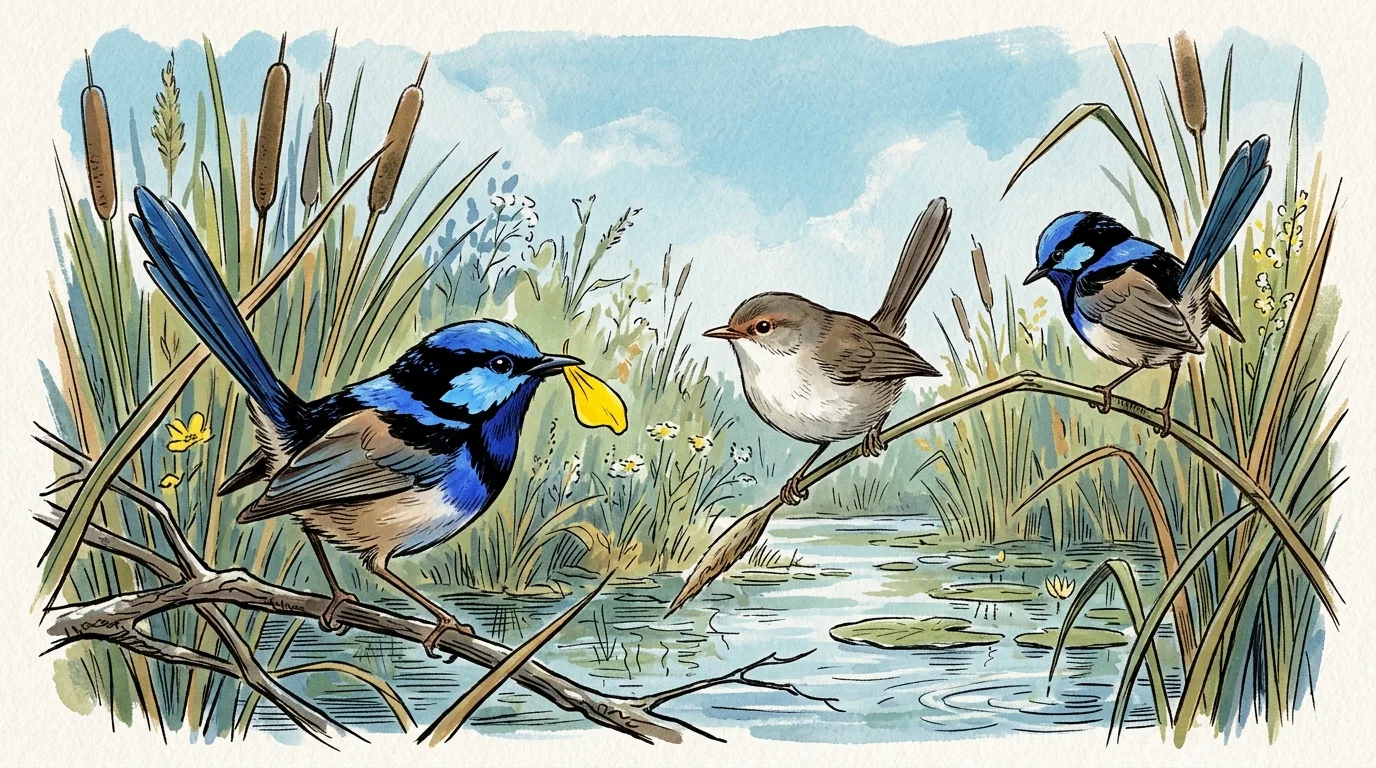
Australia’s superb fairy-wrens (Malurus cyaneus) look like the quintessential devoted bird family. Bright blue males and subtle brown females forage together, groom, and raise young cooperatively.
Genetic testing, however, exposed the highest documented rate of infidelity in the avian world. Between 61% and 76% of all fairy-wren chicks are fathered by neighboring males.
In fact, up to 95% of fairy-wren nests contain chicks with mixed paternity. Females routinely sneak out before dawn to solicit matings from older, vibrant display males across the territory.
The resident male stays behind and diligently helps feed offspring that are rarely his own biological kin. This dynamic showcases how social cooperation can completely decouple from genetic exclusivity.
Domestic Cats and Dogs: The Biology of Opportunism
Unlike their wild ancestors, domestic cats and dogs do not form long-term romantic attachments. Their reproductive biology evolved around rapid, opportunistic breeding cycles.
Female cats are induced ovulators, meaning physical mating triggers the release of eggs from the ovaries. This biological mechanism enables an extraordinary phenomenon known as superfecundation.
If an unspayed female cat mates with multiple males during a single heat cycle, different fathers can fertilize individual eggs. A single litter of kittens can contain multiple half-siblings.
Domestic dogs operate under similar opportunistic instincts. Free-roaming male and female dogs mate with multiple partners without forming post-copulatory pair bonds or offering paternal care.
Chimpanzees and Bonobos: Promiscuity and Primate Politics
Our closest living evolutionary relatives practice highly active, non-monogamous mating strategies. Both chimpanzees and bonobos live in complex multi-male and multi-female communities.
Female chimpanzees develop prominent sexual swellings during estrus and mate with multiple males across the group. This widespread mating strategy confuses paternity and protects infants from lethal male aggression.
Bonobos take social mating even further, using frequent sexual contact to resolve group conflicts, share resources, and reduce tension. Monogamy has no functional place in their cooperative society.

Comparing Mating Strategies Across the Animal Kingdom
Evaluating reproductive systems across different species illustrates how varied survival strategies truly are. The following table summarizes key differences in animal mating habits.
| Species | Animal Class | Partnership Type | Genetic Fidelity Level | Primary Evolutionary Benefit |
|---|---|---|---|---|
| Wandering Albatross | Bird | Lifelong Social Monogamy | High (97% to 99%) | Shared energy cost of extreme incubation and foraging |
| Prairie Vole | Mammal | Lifelong Social Monogamy | High (80% to 90%) | Shared burrow defense and increased pup survival |
| Shingleback Skink | Reptile | Seasonal Lifelong Monogamy | High (90%+) | Coordinated reproduction and predator vigilance |
| Gray Wolf | Mammal | Lifelong Pack Monogamy | High (90%+) | Collaborative hunting and communal pup rearing |
| French Angelfish | Fish | Lifelong Social Monogamy | High (95%+) | Territory defense and synchronized spawning |
| Superb Fairy-Wren | Bird | Social Monogamy / Polyandry | Very Low (24% to 39%) | Genetic diversity via extra-pair fertilization |
| Domestic Cat | Mammal | Promiscuous / Opportunistic | None (0%) | Maximized litter fertilization via superfecundation |
| Common Chimpanzee | Mammal | Multi-Male Promiscuity | None (0%) | Paternity confusion and troop cohesion |
Why Monogamy Evolves: The Evolutionary Economics of Mating
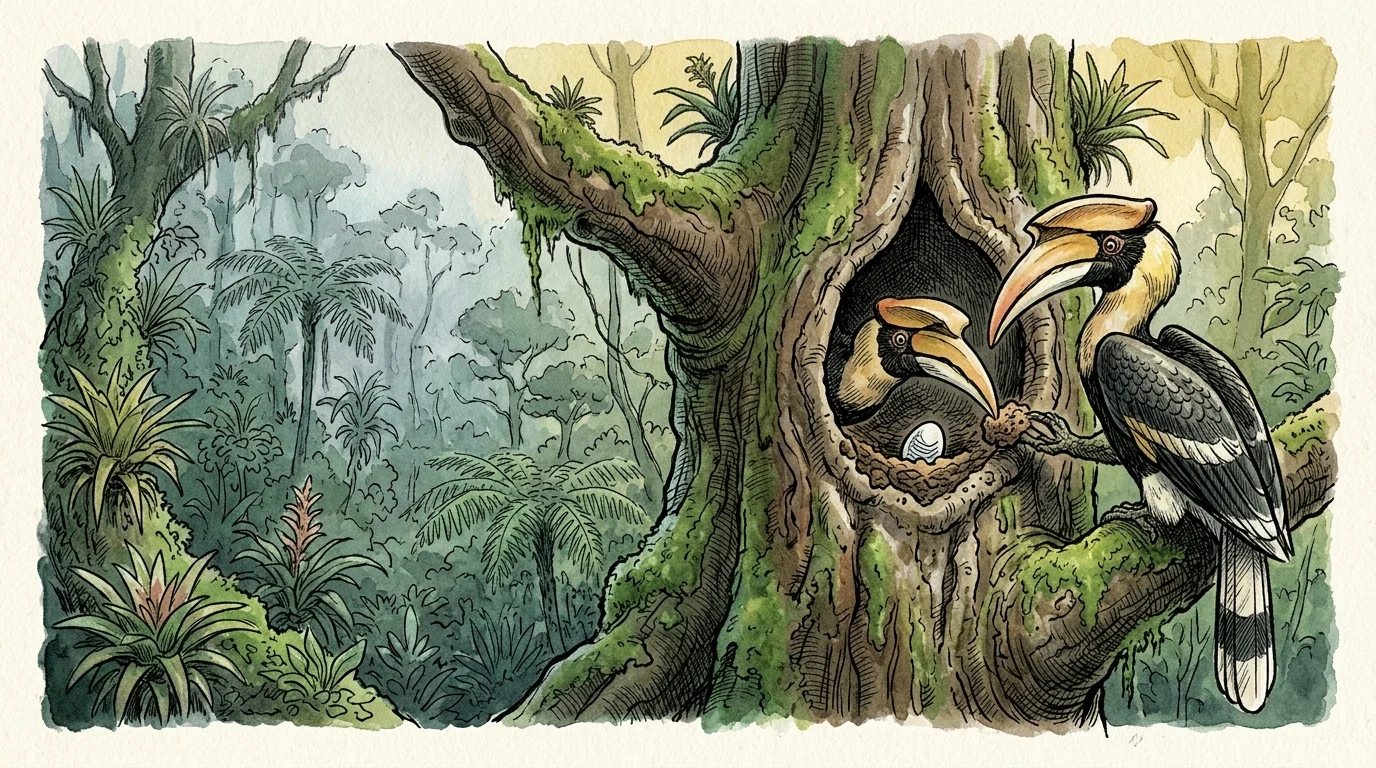
In evolutionary biology, romantic fidelity is not a moral accomplishment. Monogamous behavior represents an economic calculation driven by survival odds and reproductive success.
Animals adopt long-term partnerships only when the benefits of staying together outweigh the advantages of seeking multiple mates. Several critical ecological factors favor the evolution of monogamous pairs:
- Intense Biparental Care: When harsh environments require two parents to keep offspring warm and fed, single parents face complete reproductive failure.
- Scarce and Dispersed Mates: If potential partners live far apart across vast territories, searching for new mates wastes dangerous amounts of energy.
- Defensible High-Value Territory: Holding prime burrows, lodges, or feeding grounds often requires two vigilant adults fighting side by side.
- Synchronized Breeding Cycles: Brief seasonal windows reward established pairs that begin reproducing immediately without wasting time on annual courtship.
When these environmental pressures diminish, species naturally drift toward polygyny or promiscuity. Abundant food and low predator threats allow single mothers to raise young independently.
What Animal Partnerships Reveal About Survival in Nature
Observing animals that mate for life reminds us that nature utilizes endless creative solutions for survival. What works for a high-arctic wolf pack fails for a solitary feline.
Fascinating discoveries continue to reshape how scientists view wildlife fidelity. Genetic testing regularly reveals unexpected infidelity among species once deemed models of pure devotion.
Rather than judging wild behavior through human cultural expectations, you can appreciate the intricate evolutionary logic behind each mating system. Every courtship dance, loyal bond, or secret liaison serves life’s fundamental purpose.
Frequently Asked Questions About Animals That Mate for Life
Do bald eagles stay together forever?
Bald eagles typically mate for life, remaining paired until one partner dies. If a mate perishes or if nesting attempts consistently fail, the survivor will readily find a new breeding partner.
What mammal species is the most monogamous?
Prairie voles are widely recognized as the most strictly monogamous mammals known to science. Their enduring attachments are driven by specialized vasopressin and oxytocin brain receptor networks.
Do monogamous animals ever divorce?
Yes, many socially monogamous species experience divorce. In seabirds like albatrosses, pairs frequently separate following breeding failures, severe nutritional stress, or warming ocean conditions.
Why do female cats have kittens with multiple fathers?
Female cats experience superfecundation because they are induced ovulators. Mating with multiple tomcats during one estrus cycle releases multiple eggs that become fertilized by different fathers simultaneously.
Understanding the complexity of animal mating habits enriches your appreciation for wildlife diversity. Observing how species balance cooperation and survival offers endless insight into our natural world.
This is general informational content based on widely accepted guidance. Individual results vary.
Verify current details—rules, prices, eligibility, regulations—with official sources before making important decisions.
Last updated: May 2026. Rules, prices, and details change—verify current information with official sources before acting on it.