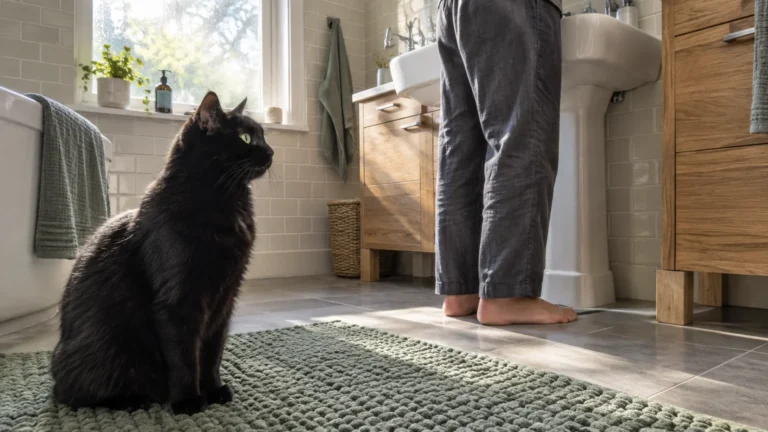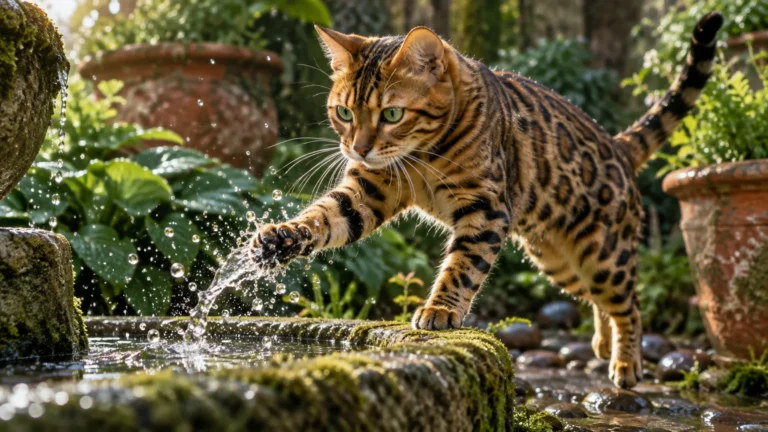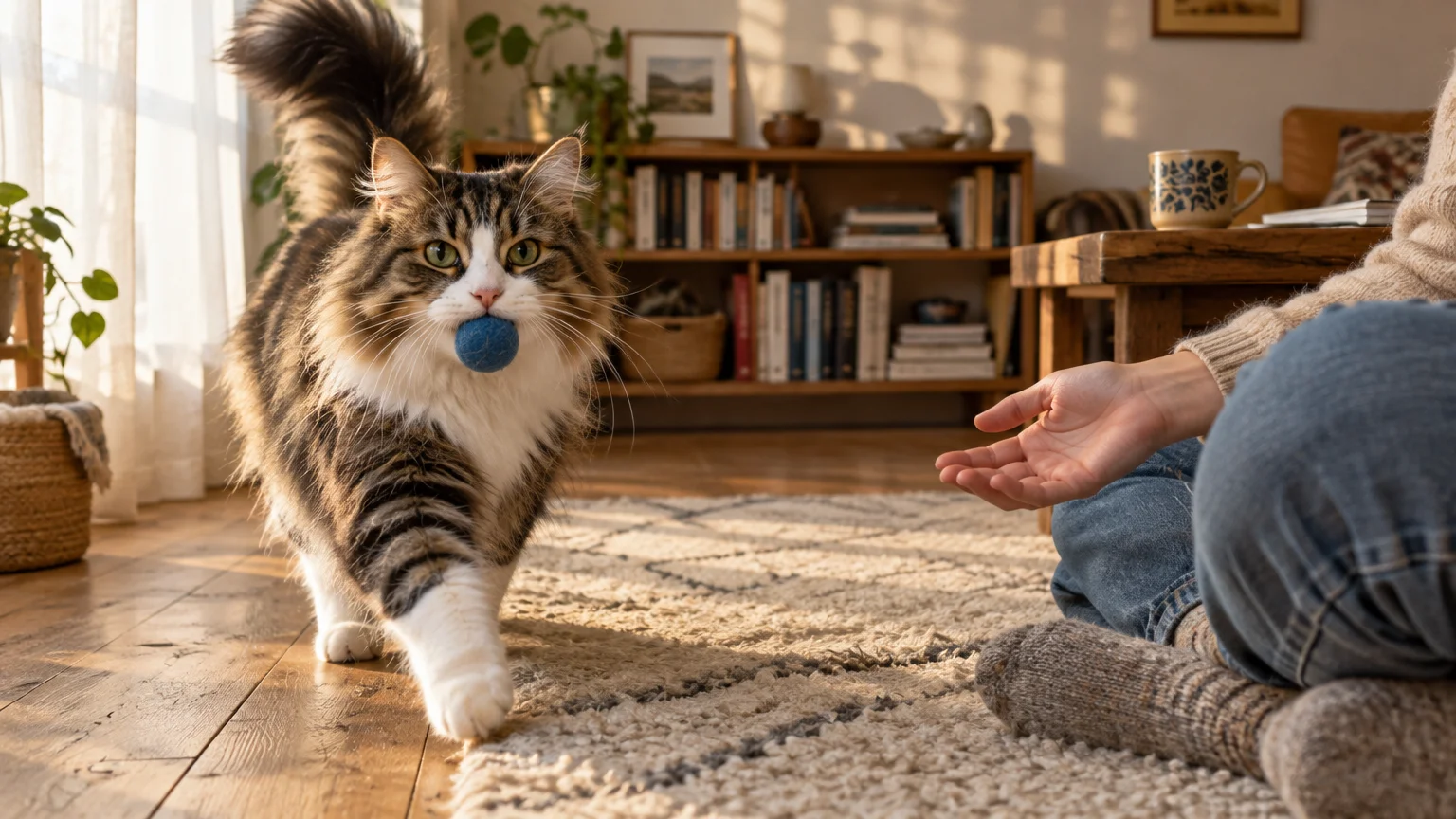
You do not need a canine companion to enjoy games of fetch, leash walks, and enthusiastic greetings at your front door. Several affectionate cat breeds naturally display the loyal, outgoing social traits typically associated with dogs.
If you want a companion that follows your footsteps throughout the home, specific felines defy traditional aloof stereotypes. These dog like cat breeds bring boundless warmth and interactive play into everyday domestic life.
From majestic gentle giants to vocal explorers, their engaging temperaments offer the best of both worlds. Here are eight standout breeds that blur the line between feline independence and canine devotion.
Why Certain Cats Behave Like Dogs
While domestic cats descend from solitary hunters, selective breeding and human socialization have amplified cooperative traits. Certain pedigreed lines display an innate eagerness to bond with human families rather than maintaining aloof distance.
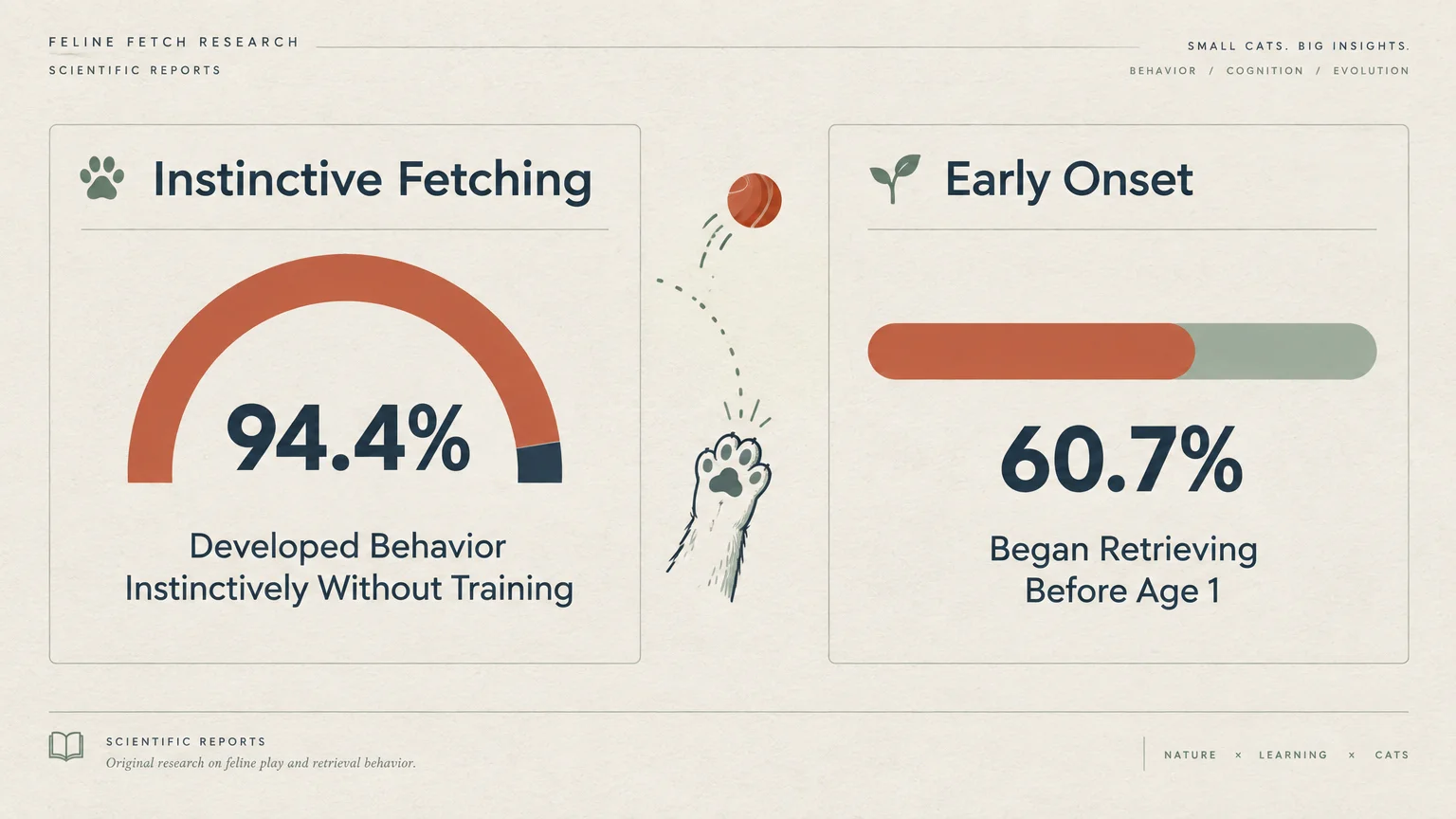
Interactive play often emerges without explicit training. A behavioral study published in Scientific Reports revealed that 94.4% of cats that play fetch developed the behavior completely instinctively.
Researchers discovered that 60.7% of these feline fetchers began retrieving toys before their first birthday. Breeds with energetic, social reputations initiate these interactive games far more frequently than the average domestic cat.
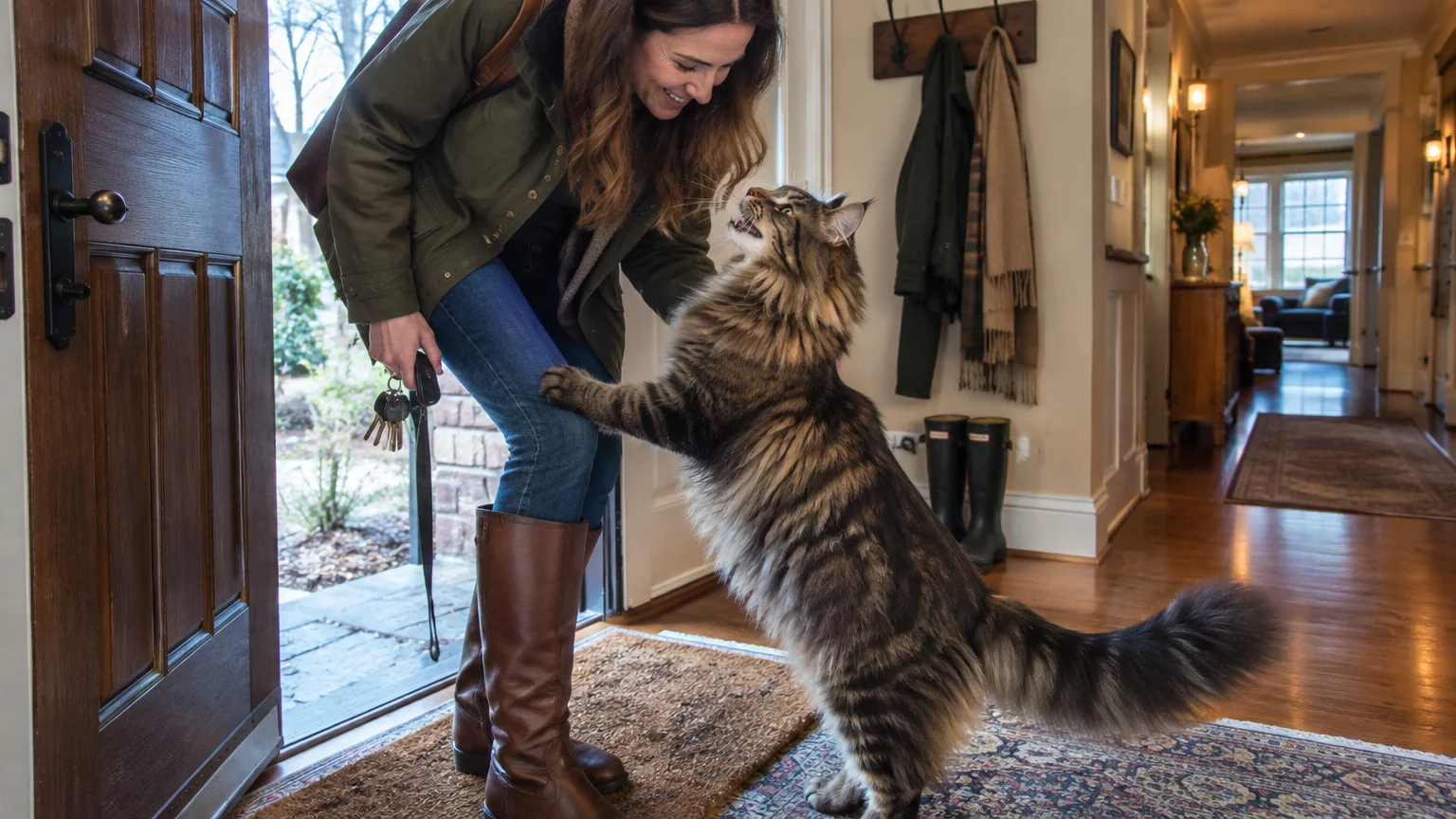
01 Maine Coon: The Gentle Giant That Greets You at the Door
The Maine Coon earns its reputation as the dog of the cat world through calm confidence and loyal companionship. These large cats regularly greet their owners at the front door, trilling with excitement.
According to official registration statistics from the Cat Fanciers’ Association, the Maine Coon holds the number one spot as the world’s most registered pedigreed cat breed. Their agreeable temperament fuels this global popularity.
Male Maine Coons typically weigh between 15 and 25 pounds and can measure over 40 inches from nose to tail. Despite their size, they interact gently with children and display a puppy-like fascination with running water.
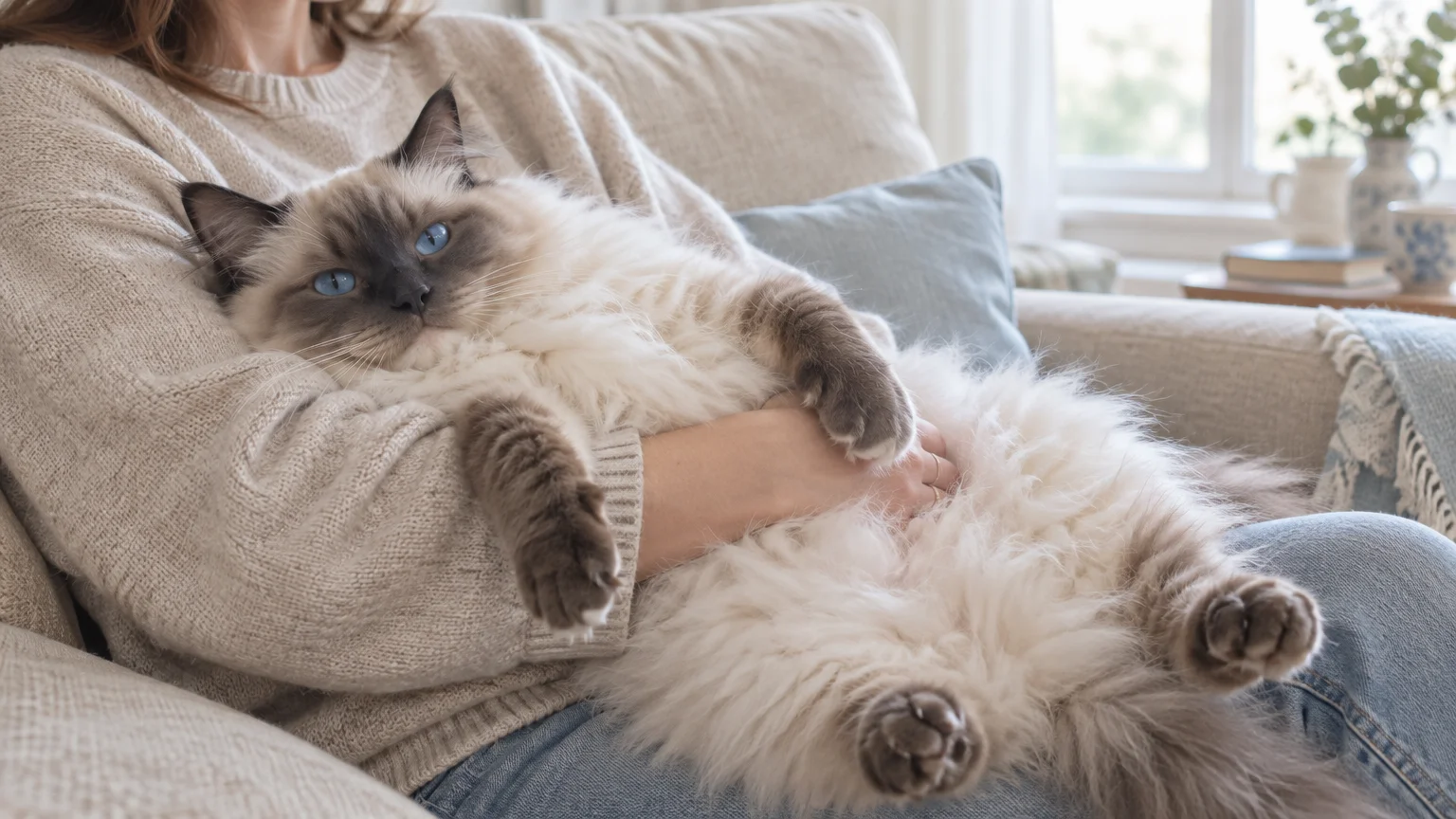
02 Ragdoll: The Ultimate Lap Companion
Ragdolls are famous for physically relaxing into complete limpness whenever you scoop them into your arms. Breeder Ann Baker created this laid-back breed in California during the 1960s to prioritize gentle, trusting temperaments.
The CFA officially accepted Ragdolls into its registry in 1998 and granted them championship status in 2000. Since then, they have ranked among the best cat breeds for families seeking an affectionate pet.
Like devoted golden retrievers, Ragdolls follow their humans from room to room and wait patiently outside doors. Their trusting nature means you must keep them safely indoors, as they lack defensive instincts against predators.
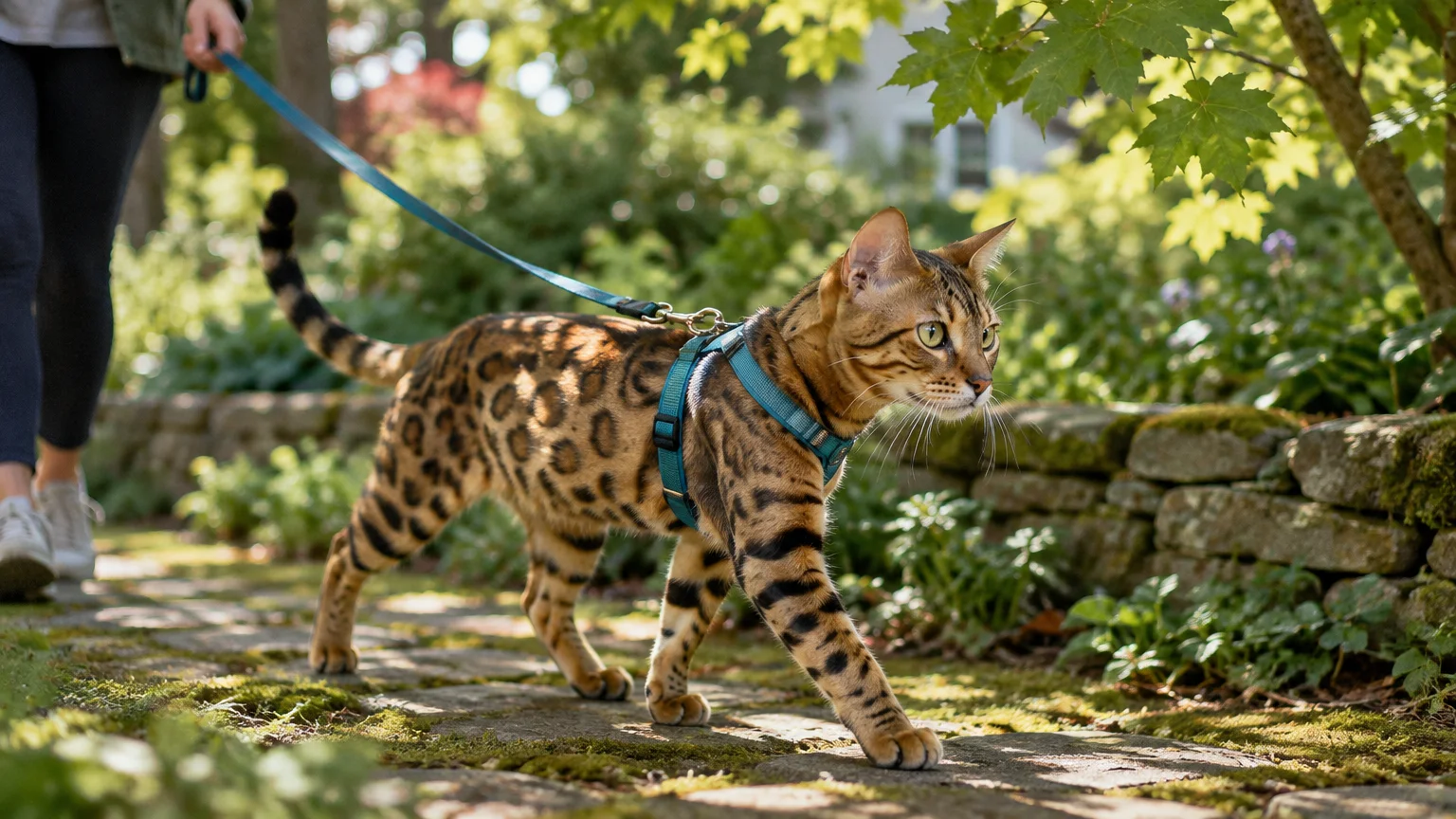
03 Bengal: The High-Energy Leash Walker
If you want a feline with the athletic endurance of a border collie, consider the Bengal. Developed by breeding domestic cats with the wild Asian leopard cat (Prionailurus bengalensis), this breed possesses boundless curiosity.
Bengals readily learn to walk on a harness, retrieve thrown balls, and even join you in the shower. They demand intense mental enrichment and will open cabinets or turn on faucets when bored.
Because of their wild ancestry, ownership faces legal restrictions in several jurisdictions. For example, the Hawaii Department of Agriculture bans all Bengal cats, while New York City prohibits them under municipal health codes.
Other states, such as Alaska, Connecticut, and Massachusetts, only permit Bengals that are at least four or five generations removed from wild ancestors. Always check your local wildlife regulations before purchasing a kitten.
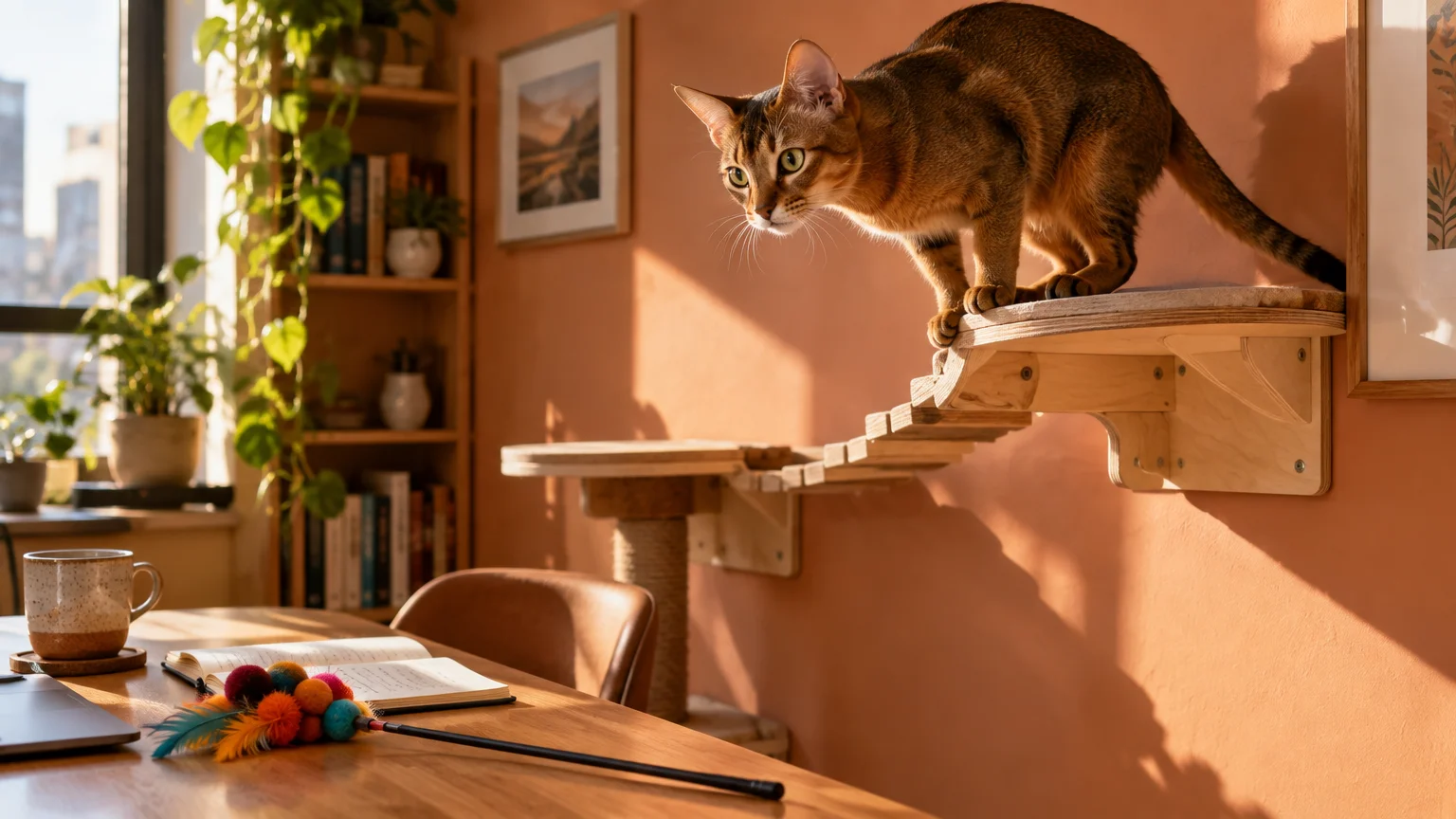
04 Abyssinian: The Boundless Explorer
Abyssinians resemble small mountain lions but display the mischievous playfulness of an energetic terrier. Feline enthusiasts frequently describe these dynamic cats as the clowns of the cat kingdom.
Abyssinians thrive on active interaction, quickly learning how to fetch crinkle balls or run agility courses through your hallway. They prefer perching on your shoulders during chores rather than napping on a quiet sofa.
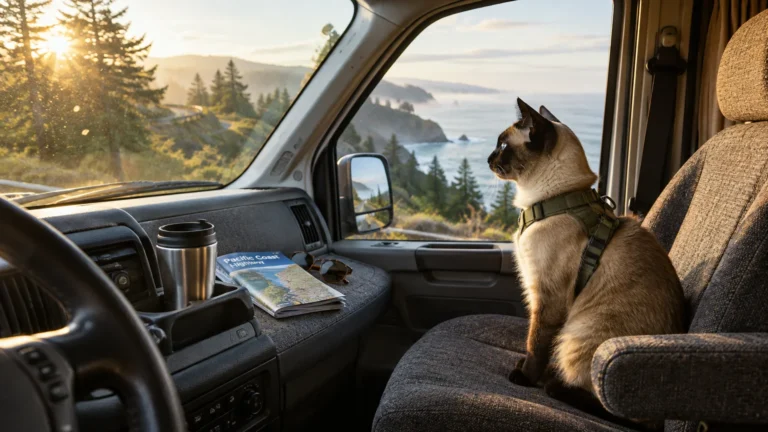
Their keen intelligence and high energy make them one of the easiest breeds to harness train for outdoor strolls. If you enjoy hiking trails, an Abyssinian will willingly explore the outdoors right by your side.
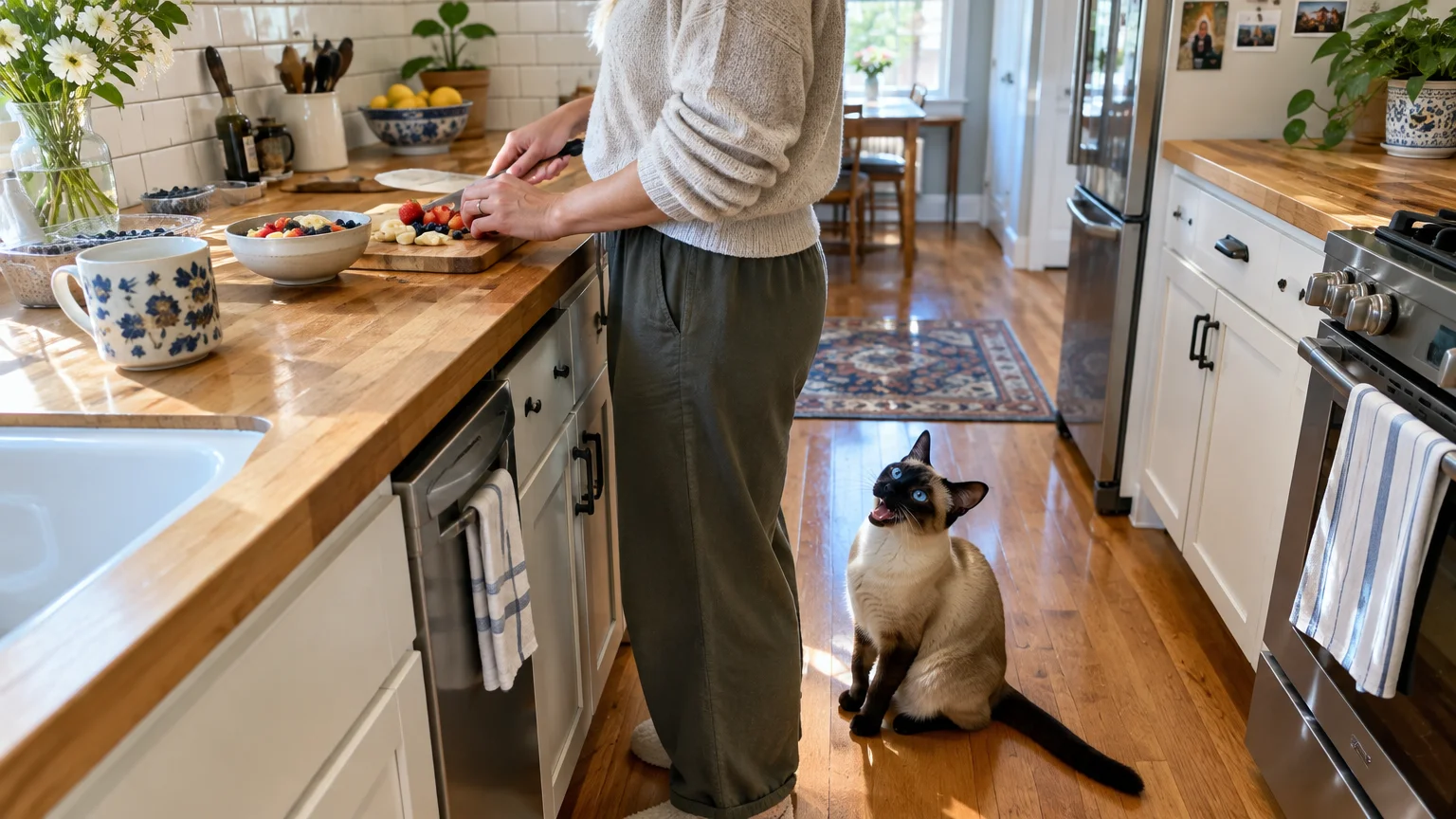
05 Siamese: The Vocal Shadow
If you appreciate dogs that talk, howl, and follow your every movement, the Siamese delivers that exact experience. This ancient breed bonds deeply with its human family, demanding daily conversational check-ins.
Siamese cats communicate with a distinctive, raspy vocalization that mimics human speech patterns. They despise isolation and will loudly voice their displeasure if you leave them alone for extended periods.
Their sharp intellect makes them natural problem solvers and enthusiastic retrieve partners. Their strong social need makes them ideal companions for lively homes where someone is always around to provide attention.

06 Burmese: The Affectionate “Velcro” Feline
Feline behaviorists routinely recognize the Burmese as the quintessential velcro cat. The moment you sit down on your couch, your Burmese will climb into your lap or press against your chest.
These compact, muscular felines maintain their playful, kitten-like curiosity well into their senior years. They exhibit fearless trust toward visitors, greeting newcomers at the door with purrs and affectionate headbutts.
Burmese cats adjust seamlessly to multi-pet homes and get along exceptionally well with gentle children. They crave constant companionship, making them happiest when actively involved in your daily family routine.
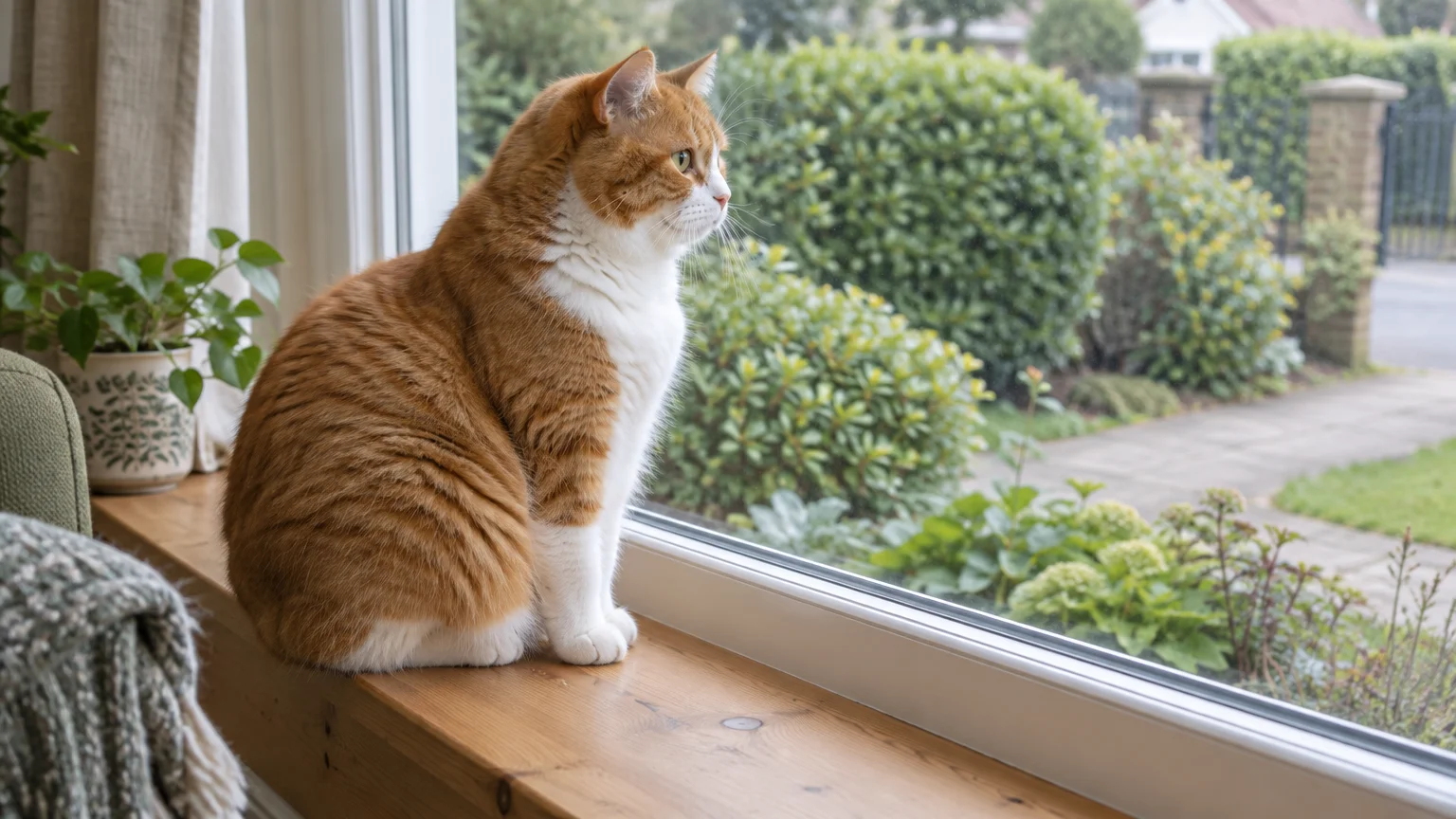
07 Manx: The Protective Guard Companion
Hailing from the Isle of Man, the naturally tailless Manx possesses a distinctly canine sense of home territory. Many owners compare them to guard dogs because they growl defensively at unfamiliar noises outside doors.
Supported by powerful, elongated hind legs, the Manx runs with an unmistakable bunny-hopping gait. They frequently bury their favorite toys in laundry baskets or closets, mirroring the burying habits of canines.
A Manx forms a protective, steadfast bond with its chosen human handler. They will fetch thrown mice across long rooms and faithfully keep watch from windows whenever strangers approach your yard.
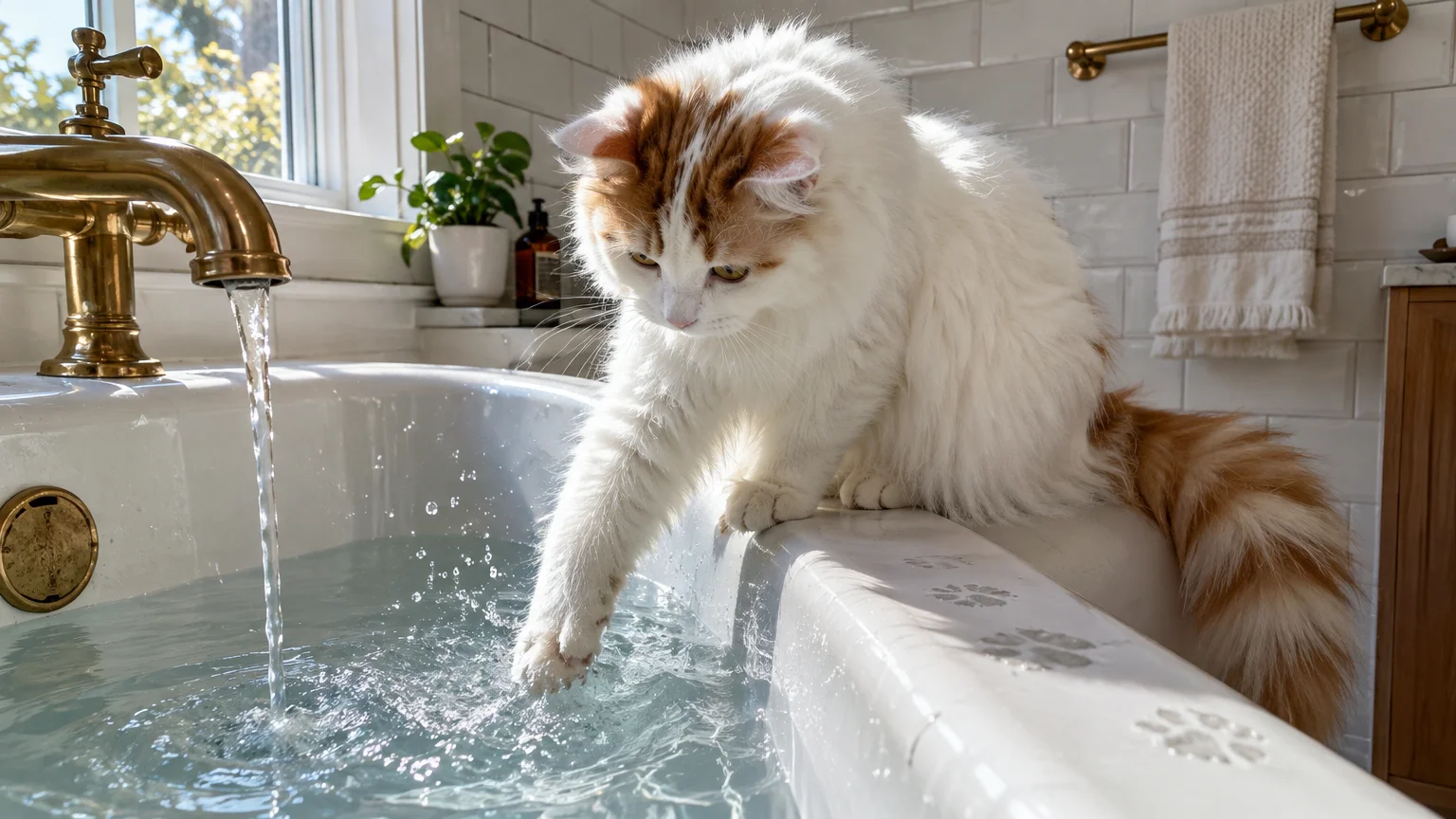
08 Turkish Van: The Water-Loving Swimmer
While most felines avoid water at all costs, the Turkish Van eagerly jumps into filled tubs. Originating near Lake Van in Turkey, this ancient breed developed a water-repellent, cashmere coat that dries in minutes.
Do not feel surprised if your Turkish Van swims alongside you or plays under running kitchen faucets. Their enthusiasm for aquatic play makes bath time feel just like washing an adventurous spaniel.
Turkish Vans are robust, energetic athletes who prefer vigorous movement over quiet lap lounging. They shadow their owners across the home, offering playful assistance whenever moving water or interactive toys appear.
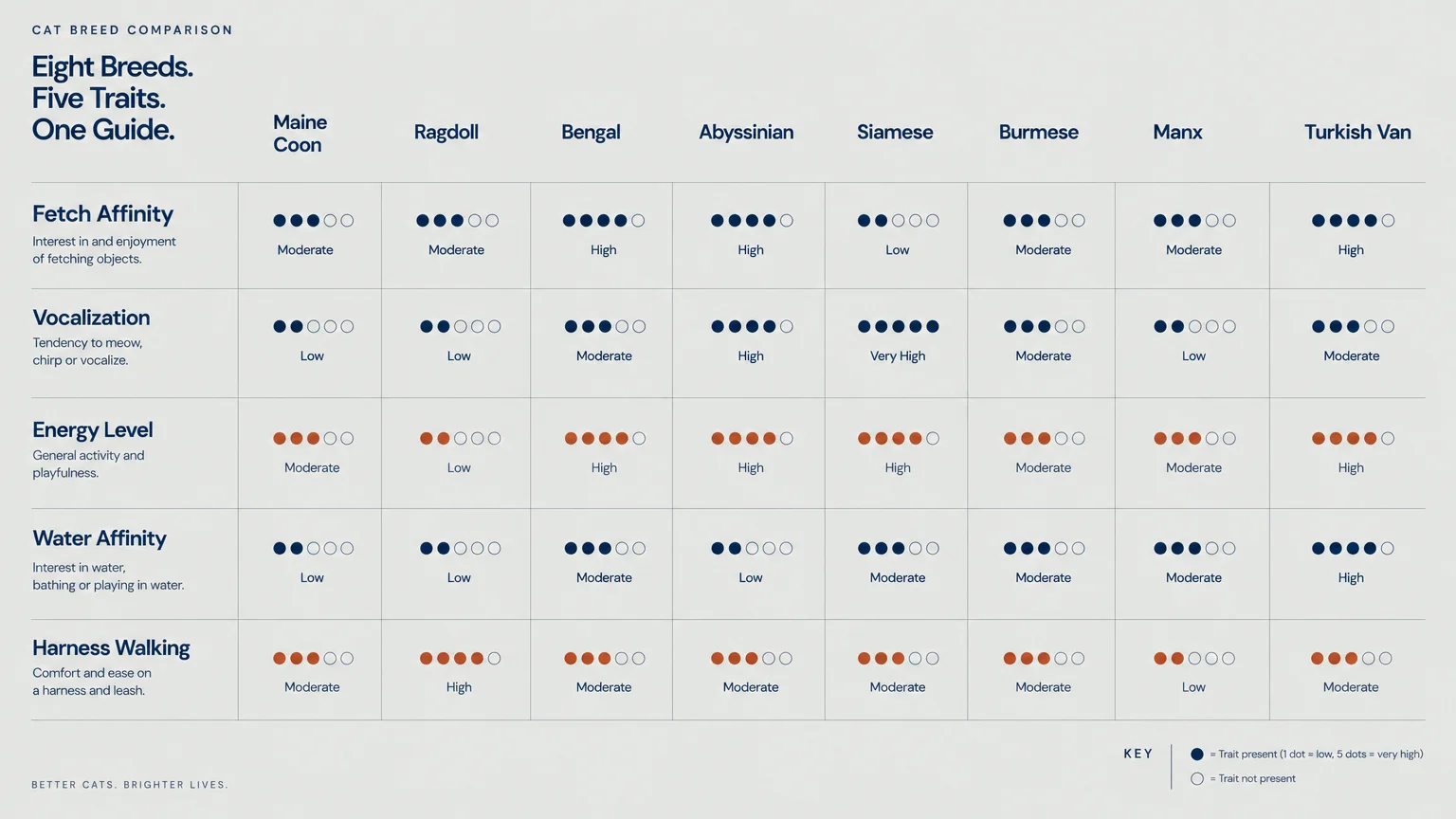
Comparing Dog-Like Cat Breeds at a Glance
| Cat Breed | Activity Level | Vocalization | Key Dog-Like Trait | Average Male Weight |
|---|---|---|---|---|
| Maine Coon | Moderate | Soft chirps and trills | Door greeting, water play | 15–25 lbs |
| Ragdoll | Low to Moderate | Quiet, gentle purrs | Floppy handling, shadowing | 12–20 lbs |
| Bengal | Very High | Loud, raspy meows | Harness walking, retrieving | 10–15 lbs |
| Abyssinian | Very High | Quiet, soft bell-like | Agility, shoulder riding | 8–12 lbs |
| Siamese | High | Extremely vocal | Constant conversation, fetch | 8–14 lbs |
| Burmese | Moderate to High | Moderate, sweet tone | Velcro lap sitting, greeting | 8–12 lbs |
| Manx | Moderate | Low, rhythmic trills | Territory guarding, burying toys | 9–13 lbs |
| Turkish Van | High | Moderate, melodic | Swimming, chasing toys | 10–18 lbs |
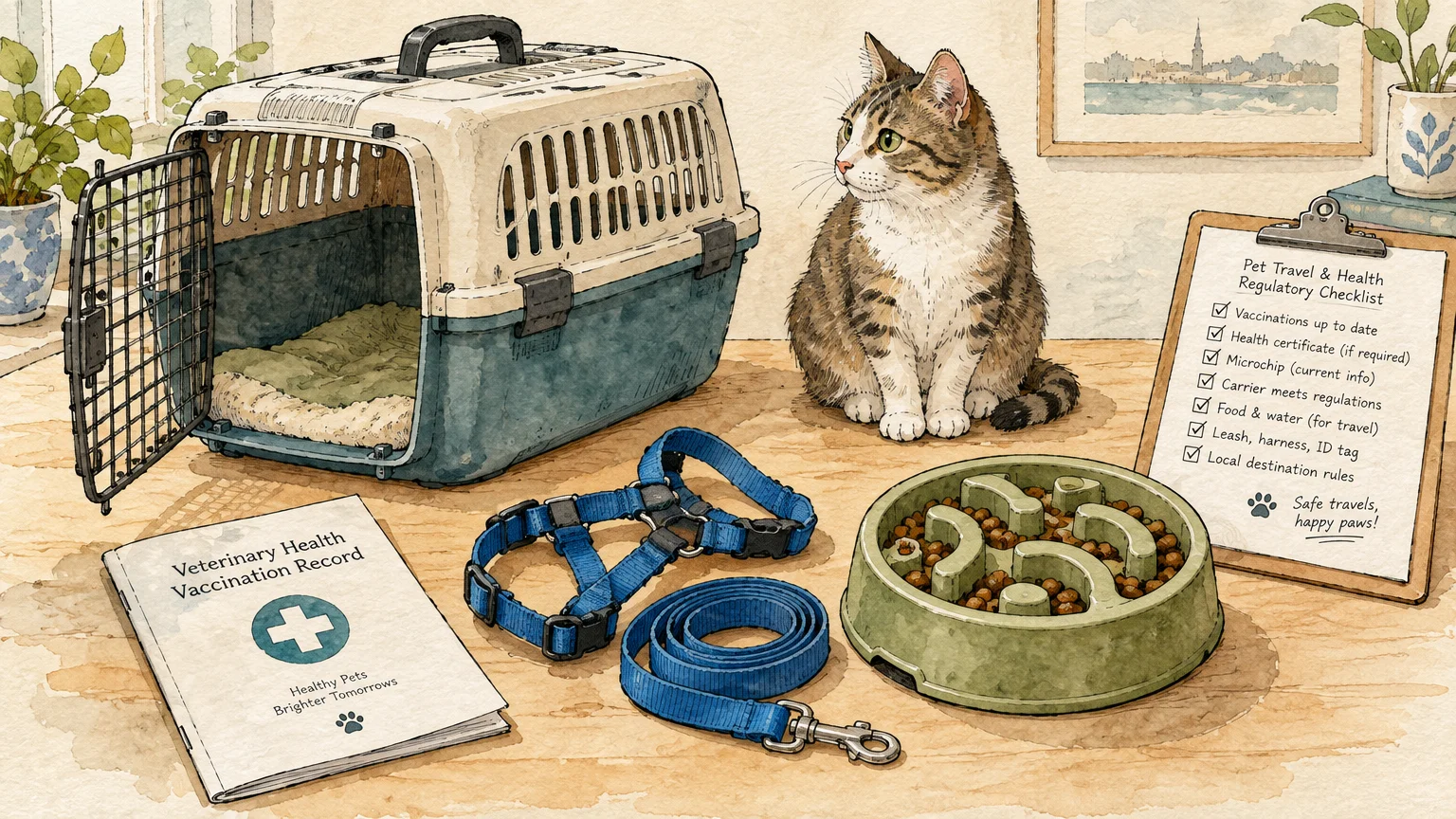
Worth Keeping in Mind: Costs, Care, and Regulations
Welcoming cat breeds like dogs into your home requires an honest assessment of your available time. Their high social intelligence means they demand far more engagement than independent, hands-off cats.
Pet-quality kittens from reputable CFA or TICA registered breeders typically range between $1,200 and $2,500. Show-quality bloodlines or rare pedigree lineages frequently reach $3,000 to $4,000 or more.
High-energy felines like Bengals and Abyssinians turn destructive when bored or isolated. If your job keeps you away all day, consider adopting a bonded pair to stave off separation anxiety.
Finally, always confirm municipal exotic pet restrictions before acquiring hybrid felines. While domestic purebreds face no legal hurdles, breeds like the Bengal remain restricted in certain cities and states.
How to Encourage Canine Behaviors in Your Cat
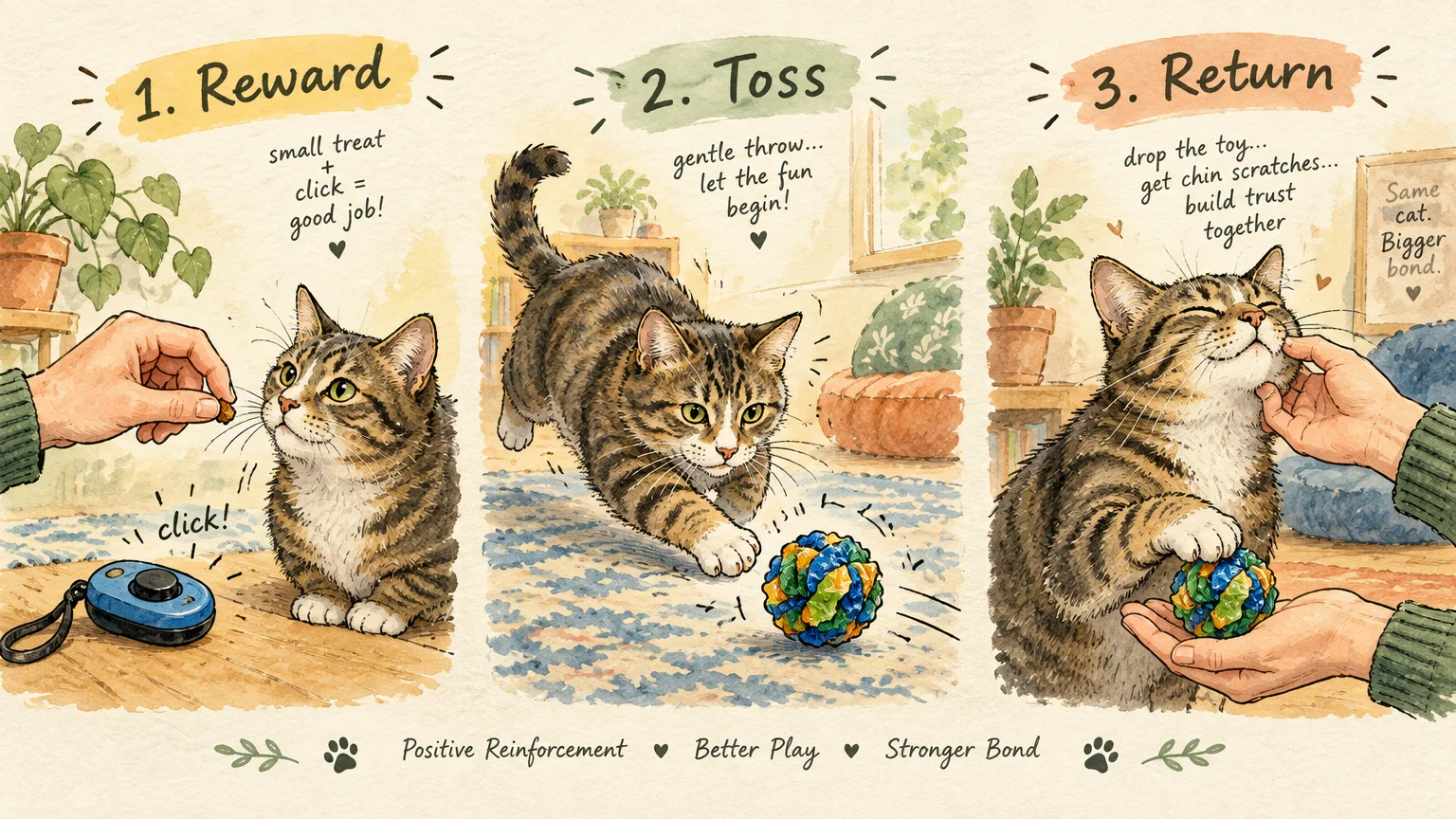
You can nurture dog-like habits in almost any curious feline by using positive reinforcement. Implementing the right training techniques early in life strengthens your interspecies bond.
- Harness Conditioning: Introduce a lightweight, escape-proof H-style harness indoors for short intervals before venturing outside into enclosed yards.
- Clicker Training: Pair a clicker sound with tasty high-value treats to teach obedience cues like sit, high-five, and stay.
- Fetch Initiation: Throw lightweight crinkle balls or wool mice across uncarpeted floors, offering praise and treats when your cat brings the toy back.
- Interactive Foraging: Replace standard food bowls with canine-style puzzle feeders to satisfy your cat’s instinctual hunting drive.
Keep training sessions under five minutes to prevent your cat from losing interest or becoming frustrated. Consistency, patience, and tasty food rewards will yield the fastest behavioral progress.
Frequently Asked Questions
Can you leash-train any cat breed?
Most kittens accept a harness with patient conditioning, but bold breeds like Bengals and Abyssinians adapt most naturally. Timid cats may find outdoor environments overwhelming regardless of breed.
Why do some cats play fetch instinctively?
Retrieving mimics a feline’s natural predatory sequence of catching prey and carrying it back to a safe base. When you throw the toy, you trigger their instinctual chase-and-carry drive.
Are dog-like cats suitable for multi-pet households?
Yes, outgoing breeds like Maine Coons, Ragdolls, and Burmese thrive alongside existing pets. Their confident temperaments make peaceful introductions with gentle resident dogs much easier.
Choosing a companion with a dog-like personality gives you affectionate loyalty alongside the convenience of indoor litter box habits. This article provides general information only.
Every reader’s situation is different—what works for others may not be the right fit for you. For personalized guidance on health, legal, or financial matters, consult a qualified professional.
Last updated: May 2026. Rules, prices, and details change—verify current information with official sources before acting on it.