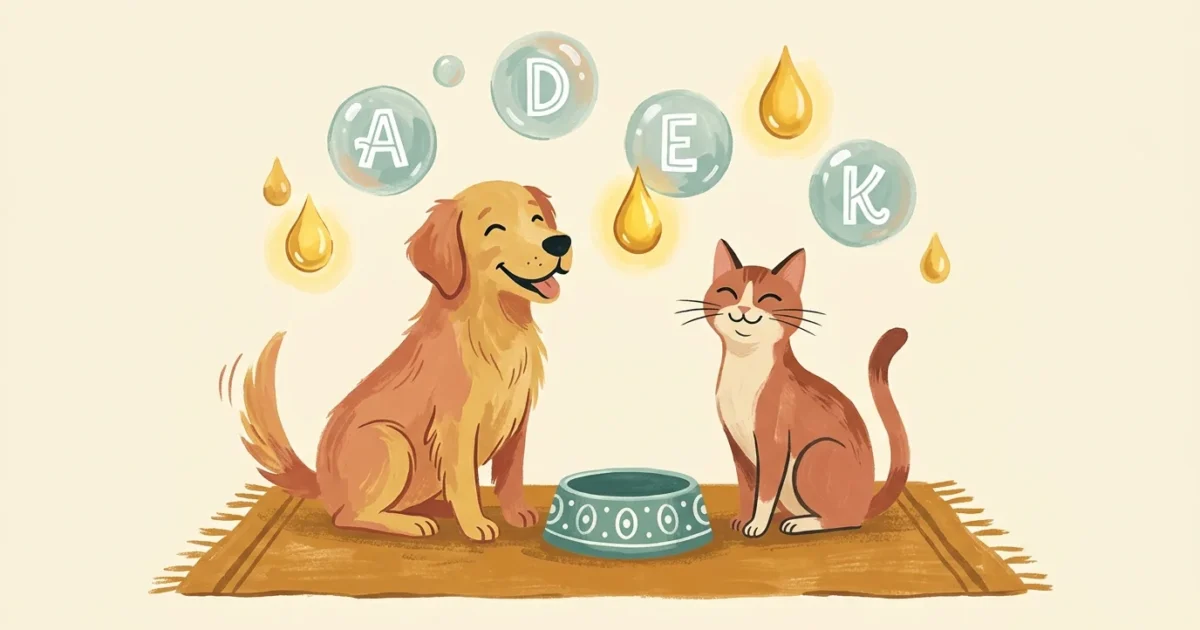
Dietary fat provides your dog or cat with essential fatty acids, supports nerve function, and carries vital vitamins like A, D, E, and K through the body. Yet finding the precise balance between too little and too much fat presents a common challenge for pet owners. When dietary fat falls out of alignment, your pet’s body sends clear physical and behavioral signals ranging from dull coats and flaky skin to gastrointestinal distress and rapid weight changes. Recognizing these warning signs allows you to fine-tune your pet’s bowl before subtle nutritional deficits or surpluses develop into chronic health issues like pancreatitis, obesity, or systemic inflammation.
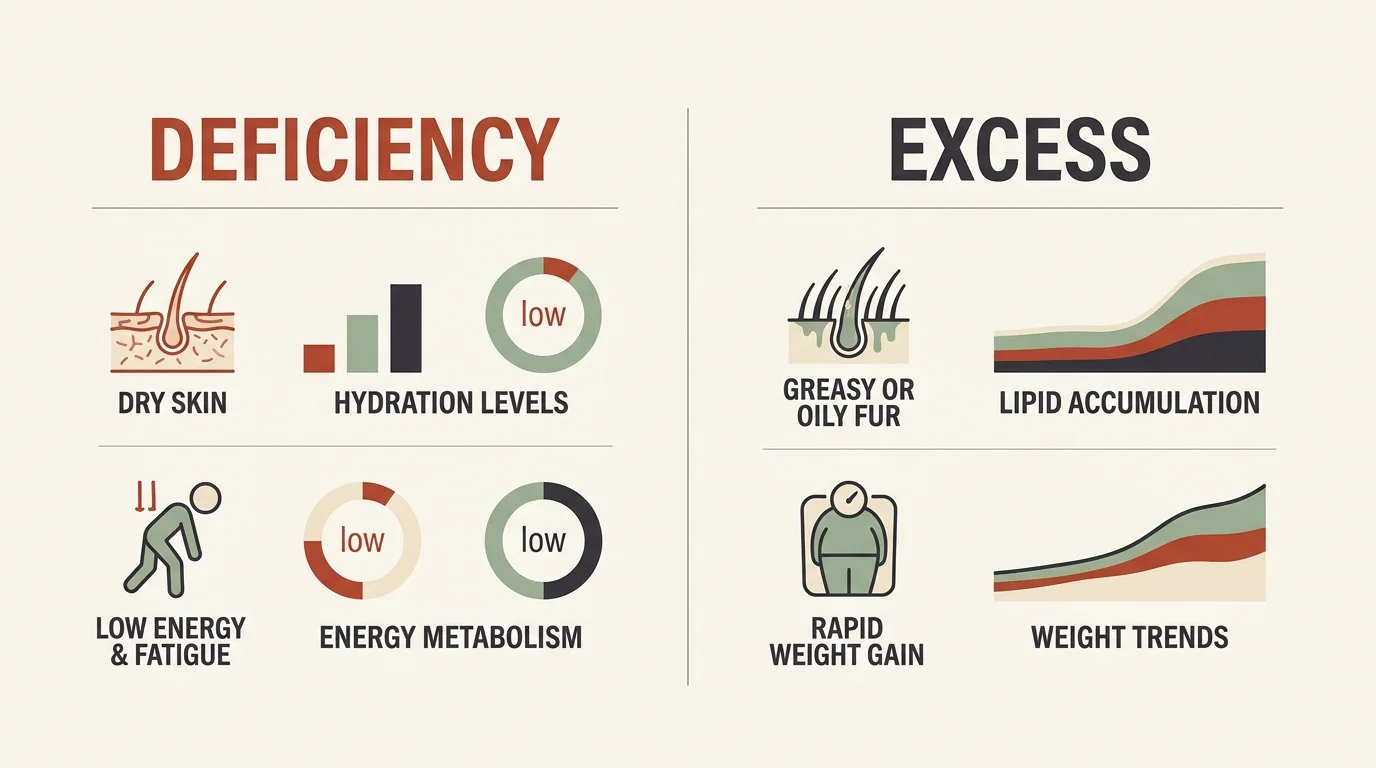
At a Glance: Key Dietary Fat Indicators
- Deficiency Signs: Dry or flaky skin, brittle hair coat, chronic skin infections, low stamina, and unexplainable weight loss.
- Excess Signs: Rapid weight gain, greasy or oil-slicked fur, soft oily stools, chronic gas, and acute vomiting or abdominal pain from pancreatitis.
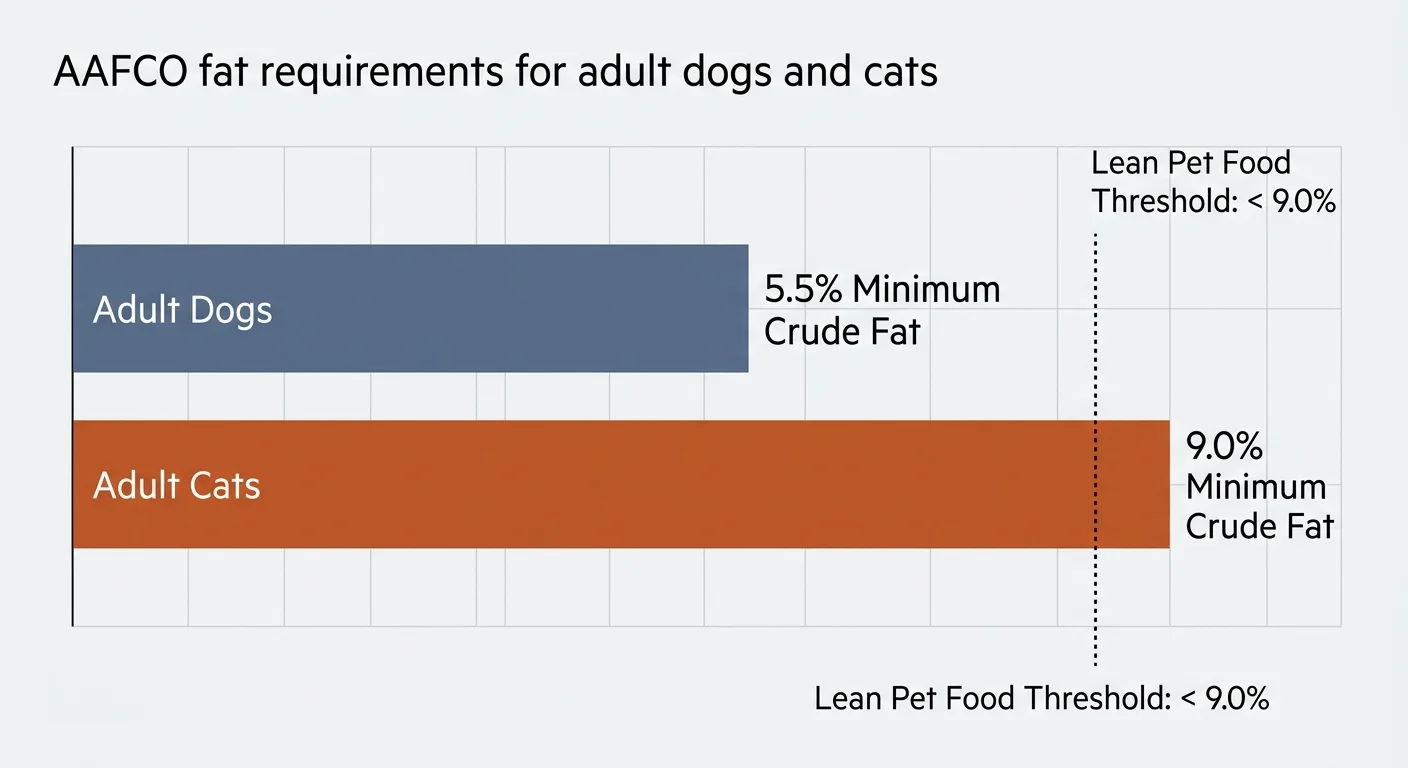
- Baseline Requirements: Adult dogs need a minimum of 5.5% crude fat on a dry-matter basis, while adult cats require at least 9.0%.
- Action Step: Adjust calories gradually and consult a veterinarian before switching to high-fat or therapeutic low-fat diets.
Understanding the Crucial Role of Fat in Pet Nutrition
Dietary fat is far more than a simple source of calories; it serves as a structural foundation for cellular life in both dogs and cats. Lipid molecules build the membrane walls of every cell in your pet’s body, insulate delicate nerve fibers, and provide the fuel that drives daily physical activity. Gram for gram, fat delivers more than twice the energy density of protein or carbohydrates—yielding approximately 8.5 to 9 kilocalories of metabolizable energy per gram compared to roughly 3.5 to 4 kilocalories provided by proteins and carbohydrates.
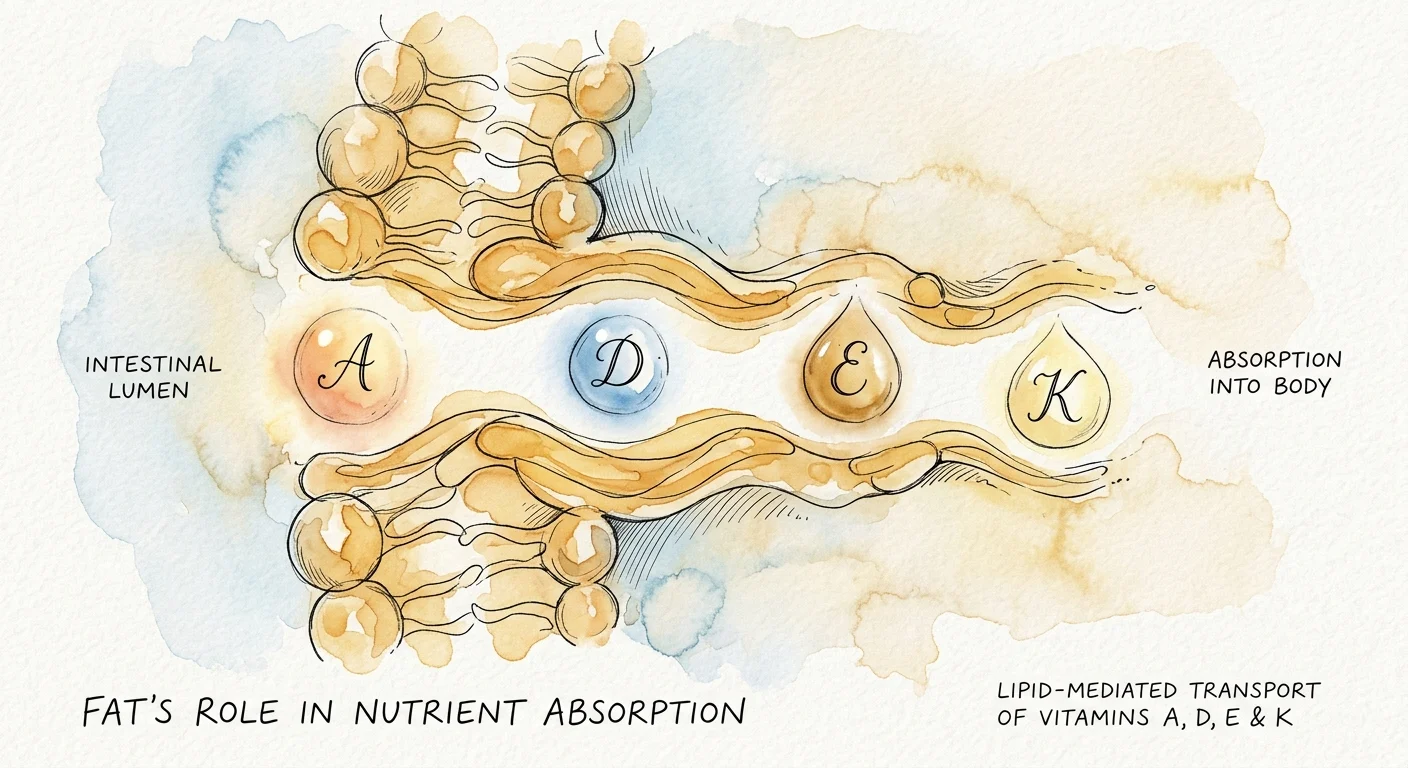
Beyond raw energy, fats carry essential fat-soluble vitamins (A, D, E, and K) across the intestinal wall. Without sufficient dietary lipids, your pet cannot absorb these critical micronutrients, regardless of how much supplement powder you add to their bowl. Furthermore, dietary fats supply essential fatty acids (EFAs) that companion animals cannot manufacture on their own. Omega-6 fatty acids, such as linoleic acid, maintain skin moisture barriers, while Omega-3 fatty acids, including EPA and DHA, regulate systemic inflammation and bolster cognitive health.
Regulatory bodies establish strict baseline safety levels for pet food manufacturers. According to standard pet food nutrient profiles established by the Association of American Feed Control Officials (AAFCO), adult dog maintenance diets require a crude fat minimum of 5.5% on a dry-matter basis, rising to 8.5% for canine growth and reproduction. Adult cats require higher concentrations—at least 9.0% crude fat across all life stages. Meanwhile, pet foods legally labeled as “lean” or “low fat” must contain less than 9.0% crude fat for dry kibble containing under 20% moisture.
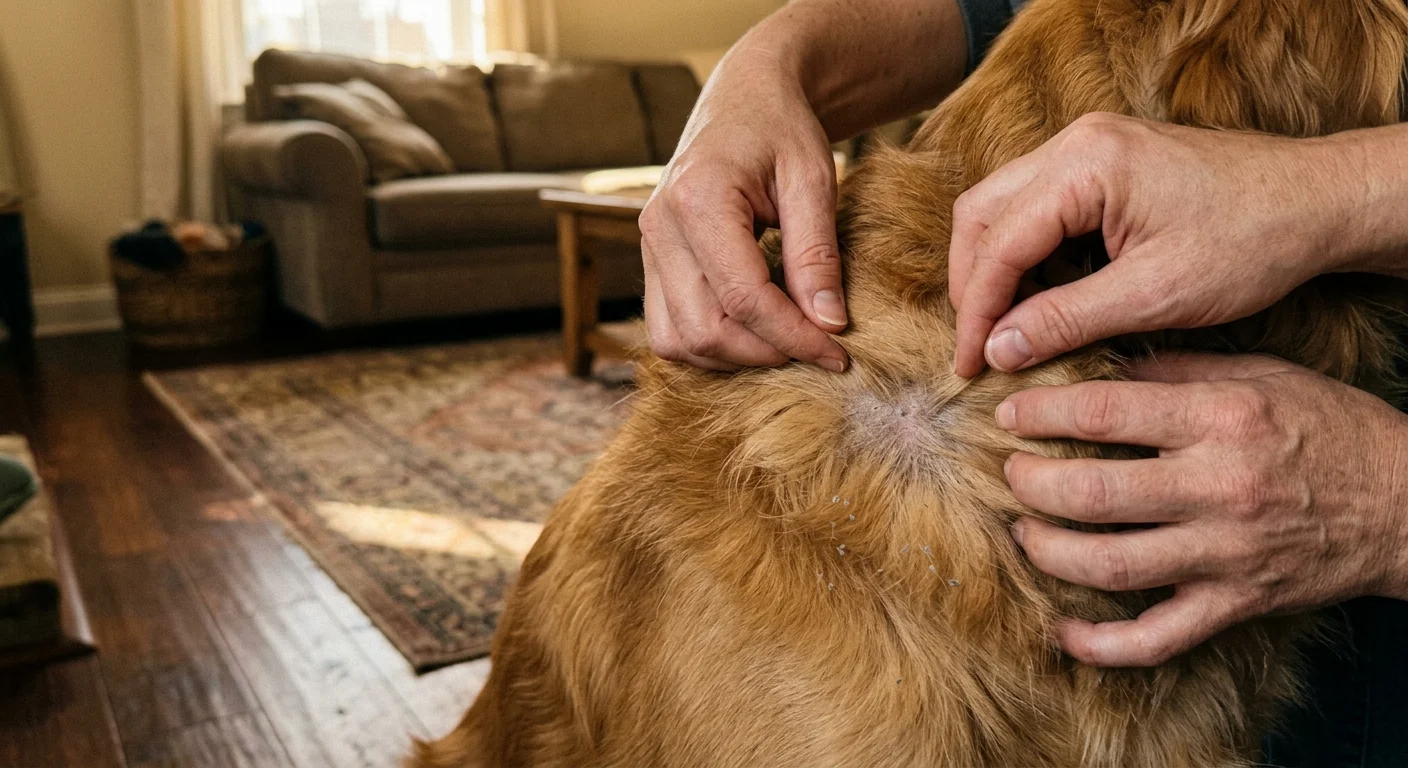
4 Warning Signs Your Pet Is Getting Too Little Fat
1. Dry, Flaky Skin and a Dull, Brittle Coat
The skin and hair coat serve as a direct mirror of your pet’s internal lipid status. Omega-6 fatty acids, specifically linoleic acid, incorporate directly into the epidermal cell layer to form a waterproof barrier known as the epidermal moisture seal. When dietary fat drops below safe levels, this barrier deteriorates rapidly. Water evaporates through the skin—a process veterinarians call transepidermal water loss—leaving the dermal layer dehydrated, itchy, and prone to severe scaling or dander.
You may observe your dog or cat shedding excessively outside of normal seasonal cycles. The guard hairs lose their natural luster, feeling coarse, dry, and brittle to the touch. In long-furred breeds, a lack of fat causes individual hair strands to split and snap easily, resulting in a thin, patchy coat that lacks natural shine.
2. Low Energy, Chronic Fatigue, and Poor Endurance
If your normally bouncy retriever or active domestic shorthair suddenly lacks enthusiasm for play, an energy-deficient diet could be the underlying culprit. Because fat serves as the primary caloric engine for baseline metabolism, pets consuming low-fat meals often operate in a continuous energy deficit. Working breeds, hunting dogs, and active outdoor pets burn through glycogen stores quickly without adequate fat to sustain steady aerobic stamina.
You might notice your dog lagging behind on routine evening walks, resting frequently during game play, or taking unusually long naps after mild exertion. In cats, fat deficiency often manifests as reduced jumping height, lack of interest in feather wands, or prolonged lethargy throughout the day.
3. Recurrent Skin Infections and Slow Wound Healing
Essential fatty acids trigger the production of specialized signaling molecules called eicosanoids, which control localized inflammatory responses and repair damaged tissues. When a diet lacks sufficient lipid building blocks, the skin’s local immune defenses weaken significantly. Minor environmental scratches or superficial flea bites transform into persistent lesions because the body cannot launch an efficient tissue repair response.
Furthermore, microscopic cracks in dry, lipid-starved skin allow opportunistic bacteria and fungi to take root. You may notice recurring bacterial pyoderma (red, inflamed skin pustules) or chronic yeast overgrowth in ear canals and paw pads. If simple scrapes take weeks to heal or skin irritations keep returning despite topical treatments, evaluate the crude fat percentage in your pet’s bowl.
4. Unintended Weight Loss and Difficulty Maintaining Muscle
When dietary fat drops too low without an equivalent increase in overall food volume, total caloric intake plummets. Your pet’s body must source energy from elsewhere to maintain core internal functions, forcing metabolism to burn stored glycogen, body fat, and eventually lean muscle tissue. This scenario frequently affects working dogs fed standard maintenance diets or shelter rescues recovering from prolonged neglect.
You will observe a noticeable drop in body condition score; individual ribs become overly prominent under the skin, the waistline tucks inward severely, and the muscular padding over the hips and spine shrinks. Without adequate dietary fat density, keeping a healthy weight on an energetic pet becomes an uphill battle.
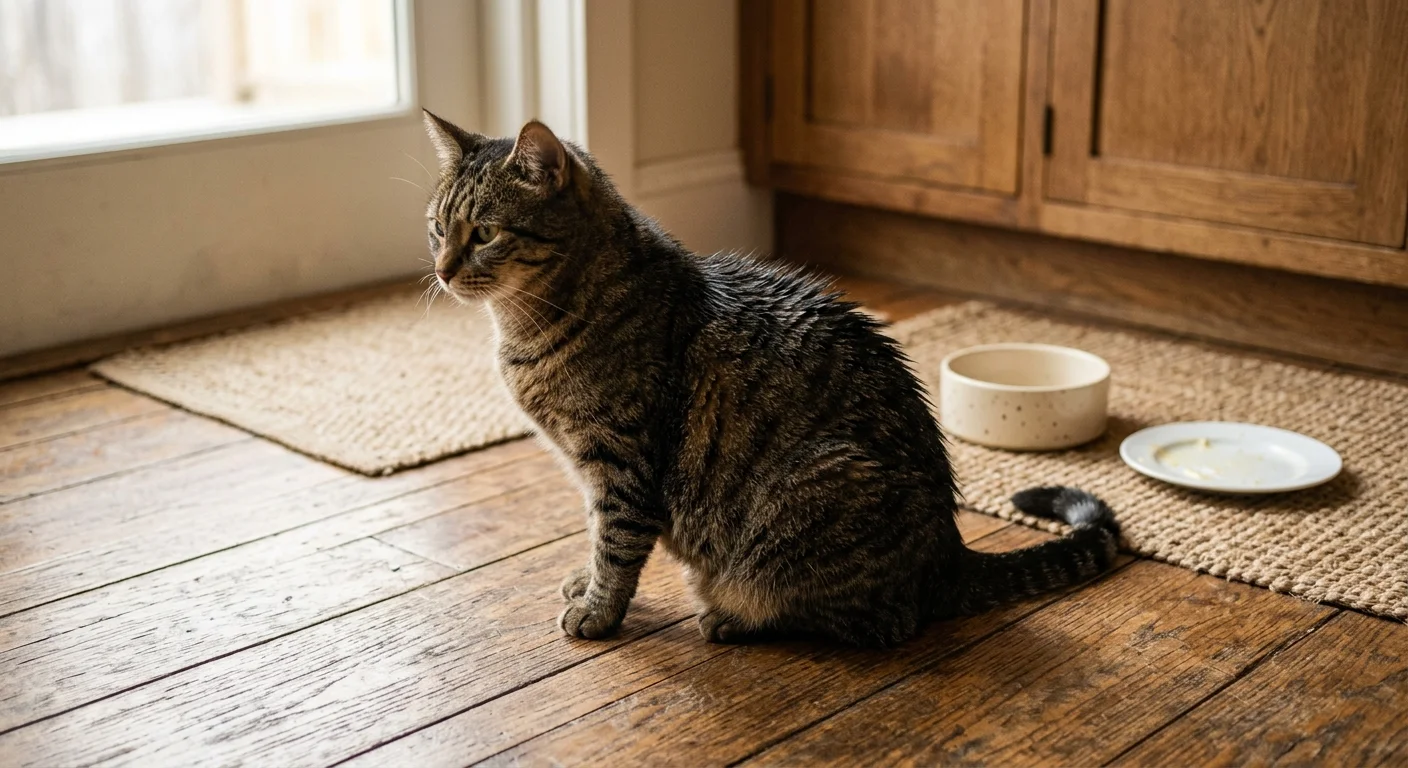
4 Warning Signs Your Pet Is Getting Too Much Fat
5. Unexplained Weight Gain and Loss of Body Condition
Because fat packs more than double the caloric density of protein or carbohydrates, adding even small portions of high-fat foods to your pet’s dish can easily trigger substantial weight gain. Extra fat calories that exceed immediate energy needs are packed away as adipose tissue beneath the skin and around abdominal organs. Clinical surveys from the Association for Pet Obesity Prevention indicate that approximately 59% of dogs and 61% of cats in the United States are currently classified as overweight or obese.
You can assess your pet’s silhouette from above and from the side. An ideal body condition displays a distinct waist behind the ribs and an abdominal tuck when viewed from the profile. If your pet’s back appears broad and flat, their ribcage is buried under a thick cushion of fat, or their belly sags toward the floor, high caloric fat intake is likely driving the excess weight.
6. Frequent Soft Stools, Greasy Diarrhea, or Gas
The mammalian digestive tract requires precise enzymatic coordination to process dietary lipids. Liver bile emulsifies ingested fat particles, while pancreatic lipase enzymes break down lipids so the small intestine can absorb them. When meal fat content overwhelms these digestive capabilities, unabsorbed fats pass directly into the large intestine.
Colonic bacteria ferment these residual fats, pulling excess water into the bowel lumen and producing excess intestinal gas. This results in steatorrhea—a form of diarrhea characterized by soft, pale, foul-smelling, or slick, greasy stools. If you notice your pet producing soft, glossy stools that adhere stubbornly to lawn grass or litter boxes, their food likely contains more fat than their digestive tract can manage.
7. Acute Vomiting, Abdominal Pain, and Severe Lethargy (Pancreatitis)
A sudden influx of dietary fat—such as table scraps, grease drippings, or high-fat human foods—can trigger acute inflammation of the pancreas. High lipid concentrations stimulate the pancreas to overproduce digestive enzymes. In severe cases, these proenzymes activate prematurely inside the pancreatic tissue itself, causing autodigestion, intense swelling, and localized tissue destruction.
Pancreatitis symptoms develop rapidly and demand immediate medical intervention. Affected pets display repeated, forceful bilious vomiting, complete loss of appetite, and extreme pain in the upper abdomen. Dogs often assume the classic “prayer position,” resting their front legs flat on the floor while keeping their hindquarters raised to relieve pressure on the pancreas. Expert emergency clinical guidance from VCA Animal Hospitals highlights that acute pancreatitis represents a serious medical crisis requiring rapid stabilization, intravenous fluids, and targeted pain control.
8. Greasy Haircoat, Excess Sebum, and Rancid Skin Odors
While fat deficiency starves the skin of hydration, excess fat intake—particularly low-quality saturated fats—can overstimulate the sebaceous glands. These microscopic glands open into hair follicles and secrete oily sebum to coat the skin. When dietary fats saturate internal pathways, sebaceous glands overproduce heavy oils, resulting in an unpleasantly greasy coat.
When you run your hands along your pet’s back, your fingers may feel sticky or oily, leaving a distinct lipid residue behind. Excess sebum clogs hair follicles, generating blackheads (comedones) and localized skin irritation. As naturally occurring skin yeast and bacteria oxidize these excess surface lipids, your pet may develop a persistent, sour, or rancid odor that lingers shortly after bath time.
Dietary Fat Balance Comparison Table
Use this convenient reference table to contrast physical indicators, biological mechanisms, and target fat ranges for companion animals.
| Parameter | Too Little Fat (Deficiency) | Too Much Fat (Surplus) |
|---|---|---|
| Coat & Skin Appearance | Dry, flaky skin, severe dander, dull, brittle coat, split ends | Greasy haircoat, sticky skin texture, clogged pores, rancid odor |
| Digestive Output | Small, hard, dry, or infrequent stools | Soft, pale, glossy stools, greasy diarrhea, foul gas |
| Body Condition | Unintended weight loss, muscle wasting, prominent bones | Obesity, lost waistline, thick fat layer over ribs |
| Energy Levels | Lethargy, rapid fatigue during play, slow post-exercise recovery | Reluctance to move due to extra body mass or abdominal pain |
| Primary Health Risks | Skin barrier breakdown, vitamin deficiencies (A, D, E, K) | Acute pancreatitis, hepatic lipidosis (cats), metabolic strain |
| Dry-Matter Fat Guidelines | Below 5.5% (dogs) or 9.0% (cats) on dry-matter basis | Excessive calories exceeding daily energetic requirements |
The Bigger Picture: Evolutionary Differences Between Dogs and Cats
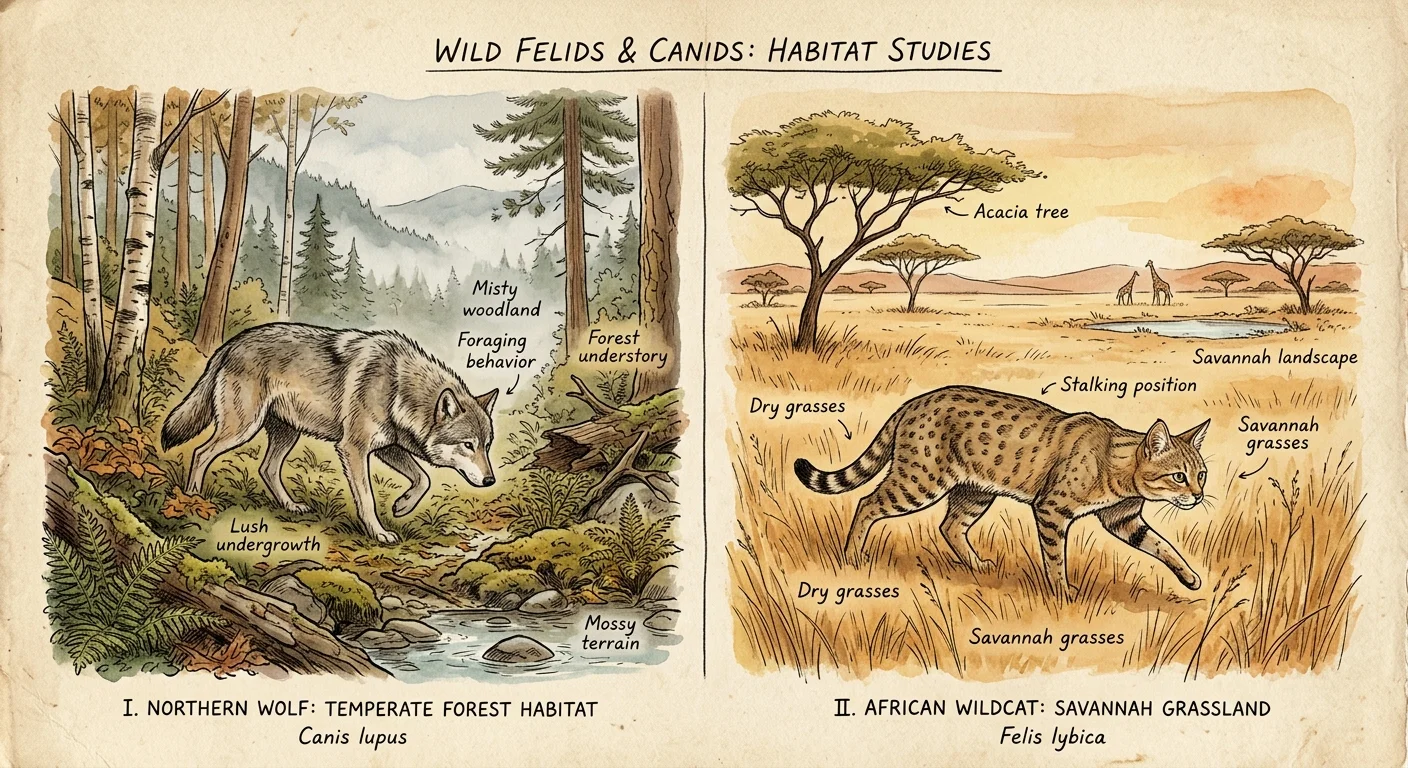
Understanding dietary fat requirements requires looking at the divergent evolutionary paths of dogs and cats. While both species rely on lipids for survival, their physiological capacities to synthesize and process distinct fatty acids differ significantly.
Cats are strict obligate carnivores. Throughout evolutionary history, feline ancestors consumed whole prey species composed almost entirely of protein, water, and animal fats. As a result, cats lost the metabolic ability to synthesize certain essential fatty acids from plant precursors. For example, cats lack adequate levels of the liver enzyme delta-6 desaturase, making them unable to convert plant-derived linoleic acid into arachidonic acid. Arachidonic acid plays a fundamental role in blood clotting, vascular tone, and reproductive health, meaning cats MUST consume preformed arachidonic acid found exclusively in animal fats.
Dogs, by contrast, evolved as facultative carnivores—adaptive omnivores with metabolic pathways flexible enough to utilize plant-based fats efficiently. Dogs can convert linoleic acid into arachidonic acid readily in the liver. However, active canine breeds retain incredible capacity for fat oxidation. During prolonged low-intensity endurance exercise, canine muscle cells burn fatty acids for up to 80% or more of their total energy demands, making dietary fat management essential for active sporting and working dogs.
Worth Keeping in Mind: Common Dietary Traps and Mistakes
Maintaining proper dietary fat balance involves avoiding subtle feeding traps that catch even experienced pet owners off guard:
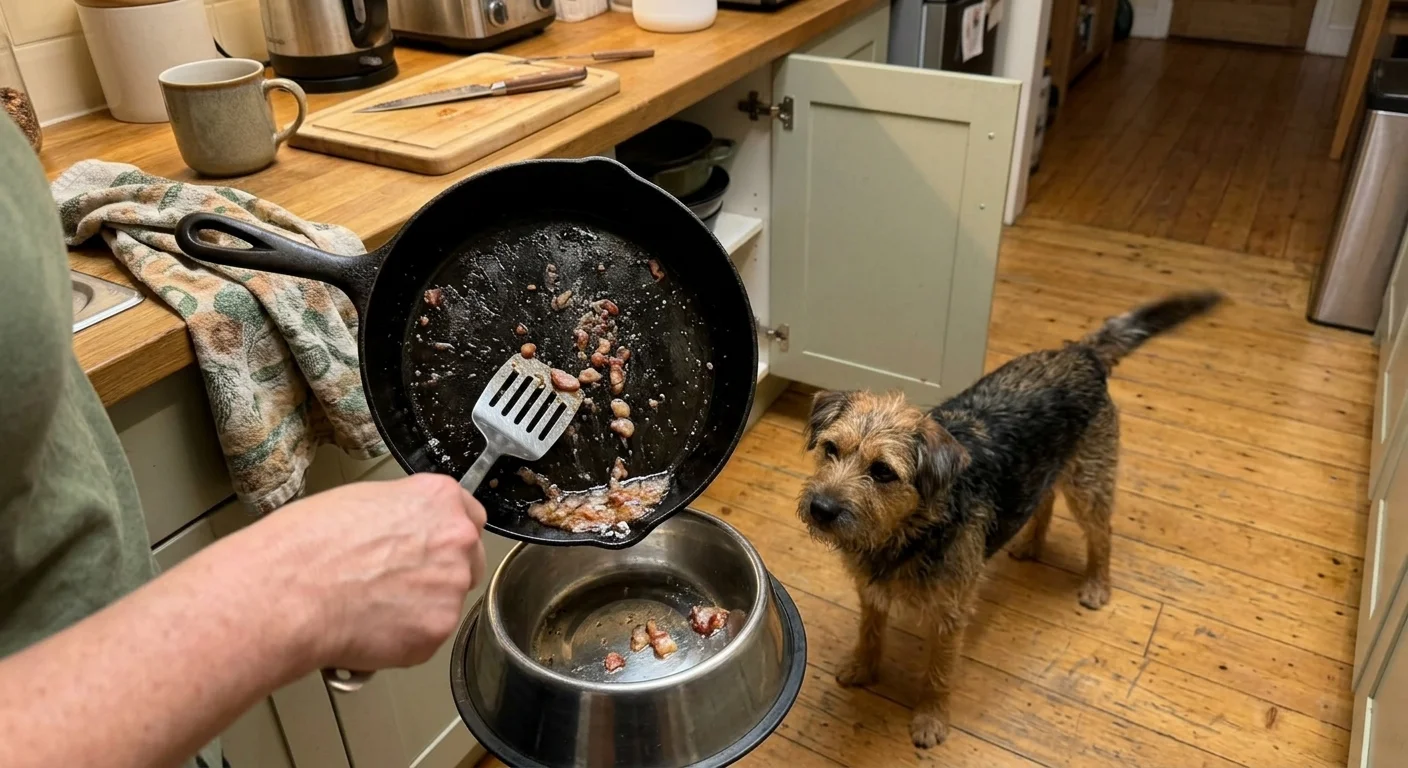
- The High-Fat Treat Trap: Feeding human foods like bacon, butter, cheese, or meat trimmings adds concentrated fat calories without providing balanced nutrients. Small breeds like Miniature Schnauzers and Yorkshire Terriers possess inherent metabolic vulnerabilities that make them highly susceptible to hyperlipidemia and acute pancreatitis from even small human food treats.
- Miscalculating Guaranteed Analysis Percentages: Comparing fat levels across dry kibble and wet canned food requires converting “as-fed” package percentages to a dry-matter basis. A canned food listing 4.0% crude fat with 78% moisture actually contains approximately 18% crude fat on a dry-matter basis (4 divided by 0.22). Nutrition specialists at Tufts Cummings School Petfoodology caution that ignoring moisture variations leads to significant calculation errors when selecting diet formulas.
- Over-Supplementing Fish Oil: While Omega-3 fatty acid supplements offer excellent anti-inflammatory benefits, adding pump after pump of fish oil to pre-balanced commercial food can introduce hundreds of unmeasured fat calories. Furthermore, heavy Omega-3 supplementation without elevated Vitamin E antioxidants can induce oxidative stress or alter normal blood clotting times.
- Abrupt Diet Transitions: Switching a pet overnight from a low-fat prescription diet (e.g., 7% crude fat) to a rich, high-fat performance food (e.g., 20% crude fat) overloads pancreatic enzyme production, often causing immediate vomiting, abdominal distress, or severe diarrhea.
When to Get Professional Help
While mild coat dryness or slight weight changes can often be addressed by making gradual dietary shifts, certain clinical warning signs demand immediate veterinary assistance:
- Suspected Pancreatitis: Persistent vomiting, arching back in pain, severe abdominal sensitivity, refusal to eat, or sudden lethargy requires immediate emergency evaluation.
- Unexplained Rapid Weight Loss: If your pet loses weight quickly despite eating normal food portions, consult a veterinarian immediately to rule out metabolic conditions such as diabetes mellitus, exocrine pancreatic insufficiency (EPI), or hyperthyroidism.
- Persistent Skin Lesions and Hair Loss: Chronic skin redness, foul odors, patchy hair loss, or open sores that fail to resolve after four to six weeks of dietary adjustments warrant full dermatological diagnostics, including skin scrapings and allergy testing.
- Custom Diet Formulation: If you choose to prepare home-cooked, raw, or specialized therapeutic diets for your pet, collaborate directly with a board-certified veterinary nutritionist to ensure proper balance of essential fatty acids, amino acids, and micronutrients.
Frequently Asked Questions
What percentage of fat should be in my dog’s food?
According to AAFCO guidelines, adult dogs require a minimum crude fat level of 5.5% on a dry-matter basis, while growing puppies and nursing mothers require at least 8.5%. Highly active working dogs may thrive on diets containing 15% to 20% fat to sustain high daily energy expenditure.
Can cats eat low-fat pet food?
Cats require higher dietary fat levels than dogs because they rely heavily on animal fats for essential fatty acids like arachidonic acid. AAFCO requires a minimum of 9.0% crude fat for cats on a dry-matter basis; feeding a cat less fat than this can lead to serious nutrient deficiencies unless specifically managed under strict veterinary supervision.
How long does it take for a pet’s coat to improve after adjusting dietary fat?
Skin cell turnover and hair follicle regeneration take time. After correcting a dietary fat imbalance or adding essential fatty acid supplements, you should notice improvements in skin hydration, reduced flaking, and improved coat shine within 4 to 8 weeks.
Does feeding high-fat food cause pancreatitis in all pets?
While high dietary fat is a well-known trigger for acute pancreatitis—especially in dogs—not every pet reacts the same way. Breeds like Miniature Schnauzers, Yorkshire Terriers, and pets with pre-existing metabolic conditions face a significantly higher risk of lipid-induced pancreatic inflammation than others.
Balancing Your Pet’s Nutrition
Monitoring dietary fat balance provides a powerful tool for supporting your pet’s long-term health, vitality, and longevity. By observing subtle changes in skin texture, coat luster, energy levels, stool consistency, and weight retention, you can identify fat deficits or surpluses before they evolve into significant clinical conditions. When making nutritional adjustments, introduce new foods slowly over 7 to 10 days, and evaluate guaranteed nutrient analyses on a dry-matter basis to ensure your pet receives optimal lipid levels tailored to their species, age, and activity level.
The information here is meant for educational purposes. Specific circumstances—including health conditions, finances, location, and goals—may require different approaches. When in doubt, consult a licensed professional or check official sources directly.
Last updated: May 2026. Rules, prices, and details change—verify current information with official sources before acting on it.