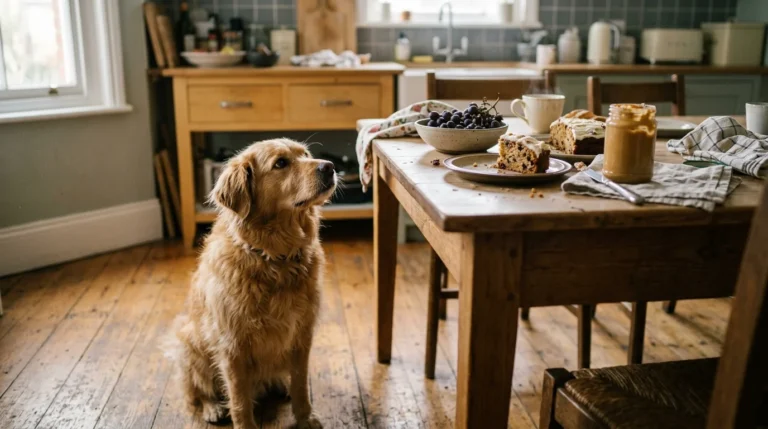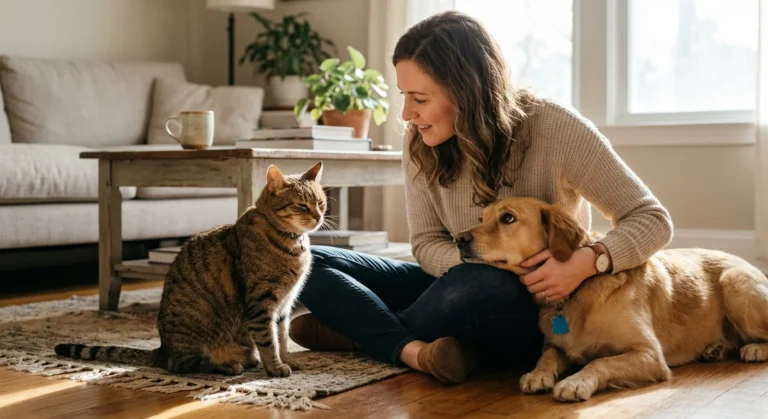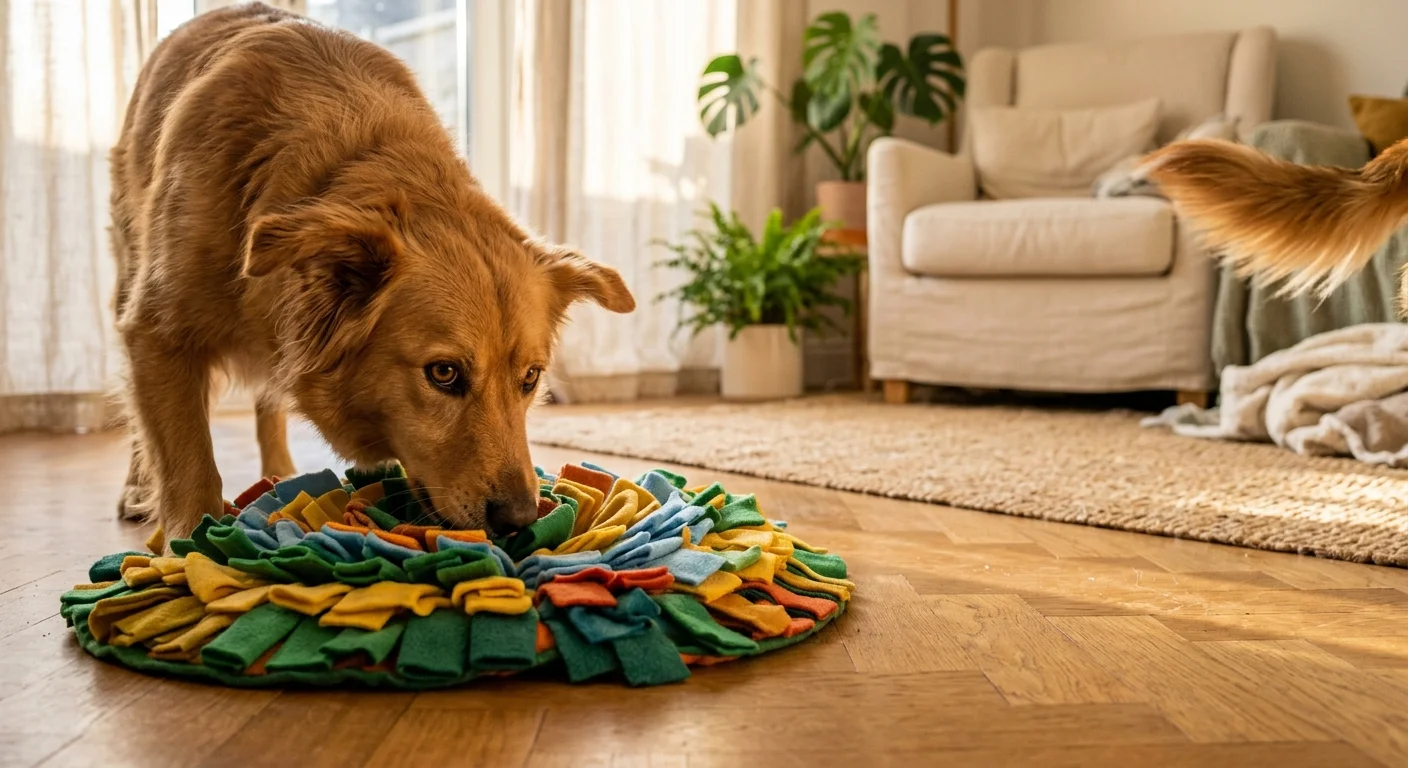
Restless pets often create their own chaos when stuck inside, leading to chewed shoes, scratched doors, or shredded couch cushions. You can quickly redirect that pent-up energy into engaging mental workouts right in your living room.
Indoor games for pets tap into natural hunting, sniffing, and foraging instincts. In fact, focused brain games can tire an animal out faster than a simple physical walk around the block.
These twelve practical indoor pet enrichment ideas offer simple, reliable ways to keep your dogs and cats active, calm, and mentally satisfied all year long.
Why Indoor Enrichment Matters for Pet Health
Wild ancestors of dogs and cats spent their waking hours hunting, exploring territories, and solving complex survival problems. Modern indoor pets receive regular meals and shelter, but removing those natural challenges can lead to chronic boredom.
The American Veterinary Medical Association emphasizes that environmental enrichment prevents behavioral issues and enhances long-term animal welfare. Regular mental exercise burns excess dopamine and reduces cortisol levels.
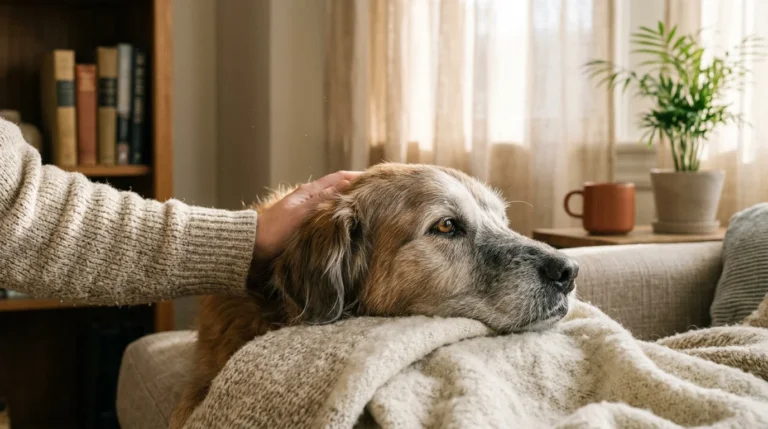
Routine cognitive stimulation also preserves brain plasticity as pets age. Working through puzzles helps delay the onset of cognitive dysfunction in senior dogs and cats.
12 Practical Indoor Enrichment Ideas
1. Scent Work and Snuffle Mats
Snuffle mats mimic natural foraging behaviors by hiding dry food among dense fabric strips. Canine and feline noses contain millions of sensory receptors that activate during targeted sniffing.
You can buy a durable fleece mat or roll kibble tightly inside a folded bath towel. Start with food resting on top before tucking it deep into the folds.
2. Interactive Puzzle Feeders and Rolling Dispensers
Ditching standard food bowls in favor of puzzle feeders turns daily meals into stimulating problem-solving sessions. Working for meals prevents gulping and slows down digestion.
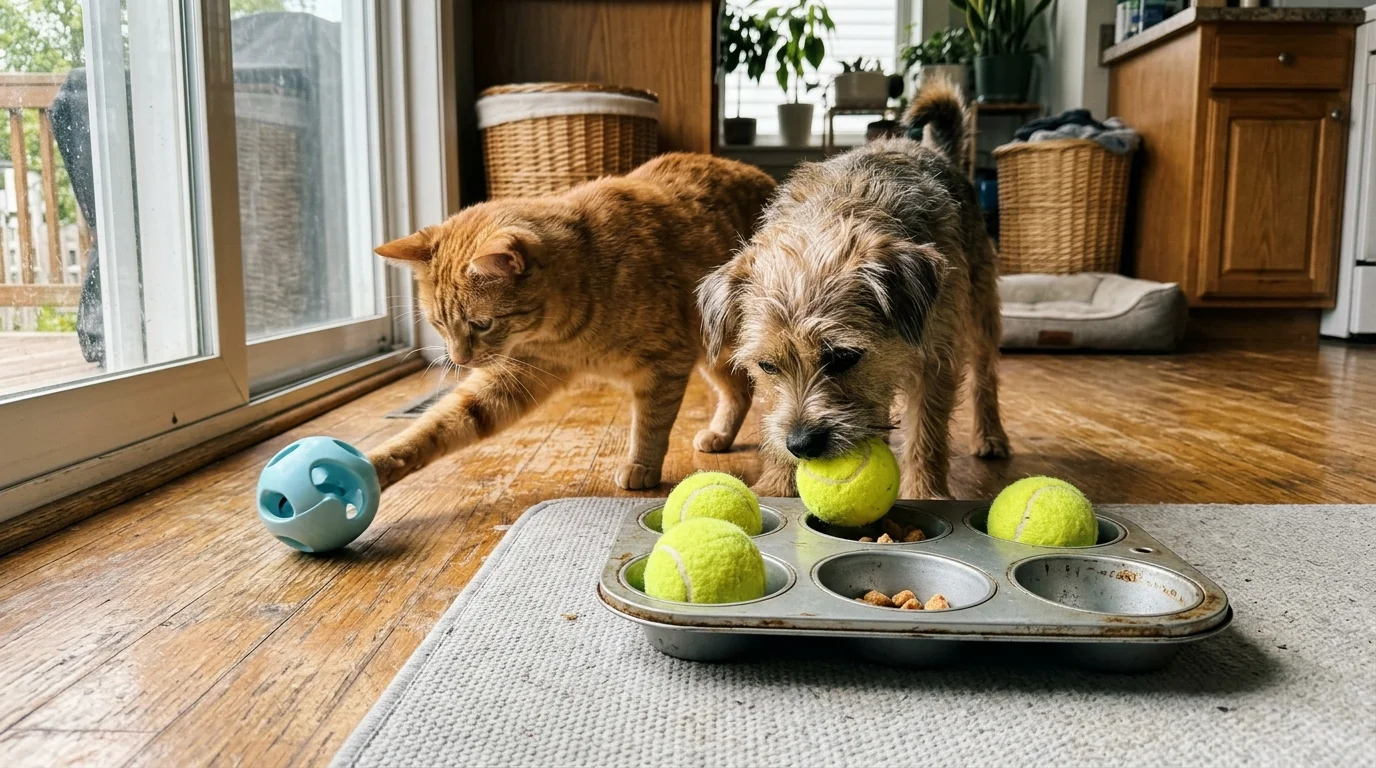
According to the ASPCA, interactive feeding toys reduce household destruction by keeping energetic jaws and paws occupied. Try sliding-tile boards or treat-dispensing wobble balls.
Rotate different puzzle designs every few days to keep the cognitive challenge fresh.
3. Living Room Agility and Obstacle Courses
You do not need a massive backyard to run an active agility course. Living room obstacles build confidence and improve motor coordination.
Arrange sofa cushions, open cardboard boxes, and broomsticks balanced across low books. Guide your dog or cat through the track using a high-value treat or target stick.
4. Flirt Poles and Wand Toys
A flirt pole works like an oversized cat wand, using a lure attached to a flexible cord. It stimulates predatory chase drives across a carpeted floor.
Practice impulse-control commands like “wait” and “drop it” during the chase. Always let your pet catch the lure periodically so they do not build frustration.
5. The DIY Muffin Tin Brain Teaser
You can build an engaging puzzle in seconds using an ordinary twelve-cup muffin tin and tennis balls. Drop aromatic treats into several cups, then cover every opening with a ball.
Your pet must use their nose and paws to remove each obstacle and retrieve the reward. For smaller pets, swap tennis balls for lightweight plastic cups.
6. Window Perches with Outdoor Wildlife Feeders
Visual enrichment provides hours of passive mental stimulation for indoor-only animals. Installing a window bird feeder creates dynamic, real-time entertainment.
Clear a wide sill or install a sturdy window hammock where your pet can rest comfortably. Safe observation satisfies natural stalking impulses without endangering local wildlife.
Research from the Humane Society of the United States highlights window perches as an ideal way to expand an indoor pet’s sensory world.
7. Frozen Treat Toys and Textured Lick Mats
Repetitive licking releases soothing endorphins in both dogs and cats. This calming mechanism lowers arousal and helps anxious animals settle down.
Spread wet food, pureed pumpkin, or plain yogurt onto a silicone lick mat. Freeze the mat for two hours to extend the activity into a long-lasting project.
8. Micro-Sessions of Positive Clicker Training
Ten minutes of focused learning taxes your pet’s brain more than an hour of casual wandering. Clicker training teaches new cues through clear, positive reinforcement.
Break every new trick into tiny, achievable steps to build momentum. Try teaching practical indoor skills like targeting your palm, spinning in a circle, or touching a bell.
9. Multi-Room Hide-and-Seek
Hide-and-seek combines scent detection, auditory tracking, and quick physical movement. It strengthens your bond while reinforcing reliable recall habits.
Have your pet wait in one room while you conceal yourself behind a door or piece of furniture. Call their name once and reward them enthusiastically when they find you.
10. Cardboard Box Destruction and Foraging Castles
Empty shipping boxes make outstanding, cost-free enrichment tools. Cutting holes into nested boxes creates an exciting exploration maze for cats and small pets.
For dogs that love shredding, wrap kibble inside plain packing paper and pack it into a taped box. Tearing the cardboard safely redirects destructive chewing instincts.
11. Auditory Enrichment and Pet Soundscapes
Sound plays a vital role in keeping indoor living spaces serene. Calming soundscapes mask unpredictable outside noises like traffic and construction.
Play classical music, soft reggae, or recorded nature sounds featuring gentle bird calls. Keep the volume low to accommodate sensitive canine and feline hearing.
12. Chasing Pet-Safe Bubbles
Floating bubbles stimulate visual tracking and pouncing behaviors. Pets love chasing the drifting spheres as they float across the room.
Use specially formulated, non-toxic pet bubbles infused with catnip or savory scents. Always wipe hard floors afterward to prevent slippery surfaces.
Matching Enrichment Activities to Your Pet’s Energy Level
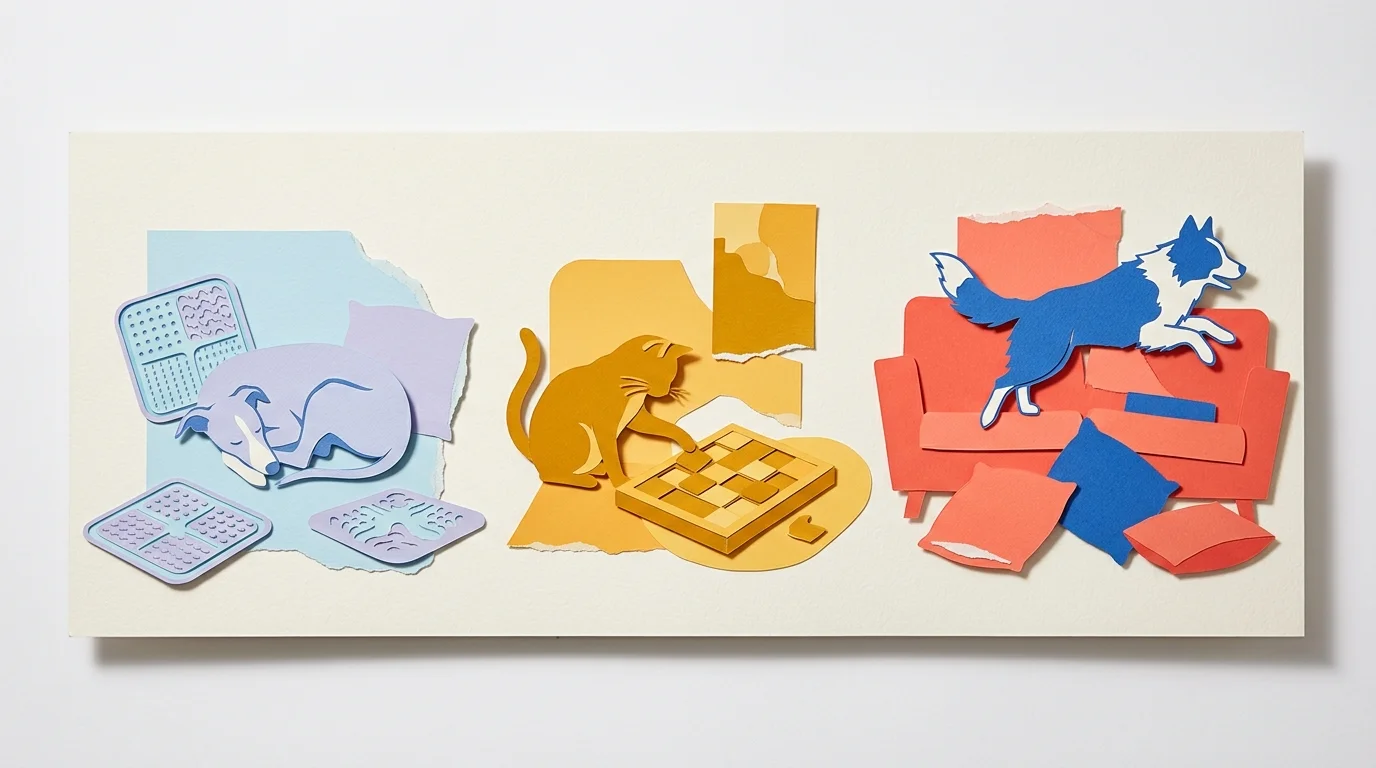
| Enrichment Activity | Best For | Energy Level | Setup Time | Primary Benefit |
|---|---|---|---|---|
| Snuffle Mats | Dogs, Cats, Ferrets | Low to Moderate | 2 Minutes | Olfactory focus |
| Puzzle Feeders | All Pets | Low | 1 Minute | Cognitive challenge |
| Living Room Agility | High-Energy Pets | High | 5 to 10 Minutes | Physical coordination |
| Flirt Pole Play | Prey-Driven Animals | High | 1 Minute | Speed and impulse control |
| Frozen Lick Mats | Anxious or Hyper Pets | Very Low | 5 Min (plus freezing) | Calming endorphin release |
| Cardboard Castles | Curious Cats & Chewers | Moderate | 5 Minutes | Safe destructive outlet |
Things to Watch Out For
Enriching your pet’s indoor environment is rewarding, but safety requires proactive supervision. Keep these common pitfalls in mind during play sessions.
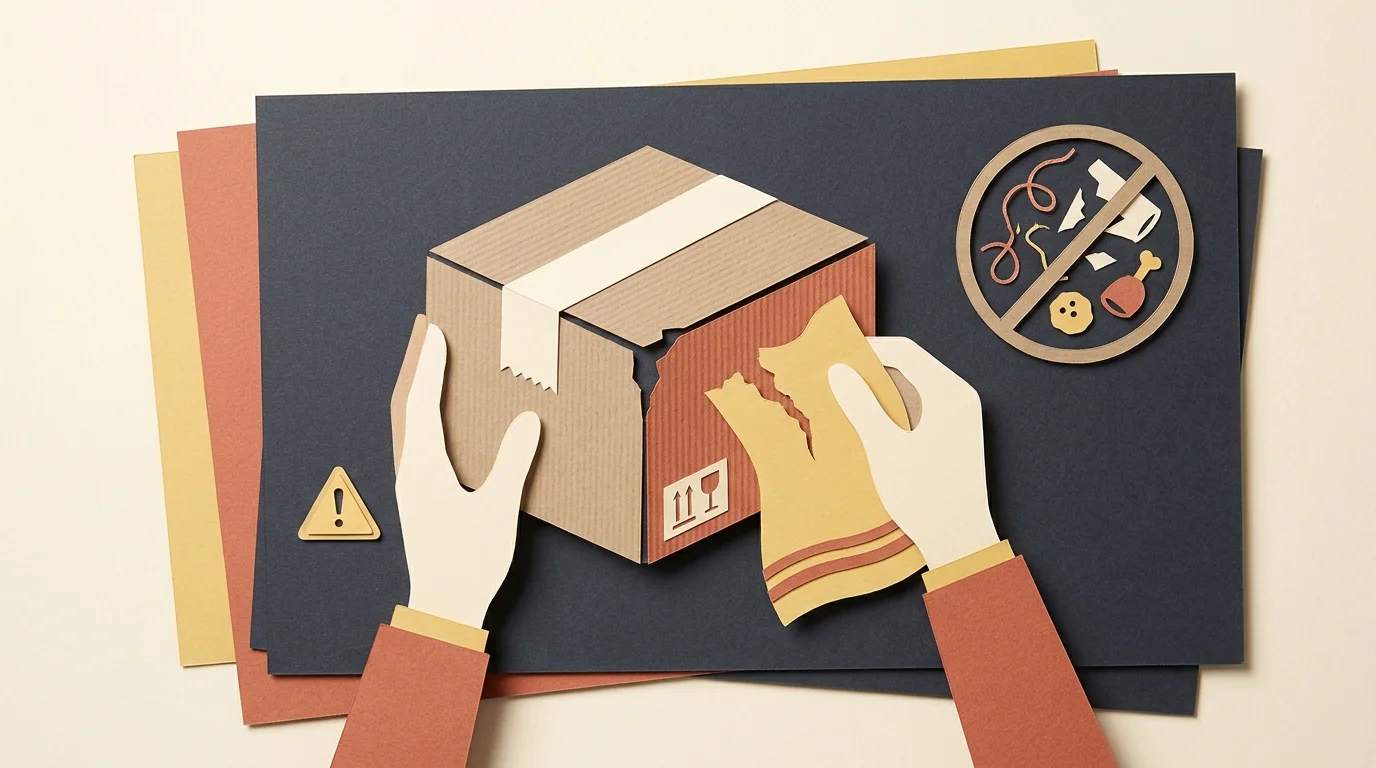
- Ingestion Hazards: Watch eager chewers closely around cardboard, paper, and fabric toys to prevent accidental swallowing and intestinal blockages.
- Calorie Overload: Deduct enrichment treats from your pet’s daily food allowance to prevent unwanted weight gain over time.
- Toy Frustration: If a puzzle proves too difficult, lower the challenge immediately so your pet stays confident and engaged.
- Slick Flooring: Place non-slip rugs over hardwood or tile floors before starting fast-paced running and jumping games.
When DIY Isn’t Enough
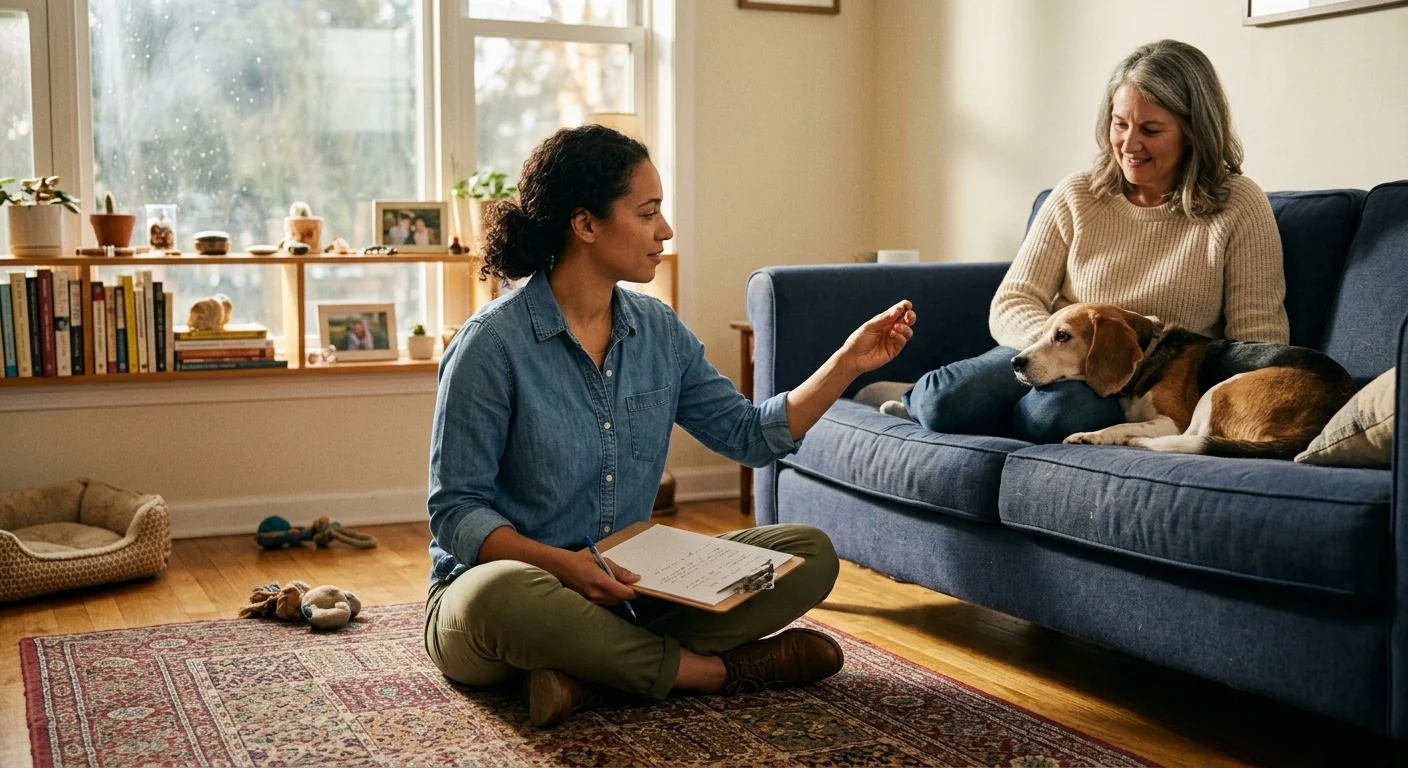
Indoor games solve ordinary boredom, but chronic behavioral struggles require specialized care. Watch for warning signs that point toward deeper issues.
Compulsive behaviors like constant tail-chasing, flank-sucking, or over-grooming bare skin patches indicate severe anxiety rather than simple understimulation.
Severe panic, destructive escape attempts, or relentless vocalization when left alone point to clinical separation anxiety. These situations require tailored desensitization plans.
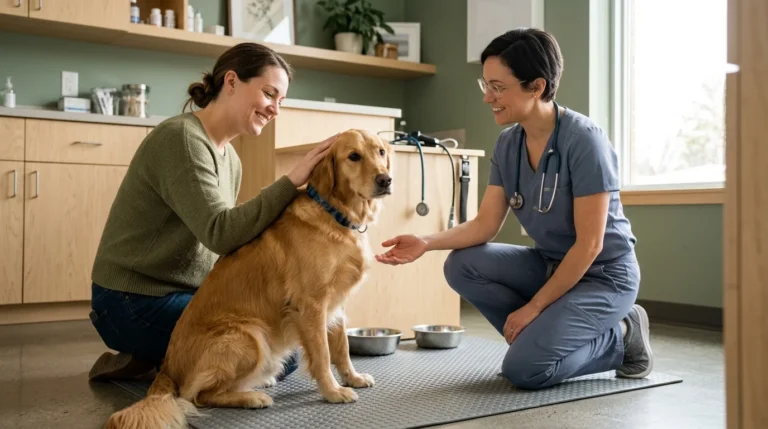
Sudden aggression, resource guarding around puzzle toys, or a total loss of interest in play can signal underlying physical pain or illness. Consult your veterinarian immediately if you observe sudden behavioral shifts.
Frequently Asked Questions
How much daily indoor enrichment does a pet need?
Most healthy adult dogs and cats thrive on twenty to thirty minutes of structured mental stimulation each day. You can easily divide this into two or three short, engaging sessions.
Can senior pets with arthritis participate in these activities?
Yes, low-impact games like snuffle mats, lick mats, and scent tracking work wonderfully for older animals. Keep puzzle boards on the floor so senior pets do not strain painful joints.
How do I stop my pet from losing interest in puzzle toys?
Implement a weekly toy rotation so familiar items feel novel again. Always pack interactive games away immediately after play concludes to preserve high value.
What are the best low-calorie treats for enrichment games?
Use diced green beans, plain canned pumpkin, cooked carrots, or small pieces of dehydrated lung. Softening your pet’s regular kibble with warm water and freezing it also adds zero extra calories.
Practical Takeaways for Happy Indoor Pets
Keeping your pet entertained indoors does not require expensive gear or hours of free time. Rotating a few simple puzzle games and scent activities will keep your companion sharp, relaxed, and deeply satisfied.
The information here is meant for educational purposes. Specific circumstances—including health conditions, finances, location, and goals—may require different approaches.
When in doubt, consult a licensed professional or check official sources directly.
Last updated: May 2026. Rules, prices, and details change—verify current information with official sources before acting on it.