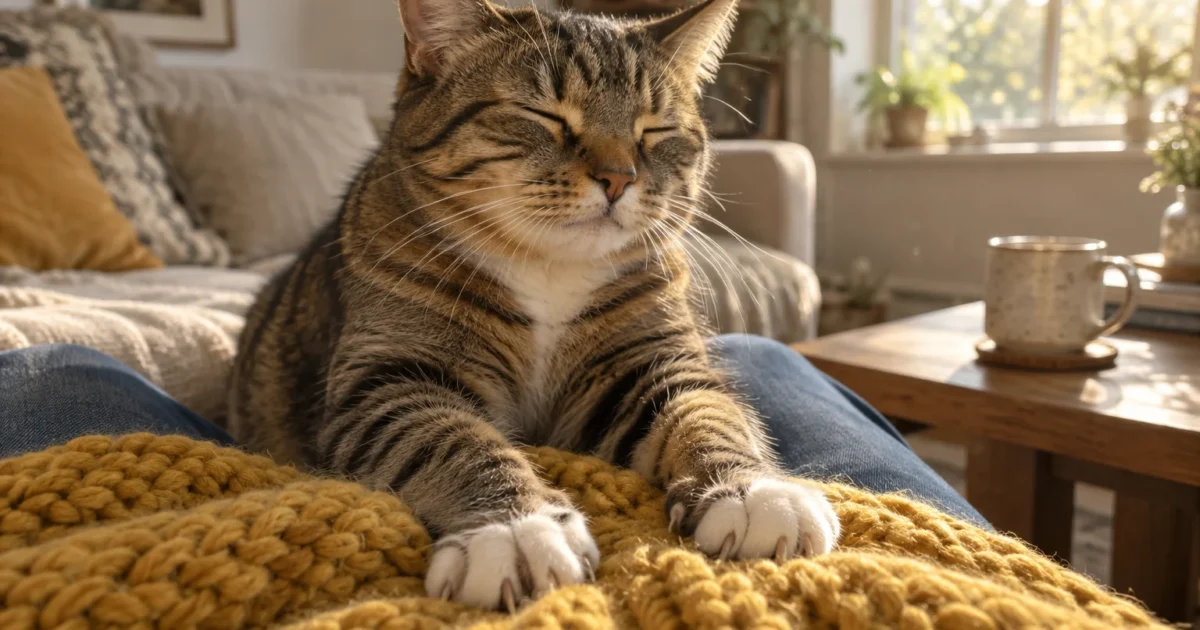
When your cat climbs onto your lap and rhythmically pushes their paws back and forth, they show you the highest feline compliment. This comforting habit, often called “making biscuits,” stems from deep survival instincts and profound emotional security.
Feline kneading behavior begins in the first hours of life, yet adult cats preserve the rhythmic motion throughout adulthood. Understanding the science behind this motion reveals how your cat experiences affection, security, and territorial comfort.
Whether your cat kneads a plush throw blanket or your thighs, their deliberate paw presses communicate profound contentment. Here is what animal behaviorists have discovered about this endearing ritual.
The Nursing Reflex: Where Kneading Begins
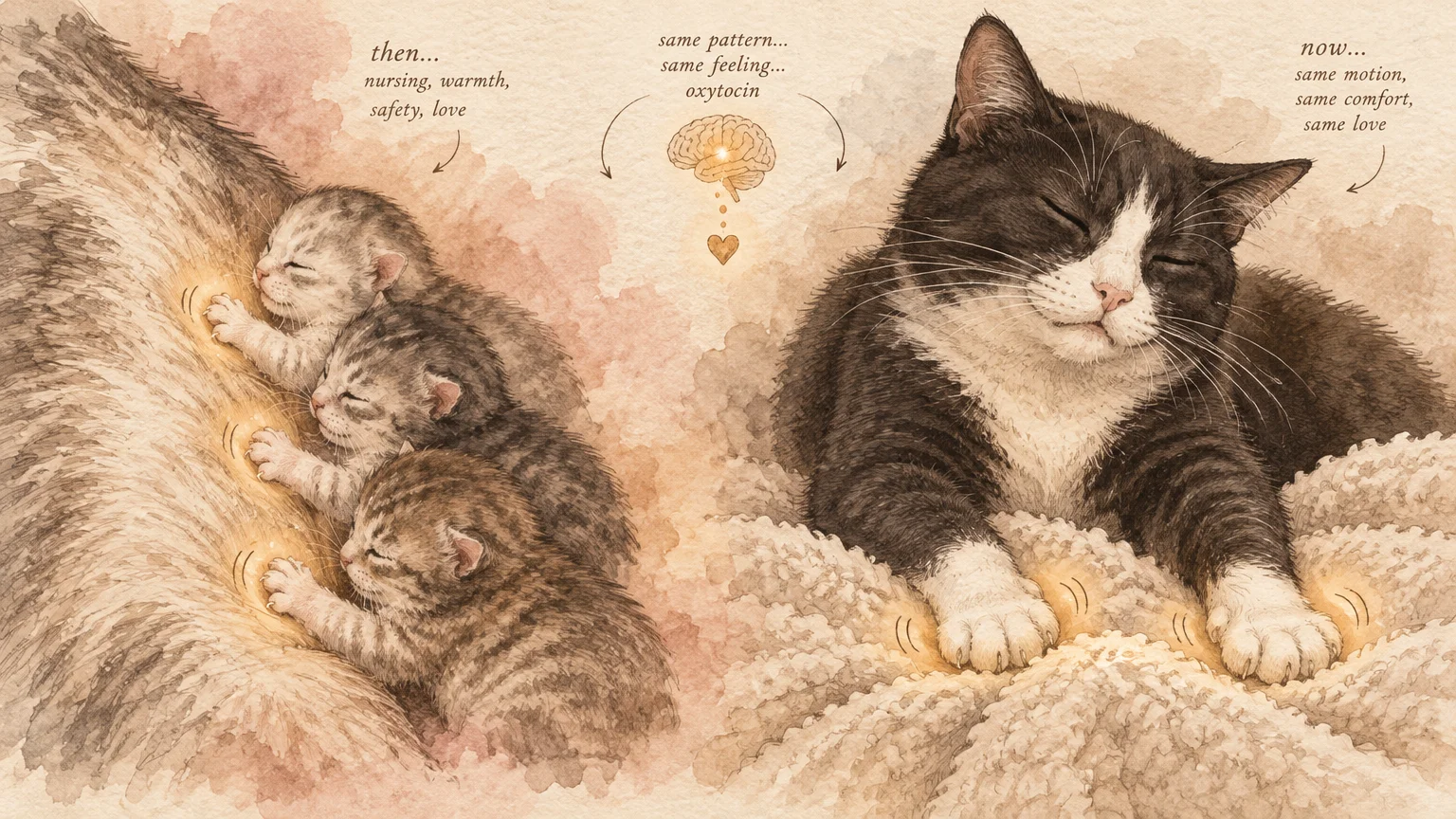
Newborn kittens knead against their mother’s mammary glands within hours of birth. This rhythmic, alternating paw motion stimulates oxytocin release and milk flow.
Kittens associate this repetitive tactile sensation with warmth, complete safety, and immediate nourishment. The physical motion triggers intense emotional security during their most vulnerable developmental stage.
Most cats retain this juvenile behavior long after weaning. According to the Cornell Feline Health Center, adult cats often exhibit kitten-like behaviors when they feel safe and deeply relaxed.
When your adult cat kneads a fluffy blanket, their brain revisits that early state of comfort. The soft texture reminds them of their mother’s belly and littermates.
You may even notice your cat drooling or gently suckling fabric while kneading. These involuntary responses reflect deep emotional regression into a blissful, infantile state of mind.
Scent Marking and Feline Pheromones
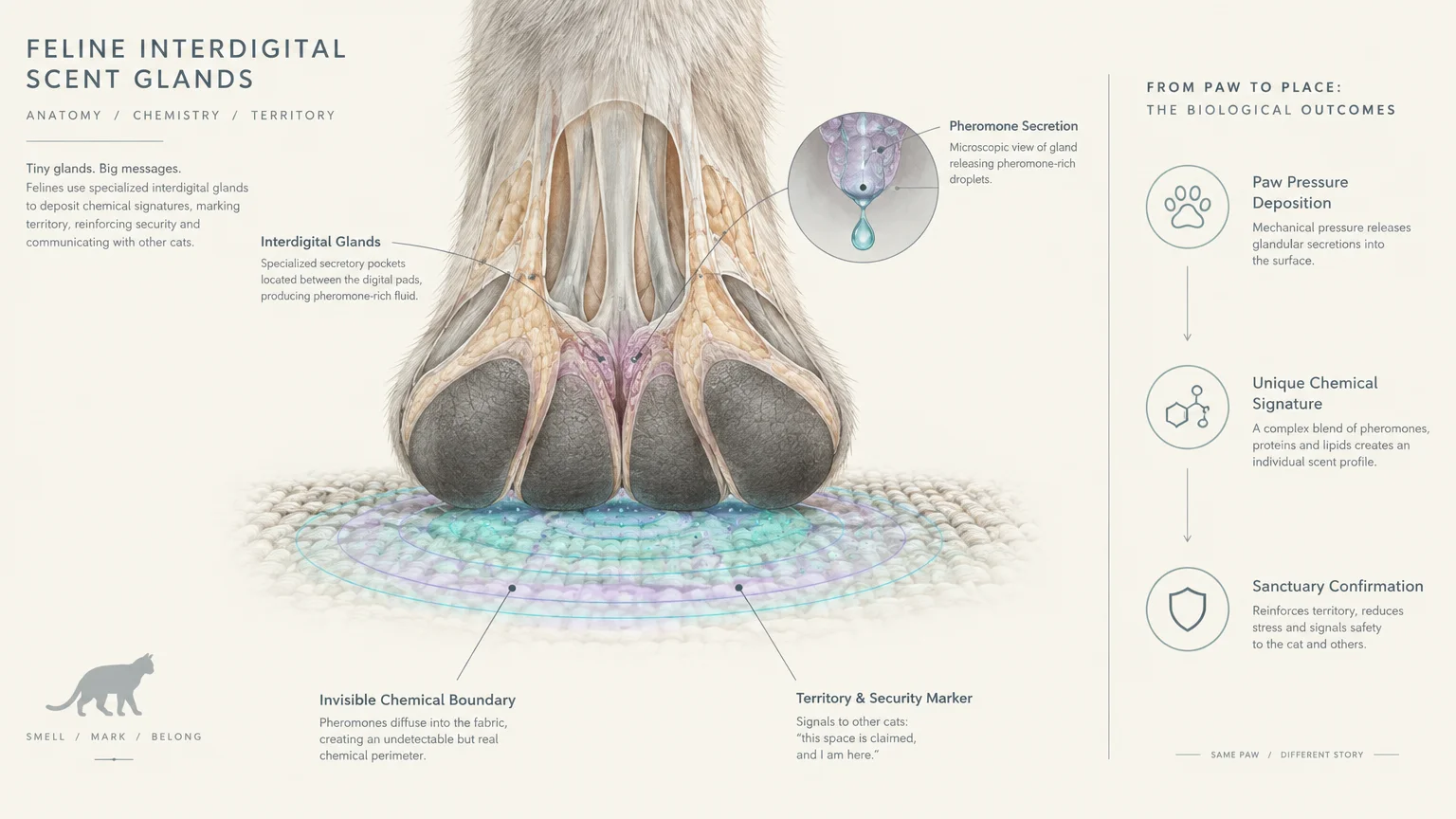
While comfort drives the emotion, biology provides another practical purpose for kneading. Cats possess specialized scent glands hidden between the pads of their paws.
These interdigital glands produce pheromones that humans cannot smell. Every time your cat presses their paws into a surface, they deposit their unique chemical signature.
By marking your blanket or sofa, your cat claims the territory as a secure, familiar zone. The pheromones create an invisible boundary that reinforces their personal sanctuary.
Kneading your lap serves a similar social function. Your cat claims you as a trusted member of their social group, mingling their scent with yours.
This silent biochemical communication reassures your cat whenever they return to that spot later. The lingering scent confirms that the area remains safe from outside threats.

An Ancient Nesting Instinct Inherited from Wild Ancestors
Domestic cats share ancestral behaviors with wild felids that date back millions of years. Before modern domestic comforts existed, wild cats needed to construct their own safe sleeping quarters.
Wild felines pat down tall grass, leaves, and brush to form an insulated bed. This rhythmic trampling flattens rough vegetation and drives away hidden insects or reptiles.
Trampling the ground also allowed wild cats to assess the firmness and safety of the surface. A well-prepared nest provided thermal insulation and concealment from predators.
Your indoor cat inherits this exact survival instinct. Even on a modern sofa, they instinctively pat down the surface to ensure stability before settling down for a nap.
Physical Conditioning: Flexibility and Muscle Tone
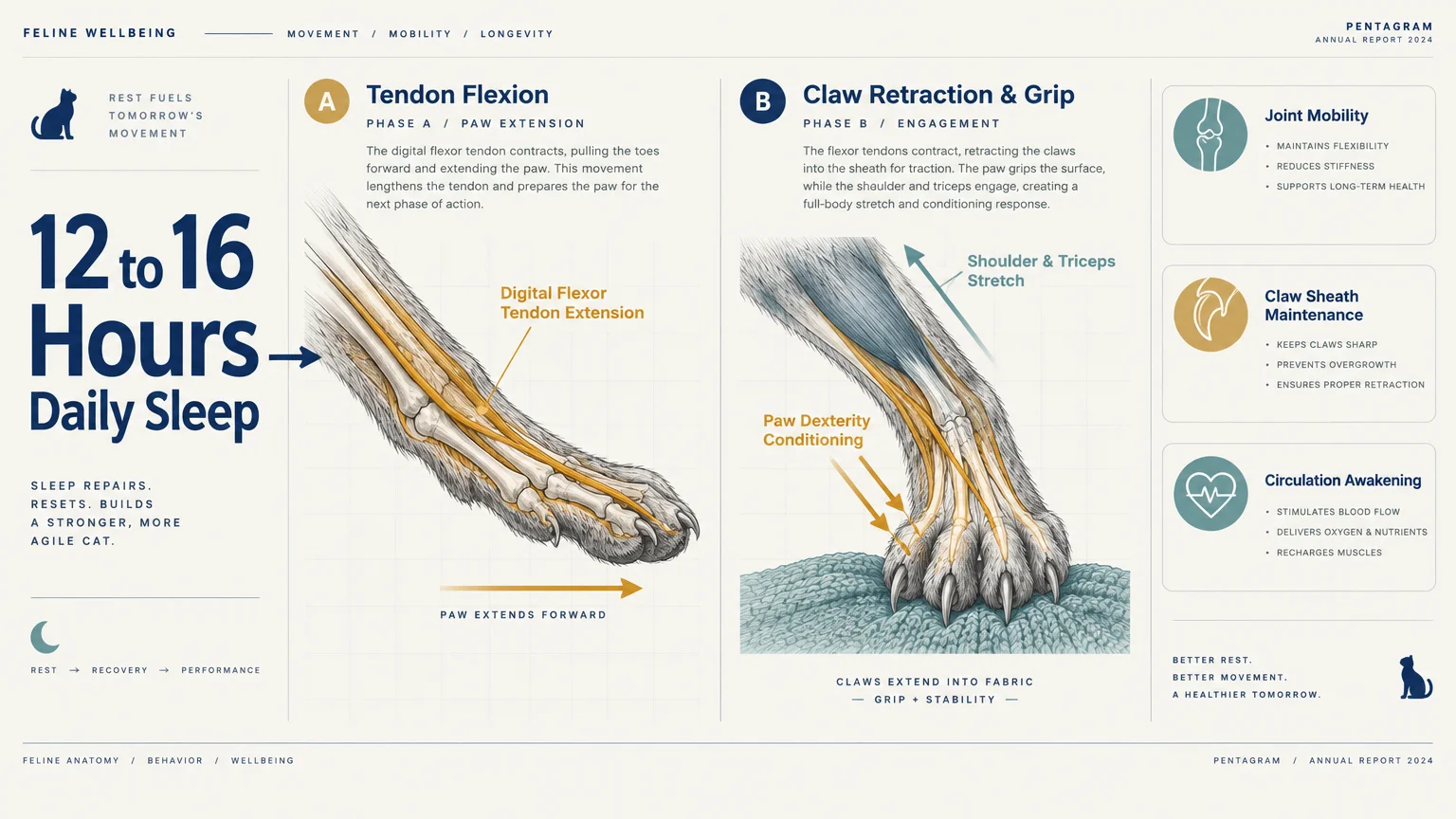
Cats sleep between 12 and 16 hours each day, requiring frequent physical limbering. Kneading acts as a low-impact stretching routine after long bouts of rest.
As a cat extends and retracts their claws, they flex the delicate tendons throughout their paws. This flexing maintains claw health and paw dexterity.
The motion extends upward into their forelegs, shoulders, and spine. Kneading gently wakes up muscles and promotes blood circulation before an active period begins.
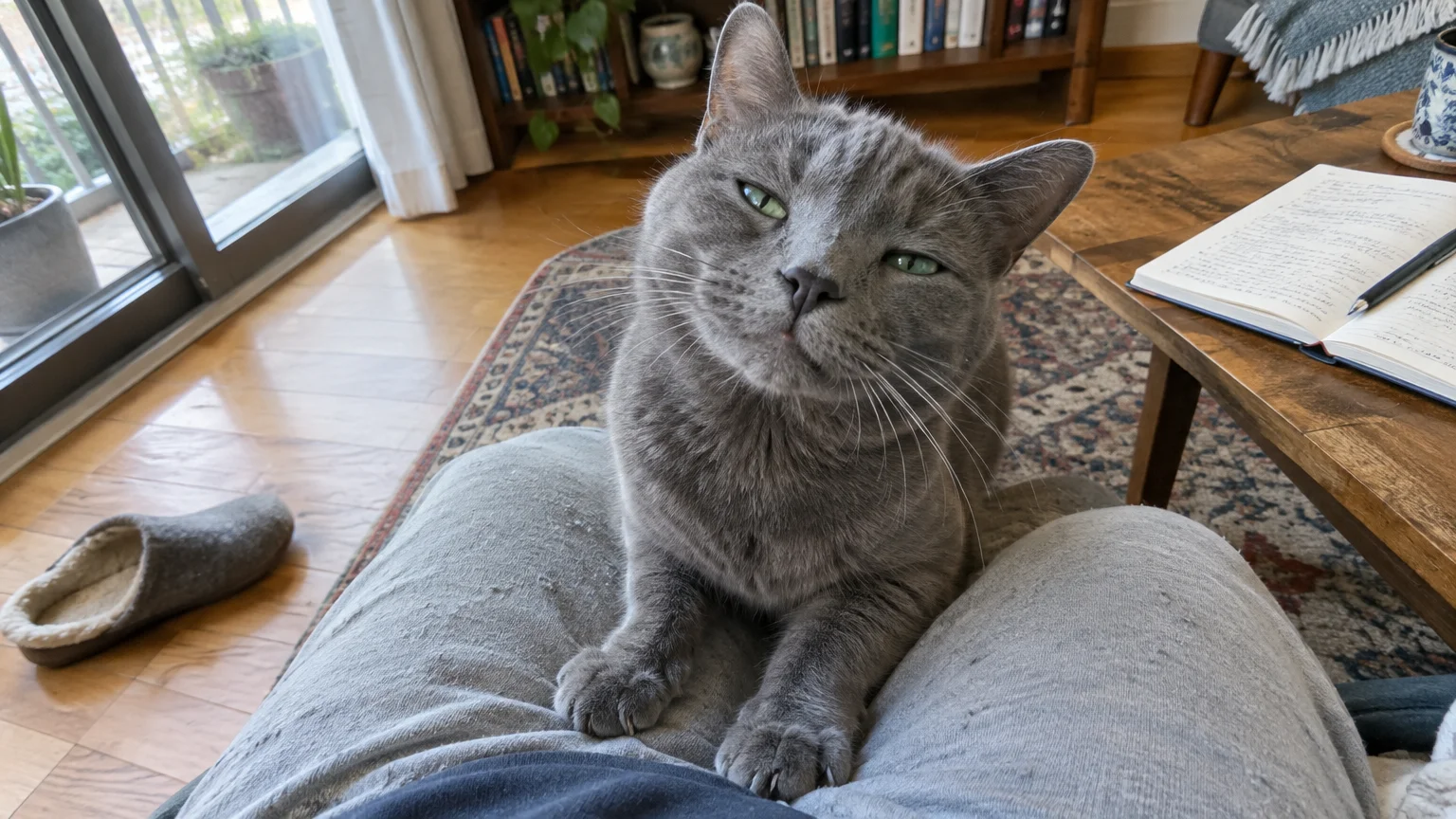
Why Your Cat Picks Your Lap Over Everything Else
Choosing a human lap over a cozy pet bed represents an enormous sign of feline trust. Cats remain vigilant predators, making deep vulnerability a conscious choice.
Your body warmth and steady heartbeat mirror the physical presence of a mother cat. This soothing sensory input encourages your cat to unwind completely.
When your cat kneads your legs, they actively bond with you. The repetitive motion releases endorphins and oxytocin in both the cat and the human caregiver.
Research highlighted by the ASPCA confirms that tactile interactions strengthen human-feline attachments and reduce stress in household pets.
Accept this rhythmic massage as feline praise. Your lap provides the ultimate combination of warmth, security, and familiar companionship.
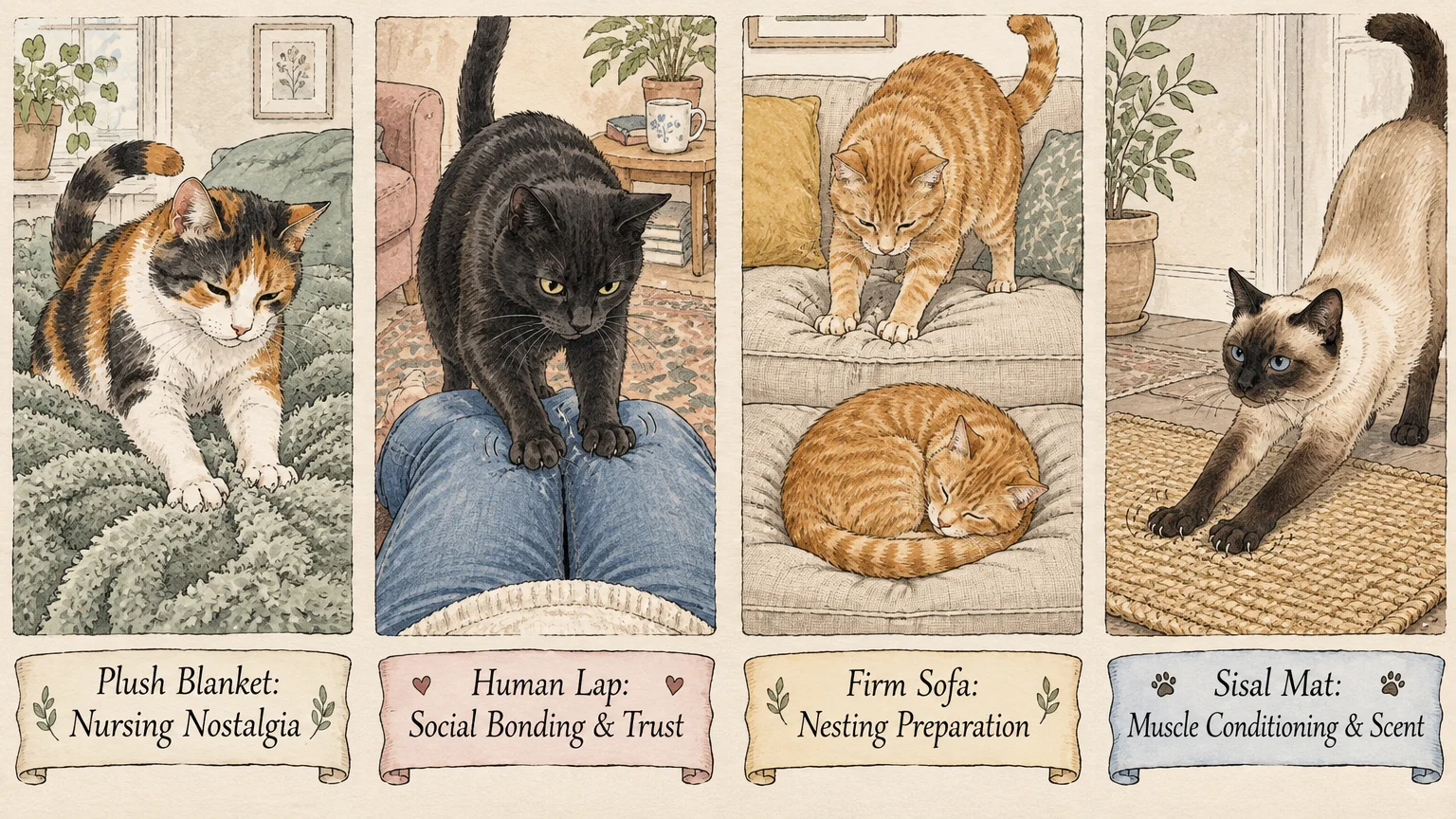
Decoding the Surface: What Different Kneading Targets Mean
Cats adjust their kneading habits based on texture, location, and emotional state. Observing where your cat kneads provides valuable insight into their current mindset.
Here is how different kneading surfaces correlate with specific feline motivations and emotional triggers:
| Kneading Surface | Primary Biological Driver | Accompanying Body Language |
|---|---|---|
| Plush Blankets & Fleece | Kittenhood nursing recall; seeking maternal comfort | Half-closed eyes, deep rhythmic purring, rhythmic breathing |
| Human Lap or Chest | Social bonding, affection, and interdigital scent marking | Slow blinking, head-bunting, curling up closely |
| Cat Bed or Dog Bed | Ancient bed-making instincts; assessing cushion firmness | Circling repeatedly, turning around, flattening corners |
| Bare Carpet or Rug | Post-nap tendon stretch and territorial boundary marking | Arched back, extended front limbs, splayed toe pads |
Soft fleece fabrics stimulate nursing memories more strongly than flat, woven surfaces. The raised fibers mimic the tactile sensation of a mother cat’s soft underbelly.
In contrast, kneading firm surfaces like carpets or mattresses usually reflects territorial scent marking or pre-nap nesting rituals.
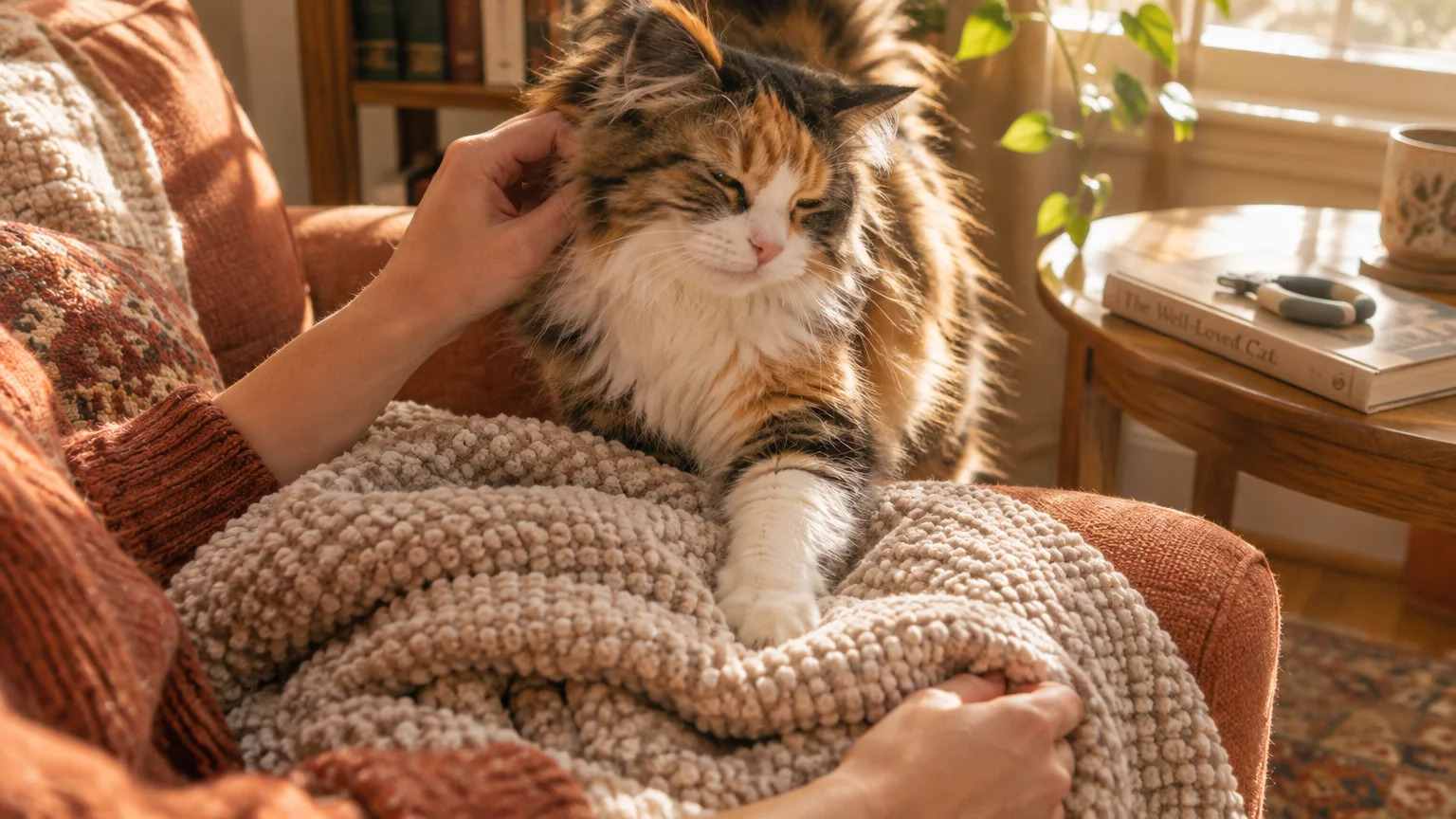
Managing Sharp Claws Without Discouraging the Love
While lap kneading feels emotionally rewarding, sharp claws can make the experience physically painful. Fortunately, you can protect your skin without punishing your cat.
Never punish or yell at a cat for kneading on your lap. Punishment confuses your pet and damages the fragile bond of trust you have built.
Instead, guide the behavior gently using these practical steps:
- Keep a thick throw blanket beside your chair to drape over your legs before your cat settles down.
- Trim the sharp tips of your cat’s claws every two to three weeks to blunt their points.
- Slide a folded towel or soft pillow gently between your thighs and their paws if they begin digging in.
- Offer a gentle chin scratch to redirect their attention away from heavy clawing toward facial petting.
- Stand up slowly and calmly step away if the kneading becomes too uncomfortable to endure.
The American Animal Hospital Association notes that positive reinforcement and routine claw trimming resolve most common claw-related issues in the home.
Keeping your cat’s claws well-maintained prevents painful snags in your clothing and upholstery. It ensures your cuddling sessions remain relaxing for both of you.
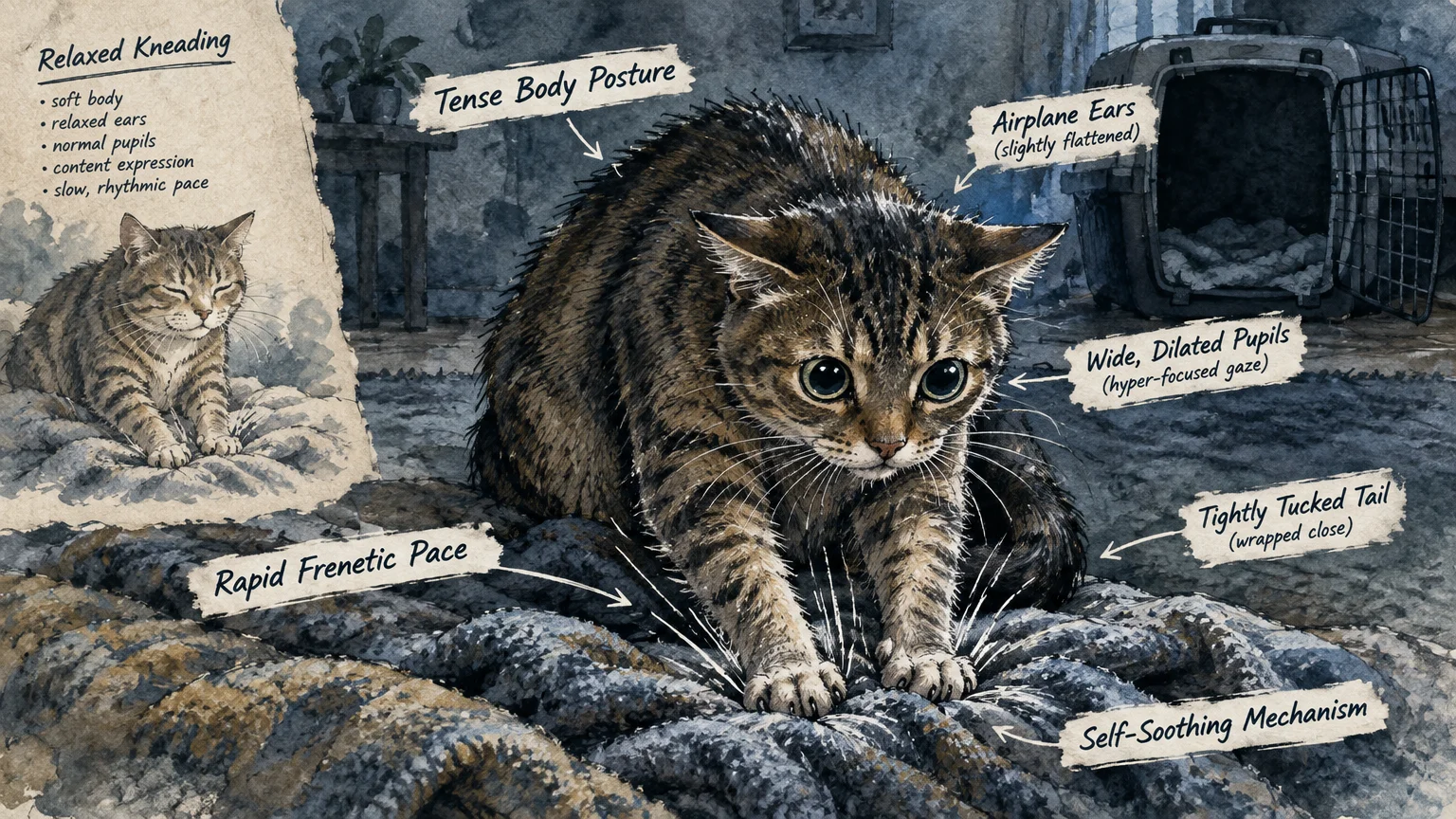
When Kneading Signals Stress or Discomfort
While kneading is normally a sweet and peaceful behavior, sudden changes in frequency can indicate distress. Cats sometimes knead compulsively to self-soothe when they feel anxious or unsettled.
Environmental changes—such as moving house, introducing a new pet, or loud construction—can elevate feline stress levels. A stressed cat may knead relentlessly while showing rigid body language.
Watch for frantic pacing, dilated pupils, pinned-back ears, or excessive vocalization alongside the kneading motion. These signals suggest the cat is seeking comfort from distress rather than relaxing naturally.
Fabric sucking and chewing, known clinically as pica, occasionally accompanies compulsive kneading. If your cat ingests wool or blanket fibers, consult your veterinarian to prevent dangerous intestinal blockages.
Intact female cats also knead their back paws aggressively when entering their estrus cycle. Spaying your cat eliminates this hormone-driven restlessness and supports long-term reproductive health.
Frequently Asked Questions About Cat Kneading
Why do some cats drool while kneading?
Drooling occurs when a cat enters an exceptionally relaxed, trance-like state of contentment. The mouth muscles relax completely as juvenile nursing memories flood their nervous system.
Do all domestic cats knead?
Not every cat kneads, and that is entirely normal. Some felines express affection through head-bunting, purring, or slow-blinking instead of making biscuits.
Why do cats knead with their back paws?
Back-paw kneading often signals heightened excitement, sexual maturity in intact females, or preparation to pounce. It can also occur when a cat settles deeply into a soft sleeping hollow.
Can you train a cat to stop kneading?
Because kneading is an instinctive biological reflex, you should not try to eliminate it entirely. Simply redirect their paws onto a designated thick blanket whenever they climb onto your lap.
Nurturing the Bond
Kneading remains one of the purest expressions of contentment in the animal kingdom. When your cat works their paws into your lap, they declare that you are their ultimate safe haven.
Keep a dedicated fleece throw near your favorite chair and embrace the gentle rhythm. These small, quiet moments deepen the unspoken companionship between you and your cat.
The information here is meant for educational purposes. Specific circumstances—including health conditions, finances, location, and goals—may require different approaches.
When in doubt, consult a licensed professional or check official sources directly.
Last updated: May 2026. Rules, prices, and details change—verify current information with official sources before acting on it.