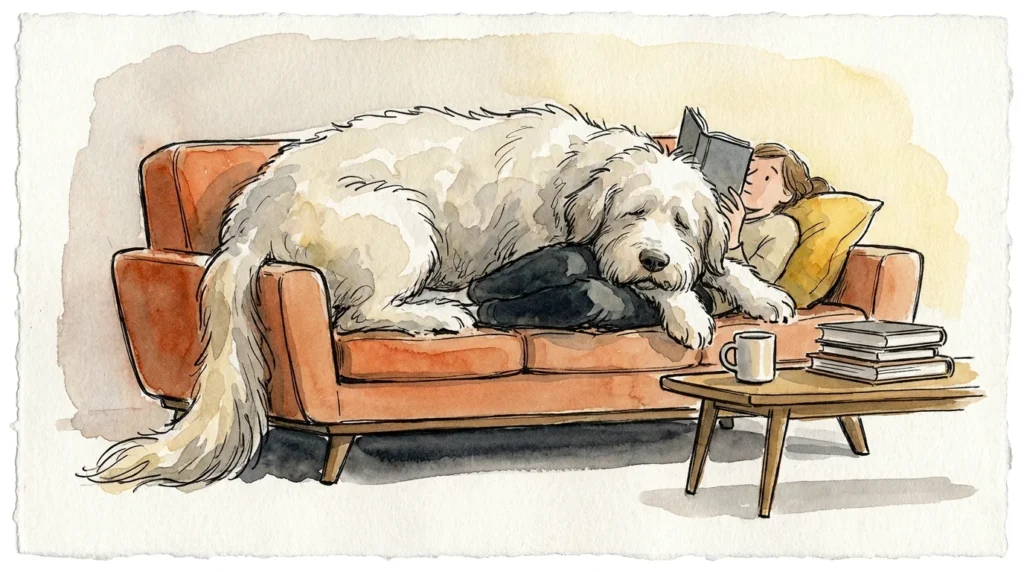
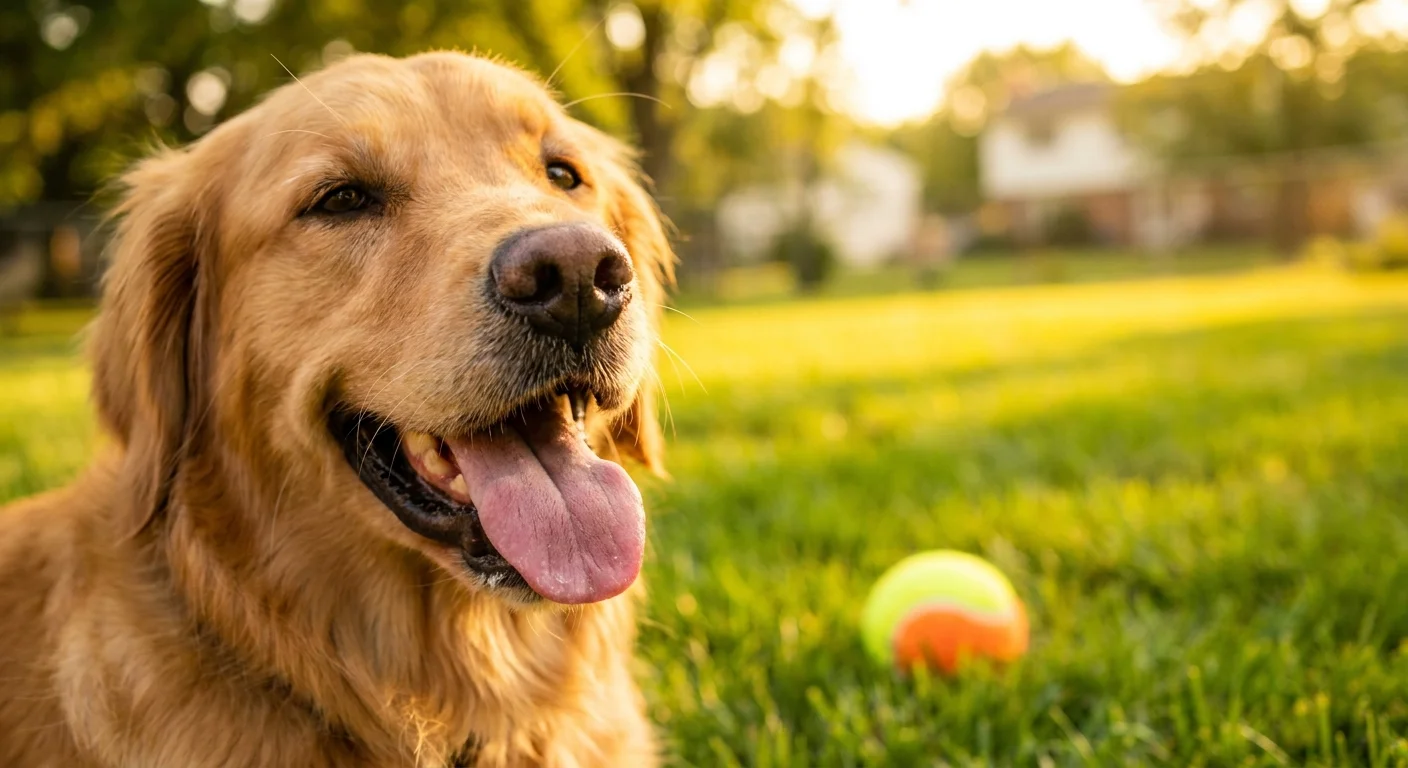
If you want a dog who acts like a giant, fuzzy throw blanket with a heartbeat, a large breed is exactly what you need. While small dogs often bring high energy and vocal personalities to a home, many giant breeds are surprisingly calm, patient, and deeply affectionate. You might look at a 150-pound canine and assume they need endless hours of intense exercise, but the reality is that many of these massive dogs are natural couch potatoes who just want to lean against your leg. Whether you have plenty of acreage or a reasonably sized living room with a sturdy sofa, these eight heavy-duty companions offer some of the sweetest temperaments in the animal kingdom.
1. Newfoundland
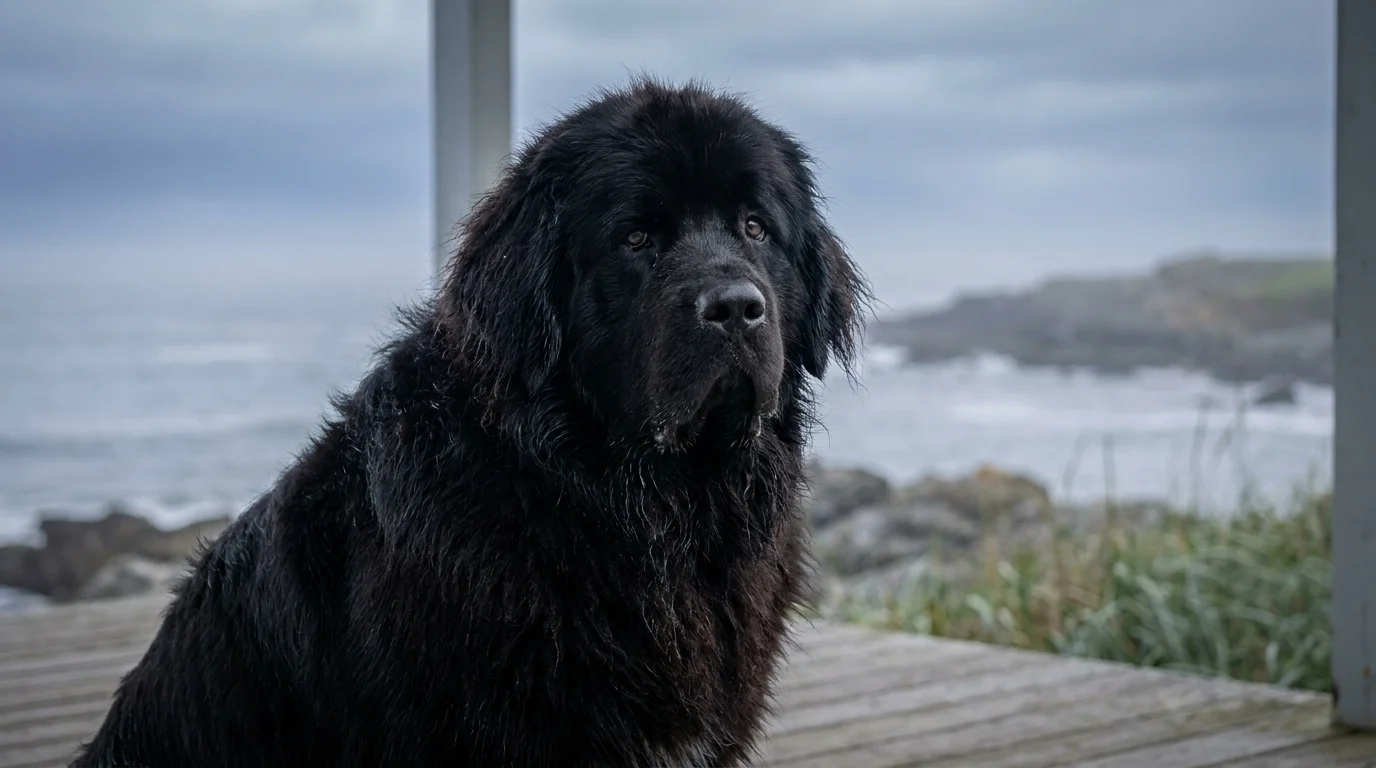
Originating from the Canadian coast, the Newfoundland is a working dog famous for its aquatic rescue skills. They feature heavy, water-resistant double coats and uniquely webbed paws that make them powerful swimmers. Despite their formidable strength and size—males can weigh up to 150 pounds and stand 28 inches at the shoulder—they are notoriously patient and tender.
They consistently rank among the best large gentle dog breeds for a simple reason: aggression is entirely contrary to their nature. According to the American Kennel Club, the official breed standard makes this very clear:
A sweet temperament is the most important single characteristic of the breed.
If you bring a Newfoundland into your home, you will need to tolerate heavy shedding and substantial drool. In exchange, you get an unfailingly loyal companion who watches over your household with deep devotion.
2. Bernese Mountain Dog
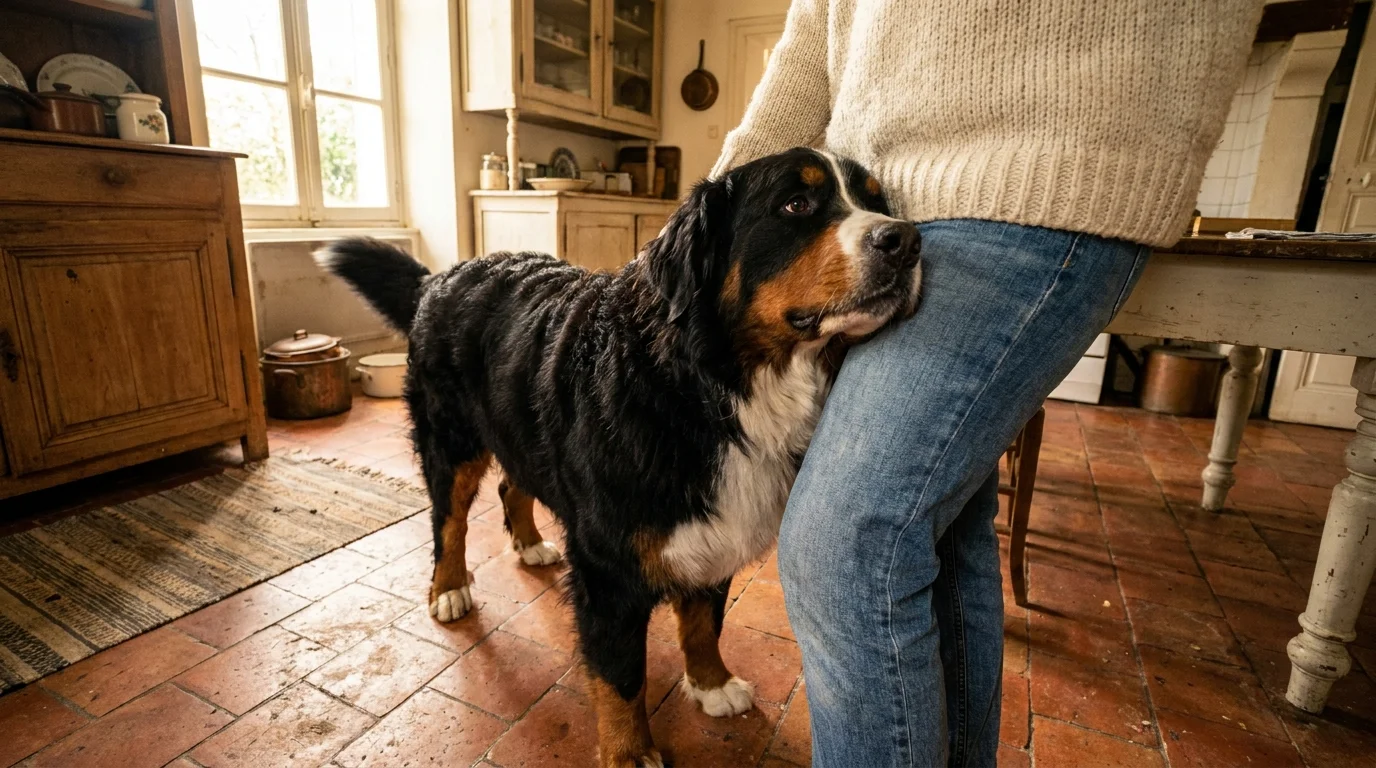
With their striking tri-color coats of black, rust, and bright white, Bernese Mountain Dogs are visually stunning animals. Swiss farmers originally bred them to drive cattle, pull milk carts, and serve as versatile farm companions. Today, they are beloved for their easygoing and affectionate personalities.
A healthy male typically weighs between 80 and 115 pounds. Because they thrive on human companionship, they prefer being exactly wherever you are. They are highly attuned to human emotions, making them exceptionally sweet tempered dogs who offer wonderful emotional support. Because they sport a heavy, wooly undercoat, they thrive in cold weather and love the snow, though they require significant air conditioning during hot summer months to stay comfortable.
3. Great Dane
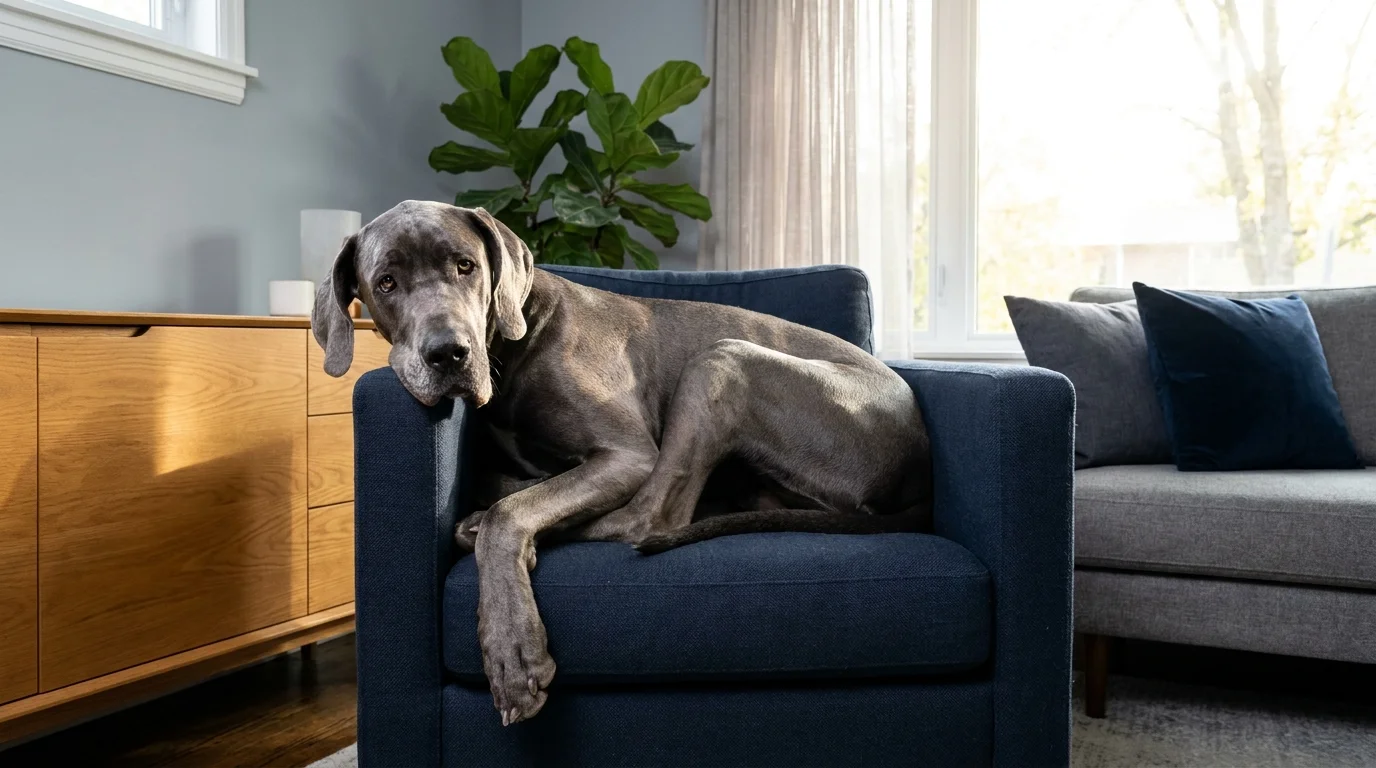
Nicknamed the “Apollo of Dogs,” the Great Dane possesses an incredibly sleek, athletic build and towers over most other breeds. Standing up to 32 inches at the shoulder and weighing up to 175 pounds, a Great Dane on its hind legs is often taller than a full-grown adult human.
Despite their imposing stature, Great Danes are famous for their comical, affectionate behavior. They are convinced they are lap dogs and will happily back up and sit directly on your couch—or your lap—if you let them. They are generally quiet indoors, making them one of the best calm big dog breeds for owners who want a relaxed indoor companion. You simply need to ensure your home has enough physical clearance to accommodate their long limbs and powerful, happy tail wags.
4. Saint Bernard
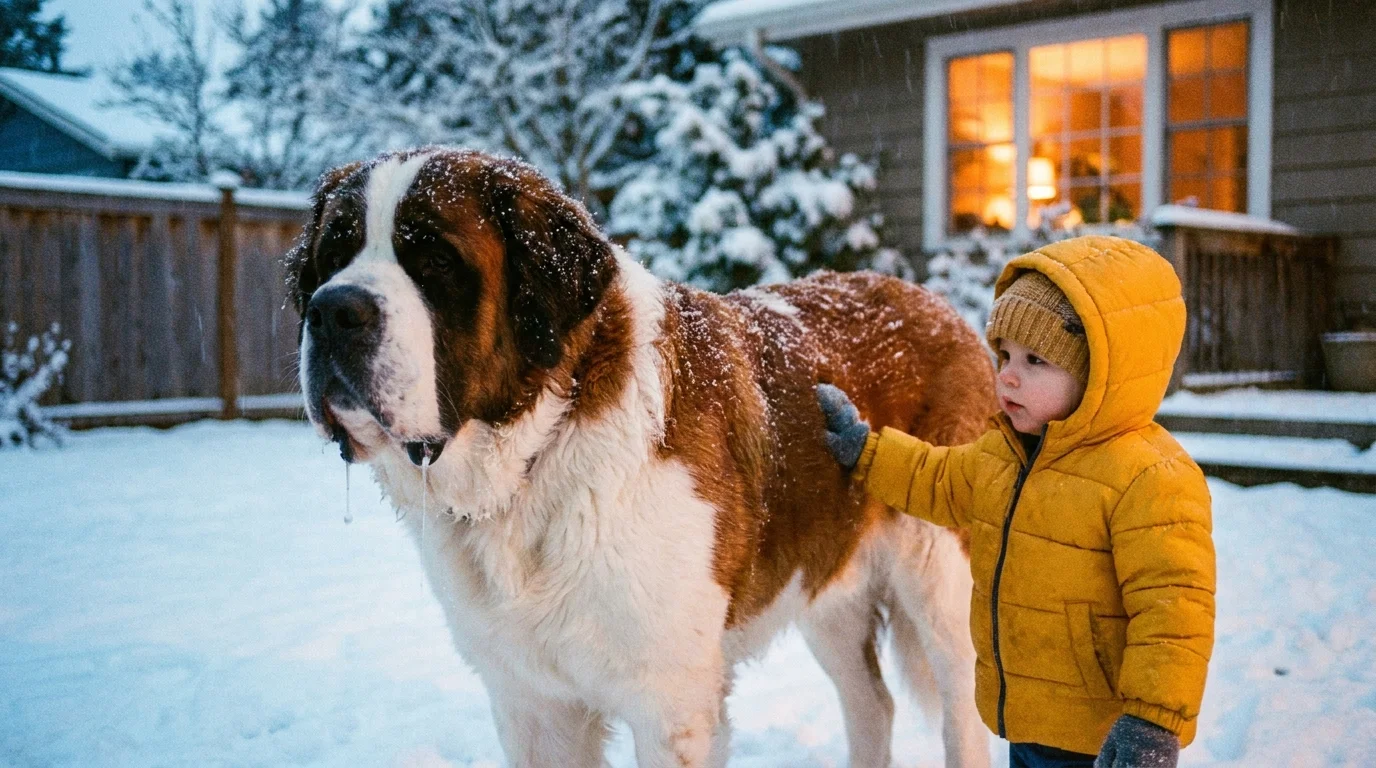
The Saint Bernard is a legendary rescue dog, originally bred by monks to locate lost travelers in the treacherous, snowy passes of the Swiss Alps. These massive dogs can reach 180 pounds and possess incredible physical power. However, their defining trait is their profound gentleness.
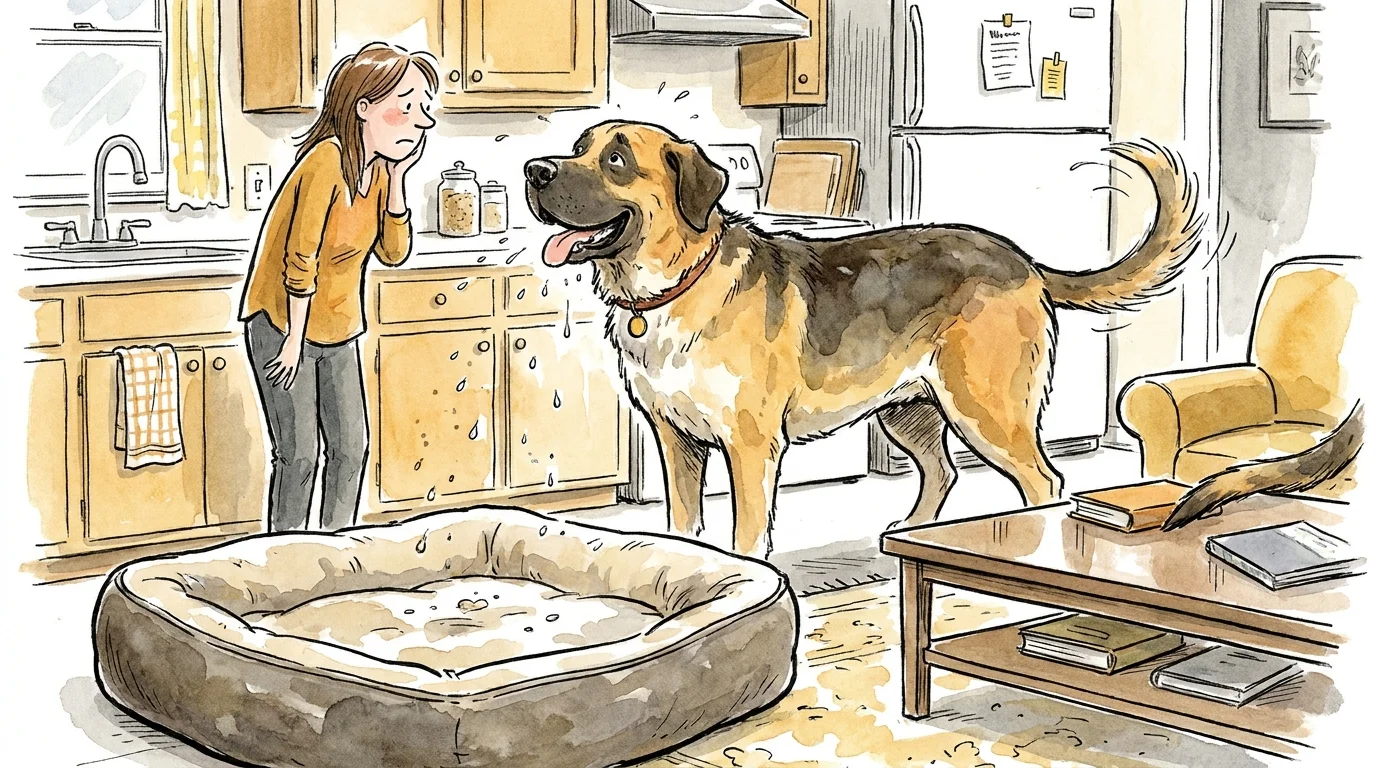
They are famous for their watchful, patient nature, earning them a reputation as outstanding family friendly large dogs. A Saint Bernard is deeply tolerant of household commotion and tends to bond strongly with everyone in the family. You will need to maintain a stash of hand towels around the house, as their heavy jowls produce significant drool, especially after they take a drink of water.
5. Mastiff
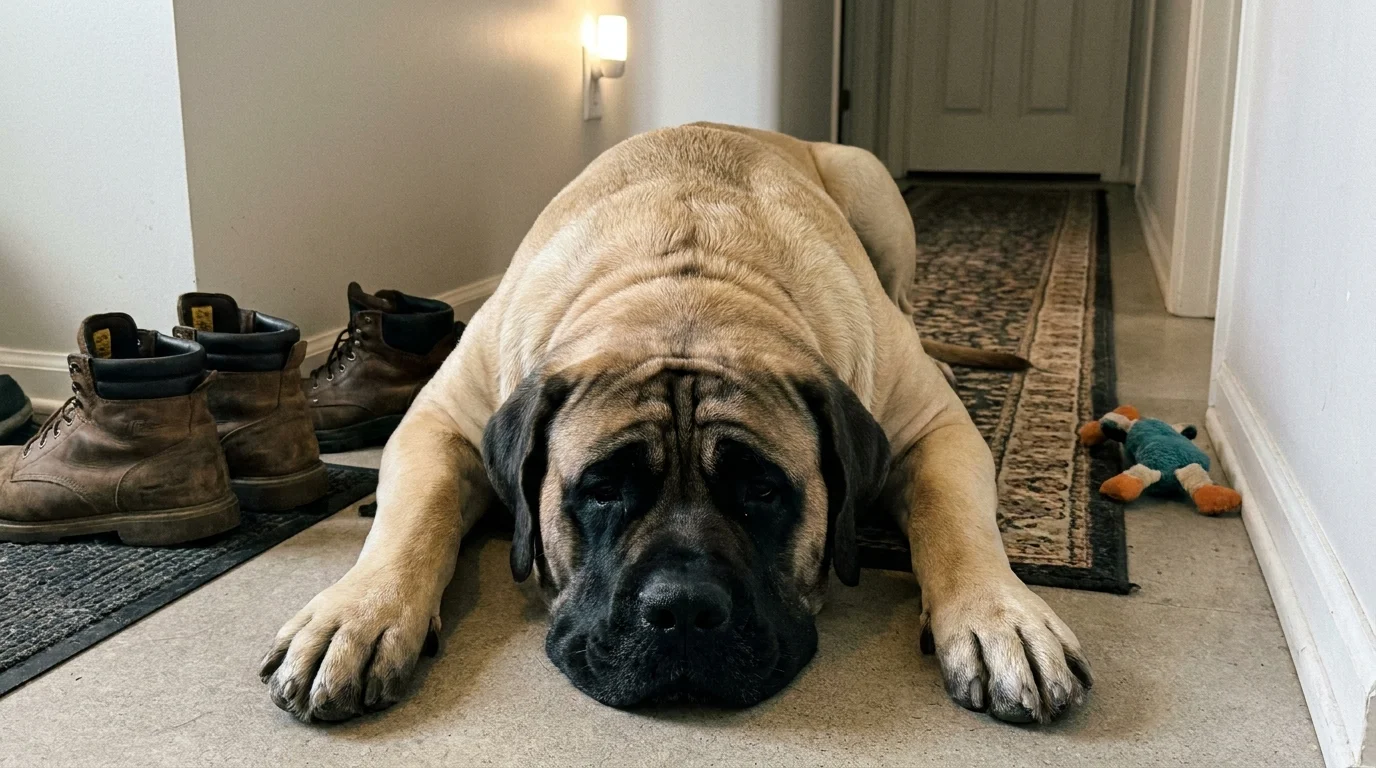
If you measure dogs purely by mass, the English Mastiff often tops the list. Males easily exceed 200 pounds, possessing heavy bones, massive heads, and a deeply wrinkled forehead that gives them a constantly worried expression.
The Mastiff is a dog of quiet dignity. They do not bark excessively and rarely show unwarranted aggression. Instead, they protect their home simply by existing; their sheer size deters intruders. With their family, they are endlessly loving and gentle giant dog breeds. They require moderate daily walks to keep their joints healthy, but their favorite activity is napping on the most comfortable mattress they can find.
6. Leonberger
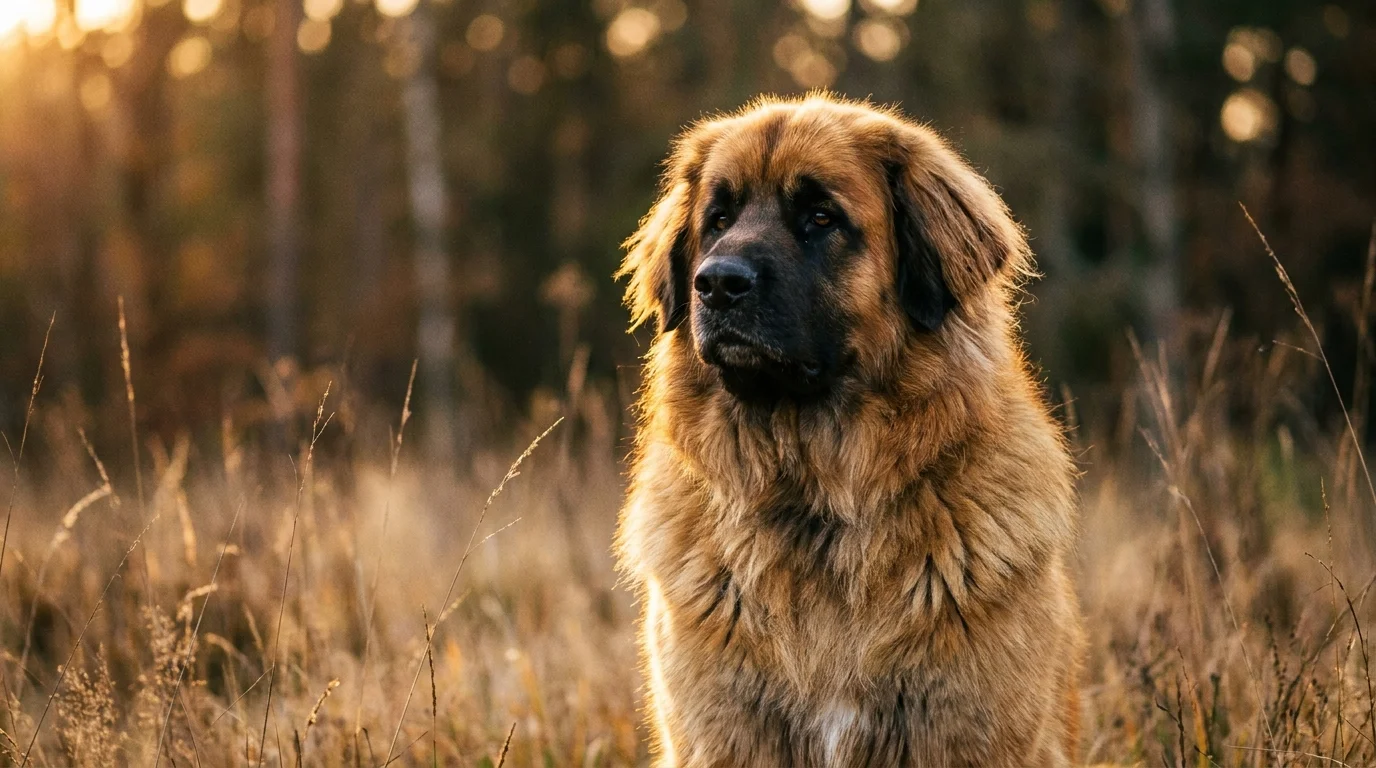
Bred in Germany in the 19th century, the Leonberger was intentionally developed to resemble a lion. Adult males sport a distinctive mane of fur around their neck and chest. Weighing between 90 and 170 pounds, these dogs blend the traits of the Newfoundland, Saint Bernard, and Great Pyrenees.
Leonbergers are incredibly playful and maintain a puppy-like enthusiasm well into their adult years. They are remarkably agile for their size and love to swim. Unlike some independent livestock guardians, the Leonberger is highly motivated by human interaction and takes immense joy in participating in family activities, from hiking trails to backyard barbecues.
7. Irish Wolfhound
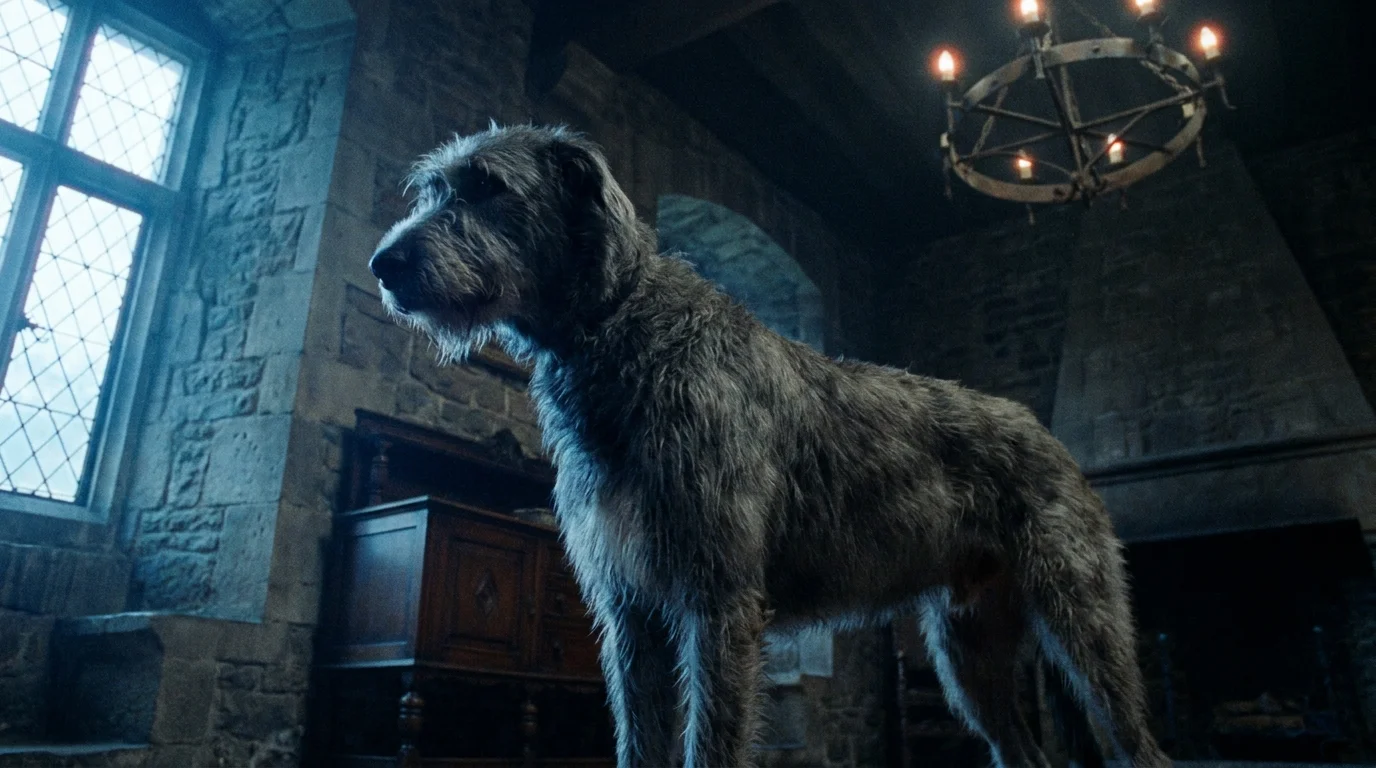
The Irish Wolfhound holds the title of the tallest breed recognized by the American Kennel Club. Males stand a minimum of 32 inches at the shoulder, though many grow significantly taller. Historically used to hunt wolves and elk in Ireland, modern Wolfhounds have had the fierceness bred entirely out of them.
Today, they are serene, agreeable, and deeply sensitive animals. Because they are sighthounds, they possess a strong instinct to chase moving objects outdoors. Indoors, however, they are incredibly tranquil. They are quiet, observant, and deeply affectionate companions who prefer lounging on soft surfaces to protect their large, bony joints.
8. Great Pyrenees
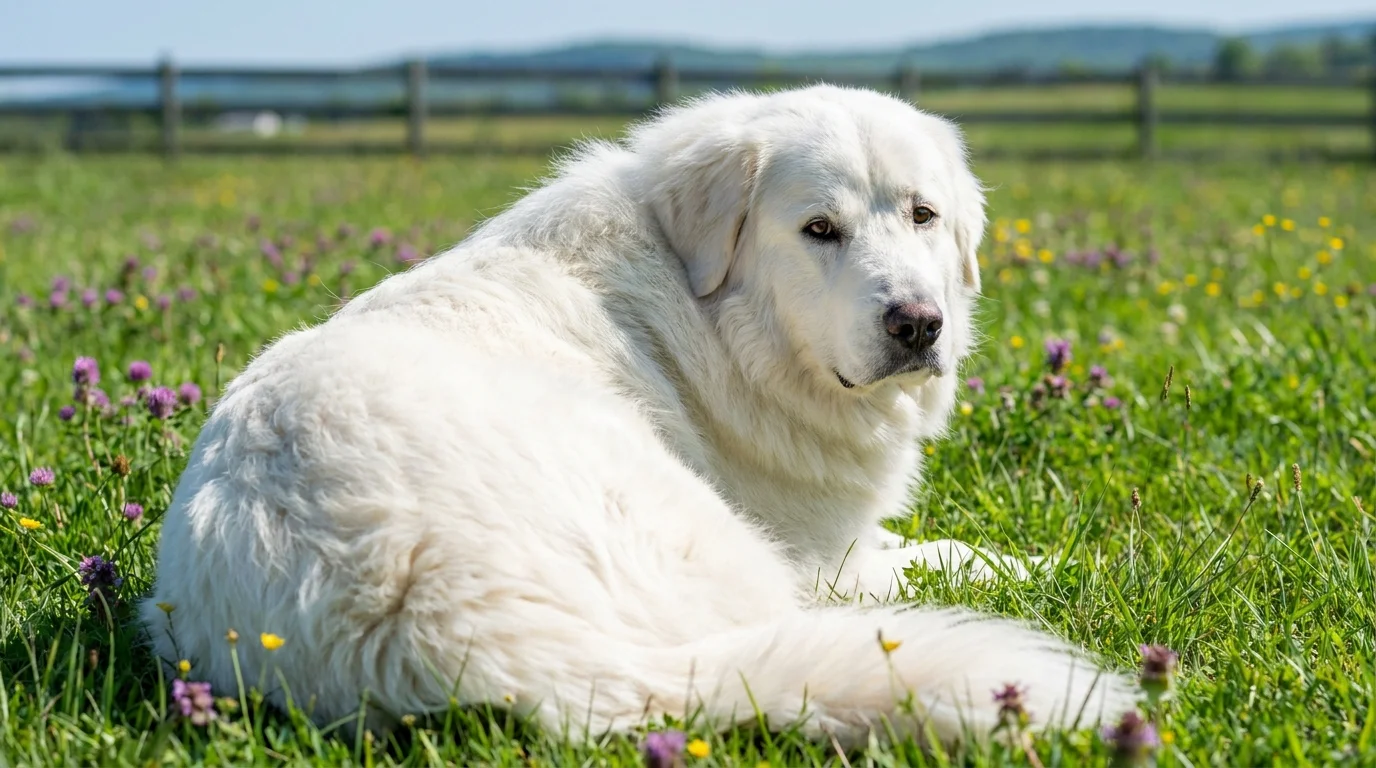
Bred to guard sheep on the snowy slopes of the Pyrenees Mountains, this breed is an independent, intelligent guardian. They feature a lush, weather-resistant white coat that keeps them warm in freezing conditions. Males typically weigh over 100 pounds.
Because they were bred to work independently from shepherds, they make their own decisions and can be strong-willed during training. They also have a strong instinct to bark at perceived threats. However, when properly socialized, their indoor demeanor is incredibly peaceful. They are patient, well-mannered, and gentle with their families, offering a quiet, comforting presence in the home.
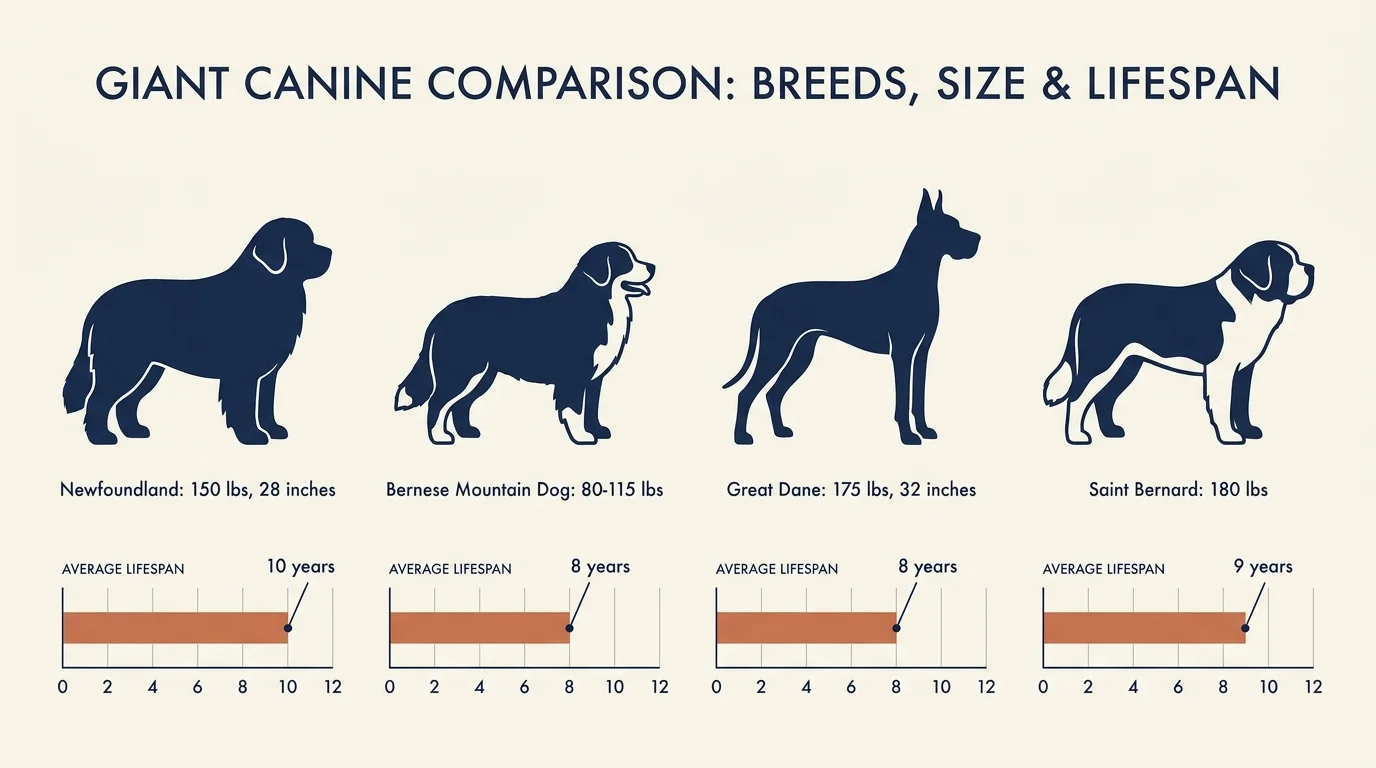
At a Glance: Size and Lifespan of Gentle Giants
If you want a quick visual comparison of these magnificent dogs, use this chart based on standard breed averages. Keep in mind that individual dogs can fall slightly outside these ranges.
| Breed | Typical Weight (lbs) | Typical Height (inches) | Average Lifespan (years) |
|---|---|---|---|
| Newfoundland | 100–150 | 26–28 | 9–10 |
| Bernese Mountain Dog | 70–115 | 23–27.5 | 7–10 |
| Great Dane | 110–175 | 28–32 | 7–10 |
| Saint Bernard | 120–180 | 26–30 | 8–10 |
| Mastiff | 120–200+ | 27.5–30+ | 6–10 |
| Leonberger | 90–170 | 25.5–31.5 | 7–11 |
| Irish Wolfhound | 105–180 | 30–35 | 6–8 |
| Great Pyrenees | 85–100+ | 25–32 | 10–12 |
What Can Go Wrong
Living with a giant breed requires substantial lifestyle adjustments. While their personalities are universally appealing, their massive biology introduces several distinct challenges you must prepare for before bringing one home.
- Gastric Dilatation-Volvulus (Bloat): Giant breeds with deep chests face a high risk of bloat, a sudden and life-threatening condition where the stomach fills with gas and twists. You will need to monitor their eating habits, feed them smaller meals, and prevent heavy exercise immediately after they eat.
- Orthopedic Stress: Carrying 150 pounds puts immense strain on a dog’s joints. Conditions like hip dysplasia, elbow dysplasia, and arthritis are common. You must prevent puppies from overexerting themselves while their growth plates are still open.
- The Financial Footprint: Everything costs more when your dog weighs as much as an adult human. Heartworm medication, flea prevention, antibiotics, and anesthesia are dosed by weight. You will also spend significantly more on premium food, heavy-duty leashes, and oversized orthopedic beds.
- Shorter Lifespans: The hardest reality of loving a giant breed is the heartbreak of an accelerated aging process. Many of these breeds only live seven to ten years, meaning you get a shorter window of time to enjoy their company compared to smaller dogs.
Where Outside Advice Pays Off
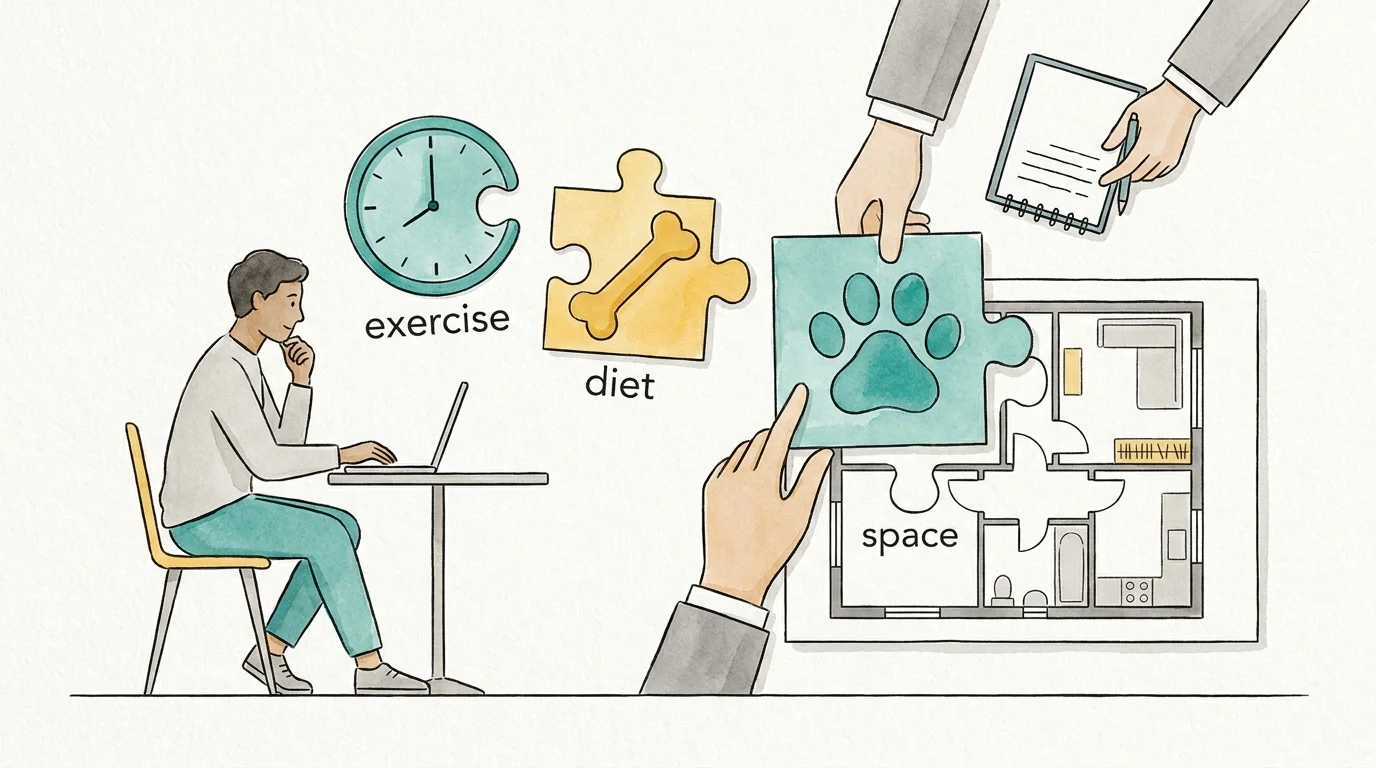
Because giant dogs require highly specialized care, winging it is rarely a good strategy. Building a network of professionals early in your dog’s life ensures they grow up healthy and manageable.
- Veterinary Nutritionists: Giant breed puppies grow at an explosive rate. If they consume too much calcium or grow too quickly, their bones can develop incorrectly. A veterinarian can help you select a strictly formulated giant-breed puppy food that moderates their growth rate.
- Professional Obedience Trainers: An unruly 20-pound dog is an annoyance; an unruly 170-pound dog is a physical danger. Hiring a trainer to establish flawless leash walking and basic commands while the dog is still small is critical. You cannot physically overpower a fully grown Mastiff if they decide to chase a squirrel.
- Veterinary Orthopedists: If you notice your young dog limping or struggling to stand, consulting an orthopedic specialist early can prevent lifelong joint damage. They can assess structural issues before they become permanently debilitating.
- Reputable Breeders with Health Clearances: If you are purchasing a puppy, only work with breeders who provide verifiable joint and heart clearances from organizations like the Orthopedic Foundation for Animals (OFA). A breeder’s knowledge of their specific bloodline is invaluable for predicting your dog’s future health.
A Final Thought on the Giants
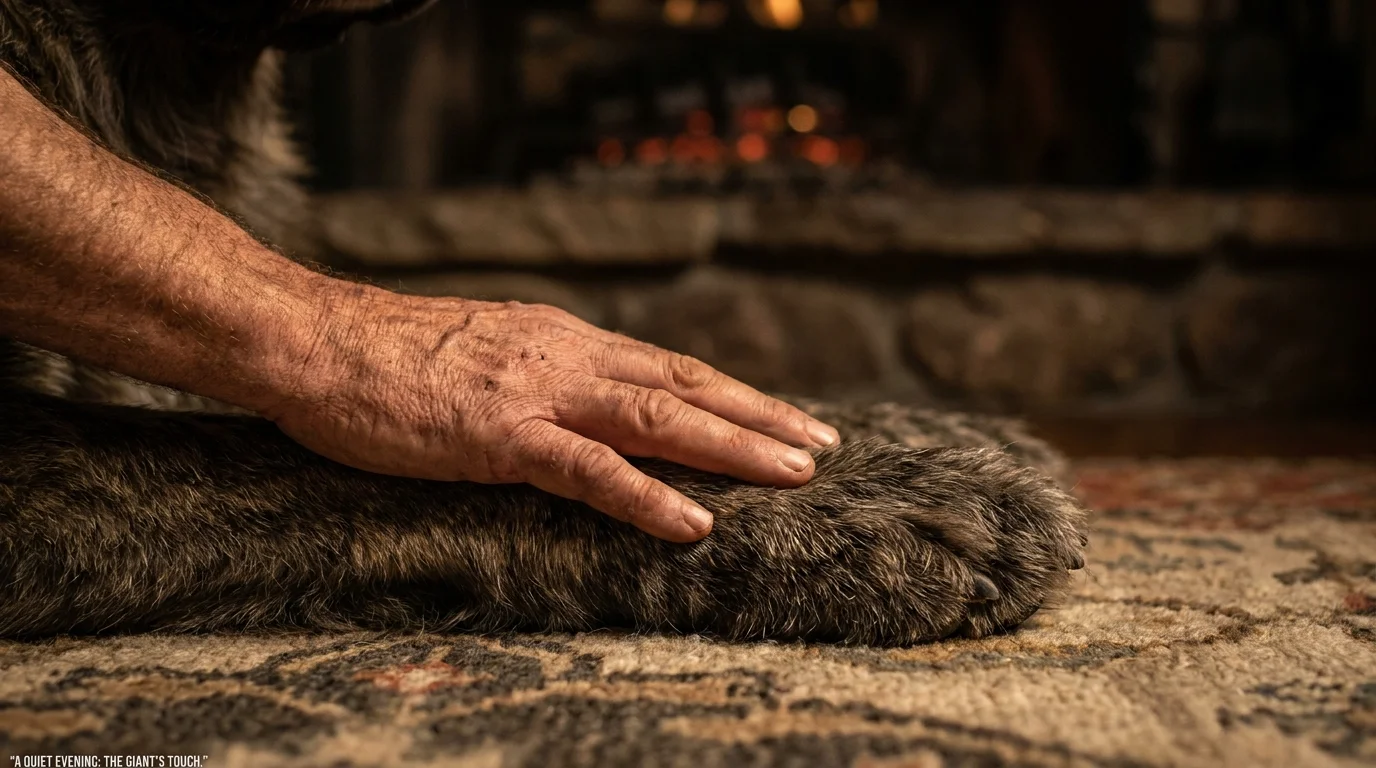
Bringing a massive dog into your daily routine fundamentally changes the way you live. You will learn to step carefully over giant sleeping obstacles in the hallway, wipe drool off your walls, and clear extra space in your vehicle. But in exchange, you gain an unparalleled companion. These dogs offer a steady, grounding presence that transforms a house into a home. Take your time researching breeders or giant-breed rescues to find the exact match for your environment. This article provides general information only. Every reader’s situation is different—what works for others may not be the right fit for you. For personalized guidance on health, legal, or financial matters, consult a qualified professional.
Last updated: May 2026. Rules, prices, and details change—verify current information with official sources before acting on it.