If you want a dog that permanently fits in your lap, several toy breeds stay under 15 pounds for their entire lives. While all puppies grow quickly, dogs like the Chihuahua and Toy Poodle halt their growth at a fraction of the size of standard breeds. Choosing a perpetually small companion means you can comfortably navigate apartment living, travel effortlessly, and enjoy a pet that feels like a puppy well into its senior years. Before bringing a tiny dog home, it helps to know exactly what to expect at maturity. We rounded up 15 distinct breeds that stay small permanently, ranging from four-pound pocket pets to sturdy 15-pound lapdogs.
The Essentials: Why Choose a Small Companion?
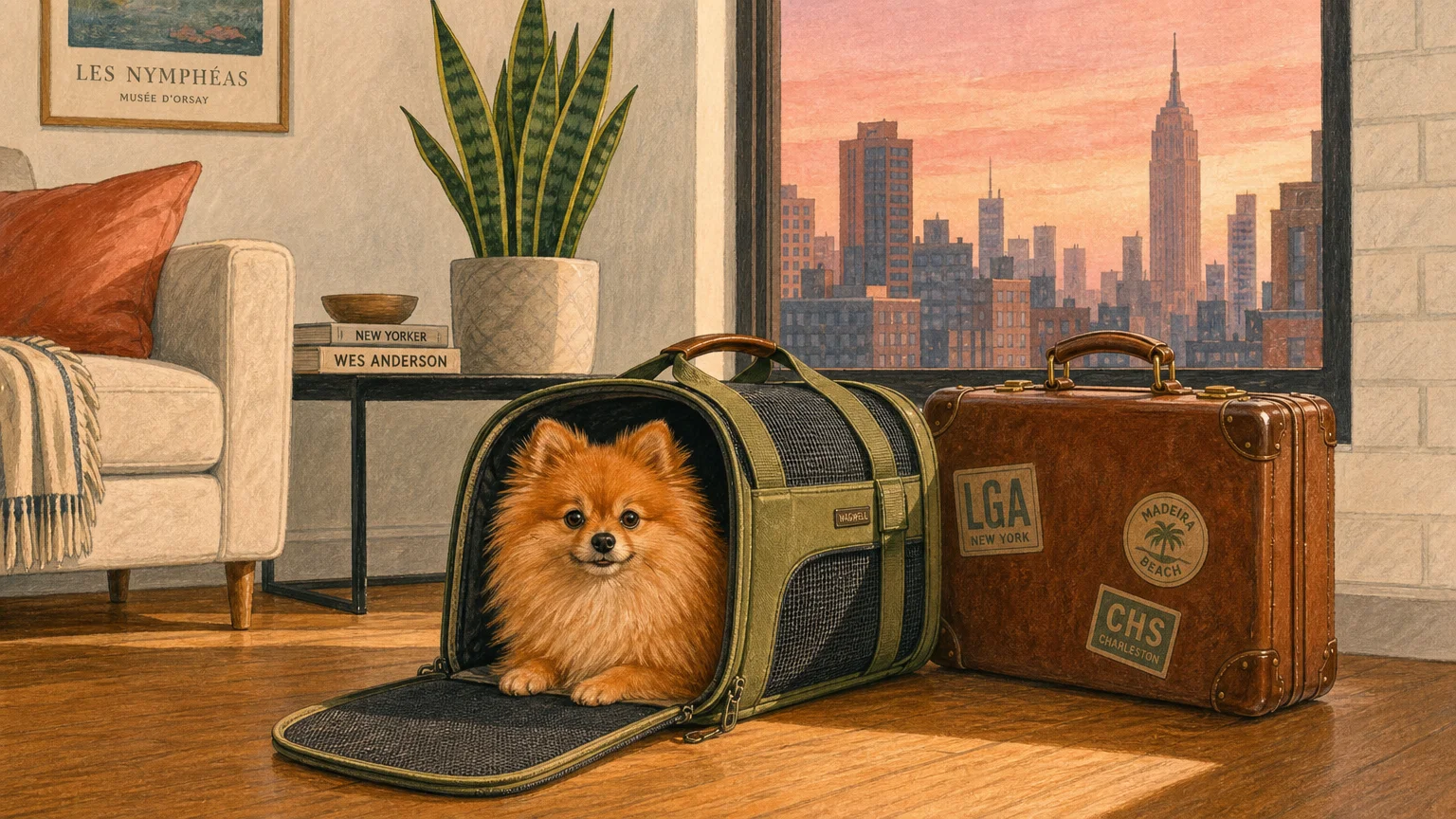
Small dog breeds—typically classified as those weighing well under 20 pounds fully grown—are highly sought after for a variety of practical reasons. They adapt remarkably well to constrained living spaces, are generally easier to manage on a leash, and cost significantly less to feed than large working breeds. Most importantly, toy breeds tend to live considerably longer than large dogs, often reaching 14 to 16 years of age with proper care. Because their physical footprint remains small, they easily fit into standard airline carriers, allowing you to include them in your travel plans rather than arranging for boarding.
15 Dog Breeds That Keep Their Puppy Proportions
1. Chihuahua
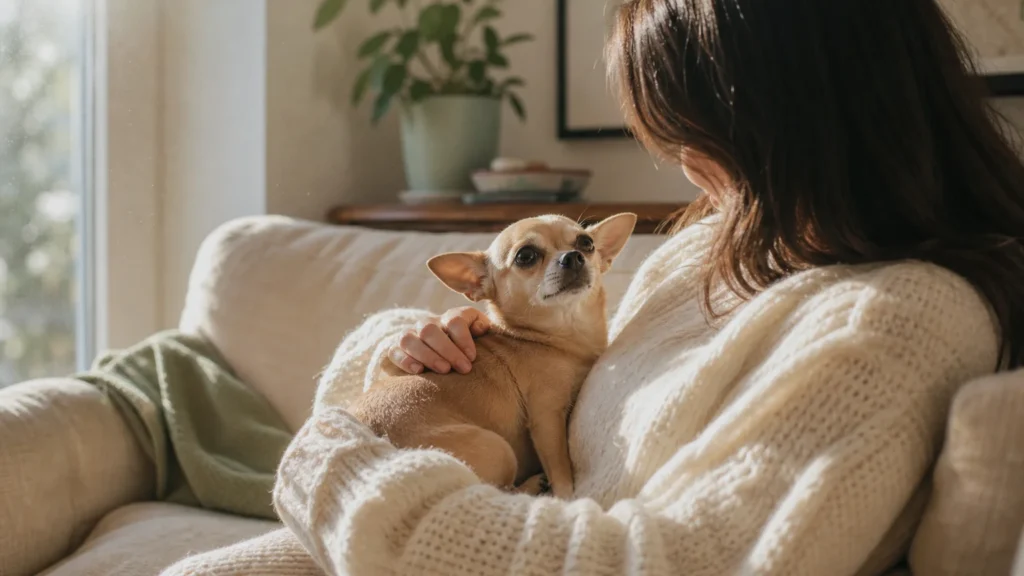
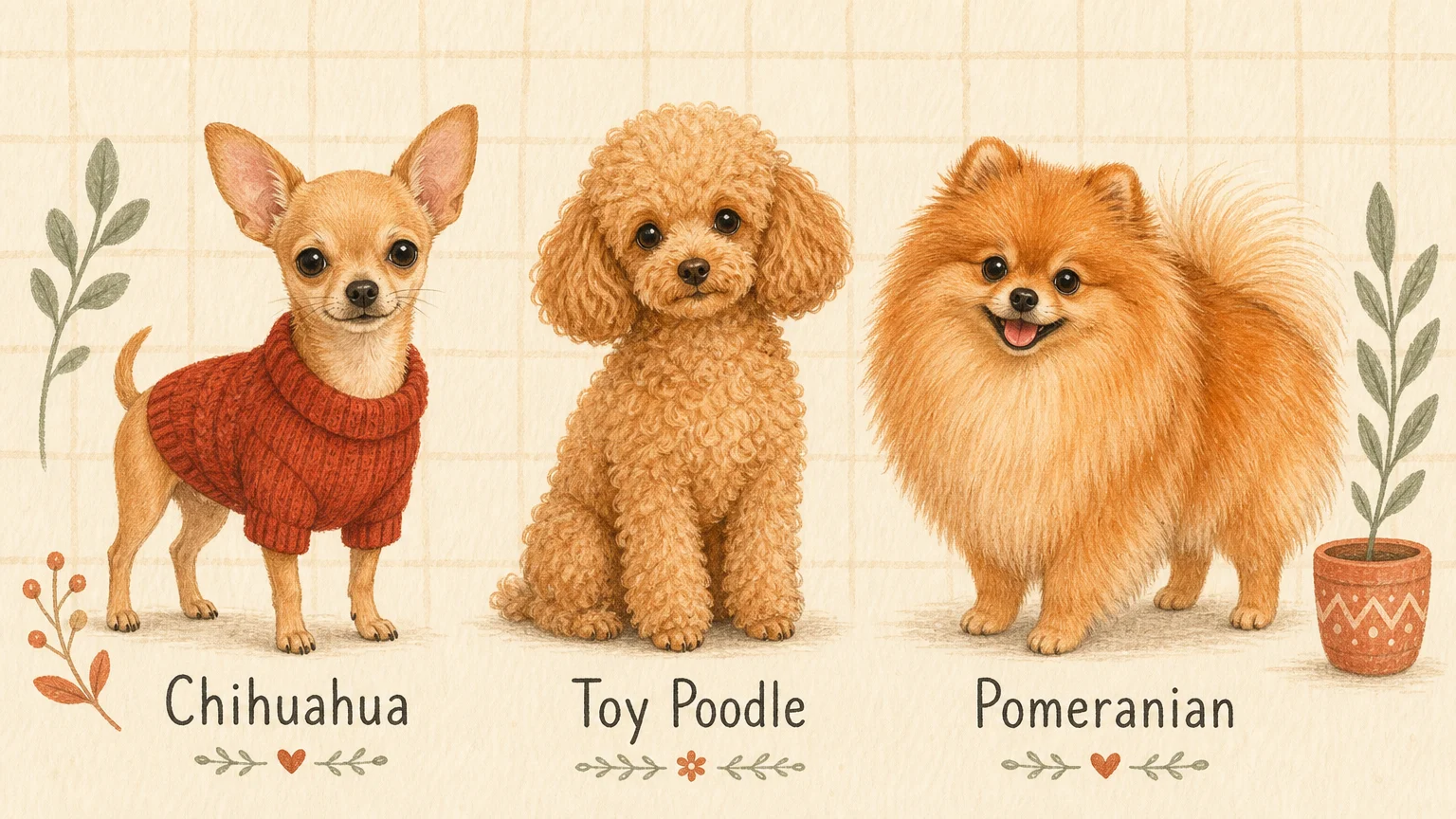
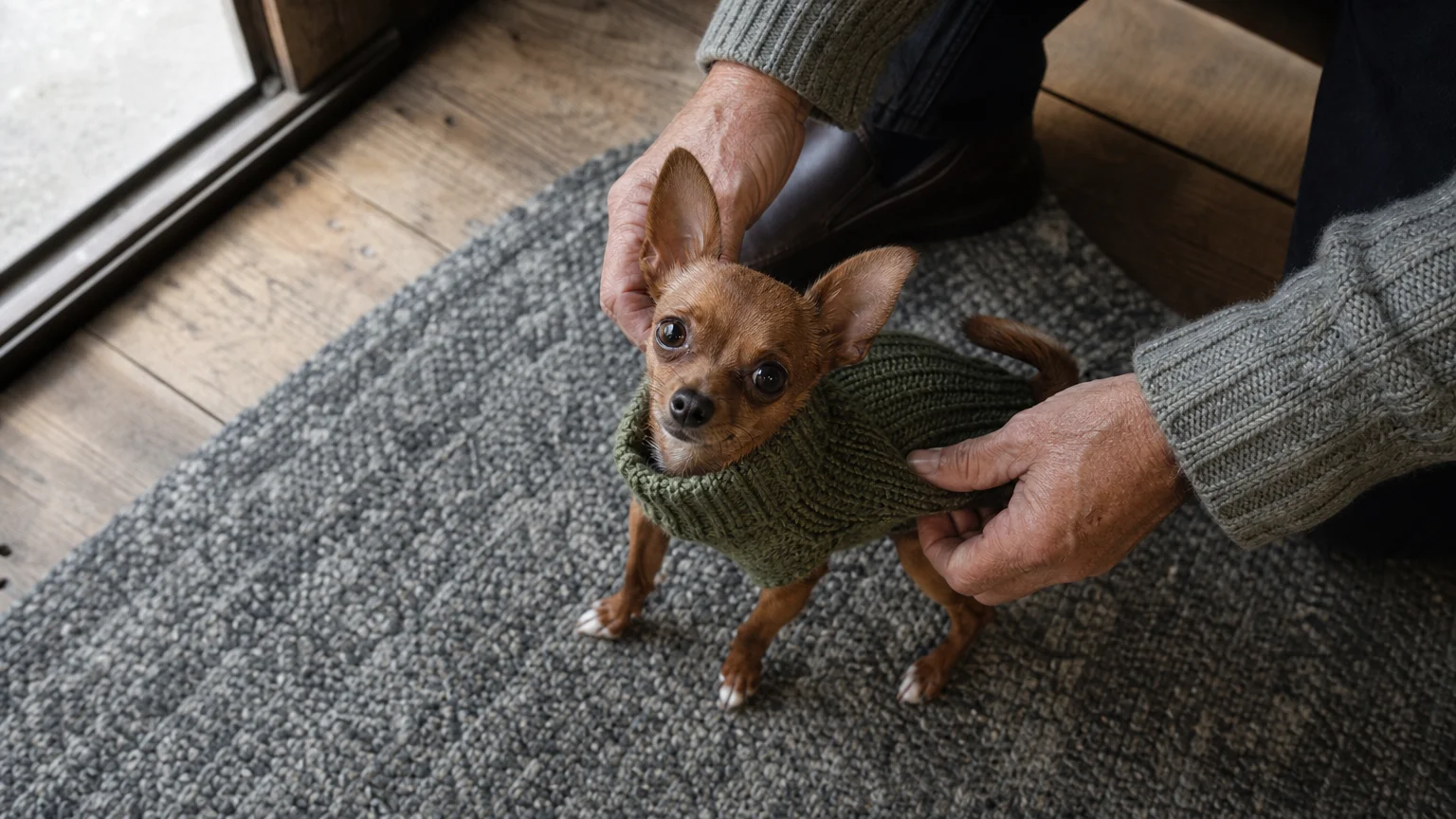
The Chihuahua holds the title of the smallest dog breed in the world. According to the American Kennel Club breed standard, these tiny companions should not exceed 6 pounds as adults. You will find them in both smooth-coat and long-coat varieties, sporting almost every color imaginable. Their origins trace back to the ancient civilizations of Central America. Despite their fragile size, Chihuahuas are remarkably alert, intensely loyal, and carry a “big dog” attitude that makes them excellent watchdogs. Because they are so incredibly small, you need to be mindful of where you step, avoid leaving them unattended on high furniture to prevent jumping injuries, and ensure they have a warm sweater during freezing winter weather.
2. Russian Toy
Standing up to 11 inches tall and weighing a maximum of 6.5 pounds, the Russian Toy is one of the more recent breeds to gain full recognition in the United States. They feature long, lean legs and fine bone structure, making them appear incredibly delicate. Originally bred as prized companions for Russian aristocracy, these dogs thrive on human interaction and boast an energetic, cheerful disposition. They can have either a smooth coat or a long coat adorned with distinct, elegant fringes trailing from their ears.
3. Toy Poodle
The Toy Poodle shares the exact same conformation and intelligence standards as the Miniature and Standard Poodles, just scaled down to stand 10 inches or under at the shoulder. Adult Toy Poodles typically weigh between 4 and 6 pounds. They offer the distinct advantage of a tightly curled, low-shedding coat, making them an excellent choice if you suffer from allergies. Beyond their elegant appearance, Toy Poodles are highly intelligent and excel in obedience training, easily mastering complex tricks and agility obstacles.
4. Pomeranian
Descended from large Nordic sled dogs, the modern Pomeranian has been miniaturized down to a compact 3 to 7 pounds. Recognizable by their heavily plumed tails and thick, harsh-textured double coats, Pomeranians look like animated puffballs. Queen Victoria famously helped popularize their miniaturization during her reign. They are highly extroverted, intelligent, and fiercely vocal, making them surprisingly good watchdogs who will readily alert you to any unusual activity outside your front window.
5. Maltese
The Maltese has served as a prized lapdog for thousands of years, originating as a barter commodity in the ancient Mediterranean. Weighing under 7 pounds—with 4 to 6 pounds being the preferred show size—they are defined by their stunning, floor-length white coats. Beneath that glamorous exterior lies a hardy, adaptable, and affectionate companion. While their lack of an undercoat means they shed very little, keeping a Maltese in full coat requires daily, rigorous brushing to prevent severe matting.
6. Yorkshire Terrier
Originally bred to chase rats in the textile mills of northern England during the 19th century, the Yorkshire Terrier has evolved into a fiercely popular companion animal. Adult Yorkies weigh no more than 7 pounds. They are bold, confident, and packed with typical terrier feistiness, meaning they will not hesitate to alert you to strangers. Their glossy, floor-length blue and tan coats require significant daily maintenance. To keep grooming manageable, many owners opt for a shorter “puppy cut.”
7. Papillon
Named for their large, upright, butterfly-like ears (“papillon” translates to butterfly in French), these elegant spaniels weigh between 5 and 10 pounds. Unlike many toy breeds that prefer lounging on the sofa all day, the Papillon is highly athletic and driven. They dominate agility courses in their size class and need regular mental stimulation to stay happy. If you want a tiny dog that can easily keep up on long neighborhood walks, the Papillon is a stellar choice.
8. Japanese Chin
The Japanese Chin weighs between 7 and 11 pounds and carries a distinctively aristocratic air. Originally bred to grace the laps of Asian nobility, they exhibit a somewhat feline personality—they groom themselves meticulously, enjoy perching on the backs of sofas, and remain generally quiet. Their broad heads, short muzzles, and large, wide-set eyes give them a unique facial expression often described as a look of perpetual astonishment.
9. Miniature Pinscher
Often referred to as the “King of Toys,” the Miniature Pinscher weighs 8 to 10 pounds. Do not mistake them for scaled-down Dobermans; they are actually a distinct and older breed with roots tracing back to the Dachshund and Italian Greyhound lines. Min Pins are sturdy, fearless, and constantly in motion. They walk with a distinctive high-stepping “hackney” gait that perfectly reflects their proud, energetic nature.
10. Affenpinscher
The Affenpinscher, weighing 7 to 10 pounds, is affectionately known as the “monkey dog” due to its facial structure and harsh, wiry coat. Originally employed as exterminators in German stables, they eventually moved indoors to become kitchen ratters and beloved house pets. They are loyal, curious, and famously funny, often entertaining themselves—and their owners—by tossing their toys in the air and parading around on their hind legs.
11. Brussels Griffon
Weighing between 8 and 10 pounds, the Brussels Griffon stands out for its thickset body and incredibly expressive, almost human-like face. They come in two coat varieties: rough and smooth. Griffs are highly sensitive, deeply bonded to their primary owner, and tend to act like “Velcro” dogs, following you from room to room. Their prominent eyes and pouty faces make their moods incredibly easy to read.
12. Havanese
The national dog of Cuba, the Havanese weighs 7 to 13 pounds and features a long, silky coat that comes in a wide variety of colors. Unlike some of the finer-boned toy breeds, the Havanese is quite sturdy and resilient, making them slightly better suited for families with older, respectful children. They are highly social, eager to please, and make excellent watchdogs without crossing the line into excessive yapping.
13. Shih Tzu
Translating to “lion dog,” the Shih Tzu was bred specifically to warm the laps of Chinese emperors. Weighing a solid 9 to 16 pounds, they are noticeably heavier and more substantial than a Chihuahua or Maltese. They require no hunting or guarding duties—their only historical job is to love you. Sweet, trusting, and friendly toward strangers, a Shih Tzu is perfectly content living in a small apartment as long as they get a daily walk.
14. Cavalier King Charles Spaniel
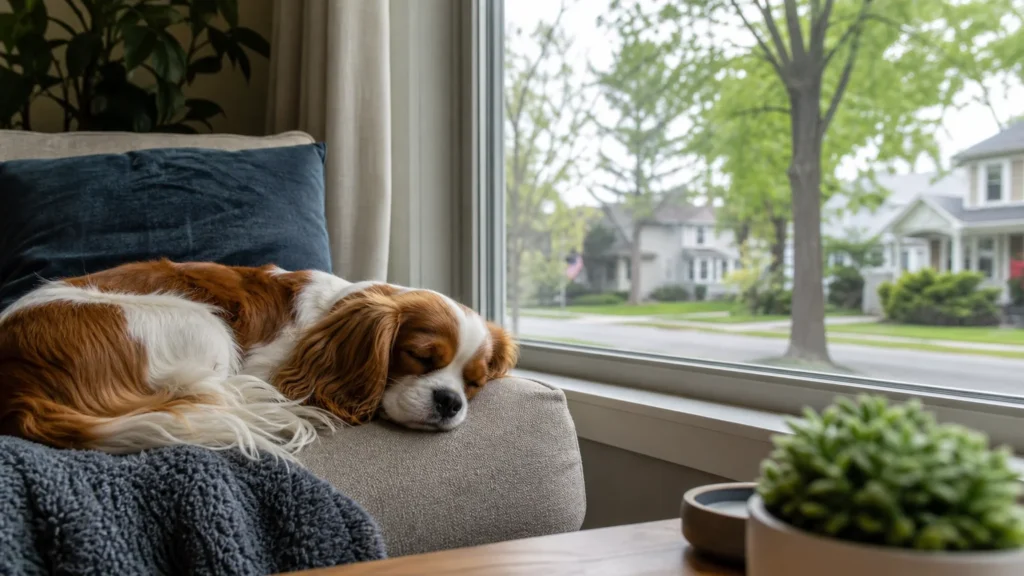
The Cavalier King Charles Spaniel sits at the upper end of the toy group, weighing 13 to 18 pounds. They perfectly balance the gentle attentiveness of a toy breed with the athletic, sporting nature of true spaniels. Cavaliers are characterized by their sweet, melting expressions and large, round dark eyes. They are incredibly affectionate and generally get along seamlessly with other dogs, cats, and humans of all ages.
15. Bichon Frise
With their dark eyes and puffy white coats, the Bichon Frise looks exactly like a living cotton ball. Weighing between 12 and 18 pounds, they are sturdy, resilient dogs underneath all that hair. The Bichon is naturally cheerful, deeply affectionate, and prone to sudden, joyful bursts of energy known as the “Bichon blitz.” Because their curly coat traps dander, they are frequently recommended for households prone to pet allergies, though they do require strict professional grooming to maintain their shape.
Comparing Small Breed Weights and Lifespans
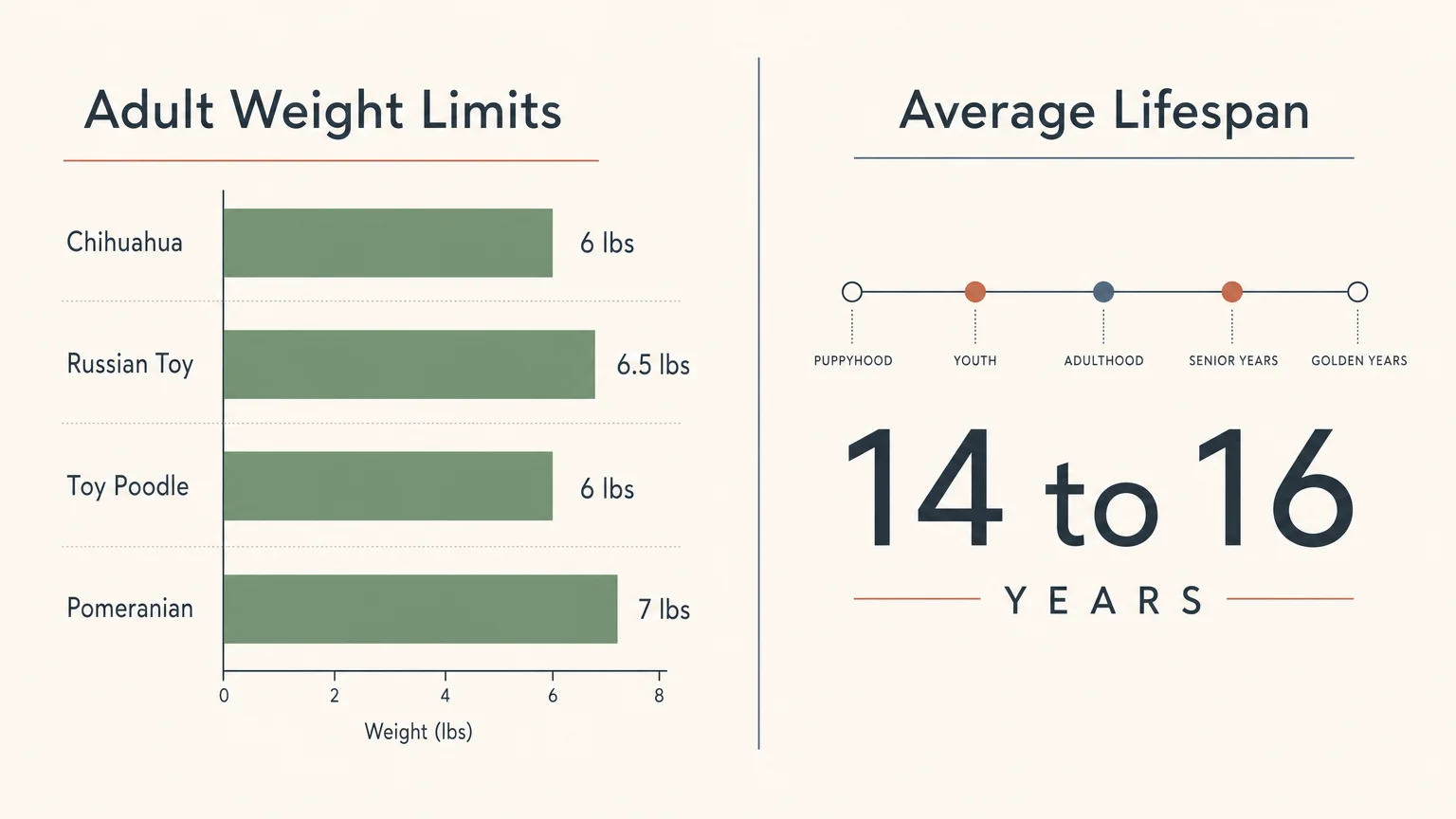
When selecting a small breed, balancing adult weight against expected lifespans can help narrow down your options to find the perfect fit for your household.
| Breed | Adult Weight | Expected Lifespan |
|---|---|---|
| Chihuahua | Up to 6 lbs | 14–16 years |
| Russian Toy | Up to 6.5 lbs | 12–14 years |
| Toy Poodle | 4–6 lbs | 10–18 years |
| Pomeranian | 3–7 lbs | 12–16 years |
| Maltese | 4–7 lbs | 12–15 years |
| Yorkshire Terrier | Up to 7 lbs | 11–15 years |
| Papillon | 5–10 lbs | 14–16 years |
| Japanese Chin | 7–11 lbs | 10–12 years |
| Miniature Pinscher | 8–10 lbs | 12–16 years |
| Affenpinscher | 7–10 lbs | 12–15 years |
| Brussels Griffon | 8–10 lbs | 12–15 years |
| Havanese | 7–13 lbs | 14–16 years |
| Shih Tzu | 9–16 lbs | 10–18 years |
| Cavalier King Charles Spaniel | 13–18 lbs | 12–15 years |
| Bichon Frise | 12–18 lbs | 14–15 years |
Worth Keeping in Mind: The Realities of Tiny Dogs
While dogs that stay small are undeniably convenient, their size brings unique daily challenges that require your vigilance.
- Physical Fragility: A drop from a human’s arms or a rough tumble with a larger dog can result in severe bone fractures for breeds under 10 pounds. You must remain intensely aware of where you step and sit, and always monitor them around energetic young children.
- Cold Weather Sensitivity: Breeds with low body fat and thin coats—like the Chihuahua and Miniature Pinscher—struggle to retain body heat. You will likely need to invest in a functional winter wardrobe and strictly limit their outdoor time during freezing temperatures.
- Housebreaking Challenges: Tiny dogs have tiny bladders. You will need to offer more frequent bathroom breaks than you would for a large breed. Some owners permanently rely on indoor pee pads to successfully manage this biological reality.
- Hypoglycemia in Puppies: Toy breed puppies are particularly susceptible to sudden, dangerous drops in blood sugar if they skip a meal. It is critical to monitor their eating habits closely during their first year of life.
When to Get Professional Help
Small dogs are biologically predisposed to a few specific health hurdles. Catching these conditions early can drastically improve your dog’s comfort and quality of life.
- Dental Disease: Small breeds frequently suffer from overcrowded teeth, which quickly trap plaque and lead to rapid periodontal disease. According to research published by the American Veterinary Medical Association, small-breed dogs are significantly more likely to develop advanced dental disease compared to larger breeds. If your dog has terribly bad breath, drops food while eating, or refuses dry kibble entirely, schedule a veterinary dental exam.
- Luxating Patellas: This condition occurs when a dog’s kneecap slips out of its anatomical groove. As noted by the Cornell University College of Veterinary Medicine, patellar luxation is a highly common orthopedic condition in small breeds. If your dog suddenly limps, “skips” a step, or holds a back leg up momentarily while running, a vet needs to evaluate their joints.
- Tracheal Collapse: Toy breeds feature very delicate windpipes. If your dog develops a harsh, honking cough—especially when excited or when pulling on a leash—a veterinarian can recommend management strategies. They will almost certainly advise you to immediately switch from a traditional neck collar to a well-fitted body harness.
Bringing a tiny dog into your home guarantees years of loyalty, easy travel, and endless entertainment. By understanding their unique needs and preparing your space, you set your pint-sized companion up for a long, healthy life by your side. The information here is meant for educational purposes. Specific circumstances—including health conditions, finances, location, and goals—may require different approaches. When in doubt, consult a licensed professional or check official sources directly.
Last updated: June 2026. Rules, prices, and details change—verify current information with official sources before acting on it.