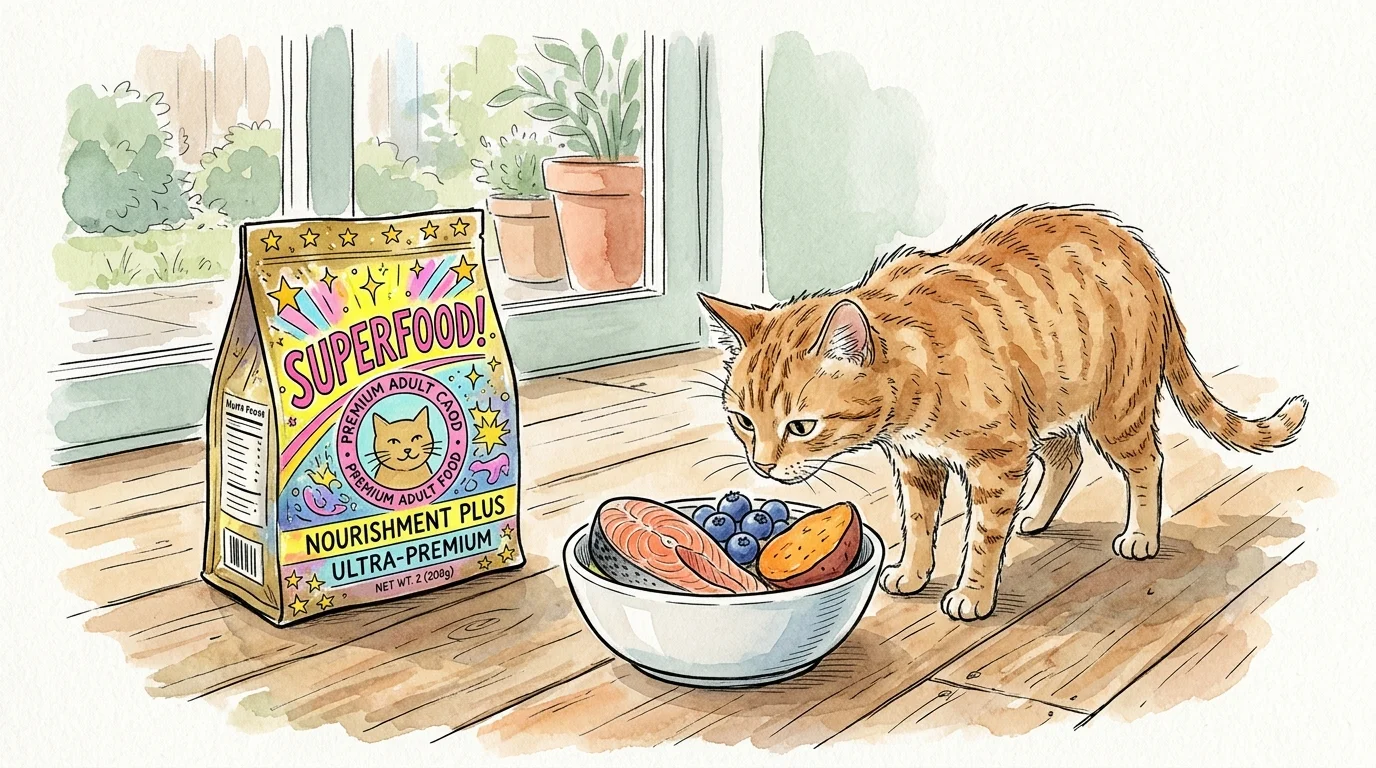
Brightly colored bags, glossy promises, and buzzwords like “ancestral” or “superfood” often distract from what actually nourishes your pet. While marketing teams design packaging to appeal to human grocery preferences, veterinary nutritionists focus on bioavailable nutrients that support organ health, digestion, and longevity.
U.S. pet food manufacturers generate over $51.7 billion annually, leaving pet parents to navigate hundreds of confusing claims. Finding the best ingredients in dog and cat food requires looking past flashy front-of-bag slogans and analyzing the actual ingredient list.
By focusing on proven, high-value nutrients, you can protect your pet’s health, improve their vital energy, and make every feeding count.

Why Pet Food Marketing vs Real Quality Confuses Pet Parents
Walking down the pet food aisle can feel overwhelming. Manufacturers fill front packaging with images of roasted meats, fresh orchard apples, and outdoor wilderness scenes.
However, pet food marketing vs real quality represents two very different realities.
According to a 2025 study by the Institute for Feed Education and Research (IFEEDER), U.S. pet food manufacturers produce 9.8 million tons of dog and cat food annually using over 600 distinct plant and animal ingredients.
This massive industry generates $51.7 billion in sales each year, creating intense competition among brands driving bold marketing assertions.
Consumer behavior studies conducted by BENEO and Wizer reveal that 79% of dog and cat owners regularly inspect ingredient statements for unwanted additives, while over 80% view formulations with minimal artificial ingredients as healthier options.
Yet, evaluating what to look for in pet food ingredients requires understanding how regulatory standards are changing. In January 2024, the Association of American Feed Control Officials (AAFCO) released its Pet Food Label Modernization (PFLM) guidelines.
This update replaces the traditional “Guaranteed Analysis” box with a consumer-friendly “Pet Nutrition Facts” panel; it also mandates explicit declarations of total carbohydrates and dietary fiber. Regulators have established a transition window running through 2030 for full commercial compliance.
Furthermore, the regulatory landscape shifted significantly in October 2024 when the 17-year Memorandum of Understanding between the U.S. Food and Drug Administration (FDA) and AAFCO expired. This change restructured how federal and state officials evaluate and define new pet food ingredients.
To make informed choices, you must know which pet food ingredients that matter most deliver real physiological value rather than marketing fluff.
“Front-of-bag slogans target human emotions, but back-of-bag ingredient lists tell the true story of cellular nourishment, digestibility, and long-term vitality for your pet.”

10 Pet Food Ingredients That Matter Most to Veterinary Nutritionists
When veterinary nutritionists evaluate commercial diets, they look past front-label claims and review the functional utility of each item. Here are ten ingredients that provide genuine health advantages for your cat or dog.
1. Named Animal Protein Sources (Deboned Chicken, Salmon, Lamb Meal)
Protein forms the structural backbone of your pet’s diet, supplying essential amino acids necessary for muscle repair, enzymatic activity, and immune function.
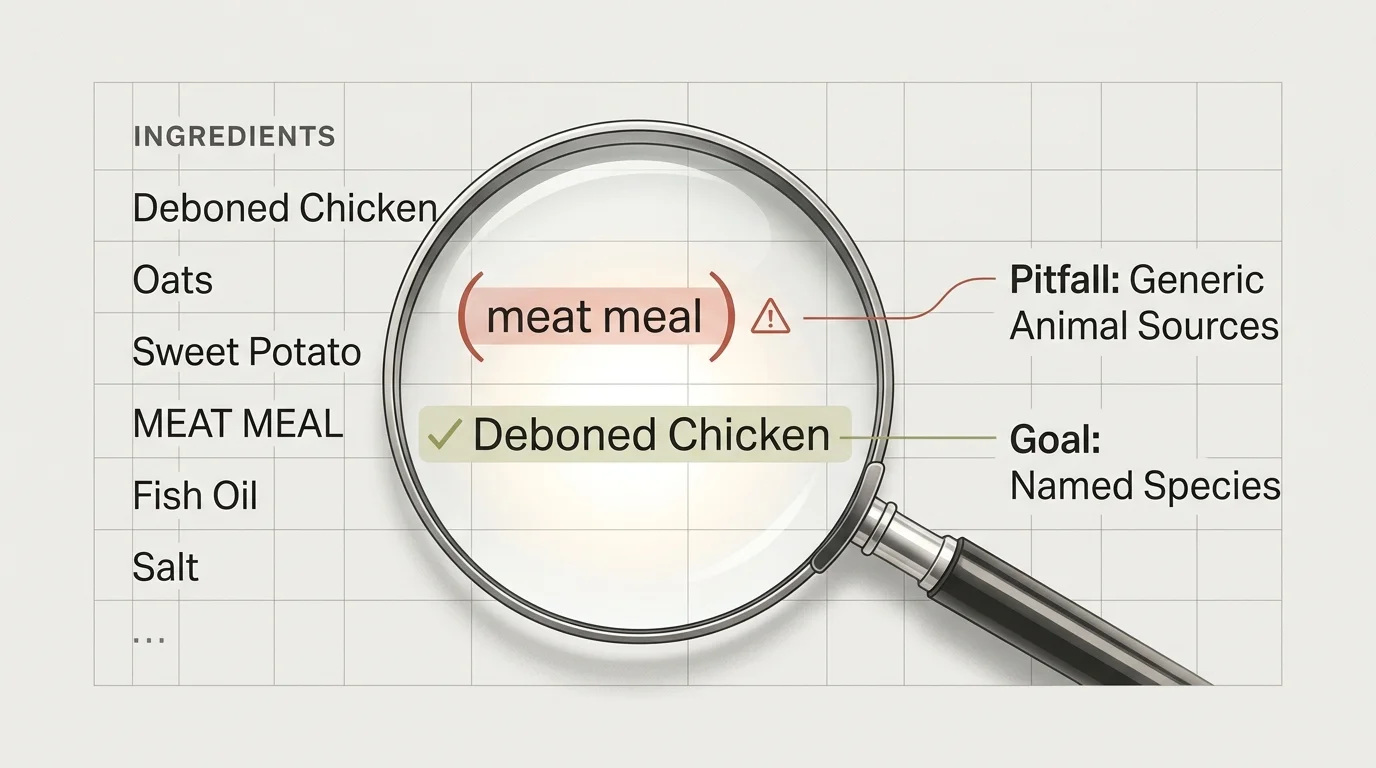
Veterinary nutritionists emphasize looking for specific, named animal species—such as deboned chicken, beef, salmon, or lamb meal—rather than generic labels like “meat meal” or “poultry by-products.” Named animal proteins ensure consistency and transparency.
Concentrated animal protein meals (like chicken meal) undergo rendered drying processes that remove moisture, yielding a highly concentrated protein source that delivers dense nutrition in every kibble piece.
2. Marine-Derived Omega-3 Fatty Acids (Fish Oil, Salmon Oil, Algal Oil)
Fatty acids are critical for cell membrane structure, neurological development, and systemic inflammation reduction. While many manufacturers highlight plant-based fats like flaxseed, dogs and cats convert plant-derived alpha-linolenic acid (ALA) into biologically active eicosapentaenoic acid (EPA) and docosahexaenoic acid (DHA) very inefficiently.
Marine oils—such as cold-water fish oil, salmon oil, or microalgae oil—provide direct, readily bioavailable EPA and DHA. These marine-sourced omega-3s soothe itchy skin, maintain a shiny coat, protect kidney function, and support joint mobility in senior pets.
3. Prebiotic Fibers (Inulin, Chicory Root, Beet Pulp)
A healthy gastrointestinal tract depends on a balanced microbiome. Prebiotic fibers are non-digestible plant carbohydrates that selectively feed beneficial gut bacteria like Bifidobacteria and Lactobacillus species.
Ingredients such as chicory root extract, purified inulin, and dried beet pulp ferment in the large intestine, producing short-chain fatty acids (SCFAs) like butyrate. These fatty acids nourish colonocytes, strengthen the intestinal barrier, enhance nutrient absorption, and yield firmer, consistent stools.
4. Chelated Minerals (Zinc Proteinate, Iron Amino Acid Chelate)
Minerals are vital for metabolic processes, bone density, and enzymatic reactions throughout your pet’s body. Standard inorganic mineral salts—such as zinc oxide or ferrous sulfate—often bind to other dietary compounds in the digestive tract, rendering them unabsorbable.
Chelated minerals (often listed as mineral proteinates, amino acid complexes, or bisglycinates) combine trace elements directly with amino acids. This organic binding allows the intestinal wall to recognize and absorb the mineral easily, boosting bioavailability and reducing gastrointestinal distress.
5. Taurine
Taurine is an essential amino acid for cats, who cannot synthesize it internally; a deficiency causes retinal degeneration and dilated cardiomyopathy (DCM).
While dogs can theoretically synthesize taurine from methionine and cysteine, clinical research from the World Small Animal Veterinary Association (WSAVA) highlights that certain canine breeds or dietary formulations can lead to taurine deficiency.
Including supplemental taurine in both cat and dog food ensures optimal cardiac muscle contraction, proper eye health, and healthy reproductive function.
6. Micro-Encapsulated Probiotics (Enterococcus Faecium, Lactobacillus Acidophilus)
While prebiotics feed good bacteria, probiotics introduce live beneficial microorganisms directly into your pet’s digestive tract. Formulations featuring specialized strains like Enterococcus faecium, Lactobacillus acidophilus, or Bifidobacterium animalis help outcompete pathogenic bacteria.
Look for brands that apply probiotics post-extrusion or use micro-encapsulation technologies; high heat during extrusion kills beneficial bacteria, so post-processing application ensures live, active cultures reach your pet’s gut.
7. Whole, Low-Glycemic Carbohydrates (Oats, Barley, Sweet Potatoes)
Carbohydrates provide essential dietary fiber and easily accessible energy for daily activity. Rather than avoiding grains entirely, veterinary experts suggest prioritizing whole, low-glycemic carbohydrates like whole oats, ground barley, sorghum, and sweet potatoes.
These ingredients release glucose steadily into the bloodstream, preventing sharp insulin spikes and maintaining sustained energy. They also provide valuable micronutrients, B-complex vitamins, and natural antioxidants that refined starches or tapioca lack.
8. Glucosamine and Chondroitin Sulfate
Joint health is a major factor in long-term canine and feline vitality, especially for large breeds and aging pets. Glucosamine serves as a fundamental building block for glycosaminoglycans, which form cartilage tissue, while chondroitin sulfate inhibits destructive enzymes that break down cartilage matrix.
Found naturally in high-quality animal cartilage meals or added as purified supplements, these compound pairings support joint lubrication, reduce joint stiffness, and preserve painless mobility.
9. Natural Tocopherols and Rosemary Extract
Fats in pet food oxidize when exposed to air, leading to rancidity and nutrient loss. To prevent degradation, manufacturers must add preservatives.
Vet recommended pet food qualities include natural preservation systems using mixed tocopherols (forms of Vitamin E) and rosemary extract instead of synthetic chemicals like BHA (butylated hydroxyanisole), BHT (butylated hydroxytoluene), or ethoxyquin.
Natural antioxidants stabilize fats, maintain flavor freshness, and protect your pet’s body from free-radical oxidative stress.
10. L-Carnitine
L-carnitine is an amino acid derivative that plays a crucial role in cellular energy production by transporting long-chain fatty acids into the mitochondria to be burned for fuel.
For overweight pets or breeds prone to obesity, L-carnitine helps burn excess fat while preserving lean muscle mass. Additionally, clinical studies demonstrate that L-carnitine supports cardiac function by optimizing energy utilization within heart muscle cells.
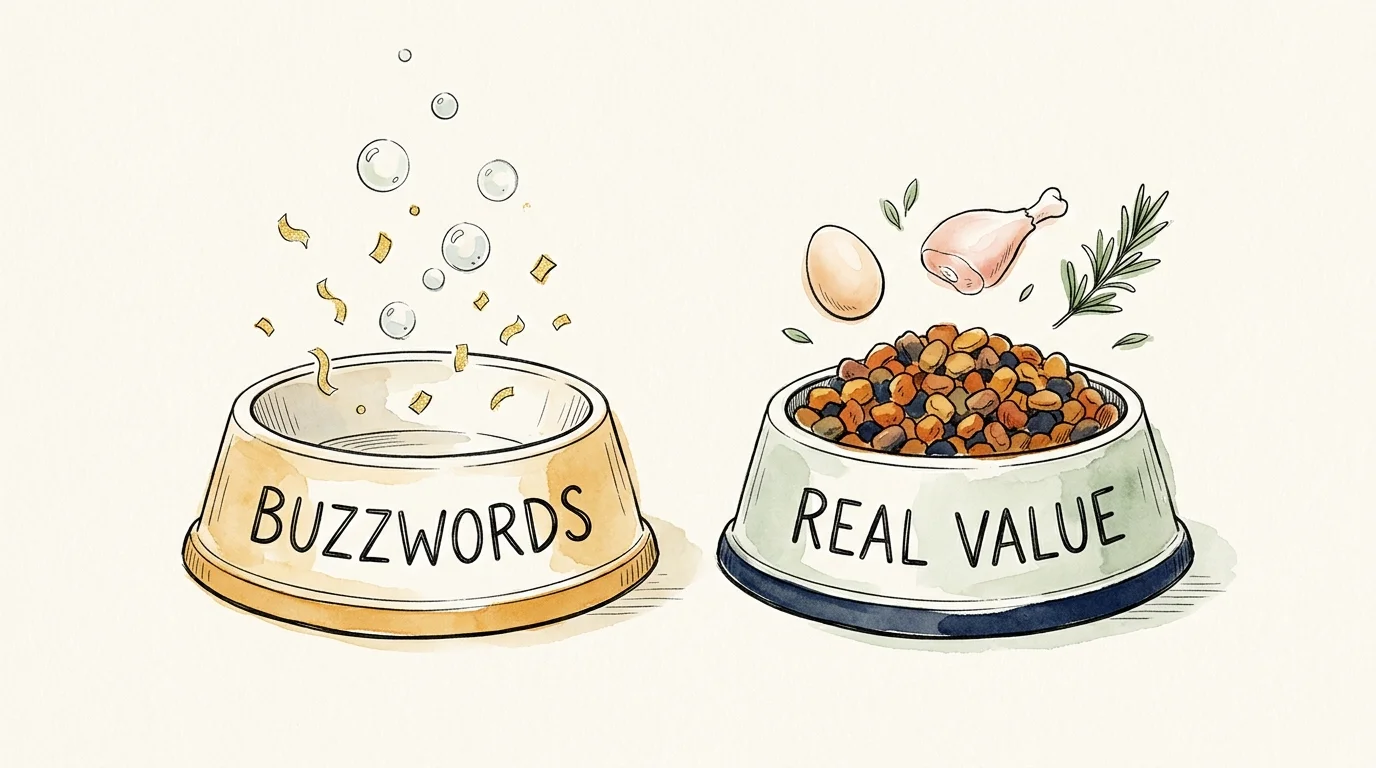
Comparing Marketing Buzzwords to Real Ingredient Value
Understanding how front-of-bag marketing correlates with back-of-bag nutrition helps you select truly beneficial foods. The following comparison table contrasts popular marketing phrases with what veterinary nutritionists recommend evaluating instead.
| Marketing Term / Front-of-Bag Claim | What It Actually Means | What Vets Recommend Looking For Instead |
|---|---|---|
| “Human-Grade” | Finished product manufactured in a facility licensed for human food production; does not guarantee nutritional balance. | Specific named protein sources and clear AAFCO adequacy statements for your pet’s exact life stage. |
| “Grain-Free” | Formulated without wheat, corn, or rice; frequently replaces grains with high levels of pea flour, lentils, or potatoes. | Whole, low-glycemic carbohydrates (barley, oats) unless your pet has a diagnosed grain allergy. |
| “Real Meat Is #1 Ingredient” | First ingredient listed by raw weight prior to cooking; high water content (70%) inflates position. | Combination of high-quality named whole meat plus named concentrated meat meals (e.g., Deboned Chicken and Chicken Meal). |
| “Holistic” or “Natural” | Unregulated marketing terms with no legal veterinary definition regarding nutritional superiority. | Chelated minerals, marine-derived omega-3 fatty acids, and natural tocopherols on the ingredient label. |
| “Superfood Infused” | Trace amounts of blueberries, kale, or chia seeds added to create human marketing appeal. | Functional prebiotic fibers (inulin, beet pulp) and micro-encapsulated probiotic strains in meaningful amounts. |
Things to Watch Out For: Common Labeling Pitfalls
Navigating pet food labels requires a vigilant eye for subtle manufacturer strategies that exaggerate quality. Keep these key scenarios in mind when reading packaging:
- Ingredient Splitting: Manufacturers sometimes divide a single ingredient into several smaller components—such as ground yellow corn, corn gluten meal, and corn flour. By listing them separately, none of the individual corn fractions weight-out high enough to take the top spot, allowing a smaller portion of fresh meat to appear first on the ingredient list.
- The Water Weight Bias: Ingredients are listed by raw weight before cooking. Whole fresh chicken contains approximately 70% water, making it heavy. Once processed into dry kibble, the moisture evaporates, and the actual chicken portion shrinks significantly, placing it much lower in actual dry matter contribution than concentrated meal ingredients.
- Heavy Pulse Legume Concentration in Grain-Free Foods: Some grain-free formulations replace traditional grains with heavy concentrations of peas, lentils, chickpea flour, and dried beans. Veterinary researchers continue investigating potential links between diets high in pulse legumes and non-hereditary dilated cardiomyopathy in dogs.
- Vague Generic Animal Derivatives: Terms like “animal fat,” “poultry digest,” or “meat meal” omit the source species. High-quality manufacturers state exact sources, such as “chicken fat” or “salmon meal,” ensuring consistent ingredient quality across production batches.

When DIY Isn’t Enough: Working with a Veterinary Nutritionist
While learning to read ingredient labels empowers you to select superior commercial foods, specific pet health scenarios demand professional medical oversight. Consult a board-certified veterinary nutritionist in the following situations:
- Formulating Homemade or Raw Diets: Preparing your pet’s food at home without expert guidance frequently leads to severe calcium, phosphorus, or trace mineral deficiencies. A veterinary nutritionist designs balanced, customized recipes tailored to your pet’s exact biological needs.
- Managing Chronic Medical Conditions: Pets suffering from chronic kidney disease, severe pancreatitis, congestive heart failure, or inflammatory bowel disease require precise therapeutic nutrient profiles that standard commercial foods cannot deliver.
- Conducting Adverse Food Reaction Trials: If your pet exhibits chronic skin inflammation, itching, or recurring digestive distress, a professional can guide you through strict elimination diet trials using novel protein or hydrolyzed protein diets.
- Managing Rapid Growth in Giant Breed Puppies: Giant breed puppies (such as Great Danes or Mastiffs) require exact calcium-to-phosphorus ratios and controlled caloric density to prevent developmental orthopedic diseases like hip dysplasia and osteochondrosis.
Frequently Asked Questions About Pet Food Ingredients
How do I read the new AAFCO Pet Nutrition Facts panel?
The modernized AAFCO Pet Nutrition Facts panel functions similarly to human nutrition labels.
Located on the side or back of the package, it explicitly states dietary fiber content and total carbohydrates alongside traditional crude protein and fat metrics, providing clearer visibility into your pet’s macro-nutritional intake.
Are animal by-products inherently unsafe for dogs and cats?
No. High-quality, named animal by-products—such as poultry by-product meal—consist of nutrient-dense organs like heart, liver, kidney, and lungs. These organs offer concentrated vitamins, essential minerals, and amino acids.
The key is ensuring the source is explicitly named (e.g., chicken by-product) rather than generic (e.g., animal by-product).
What is the difference between meat and meat meal?
Fresh meat includes clean flesh with natural moisture content (around 70%). Meat meal undergoes rendering—a process that cooks off water and fat—resulting in a concentrated, dry protein powder that supplies dense amino acids per gram.
Does my pet need a grain-free diet?
Unless a licensed veterinarian diagnoses your pet with a specific grain allergy or intolerance, grain-free diets offer no inherent nutritional superiority. Whole grains provide valuable digestible fiber, trace minerals, and energy balance.
Practical Action Steps for Your Next Pet Food Purchase
Transforming your pet’s diet starts with small, intentional changes. Next time you shop for pet food, skip the front-label marketing graphics and turn directly to the ingredient list and the updated Pet Nutrition Facts panel.
Check that a specific named protein occupies the first position, verify the inclusion of healthy marine fats or chelated minerals, and confirm the diet matches your pet’s life stage.
Introduce any new diet slowly over a 7-to-10-day period by mixing increasing proportions of the new food with their current food. This gradual shift protects your pet’s digestive balance and lets you monitor their stool quality, coat shine, and overall energy levels.
This article provides general information only. Every reader’s situation is different—what works for others may not be the right fit for you.
For personalized guidance on health, legal, or financial matters, consult a qualified professional.
Last updated: May 2026. Rules, prices, and details change—verify current information with official sources before acting on it.