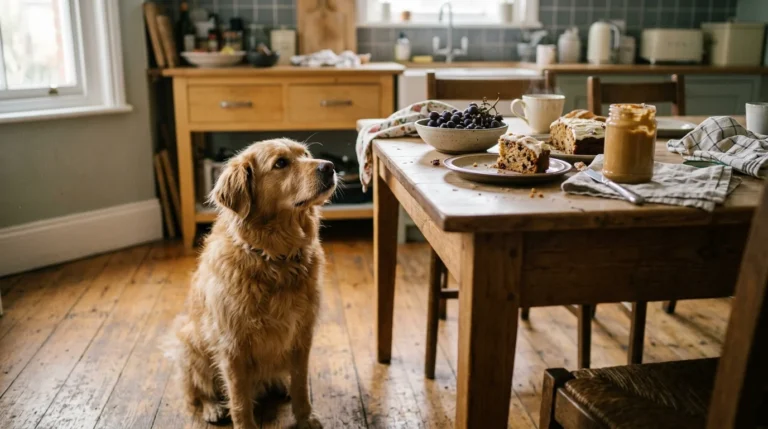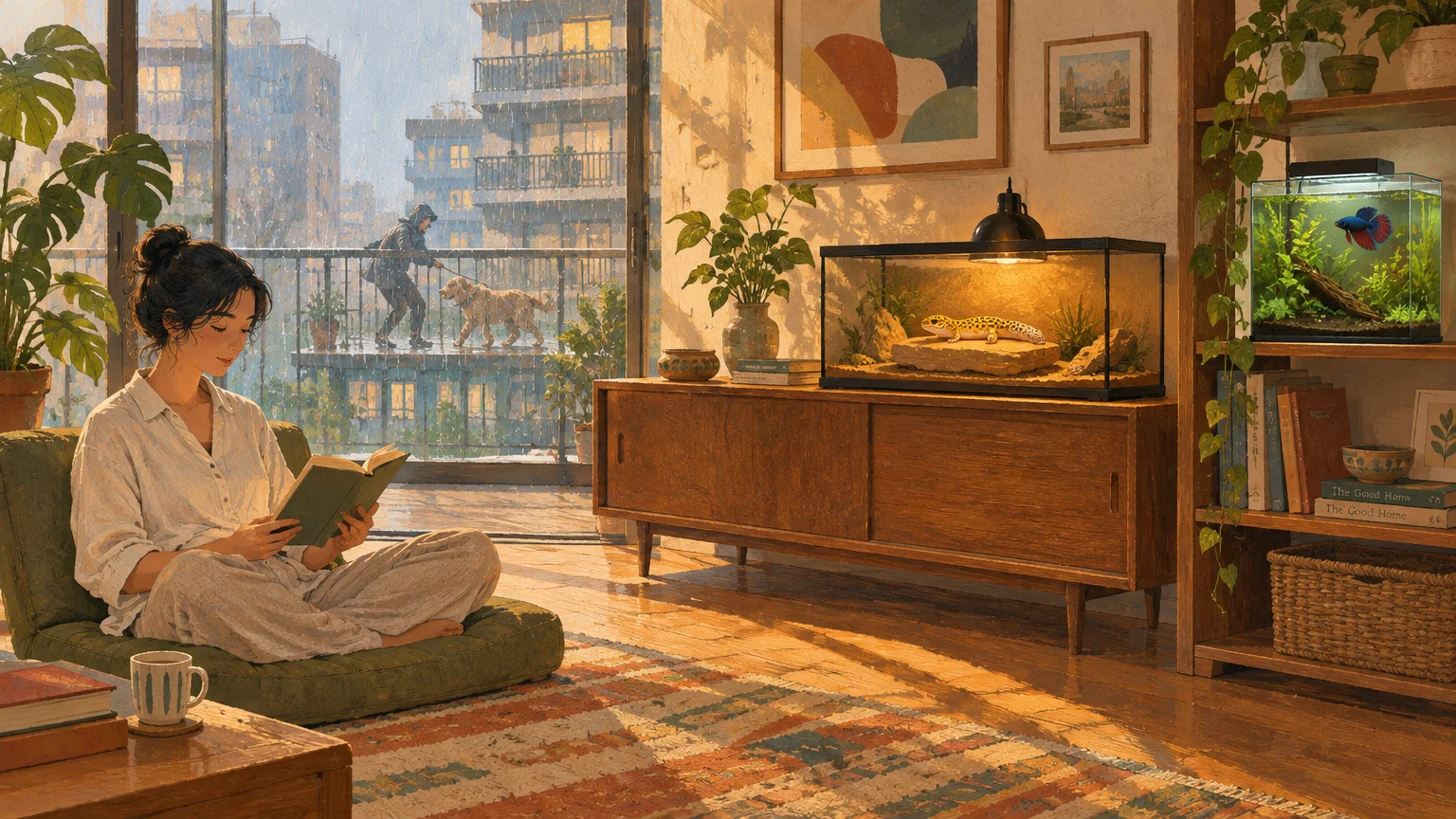
Dogs demand daily walks through heavy rain, and cats claim sovereignty over your cleanest furniture. If you crave companionship without endless chores, several animals provide genuine warmth and fascination with far less daily work.
These companion species fit busy professionals, apartment dwellers, and retirees who prefer calm household routines. You can handle and observe them without planning every hour around outdoor bathroom breaks.
From quiet desert lizards to curious rodents, low maintenance pets enrich your life on your own terms. Explore the ten best species that make everyday animal companionship remarkably simple.
What Makes a Pet Truly Low-Maintenance?
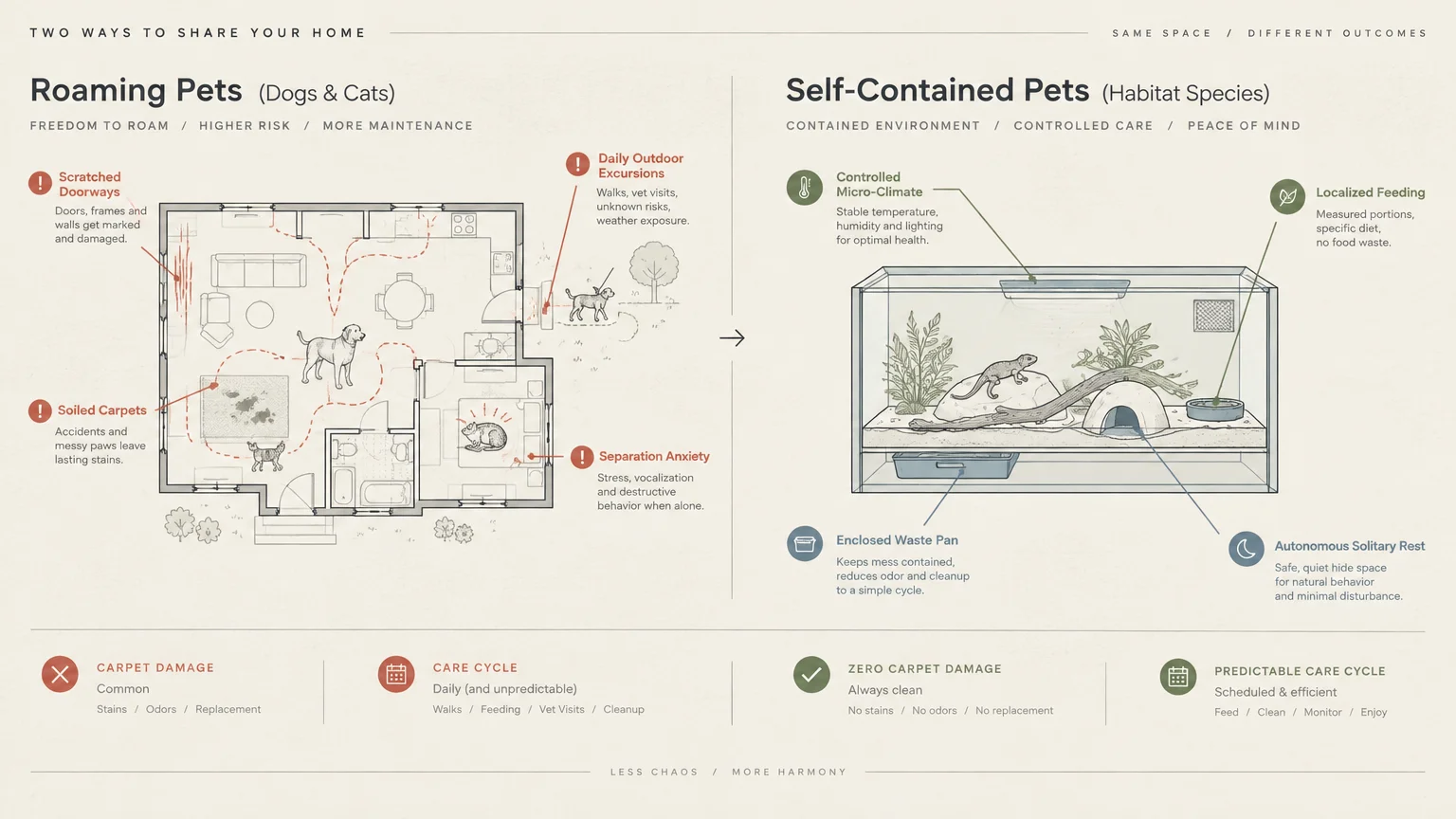
Traditional pets require continuous supervision, yard access, and rigorous training schedules. In contrast, self-contained pets spend their days inside carefully managed habitats that simplify everyday care.
You control their environment entirely, eliminating scratched doorways, soiled carpets, and chewed electrical wiring. Their food stays neatly contained, and their droppings remain localized to a single enclosure or litter pan.
Most small pets also lack separation anxiety. They rest peacefully while you spend long days at work or run weekend errands.
01 Leopard Gecko: The Quiet Desert Companion
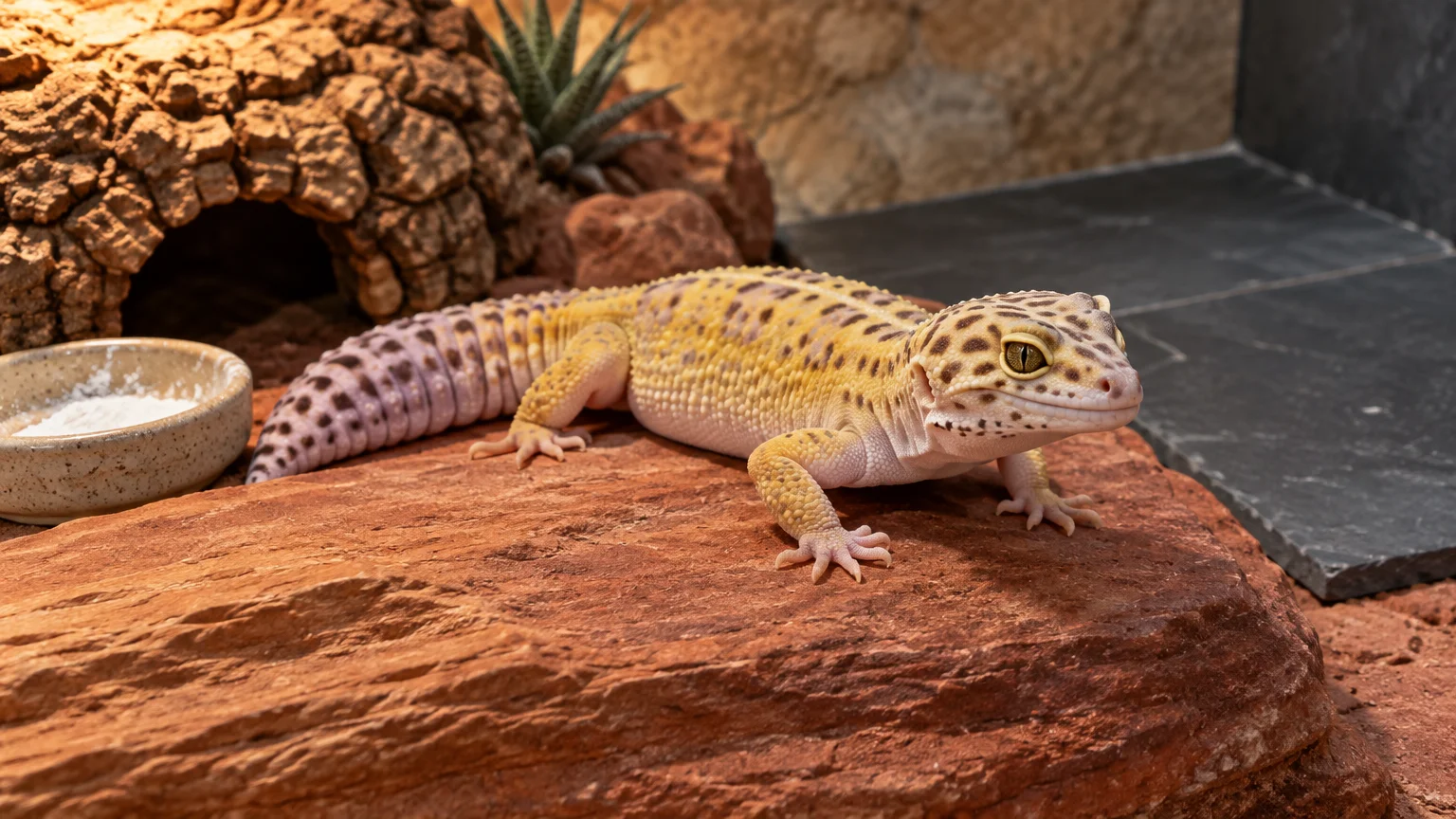
Leopard geckos rank among the best small pets for beginners because of their calm nature and simple dietary needs. Unlike dogs, they never bark, whine, or demand outdoor exercise in freezing weather.
These gentle ground-dwellers spend their days resting inside snug hides and emerge in the evening to explore. They reach eight to ten inches in length and tolerate gentle handling with exceptional patience.
Adult leopard geckos eat only two or three times each week. You feed them live crickets, dubia roaches, or mealworms dusted with essential calcium powder.
They even establish a dedicated bathroom spot in one specific corner of their enclosure. Spot-cleaning takes less than two minutes each evening with a pair of aquarium tongs.
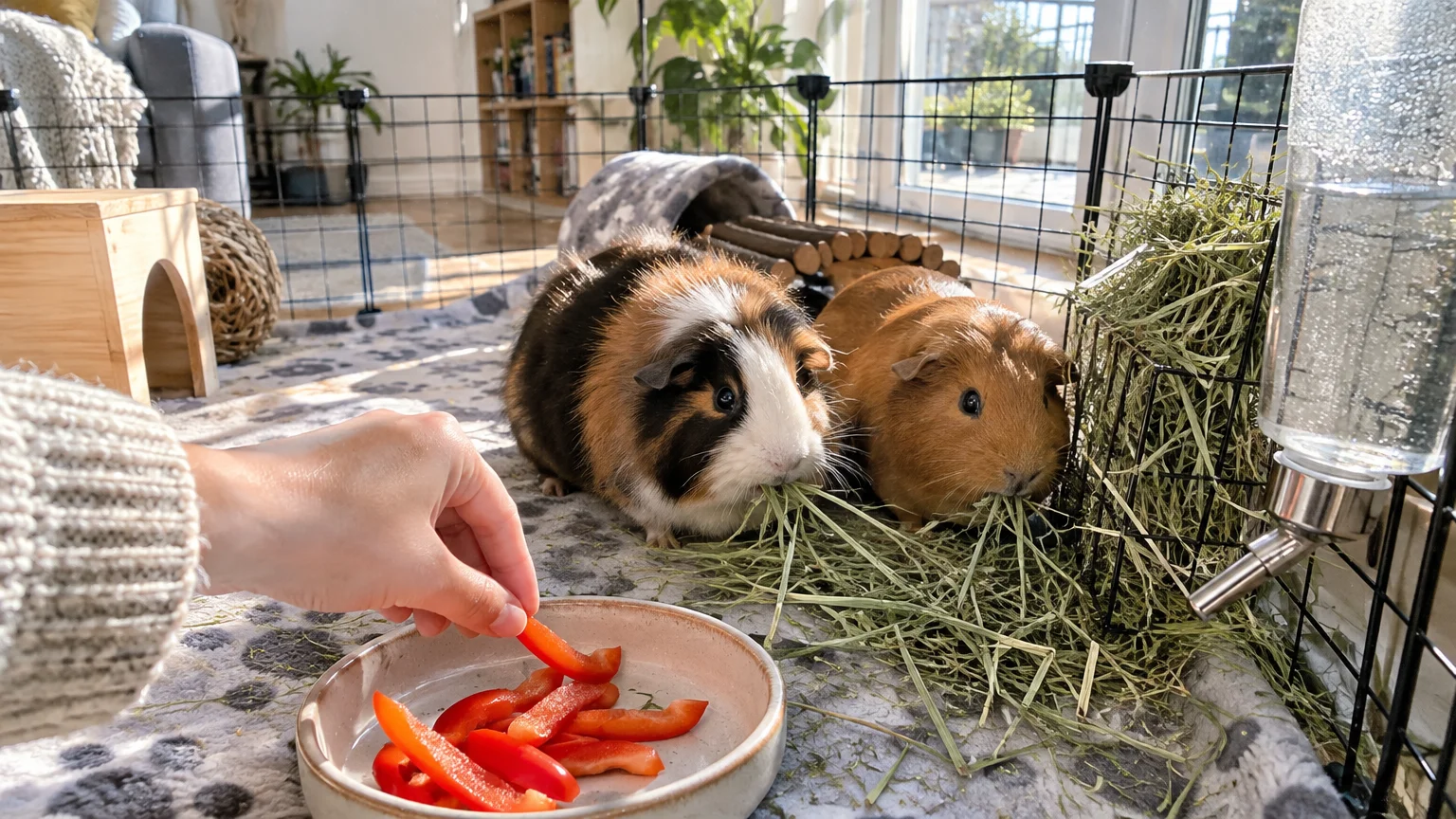
02 Guinea Pig: Vocal and Gentle Herbivores
Guinea pigs offer a warm, cuddly alternative to cats and dogs while remaining completely cage-based. They greet your morning arrival with cheerful whistling sounds called “wheeks.”
These chatty herbivores are ideal easy pets for seniors and retirees who enjoy interactive lap time. Their docile nature makes them far less prone to biting than smaller rodents.
Their diet consists primarily of fresh Timothy hay, fortified pellets, and daily slices of Vitamin C-rich vegetables like bell peppers. You simply refill their hay rack and water bottle once daily.
According to the Humane Society of the United States, guinea pigs thrive when housed in compatible pairs. Plan for an enclosure with at least seven to ten square feet of continuous flat floor space.
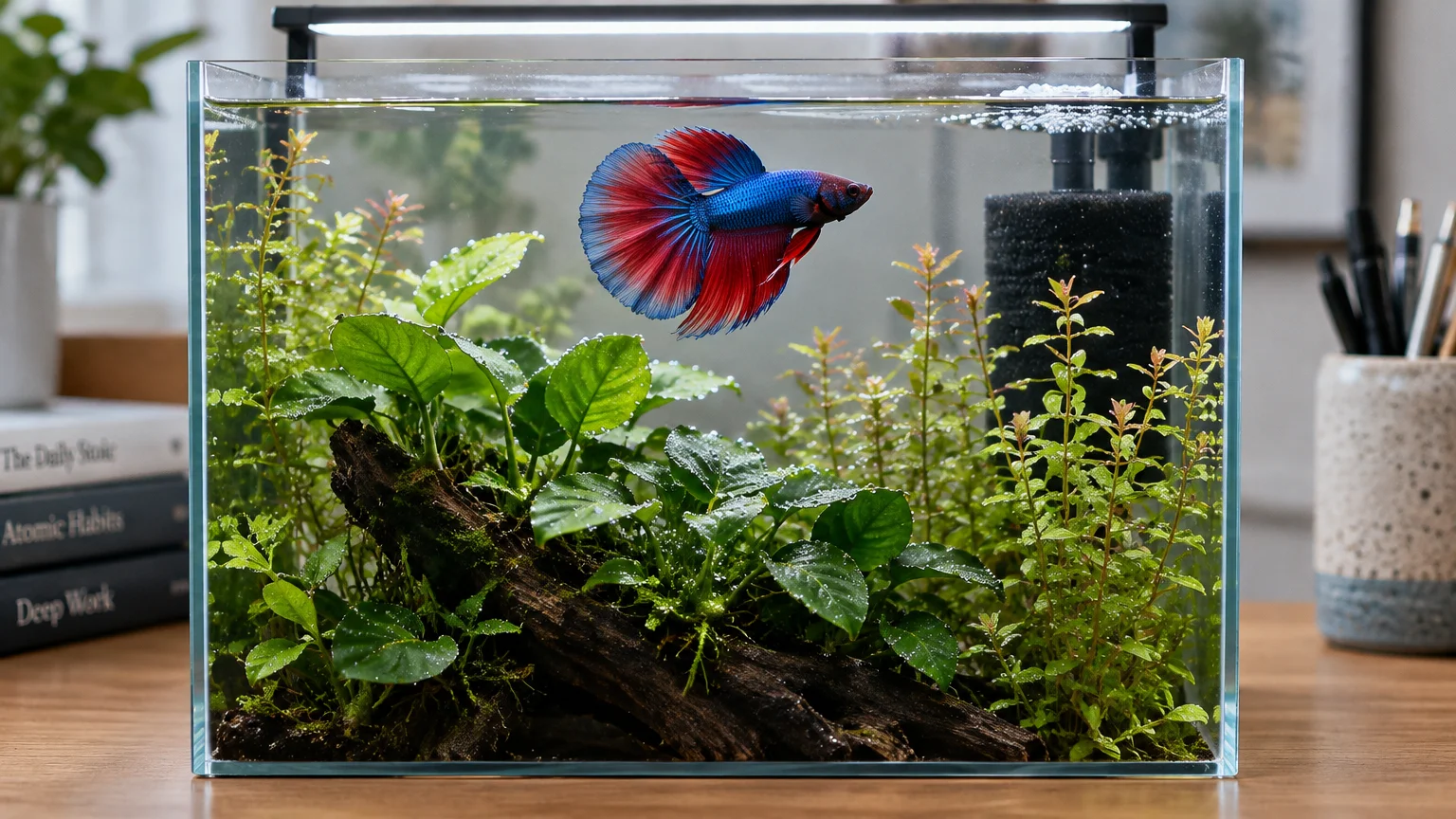
03 Betta Fish: Vibrant Beauty with Simple Needs
Betta fish provide dazzling color and tranquil movement without occupying valuable floor space. They swim gracefully inside desktop aquariums, making them popular companions for home offices and small bedrooms.
Unlike pack animals, a male betta lives strictly alone and never experiences loneliness. You feed him specialized high-protein pellets once or twice a day, a routine taking under thirty seconds.
Forget the myth of the tiny glass bowl; bettas require at least a five-gallon filtered and heated aquarium. Once you establish a stable biological cycle, a quick twenty-percent water change each week keeps your fish thriving.
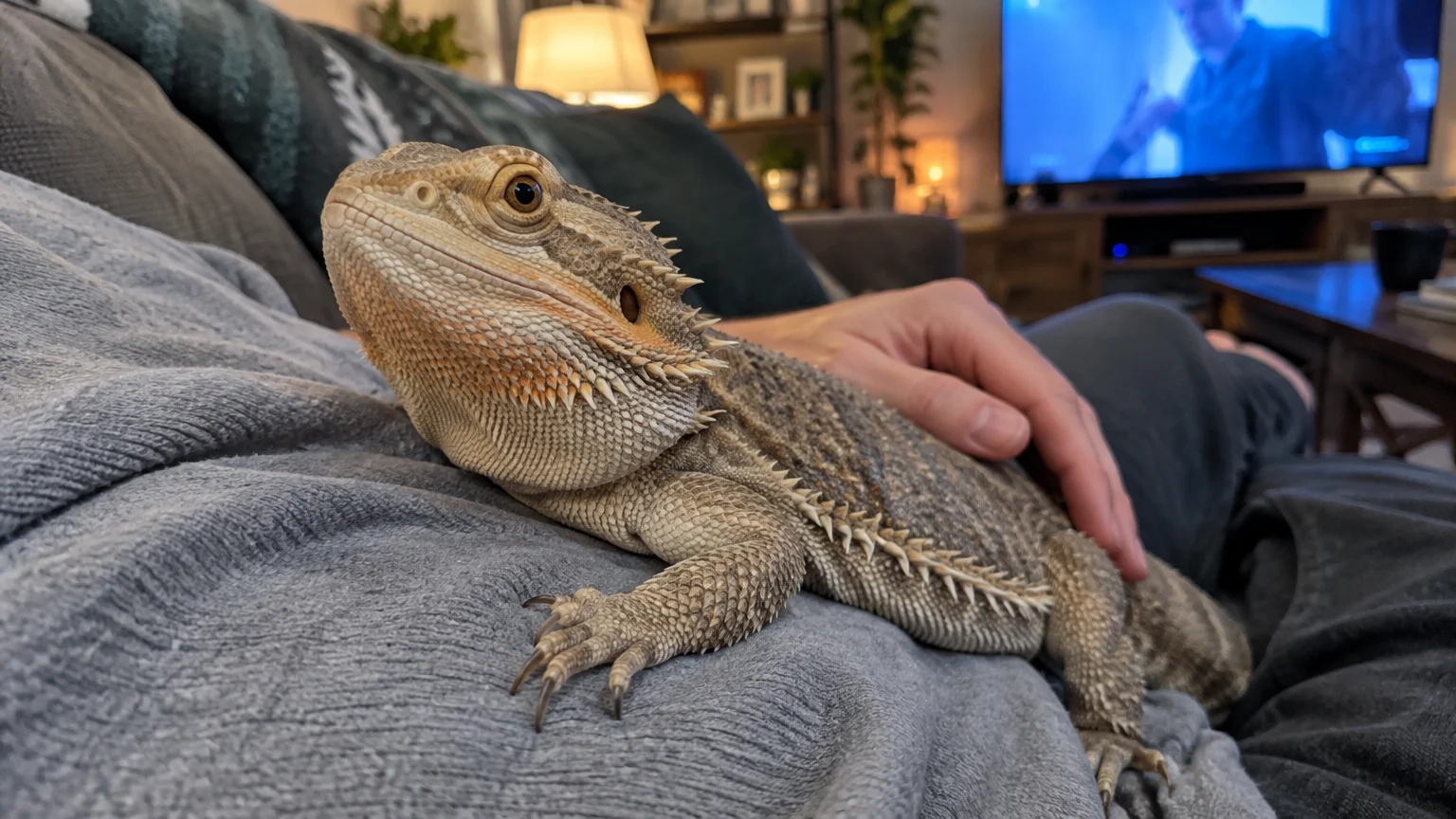
04 Bearded Dragon: The Friendly Sunbather
Bearded dragons act like miniature scaly dogs that happily perch on your chest while you watch television. Their relaxed demeanor and curious eyes make them exceptionally rewarding to handle.
These Australian reptiles stay active during daylight hours, matching human waking patterns perfectly. They bask under warm lights and observe household activity with steady, calm interest.
Adult bearded dragons eat a mix of leafy greens alongside occasional feeder insects. You prepare a fresh salad of collard greens, squash, and turnip greens each morning.
They require a spacious enclosure with specialized UVB lighting to maintain strong bones. Once you set up automated timers for their lights, their daily maintenance remains smooth and predictable.
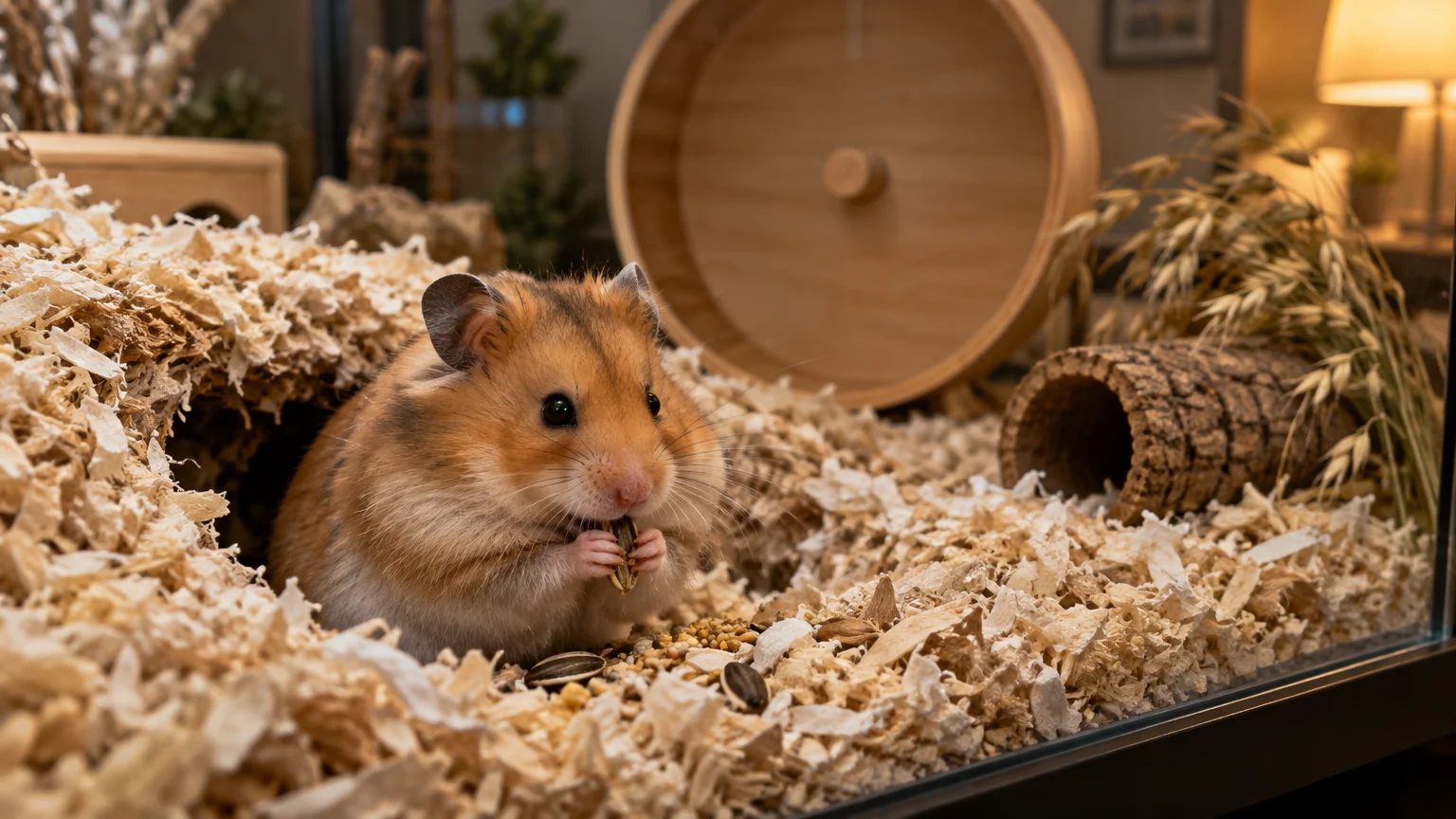
05 Syrian Hamster: Solitary and Independent
Syrian hamsters are naturally solitary creatures that prefer solitary living arrangements. They never crave a cage mate and will actively fight if forced to share territory.
This independent streak makes them ideal for individuals who want low-maintenance companionship without constant interaction. They sleep during the day and run eagerly on their wheels throughout the evening.
Feed your hamster a tablespoon of quality seed and pellet mix alongside tiny vegetable scraps. Because they hoard dry food in underground chambers, their feeding requirements stay remarkably forgiving.
Provide an enclosure with deep paper bedding so your hamster can burrow and construct cozy nests. Spot-clean the soiled areas once weekly to keep the habitat completely odor-free.
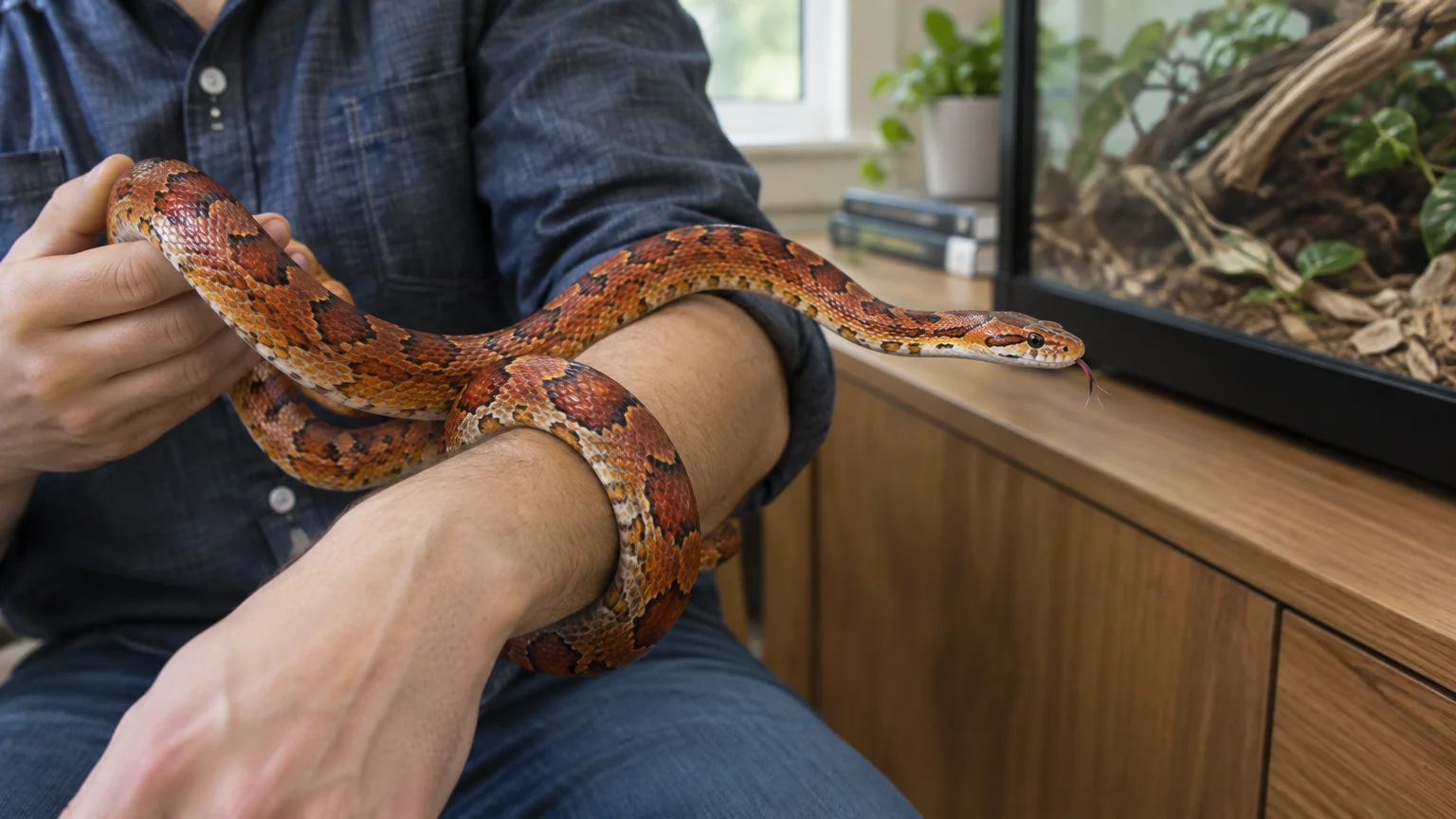
06 Corn Snake: Predictable and Undemanding
Corn snakes rank among the most docile and low-maintenance pets in the entire animal kingdom. They lack hair, produce zero dander, and never make an audible sound.
Adult corn snakes eat only once every seven to fourteen days. They consume frozen-thawed mice warmed in water, eliminating any need to maintain live feeder colonies.
Because they feed infrequently, they also produce waste only once or twice a month. You can travel for a week without hiring an expensive pet sitter to manage daily feedings.
A secure twenty to forty-gallon terrarium with locking lid clips keeps your snake safe and comfortable. They tolerate regular handling well and glide gently between your fingers during quiet evenings.
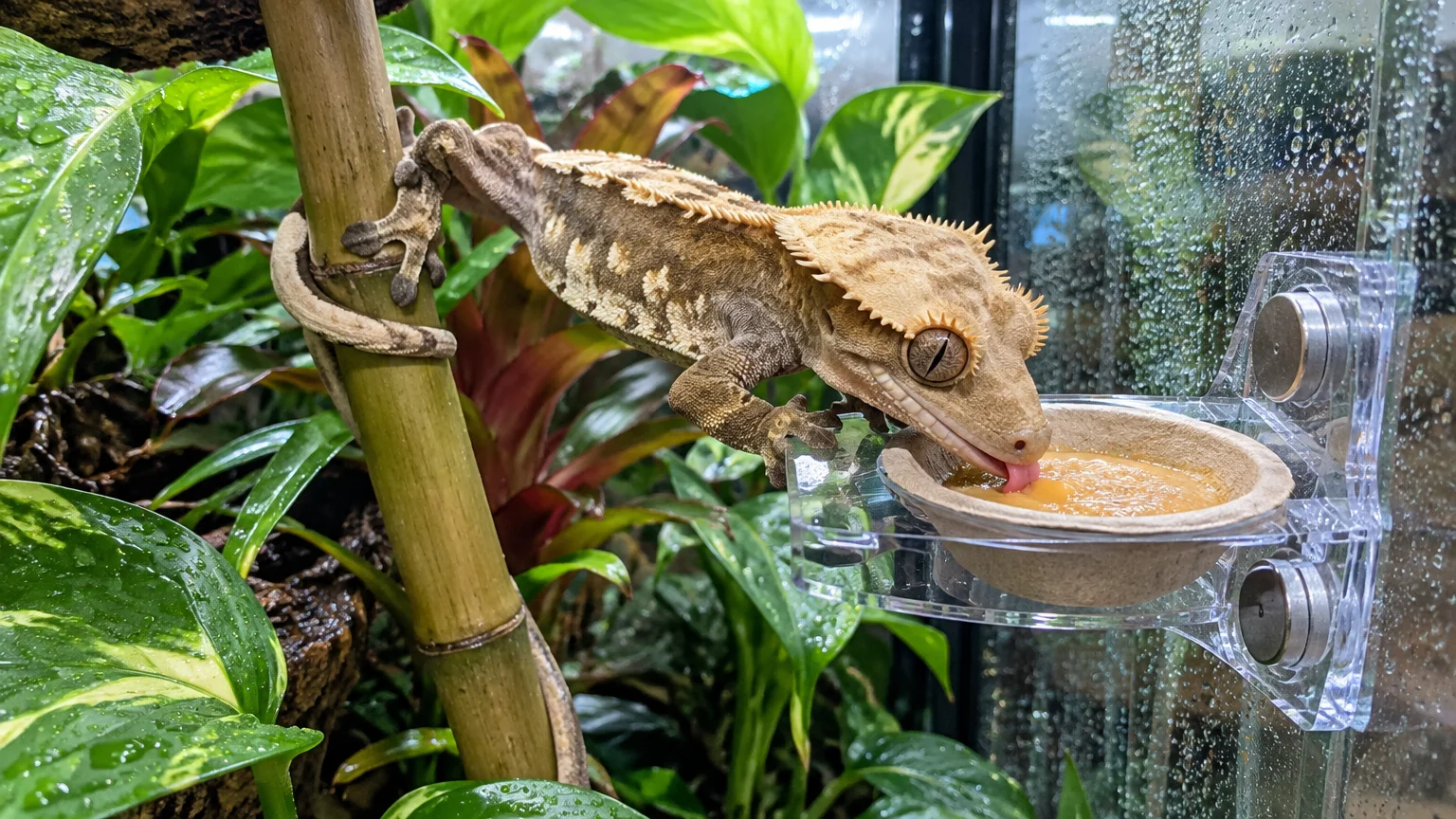
07 Crested Gecko: The Easiest Reptile Diet
Crested geckos eliminate the biggest hurdle for most aspiring reptile owners: live feeder insects. These nocturnal lizards thrive on commercially prepared powdered fruit diets that you simply mix with cool water.
They live comfortably at ordinary room temperatures between 68 and 78 degrees Fahrenheit. Consequently, you rarely need expensive basking fixtures or specialized high-heat ceramic elements.
These arboreal lizards love vertical space, climbing branches, and fake foliage. A quick evening misting with a handheld spray bottle supplies their drinking water and maintains proper habitat humidity.
Their velvety skin, adhesive toe pads, and fringed crests make them breathtaking display animals. They tolerate brief, gentle handling sessions once they adjust to your scent and presence.
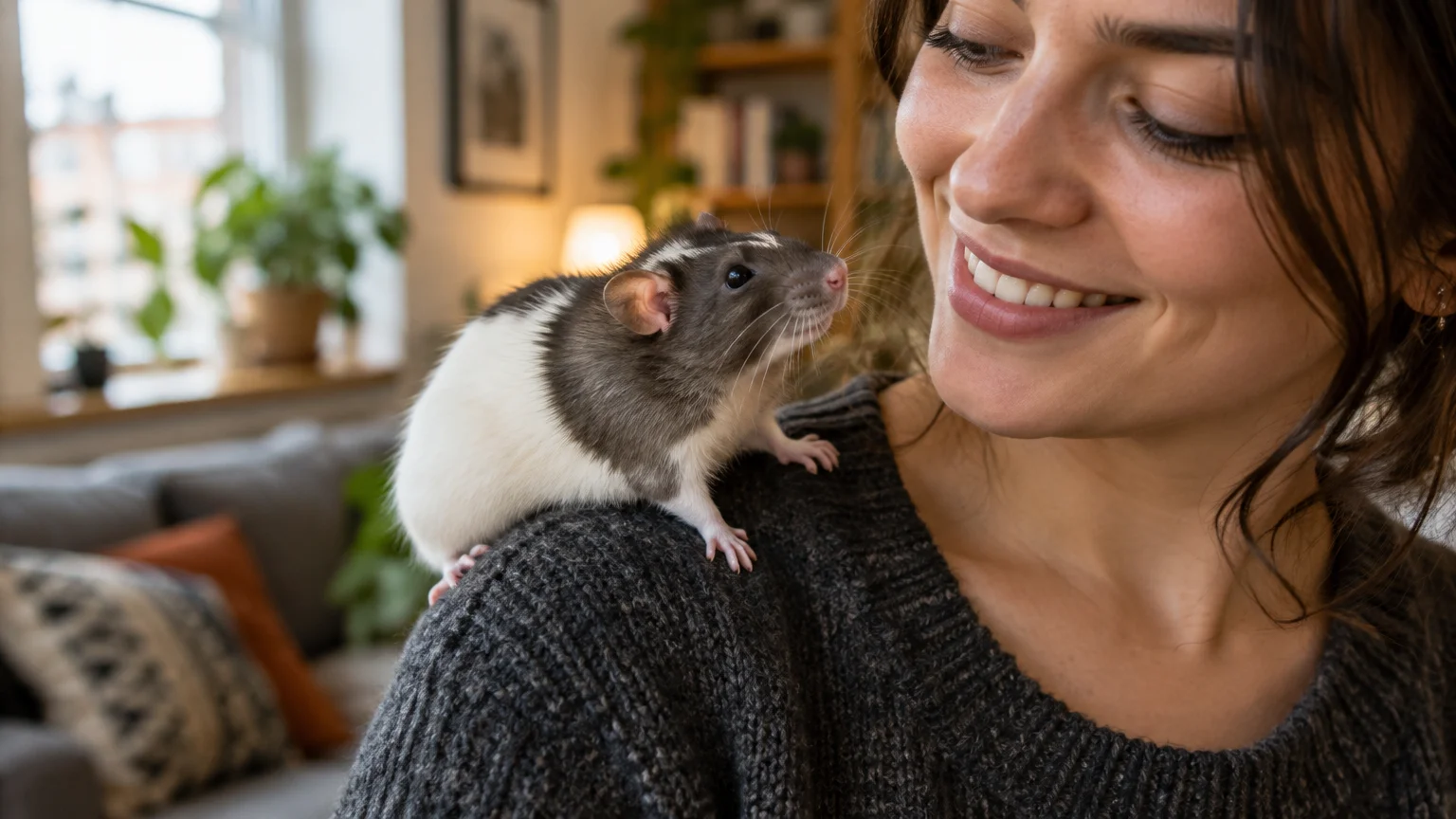
08 Fancy Rat: High Intelligence in a Small Frame
Domesticated fancy rats behave like miniature pocket dogs that learn their names and master agility courses. They form deep emotional bonds with their handlers and actively solicit chin scratches.
Unlike dogs, rats never require outdoor walks in muddy yards or early morning leash training. They spend the day playing inside a multi-level wire cage filled with hammocks and cardboard tunnels.
The ASPCA recommends selecting a wire cage with a solid floor base to protect sensitive rodent feet from injury.
Always adopt rats in pairs or trios because single rats suffer severe emotional stress. Their social antics provide endless evening entertainment right beside your desk or sofa.
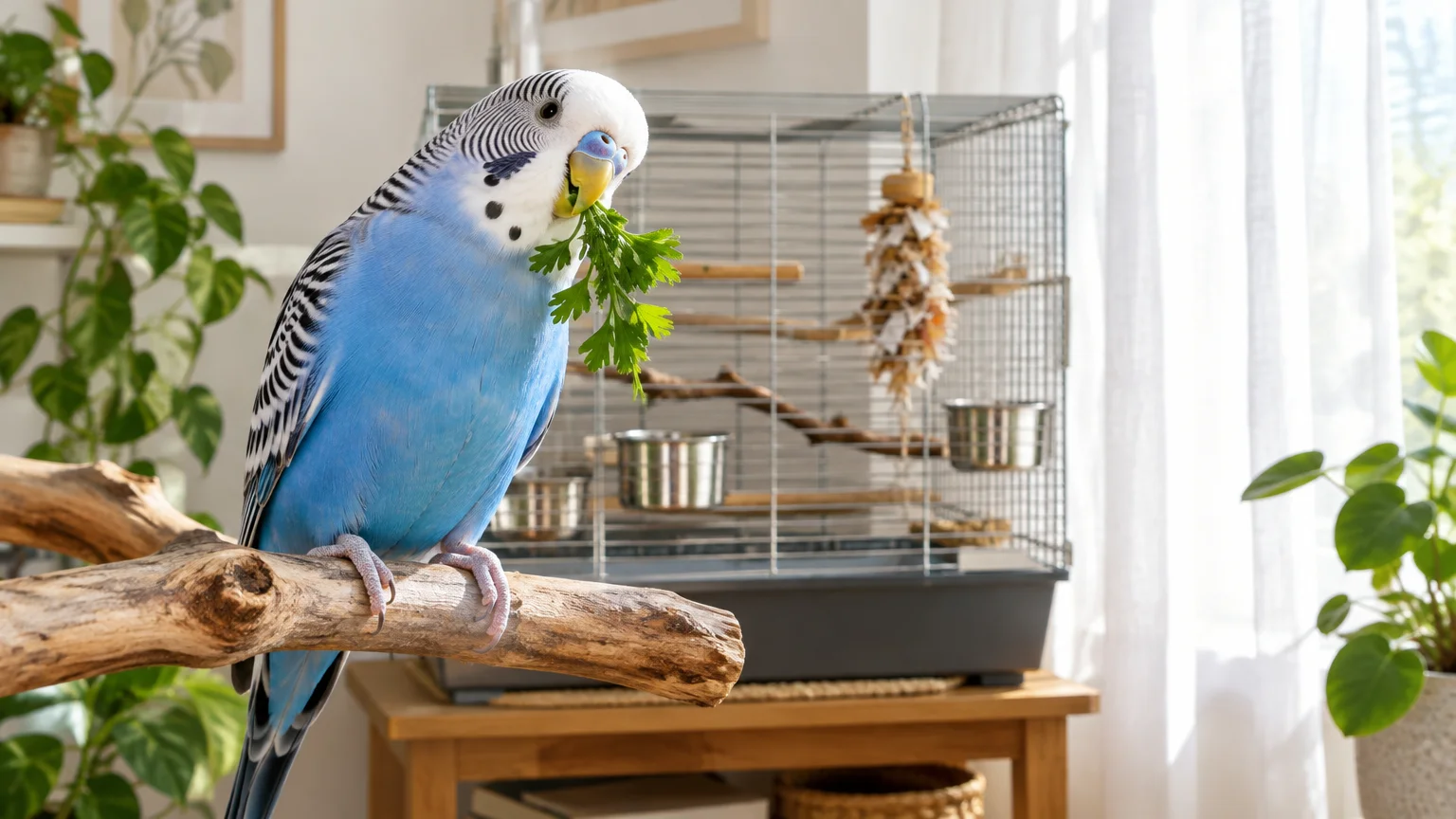
09 Budgerigar: Cheerful Chirps Without Constant Demands
Budgerigars, commonly known as budgies or parakeets, bring melodic chatter and vibrant color to any sunny room. They deliver avian companionship without the intense screaming or destructive habits of larger parrots.
A spacious flight cage with varied natural wooden perches gives your budgie healthy daily exercise. They enjoy batting at small bells, shredding paper toys, and preening in front of mirrors.
You feed them a balanced mix of formulated bird pellets, seed mixes, and finely chopped greens. Cleaning their cage tray involves merely sliding out a paper liner every few days.
With gentle patience and millet treats, you can easily train a budgie to step onto your finger. Their compact size makes them practical pets easier than dogs for retirees and apartment residents.
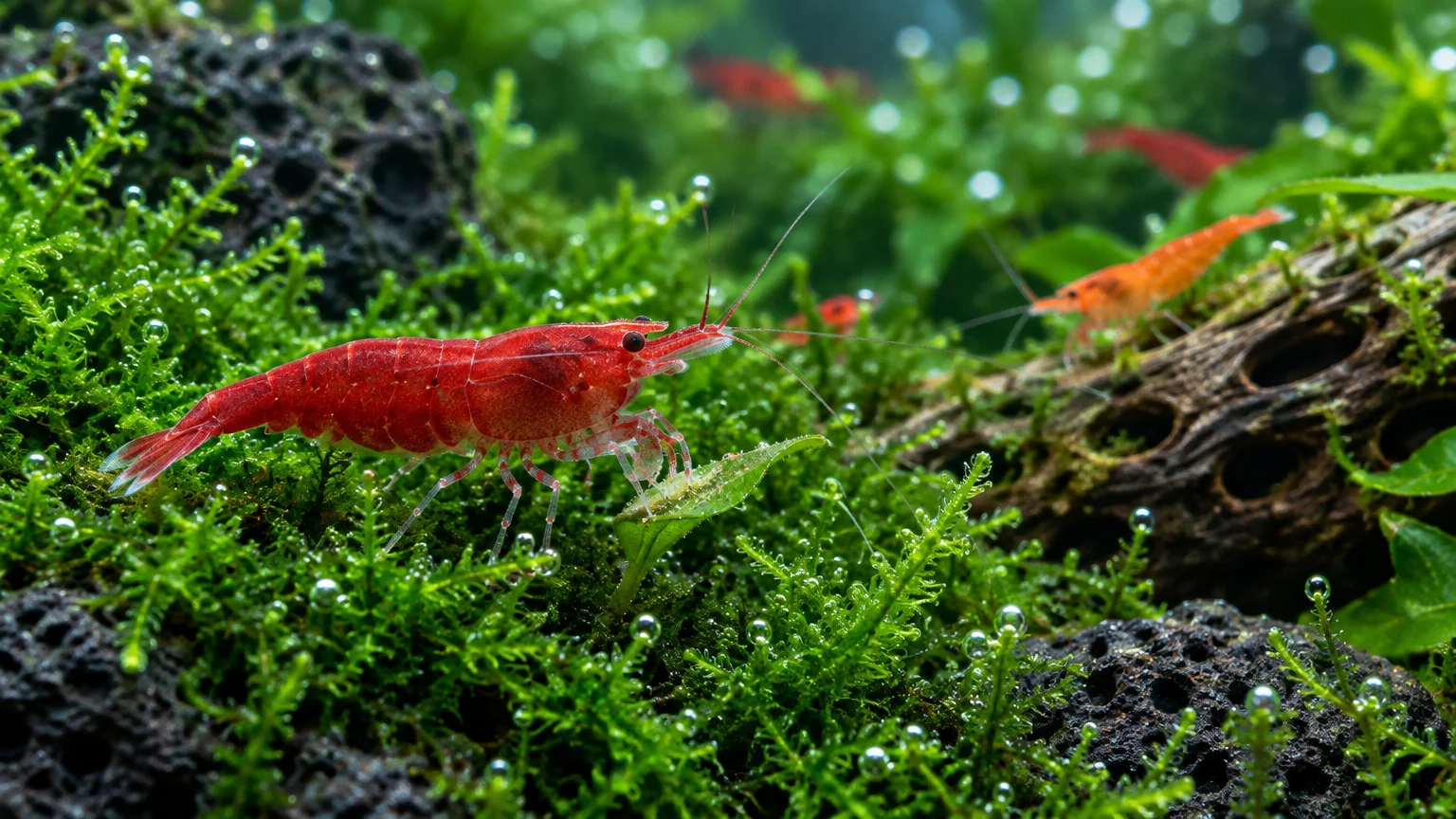
10 Freshwater Aquarium Shrimp: Fascinating Micro-Ecosystems
Cherry shrimp and other dwarf freshwater shrimp create hypnotic living artwork inside small desktop aquariums. They spend their hours grazing peacefully on green algae and biofilm growing across rocks and live moss.
These tiny invertebrates produce a microscopic bioload, meaning they foul water far slower than traditional fish. A ten-gallon planted tank can easily support a thriving, breeding colony of dozens of colorful shrimp.
You only need to drop a small algae wafer or vegetable pellet into the water every two days. A sponge filter runs silently, ensuring clean oxygenated water without endangering delicate baby shrimp.
They make virtually zero noise, never create offensive odors, and require no physical handling whatsoever. Watching their busy legs sweep across green leaves provides wonderful stress relief after demanding workdays.
Comparing the Best Low-Maintenance Pets
Choosing the right animal companion depends on your available space, budget, and desired level of interaction. Review this breakdown to identify the companion that aligns best with your daily lifestyle.
| Pet | Ideal Habitat Size | Feeding Routine | Handling Style | Typical Lifespan |
|---|---|---|---|---|
| Leopard Gecko | 20-gallon tank | 2–3 times weekly | Calm and tolerant | 15–20 years |
| Guinea Pig | 8–10 square feet | Daily hay and veg | Gentle lap cuddles | 5–8 years |
| Betta Fish | 5-gallon tank | 1–2 times daily | Visual only | 3–5 years |
| Bearded Dragon | 40–75+ gallon tank | Daily greens and bugs | Affectionate and social | 10–15 years |
| Syrian Hamster | 450+ sq in floor | Daily or every other day | Independent evening play | 2–3 years |
| Corn Snake | 20–40 gallon tank | Every 7–14 days | Docile and gentle | 15–20 years |
| Crested Gecko | 20-gallon vertical tank | Every 2–3 days | Delicate evening handling | 15–20 years |
| Fancy Rat | Multi-level wire cage | Daily pellets and scraps | Very playful and smart | 2–3 years |
| Budgerigar | Large flight cage | Daily pellets and seeds | Finger perching and chirps | 7–12 years |
| Cherry Shrimp | 5–10 gallon tank | Every 2–3 days | Observation only | 1–2 years |
Key Habitat Principles That Keep Care Simple
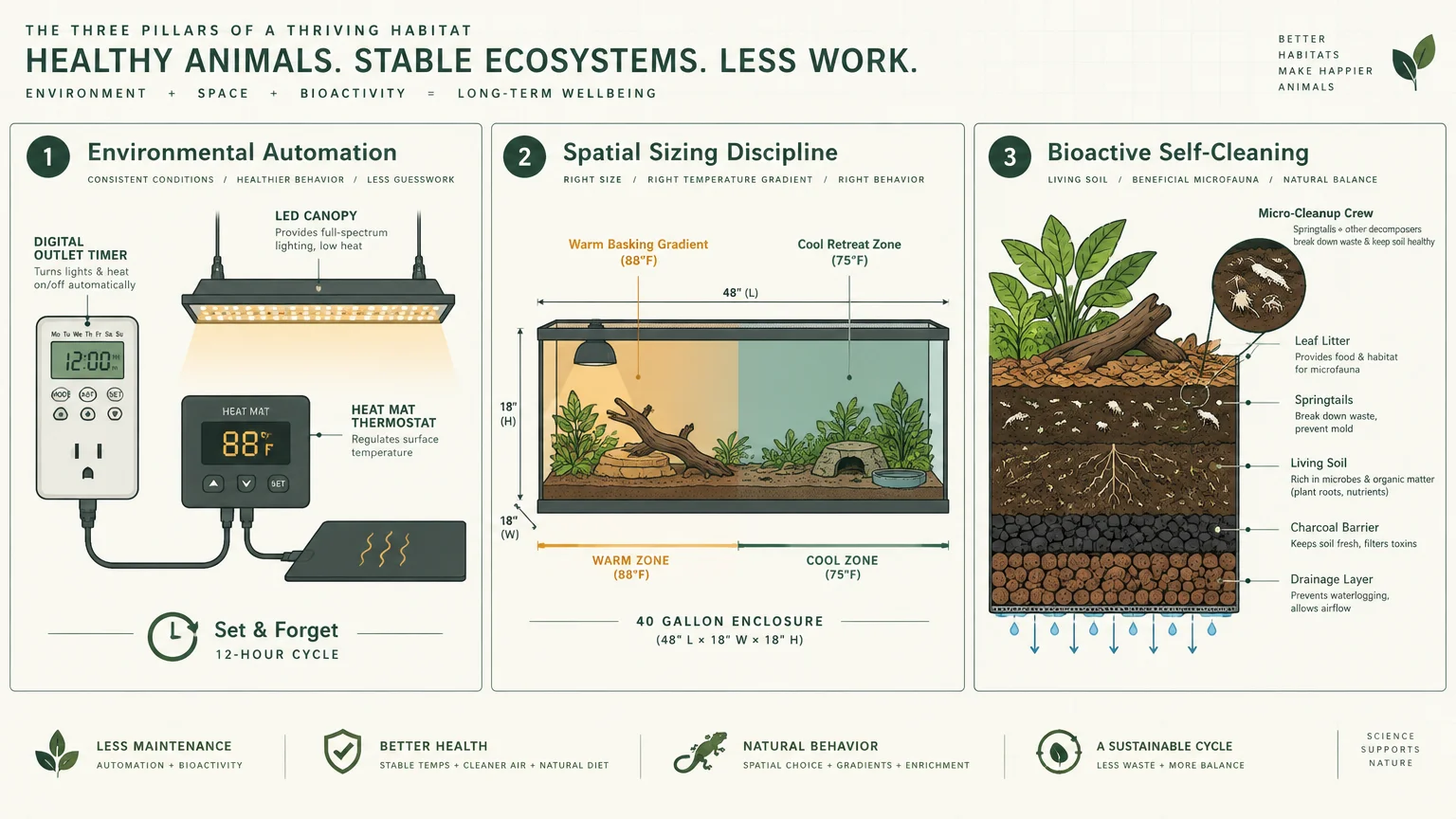
Low-maintenance animals remain easy only when you establish their housing correctly from day one. Investing in high-grade equipment upfront prevents time-consuming problems and expensive emergencies later.
Automating your lighting and heating eliminates daily memory tasks entirely. Simple mechanical plug-in timers ensure your reptiles and birds enjoy consistent twelve-hour day and night cycles automatically.
Keep these fundamental supplies on hand to streamline daily care routines:
- Digital environmental monitors: Place accurate digital thermometers and hygrometers inside terrariums to track heat and humidity without guesswork.
- Lid locks and cage clips: Install secure terrarium clips to prevent accidental escapes from curious snakes or climbing geckos.
- Dedicated cleaning tools: Reserve a distinct bucket, sponge, and spray bottle filled with animal-safe disinfectant exclusively for cage maintenance.
- Backup food supplies: Store freeze-dried treats, sealed pellet bags, and calcium powder in airtight containers to preserve freshness.
By building an organized maintenance station near your enclosures, you reduce routine chores to mere minutes each week. A tidy workspace keeps your pet area clean and welcoming.
Things to Watch Out For
While these species demand less physical labor than dogs or cats, they are not zero-effort decorative objects. Avoid these common oversights to ensure your new companion stays healthy and content.
Exotic veterinary care requires advance research and dedicated financial budgeting. Standard neighborhood veterinarians rarely treat reptiles, birds, or rodents, so identify a licensed exotic animal veterinarian before bringing your pet home.
Reptiles and amphibians carry natural bacteria that require consistent hygiene protocols. According to the Centers for Disease Control and Prevention (CDC), you should always wash your hands thoroughly with soap and warm water after handling reptiles or their enclosure accessories.
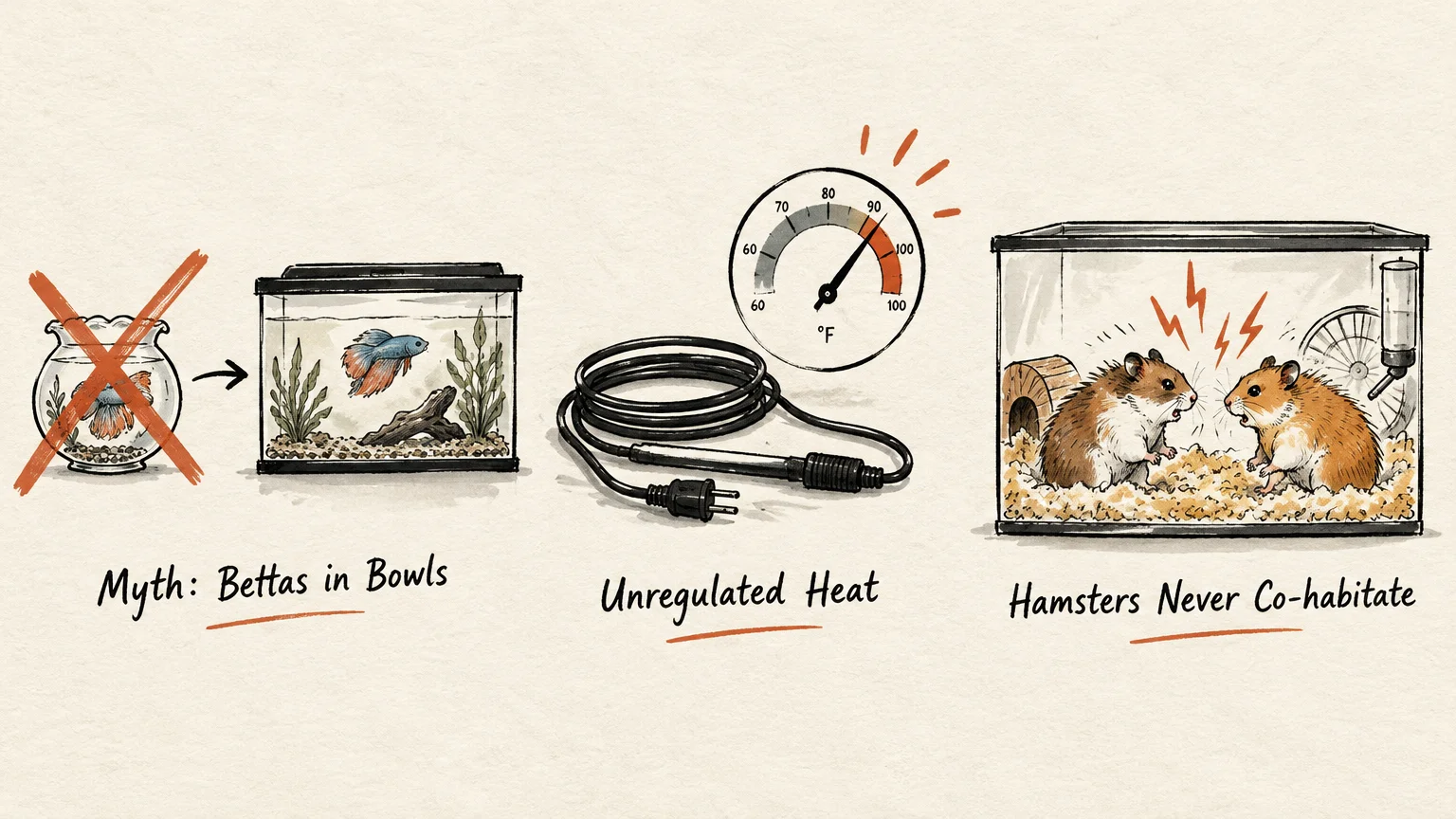
Pay careful attention to social requirements when selecting small mammals. Guinea pigs and fancy rats develop chronic behavioral depression when kept in isolation, while Syrian hamsters fight violently if housed together.
Consider the long-term commitment before purchasing juvenile reptiles. Leopard geckos, corn snakes, and crested geckos frequently survive past fifteen years in home terrariums.
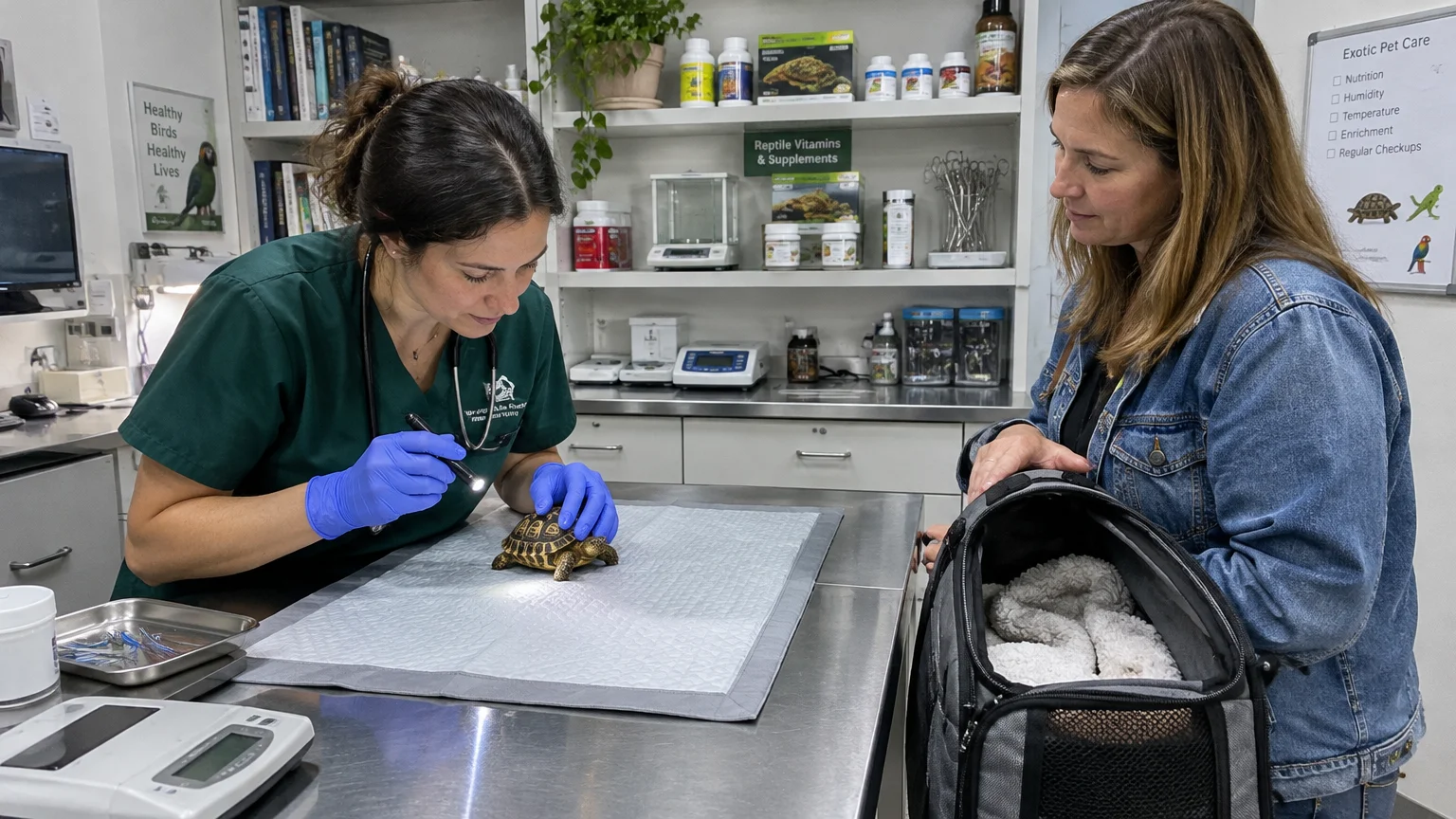
When DIY Isn’t Enough
Small pets often hide symptoms of illness instinctively until health conditions become advanced. Watching for subtle behavioral changes allows you to seek veterinary interventions before minor issues turn catastrophic.
Contact your exotic animal veterinarian immediately if you observe any of the following clinical warning signs:
- Sudden refusal of favorite food items lasting more than two consecutive feeding cycles.
- Visible wheezing, open-mouth breathing, or audible clicking sounds during respiration.
- Crusty discharge around the eyes, nostrils, or vent areas.
- Prolonged lethargy and abnormal refusal to move when gently nudged.
Prompt medical care saves lives and prevents avoidable suffering in fragile exotic species. Never rely on unverified online forums for urgent medical dosages or diagnosis.
Frequently Asked Questions About Easy Pets
Which pet on this list is best for an older adult or retiree?
Guinea pigs and budgies are fantastic easy pets for seniors and pets for retirees. They provide cheerful interaction, vocal warmth, and manageable daily routines without any heavy lifting or strenuous walking requirements.
Can small pets trigger household allergies like dogs and cats?
Reptiles like corn snakes, leopard geckos, and crested geckos produce no dander or hair, making them completely hypoallergenic. However, small mammals like guinea pigs live on Timothy hay, which can trigger environmental grass pollen allergies in sensitive individuals.
How long can you leave these low-maintenance pets alone during travel?
An adult corn snake or leopard gecko safely manages a four-to-five-day weekend alone if their heat mats operate on automated thermostats. Conversely, mammals and birds need fresh water and daily food checks from a responsible neighbor.
Are these pets safe and suitable for young children?
Bearded dragons and guinea pigs handle gentle, supervised child interactions very well. However, adults must always oversee enclosure cleaning, feeding schedules, and thorough post-handling handwashing to maintain household safety.
Choosing Your Next Companion
Welcoming an animal into your home should bring peace, relaxation, and delight rather than exhausting physical burdens. Choosing pets easier than dogs allows you to enjoy genuine companionship while honoring your personal time and energy limits.
Match your personal routine, living space, and budget to the species that intrigues you most. With the proper habitat in place, your new companion will flourish with minimal daily fuss.
This is general informational content based on widely accepted guidance. Individual results vary.
Verify current details—rules, prices, eligibility, regulations—with official sources before making important decisions.
Last updated: October 2026. Rules, prices, and details change—verify current information with official sources before acting on it.