Your pets hold complex conversations with you every single day without uttering a single human word. They broadcast their deepest intentions through subtle muscle twitches, gaze shifts, and tailored vocalizations.
Learning to decode these nonverbal signals transforms your daily bond with your animal companions. Once you master pet body language, routine interactions become far richer, safer, and more rewarding.
Animal behaviorists continue to uncover remarkable mechanics behind interspecies communication. Here are twelve verified facts about how pets communicate that will fundamentally change how you understand animal behavior.
01 Adult Cats Meow Exclusively for Human Ears
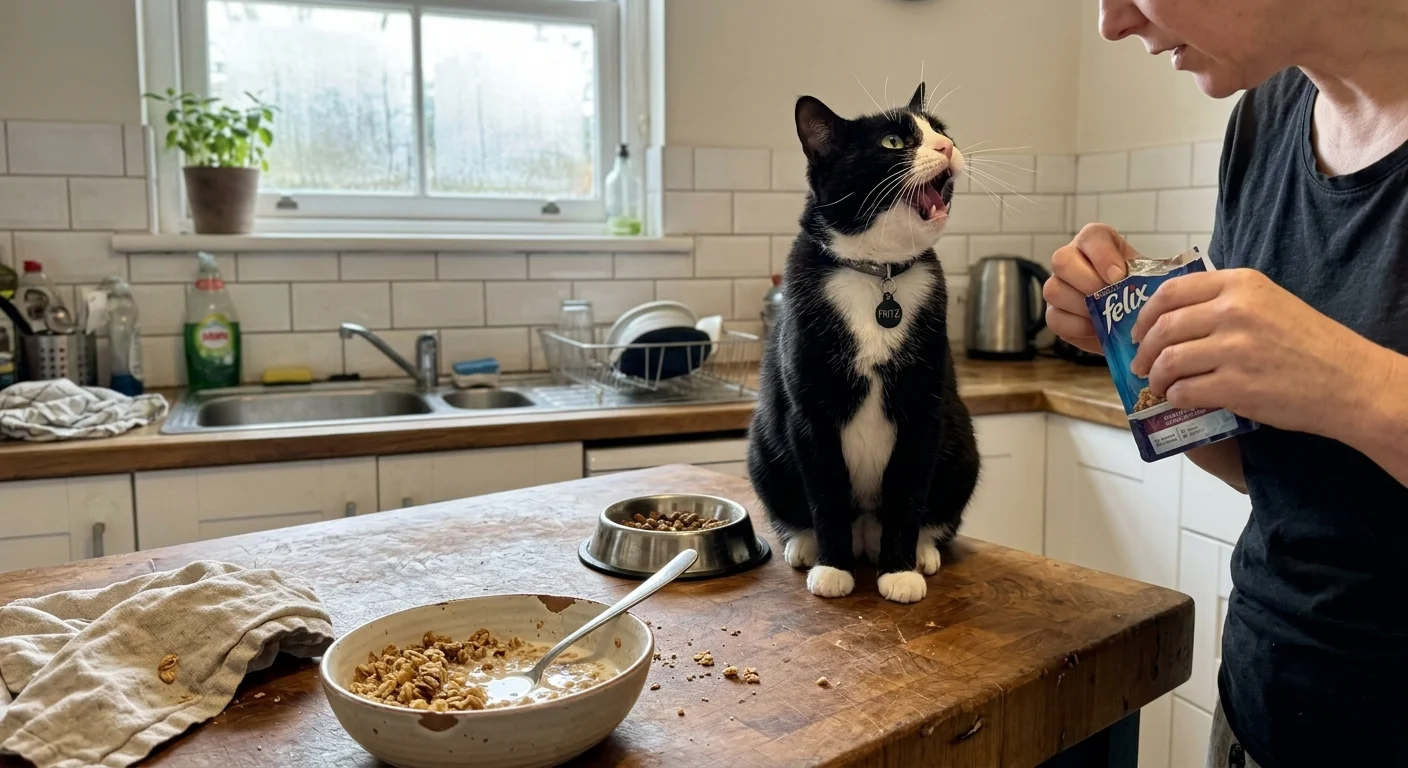
When you hear your adult cat meow, you are listening to a custom language designed specifically for you. Wild and feral adult felines almost never meow at one another in natural outdoor colonies.
Kittens meow to solicit warmth, food, and grooming from their mothers. Once felines reach maturity, they abandon this vocalization when interacting with other adult cats.
Between themselves, adult felines rely heavily on scent markers, ear angles, and low-frequency body posture. They reserve vocalizations like yowls, hisses, and spitting strictly for territorial disputes.
Domestic cats discovered that vocalizing triggers immediate human caretaking reflexes. Over thousands of years of cohabitation, they learned that humans react quickly to acoustic calls.
Your cat shapes individual pitches and tempos over time to train your behavior. A sharp chirp might request breakfast, while a drawn-out cry demands your immediate presence.
02 The Slow Blink Functions as a Feline Smile
Staring directly into another creature’s eyes signals aggression or predation across most of the animal kingdom. Domestic felines, however, developed an ingenious gesture to broadcast peaceful intentions.
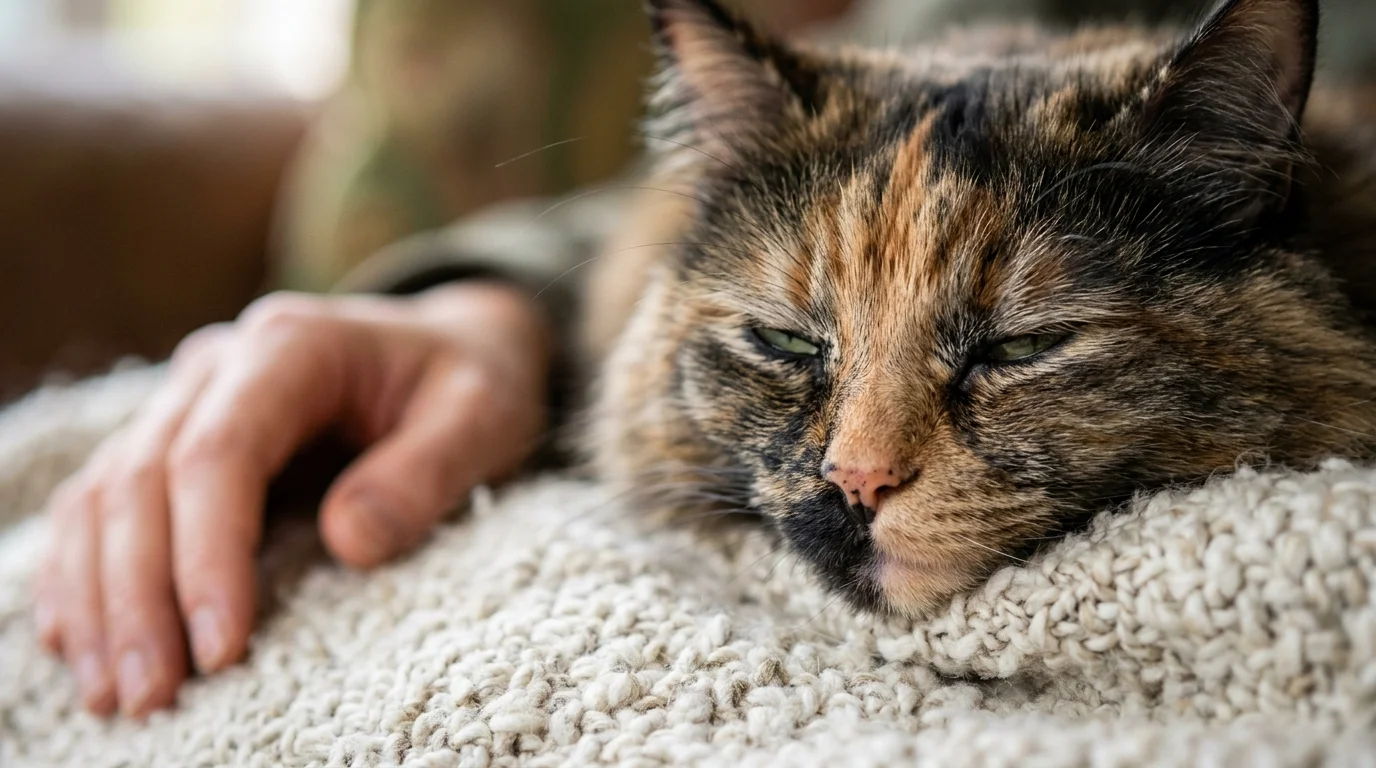
According to research published in Scientific Reports, slow blinking acts as a genuine feline smile. The deliberate narrowing of feline eyes communicates relaxation, trust, and emotional safety.
The researchers demonstrated that cats respond warmly when humans initiate this gentle movement. Cats frequently return the slow blink and show increased willingness to approach unfamiliar people.
You can practice this signal at home to build rapport with an anxious cat. Simply make soft eye contact, slowly close your lids for several seconds, and gently look away.
03 Tail Wag Direction Reveals a Dog’s Emotional Bias
A wagging tail does not always indicate a happy, friendly dog. The direction and amplitude of the tail stroke reveal the animal’s underlying emotional valence.
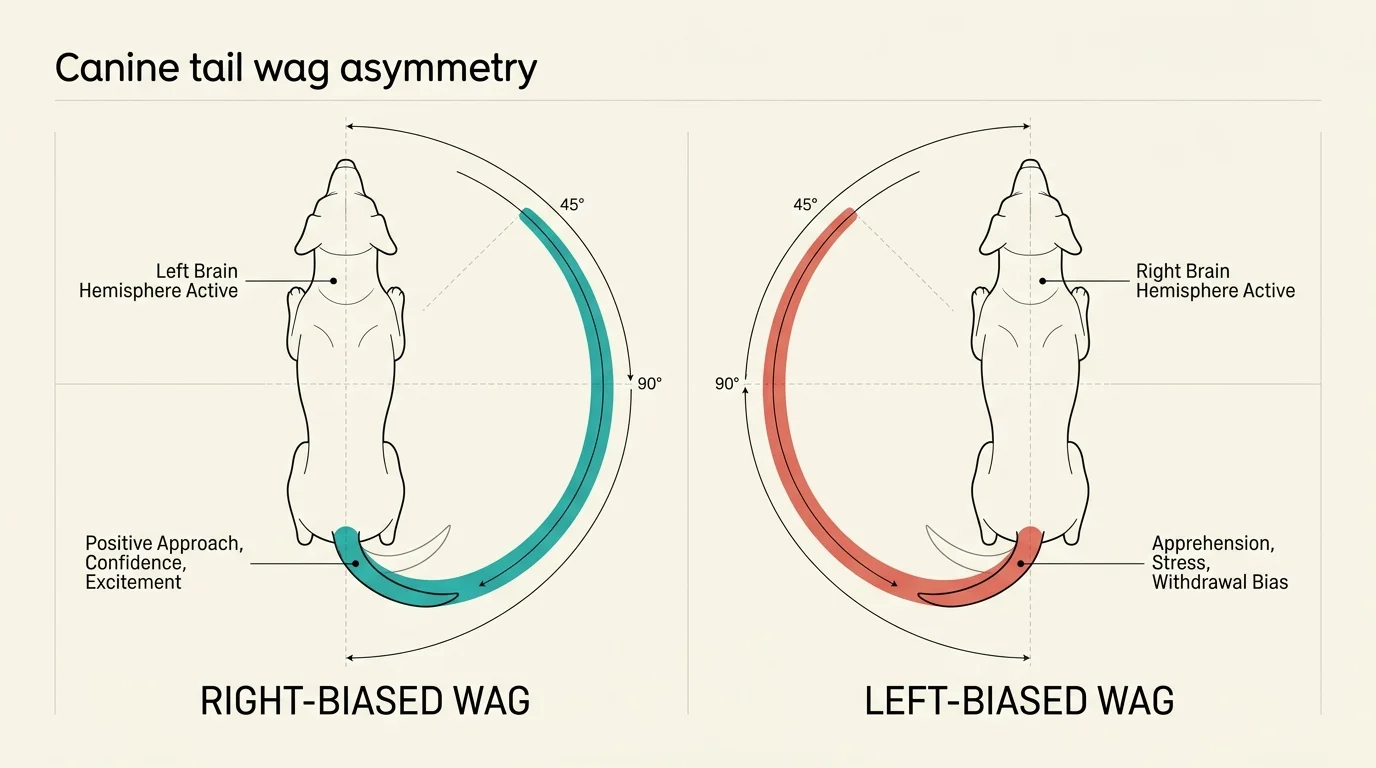
Pioneering neuroscientific studies uncovered distinct brain hemisphere asymmetry in canine tail wagging. The left hemisphere controls positive approach behaviors, whereas the right hemisphere governs withdrawal and fear.
When a dog feels confident and eager to interact, their tail wags with a noticeable bias to the right. Conversely, a wag biased toward the dog’s left signals apprehension, stress, or defensive wariness.
In a follow-up study, researchers proved that other dogs instinctively read these directional cues. Dogs watching a video of a left-wagging canine showed significantly elevated heart rates and stress behaviors.
Watch your dog’s tail base carefully when introducing new people or walking past strange dogs. That subtle lateral bias provides immediate insight into your pet’s emotional comfort level.
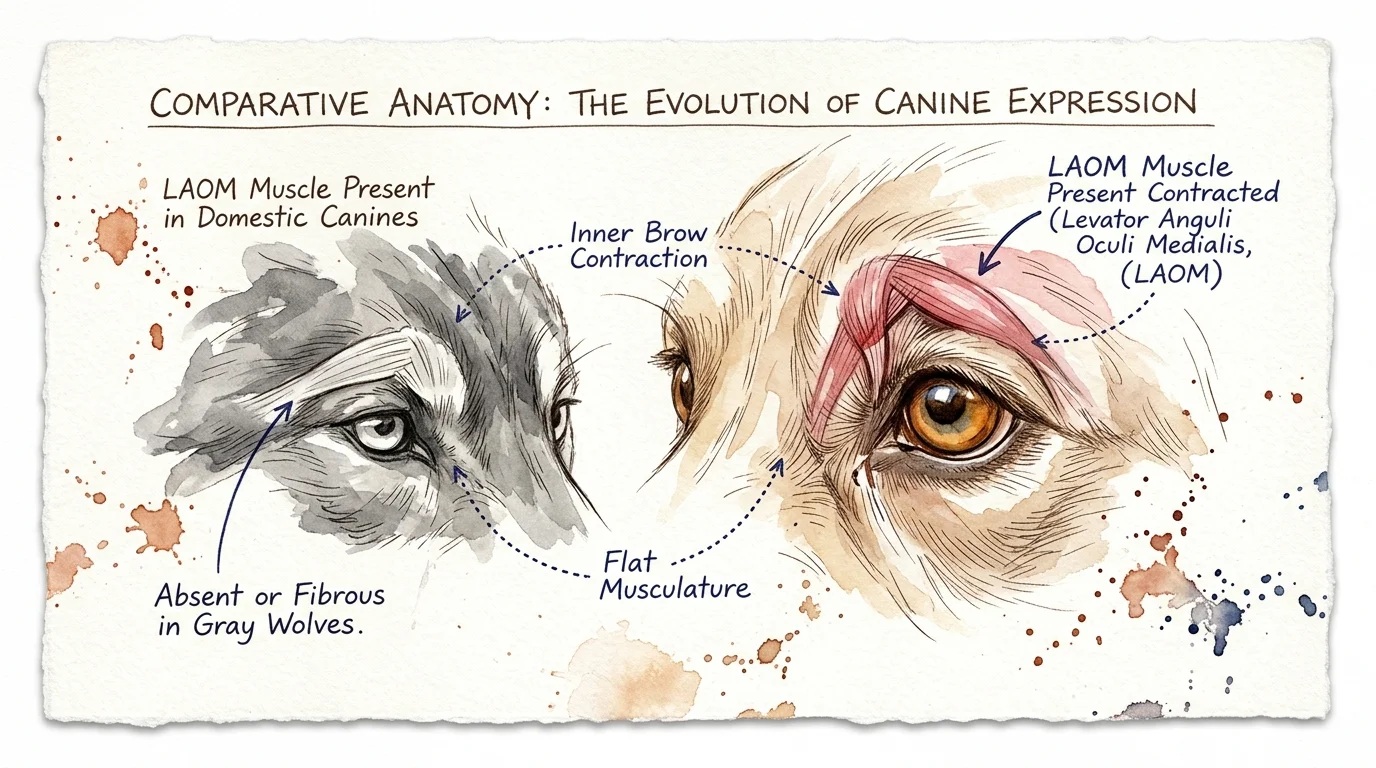
04 Dogs Evolved a Unique Eyebrow Muscle for Humans
When your dog looks up with melting, expressive eyes, you are witnessing an evolutionary marvel. Dogs possess a specialized facial muscle that gray wolves almost entirely lack.
A groundbreaking study in the Proceedings of the National Academy of Sciences identified this facial feature as the levator anguli oculi medialis muscle. This structure allows dogs to raise their inner eyebrows dynamically.
Elevating the inner brow makes a dog’s eyes appear larger, rounder, and remarkably human. The motion mimics the facial expressions human infants make when distressed or seeking comfort.
Domestic dogs developed this anatomical adaptation over roughly 33,000 years of living alongside humans. Human handlers unconsciously favored dogs that produced this nurturing, puppy-eyed gaze.
This eyebrow movement directly triggers an oxytocin surge in your brain. That chemical spike cements an interspecies parental bond found nowhere else in nature.
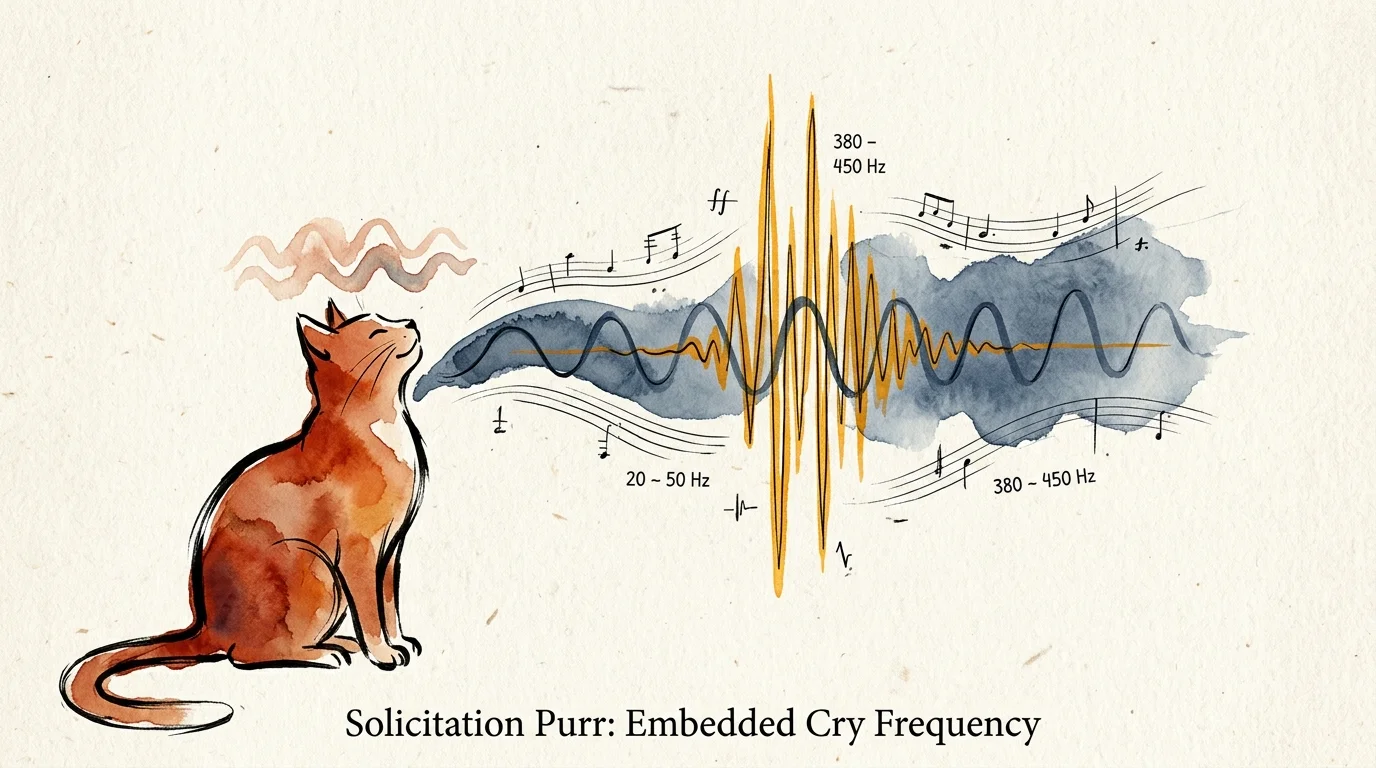
05 Cats Embed Baby Cries Inside Their Purrs
Most cat owners know that a classic purr indicates deep relaxation and contentment. However, cats also possess an urgent variation called the solicitation purr.
A University of Sussex study in Current Biology revealed that hungry cats embed a high-frequency cry within their standard low-frequency purr. This hidden vocalization falls directly between 220 and 520 hertz.
Human infant distress cries occupy this identical acoustic frequency range. As a result, the human auditory cortex processes the sound as an urgent plea for help.
In controlled audio tests, even humans with no pet experience rated solicitation purrs as demanding and unpleasant to ignore. The cats successfully disguise an urgent demand within an otherwise soothing rumble.
If your cat purrs loudly while pacing around their breakfast bowl, listen closely. You will likely detect that subtle, high-pitched cry tucked inside their vibrations.

06 Play Sneezing Signals Pure Playfulness
If your dog frequently snorts or sneezes during an energetic wrestling match, you need not worry about allergies. That sharp exhalation functions as an intentional appeasement signal.
Canines use play sneezing to communicate that their roughhousing is entirely benevolent. When dogs romp, play-bow, and fake-bite, arousal levels can escalate rapidly.
Without clear communicative check-ins, rough play could easily be misinterpreted as genuine aggression. The sharp play sneeze breaks the tension and reassures playmates of friendly intent.
Dogs also sneeze to pause play and self-regulate their adrenaline. It provides a split-second mental reset before resuming chase and tumble games.
You can even use this cue yourself during playtime with your dog. Mimicking a gentle play sneeze often relaxes an overstimulated dog and encourages balanced play.

07 Canine Head Tilts Signal Intense Mental Retrieval
Few pet behaviors appear cuter than a dog tilting its head upon hearing an unfamiliar word. Yet this endearing gesture reflects serious cognitive processing rather than simple bewilderment.
A study published in Animal Cognition examined head tilting in dogs during vocabulary recall tasks. Researchers discovered a dramatic difference between gifted word-learning dogs and typical family pets.
Dogs known as gifted word learners tilted their heads 43 percent of the time when hearing a toy name. Typical dogs exhibited this head tilt only 2 percent of the time under identical conditions.
Researchers concluded that head tilting correlates with intense mental focus and memory search. The dog tilts its head while cross-referencing auditory inputs with internal mental images.
Individual dogs also show consistent directional preferences when tilting. A dog will reliably tilt to the left or right, reflecting lateralized hemispheric processing during recall.
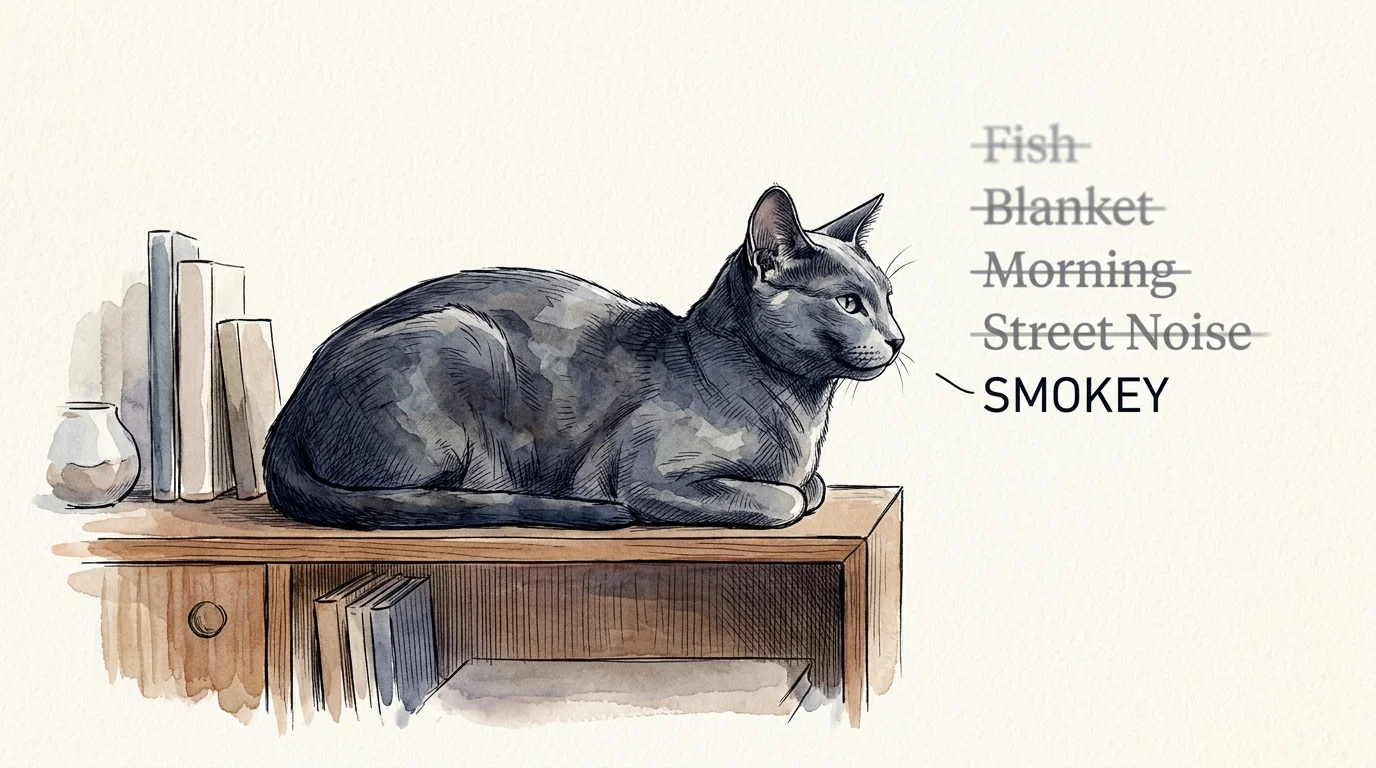
08 Cats Recognize Their Own Names, Even from Strangers
Many people jokingly assume that cats ignore their own names out of deliberate indifference. Cognitive science reveals a far more nuanced picture of feline auditory perception.
A 2019 study from the University of Tokyo tested 78 domestic cats across households and cat cafés. Researchers played audio recordings of four general nouns followed by each cat’s actual name.
Cats showed habituation to the control words, gradually moving their ears and heads less. When their real name played, the cats displayed pronounced ear twitches and head turns.
Crucially, the cats reacted even when total strangers spoke their names on audio playback. They successfully distinguished the phonetic structure of their name from similar-sounding household words.
When your cat fails to come running after you call, they are not failing to comprehend. They heard their name clearly; they simply chose not to change their behavior.
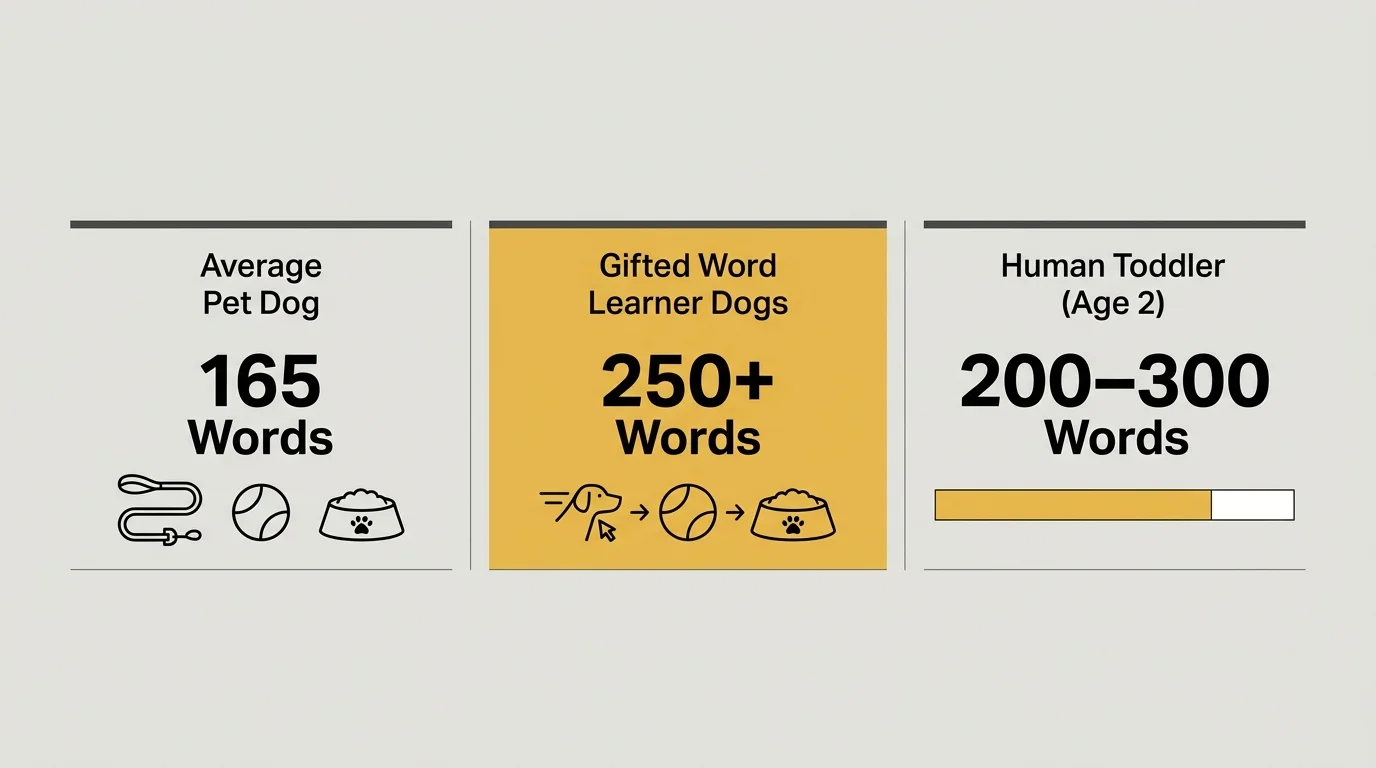
09 Canine Vocabularies Rival Human Toddlers
The average family dog possesses a surprisingly sophisticated linguistic capacity. Decades of canine cognition research show that dogs process both phonetic words and human gestures effectively.
Studies led by psychologist Stanley Coren establish that an average dog understands approximately 165 words and symbolic gestures. This cognitive ability matches the linguistic comprehension of a two-year-old human child.
Highly trained working breeds can push these mental boundaries much further. In a landmark 2011 study in Behavioural Processes, a Border Collie named Chaser demonstrated knowledge of 1,022 specific object names.
Chaser could retrieve distinct toys by name and even understand basic syntactic categories like verbs and nouns. She demonstrated inferential reasoning by correctly retrieving novel items through exclusion.
Your dog constantly observes your verbal cues alongside your hand gestures. Pairing clear verbal phrases with consistent body language helps your pet learn commands significantly faster.

10 Chemical Scent Posts Act Like Digital Message Boards
Human communication relies predominantly on sight and sound. For dogs and cats, chemical signaling remains the primary method for broadcasting vital territorial and social updates.
When a dog sniffs a fire hydrant, they read detailed chemical profiles left by previous visitors. Urine contains complex pheromones detailing sex, health status, stress levels, and reproductive readiness.
Overmarking—placing fresh urine directly over an existing mark—allows animals to update community information. It serves as an asynchronous neighborhood message board that persists for days.
Cats utilize specialized scent glands located along their cheeks, paws, and tail base. When your cat rubs against your ankles, they deposit facial pheromones that mark you as safe family territory.
Pulling your dog away from scent posts prevents them from processing their social world. Allowing your dog adequate sniffing time on walks drastically lowers their cortisol and supports mental well-being.

11 Rabbits Purr and Dance to Broadcast Contentment
Companion rabbits communicate with subtle acoustic and kinetic signals that often go unnoticed by first-time owners. Understanding their social dialect prevents dangerous misunderstandings.
When a rabbit feels sheer exuberance, they perform an acrobatic leap called a binky. During a binky, the rabbit leaps into the air, twists their torso, and flicks their feet mid-flight.
Rabbits also exhibit a unique acoustic signal known as tooth-purring. When relaxed during gentle petting, a rabbit lightly grinds their molars together, creating a rhythmic vibration through their jaw.
You must distinguish this delicate purr from loud, sharp tooth-grinding. Harsh grinding, accompanied by a hunched posture and squinted eyes, indicates acute physical pain and requires veterinary attention.
Thumping a hind foot against the floor signals immediate alarm or deep irritation. This percussive blast warns the entire warren of perceived danger.
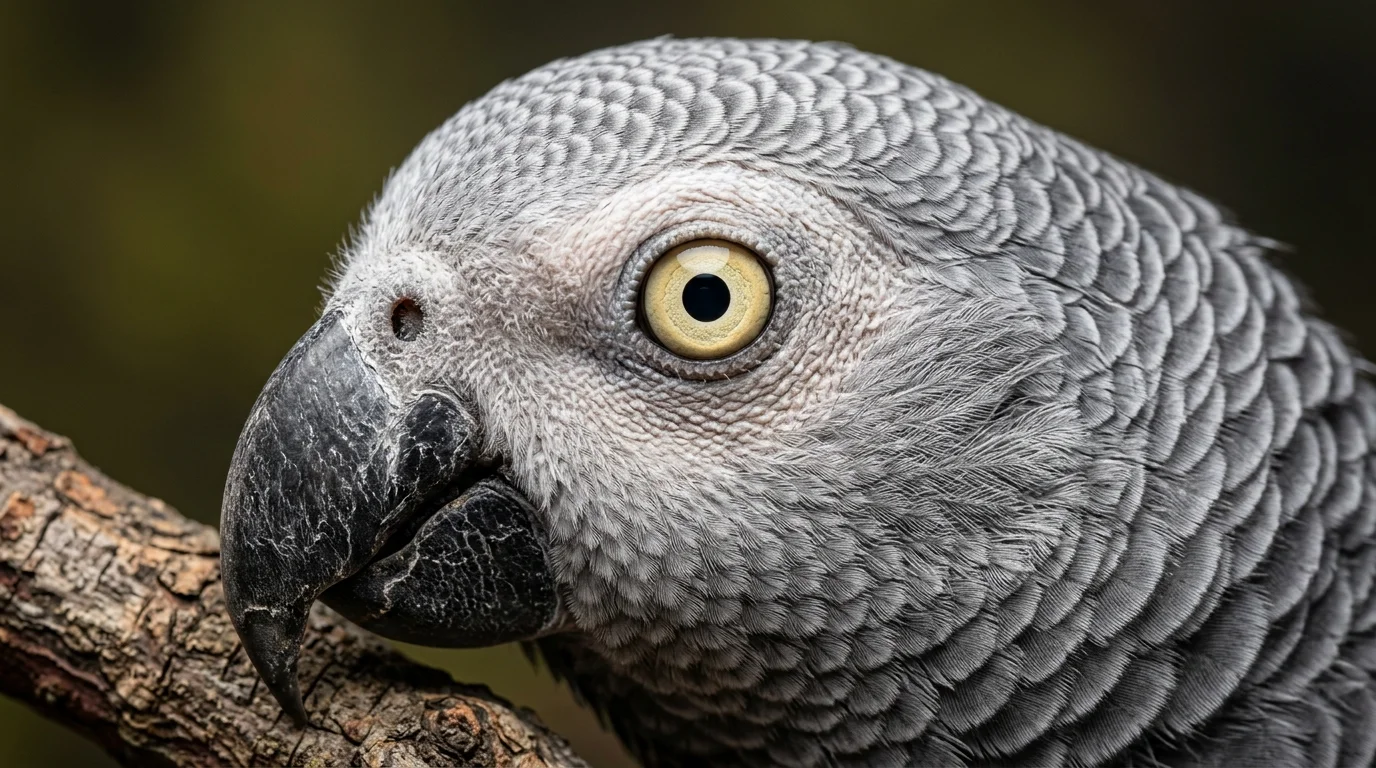
12 Parrots Pin Their Pupils to Signal Immediate Shifts in Mood
Avian companions possess incredible visual and vocal repertoires. Among parrots and other pet birds, eye pinning offers an unmistakable window into their emotional state.
Pupil pinning occurs when a bird rapidly contracts and dilates its pupils in response to environmental stimuli. Because birds control their irises voluntarily, pinning reflects conscious emotional arousal.
Context determines whether pinning signals excitement, curiosity, or imminent aggression. If accompanied by fluffed head feathers and quiet vocalizations, your bird is likely intrigued and engaged.
However, pinning combined with flared tail feathers and a rigid stance warns you to step back. In that state, reaching toward your bird risks a defensive bite.
Learning to read your bird’s eye adjustments prevents unnecessary bites and builds mutual trust. Respecting these ocular warnings ensures your feathered friend feels safe in your care.
“Dogs and cats have adapted their evolutionary toolkits to fit human households, creating an ongoing interspecies dialogue based on subtle observation and shared routines.”
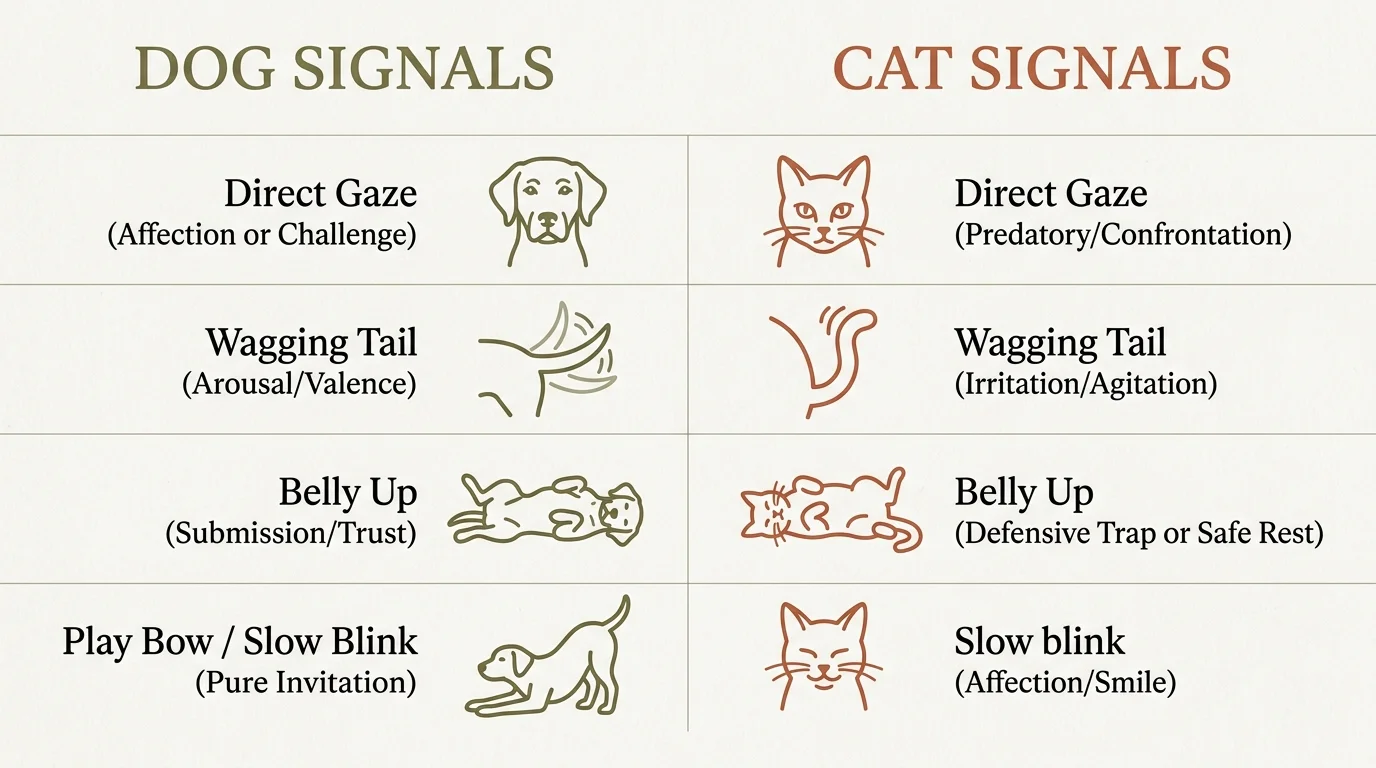
Quick Guide: Comparing Common Dog and Cat Communication Signals
Interpreting pet body language requires recognizing how distinct species express similar emotions. A gesture that signifies friendliness in one companion can signal irritation in another.
The table below highlights key differences between common canine and feline communicative behaviors.
| Signal | Canine Meaning | Feline Meaning | Recommended Human Response |
|---|---|---|---|
| Tail Wagging / Flicking | Arousal and engagement; right-bias indicates positive, left-bias indicates stress. | Agitation, conflict, or predatory excitement; sharp twitches signal growing annoyance. | Approach friendly dogs; give cats immediate physical space. |
| Direct Eye Contact | Can express affection with bonded owners, but signals a challenge to unfamiliar dogs. | Perceived as an explicit threat or predatory stare unless broken by slow blinks. | Soften your gaze; use the slow-blink technique with felines. |
| Exposed Belly | Submissive appeasement or complete physical relaxation; often invites belly rubs. | Defensive posture readying all four sets of claws; rarely an invitation for petting. | Rub a receptive dog; stroke only the head or chin of a cat. |
| Play Sneeze / Snort | Appeasement cue clarifying that roughhousing is friendly and non-aggressive. | Rarely used as play; often indicates respiratory irritation or severe annoyance. | Continue canine play; check feline environment for airborne irritants. |
Never assume canine and feline behaviors carry identical meanings in a shared home. Understanding these species-specific nuances prevents misunderstandings between you and your animal companions.

Practical Habits for Decoding Pet Body Language
Enhancing communication with your companion animals requires patient observation and consistent responses. Implementing deliberate behavioral checks strengthens your relationship every day.
Adopt these practical habits to build clearer two-way conversations with your household pets:
- Perform consent tests: Pet your dog or cat for three seconds, pause, and step back. If they lean in or nudge you, continue; if they turn away, respect their boundary.
- Watch the whole animal: Never evaluate a single body part in isolation. Evaluate the tail, ears, pupil dilation, and muscle tension together to determine true emotional state.
- Respect displacement behaviors: Lip licking, sudden yawning, or sudden scratching during training sessions indicate rising stress rather than tiredness or an itch.
- Give sniffing space: Allow dogs to investigate scent posts during walks without dragging them away. Sniffing provides essential social enrichment and mental decompression.
Practicing these simple checks daily will deepen your intuitive understanding of animal behavior. Your pets will quickly recognize that you listen to their nonverbal cues.
Frequently Asked Questions
Why does my dog lean against my legs when greeting me?
When your dog leans against your legs, they seek security, comfort, and physical connection. This contact releases oxytocin in both species, reinforcing feelings of social safety.
It rarely represents dominant behavior. Instead, your dog treats your presence as an emotional anchor during moments of relaxation or mild uncertainty.
Why do cats groom their owners with rough tongues?
Cats groom human companions as a form of social bonding called allogrooming. In feline colonies, mutual grooming reaffirms group cohesion, exchanges scents, and establishes trust among group members.
Your cat treats you as an extended family member. They deposit familiar scents while removing unfamiliar odors you accumulated throughout your day.
Do dogs feel genuine guilt when they look ashamed?
That classic guilty look—tucked tail, lowered head, and averted gaze—reflects submissive appeasement rather than moral guilt. Canine cognitive studies demonstrate that dogs produce this expression whenever their owners look angry.
The dog reacts directly to your tense posture and tone of voice. They attempt to de-escalate perceived conflict, even if they did not commit the infraction.
Can pets sense when their humans feel sad?
Both dogs and cats detect human distress through acute scent perception and subtle auditory cues. When you feel upset, changes in your vocal cadence and cortisol levels alert your companion immediately.
Many companion animals respond with targeted comfort behaviors, such as resting a chin on your lap. They actively adjust their actions to provide emotional support.
Deepening Your Interspecies Bond
Paying close attention to your pet’s subtle cues transforms companionship into a true partnership. Every wag, blink, and vocalization offers insight into their inner emotional landscape.
The information here is meant for educational purposes. Specific circumstances—including health conditions, finances, location, and goals—may require different approaches.
When in doubt, consult a licensed professional or check official sources directly.
Last updated: May 2026. Rules, prices, and details change—verify current information with official sources before acting on it.