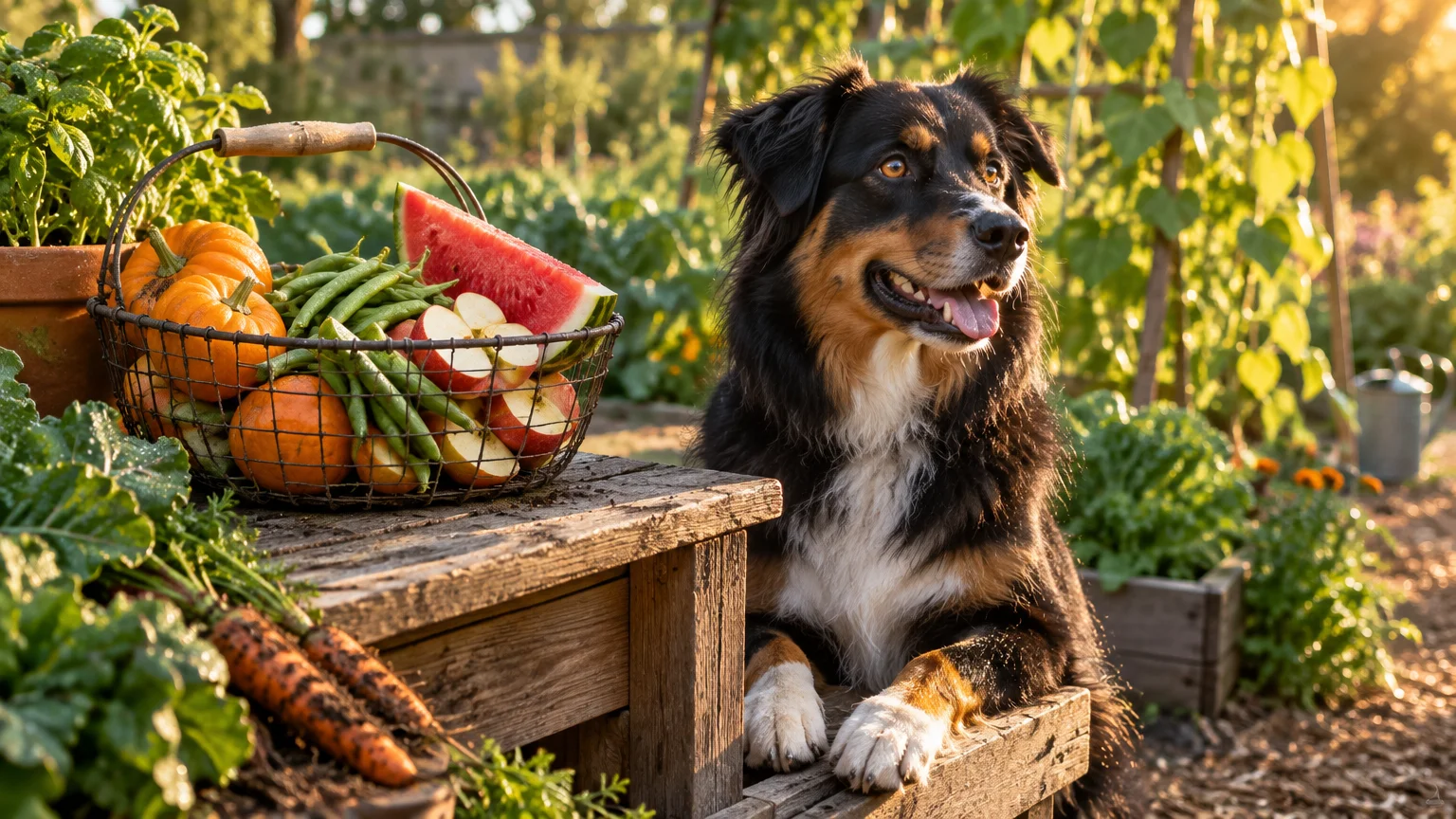
Fresh produce adds vibrant flavor and vital micronutrients to your companion’s daily meals. You can easily share crisp bites from your kitchen by choosing seasonal foods pets can eat safely.
Feeding peak-harvest treats prevents dietary boredom while supporting digestion and hydration. Seasonal shopping also trims your grocery bill and guarantees fresh, pesticide-free produce your dog or cat will love.
Discover these nine nutritious, vet-approved seasonal foods for dogs and cats alongside straightforward prep tips. You will expand your pet’s palate without risking toxic ingredients or messy stomach upsets.
The Golden Rule for Feeding Fresh Produce
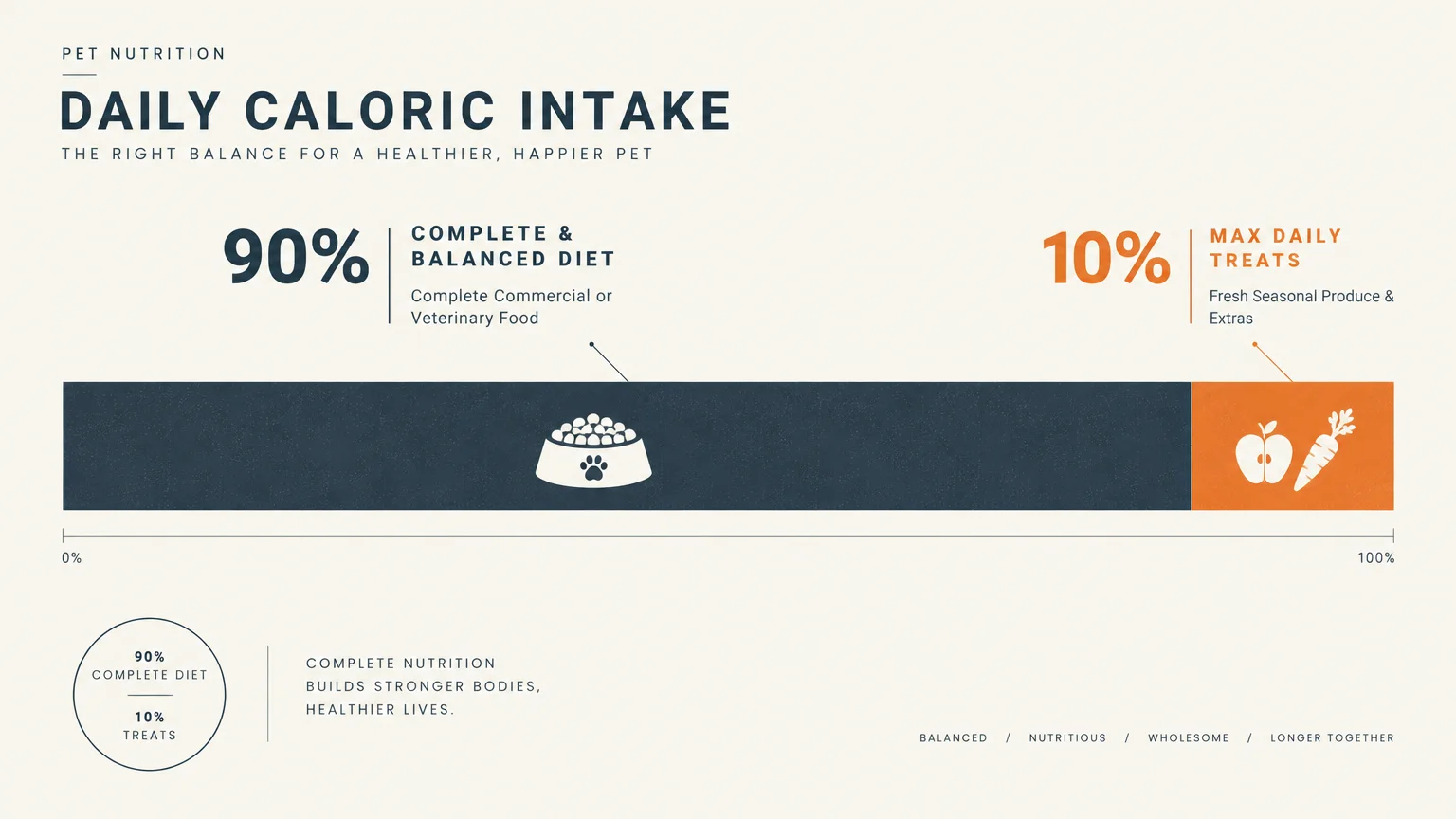
Veterinary nutritionists recommend limiting extra treats to ten percent or less of your pet’s daily caloric intake. The remaining ninety percent must come from a complete, nutritionally balanced commercial or veterinary diet.
Even healthy dog treats carry calories that can cause unintended weight gain over time. Treat these seasonal additions as supplemental rewards rather than meal replacements.
Always introduce one new food item at a time over several days. This measured approach allows you to spot potential food sensitivities, loose stools, or mild allergic reactions immediately.
Autumn: Nutrient-Dense Fall Harvests
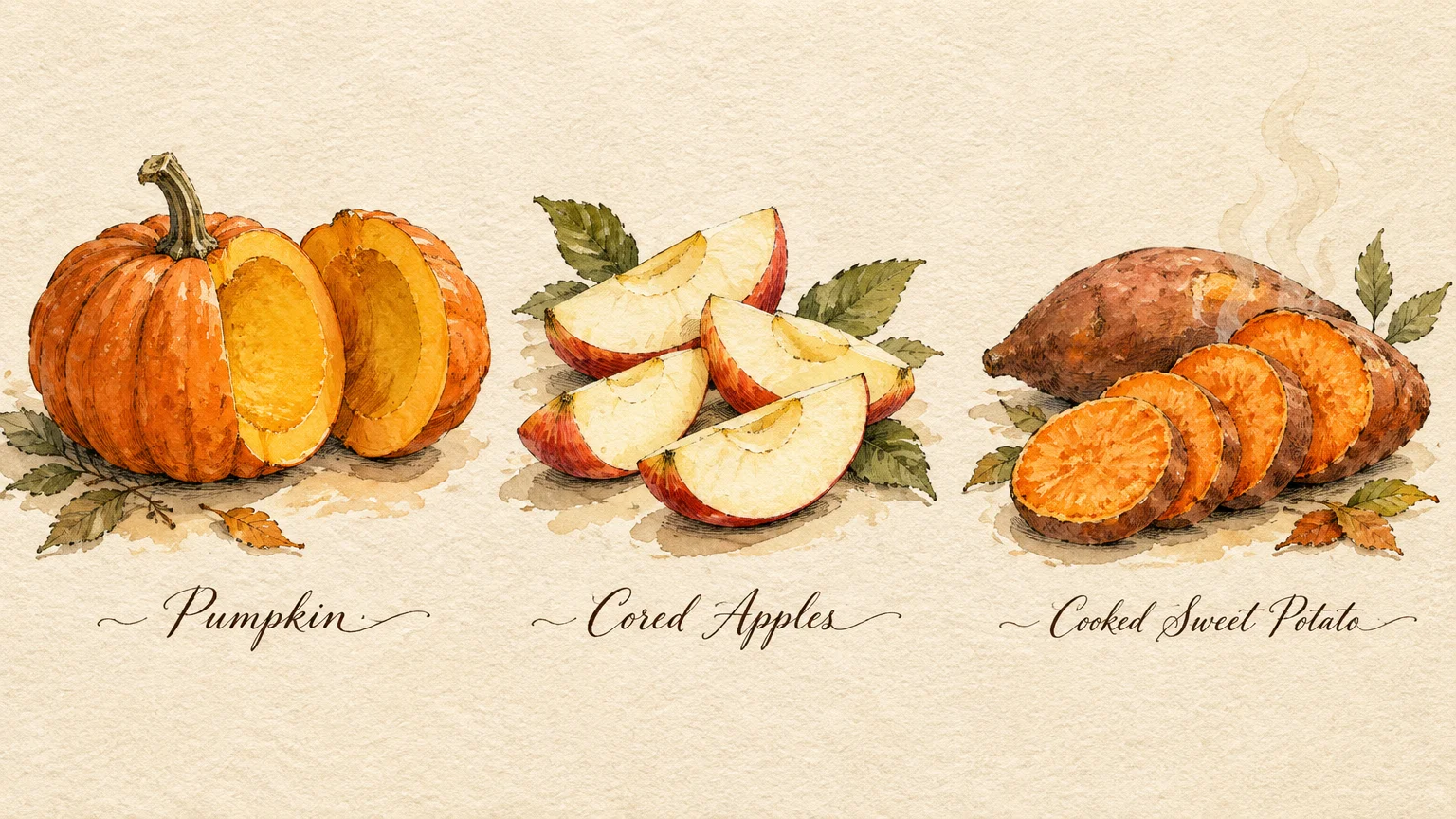
1. Pumpkin
Pumpkin stands out as a dependable superfood during the autumn harvest season. Its soluble fiber helps soothe troubled digestive tracts in both dogs and cats.
This vibrant squash delivers high concentrations of beta-carotene, vitamin A, potassium, and iron. These compounds nurture skin health, cellular repair, and optimal vision.
You can serve plain canned pumpkin puree or freshly roasted, unsalted flesh. Never share commercial pumpkin pie filling, which often hides toxic spices, nutmeg, and lethal xylitol sweeteners.
Start with a single teaspoon for small pets or one tablespoon for larger dogs. Mix it directly into their regular morning kibble or wet food.
2. Apples
Apples reach peak crispness during late summer and autumn orchard harvests. They supply pet friendly fruits and vegetables rich in vitamin C, vitamin A, and dietary fiber.
Chewing crunchy apple slices helps clean residue from canine teeth while freshening breath. The natural sweetness also appeals to pets seeking an enticing midday reward.
You must always core the apple and discard every single seed. Apple seeds contain cyanogenic glycosides, which release dangerous cyanide when crushed and chewed.
Slice the flesh into bite-sized wedges to prevent choking, especially for eager eaters. Limit portions to two or three thin slices per serving.
3. Sweet Potatoes
Sweet potatoes provide a hearty, satisfying cold-weather carbohydrate for active companions. They pack dietary fiber, manganese, vitamin B6, and powerful antioxidant compounds.
The soluble fiber in sweet potatoes supports healthy gut bacteria and promotes firm stool formation. Many commercial diets rely on them as an easily digestible energy source.
Never feed raw sweet potatoes to pets because their rigid texture poses serious choking and intestinal obstruction risks. Raw sweet potato is also difficult for canine digestive enzymes to process.
Steam, bake, or boil the sweet potato until soft, and remove all skin. Serve it mashed and completely unseasoned, free from butter, salt, brown sugar, or marshmallows.
Summer: Hydrating Warm-Weather Refreshers
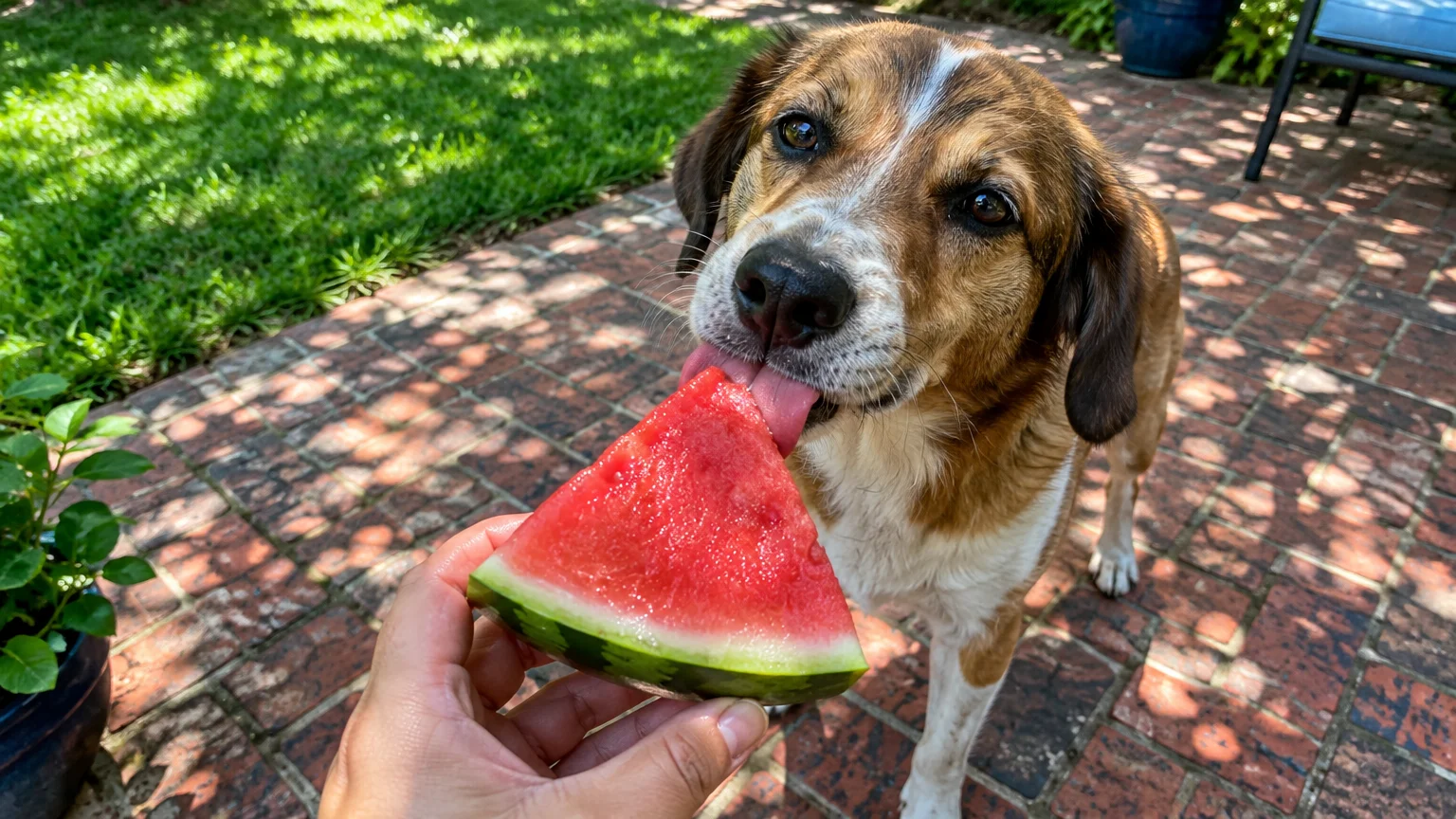
4. Watermelon
Watermelon consists of roughly ninety-two percent water, making it an extraordinary summer hydrator. It replenishes essential moisture when dogs play under the hot afternoon sun.
This refreshing melon delivers beneficial doses of lycopene, vitamin A, vitamin B6, and potassium. Lycopene acts as a cellular antioxidant that promotes long-term immune resilience.
Always scoop the flesh away from the hard outer rind and discard all black seeds. Seeds can cause painful intestinal blockages, while tough rinds trigger severe gastrointestinal upset.
Cut the bright pink flesh into small cubes or freeze them into refreshing ice pops. A few chilled cubes will cool your companion down after backyard exercise.
5. Blueberries
Fresh blueberries hit local markets throughout midsummer with remarkable antioxidant power. Their deep blue skins contain anthocyanins, which protect cognitive function in aging pets.
Blueberries rank among the most convenient safe foods for pets because they require zero peeling or chopping. They are naturally low in sugar and high in vitamin K.
Toss fresh blueberries directly to your dog as quick, low-calorie training rewards. You can also freeze them on a baking sheet for a crunchy, cooling hot-day snack.
Keep portions to a small handful for medium dogs or two to three berries for toy breeds. Excessive berry consumption can lead to transient loose stools.
6. Cucumbers
Cucumbers offer an exceptionally low-calorie crunch during warm summer months. With minimal carbohydrates and sugars, they make ideal treats for pets managing weight issues.
Cucumbers consist of ninety-five percent water, providing immediate hydration alongside vitamin K, potassium, and magnesium. They also contain phytochemicals that help reduce pungent dog breath.
Wash the exterior thoroughly to eliminate surface pesticide residues before preparing your pet’s portion. You can leave the skin intact or peel it if your pet has a sensitive stomach.
Slice the cucumber into thin rounds or diced spears to prevent rapid swallowing. Never feed pickled cucumbers, as pickling brines contain harmful levels of salt, onions, and garlic.
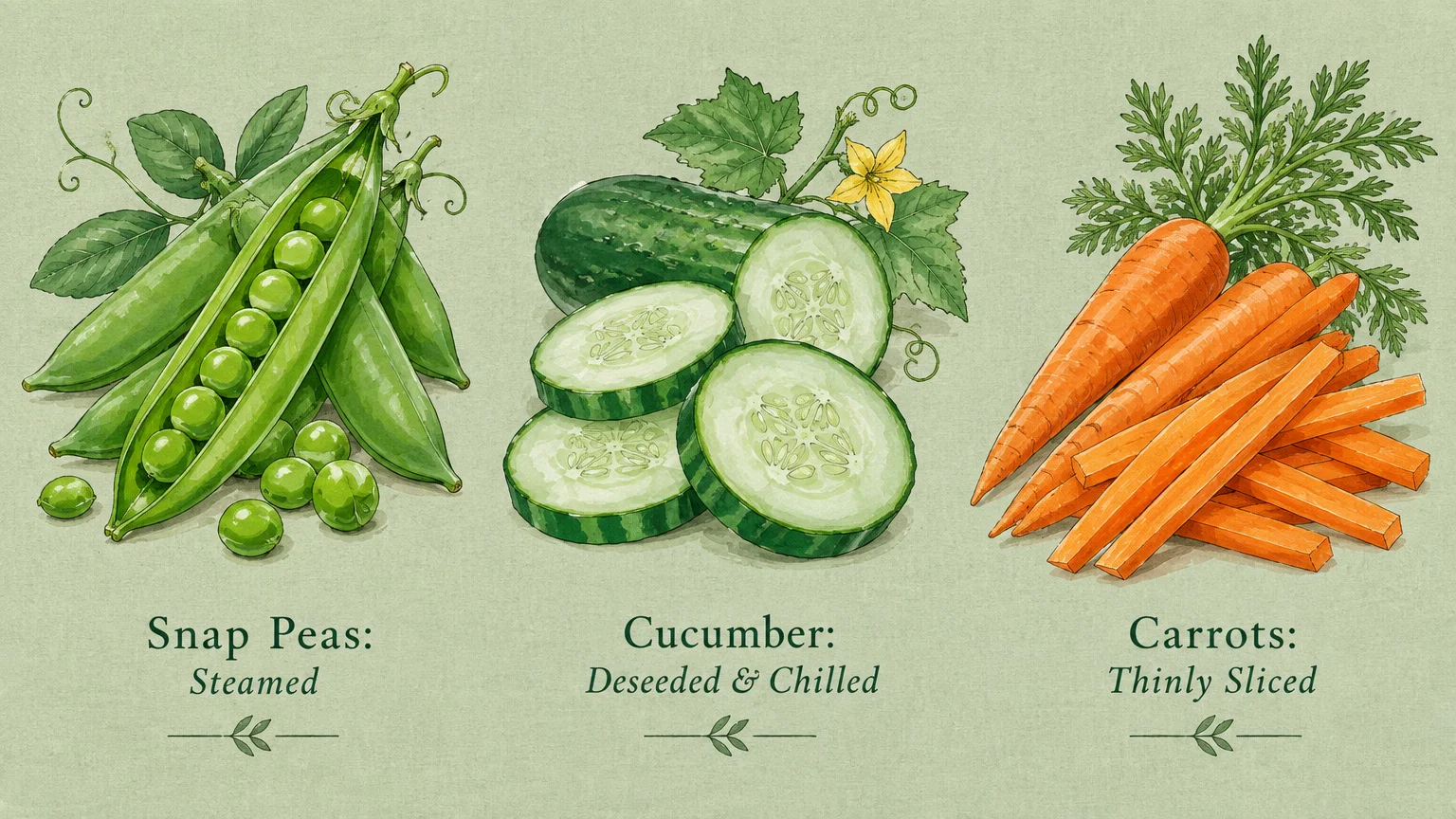
Spring and Year-Round Staples: Crisp Garden Classics
7. Green Beans
Green beans hit their sweet peak in late spring and summer gardens. Veterinarians frequently recommend them as a nutritious filler for dogs needing gradual weight reduction.
These emerald pods supply plant-based iron, calcium, vitamin K, and dietary roughage. They deliver satisfying crunch and bulk without adding unnecessary fat or excess calories.
Serve fresh, raw snapped green beans, steamed pods, or thawed frozen pieces. If using canned options, select products labeled strictly with zero added sodium.
Chop whole pods into one-inch sections to ensure easy swallowing. Mix a small handful into your dog’s regular dinner bowl to promote mealtime satiety.
8. Carrots
Carrots thrive in cool spring soil and deliver another bumper harvest in the fall. They offer a fantastic natural chew toy that gently scrapes plaque from canine teeth.
Carrots are loaded with beta-carotene, lutein, and vitamin A to support cellular health and eyesight. Their natural sweetness makes them an immediate favorite for picky eaters.
Offer whole, peeled carrots to larger dogs under direct supervision for a satisfying chewing session. For small dogs or senior pets with fragile teeth, steam round slices until tender.
Remember that carrots contain moderate natural sugars despite their health benefits. Keep daily offerings to one small carrot or several coin-sized slices.
9. Strawberries
Strawberries ripen in late spring, offering an aromatic, nutrient-packed bite for your pet. They provide abundant vitamin C, fiber, and an enzyme called malic acid.
Malic acid works naturally to gently whiten teeth while your dog chews the succulent flesh. Strawberries also contain high antioxidant levels that combat systemic inflammation.
Always pluck the bitter green stem and leaves before sharing any berries with your animal. Rinse the fruit carefully under cool water to remove lingering field dirt.
Puree fresh strawberries into a lickable meal topper or slice them into tiny bites. Because of their natural fructose levels, limit treats to one or two berries per day.
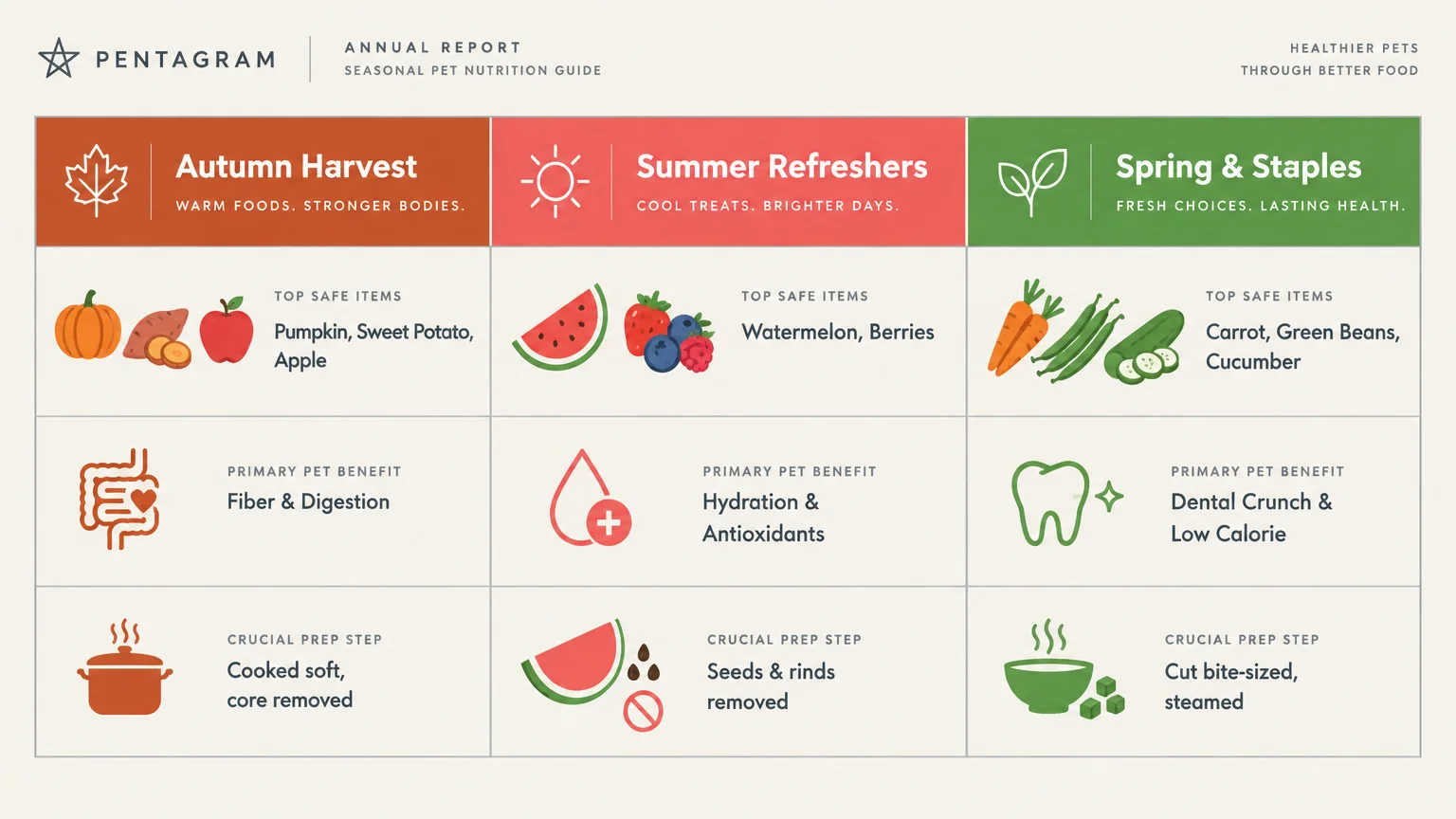
Seasonal Produce Comparison for Pets
Comparing seasonal produce side by side helps you determine the best whole foods for your pet’s current health goals. Review the nutritional profiles and recommended preparation styles below.
| Food | Peak Season | Key Nutrients | Safe Preparation | Caloric Impact |
|---|---|---|---|---|
| Pumpkin | Autumn | Fiber, Vitamin A, Iron | Pureed or baked; no spices or sugar | Low |
| Apples | Late Summer / Fall | Vitamin C, Fiber, Calcium | Thin slices; remove stem, core, and seeds | Moderate |
| Sweet Potatoes | Fall / Winter | Vitamin B6, Fiber, Potassium | Cooked and mashed; peel completely | Moderate to High |
| Watermelon | Summer | Water, Lycopene, Vitamin A | Diced flesh; remove all seeds and rind | Low |
| Blueberries | Summer | Anthocyanins, Vitamin K | Fresh or frozen; wash thoroughly | Low |
| Cucumbers | Summer | Water, Magnesium, Vitamin K | Thin slices or diced; unseasoned | Very Low |
| Green Beans | Spring / Summer | Iron, Calcium, Fiber | Raw, steamed, or frozen; no salt | Very Low |
| Carrots | Spring / Fall | Beta-Carotene, Vitamin A | Raw sticks or steamed rounds | Low |
| Strawberries | Spring | Vitamin C, Malic Acid, Fiber | Sliced or pureed; remove green caps | Moderate |
Use this quick reference whenever you visit your local farmers market or grocery produce section. Matching seasonal availability with your pet’s dietary needs creates an affordable, wholesome treat routine.
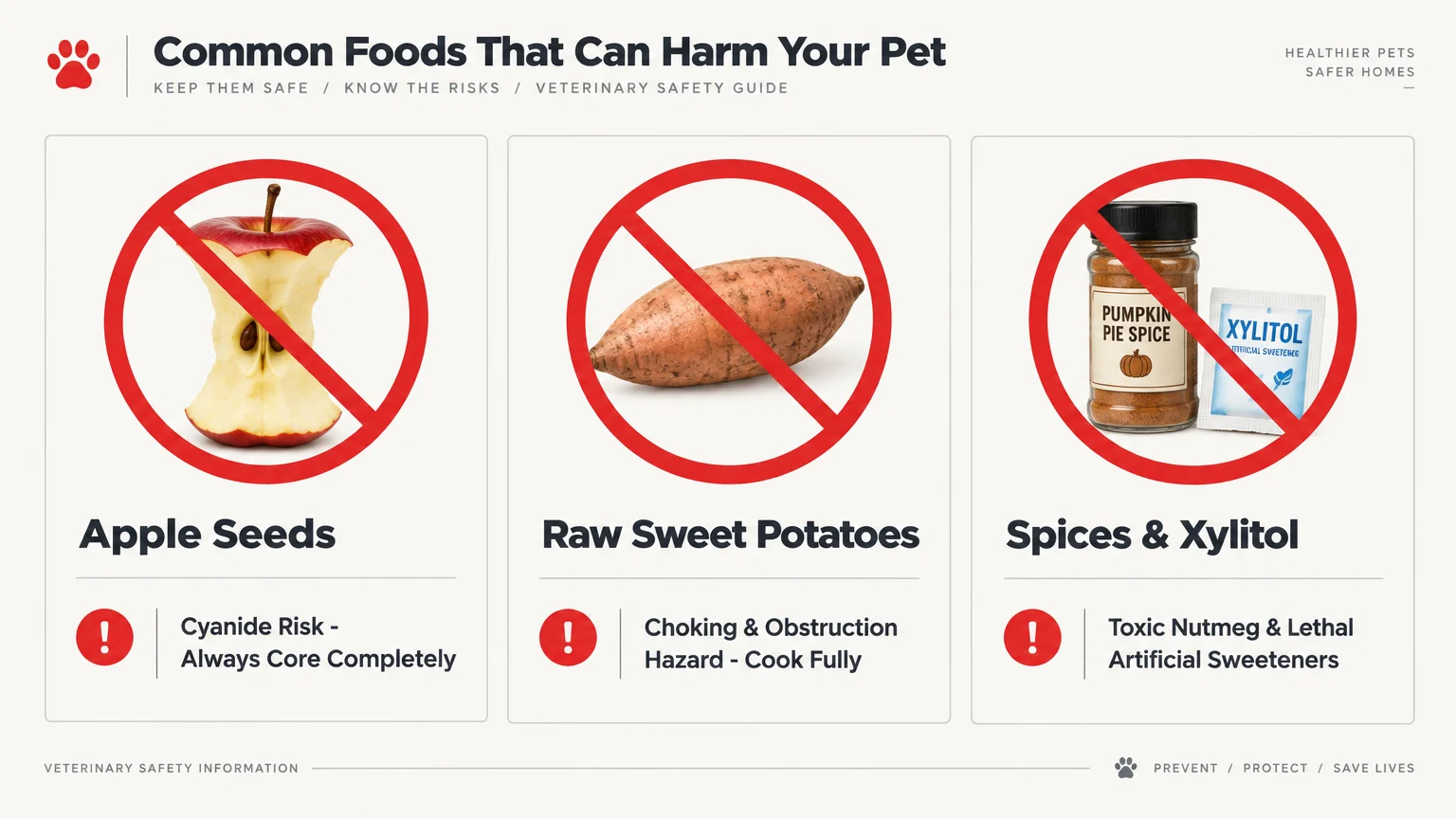
Seasonal Produce Hazards to Keep Off the Plate
While exploring seasonal foods for dogs, you must recognize that several kitchen staples are severely toxic to animals. According to the ASPCA Animal Poison Control Center, human food toxicity calls peak during harvest and holiday seasons.
Grapes and raisins can trigger acute, irreversible kidney failure in dogs even in tiny amounts. Keep all summer grape bunches and dried raisins securely out of paw’s reach.
All members of the allium family—including onions, garlic, leeks, shallots, and chives—destroy red blood cells. This oxidative damage leads to life-threatening hemolytic anemia in both cats and dogs.
Stone fruits like peaches, plums, and cherries pose double hazards during warm seasons. Their pits contain cyanide-generating compounds and present severe intestinal blockage risks if swallowed.
Rhubarb stalks and leaves contain soluble calcium oxalate crystals that damage renal function and upset stomachs. Never allow pets to graze on garden rhubarb plants or sweet rhubarb pies.
Avoid sharing green, unripened tomatoes or tomato plant foliage from your summer garden. These nightshade vines contain solanine, a toxic glycoalkaloid that causes heart arrhythmias and severe vomiting.
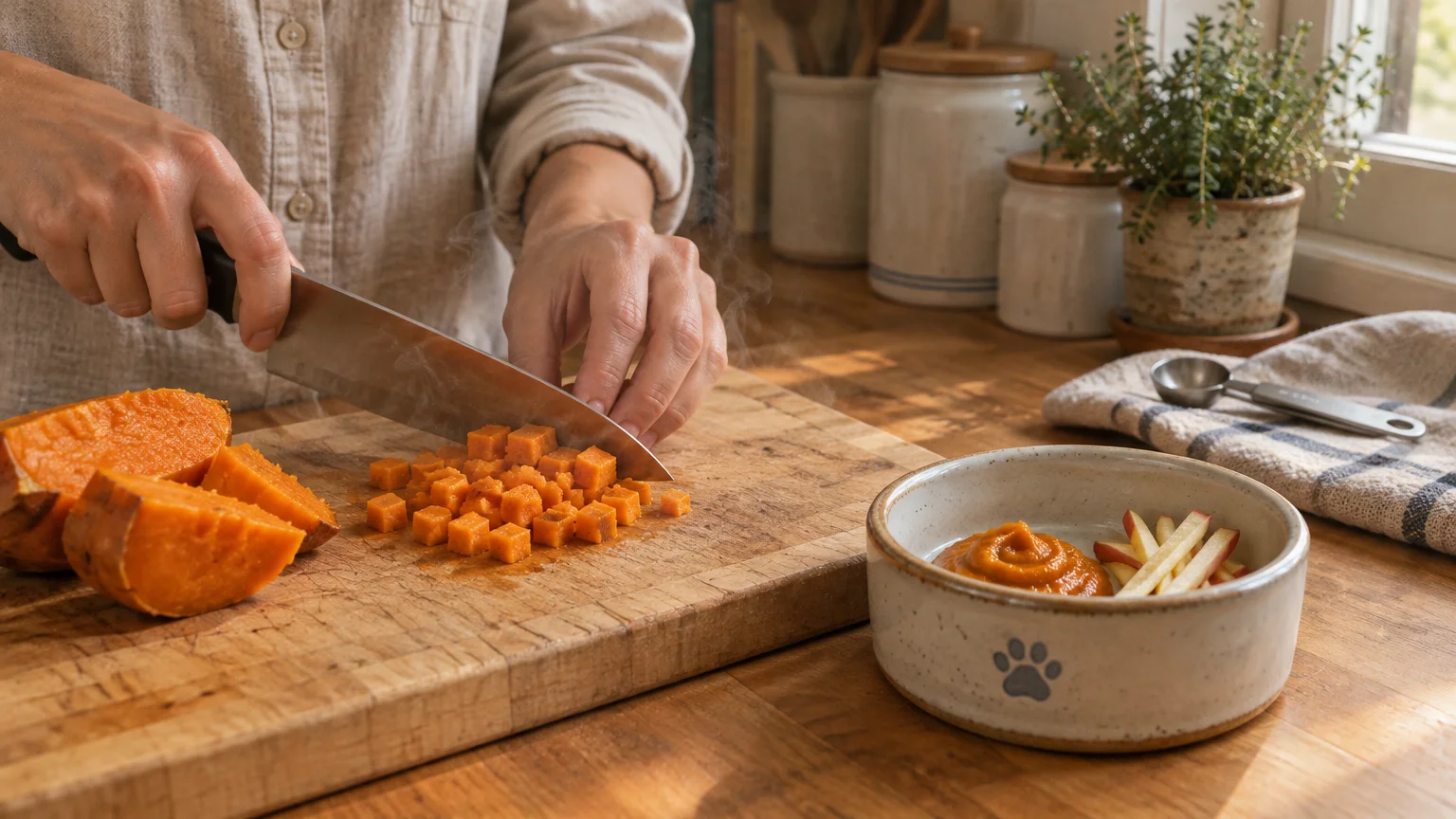
Worth Keeping in Mind
Sharing wholesome garden bounty should enhance your pet’s life without causing unintended medical emergencies. Keep these key safety principles in mind before preparing seasonal snacks.
- Choking and obstruction hazards: Large chunks of hard vegetables like raw carrots or sweet potatoes can easily lodge in an eager dog’s throat. Always cut produce into size-appropriate pieces.
- Hidden culinary seasonings: Never feed vegetable scraps seasoned with garlic powder, onion powder, excessive salt, butter, or oil. Heavy fats can inflame the pancreas, causing painful pancreatitis.
- Digestive disruption from sudden changes: Rapidly adding fiber-dense vegetables to a sensitive pet’s routine can trigger gas, bloating, or watery diarrhea. Introduce each item gradually over three to five days.
- Pesticide and microbial residue: Conventional grocery store crops frequently carry chemical residues, dirt, or bacteria. Thoroughly wash or peel all fruits and vegetables before feeding them to pets.

When to Get Professional Help
Navigating pet nutrition requires vigilance because every animal possesses unique dietary tolerances and medical histories. Understanding when to consult your family veterinarian keeps your companion safe from harm.
According to guidance from the American Veterinary Medical Association, pet owners should seek immediate professional assistance in these situations:
- Accidental ingestion of toxic produce: If your pet eats grapes, onions, garlic, stone fruit pits, or moldy garden scraps, call your veterinarian or an animal poison hotline immediately.
- Persistent gastrointestinal distress: Contact your clinic if vomiting, severe diarrhea, or lethargy lasts more than twelve hours after trying a new food item.
- Pre-existing medical conditions: Pets with kidney disease, diabetes, or a history of calcium oxalate bladder stones require strict veterinary clearance before eating fruits or high-oxalate vegetables.
- Allergic reactions: Swelling around the muzzle, hives, intense itching, or respiratory wheezing after eating produce requires emergency veterinary treatment.
The U.S. Food and Drug Administration regularly monitors pet food safety standards and recommends discussing homemade food toppers with veterinary nutritionists.
Frequently Asked Questions
Here are answers to the most common questions pet parents ask when introducing seasonal produce.
Can cats eat seasonal fruits and vegetables like dogs do?
Cats are obligate carnivores that require animal proteins to thrive and lack sweetness taste receptors. While small tastes of plain pumpkin or steamed green beans are safe, cats do not require produce in their diets.
Should I feed fresh fruits or frozen fruits to my pet?
Both fresh and frozen fruits retain beneficial vitamins, minerals, and dietary antioxidants. Frozen berries and melon cubes offer a soothing, crunchy texture that helps cool dogs down during sweltering summer afternoons.
Can pets eat canned vegetables from the grocery store?
You can serve canned vegetables only if the ingredient label lists pure vegetables and water. Avoid any canned produce packed with added sodium, flavorings, onions, garlic, or chemical preservatives.
How do I calculate the ten percent treat allowance?
Check the caloric density of your pet’s base food to establish their total daily calorie allowance. Treats and fresh produce toppers combined should never account for more than ten percent of those total daily calories.
Practical Next Steps for Your Pet’s Bowl
Rotating fresh, pet friendly fruits and vegetables through your companion’s diet brings variety and valuable micronutrients to their bowl. Pay close attention to proper preparation, remove all seeds or rinds, and practice strict portion control.
Start this week by chopping a single baby carrot or offering two fresh blueberries as training rewards. Observe how your companion reacts before incorporating additional seasonal favorites into their routine.
This article provides general information only—every reader’s situation is different, and what works for others may not be the right fit for you. For personalized guidance on health, legal, or financial matters, consult a qualified professional.
Last updated: May 2026. Rules, prices, and details change—verify current information with official sources before acting on it.