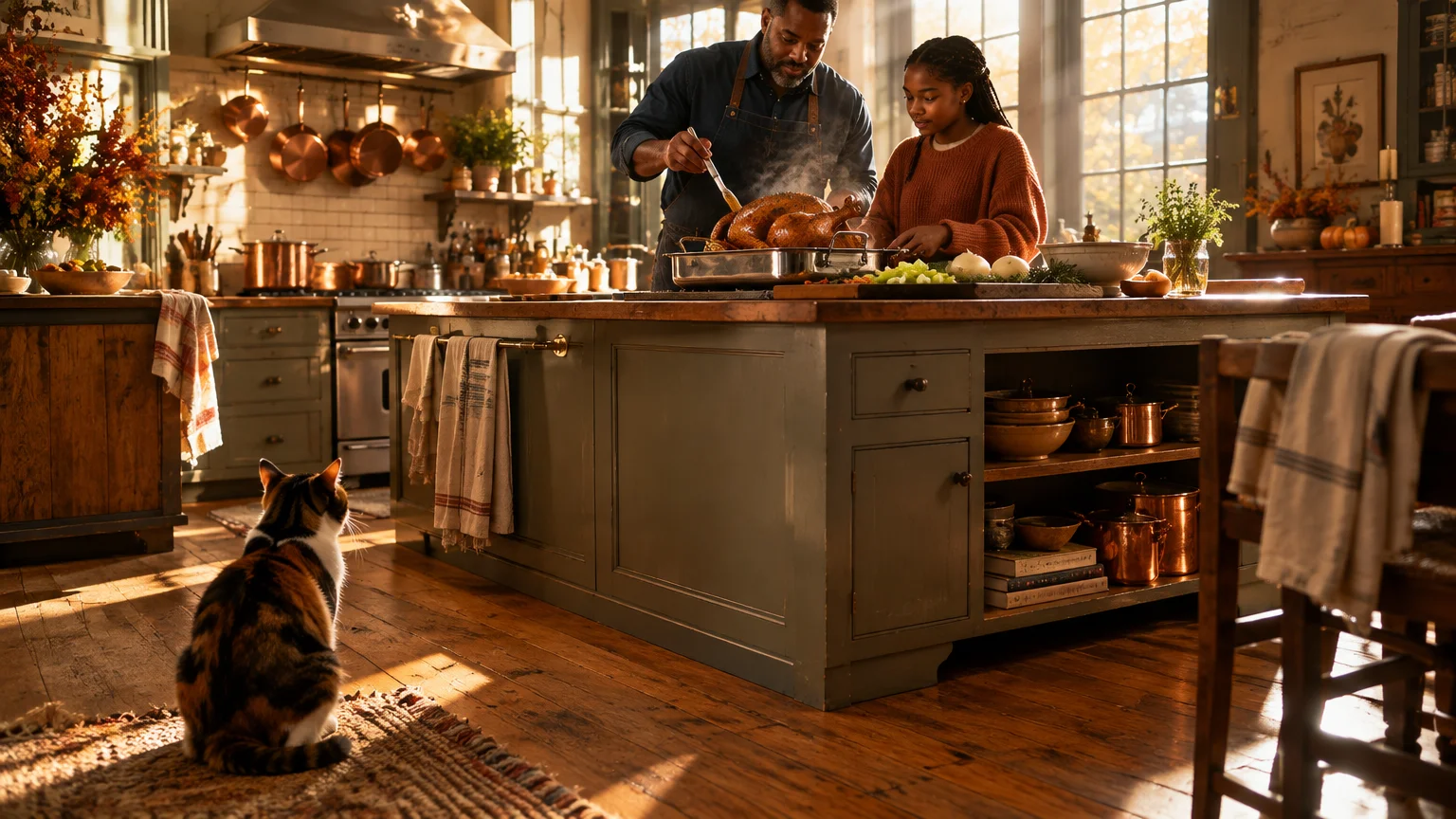
A crowded holiday kitchen smells incredible, but sharing your Thanksgiving feast with dogs and cats can trigger medical emergencies. Seemingly harmless holiday staples carry compounds that cause kidney failure, red blood cell destruction, and pancreatitis.
You can protect your pets while still celebrating the holiday together. Understanding which foods trigger toxic reactions helps you keep your four-legged companions safe from common culinary hazards.
Here are the ten most hazardous Thanksgiving foods for pets, the science behind their toxicity, and the best veterinary-approved safety steps you should take.
01 Turkey Bones, Skin, and Rich Trimmings
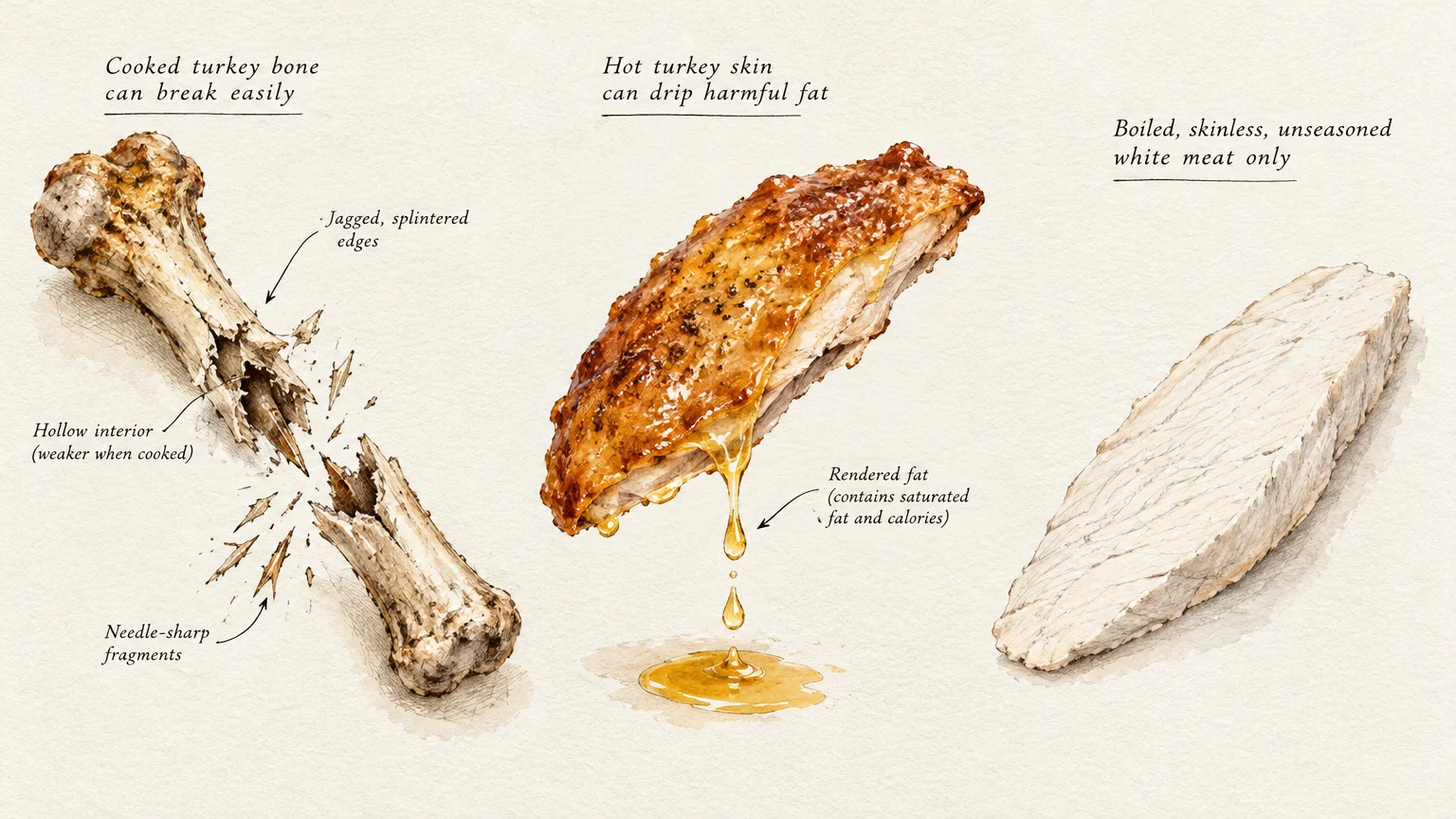
Cooked turkey bones become brittle and snap easily under a pet’s jaw pressure. These sharp splinters can pierce the stomach lining, puncture the intestines, or lodge tightly inside the esophagus.
Turkey skin, drippings, and fat trimmings pose an equally severe metabolic danger. High-fat human foods rapidly overwork the digestive system in both dogs and cats.
Excessive fat intake frequently triggers acute pancreatitis, a painful and potentially fatal inflammation of the pancreas. The organ begins digesting itself, releasing inflammatory enzymes into the bloodstream.
Dogs suffering from acute pancreatitis often adopt a “praying position,” tucking their chest to the floor while elevating their hindquarters. Cats tend to show more subtle signs, such as complete lethargy and food refusal.
According to veterinary guidance from the U.S. Food and Drug Administration (FDA), bones can also cause life-threatening intestinal blockages requiring emergency surgical extraction.
If you want to treat your pet to poultry, offer a small strip of boiled, skinless, unseasoned white breast meat instead. Never toss a drumstick bone or roasted wing to an animal.
02 Allium Vegetables: Onions, Garlic, Leeks, and Chives
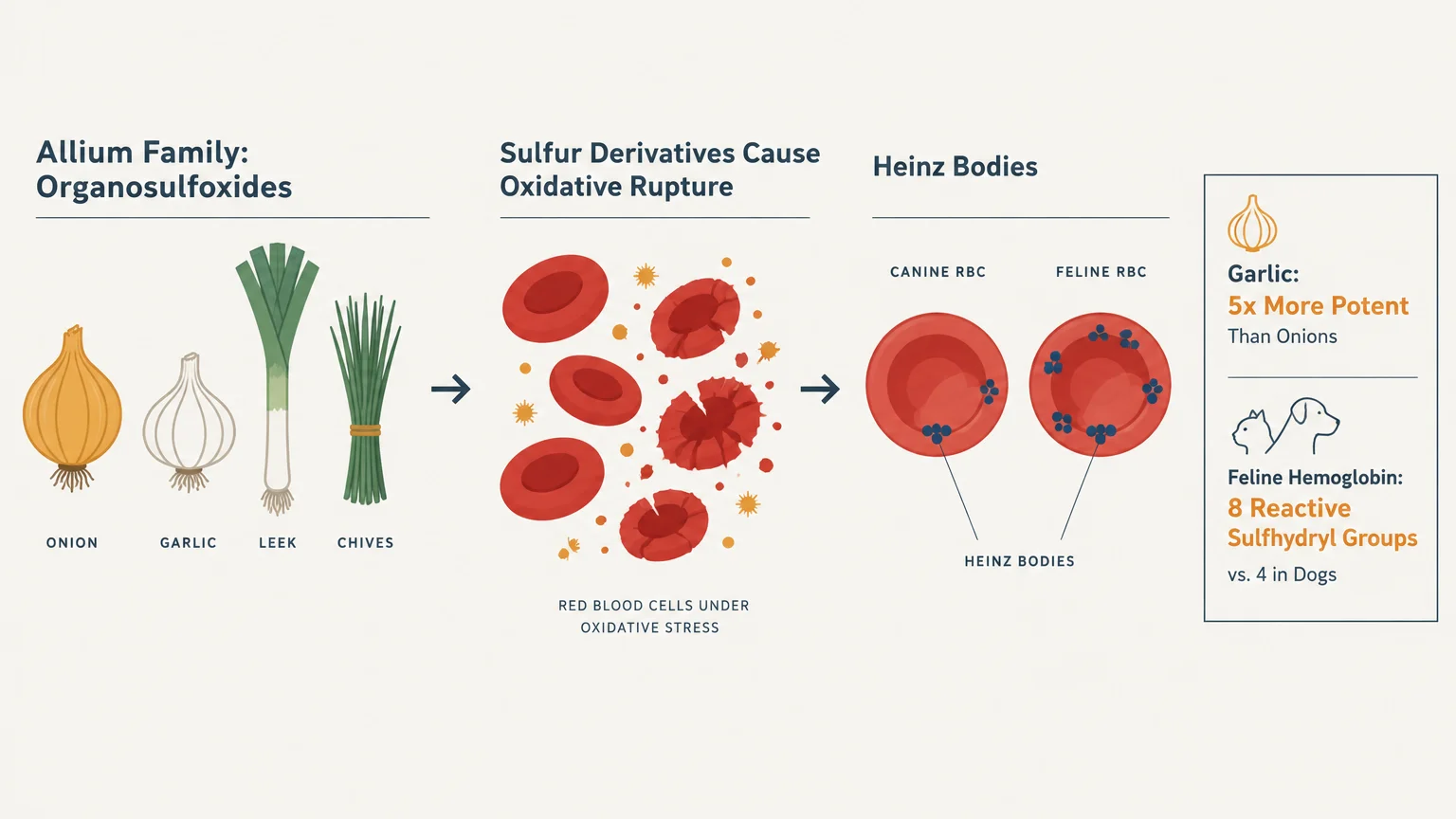
Every member of the Allium family contains chemical compounds known as organosulfoxides. When chewed or digested, these compounds convert into toxic sulfur derivatives that target red blood cells.
These sulfur compounds cause oxidative damage to the red blood cells, prompting them to rupture inside the bloodstream. This process produces microscopic clusters known as Heinz bodies, resulting in severe hemolytic anemia.
Garlic is roughly five times more potent than onions. Cats are especially vulnerable because their unique hemoglobin structure has eight reactive sulfhydryl groups compared to four in dogs.
Even tiny amounts of onion powder in holiday stuffing, dried soup mixes, or turkey rubs can trigger toxicosis. Powdered and dehydrated seasonings carry much higher concentrations than fresh raw vegetables.
Signs of allium poisoning rarely show up right away. You may notice pale gums, dark reddish-brown urine, weakness, and rapid breathing three to five days after ingestion.
03 Grapes, Raisins, and Currants
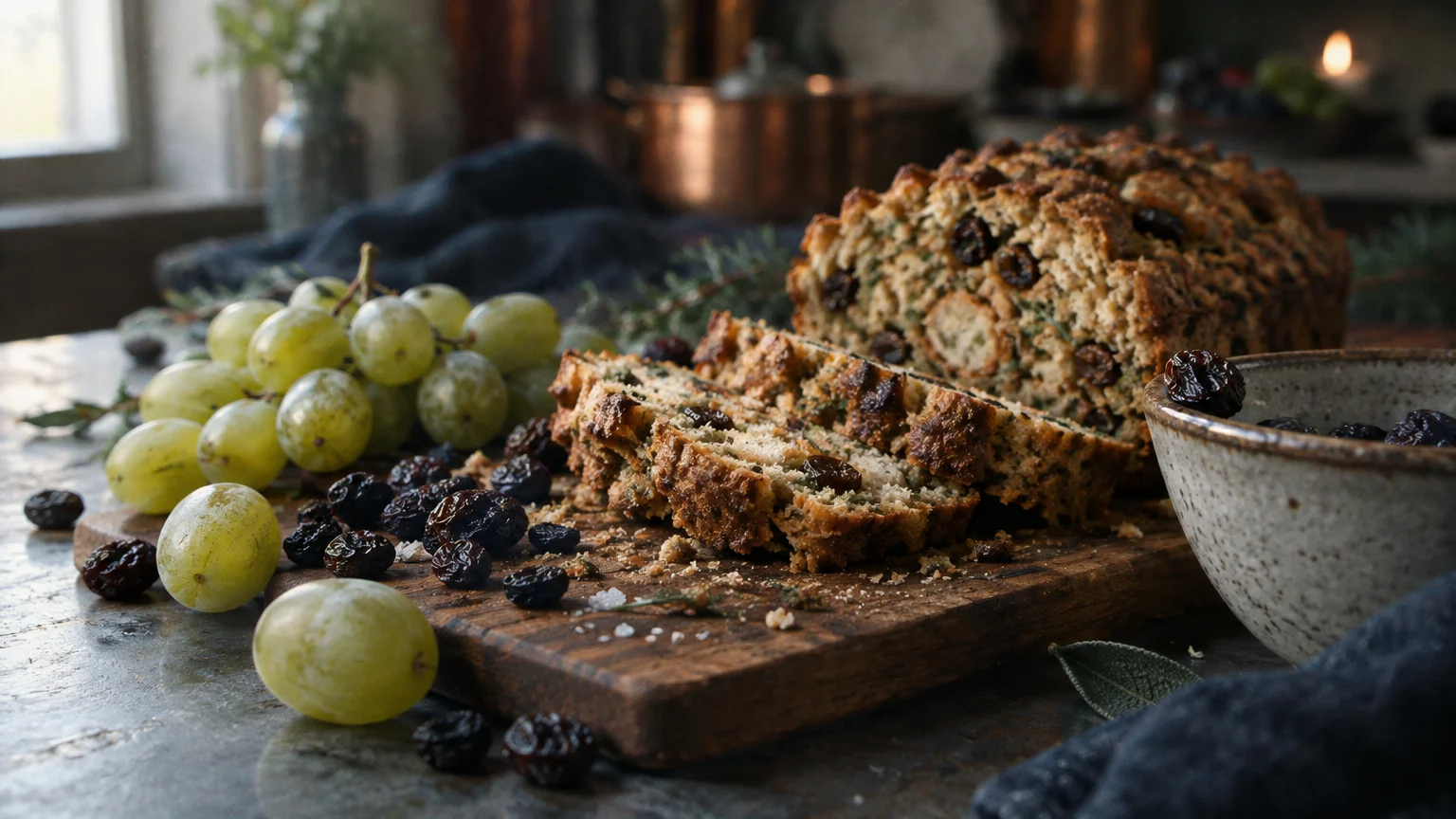
Grapes and dried raisins frequently appear in holiday dressing, charcuterie platters, artisan breads, and festive salads. For dogs, even microscopic amounts can trigger sudden, irreversible acute kidney failure.
Veterinary researchers have identified tartaric acid and its salt, potassium bitartrate, as the primary toxic components in grapes. The exact concentration of tartaric acid varies unpredictably across grape varieties, ripeness levels, and growing conditions.
Because toxicity is idiosyncratic, one dog might eat three grapes without showing symptoms, while another dog suffers complete renal collapse from a single raisin. No safe intake threshold exists.
Early symptoms include vomiting and diarrhea within 6 to 12 hours of ingestion. As the kidneys shut down over the following 24 to 72 hours, the animal stops producing urine entirely.
While reports in cats remain less frequent, veterinary toxicologists advise keeping all feline companions away from grapes and raisins as well.
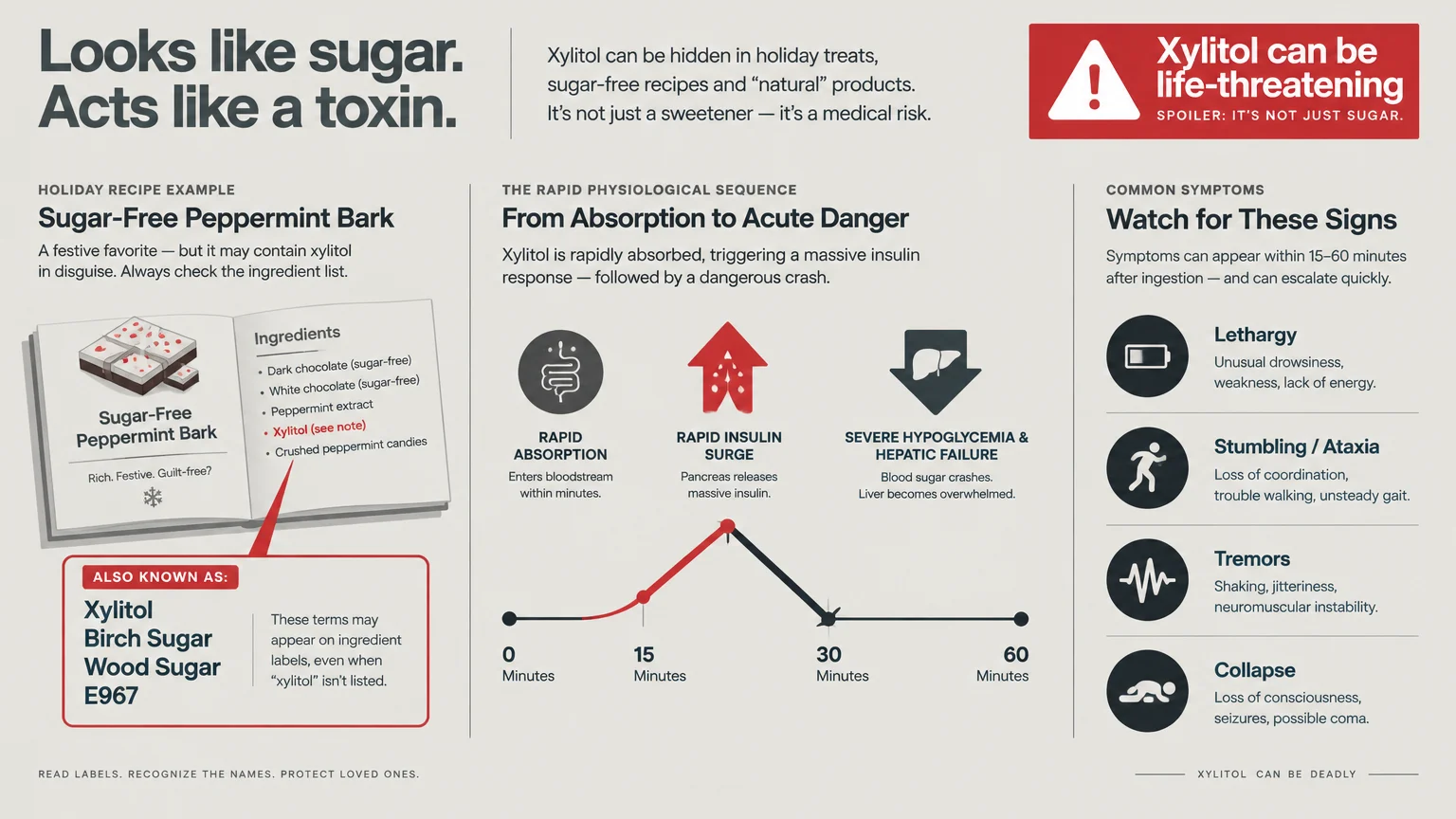
04 Sugar-Free Treats Containing Xylitol (Birch Sugar)
Xylitol—increasingly labeled as birch sugar, birch bark extract, or wood sugar—is a common sweetener in sugar-free baked goods. You will often find it in diabetic-friendly pumpkin pies, store-bought whipped cream, and diet desserts.
In humans, xylitol causes no significant insulin release. In a dog’s body, however, the pancreas mistakes xylitol for real glucose and releases an enormous surge of insulin.
This massive insulin dump drives blood sugar levels down to dangerous, life-threatening depths within 30 to 60 minutes. The resulting hypoglycemia can cause profound disorientation, loss of coordination, seizures, and comas.
Higher doses of xylitol also cause acute, massive liver necrosis in canines. Dogs that survive the initial blood sugar crash may still suffer permanent hepatic failure over the next several days.
Cats rarely experience the same catastrophic insulin spike, but xylitol offers zero nutritional value and carries potential risks. Keep all sugar-free baked items completely out of your pets’ reach.
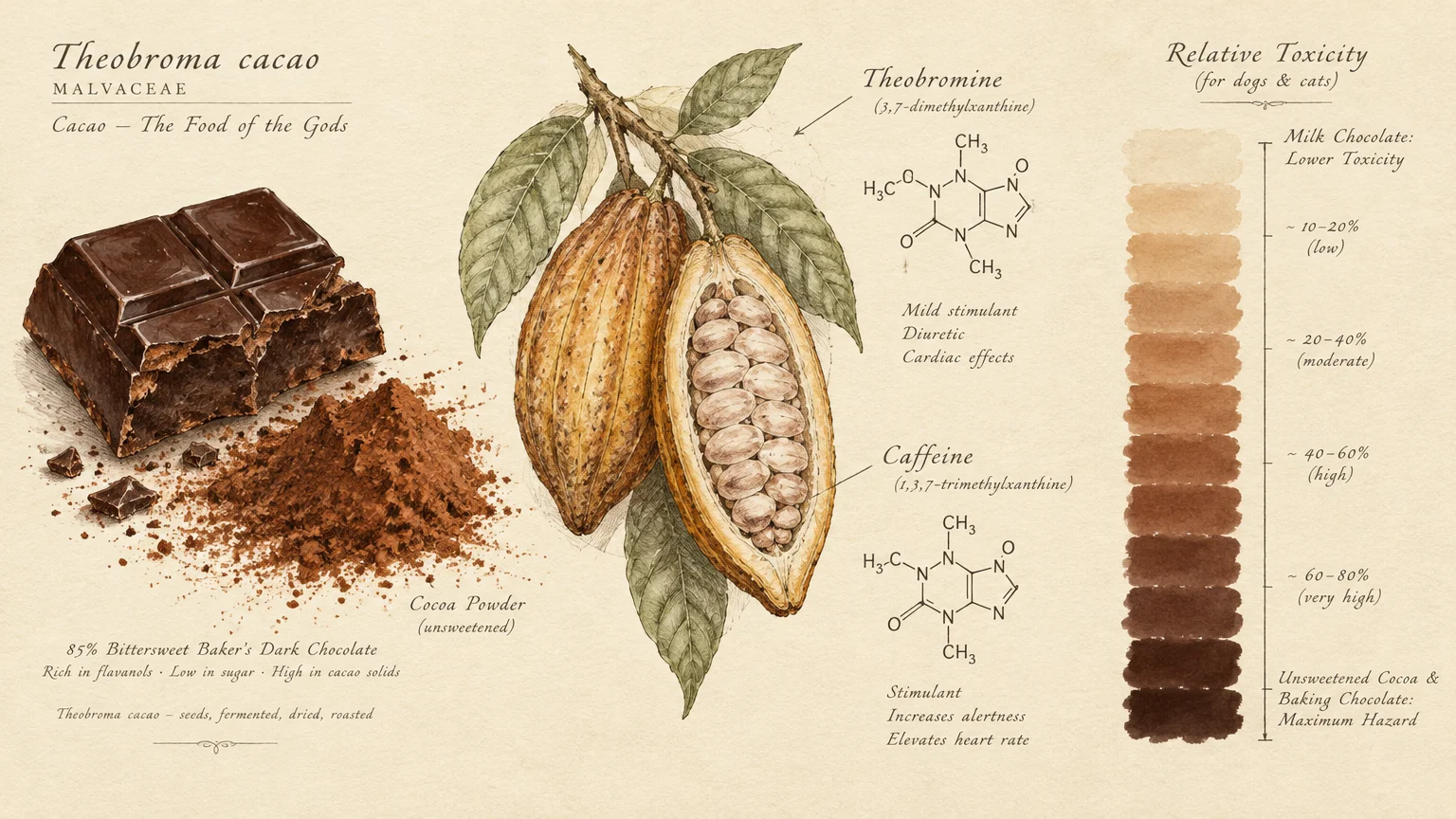
05 Chocolate and Cocoa Desserts
Thanksgiving dessert tables often feature rich chocolate fudge pies, cocoa truffles, and chocolate-chip cookies. Chocolate contains two distinct methylxanthine compounds: theobromine and caffeine.
Both compounds stimulate the central nervous system and cardiac muscles while relaxing smooth muscle tissue. Dogs and cats metabolize theobromine much more slowly than humans do, allowing it to accumulate to toxic levels.
The darker and more concentrated the chocolate, the greater the danger to your pet. Unsweetened baker’s cocoa and dark chocolate carry far higher methylxanthine concentrations than milk chocolate.
According to the ASPCA Animal Poison Control Center, chocolate consistently ranks among the top pet toxins reported by pet owners nationwide year after year.
Mild toxicity manifests as vomiting, diarrhea, intense thirst, and restlessness. Severe poisoning can cause cardiac arrhythmias, muscle rigidity, dangerously elevated body temperature, and fatal seizures.
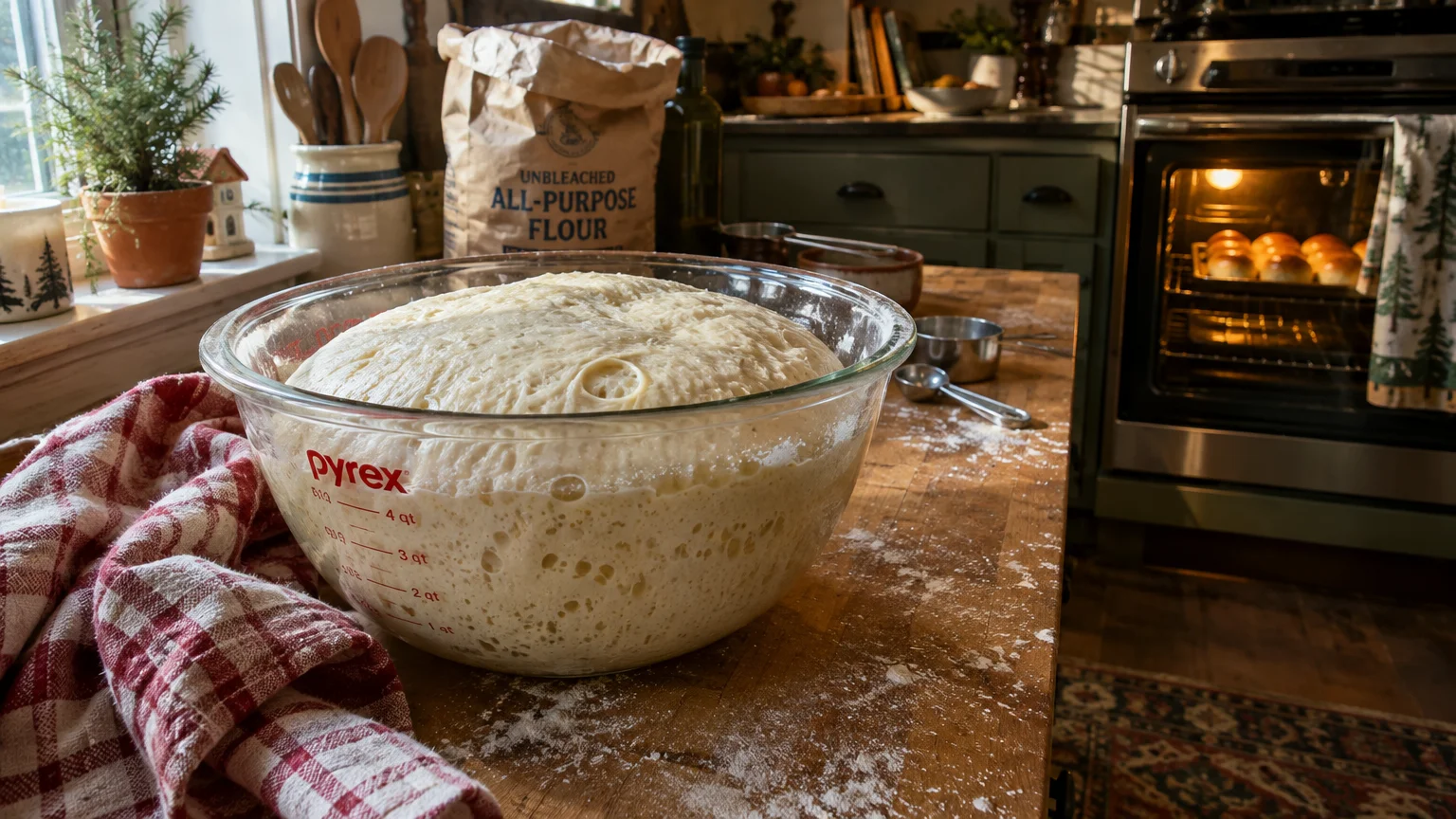
06 Unbaked Yeast Bread Dough
Fresh rolls and artisan bread are Thanksgiving staples, but unbaked yeast dough waiting on the counter is an urgent hazard for curious pets. The danger is twofold: mechanical expansion and internal alcohol production.
A pet’s stomach provides an ideal fermentation chamber—dark, moist, and warm. Once swallowed, the raw dough continues to rise and expand rapidly inside the stomach cavity.
This expanding mass can distend the stomach, cutting off blood supply to internal organs and triggering gastric dilatation-volvulus (GDV), commonly known as bloat. Bloat is a surgical emergency that can kill within hours.
At the same time, the fermenting yeast produces ethanol that absorbs directly through the stomach lining into the bloodstream. This rapid absorption leads quickly to systemic alcohol intoxication.
Pets with dough ingestion will exhibit a distended abdomen, unproductive retching, disorientation, hypothermia, and extreme weakness. Keep rising dough secured inside closed ovens or microwave cabinets.
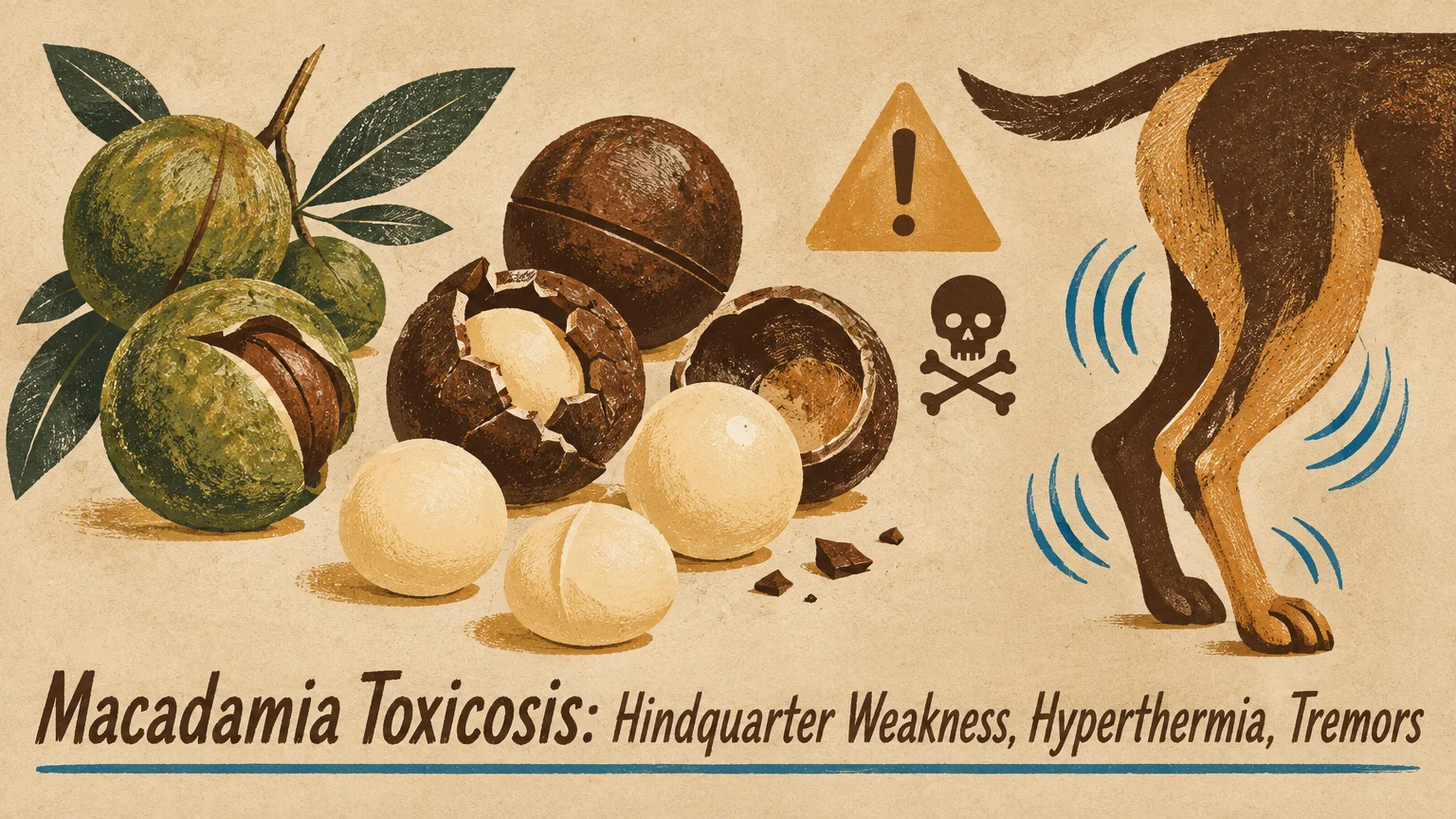
07 Macadamia Nuts and High-Fat Nuts
Holiday snack bowls often feature mixed nuts, including macadamias, pecans, and walnuts. Macadamia nuts contain an unknown toxic principle that specifically targets canine neuromuscular systems.
Ingesting as little as one or two macadamia nuts per kilogram of body weight can induce clinical toxicosis in dogs. The exact chemical agent responsible for this reaction remains unidentified by science.
Affected dogs display characteristic weakness in their hind legs, tremors, lethargy, vomiting, and hyperthermia. These neuromuscular symptoms usually appear within 12 hours of ingestion and persist for up to 48 hours.
Other tree nuts, such as walnuts and pecans, present different threats. They frequently harbor microscopic mold fungi that produce tremorgenic mycotoxins, which cause severe muscle spasms and seizures.
Additionally, all tree nuts contain massive concentrations of oils and dietary fats. Even non-toxic nuts can spark immediate bouts of canine pancreatitis or feline gastroenteritis.

08 Nutmeg and Rich Holiday Spices
Nutmeg provides classic fall flavor to pumpkin pies, mashed sweet potatoes, and custards. However, whole and ground nutmeg contain a volatile chemical compound called myristicin.
Myristicin acts as a strong neurotoxin when consumed by small animals in moderate to large amounts. It disrupts the autonomic nervous system and alters neurotransmitter balance in the brain.
Animals that consume spiced dishes containing high levels of nutmeg may experience severe hallucinations, extreme agitation, disorientation, and uncoordinated movements. Additional physical signs include dry mouth, elevated heart rate, and high blood pressure.
While small licks of nutmeg-spiced sweet potato rarely prove fatal, concentrated extracts and whole seeds carry high risk. Massive exposures can cause tremors and full-body seizures.
Other common festive seasonings, including sage, can also irritate a cat’s gastrointestinal tract due to concentrated essential oils. Keep spiced dishes safely off your pet’s menu.
09 Alcohol, Wine, and Spiked Punches
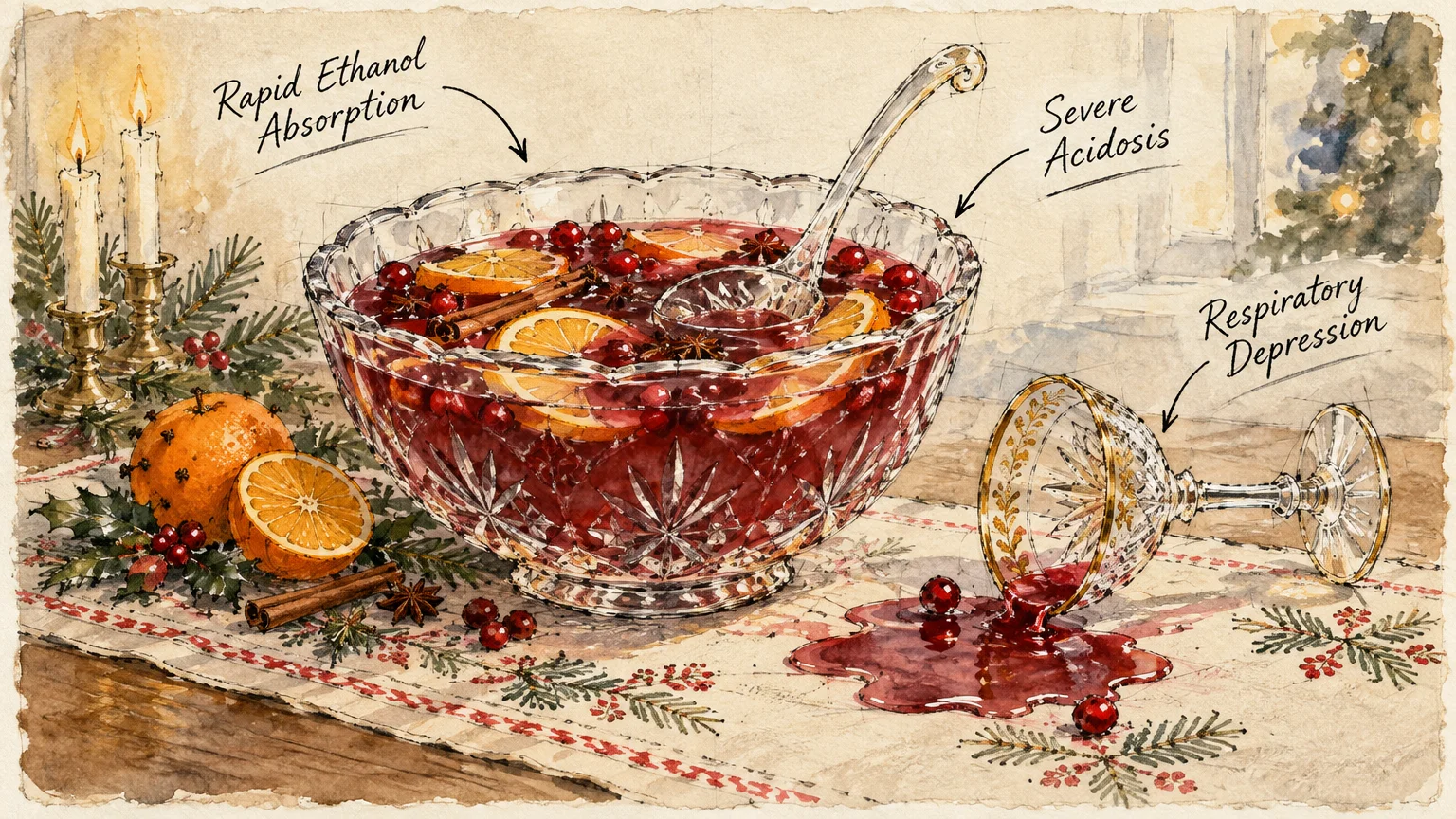
Holiday gatherings often include open wine bottles, spiked eggnog, bourbon gravies, and festive cocktails. Dogs and cats are extraordinarily sensitive to ethanol, the intoxicating compound in alcoholic beverages.
Because pets have a fraction of human body mass and lack efficient metabolic pathways for ethanol, tiny sips can cause significant poisoning. Cats are especially prone to lapping up milky, alcohol-spiked eggnog.
Alcohol depresses the central nervous system, impairing voluntary coordination and dulling basic reflexes. Animals lose their motor control, become hypothermic, and may struggle to maintain steady breathing.
Severe alcohol toxicosis leads to dangerous metabolic acidosis, life-threatening drops in blood sugar, respiratory arrest, and coma. Left untreated, high ethanol concentrations cause cardiac arrest.
Never leave open beverage cups on low coffee tables or within nose-reach of curious pets. Immediately wipe up spilled mixed drinks or wine pools from kitchen floors.
10 Heavy Dairy, Butter, and Rich Gravies
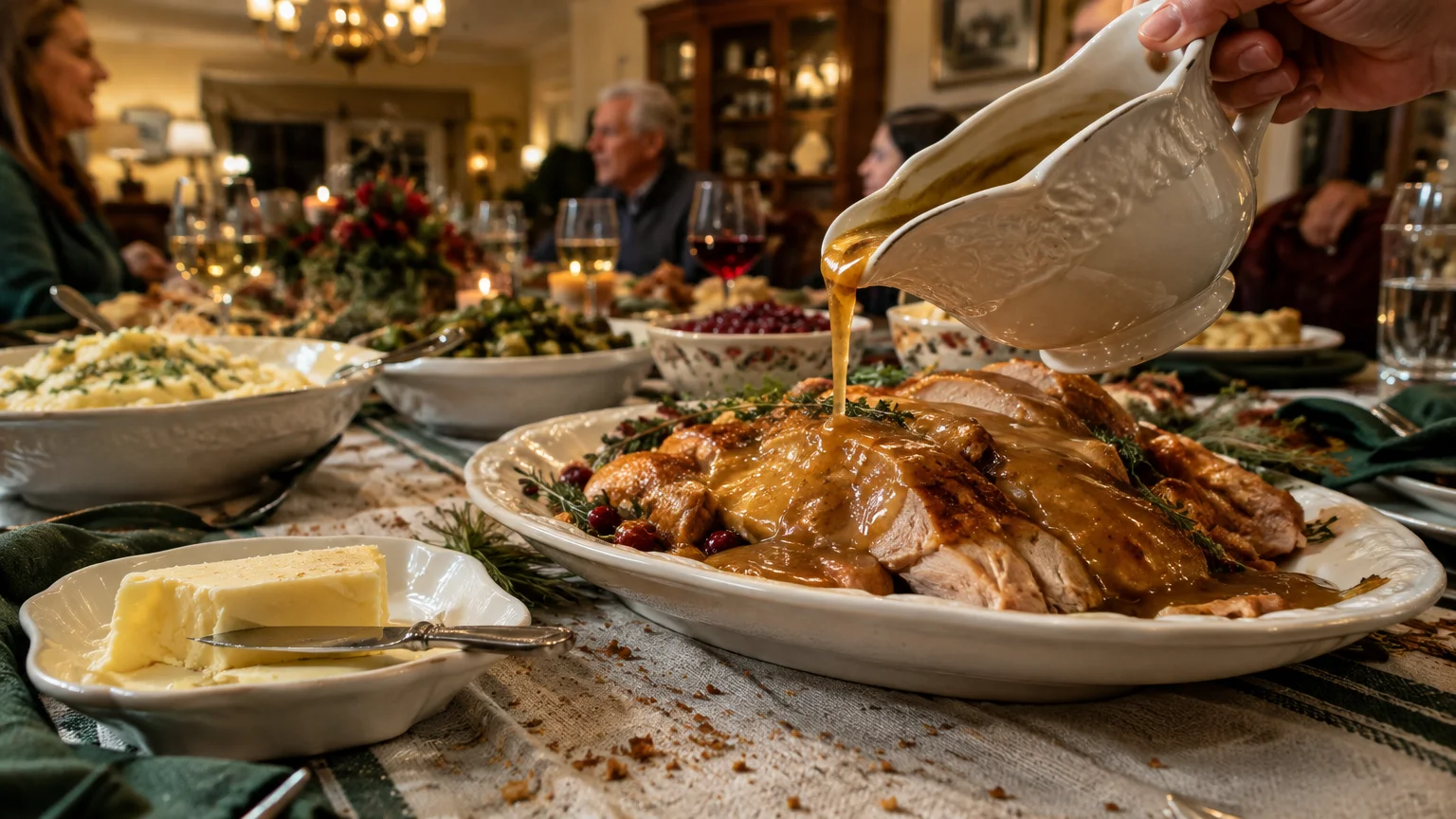
Mashed potatoes loaded with butter, heavy cream casseroles, and savory meat gravies define the Thanksgiving dinner. Yet these decadent comfort foods create major gastrointestinal problems for pets.
Most adult mammals, including dogs and cats, naturally stop producing significant amounts of lactase after weaning. Without this enzyme, they cannot break down lactose found in milk, butter, and cream.
When dairy enters the lower intestines undigested, it draws water into the colon through osmosis and ferments. This results in painful gas, severe cramping, and explosive diarrhea.
Gravy poses an even wider collection of threats because it combines high dairy fat, meat drippings, and heavy salt. Most commercial and homemade gravies also contain concentrated onion or garlic powders.
Feeding rich gravies or buttery sides to your pets can quickly irritate the intestinal lining. It also increases their baseline risk for developing life-threatening acute pancreatitis.
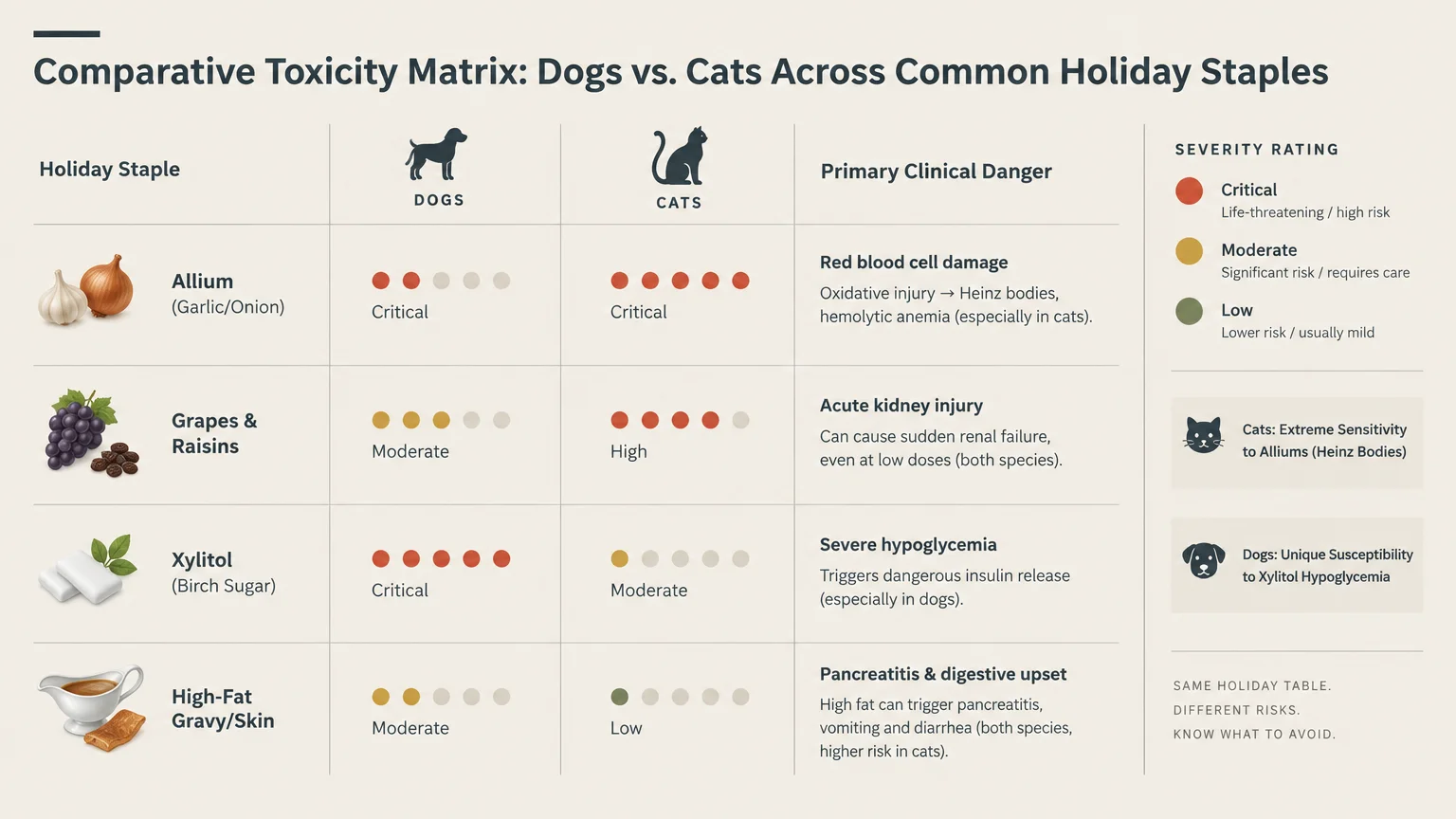
Comparing Holiday Food Hazards in Dogs and Cats
Different holiday foods affect canine and feline systems through distinct biological mechanisms. The table below summarizes the toxic agents, target species, and primary clinical risks of each food.
| Food Item | Primary Toxic Agent | Vulnerable Species | Primary Clinical Danger |
|---|---|---|---|
| Turkey Bones & Fat | Brittle bone fragments; excessive lipids | Dogs and Cats | Intestinal perforation, foreign body blockage, acute pancreatitis |
| Onions & Garlic | N-propyl disulfide and thiosulfates | Dogs and Cats (cats 2x more sensitive) | Oxidative damage to red blood cells, Heinz body hemolytic anemia |
| Grapes & Raisins | Tartaric acid / potassium bitartrate | Primarily Dogs | Sudden acute kidney failure, anuria, uremia |
| Xylitol (Birch Sugar) | Sugar alcohol stimulant of beta cells | Primarily Dogs | Massive insulin release, fatal hypoglycemia, acute liver necrosis |
| Chocolate & Cocoa | Theobromine and caffeine | Dogs and Cats | Cardiovascular stimulation, cardiac arrhythmias, seizures |
| Raw Yeast Dough | Expanding yeast mass and ethanol | Dogs and Cats | Gastric dilatation-volvulus (bloat), alcohol toxicity, metabolic acidosis |
| Macadamia Nuts | Unidentified toxic principle; high oils | Dogs | Hind-limb paresis, tremors, hyperthermia, secondary pancreatitis |
| Nutmeg | Myristicin | Dogs and Cats | Central nervous system excitation, hallucinations, tachycardia, seizures |
| Alcohol & Spiked Drinks | Ethanol | Dogs and Cats | Severe central nervous system depression, hypothermia, respiratory arrest |
| Rich Dairy & Gravy | Lactose, concentrated sodium, fat | Dogs and Cats | Severe osmotic diarrhea, vomiting, dehydration, acute pancreatitis |
Safe Holiday Treats You Can Share Instead
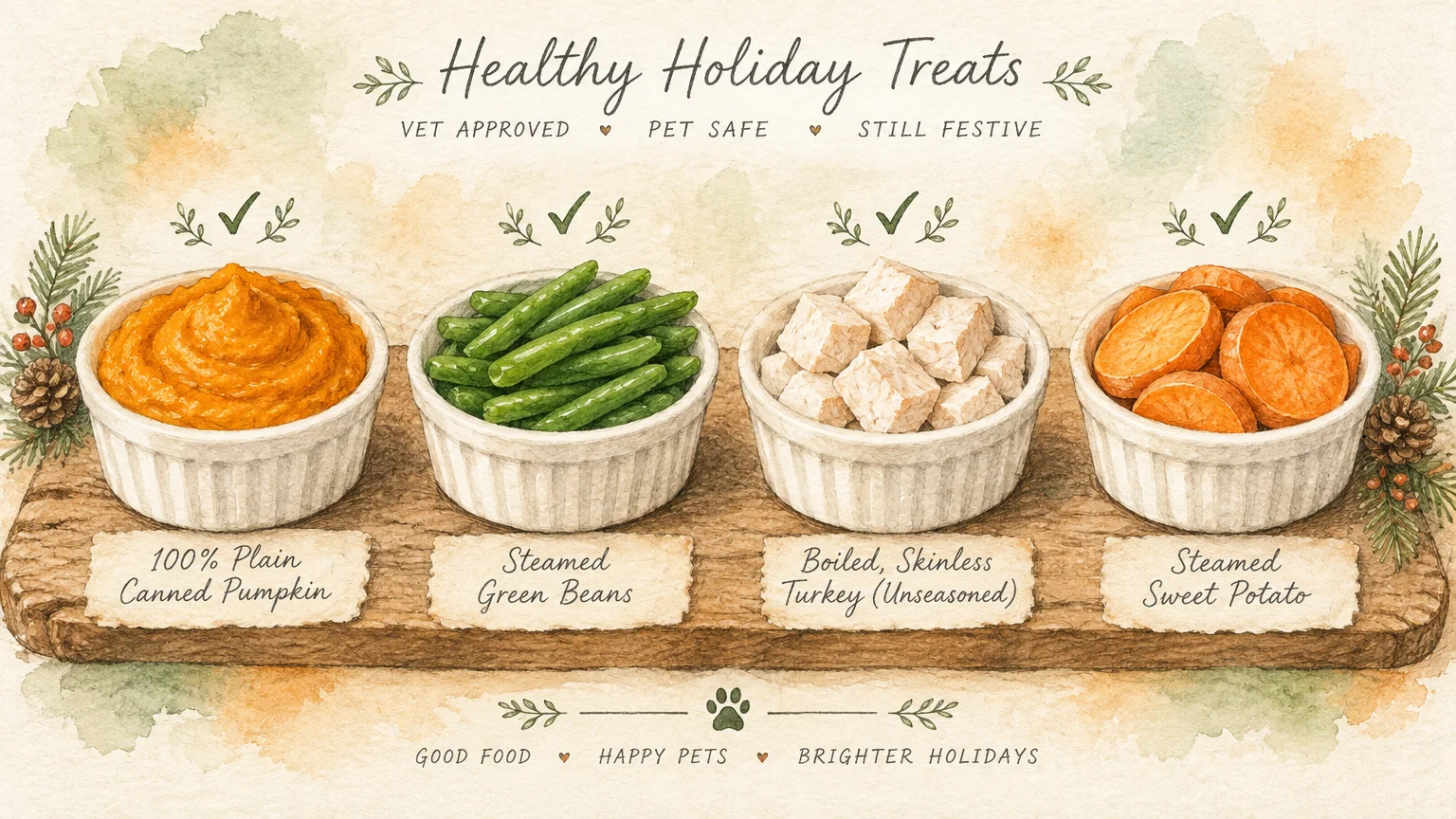
You do not have to leave your furry family members out of the festivities entirely. You can safely offer several unseasoned Thanksgiving ingredients as healthy holiday snacks.
Every treat should remain plain, cooked without fats, and free of any added spices, sugars, or artificial sweeteners. Here are several veterinary-approved alternatives you can prepare:
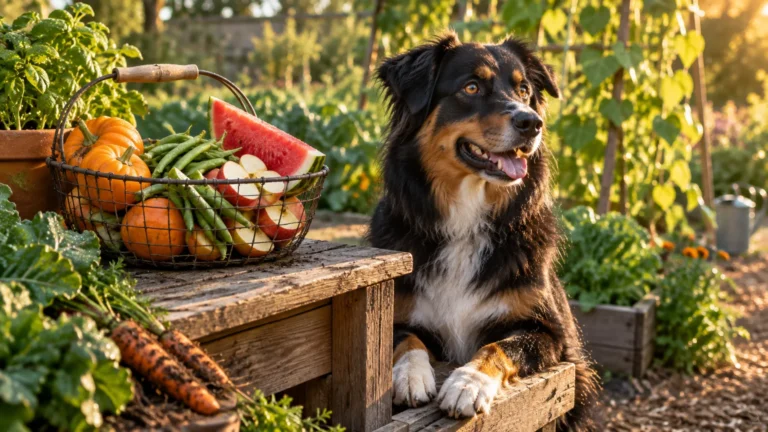
- Plain skinless turkey: Offer a small bite of boiled or roasted white breast meat without skin, bones, rubs, or gravy.
- Pure canned pumpkin: Feed one to two tablespoons of pure pumpkin puree (not spiced pie mix) to provide healthy fiber.
- Steamed green beans: Crisp, fresh green beans cooked without butter, salt, or garlic make an excellent low-calorie snack.
- Raw or steamed carrots: Crunchy carrot sticks satisfy a dog’s chewing instinct while delivering beta-carotene and vitamins.
- Plain sweet potato: Serve a forkful of plain, baked sweet potato that contains no brown sugar, butter, marshmallows, or nutmeg.
- Fresh apple slices: Give thin slices of fresh apple with the seeds and core completely removed.
Treats should never exceed ten percent of your pet’s daily caloric intake. Introducing too many new foods at once can still upset sensitive stomachs, so keep portions small.
What Can Go Wrong: Holiday Hazards and Pitfalls
Even the most vigilant pet owners can get caught off guard by chaotic holiday environments. Recognizing how accidental exposures happen helps you build better safety barriers around your home.
Here are four common holiday scenarios where pets encounter toxic foods unexpectedly:
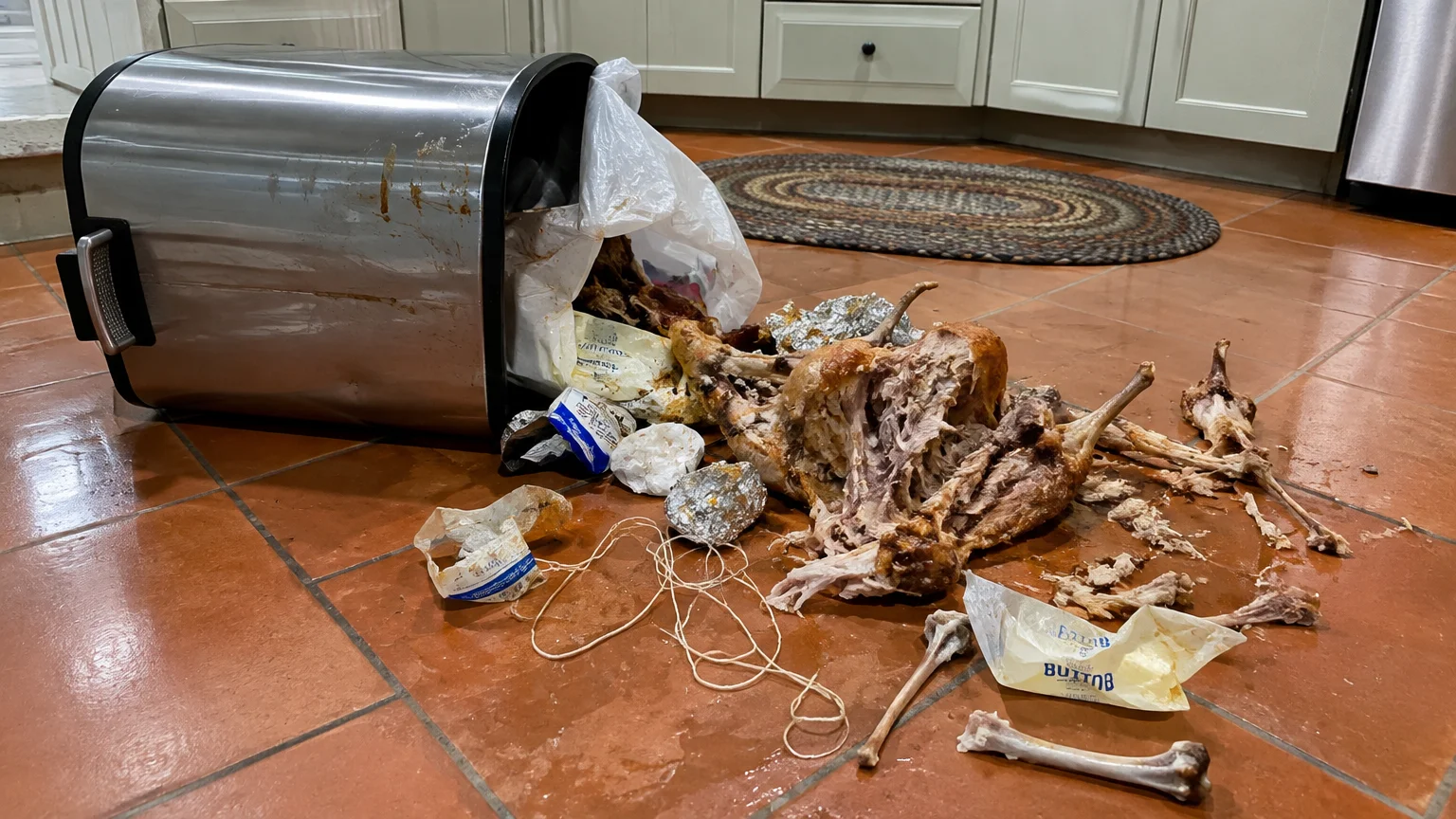
- The unmonitored buffet counter: When hosts leave the kitchen to welcome guests, curious dogs can counter-surf and grab entire turkey carcasses or cooling pies in seconds.
- The unsecured trash can: Pets use their sharp sense of smell to target the garbage bag after dinner, tearing open liners to consume sharp turkey bones, foil, and onion scraps.
- Well-meaning dinner guests: Friends or family members who do not own pets may slip garlic-heavy stuffing or seasoned meats under the table, unaware of the medical danger.
- Delayed toxicity discovery: Because symptoms of allium or grape poisoning take 24 to 72 hours to develop, owners may overlook early lethargy until severe internal organ damage has already occurred.
Set clear house rules before your guests arrive. Ask everyone firmly not to feed table scraps to pets, and place all dinner trash into a locked garage or secure outdoor bin immediately.
Where Outside Advice Pays Off: Navigating Emergencies
Attempting to manage potential poisoning at home can lead to tragic outcomes. Certain situations demand immediate, specialized toxicological assessment and clinical intervention.
Consult a veterinary toxicologist or emergency clinic immediately under these specific conditions:
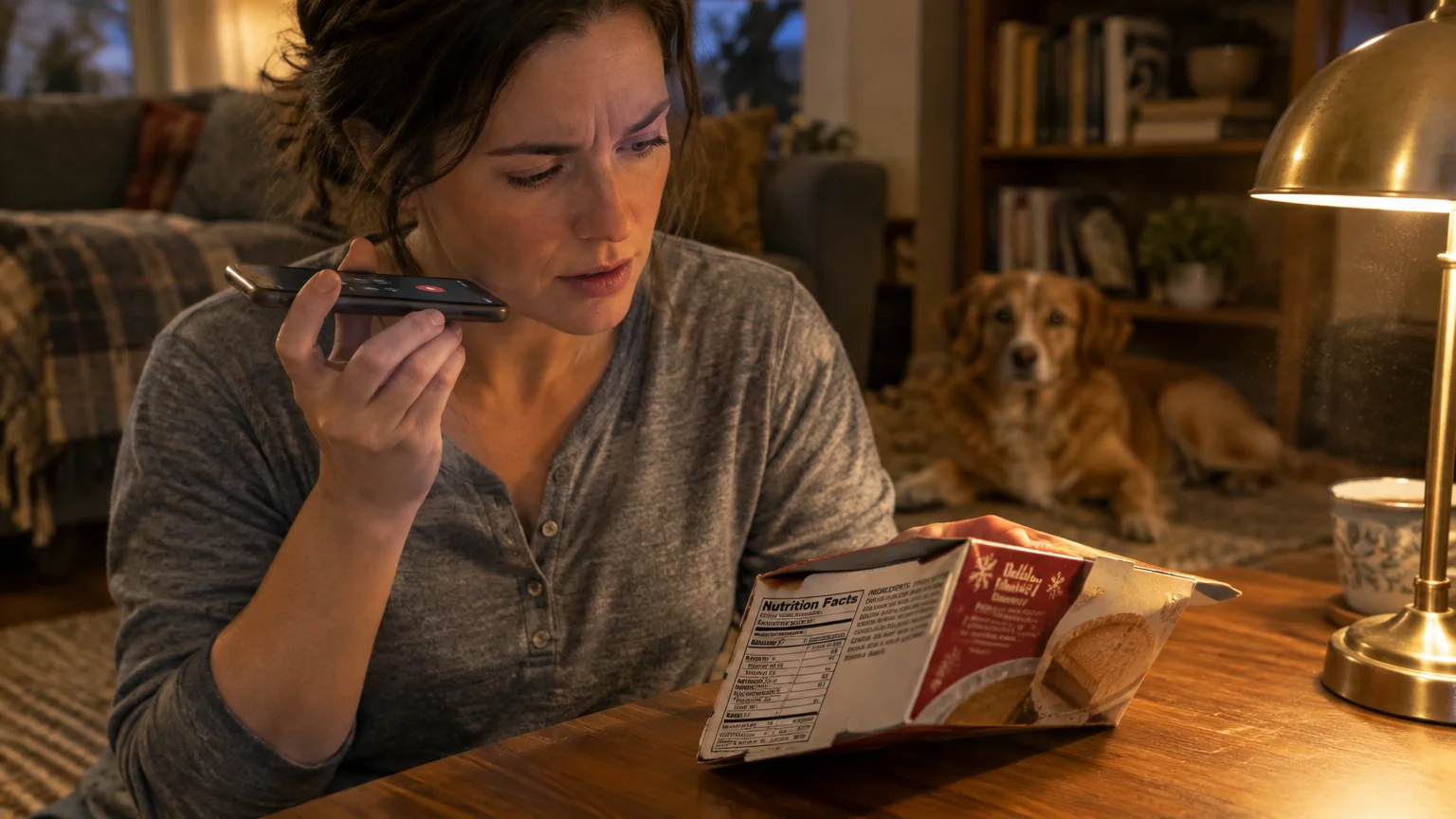
- Uncertain dose or mystery ingredients: If your dog eats a slice of holiday baked goods and you cannot confirm whether it contained xylitol, professional guidance determines whether immediate hospitalization is necessary.
- Debating whether to induce vomiting: Never force an animal to vomit hydrogen peroxide without direct professional instructions. Caustic substances, sharp bones, and dough can cause worse damage coming back up.
- Pre-existing medical conditions: Pets diagnosed with chronic kidney disease, diabetes, or previous bouts of pancreatitis face significantly higher mortality risks from minor food indiscretions.
- Feline toxic exposures: Cats possess unique liver metabolism deficiencies, meaning home remedies and canine protocols often prove completely fatal to them.
Professional toxicology teams maintain vast proprietary databases of commercial food products, ingredients, and species-specific treatment protocols that general clinics might not have readily on hand.
Emergency Protocols and Poison Control Hotlines
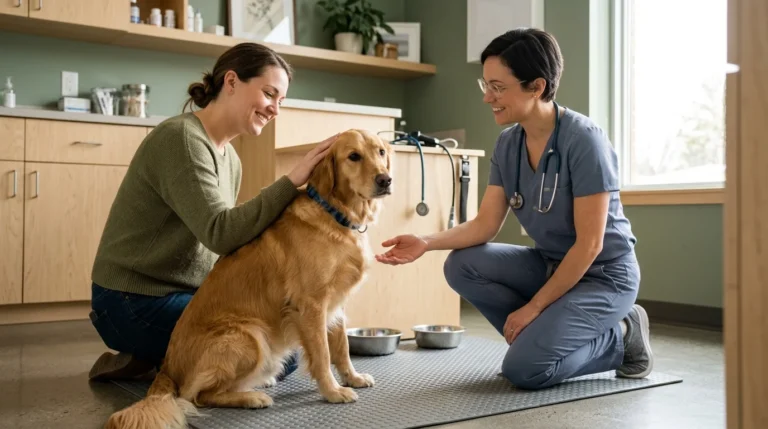
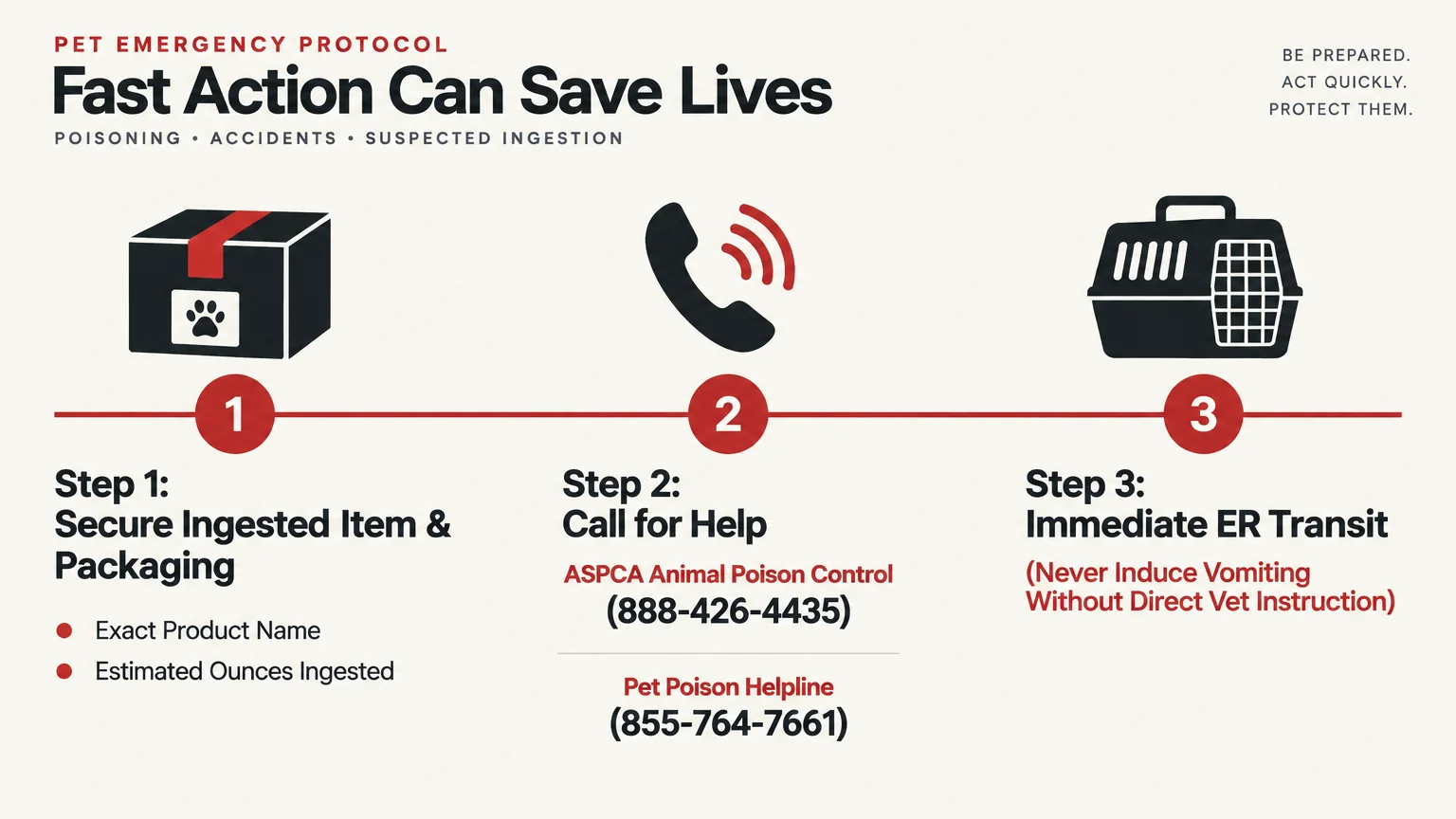
If your pet ingests any toxic food, remaining calm and acting quickly can save their life. Note the exact time of ingestion, estimate how much food was eaten, and retain all packaging or wrappers.
Contact your local emergency veterinary hospital right away. You can also consult dedicated veterinary toxicology hotlines that operate 24 hours a day, 365 days a year across North America and Europe.
The Pet Poison Helpline provides round-the-clock emergency assistance across North America at (855) 764-7661, charging an incident fee between $85 and $89 that includes follow-up consultations.
In the United States, you can reach the ASPCA Animal Poison Control Center at (888) 426-4435 for a $95 consultation fee. In the United Kingdom, pet owners can dial Animal PoisonLine at 01202 509 000 (£35 standard daytime fee or £45 for nights, weekends, and holidays).
Many pet insurance policies reimburse the cost of these poison consultation calls. Keep these emergency phone numbers taped to your refrigerator or stored directly in your mobile phone contacts before the holidays begin.
Frequently Asked Questions
Can dogs eat small amounts of Thanksgiving turkey?
Dogs can safely eat plain, thoroughly cooked white turkey breast meat. Ensure it is completely free of skin, bones, butter, garlic, onions, and commercial seasonings before serving.
What should I do if my dog eats a raisin from holiday stuffing?
Contact an emergency veterinarian or a pet poison helpline immediately. Because grape and raisin toxicity is unpredictable and can cause acute kidney failure, veterinary teams often recommend immediate medical decontamination.
Is canned pumpkin pie mix safe for cats and dogs?
No, canned pumpkin pie mix contains added sugars, nutmeg, cinnamon, and sometimes artificial sweeteners that harm pets. Only feed 100 percent pure canned pumpkin puree with no additives.
Why are cooked turkey bones more dangerous than raw bones?
Cooking removes the natural collagen and moisture from bones, making them brittle and prone to splintering. These sharp shards can lacerate a pet’s mouth, esophagus, stomach, and intestines.
Celebrating Thanksgiving with your pets should be a joyful experience filled with comfort and companionship. By keeping hazardous foods well out of reach and offering safe, unseasoned treats, you ensure the entire family stays healthy.
This is general informational content based on widely accepted guidance. Individual results vary.
Verify current details—rules, prices, eligibility, regulations—with official sources before making important decisions.
Last updated: October 2026. Rules, prices, and details change—verify current information with official sources before acting on it.