Watching your animal companion turn gray around the muzzle brings a bittersweet mix of gratitude and worry. Simple adjustments to your daily routine can dramatically improve your aging pet’s comfort and vitality.
Dogs and cats now live longer than ever, but their senior years demand proactive care rather than passive waiting. Recognizing hidden signs of discomfort early empowers you to protect their long-term health.
Here are eleven practical, science-backed strategies for senior dog and cat care that keep your faithful friend pain-free, active, and deeply content.
Understanding Senior Pet Life Stages
Aging does not occur at the same speed for every domestic animal. Size, genetics, and species dictate when aging pet health requires specialized daily management.
According to the American Animal Hospital Association (AAHA), small dogs enter their senior years around age seven.
In contrast, large breeds reaching over 50 pounds become seniors at five or six years old; giant breeds over 90 pounds cross this threshold by age four or five.
Feline companions follow their own biological clock. Cats enter the senior life stage between 10 and 11 years old, transitioning to geriatric status at age 15.
| Pet Category | Senior Age Threshold | Geriatric Age Threshold | Primary Health Focus |
|---|---|---|---|
| Small Dogs (under 20 lbs) | 7–8 Years | 11–12 Years | Mitral valve disease, dental decay, joint preservation |
| Medium Dogs (21–50 lbs) | 7 Years | 10–11 Years | Osteoarthritis, renal health, weight balance |
| Large Dogs (51–90 lbs) | 5–6 Years | 8–9 Years | Hip dysplasia, mobility support, cardiac screening |
| Giant Dogs (over 90 lbs) | 4–5 Years | 7–8 Years | Severe joint degeneration, dilated cardiomyopathy, bloat risk |
| Cats (All Breeds) | 10–11 Years | 15+ Years | Chronic kidney disease, degenerative joint disease, thyroid health |
11 Ways to Keep an Older Pet Comfortable and Healthy
1. Schedule Biannual Veterinary Checkups
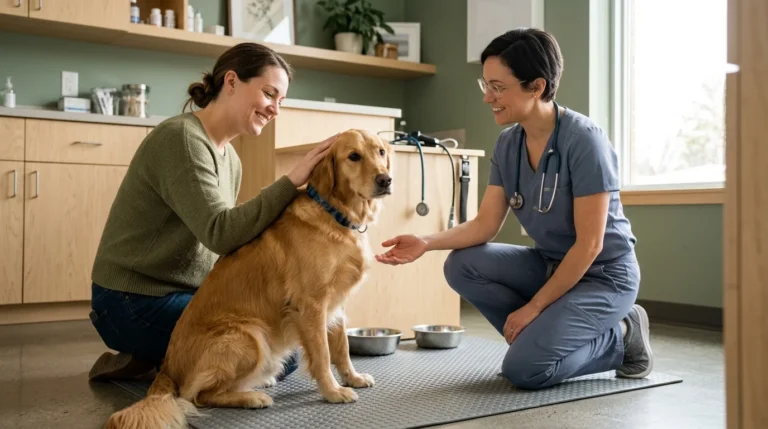
Annual veterinary visits are insufficient once your companion reaches senior status. Because dogs and cats age much faster than humans, hidden illnesses can escalate rapidly over twelve months.
The American Veterinary Medical Association (AVMA) recommends scheduling comprehensive wellness examinations every six months for older pets.
Routine biannual visits should include diagnostic blood chemistry, complete blood counts, and urinalysis. Catching kidney disease, liver dysfunction, or diabetes early preserves vital treatment options.
2. Upgrade Floor Traction Across Your Living Space
Slick surfaces like hardwood, polished laminate, and ceramic tile represent serious hazards for stiff joints. A sudden splay or fall can cause severe muscle tears, hip luxation, or disc herniation.
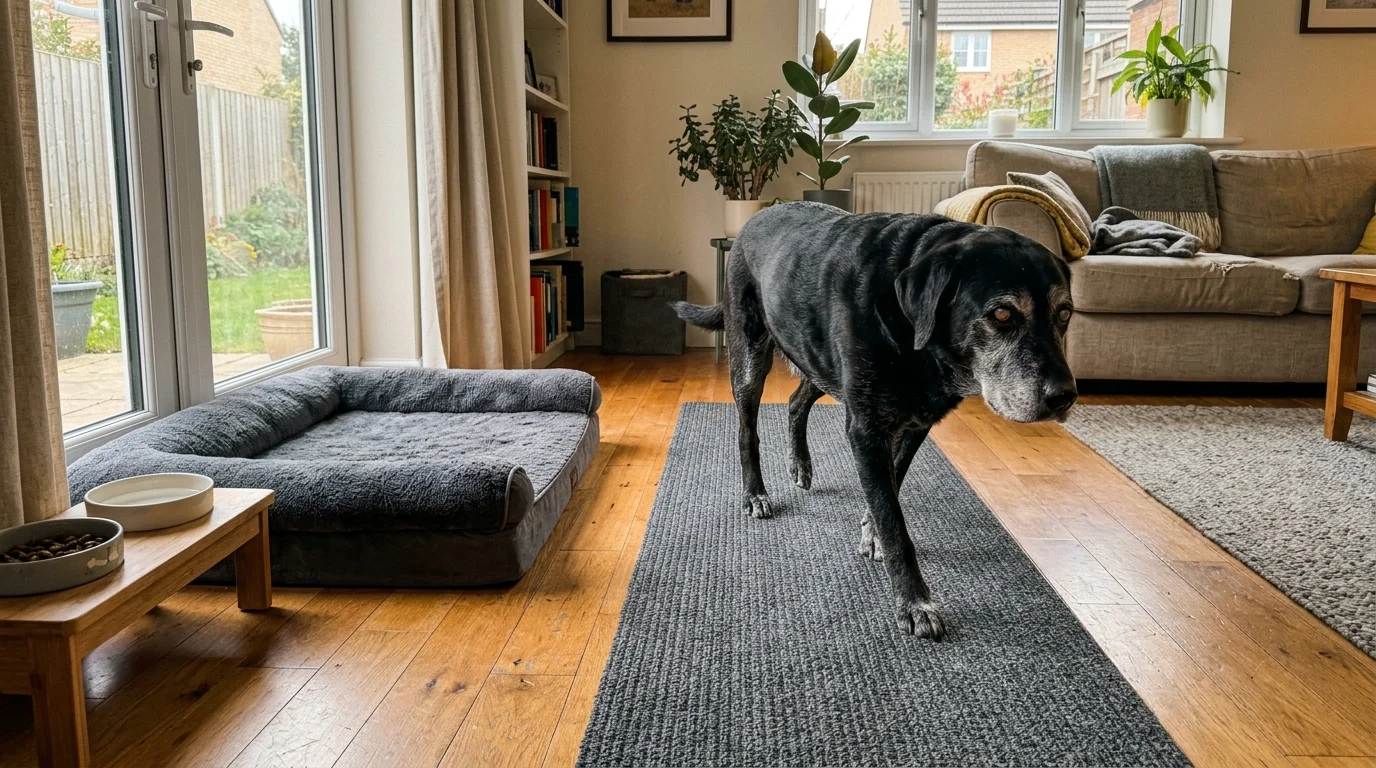
Place washable runner rugs, yoga mats, or interlocking foam tiles along the main walking paths your pet uses daily. Anchor high-traffic routes between their sleeping areas, feeding bowls, and outdoor exits.
If your dog still struggles with footing, try non-slip toe grips or traction socks. These simple aids restore your dog’s confidence and prevent dangerous slips during standing and walking.
3. Upgrade to True Orthopedic Bedding
Cheap fiberfill pet beds flatten quickly under weight, leaving aching joints resting against hard floors. This creates painful pressure points over elbows and hips that exacerbate morning stiffness.
Invest in therapeutic orthopedic beds crafted from high-density memory foam that cushions bony prominences. Choose a low-profile design so your pet can step into bed without tripping over tall bolsters.
Add a thermostatically controlled, pet-safe warming pad during colder months. Gentle, consistent warmth increases blood circulation and eases stiff, arthritic connective tissue after resting.
4. Screen for Osteoarthritis and Modern Pain Therapies
Osteoarthritis affects 20% to 25% of all adult dogs, rising to over 80% in canines aged eight and older. Radiographic evidence confirms that degenerative joint disease also affects roughly 90% of cats over 12.
Unlike dogs, arthritic cats rarely limp; instead, they hesitate before jumping, miss litter boxes, or withdraw socially. Recognizing these subtle behavioral indicators is essential for timely pain management.
Work with your veterinarian to formulate a multimodal pain relief strategy. Options include traditional non-steroidal anti-inflammatory drugs, physical rehabilitation, and cutting-edge monoclonal antibody therapies.
The FDA approved frunevetmab (Solensia) in January 2022 for feline osteoarthritis, followed by bedinvetmab (Librela) in May 2023 for dogs.
Stay informed about potential side effects when beginning any novel treatment. According to a January 2025 FDA alert, pet owners using Librela should report sudden ataxia or urinary changes immediately.
5. Prioritize Professional Dental Care
Periodontal disease affects more than 80% of dogs and 70% of cats by age three, escalating severely in their senior years. Diseased gums cause silent, relentless pain that diminishes your pet’s quality of life.
Oral bacteria from infected gums can enter the bloodstream through micro-ulcerations. Over time, these circulating pathogens cause chronic inflammation that damages heart valves, kidneys, and hepatic tissue.
Arrange regular veterinary oral assessments. Modern pre-anesthetic testing, individualized anesthesia protocols, and dedicated monitoring make professional cleanings safe and therapeutic for older animals.
6. Adjust Caloric Intake and Maintain Lean Muscle
A slowing metabolism reduces the daily calorie requirements of aging pets, making weight management vital. Extra pounds place destructive mechanical stress on inflamed joints, accelerating mobility loss.
At the same time, senior pets are vulnerable to sarcopenia, which is the progressive loss of lean muscle mass. Maintaining adequate, highly digestible protein preserves muscle strength without stressing aging kidneys.
Ask your veterinarian to assess your companion’s body condition score. Selecting a senior-specific food rich in omega-3 fatty acids like EPA and DHA helps soothe systemic inflammation.
7. Install Ramps and Accessible Litter Solutions
Repetitive jumping onto elevated sofas or into vehicles severely impacts degenerating spinal disks and joints. Providing gradual inclines eliminates these concussive forces entirely.
Place stable pet ramps or broad, carpeted stairs next to favorite lounging spots. Ensure the ramp surface features rubberized tread or heavy carpet so your companion feels secure while climbing.
For aging felines, replace standard high-walled litter pans with low-entry boxes. A low rim allows arthritic cats to step inside comfortably, preventing stressful accidents outside the box.
8. Support Cognitive Health with Daily Enrichment
Canine and feline cognitive dysfunction syndromes mirror human dementia, causing disorientation, night pacing, and house-training regressions. Proactive mental stimulation helps preserve neural pathways and slows cognitive decline.
Maintain strict daily routines for feeding, walks, and rest. Predictable schedules establish security and reduce anxiety for pets experiencing cognitive confusion.
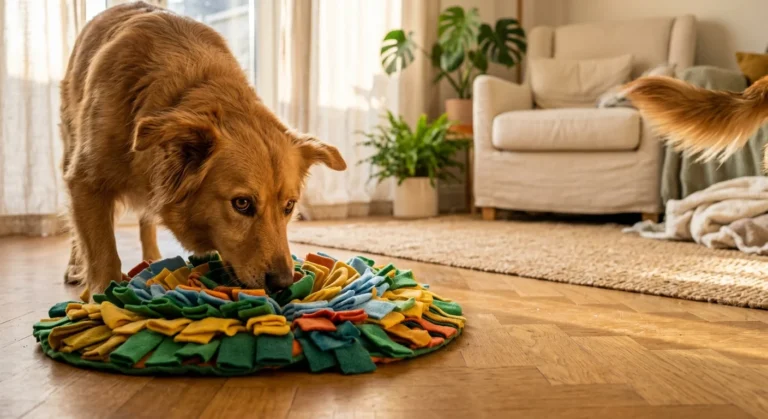
Engage their senses through gentle activities like snuffle mats, puzzle feeders, and leisurely sniff walks. Scent games challenge their minds without demanding painful physical exertion.
9. Maintain Home Temperature Regulation
Senior pets have less subcutaneous fat, thinner coats, and diminished circulatory efficiency, making temperature regulation difficult. Cold, damp conditions stiffen arthritic joints and amplify chronic ache.
Position resting areas away from exterior doors, drafty windows, and cold tile. During winter, provide fleece blankets or an insulated pet sweater during outdoor walks.
Summer heat presents an equally dangerous threat because older hearts and lungs struggle with thermal stress. Provide shaded resting areas, cooling pads, and air-conditioned indoor retreats during warmer months.
10. Modify Daily Exercise to Preserve Joint Function
Physical activity remains crucial for senior pets because movement circulates synovial fluid within joint capsules. However, high-impact running and rigorous jumping must be swapped for controlled, low-impact exercise.
Replace one long, exhausting walk with two or three shorter, easy strolls each day. Give your dog plenty of time to sniff the environment, which satisfies their exploratory drive safely.
For older cats, initiate several short, two-minute play bouts using feather wands moved gently across the rug. Keep movements close to the ground so your cat never feels compelled to leap.
11. Encourage Daily Hydration and Fluid Balance
Aging pets are highly susceptible to chronic dehydration, particularly when managing renal disease, diabetes, or endocrine disorders. Subclinical dehydration impairs organ function, exacerbates lethargy, and produces stubborn constipation.
Distribute multiple water stations across your home so your pet never has to navigate stairs to drink. Elevated water bowls reduce painful neck strain for arthritic dogs.
Many senior cats drink significantly more water from circulating drinking fountains. You can also boost fluid intake by feeding wet food or adding warm bone broth to kibble meals.
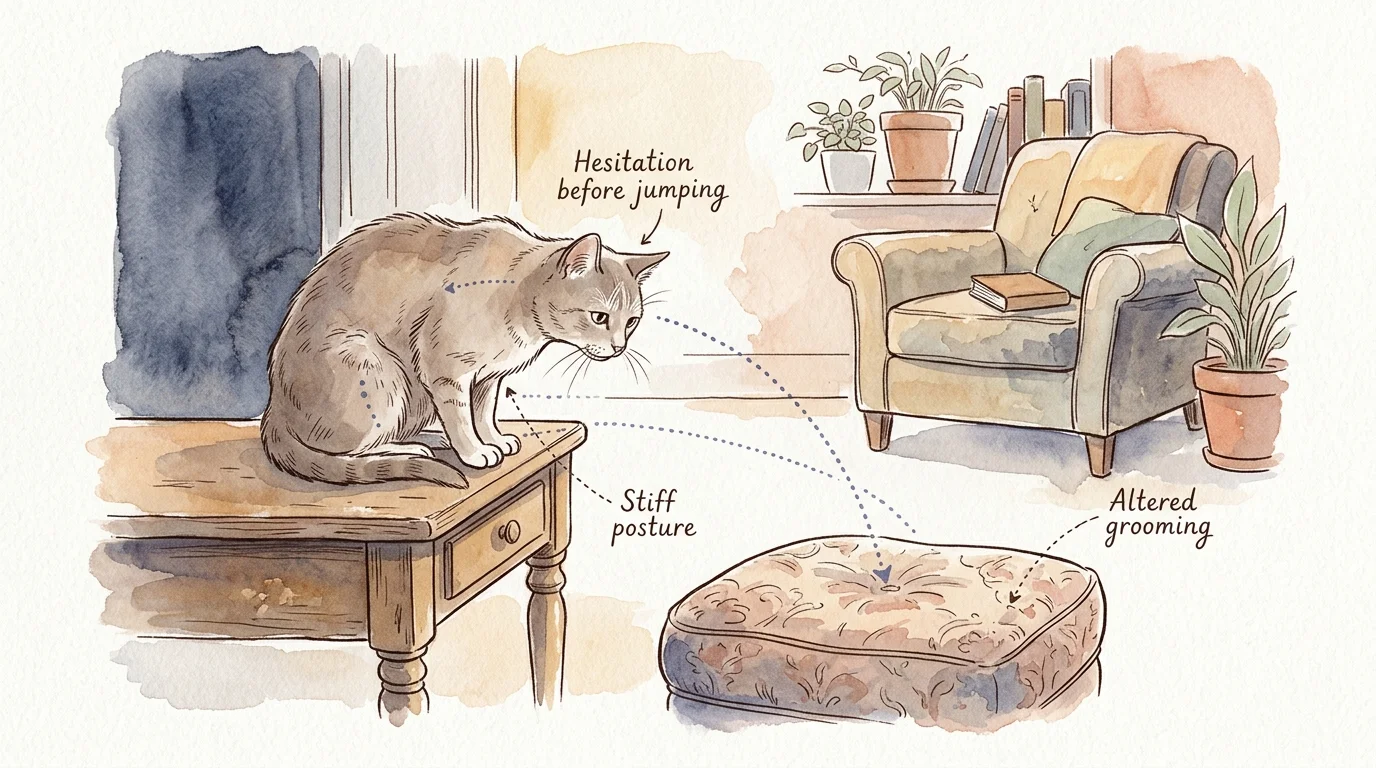
Subtle Signs Your Senior Pet May Be in Pain
Evolutionary instincts compel dogs and cats to conceal vulnerability and pain from potential predators. Consequently, pet parents often mistake genuine medical distress for normal, inevitable aging.
Watch for these subtle behavioral indicators of chronic joint pain and systemic discomfort:
- Hesitating before navigating stairs, jumping onto beds, or stepping into vehicles
- Stiff or stilted movement during the first ten minutes after waking from sleep
- Reluctance to be touched around the lower back, hips, or neck
- Excessive licking or biting at specific joints, leading to localized hair loss
- Sudden restlessness, panting, or nocturnal pacing without obvious temperature causes
- Skipping personal grooming in cats, resulting in matted fur along the spine and hindquarters
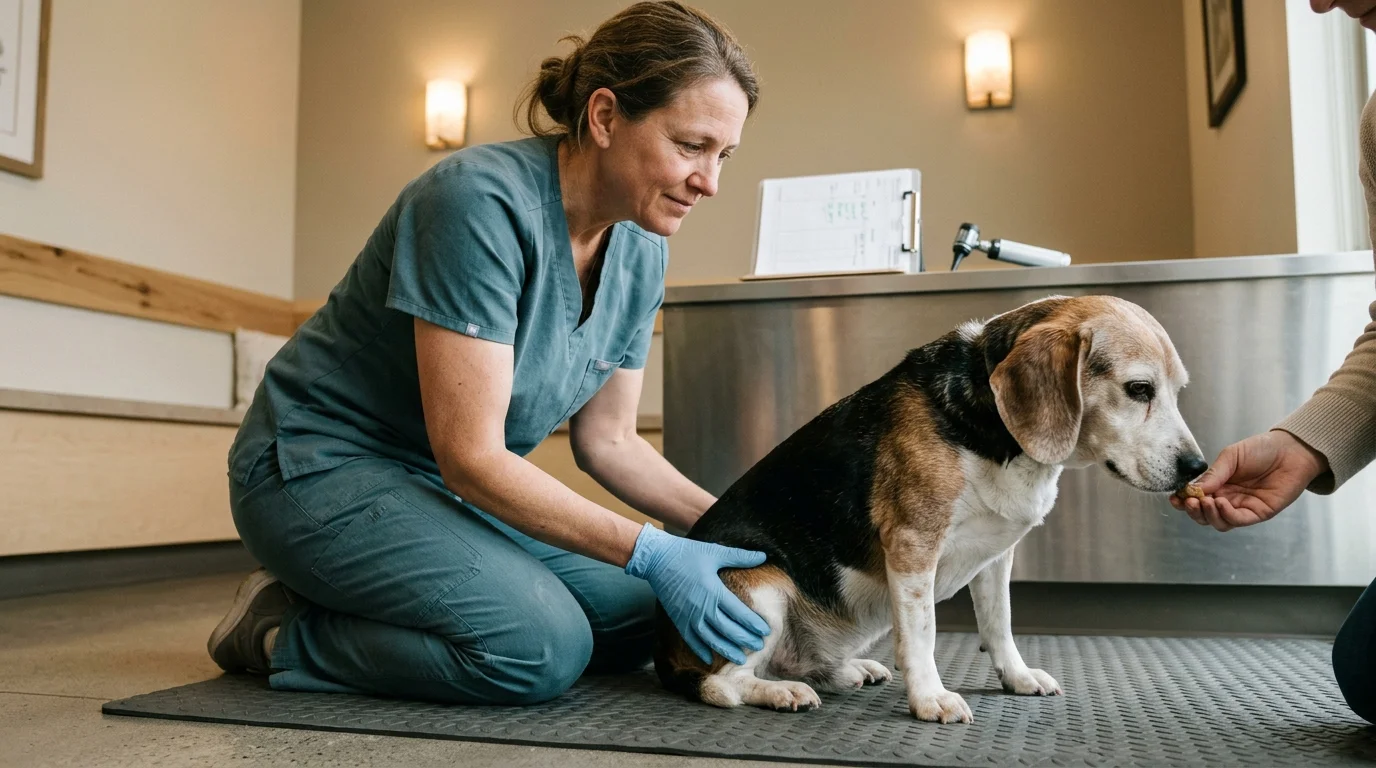
When to Get Professional Help
Gradual changes accompany aging, but acute medical shifts demand immediate professional diagnosis. Never assume a drastic behavior change is just old age.
Contact your veterinarian right away if you observe any of the following urgent symptoms:
- Sudden Mobility Loss or Ataxia: Paws knuckling under, wobbling, dragging hind limbs, or acute vocalization during movement require emergency veterinary attention.
- Dramatic Fluid Balance Changes: Sudden spikes in water consumption or heavy urination often signal kidney disease, diabetes, or endocrine disorders.
- Unexplained Weight Loss: Rapid drops in weight, accompanied by muscle wasting or a distended abdomen, indicate underlying organ disease or metabolic dysfunction.
- Respiratory Distress or Persistent Coughing: Labored breathing, open-mouthed breathing in cats, or nighttime coughing spells indicate potential cardiac failure or pulmonary complications.
Frequently Asked Questions About Senior Pet Care
At what age is a pet officially considered a senior?
Dogs reach senior status between ages 7 and 10, though giant breeds become seniors around age 5. Cats enter their senior years between ages 10 and 11, becoming geriatric at 15.
How often should an older pet visit the veterinarian?
Healthy senior pets should visit their veterinarian every six months. Biannual exams allow clinicians to detect chronic conditions like kidney disease and arthritis before outward symptoms appear.
Can I give my older dog over-the-counter pain medication?
Never administer human painkillers like ibuprofen, naproxen, or acetaminophen to pets, as they cause fatal organ toxicity. Only use medications specifically prescribed by your veterinarian for your animal.
Why is my senior cat suddenly avoiding the litter box?
Inappropriate elimination in older cats is frequently triggered by arthritic pain when climbing into high-sided boxes. It can also indicate urinary tract infections, renal dysfunction, or cognitive decline.
Cherishing Your Older Pet’s Golden Years
Caring for an aging animal companion requires thoughtful patience, keen observation, and loving environmental adjustments. Simple home modifications combined with regular veterinary oversight dramatically extend your pet’s comfort and vitality.
By honoring their changing physical limits, you ensure their senior years remain joyful, comfortable, and deeply fulfilling.
This is general informational content based on widely accepted guidance; individual results vary. Verify current details—rules, prices, eligibility, regulations—with official sources before making important decisions.
Last updated: May 2026. Rules, prices, and details change—verify current information with official sources before acting on it.