Most pet owners want the absolute best for their companions, yet routine veterinary exams frequently uncover preventable health problems. Catching subtle daily habits early saves you money and spares your pet unnecessary discomfort.
Even experienced animal lovers often fall into routines based on persistent myths rather than clinical science. Understanding these overlooked gaps bridges the distance between good intentions and optimal lifelong care.
Here are eight common pet-owner mistakes veterinarians encounter daily, along with practical, evidence-based adjustments you can implement right away.

At a Glance: The Essentials of Preventative Care
Caring for a dog or cat requires navigating constant decisions about food, behavior, and medical care. A few deliberate changes to your daily routine can prevent common medical emergencies.
- Weight management: Measure food with a digital scale and limit treats to 10% of total calories.
- Preventative dental care: Brush teeth daily to stop irreversible periodontal damage before age three.
- Year-round protection: Maintain continuous parasite prevention through every season.
- Proactive communication: Contact your veterinarian at the first sign of behavioral or physical changes.
01 Underestimating Pet Weight and Eye-Balling Daily Portions
Scooping kibble with an unmarked cup easily leads to chronic overfeeding. Small calorie surpluses accumulate rapidly, placing excessive strain on your pet’s joints and vital organs.
According to research from the Association for Pet Obesity Prevention, an estimated 59% of dogs and 61% of cats in the United States are overweight or obese.
Furthermore, roughly 33% of owners of overweight animals mistakenly believe their companion maintains a normal or ideal body shape. This perception gap often prevents owners from recognizing early joint stiffness or breathing difficulties.
Excess adipose tissue secretes pro-inflammatory cytokines that accelerate arthritis, heart disease, and endocrine disorders like diabetes. Keeping your pet lean can significantly extend their active lifespan.
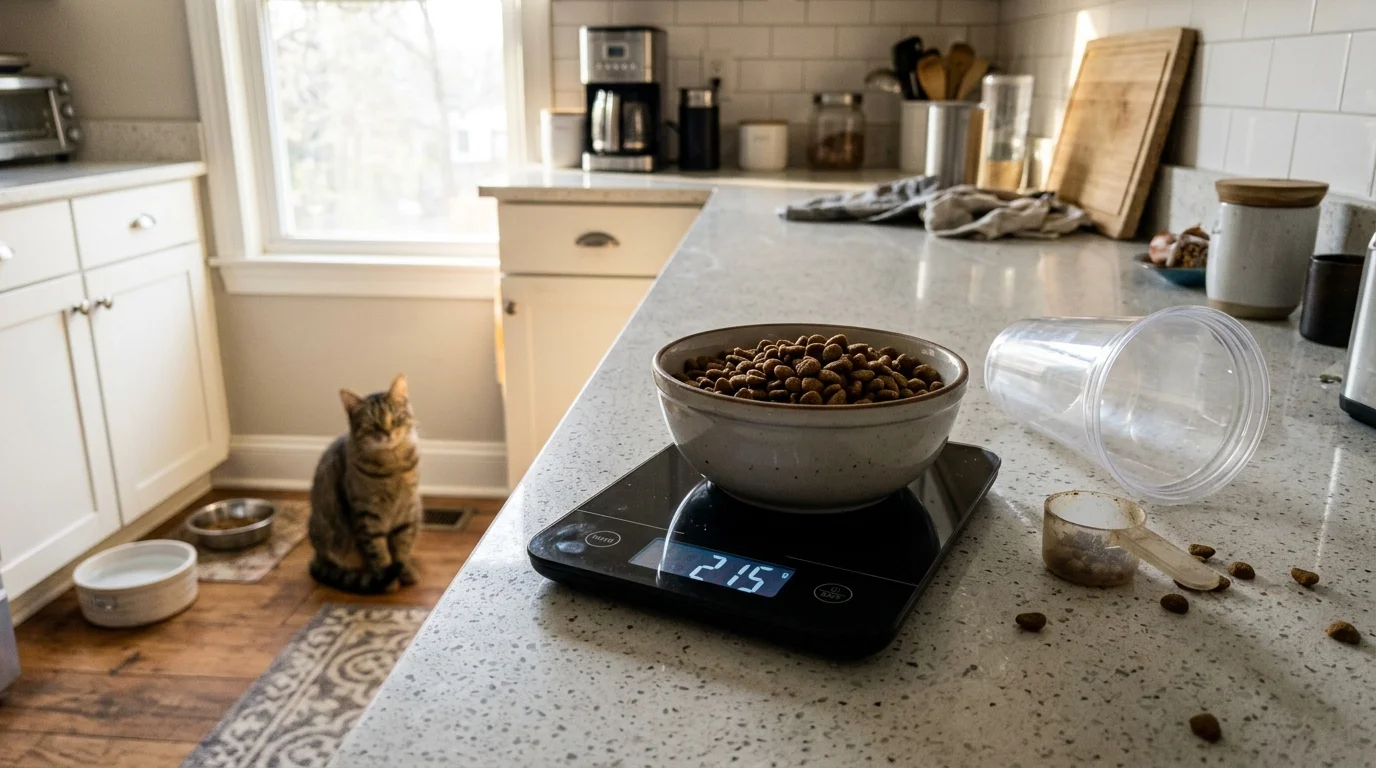
To correct this, weigh your pet’s daily rations on an inexpensive kitchen gram scale rather than relying on plastic volume cups. Gram measurements remove human error and ensure accurate caloric density.
Additionally, follow the strict nutritional guidelines established by veterinary nutritionists. Snacks, chews, and table scraps must never exceed 10% of your pet’s daily caloric budget.
02 Postponing At-Home Dental Care Until Heavy Tartar Forms
Many pet owners assume that bad breath is simply an inevitable reality of owning a dog or cat. In truth, persistent oral odor indicates active bacterial colonization and tissue inflammation.
Research published by the American Veterinary Medical Association indicates that over 80% of dogs and 70% of cats show signs of periodontal disease by age three.
Despite this widespread issue, a study in the Journal of Veterinary Dentistry revealed that only about 2% of dog owners brush their pets’ teeth daily. Dental neglect remains one of the most widespread pet care mistakes to avoid.
Periodontal disease begins silently beneath the gumline, where plaque calcifies into rigid calculus within 48 hours. Left unaddressed, bacteria erode periodontal ligaments and destroy the underlying alveolar bone.
Chronic oral infections also introduce oral bacteria directly into the bloodstream through micro-ulcerations in the gingiva; this bacteremia places continuous stress on the kidneys, liver, and heart valves.
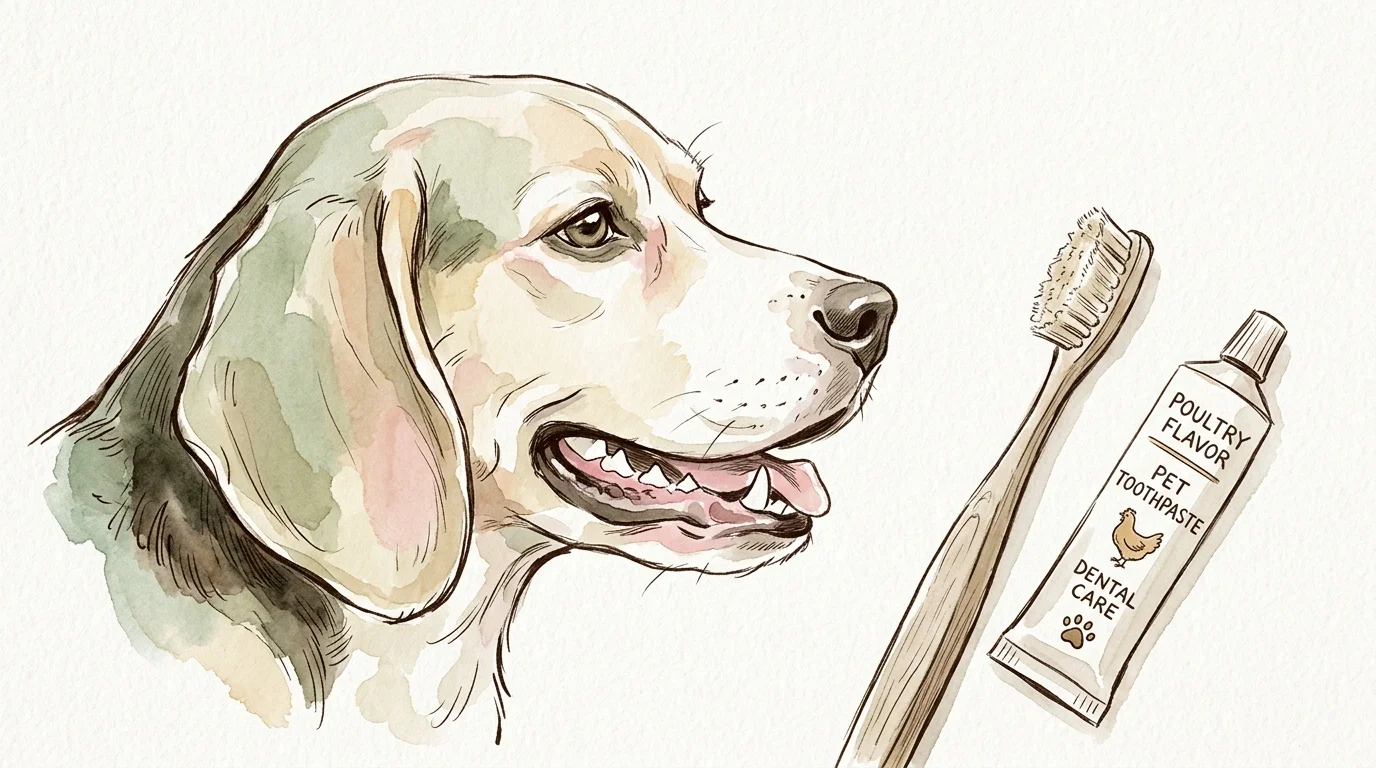
Introduce toothbrushing gradually using enzymatic pet toothpaste, which breaks down organic matter safely without foaming agents. Never use human toothpaste, as it contains abrasive detergents and toxic sweeteners like xylitol.
If your pet resists physical brushing, supplement oral care with dental diets and chews certified by the Veterinary Oral Health Council. Regular veterinary dental cleanings under anesthesia remain essential for subgingival scaling.

03 Pausing Parasite Prevention During Cold Weather
Many pet parents stop purchasing flea, tick, and heartworm preventatives once the first autumn frost arrives. Unfortunately, cold weather does not eliminate parasite risks.
The Companion Animal Parasite Council strongly recommends continuous, 12-month broad-spectrum parasite protection for all dogs and cats regardless of regional climate.
Modern residential heating creates cozy microclimates where flea eggs, larvae, and pupae survive indoors through freezing winters. An untreated pet can maintain an active indoor flea infestation throughout January and February.
Similarly, blacklegged ticks remain active whenever ambient temperatures rise above 35 to 40 degrees Fahrenheit. Winter warm spells routinely trigger questing behavior in ticks carrying Lyme disease pathogens.
Heartworm transmission also poses risks beyond peak summer months due to microclimate mosquito activity inside sheltered structures. Skipping winter doses leaves vulnerable gaps in heartworm medication cycles, requiring fresh blood screenings.
Set recurring calendar alerts or subscribe to automated home deliveries to maintain uninterrupted preventative coverage. Consistency prevents costly emergency treatments and eliminates avoidable parasitic infections.
04 Administering Human Over-the-Counter Pain Relievers
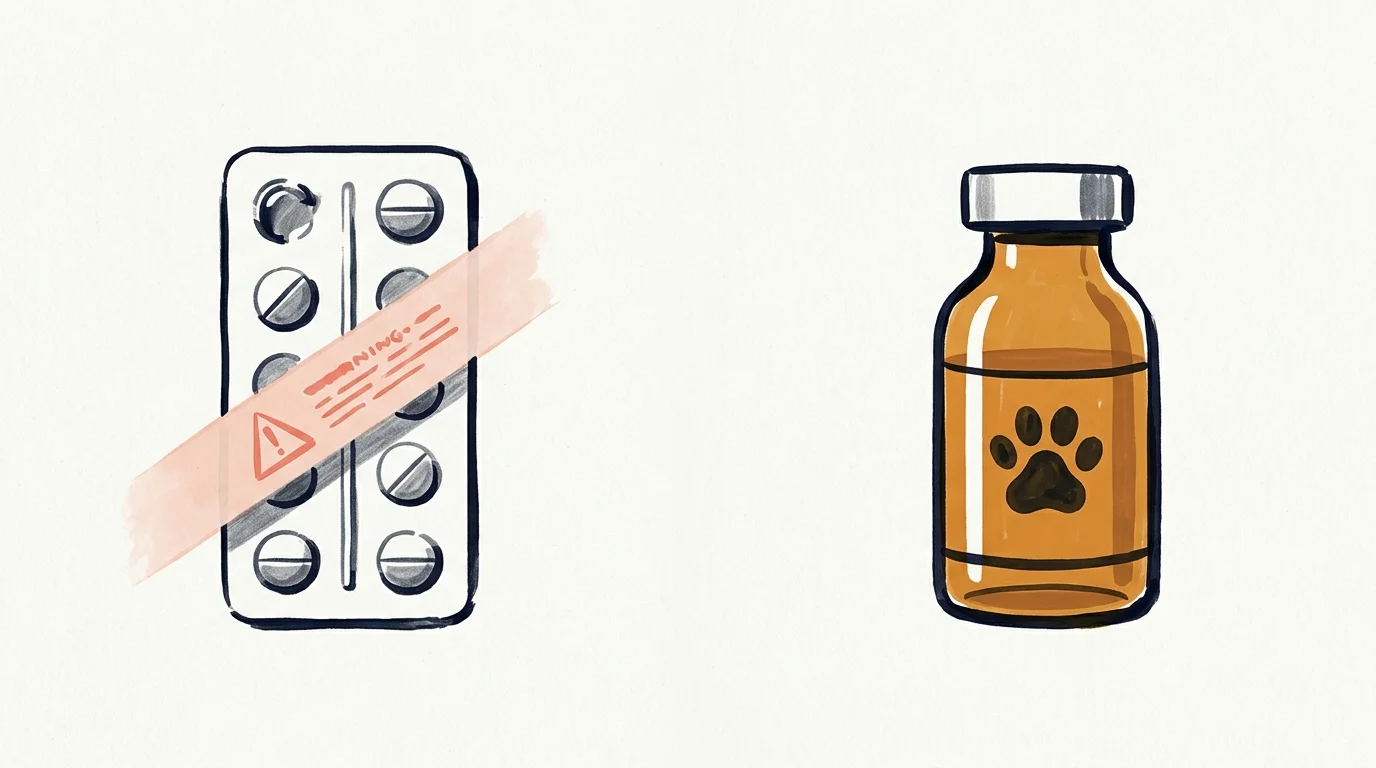
Watching an animal suffer from acute pain is distressing, prompting some owners to check their home medicine cabinets. However, human pain relievers represent one of the deadliest hazards for companion animals.
Reports from the ASPCA Animal Poison Control Center reveal that over-the-counter and human prescription medications consistently rank as the top two household pet toxins.
Common human non-steroidal anti-inflammatory drugs like ibuprofen, naproxen, and aspirin have narrow therapeutic windows in dogs. Even tiny doses can trigger severe gastric ulceration, intestinal perforation, and sudden renal failure.
Acetaminophen is extraordinarily lethal to felines because cats lack the specific liver glucuronyl transferase enzymes required to metabolize it. A single regular-strength tablet induces lethal methemoglobinemia, suffocating red blood cells from within.
Never attempt to calculate pet dosages from human pills without explicit instructions from your veterinarian. Animals metabolize pharmaceuticals through distinct biochemical pathways requiring species-specific medications.
If your pet displays signs of pain, schedule a veterinary visit to obtain targeted, FDA-approved analgesics. In cases of accidental drug ingestion, contact an animal poison control center immediately.

05 Isolating Puppies Until They Complete All Vaccinations
Many new puppy owners keep their young dogs strictly confined at home until all booster injections conclude at four months. While protecting against infectious pathogens is critical, total isolation introduces profound behavioral dangers.
The American Veterinary Society of Animal Behavior explains that a puppy’s critical neurological socialization window closes between 12 and 16 weeks of age. Once this formative window shuts, unfamiliar stimuli often elicit fear and defensive aggression.
In fact, behavioral problems like fear aggression and severe separation anxiety lead to far more shelter surrenders and behavioral euthanasias than infectious diseases like parvovirus.
Veterinary behaviorists recommend enrolling puppies in clean, structured puppy socialization classes as early as seven to eight weeks of age. Puppies can safely attend classes roughly seven days after receiving their initial core vaccination.
You can also safely introduce your puppy to novel environments by carrying them in a sling or wagon. Exposing them to traffic noises, diverse surfaces, and gentle people builds vital confidence without ground contamination.
Balance biosecurity with cognitive enrichment during these early months. Thoughtful, controlled socialization during early development produces an adaptable, resilient adult dog.

06 Waiting for Overt Symptoms Before Contacting a Vet
Companion animals possess strong evolutionary instincts to mask signs of illness, weakness, or physical pain. By the time a pet exhibits obvious lethargy or refuses to eat, underlying pathologies are frequently advanced.
Cats excel at concealing chronic conditions like chronic kidney disease, degenerative joint pain, and hyperthyroidism. A subtle decrease in jumping height or slight change in litter box volume often signals developing systemic illness.
Similarly, dogs often hide dental agony and joint inflammation while continuing to fetch or eat eagerly. Owners frequently dismiss subtle slowing down as normal aging rather than manageable, treatable osteoarthritis.
Postponing medical evaluation until symptoms become undeniable leads to higher emergency fees and worse clinical outcomes. Routine wellness exams identify developing metabolic imbalances long before physical decompensation occurs.
Schedule comprehensive wellness screenings annually for adult pets and twice yearly for seniors over seven years old. Routine blood panels, urinalysis, and blood pressure checks provide life-saving baseline diagnostic data.
07 Switching Pet Foods Without a Gradual Transition Period
Switching pet food brands or formulas abruptly often causes acute gastrointestinal upset. An immediate swap surprises the digestive system, resulting in watery diarrhea, acute vomiting, and food aversion.
Your pet’s digestive tract hosts trillions of specialized microflora that adapt specifically to the carbohydrate, protein, and fat ratios of their current diet. Sudden dietary changes trigger microbial dysbiosis and severe intestinal inflammation.
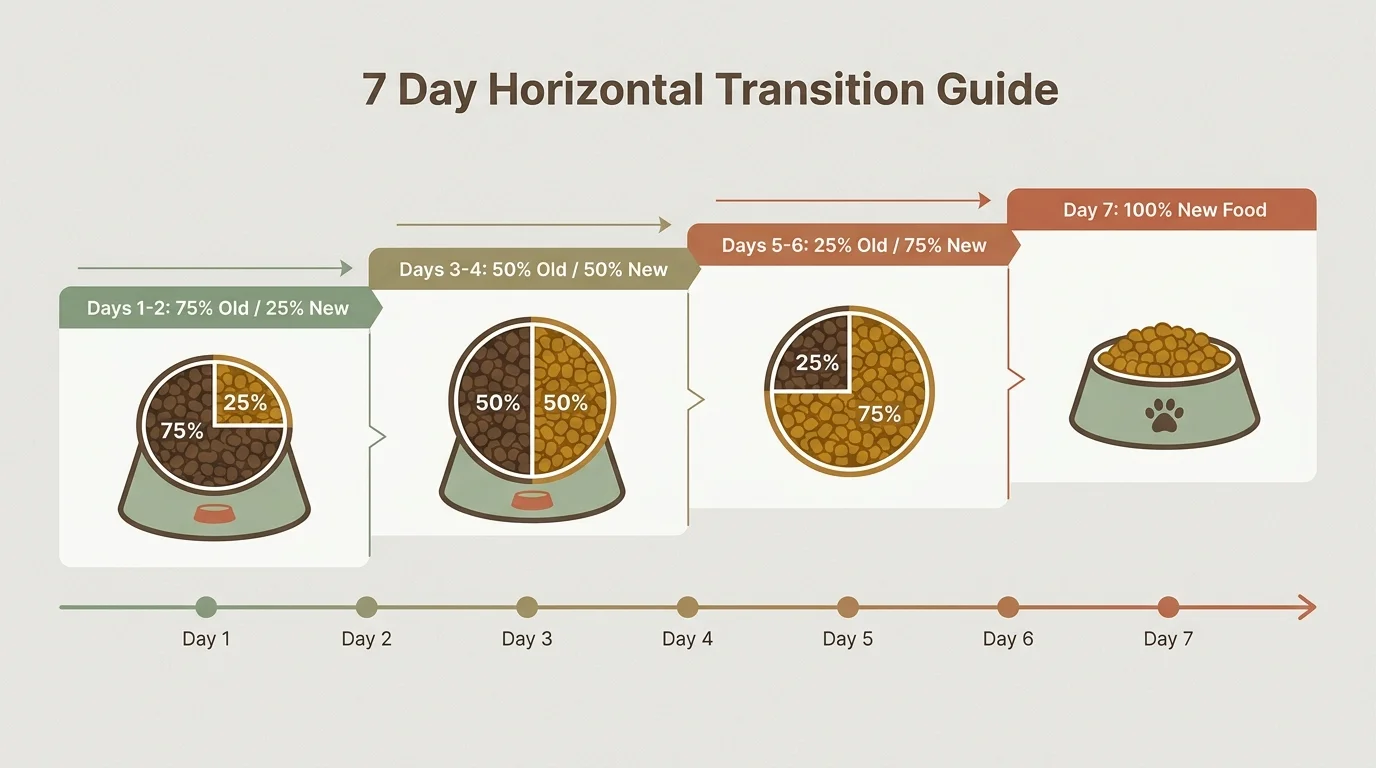
Veterinarians recommend transitioning pets to a new food gradually over a period of seven to ten days. This measured approach gives resident gut bacteria sufficient time to adapt without triggering osmotic distress.
Begin by mixing 25% of the new diet with 75% of the old food for two to three days. Slowly increase the proportion of the new diet to 50%, then 75%, before feeding 100% new food.
If your pet develops loose stool during the transition, hold the current ratio steady for an extra few days. Incorporating vet-approved probiotics can also smooth the dietary shift and protect intestinal integrity.
08 Punishing Fear-Based or Stress-Induced Behaviors
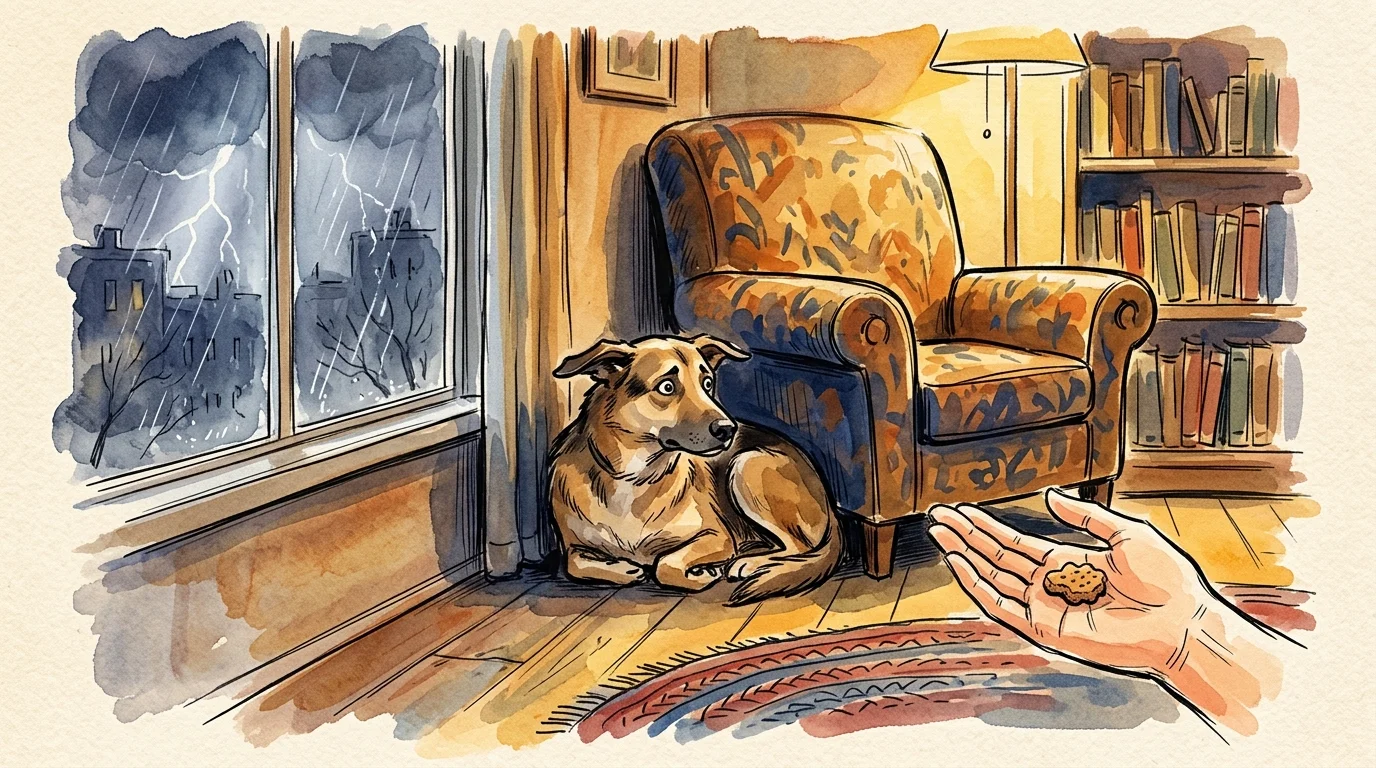
When dogs bark at visitors or cats eliminate outside the litter box, frustrated owners often resort to verbal reprimands or physical corrections. However, punishment consistently escalates fear and damages the human-animal bond.
Most destructive behaviors stem from acute distress, generalized anxiety, or underlying physical pain rather than spite. Punishing a growling dog suppresses a vital early warning signal, making a future unannounced bite far more likely.
Likewise, punishing a cat for house soiling creates profound environmental terror around the litter box area. House-soiling cats are frequently suffering from painful feline idiopathic cystitis or localized urinary tract inflammation.
Instead of punishing undesirable behavior, identify and modify the underlying environmental trigger. Use positive reinforcement techniques to reward alternative, calm behaviors that conflict with the problematic action.
If your pet exhibits persistent reactivity, noise phobias, or compulsive behaviors, consult a certified veterinary behaviorist. Professional behavioral medicine addresses root emotional states through desensitization, counterconditioning, and targeted therapeutic protocols.
Daily Pet Care: Common Assumptions vs. Veterinary Reality
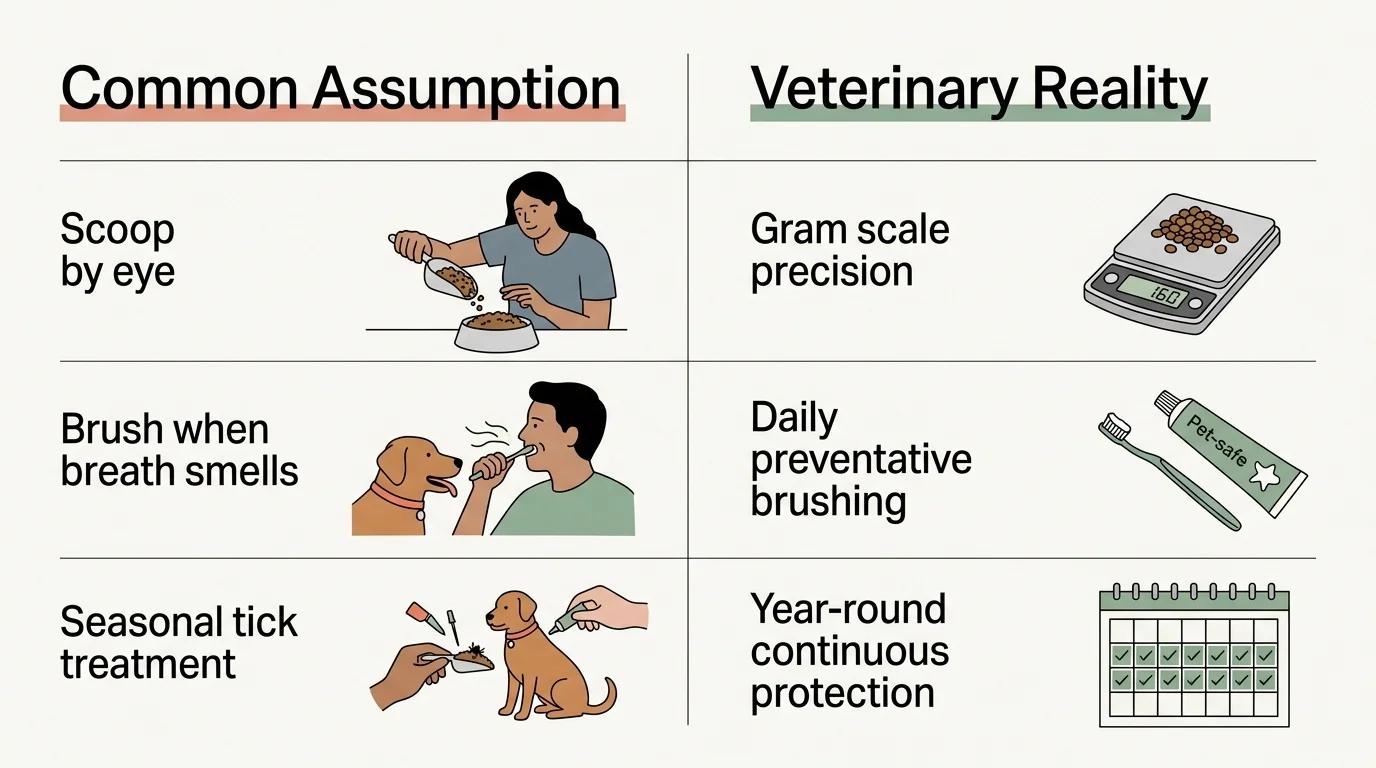
Distinguishing between widespread pet-care myths and clinical medicine helps you make informed choices every day. Review the practical comparisons below to optimize your daily care routines.
| Daily Care Category | Common Owner Assumption | Veterinary Reality |
|---|---|---|
| Feeding Routine | Eyeballing measuring cups is accurate enough. | Food should be weighed on a gram scale to prevent pet obesity. |
| Dental Health | Hard kibble and bones keep teeth clean. | Daily brushing with enzymatic paste is essential to stop periodontal disease. |
| Parasite Control | Winter freezes eliminate fleas and ticks. | Indoor microclimates and mild winter days require 12-month year-round protection. |
| Symptom Monitoring | Wait a few days to see if lethargy passes. | Animals mask symptoms; early diagnostics prevent severe medical emergencies. |
| Puppy Training | Keep puppies home until all vaccines finish. | Socialization windows close at 16 weeks; safe classes start at 8 weeks. |

Getting Expert Input: When to Call Your Veterinary Clinic
While basic wellness routines form the backbone of good pet parenting, certain clinical scenarios require immediate professional intervention. Recognizing when home care is inadequate protects your pet from life-threatening medical crises.
Contact your veterinarian or an emergency animal hospital immediately if you observe any of the following clinical presentations:
- Straining without producing urine: This medical emergency frequently affects male cats with urethral obstructions and requires immediate catheterization.
- Persistent non-productive retching: Dry heaving in deep-chested dogs signals Gastric Dilatation-Volvulus (GDV), a rapidly fatal stomach torsion.
- Suspected toxin ingestion: Swallowing human medications, lilies, xylitol, rodenticides, or chocolate demands immediate decontamination.
- Sudden collapse or respiratory distress: Pale gums, rapid abdominal breathing, or fainting indicate cardiovascular or respiratory failure.
Keep the direct phone numbers and physical addresses of your primary clinic and the nearest 24-hour emergency hospital stored in your phone. Preparing before an emergency occurs ensures rapid action when seconds count.
Frequently Asked Questions
How do I know if my pet is overweight without a clinic scale?
Use the veterinary Body Condition Score system to evaluate your pet at home. You should easily feel their ribs beneath a thin fat layer without pressing firmly.
Looking from above, your pet should display an hourglass waistline behind their ribcage. From the side, their abdomen must visibly tuck upward toward the pelvis.
Can I use baby wipes or baking soda to clean my pet’s teeth?
Never use household baking soda because its high sodium content disrupts electrolyte balances when swallowed. Baby wipes also contain chemical cleansers unsuitable for oral ingestion.
Stick exclusively to veterinary-formulated enzymatic toothpastes paired with soft-bristled pet brushes or silicone finger caps. These products safely break down oral plaque without harmful foaming chemicals.
What should I do if I accidentally miss a monthly parasite preventative?
Administer the missed dose immediately upon remembering, and adjust your monthly calendar alert forward from that date. Avoid doubling up on treatments unless your vet explicitly directs you to do so.
If more than a month has lapsed for heartworm protection, contact your clinic. Your veterinarian may recommend a heartworm antigen test six months later to confirm no larvae matured.
Building Lifelong Health for Your Companion
Becoming a great pet owner is an ongoing educational journey rather than a test of perfection. Implementing even two or three of these veterinary recommendations will immediately enhance your pet’s comfort and longevity.
Focus first on accurate meal portions and gradual dental hygiene training, and partner openly with your veterinary team at every life stage. Small, proactive investments in daily care yield years of vibrant companionship and shared joy.
This article provides general information only. Every reader’s situation is different—what works for others may not be the right fit for you.
For personalized guidance on health, legal, or financial matters, consult a qualified professional.
Last updated: May 2026. Rules, prices, and details change—verify current information with official sources before acting on it.