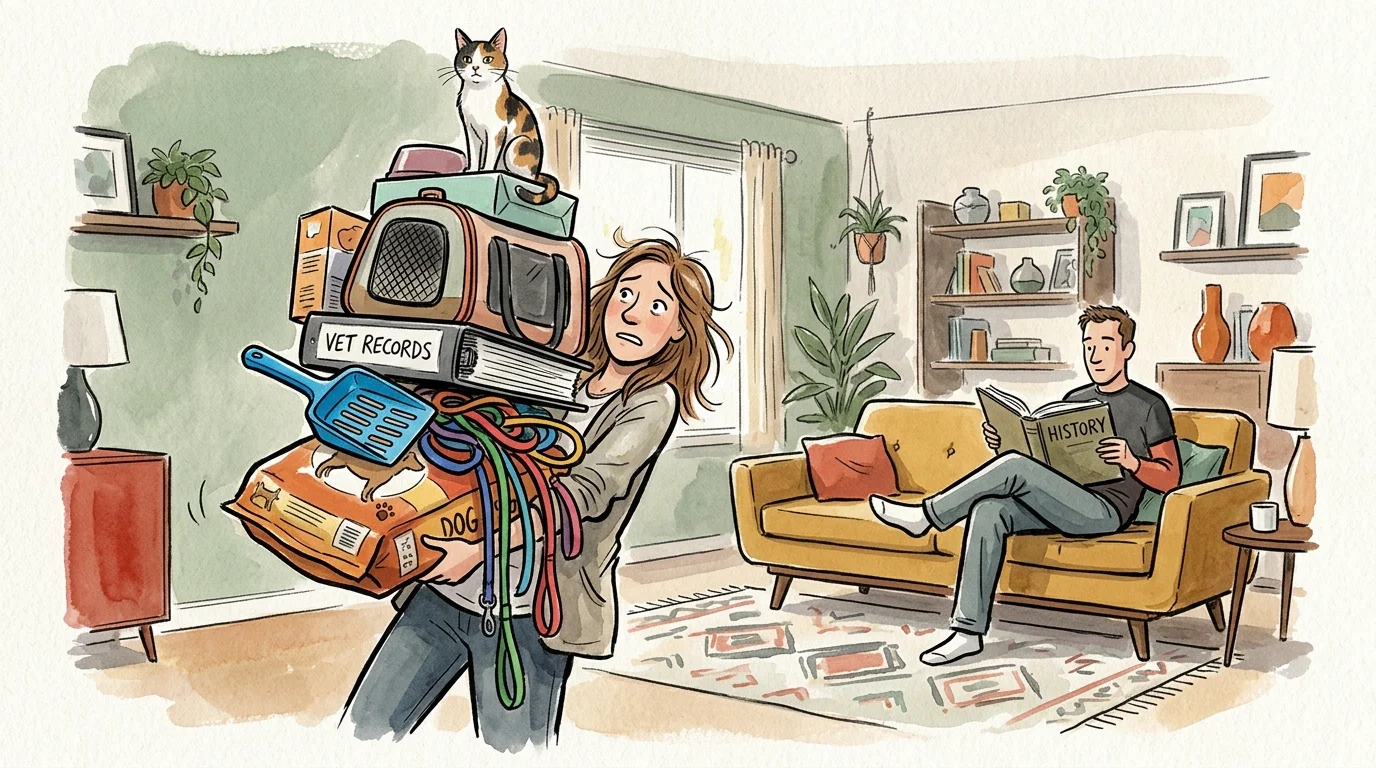
Bringing a dog, cat, or small animal into your home usually begins as a shared dream, but daily management often drifts silently onto one person’s shoulders.
When you handle every feeding, litter cleanup, grooming session, and veterinary appointment, affection for your animal companion can gradually morph into exhaustion. Recognizing the signs of pet care burnout and unequal pet care in a household is the crucial first step toward restoring balance.
Unbalanced responsibilities strain domestic relationships and compromise your pet’s overall well-being. By identifying where the breakdown occurs and taking active steps toward sharing pet responsibilities fairly, you can rebuild a healthier environment for your human family and your four-legged companion.
The Hidden Reality of Unequal Pet Care in a Household
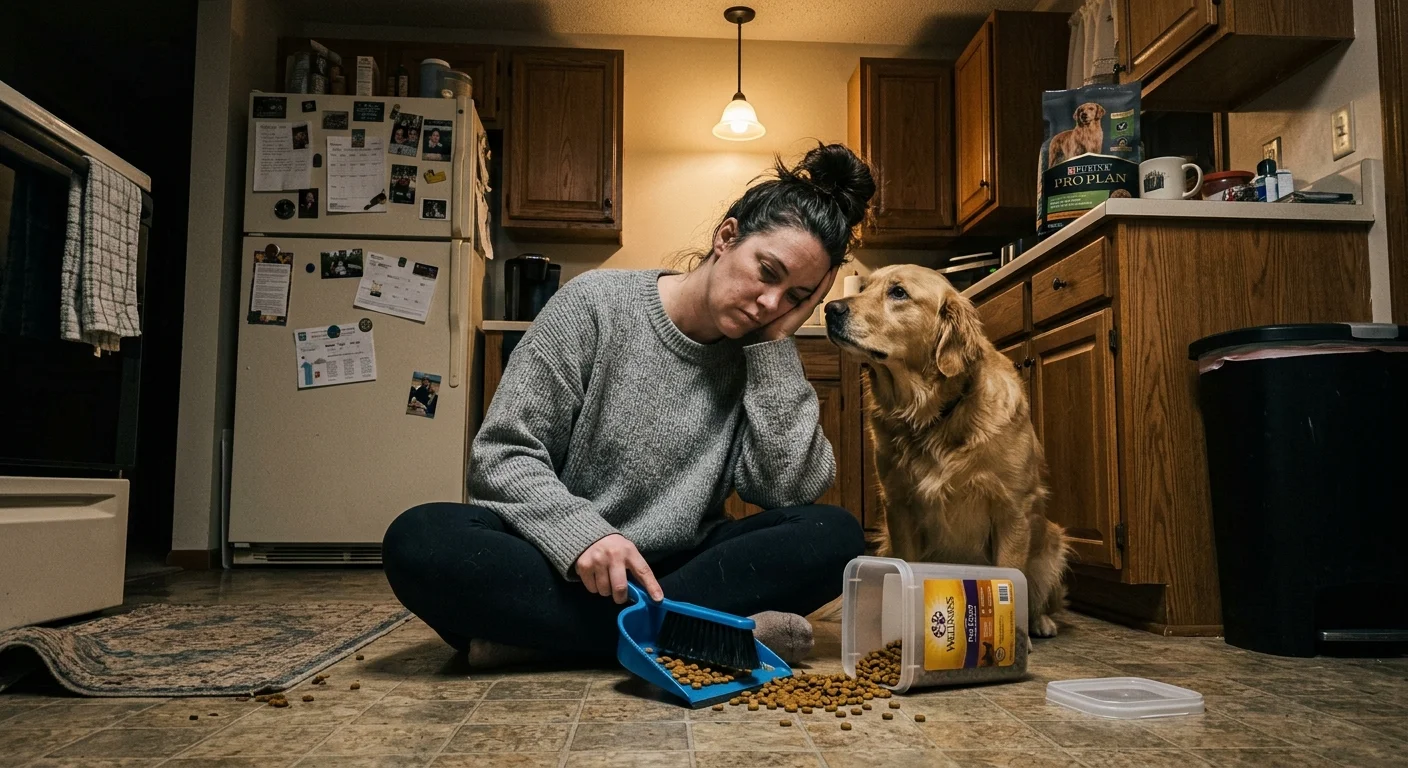
Most households introduce a pet with every intention of sharing the work. Family members pledge to take early morning walks, fill food bowls, and clean litter boxes.
Over time, however, subtle shifts in daily routines often leave one person doing all the pet care. This imbalance does not just create extra physical labor; it generates an invisible mental load that burdens a single caregiver day after day.
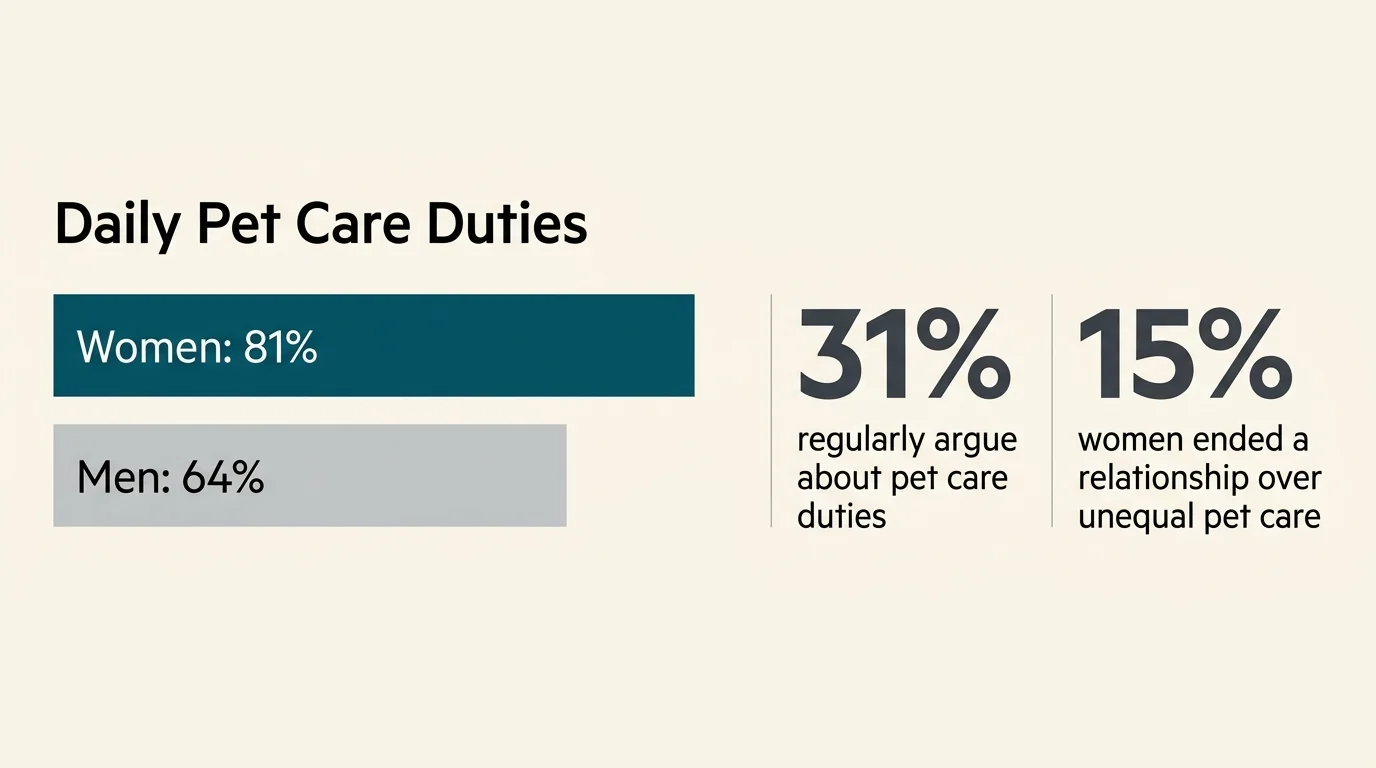
Data highlights how common this dynamic has become in modern homes. According to a landmark study on household pet management conducted by Ifop for VetoCanis, 81% of women perform daily pet care responsibilities—such as feeding, walking, and scheduling veterinary appointments—compared to 64% of men.
The study also revealed that 31% of pet owners regularly argue with their partner about pet care duties, and 15% of female respondents reported ending a relationship specifically over a partner’s refusal to share pet duties.
Furthermore, research published in the Journal of Veterinary Behavior found that 68.5% of pet owners managing animals with special needs or behavioral challenges experience clinically meaningful caregiver burden, with 26.1% reporting severe strain.
A global survey by the Human Animal Bond Research Institute (HABRI) indicates that 94% of pet owners view their pets as integral family members.
Because we hold our animals in such high emotional regard, uneven workload distribution frequently triggers intense emotional guilt, domestic friction, and physical exhaustion.
8 Signs Pet Responsibilities Are Uneven in Your Home
Spotting signs pet care responsibilities are uneven allows you to address the imbalance before resentment permanently damages your household relationships or affects your pet’s standard of care. Here are eight clear indicators that the workload has settled disproportionately on you.
1. You Are the Exclusive Manager of the Pet’s Mental Load
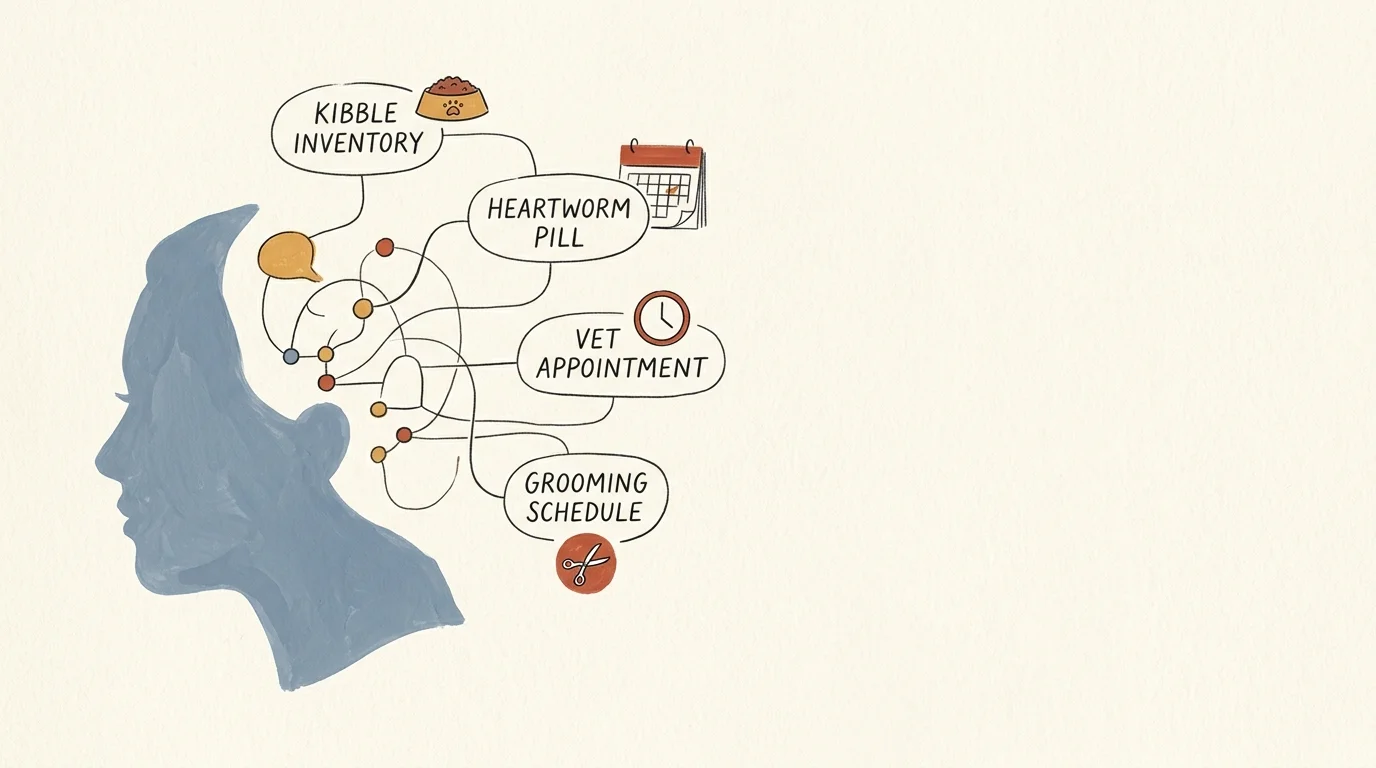
Physical tasks like filling a bowl are obvious, but the cognitive labor of pet ownership is far heavier.
You are carrying an unfair burden if you are the only person who tracks medication dosages, remembers heartworm prevention dates, monitors food inventory levels, and schedules annual checkups.
When your housemates or partner treat pet care as a series of instructions that you must issue, you have become the unpaid project manager of your animal’s life.
2. Daily Routines Fall Entirely on Your Schedule
Observe what happens at key transition points in your day. When the morning alarm goes off or dinner finishes, who automatically gets up to walk the dog, scoop the litter box, or clean dirty food dishes?
If your household members remain on the couch while you routinely interrupt your resting time to manage the animal’s physical needs, daily execution has become unbalanced.
3. You Hold Sole Responsibility for Medical and Wellness Decisions
When wellness trips, emergency vet visits, and preventative care fall exclusively on your calendar, the dynamic is flawed. The American Veterinary Medical Association (AVMA) stresses that consistent routine health tracking is vital for early disease detection.
If you are the only household member who knows your pet’s current weight, vaccination history, or allergy triggers, you bear an unsustainable health management responsibility alone.
4. Your Personal Freedom and Leisure Time Are Constantly Restricted
Do you find yourself turning down social invitations, rushing home directly after work, or skipping personal downtime because nobody else will step in to care for the pet?
When one person’s schedule must warp around the animal’s timing while others enjoy flexible schedules, domestic labor is not being equitably distributed.
5. Your Pet Seeks Out Only You for Core Needs and Reassurance
Animals are extraordinarily perceptive. Pets quickly learn who responds to their cues for food, water, outdoor access, and comfort during severe weather.
If your dog or cat approaches only you when they need something—or if they show clear signs of distress when you leave despite other housemates being present—they have recognized you as their sole active caregiver.
6. You Are Experiencing Signs of Pet Care Burnout
Pet care burnout manifests as continuous emotional fatigue, irritability, and chronic physical tiredness linked directly to animal care. You might catch yourself feeling dread rather than joy when your pet nudges your leg for a walk.
This loss of enthusiasm is not a character flaw; it is a predictable physiological response to prolonged, unassisted caretaking demands.
7. Discussions About Pet Tasks Frequently Escalate into Arguments
When you request simple assistance with pet chores, does the conversation immediately turn into a defensive debate? Statements like “I fed them yesterday” or “You chose to adopt them” signal a breakdown in joint ownership.
Healthy households treat pet care as a collective responsibility rather than a series of favors traded back and forth.
8. Emergency Preparedness Relies Entirely on Your Action
If a sudden natural disaster, household emergency, or medical crisis occurs, who knows where the pet carrier, medical records, and emergency supplies are kept?
If you are the only person in the home who knows how to transport, manage, or calm your pet during a sudden emergency, your household lacks a safety net.
Editorial Insight: Pet care rarely collapses into inequality out of active malice; it more often degrades through silent default habits, where one compassionate partner quietly absorbs everyday tasks until routine becomes unexamined expectation.
Comparing Household Pet Care Dynamics
Understanding where your home falls on the spectrum of responsibility can help you frame constructive conversations with family members or partners. The table below outlines key differences between a balanced home dynamic and a single-caregiver setup.
| Care Dimension | Balanced Household Dynamic | Single-Caregiver Strain |
|---|---|---|
| Task Execution | Daily duties (walking, feeding, cleaning) are rotated predictably among all members. | One person completes over 80% of routine daily physical care unassisted. |
| Mental Management | Veterinary appointments, supply orders, and medications are tracked in shared systems. | One person tracks medical schedules, dietary needs, and shopping lists mentally. |
| Schedule Flexibility | Housemates cover duties seamlessly when one person works late or travels. | The primary caregiver must alter personal plans or hire outside help for basic coverage. |
| Emotional Health | All members share affection and bond naturally with the animal without resentment. | Primary caregiver experiences pet caregiver burnout, guilt, and chronic fatigue. |
| Emergency Readiness | Every individual knows medical histories, carrier locations, and handling techniques. | Only the primary caregiver possesses vital medical details and handling confidence. |

Actionable Steps for Sharing Pet Responsibilities Fairly
Shifting from an uneven workload to a balanced arrangement requires structured communication and tangible operational changes. You can implement several practical strategies immediately to redistribute daily animal care across your household.
- Conduct an Honest Pet Task Audit: Sit down with all household members and list every single pet-related chore, including cognitive tasks like tracking prescription refills and ordering food. Assign clear estimated time commitments to each line item so everyone visualizes the true total workload.
- Establish Explicit Time-Based Shifts: Avoid vague agreements like “we will split the walks.” Instead, assign concrete shifts—such as one partner handling all morning duties from 7:00 AM to 8:00 AM while another takes evening responsibilities from 6:00 PM to 7:00 PM.
- Centralize Scheduling with Visual or Digital Tools: Use a shared kitchen whiteboard or a synchronized family calendar app to log feedings, walks, and medication administration. This eliminates double-feeding errors and removes the need for one person to act as a verbal manager.
- Rotate High-Effort Tasks Weekly: Rotate deep-cleaning chores—such as washing dog bedding, scrubbing litter boxes, or brushing teeth—on a weekly roster so no single individual gets stuck with unpleasant maintenance forever.
- Involve Children with Age-Appropriate Guidance: If children live in your home, assign them concrete, manageable duties under supervision, such as refreshing water bowls or organizing pet toys. Organizations like the ASPCA provide excelente educational resources on teaching kids responsible animal guardianship.

What Can Go Wrong
Failing to address an uneven division of pet care leads to predictable breakdowns that hurt both humans and animals. Recognizing these potential pitfalls can motivate you to take corrective action early.
First, caregiver exhaustion leads directly to missed medical warnings. When you are severely fatigued, subtle changes in your pet’s appetite, energy, or elimination habits go unnoticed; early symptoms of treatable conditions can easily slip past an overworked caregiver.
Second, inconsistent handling destabilizes your pet’s training and behavioral health. When one person enforces house rules while others ignore routine management, pets experience confusion and anxiety.
This inconsistency often manifests as destructive chewing, house-soiling, or heightened reactivity.
Third, chronic domestic resentment destroys household harmony. Unspoken bitterness over daily animal maintenance frequently spills into other areas of relationship dynamics, creating persistent underlying friction among partners or roommates.
Finally, a single point of failure puts your pet at risk during emergencies. If the primary caregiver suddenly becomes ill, travels for business, or encounters an unexpected emergency, housemates who never learned the daily care routine may struggle to keep the animal safe and comfortable.

Where Outside Advice Pays Off
Sometimes, internal adjustments within the household are not enough to fix long-standing care imbalances. Seeking targeted professional support provides external structure and expert guidance when household systems stall.
Consider bringing in professional assistance in the following scenarios:
- Severe Behavioral Issues: Managing a dog with severe separation anxiety or aggression creates extreme caregiver strain. Partnering with a certified professional animal behaviorist or board-certified veterinary behaviorist creates a unified training protocol for every household member to follow.
- Complex Medical Illnesses: Pets suffering from chronic health conditions like diabetes, kidney failure, or cancer require intricate care routines. Veterinary technicians can train all family members on administering fluids or injections so medical tasks do not fall on one individual.
- Entrenched Domestic Conflict: When conversations about domestic division repeatedly descend into hostile arguments, a couples or family counselor can facilitate neutral, productive boundary setting.
- Burnout Relief Through Professional Services: Hiring a professional dog walker or pet-sitting service twice a week provides immediate respite, allowing an exhausted primary caregiver time to recharge while new household habits take root.
Frequently Asked Questions
How do I start a conversation about unequal pet care without starting a fight?
Focus the discussion on objective systems rather than personal criticism. Use concrete data from a pet task audit and explain how the current workload affects your energy and emotional health.
Frame the conversation around setting up a sustainable routine that benefits the entire household and improves the pet’s quality of life.
What should I do if a family member promised to help with the pet but stopped?
Revisit the original agreement with an empathetic but firm approach. Clearly outline specific, non-negotiable tasks assigned to that individual and implement shared tracking systems, such as a visible chart in the home, to maintain clear accountability without nagging.
Can unequal pet care cause behavioral problems in pets?
Yes. Pets thrive on predictable structure, clear boundaries, and consistent daily schedules.
When care routines are erratic or managed by frustrated caregivers, animals often absorb household stress, leading to heightened anxiety, regression in potty training, or attention-seeking behaviors.
How can I tell if I am experiencing pet caregiver burnout versus normal tiredness?
Normal tiredness resolves after adequate sleep or a restful weekend. Pet caregiver burnout involves persistent emotional detachment, chronic dread surrounding routine care tasks, deep resentment toward housemates, and a feeling of being trapped by daily animal care duties despite resting.
Rebalancing pet responsibilities takes time, clear communication, and consistent effort from everyone living under your roof.
By identifying early warning signs, creating transparent duty charts, and holding household members accountable, you can build a supportive, fair environment where every family member shares in the deep rewards of animal companionship.
This article provides general information only. Every reader’s situation is different—what works for others may not be the right fit for you.
For personalized guidance on health, legal, or financial matters, consult a qualified professional.
Last updated: May 2026. Rules, prices, and details change—verify current information with official sources before acting on it.