
Choosing between a dog and a cat shapes your retirement routine, financial security, and personal freedom. Your pet preference determines whether your mornings start with brisk trail walks or quiet lap cuddles.
Both companions bring distinct lifestyle advantages to your post-work years. However, each animal impacts your physical stamina, travel schedule, and monthly budget in noticeably different ways.
Here is how dog lovers and cat owners compare across physical health, social connection, living costs, and overall retirement satisfaction.
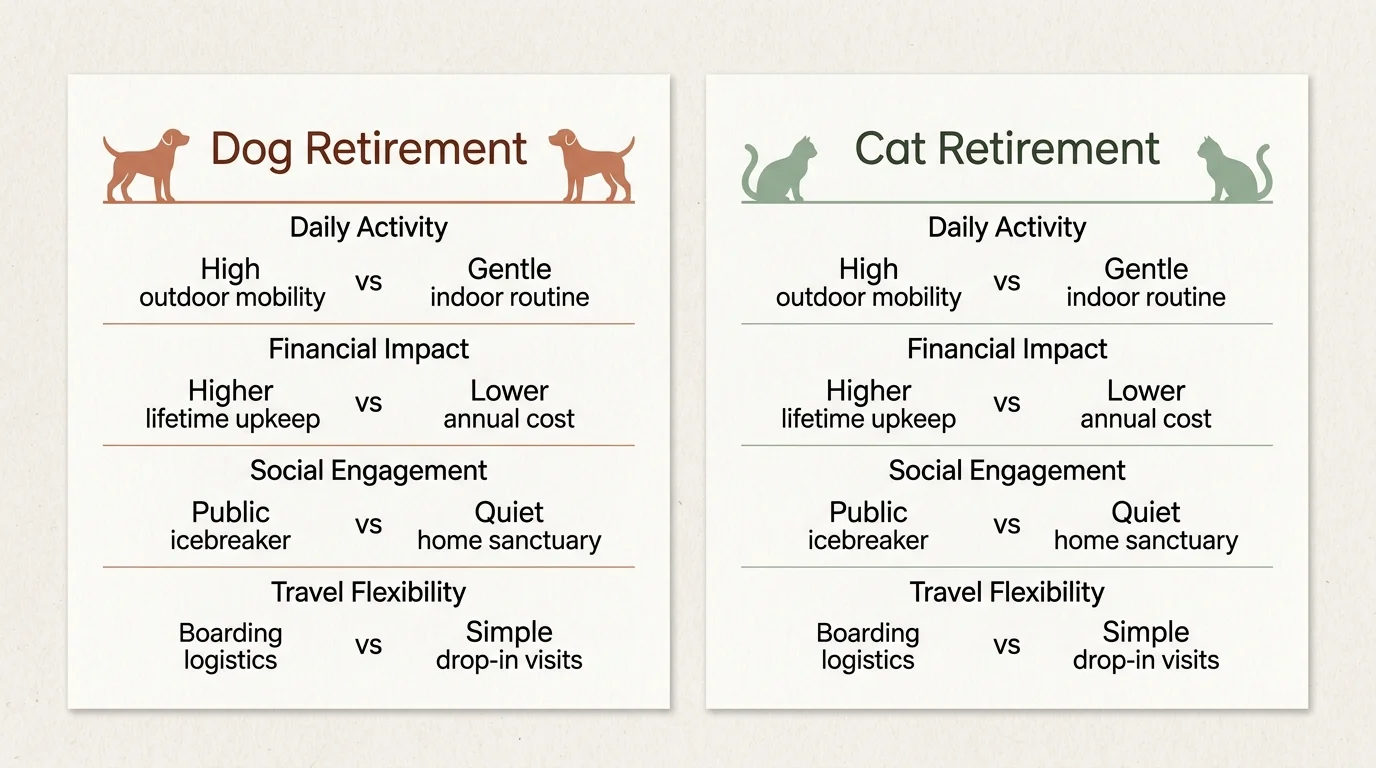
The Essentials: Dog vs. Cat Retirement at a Glance
Your ideal retirement pet depends on your preferred daily rhythm, travel ambitions, and physical mobility. Both companions offer immense emotional value, but their structural demands vary.
- Daily Activity: Dog owners log significantly more outdoor walking hours and meet cardiovascular benchmarks more consistently.
- Financial Impact: Cats generally require lower annual food, medical, and boarding expenses over their lifetimes.
- Social Engagement: Dogs serve as natural social catalysts in public spaces, while cats provide soothing, low-maintenance companionship at home.
- Travel Flexibility: Cat owners enjoy simpler, less expensive pet-sitting options during extended vacations.

Physical Health and Daily Mobility
Retirement gives you the gift of time, and dogs ensure you spend much of that time moving. Daily walks establish an unyielding schedule that gets you outside in all seasons.
According to the Centers for Disease Control and Prevention (CDC), adults need at least 150 minutes of moderate-intensity aerobic physical activity weekly. Dog owners possess 34% higher odds of reaching this fitness target than non-owners.
Research tracking daily habits shows dog owners average roughly 330 minutes of leisure-time walking each week. In contrast, cat owners average around 232 minutes.
This regular aerobic activity strengthens joint health, supports cardiovascular fitness, and maintains balance. Having a dog turns physical exercise into a non-negotiable, rewarding daily habit.
However, dog ownership carries specific physical demands that may challenge older adults. Handling an energetic, pulling dog introduces fall hazards and leash-strain injuries.
Cats offer physical health benefits through a much gentler routine. Interacting with a purring cat lowers resting blood pressure and calms the autonomic nervous system.
You can care for a cat without navigating icy sidewalks or rainy mornings. For retirees managing arthritis or balance limitations, indoor feline care provides affection without physical strain.
Mental Health, Loneliness, and Social Connection
Leaving the workforce often disrupts established social circles and daily structure. Pets step into this gap by providing an immediate, affectionate sense of purpose.
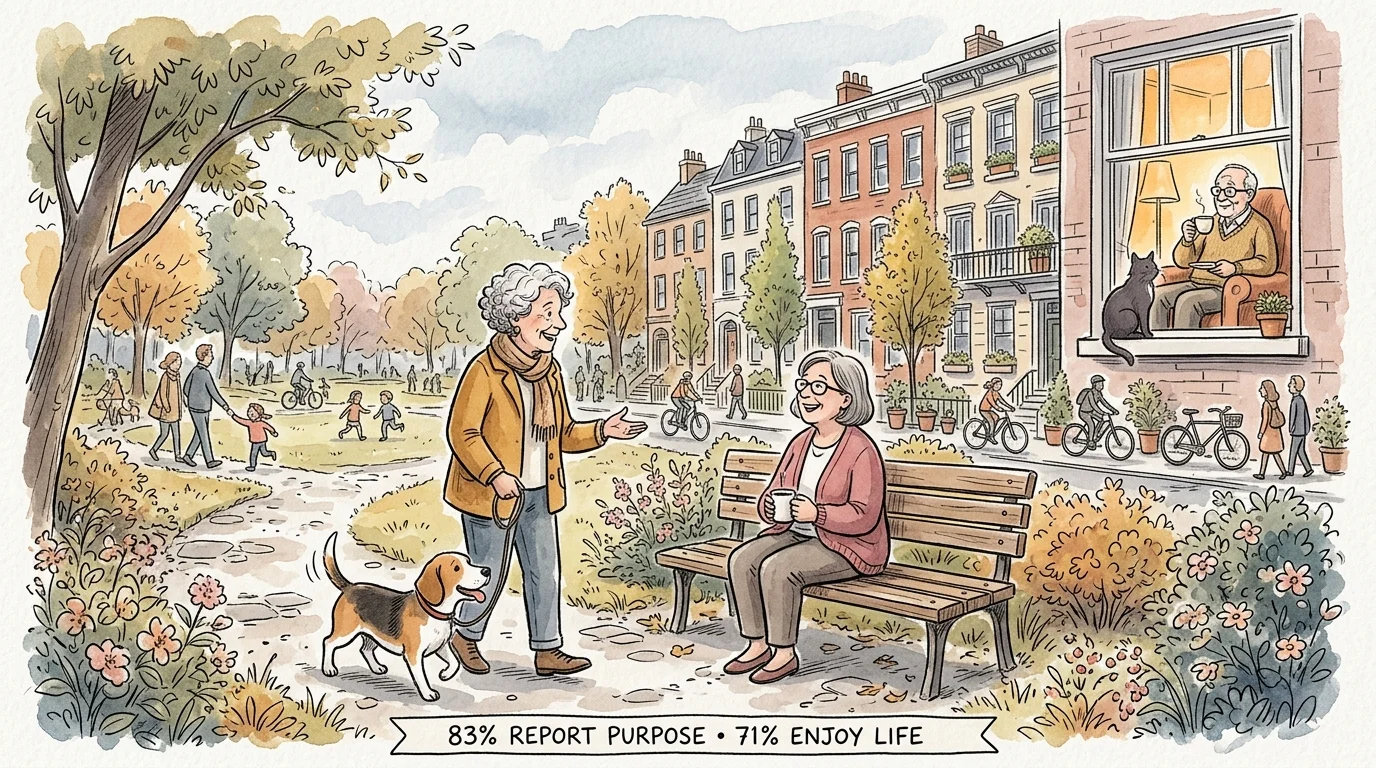
Data from the University of Michigan National Poll on Healthy Aging reveals that 83% of older pet owners feel their pets give them a sense of purpose. Additionally, 71% report their animals help them enjoy life.
Dogs excel as public social icebreakers. Walking around your neighborhood prompts spontaneous interactions with neighbors, fellow dog enthusiasts, and local business owners.
These brief daily conversations combat isolation and build a supportive community network around your home. A dog gives you a reason to explore parks, pet-friendly cafes, and outdoor events.
Cats cultivate a deeply restorative sanctuary at home. Their calm presence reduces feelings of stress and creates a soothing indoor environment for reading, crafting, or relaxing.
Studies highlighted by the National Institutes of Health (NIH) show that companion animals reduce cortisol levels while boosting feelings of social support. Feline companionship offers steady emotional reassurance without the pressure of outdoor socializing.
Retirement Budget: Comparing Lifetime and Annual Expenses
Retirement finances require careful budget planning, especially when living on fixed pensions or investment distributions. Pets represent a significant financial commitment over a decade or more.
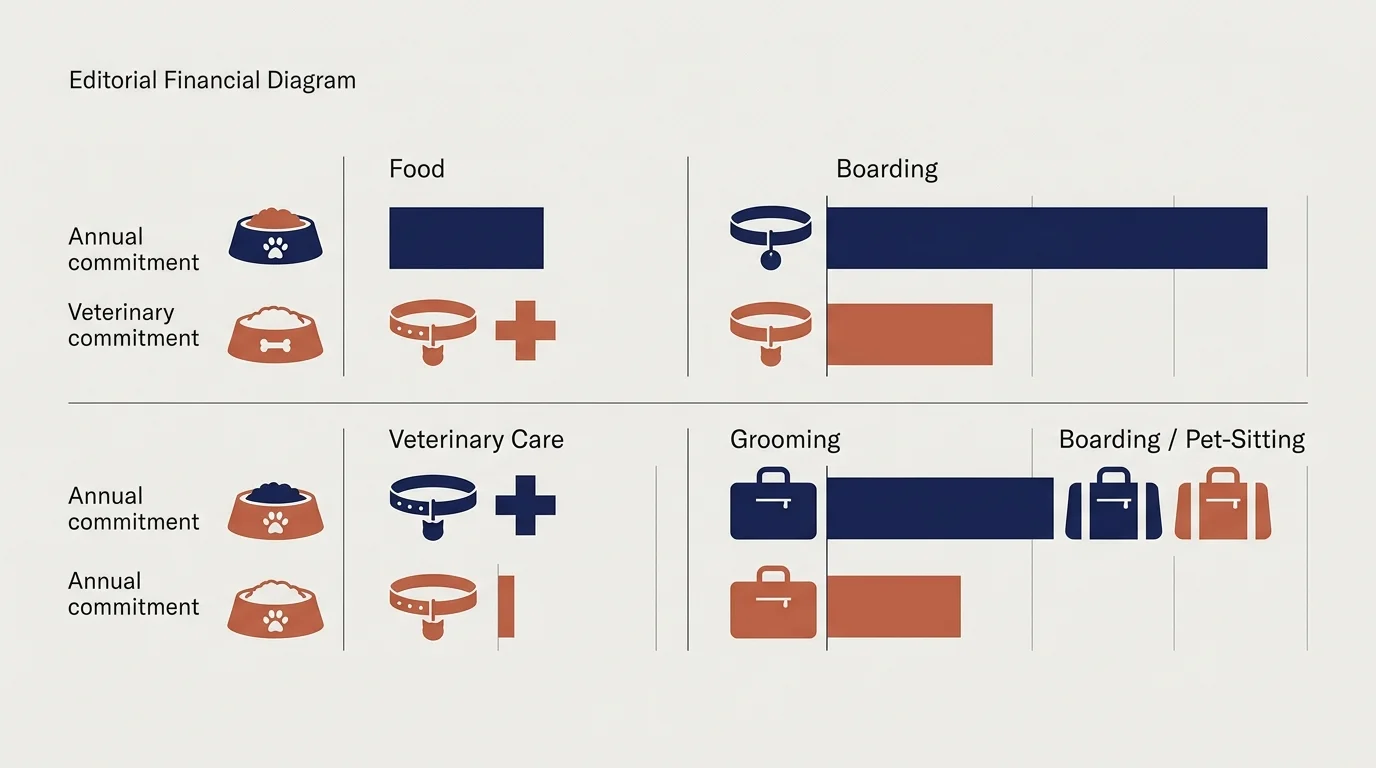
The lifetime cost of caring for a dog generally ranges from $20,000 to $55,000, averaging roughly $34,550 over a 10-year lifespan. Annual expenses for food, preventative veterinary care, and grooming range from $1,390 to $5,295.
Caring for an indoor cat ranges between $15,000 and $45,000 across an average 16-year lifespan. Annual recurring costs for cats typically run between $760 and $3,495.
The University of Michigan poll found that 31% of older pet owners experience financial strain related to pet care. Unexpected medical issues and routine maintenance can pressure a fixed income.
Dogs cost significantly more in day-to-day upkeep. Larger breeds require expensive food rations, specialized prescription medications, and higher fees for professional grooming and boarding.
Cats produce lower recurring costs across food and routine healthcare. Their primary recurring budget items include quality litter, preventative vet checkups, and annual vaccinations.

Comparison: Dog Owners vs. Cat Owners in Retirement
Evaluating the core differences between canine and feline companionship helps clarify which animal aligns best with your retirement vision.
| Retirement Factor | Dog Ownership | Cat Ownership |
|---|---|---|
| Average Annual Cost | $1,390 – $5,295 | $760 – $3,495 |
| Weekly Leisure Walking | ~330 minutes | ~232 minutes |
| Travel Flexibility | Requires boarding or strict pet-friendly accommodations | Easily managed with drop-in pet sitters |
| Housing Accessibility | Frequently subject to size, weight, and breed limits | Universally accepted in most pet-friendly communities |
| Primary Health Perk | Cardiovascular stamina and structured mobility | Stress reduction and lower resting blood pressure |
| Social Engagement | High outdoor interaction and neighborhood connection | Quiet, low-demand home companionship |
Travel Flexibility and Lifestyle Freedom
Many retirees dream of spending months traveling, taking cruises, or exploring remote regions. Pet ownership introduces practical boundaries that require deliberate planning.
Polling indicates that 54% of older pet owners find leaving home or traveling difficult due to their animals. However, dogs and cats present very different logistical challenges.
Dogs require consistent daily relief schedules and active supervision. If you travel without your dog, kennel boarding costs quickly accumulate, often running $40 to $90 per night.
If you prefer road trips or RV touring, dogs make enthusiastic, adaptable travel partners. Many campgrounds, national state parks, and hotel chains welcome canine travelers.
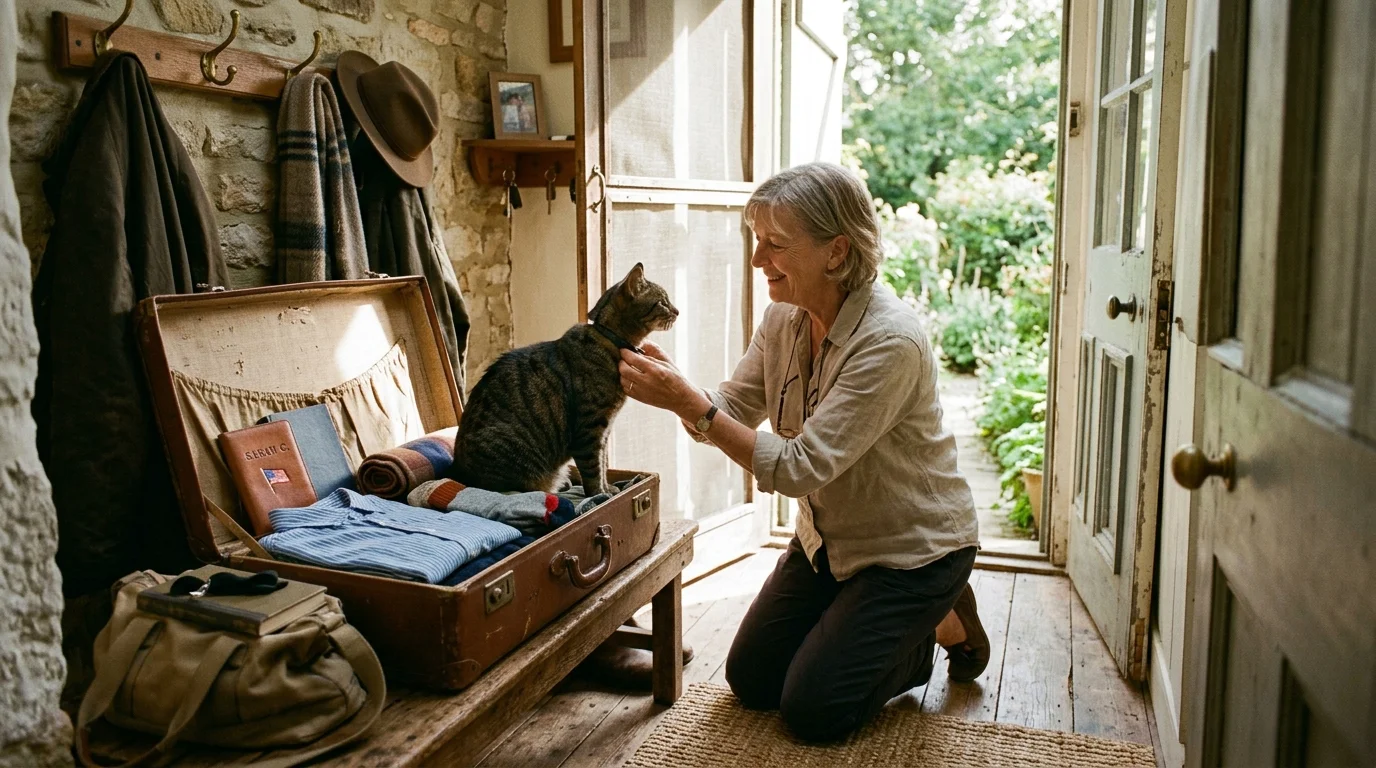
Cats offer superior independence when you want to take weekend getaways or international trips. A trusted neighbor or drop-in sitter can easily check on your cat once or twice daily.
This drop-in arrangement costs far less than traditional dog boarding and preserves your pet’s comfort at home. Cat owners enjoy greater spontaneous freedom without disrupting their animal’s safety.
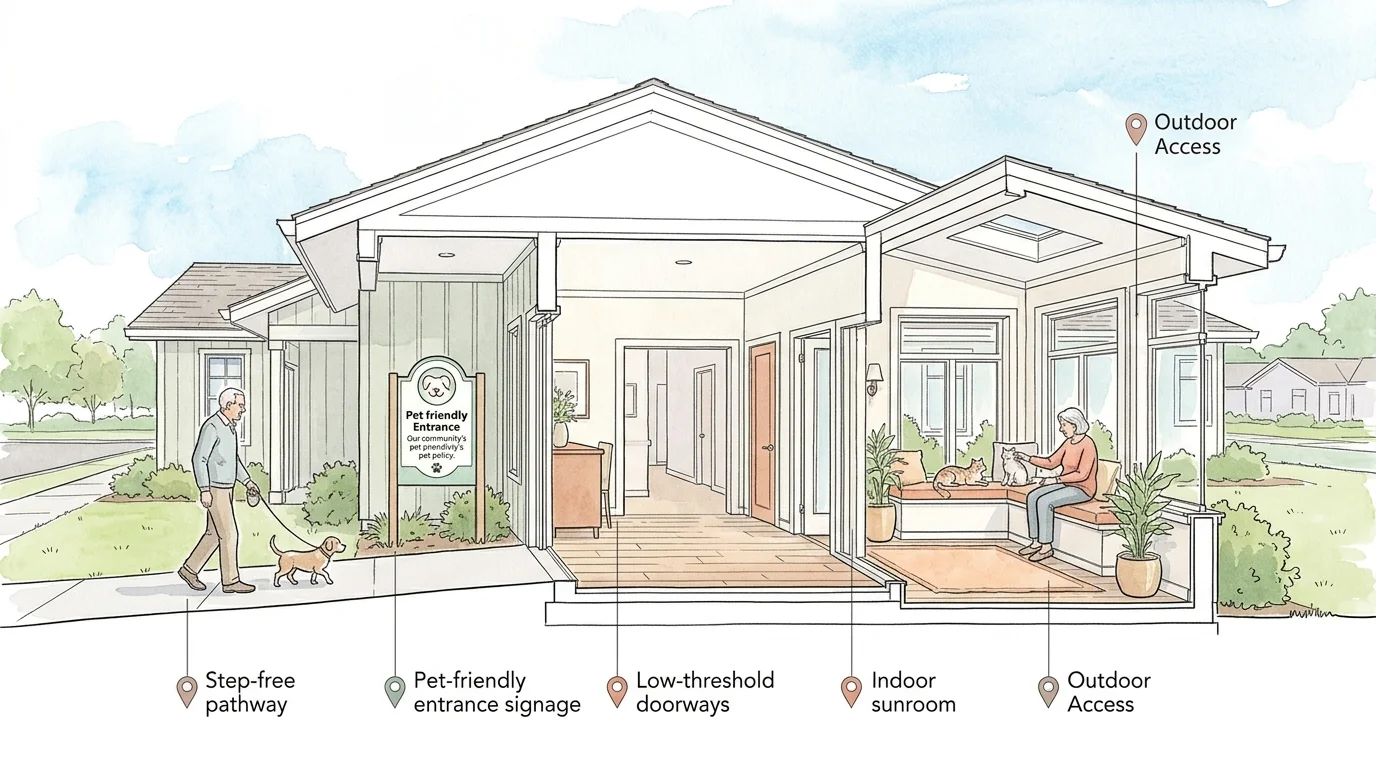
Housing, Downsizing, and Senior Living Rules
Downsizing to a condominium, townhome, or 55+ active adult community is a common retirement milestone. Property regulations often impact pet owners unexpectedly.
Many independent living and assisted living residences enforce strict pet policies. Communities routinely enforce pet weight limits under 25 to 40 pounds, alongside breed restrictions.
Owners of large or energetic dog breeds often face limited rental and purchase options when downsizing. You must research association bylaws carefully before committing to a new residence.
Small dogs and indoor cats encounter far fewer housing restrictions. Feline companions rarely generate noise complaints, making them welcome across almost all pet-friendly senior housing.

Common Mistakes to Avoid
Selecting or managing a pet during retirement requires practical foresight. Avoiding these common missteps protects both your well-being and your pet’s future.
- Adopting a high-energy puppy late in life: Young working breeds demand rigorous training and exercise that can quickly overwhelm your physical energy.
- Overlooking veterinary emergency funds: Failing to maintain a dedicated pet savings account or pet insurance policy leaves you vulnerable to sudden four-figure veterinary bills.
- Ignoring long-term succession plans: Neglecting to name a trusted guardian or pet trust leaves your animal’s welfare uncertain if your health changes.
- Choosing a pet that exceeds your physical strength: Handling an animal too large to manage safely increases fall risks and joint strain during daily handling.
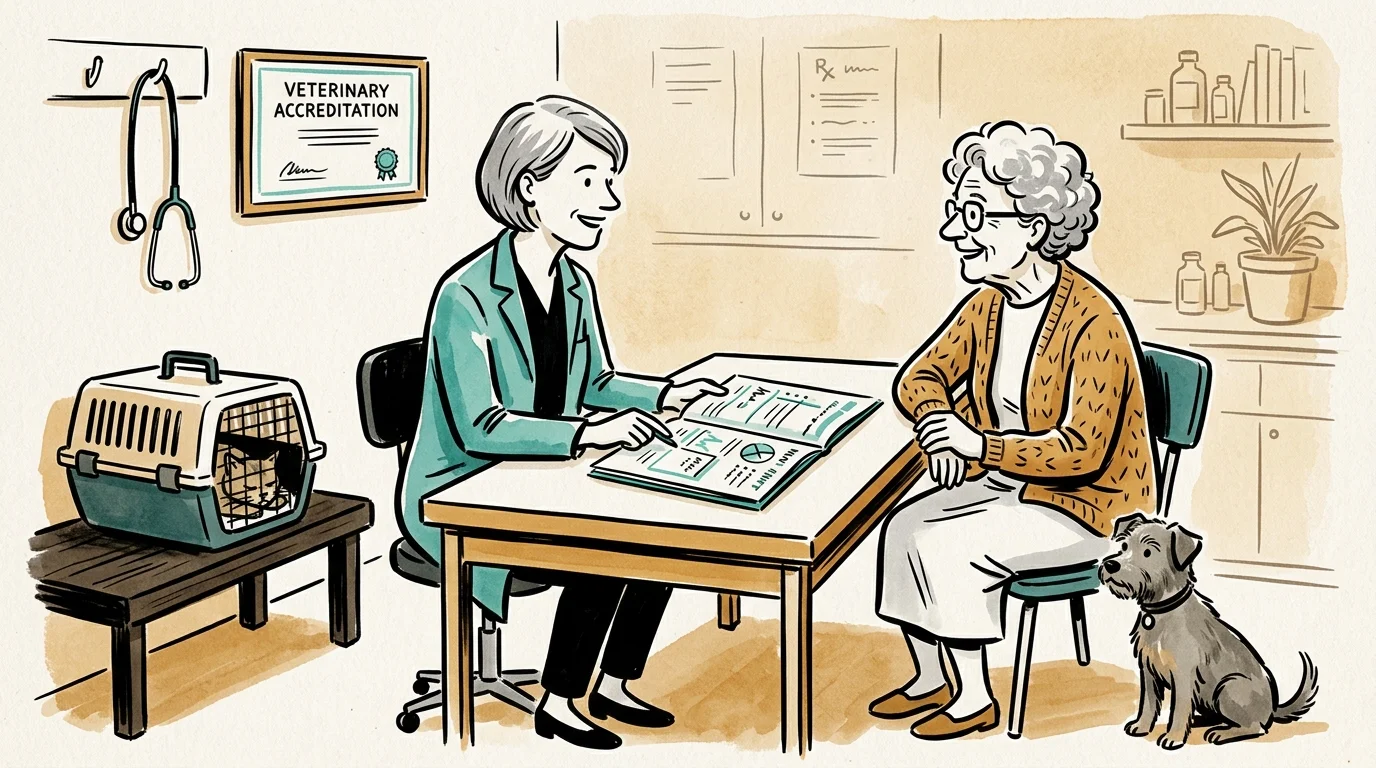
Getting Expert Input
Making informed decisions about pet ownership ensures a harmonious, secure retirement. Consulting experienced professionals clarifies practical details before you bring an animal home.
- Veterinary Consultation: Speak with a veterinarian regarding breed-specific health liabilities, expected lifespan care costs, and preventative wellness routines.
- Financial Planner Guidance: Ask your financial advisor to integrate routine and emergency pet care line items directly into your retirement withdrawal strategy.
- Senior Housing Coordinator: Review prospective residential contracts with community managers to verify pet deposits, weight limits, and designated exercise areas.
- Shelter Adoption Specialist: Work with local rescue adoption counselors to match an adult or senior animal’s temperament to your specific activity level.
Frequently Asked Questions
Are dogs or cats better for retirees on a tight budget?
Cats are generally more budget-friendly for retirees on fixed incomes. They consume less food, require less expensive routine veterinary care, and avoid costly professional grooming or intensive boarding fees.
What dog breeds are best suited for older adults?
Low-to-moderate energy breeds such as Cavalier King Charles Spaniels, Pugs, Bichon Frises, and French Bulldogs make wonderful companions. Adult or senior rescue dogs often fit retirement routines better than energetic puppies.
Can owning a pet reduce healthcare expenses in retirement?
Regular interaction with pets promotes lower stress, reduced cardiovascular risk, and greater physical activity. These daily wellness benefits often translate into improved vitality and lower long-term health complications.
What happens to a pet if a retiree enters assisted living?
Many assisted living facilities permit small dogs and cats that meet weight and behavioral guidelines. Establishing a formal pet trust or caregiver agreement ensures your companion receives seamless care if your housing changes.
Finding Your Perfect Retirement Companion
Neither dog owners nor cat owners hold an absolute advantage in retirement; each lifestyle simply serves different priorities. Dog ownership enriches retirees who crave physical vitality, outdoor structure, and lively neighborhood interaction.
Cat ownership provides peaceful affection, easy home maintenance, and the flexibility to travel without worry. By matching an animal’s needs to your personal health, financial goals, and travel plans, you create a deeply fulfilling retirement partnership.
This is general informational content based on widely accepted guidance. Individual results vary.
Verify current details—rules, prices, eligibility, regulations—with official sources before making important decisions.
Last updated: May 2026. Rules, prices, and details change—verify current information with official sources before acting on it.