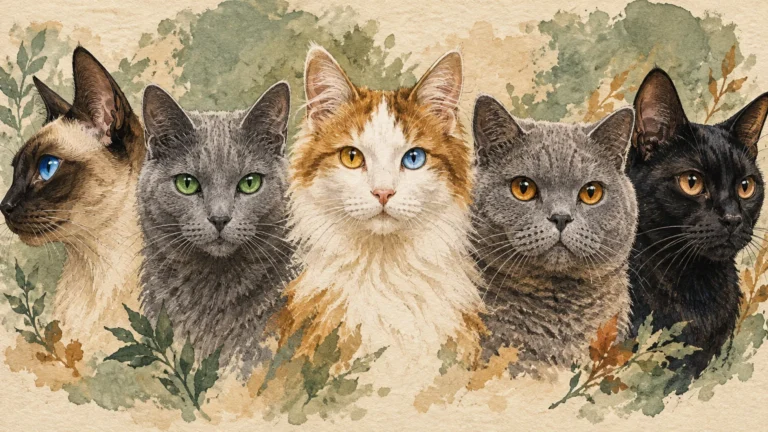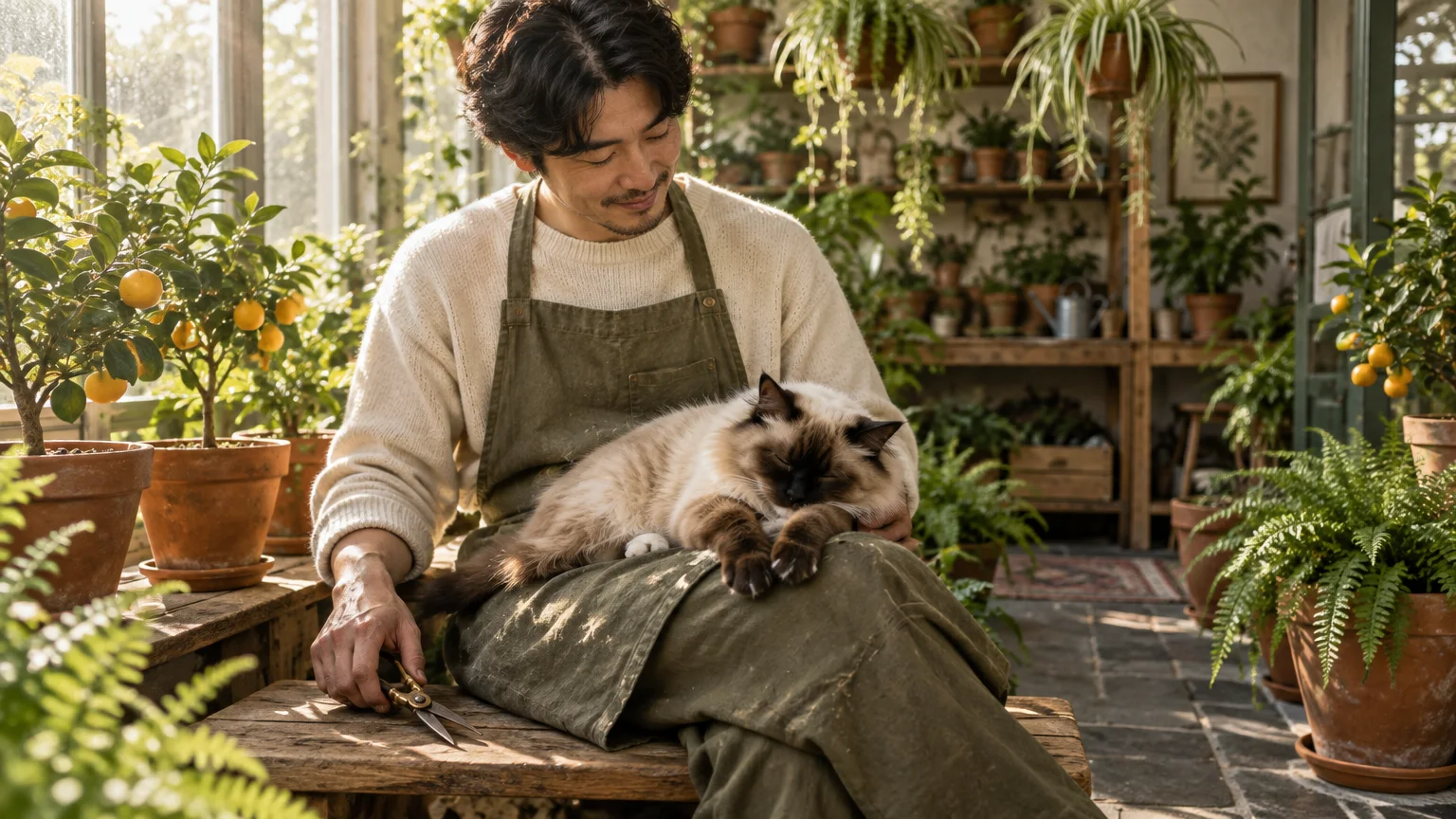
You can enjoy the affectionate loyalty of a small dog without daily outdoor walks or backyard fencing. Certain cat breeds crave physical contact, follow you across rooms, and happily spend hours curled on your lap.
While independent felines certainly exist, selective breeding and genetics have produced cats that display remarkably canine temperaments. These sociable companions greet you at the doorway and actively seek interactive playtime.
If you want a devoted companion that combines canine devotion with indoor convenience, choosing the right breed makes all the difference. Discover the ten friendliest feline breeds that behave remarkably like miniature lap dogs.
Why Certain Cats Act Like Canines
Domestic cats possess diverse social structures that influence how closely they bond with human caregivers. Some felines view humans simply as reliable food providers, while others view their owners as central social partners.
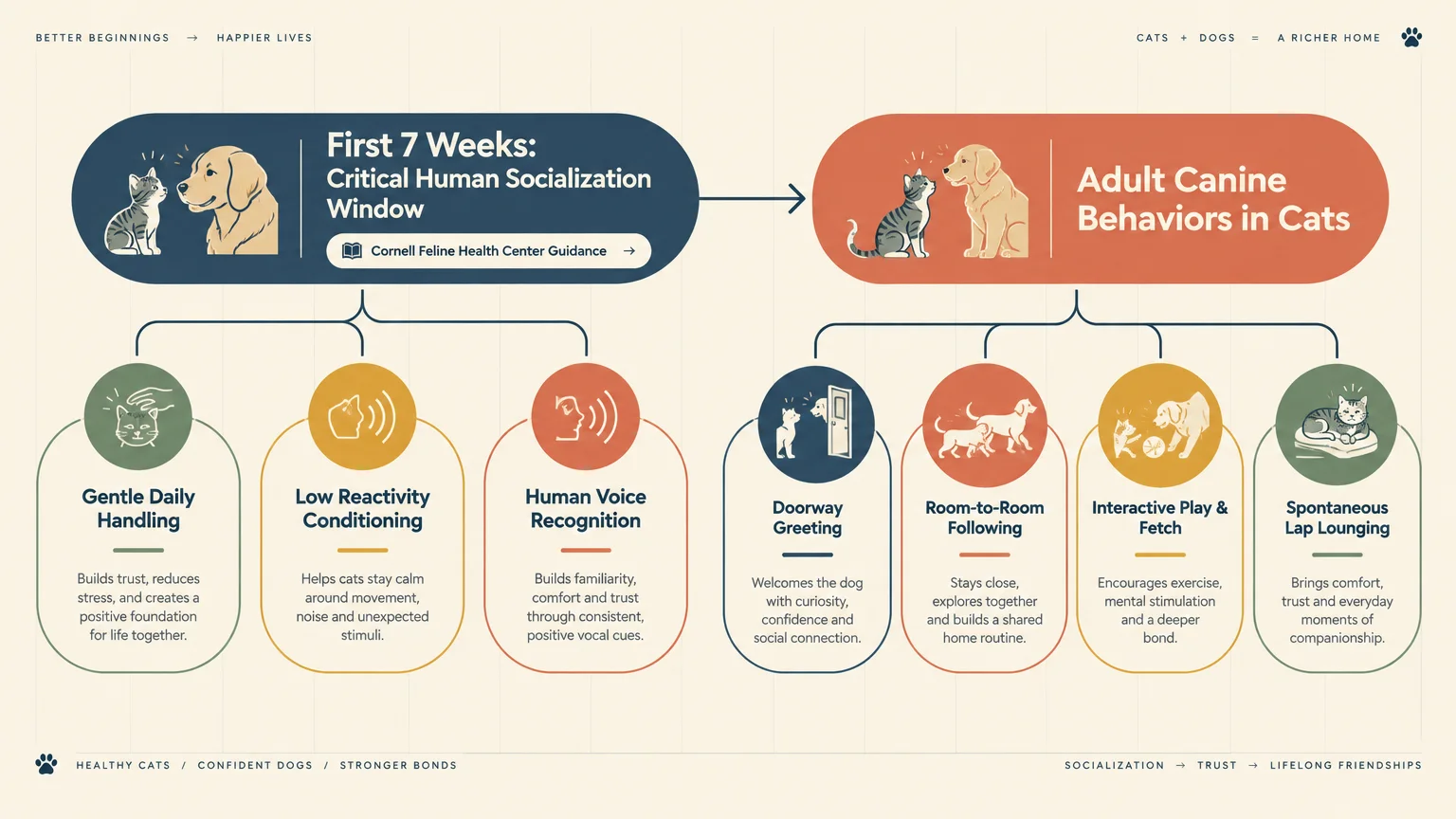
Selective breeding has amplified specific behavioral traits over generations, favoring sociability, low reactivity, and high dependency. Felines with these traits often seek out human touch rather than perching aloofly on high shelves.
According to behavioral guidance from the Cornell Feline Health Center, early socialization during the first seven weeks critically shapes human attachment styles. Gentle handling during this crucial window creates confident pets that actively crave lap time.
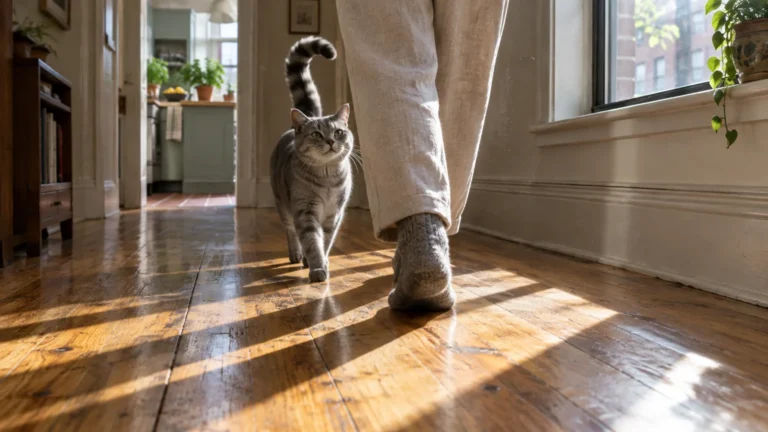
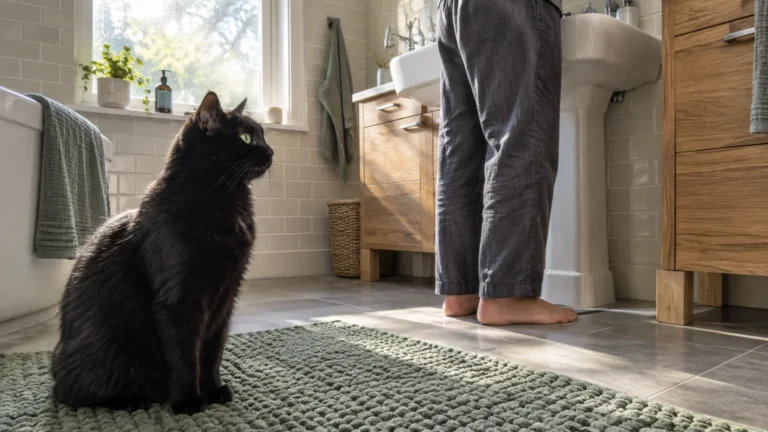
These dog-like cats mirror pack behavior by following you from room to room. They often monitor your daily routines, chirp when you speak to them, and curl into your lap the moment you sit down.
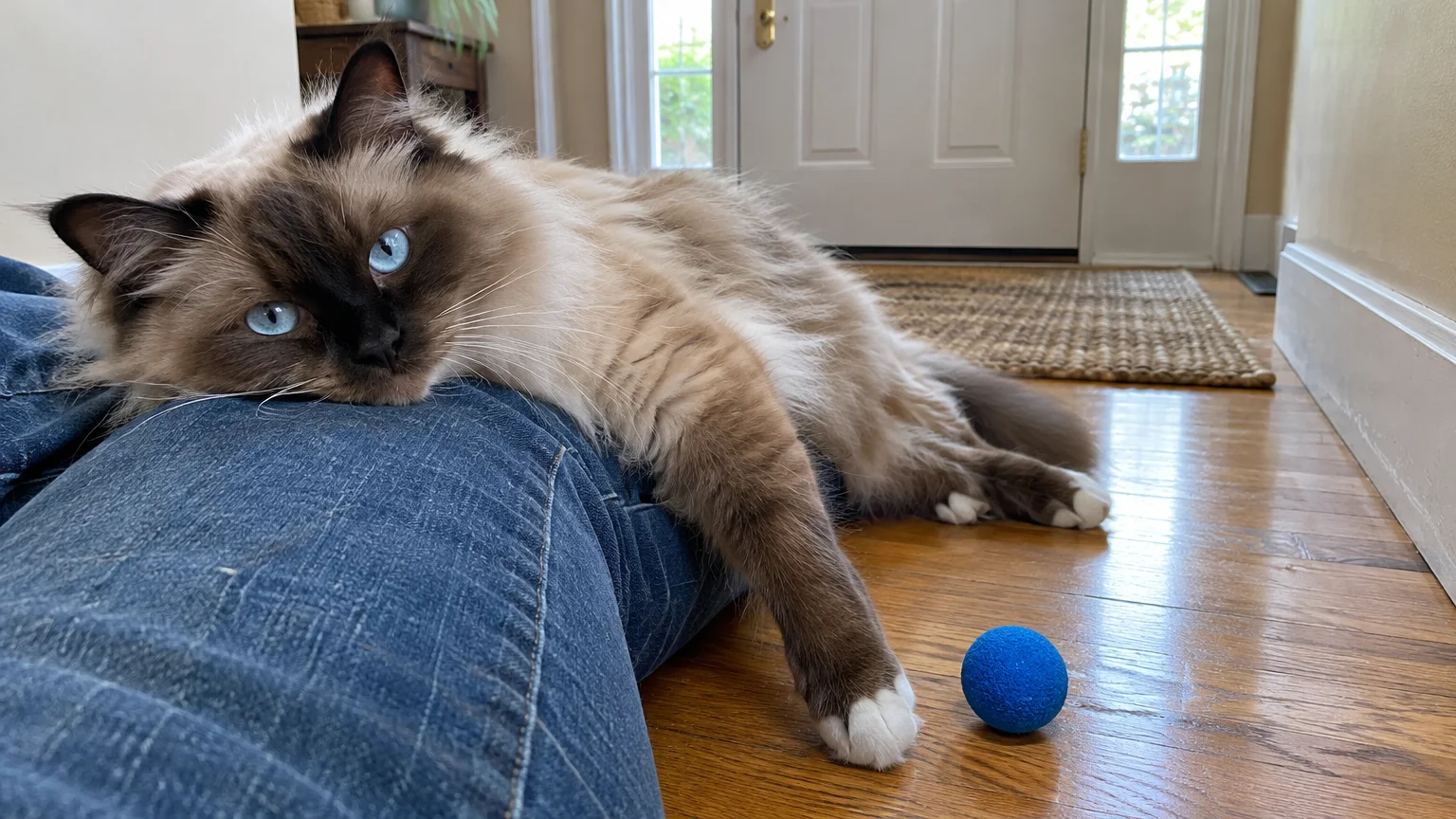
01 The Ragdoll
Ragdolls earned their memorable name through their unique tendency to go completely limp in your arms. This breed exhibits a trusting, easygoing nature that matches the gentlest lap dogs.
Ann Baker developed the breed in California during the 1960s by selecting cats with remarkably docile temperaments. Today, the Cat Fanciers’ Association consistently ranks the Ragdoll among the most popular registered breeds worldwide.
You will notice your Ragdoll waiting by the front door whenever you return from errands. They happily greet guests with soft chirps and follow family members throughout the house like loyal puppies.
Their large, semi-longhair bodies feel like plush cushions when they settle onto your legs. Despite their substantial size—often reaching fifteen pounds—they prefer lap lounging over exploring high perches.
You can even teach a Ragdoll basic games of fetch using soft foam toys. Their eagerness to please makes training sessions rewarding and remarkably similar to working with an attentive puppy.
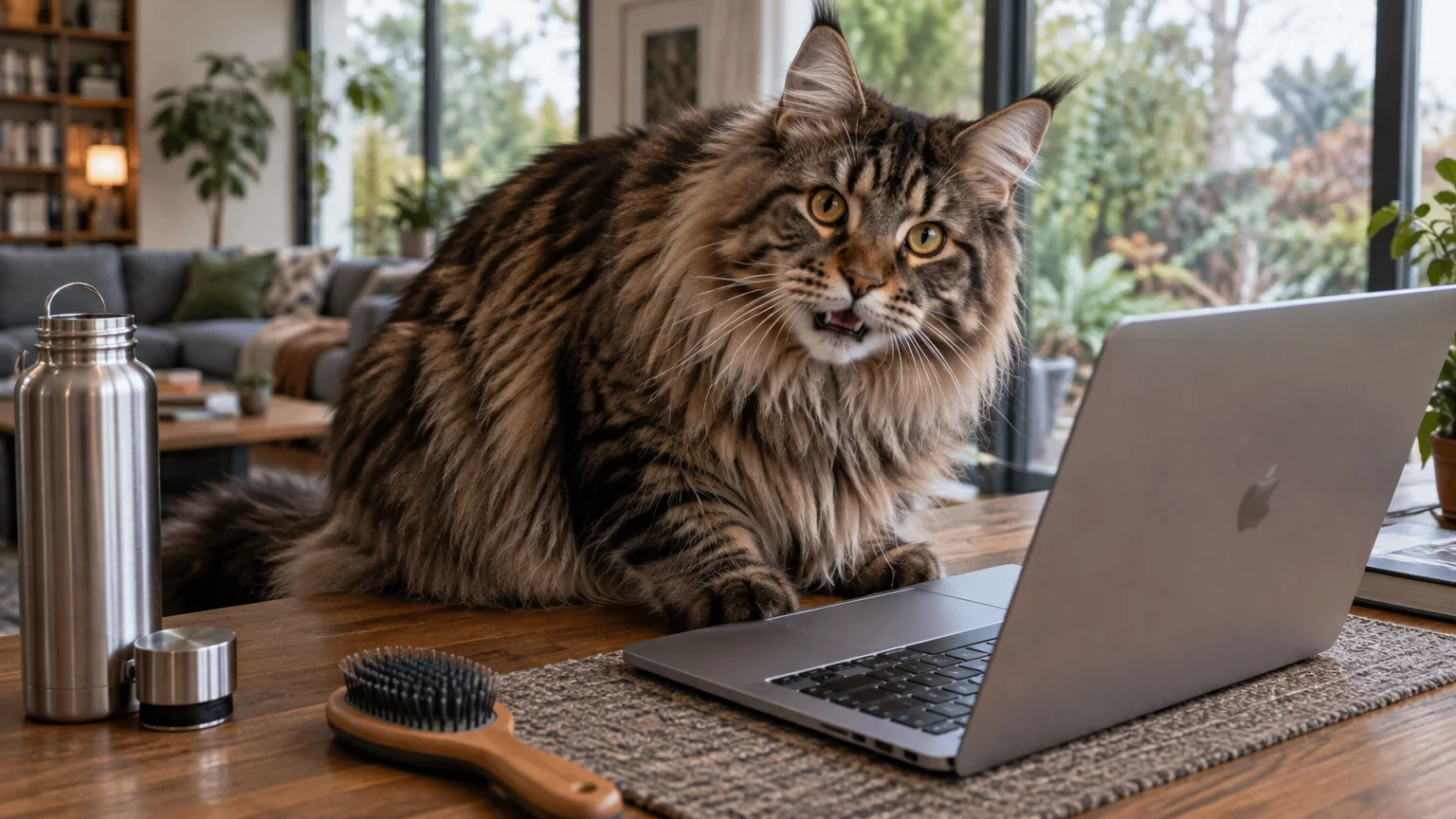
02 The Maine Coon
Known affectionate giants of the cat world, Maine Coons combine imposing size with dog-like devotions. These cats frequently weigh between twelve and eighteen pounds yet behave like gentle toy breeds.
Maine Coons communicate using distinctive chirps and trills rather than sharp meows. They use this rich vocal repertoire to announce their arrival before stepping directly into your lap.
This breed displays an intense fascination with daily household activities. Whether you are washing dishes, folding laundry, or working on a laptop, your Maine Coon will supervise every movement from your side.
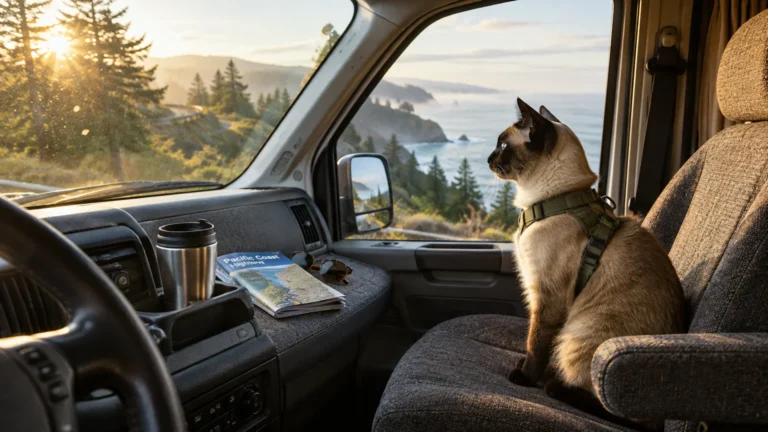
Unlike most cats, Maine Coons often enjoy water and outdoor exploration on a secure leash and harness. You can easily train them to accompany you on garden strolls before returning inside for an afternoon cuddle.
Their thick, water-resistant coats require regular brushing twice a week to prevent mats. That grooming time provides an excellent opportunity to reinforce your mutual bond through gentle, rhythmic strokes.
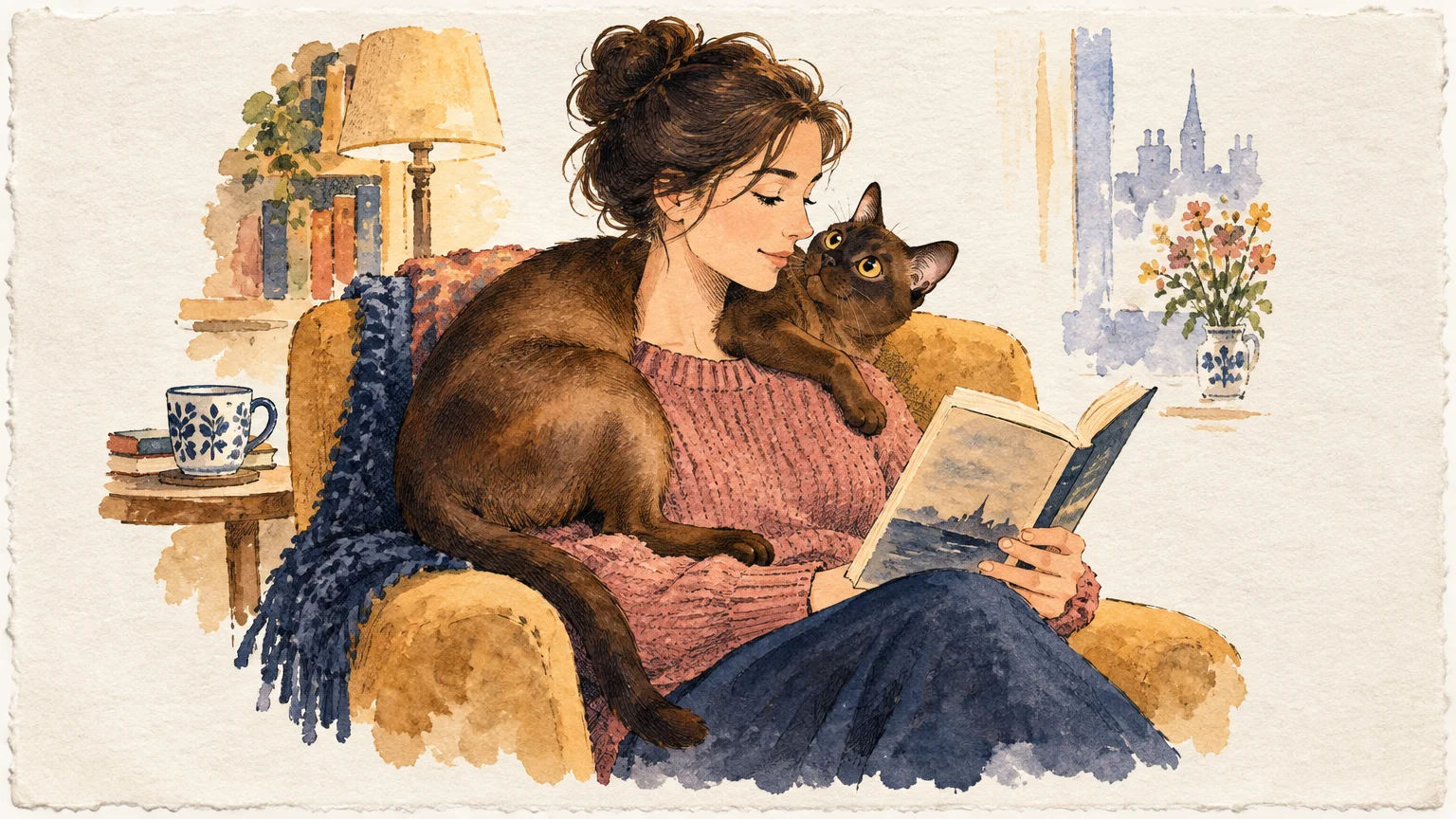
03 The Burmese
If you desire constant, unwavering physical affection, the Burmese will exceed your expectations. Fanciers often describe this breed as “velcro cats” because they stick to your side at all times.
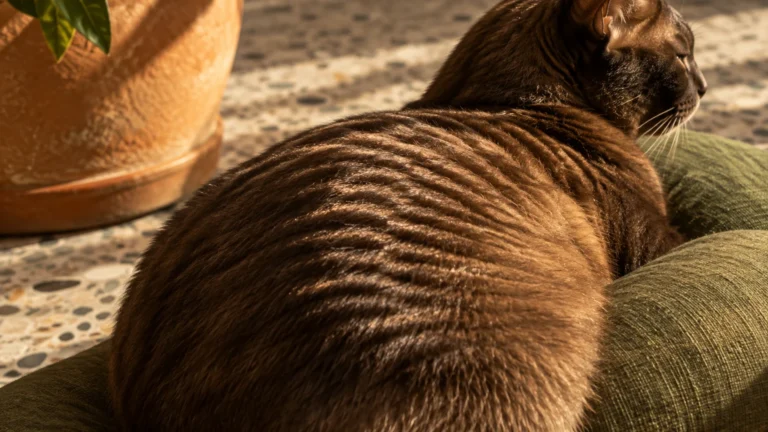
Burmese cats possess muscular, compact bodies that feel surprisingly solid and heavy when they leap into your lap. They actively seek warm contact and will climb beneath your sweater or blankets during cooler evenings.
Their temperament remains relentlessly playful and social well into their senior years. You will find that a Burmese thrives best in homes where family members spend substantial time relaxing indoors.
Leaving a Burmese alone for long stretches can trigger distress because they depend heavily on human companionship. Consider adopting a bonded pair if your daily work schedule keeps you away from home for long hours.
They also retain an exceptional ability to learn interactive behaviors from you. Many Burmese owners successfully teach their pets to come when called by name, just like a well-trained retriever.
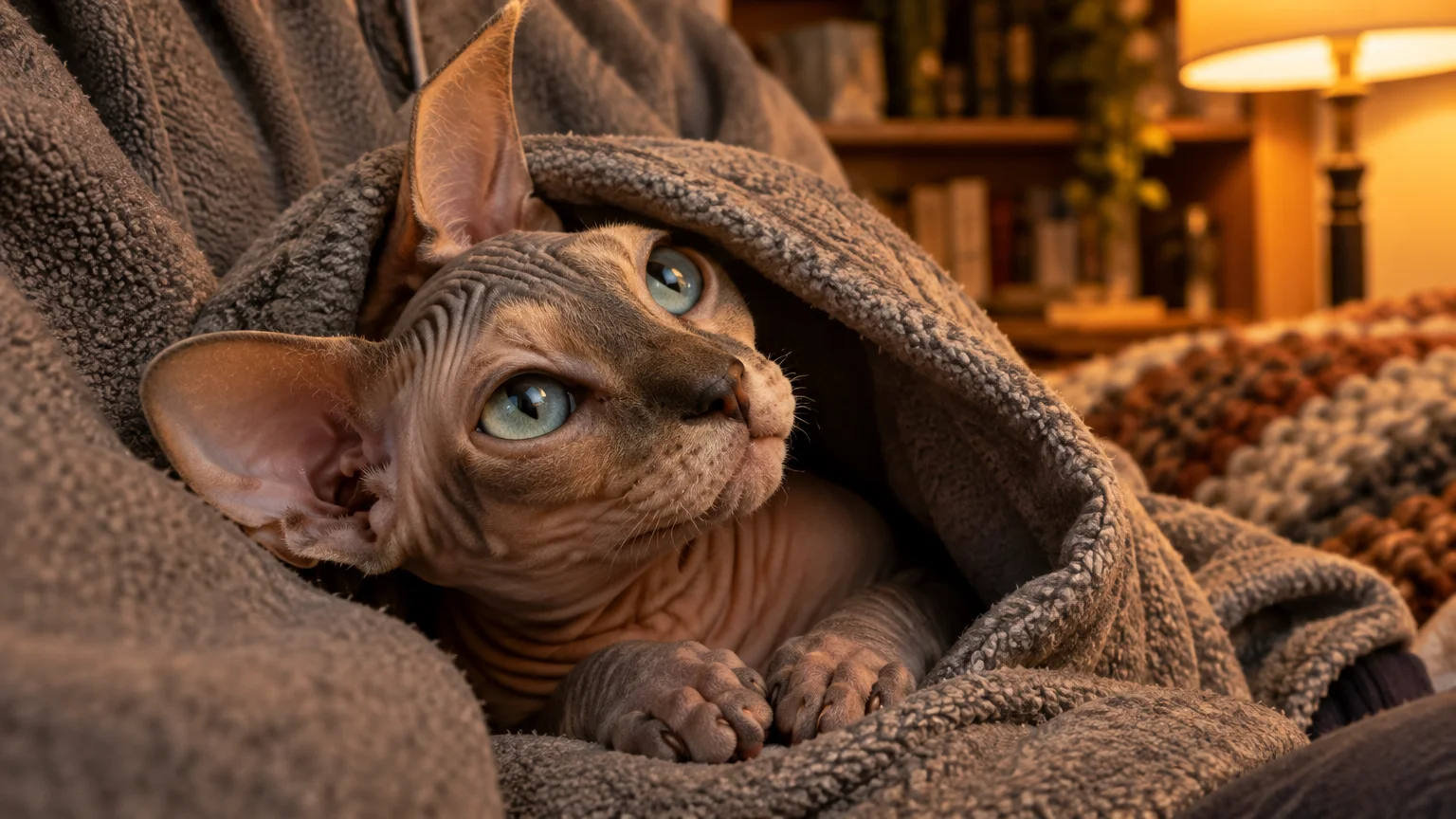
04 The Sphynx
The hairless Sphynx functions as an affectionate, living hot water bottle that craves your body heat. Their lack of a protective insulating coat drives them to seek close physical proximity constantly.
Whenever you sit on a sofa, a Sphynx will immediately burrow under your legs or climb inside your fleece jacket. Their soft, suede-like skin radiates warmth directly against you, creating an intensely comforting cuddle experience.
The The International Cat Association highlights the Sphynx for its lively, acrobatic nature and people-oriented focus. They welcome visitors at the door with energetic tail wags and enthusiastic rubbings against ankles.
You must maintain a regular care routine to keep your Sphynx comfortable and healthy. Weekly sponge baths remove natural skin oils that would normally absorb into a traditional feline coat.
Their high metabolism means they consume more food than typical coated breeds to maintain body temperature. Fuel that active metabolism with high-quality protein to support their energetic, heat-seeking snuggles.
05 The Siamese
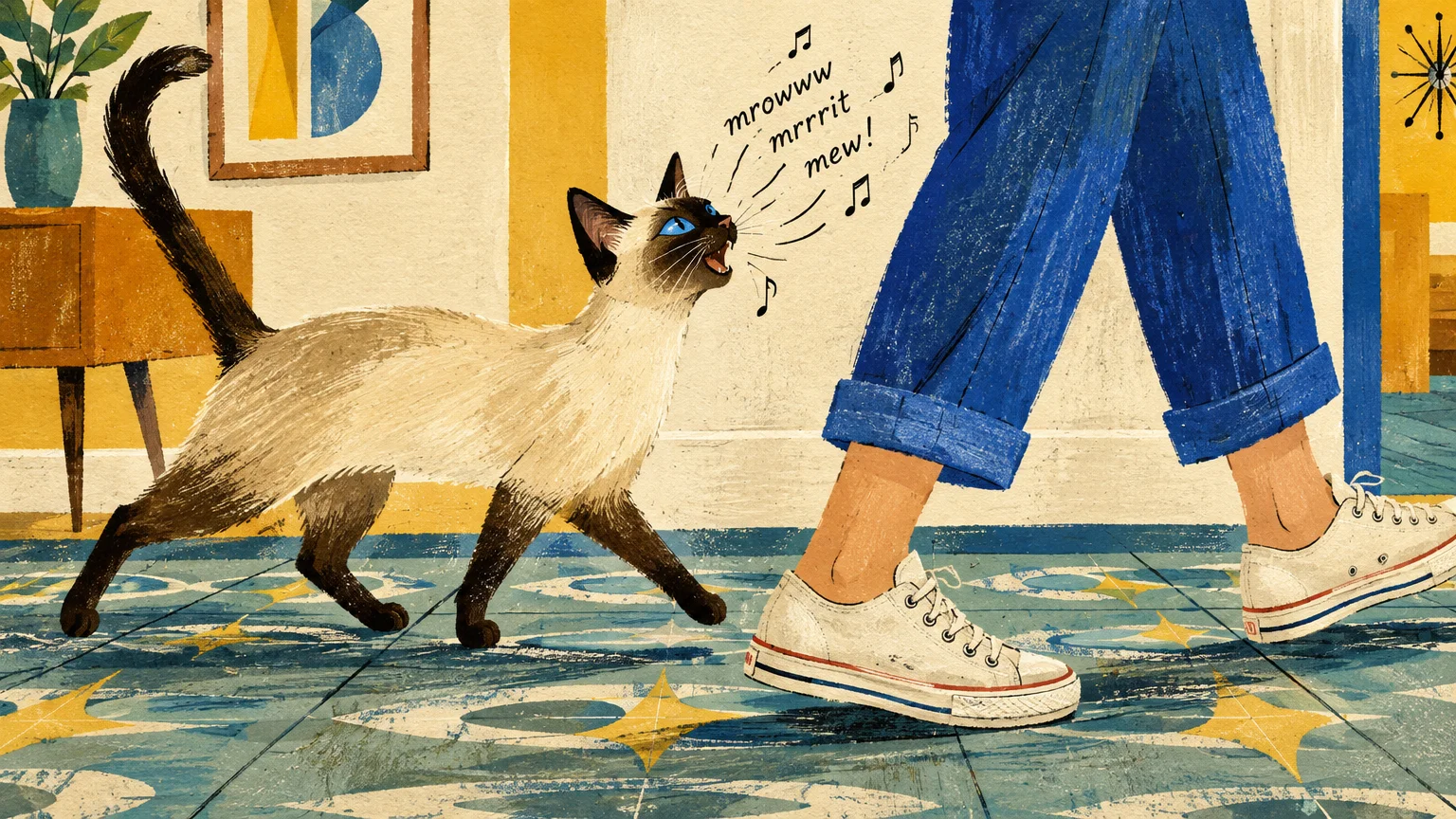
Siamese cats bring legendary devotion and vocal expressiveness to your household. They form deep, singular attachments to their owners and insist on participating in every conversation.
You will never wonder what your Siamese thinks because they communicate through distinctive, raspy vocalizations. They vocalize to ask for lap space, request food, or simply discuss your day with you.
This ancient breed treats fetch games with serious enthusiasm. Toss a crumpled paper ball or small mouse toy across the room, and your Siamese will retrieve it repeatedly.
Their sleek, athletic builds allow them to jump effortlessly onto your chest while you recline. Once settled, they will purr loudly while rhythmically kneading your lap with their front paws.
Because Siamese cats thrive on mental stimulation, interactive puzzle toys keep them engaged while you work. After exercising their agile minds, they happily settle into your lap for hours of deep rest.
06 The Abyssinian
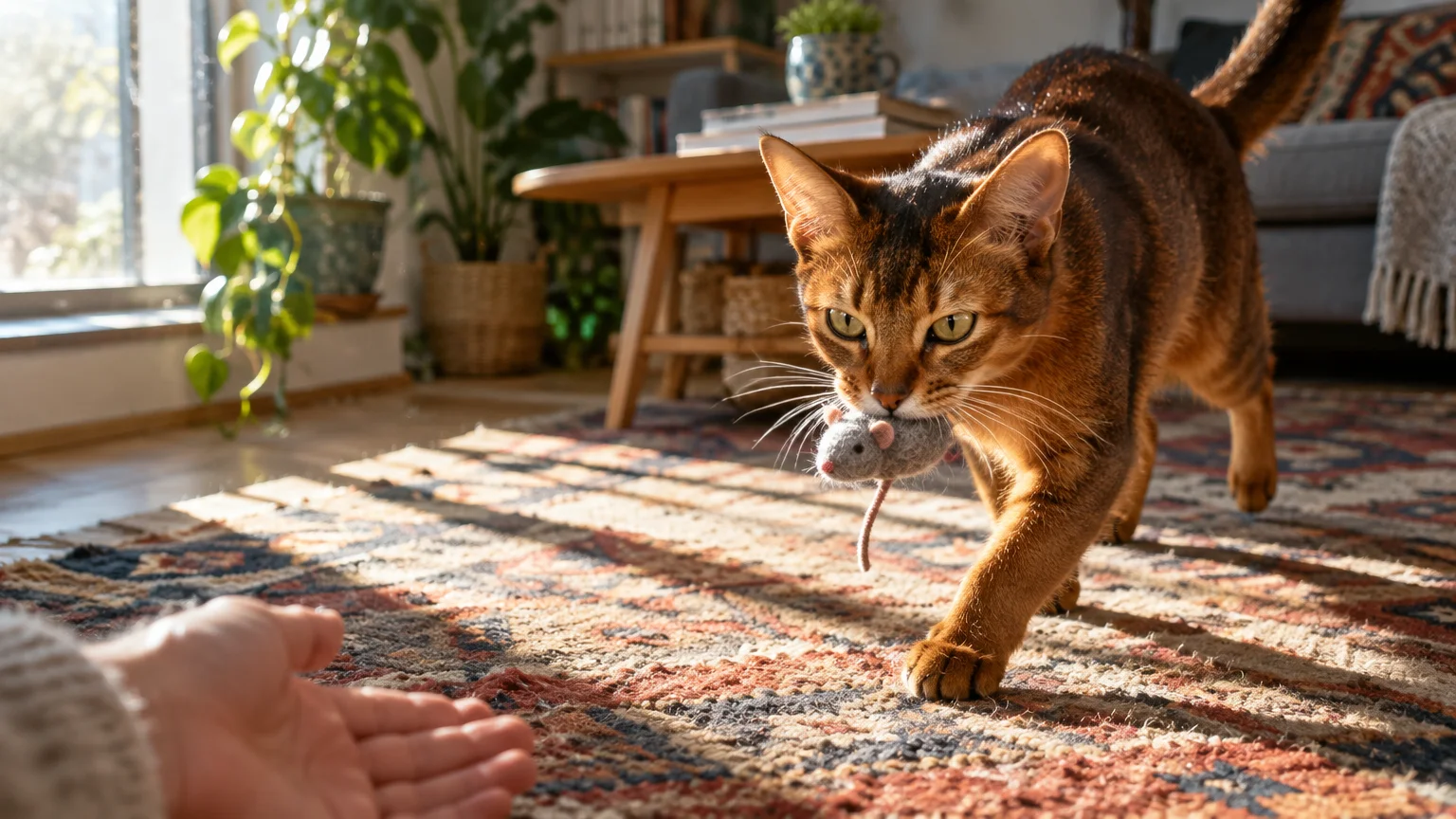
Abyssinians resemble miniature wild cougars, but their temperaments lean entirely toward loyal companionship. They approach household life with the curiosity, boundless energy, and team spirit of an active hunting terrier.
While an Abyssinian will not sit motionless on your lap for hours on end, they express love through constant proximity. They will drape themselves across your shoulders or perch on your thighs during your reading sessions.
You can teach an Abyssinian agility routines, clicker tricks, and retrieval games with minimal effort. Their sharp intellect and focus make them eager participants in daily obedience-style challenges.
When an Abyssinian decides it is time to rest, they collapse directly against you with sudden affection. They often nudge your hands with their foreheads, firmly demanding scratches behind their large, alert ears.
Their short, ticked coats shed very little, making coat maintenance straightforward and stress-free. A quick weekly brush with a rubber curry comb keeps their fur gleaming and clean.
07 The Birman
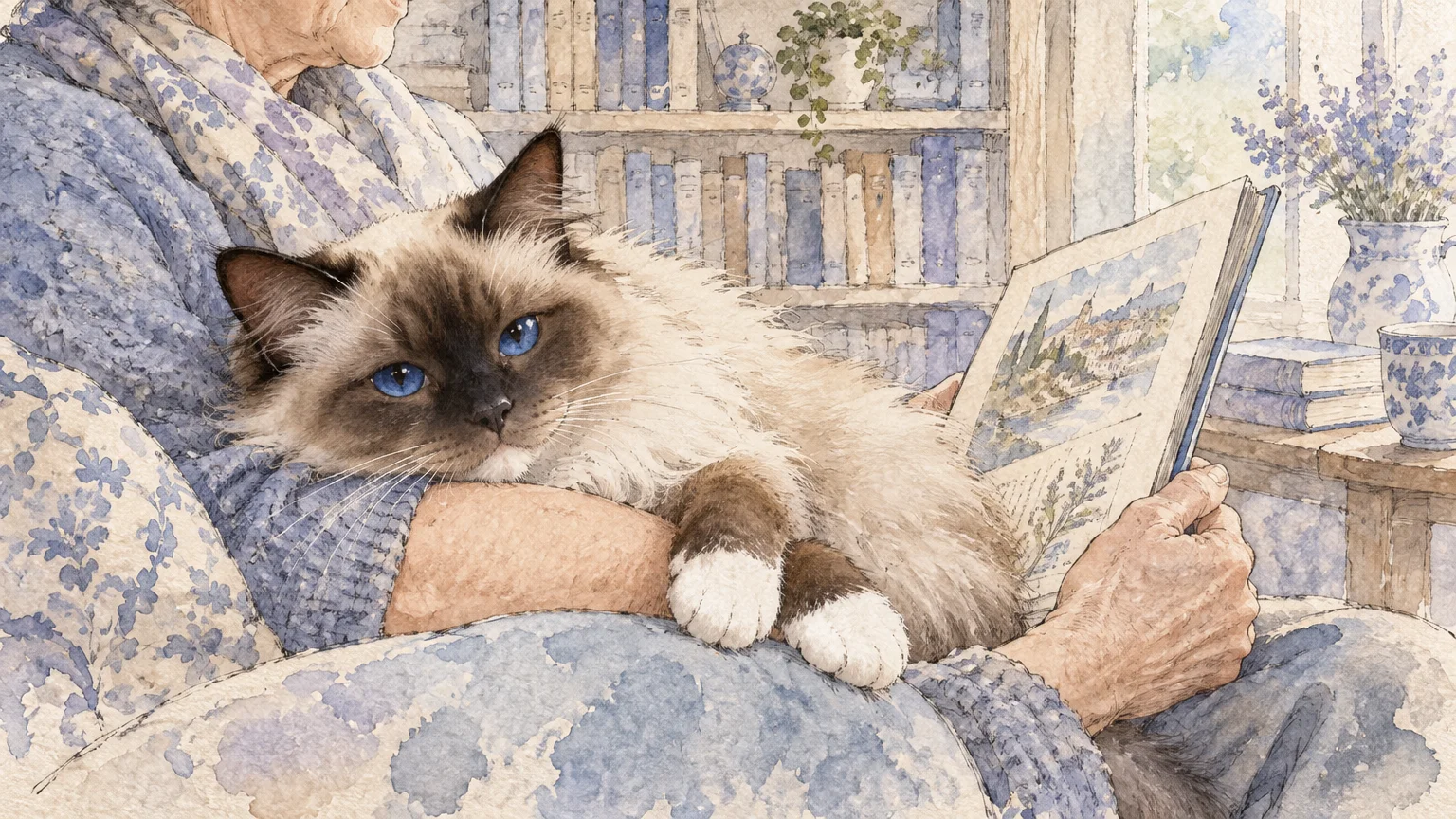
The Birman, often called the Sacred Cat of Burma, offers a tranquil and devoted presence. If you prefer quiet lap dogs like the Cavalier King Charles Spaniel, this breed will delight you.
Birmans possess soft, silky coats that resist matting, paired with striking blue eyes and pristine white paws. They move through your home with calm grace, rarely raising their gentle voices above a soft murmur.
You will appreciate their polite manners and sensitivity to your household emotional climate. When you experience stress, a Birman quietly climbs into your lap to offer steady, calming companionship.
They adapt exceptionally well to multi-pet homes, frequently forming close friendships with family dogs. Their non-aggressive disposition makes them patient playmates for respectful children who want a cuddly companion.
Keep your Birman engaged with soft teaser wands and low-impact games. After a brief play session, they will return straight to your lap for an uninterrupted evening snooze.
08 The Scottish Fold
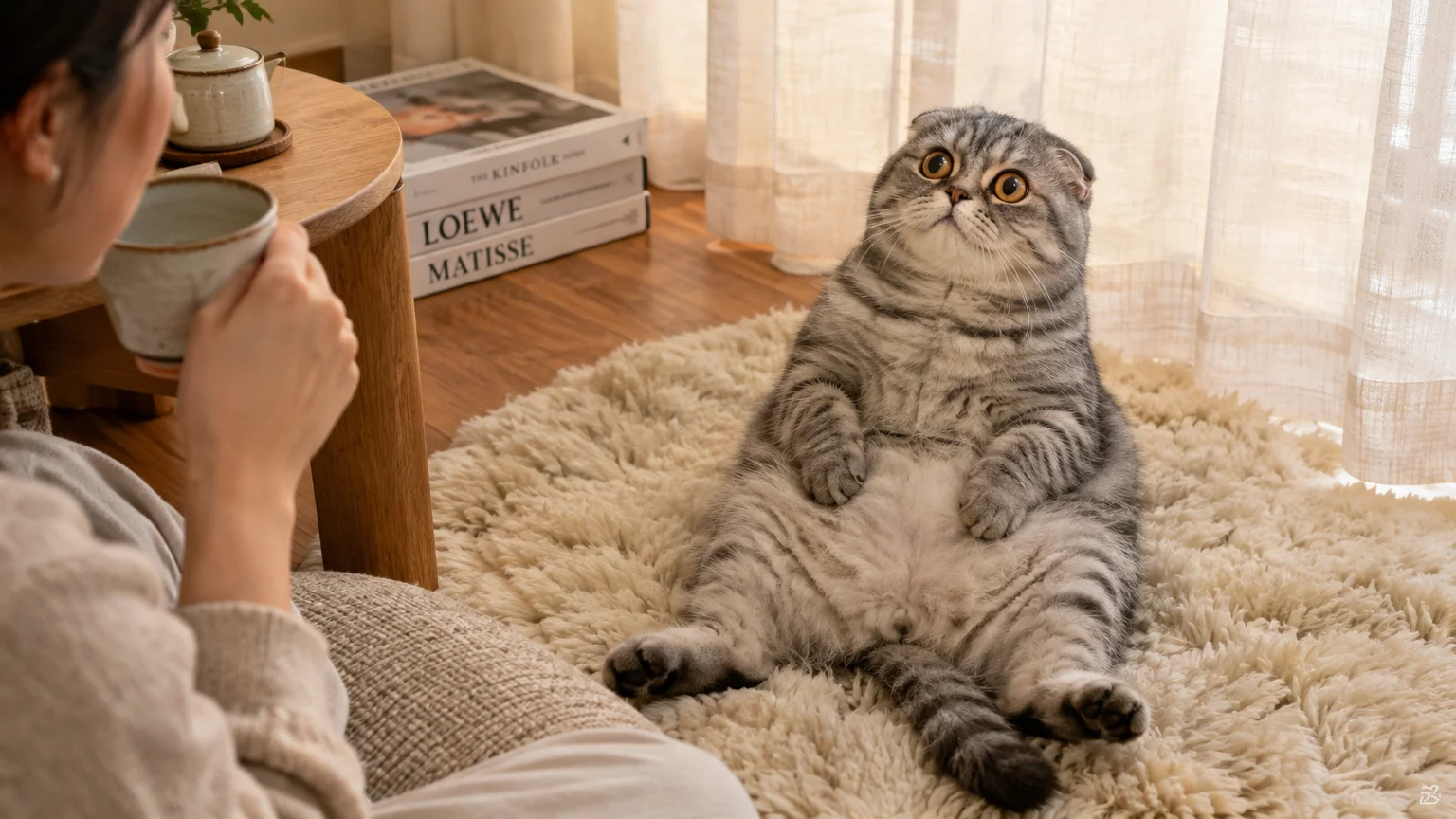
Recognizable by their folded ears and owl-like expressions, Scottish Folds display uniquely charming resting habits. They regularly sit upright on their hind legs in a “Buddha position” to groom their bellies or watch television.
Scottish Folds love human proximity and will quietly settle beside or directly on top of your knees. Their mellow temperaments make them ideal apartment companions for owners seeking quiet downtime.
Unlike aloof felines that hide when guests arrive, Scottish Folds generally observe visitors with calm interest. They rarely panic at routine noises and enjoy sitting amidst quiet family gatherings.
You should handle their unique tails with care and avoid bending stiff tail joints. Responsible breeders screen carefully for joint health to ensure these gentle felines remain comfortable throughout their lives.
Provide them with padded bedding near your favorite armchair. Your Scottish Fold will divide its time equally between that warm spot and the cozy comfort of your lap.
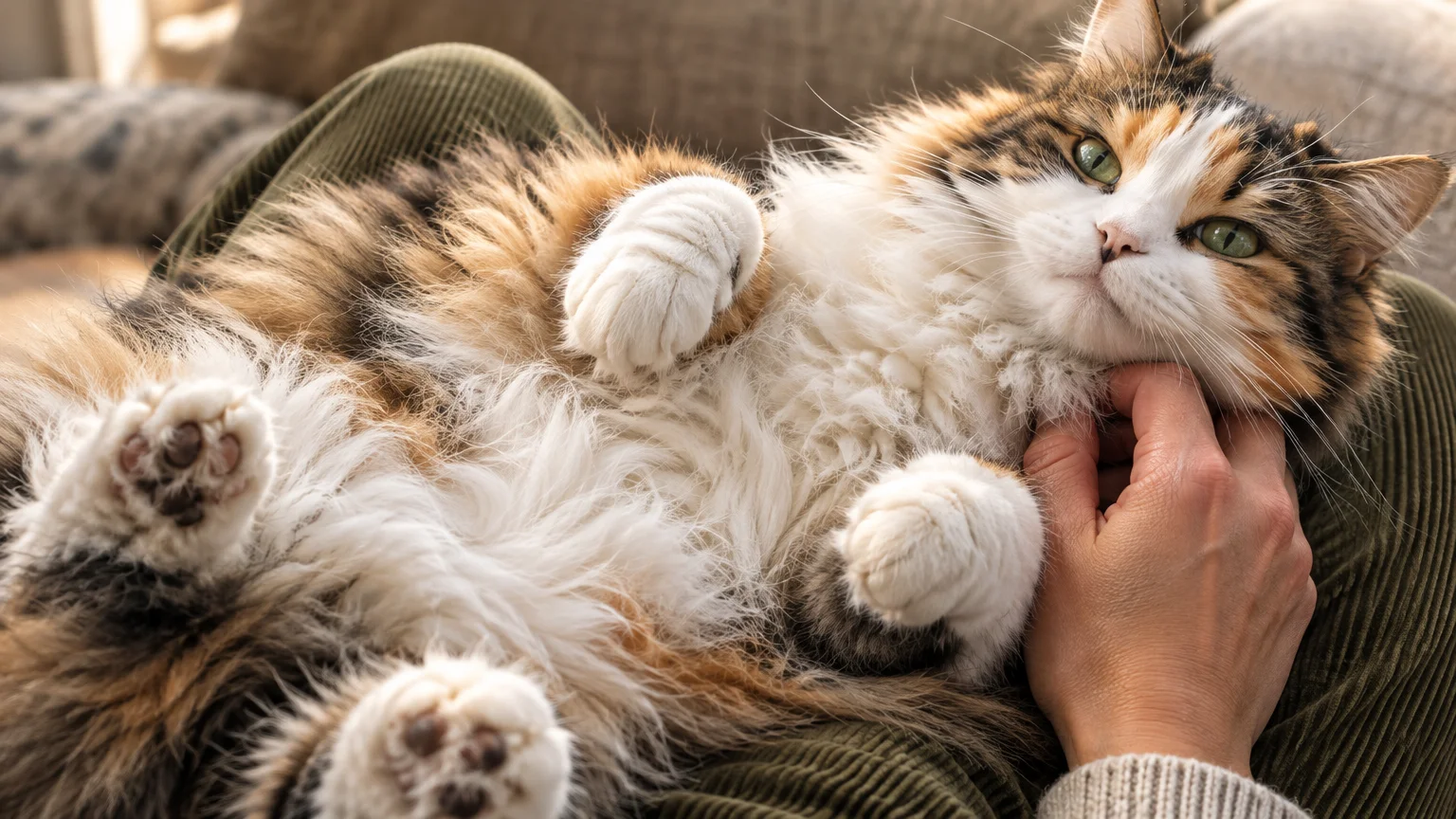
09 The Ragamuffin
The Ragamuffin developed as an offshoot of the Ragdoll breed, sharing that same famously limp, cuddly disposition. Breeders selected for rounded facial features, expressive walnut-shaped eyes, and sweet personalities.
These large, plush cats relish being held like infants in your arms. While many cats resent belly contact, a Ragamuffin often rolls onto its back to invite gentle stomach rubs.
You will find your Ragamuffin shadowing your steps around the house throughout the day. When you sit at a desk to work, expect this friendly giant to curl over your wrists or onto your lap.
They possess an exceptionally calm demeanor, making them wonderful therapy pets in quiet environments. Their patient nature helps them thrive in busy households with diverse pets and active family members.
Their dense, rabbit-soft fur requires combing a few times per week to prevent tangles. Use this regular grooming routine to check their skin health and reinforce your mutual emotional bond.
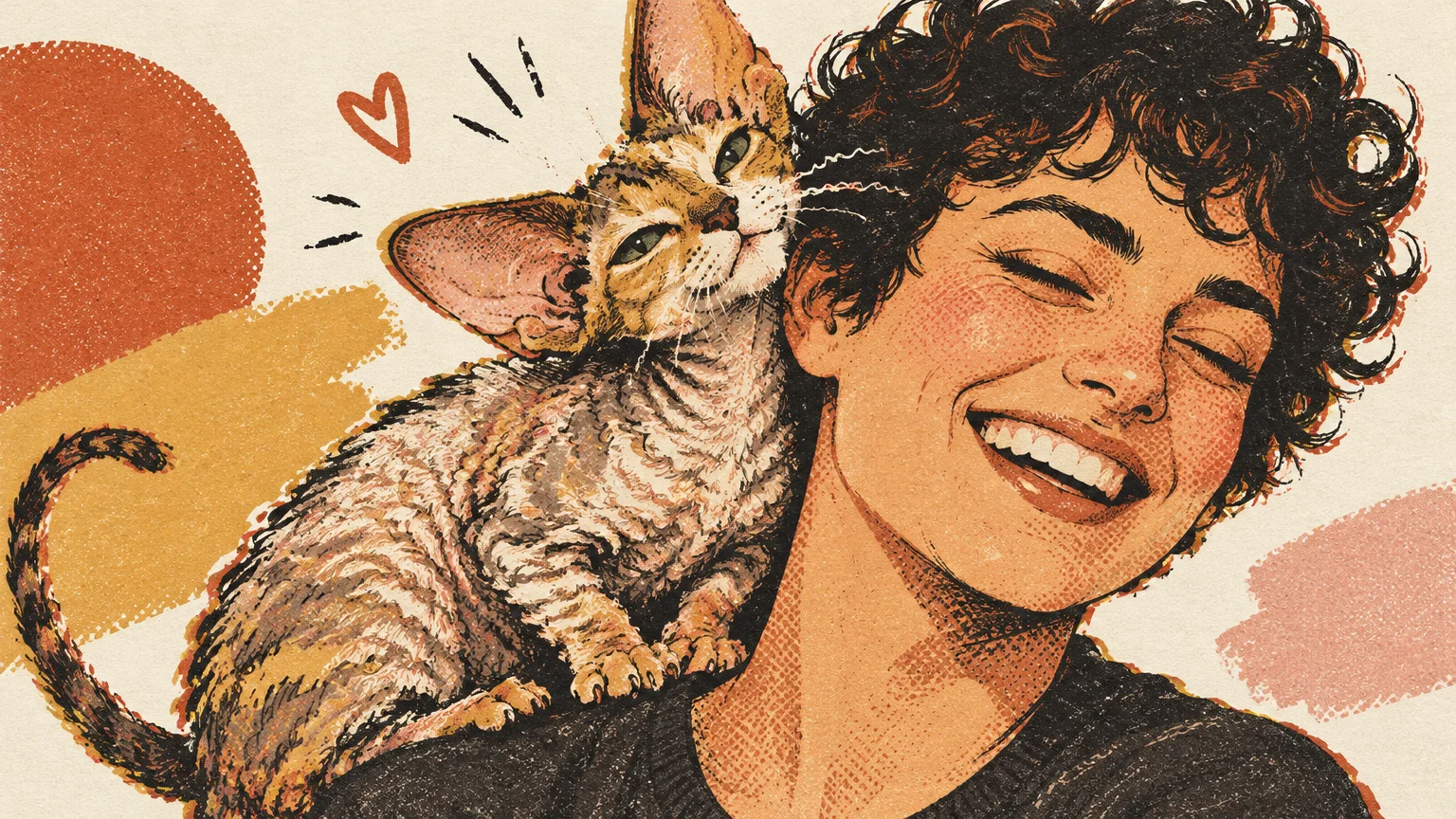
10 The Devon Rex
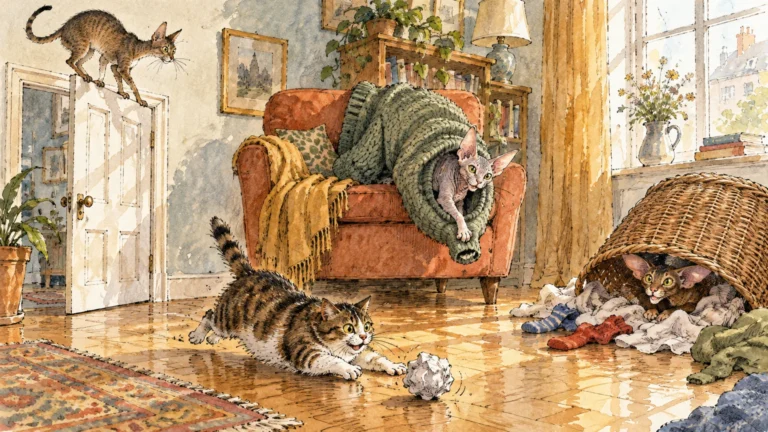
With oversized ears, mischievous cheekbones, and short, rippling curls, the Devon Rex looks like an enchanted creature. In behavior, however, this energetic cat acts remarkably like an affectionate toy poodle.
Devon Rex cats adore body warmth and frequently perch on human shoulders like feathered parrots. From that high vantage point, they will nuzzle your neck before sliding down into your lap to rest.
They display a silly, clownish sense of humor that keeps owners continuously entertained. You can easily train a Devon Rex to jump through soft hoops or retrieve thrown toys across living room rugs.
Their fine, fragile coat sheds minimally, which appeals to owners who dislike finding hair on their clothes. However, you must avoid harsh brushing because their delicate curls can break under heavy pressure.
Keep a soft fleece throw blanket on your lap while sitting down for the evening. Your Devon Rex will immediately burrow under the fabric to soak in your warmth until bedtime.
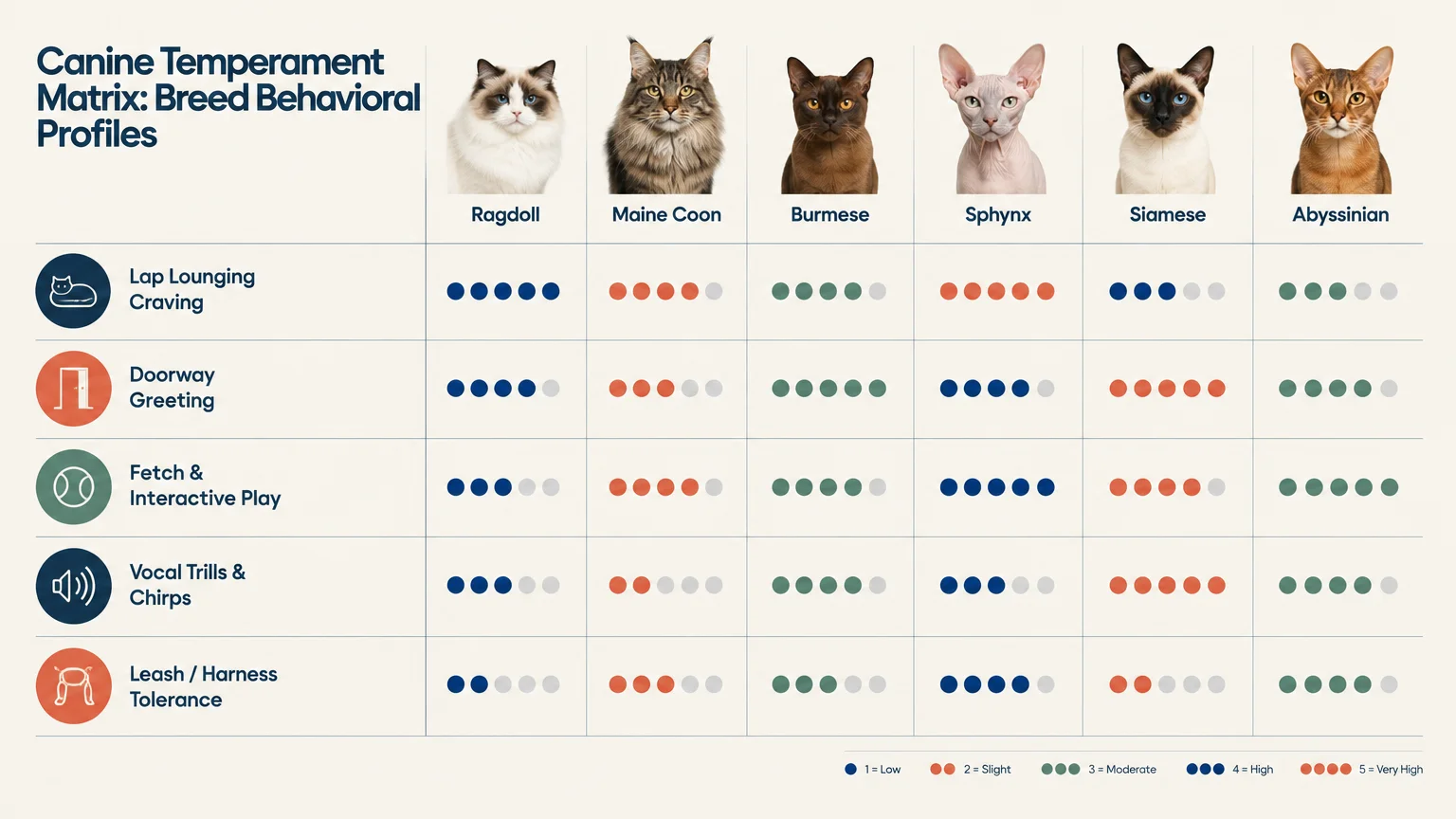
Comparing Lap Dog Traits Across Cat Breeds
Choosing the right companion requires matching a breed’s personality with your personal lifestyle and daily routine. Review this comparison to identify which dog-like cat breed aligns best with your expectations.
| Breed | Lap Attachment Level | Energy Level | Grooming Need | Signature Dog-Like Trait |
|---|---|---|---|---|
| Ragdoll | Very High | Low to Moderate | Moderate | Goes limp in arms; door greeter |
| Maine Coon | Moderate to High | Moderate | High | Enjoys fetch; leash trainable |
| Burmese | Extremely High | High | Low | Follows footsteps; vocal snuggler |
| Sphynx | Extremely High | High | Moderate (Bathing) | Seeks body heat; burrows under covers |
| Siamese | Very High | High | Low | Conversational meows; plays fetch |
| Abyssinian | Moderate | Very High | Low | Runs agility games; rides shoulders |
| Birman | High | Low | Moderate | Gentle, quiet lap-warmer |
| Scottish Fold | High | Low | Low to Moderate | Buddha pose; relaxed couch companion |
| Ragamuffin | Very High | Low to Moderate | Moderate | Loves belly rubs; infant-style cradle |
| Devon Rex | Very High | High | Low | Shoulder perching; playful clowning |
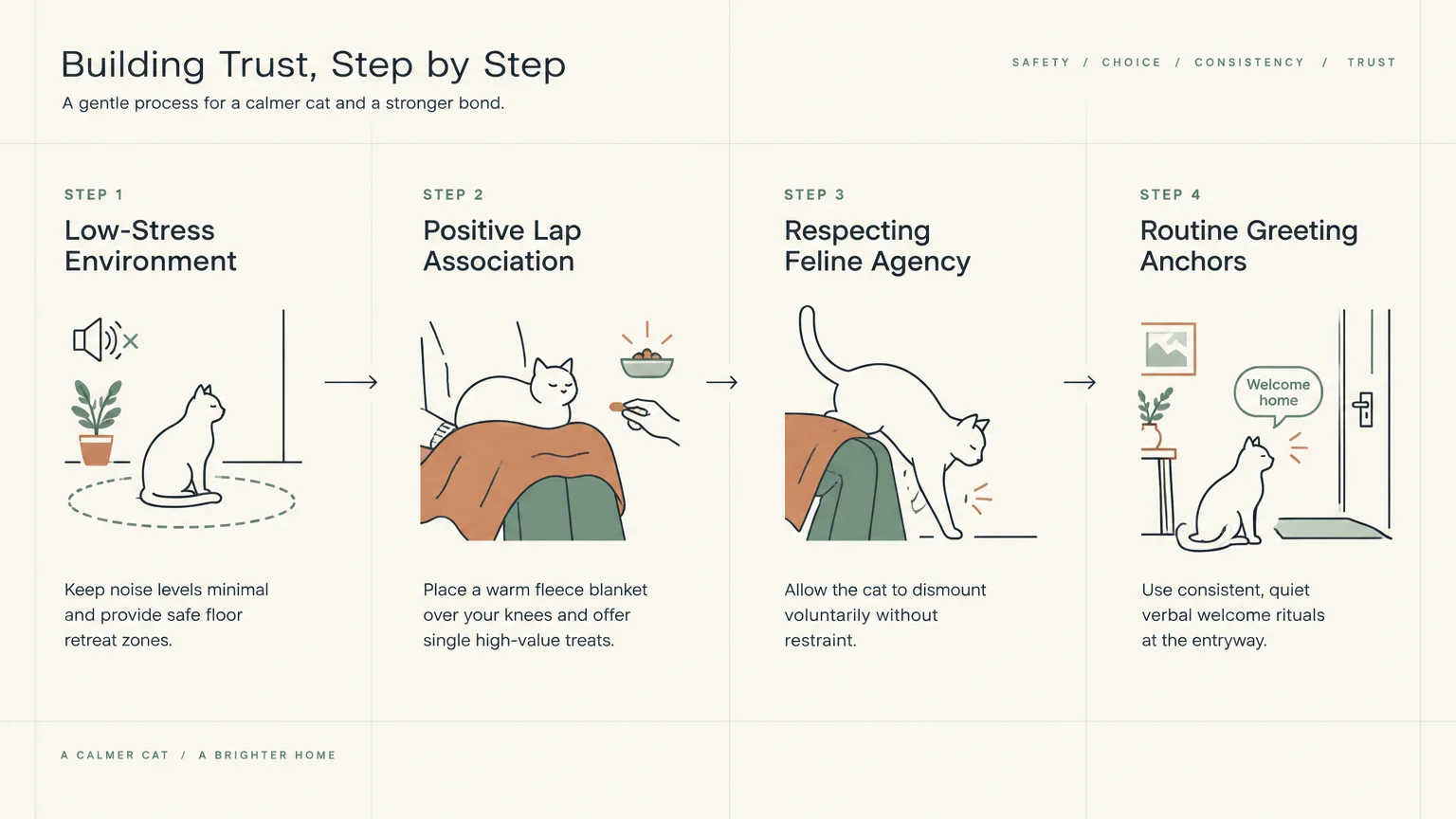
How to Foster Lap-Dog Behavior in Any Feline
Breed genetics provide a strong foundation, but your daily handling shapes your pet’s ultimate sociability. You can encourage lap lounging and canine-style loyalty using targeted positive reinforcement methods.
Never force a cat into your lap against their will. Restraining a reluctant feline creates negative associations with your lap that take weeks to reverse.
Implement these practical steps to build trust and encourage lap-dwelling habits:
- Use Scent Association: Place a worn t-shirt or soft blanket across your lap while watching television to attract your pet.
- Conduct Consent Tests: Extend one finger toward your cat’s nose and let them rub against you before you initiate petting.
- Reward Spontaneous Contact: Keep healthy treats nearby and immediately offer one whenever your cat chooses to step onto your legs.
- Schedule Interactive Play: Exhaust your cat’s predatory energy with a feather wand before sitting down to trigger their natural post-hunt rest cycle.
- Target Clicker Training: Reward your cat with a click and treat when they place both front paws onto your lap on cue.
Create a predictable daily routine so your cat anticipates when you sit down to relax. Cats love consistent schedules and will naturally show up for lap time at designated hours.
Pay close attention to your cat’s subtle body language while they rest on your thighs. Flicking tail tips, flattened ears, or skin rippling indicate sensory overload, signaling that you should stop petting.
Respecting these physical boundaries shows your pet that your lap remains a safe, predictable refuge. Over time, that mutual trust transforms even hesitant felines into committed lap companions.
Things to Watch Out For
Welcoming a clingy, dog-like cat into your home brings unique lifestyle considerations that require preparation. Understanding these challenges helps you create a harmonious household environment.
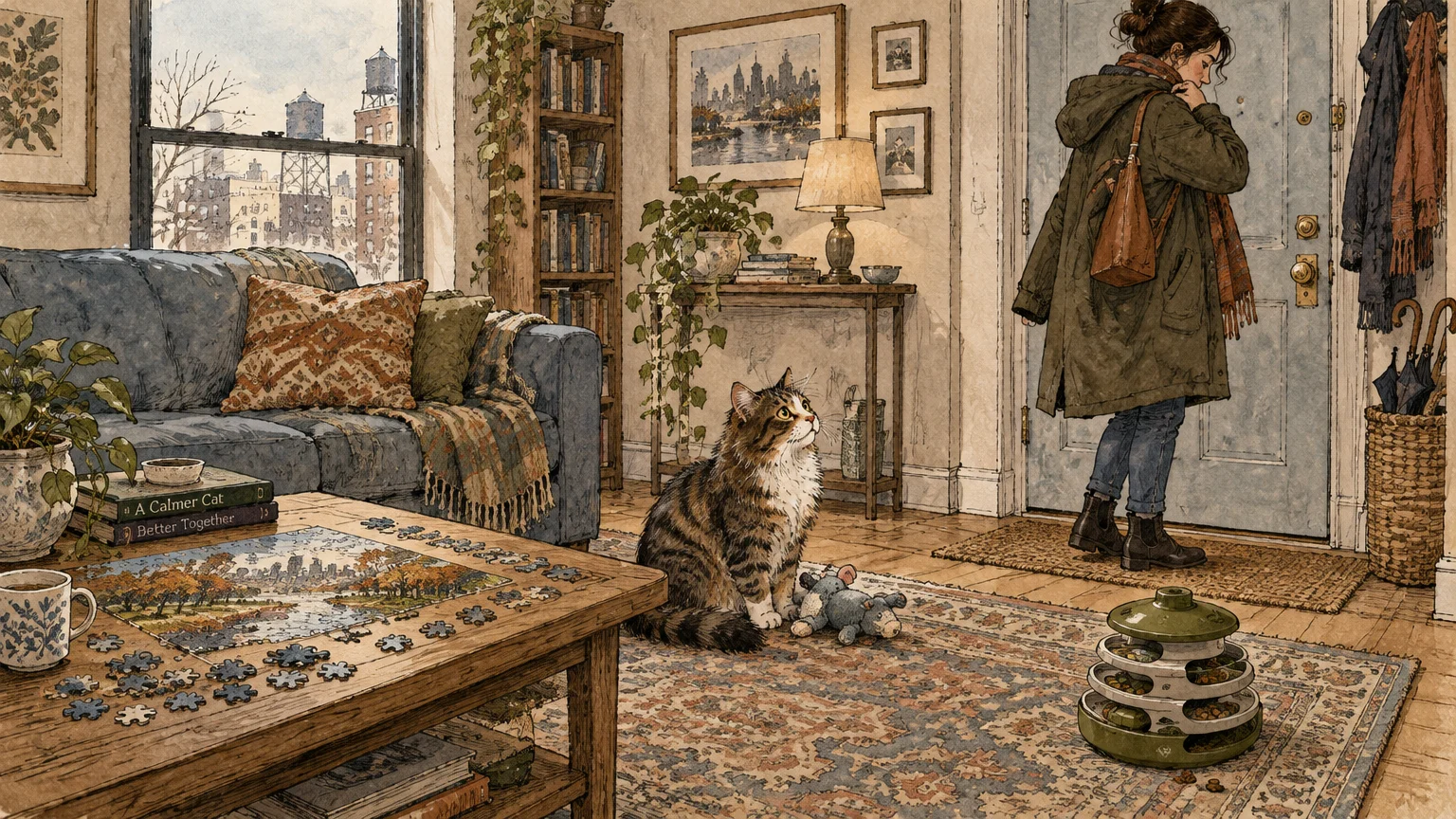
High-attachment breeds can develop acute separation anxiety if you leave them isolated for extended periods. Watch for distress signs such as inappropriate elimination, excessive vocalization, or destructive scratching near doors.
Because these cats follow closely behind your ankles, they present real tripping hazards in hallways and stairwells. Stay mindful of your footing, especially when carrying groceries, laundry baskets, or hot beverages.
Ensure that all household members understand how to support a clingy cat’s emotional health. Providing dedicated vertical scratching posts and interactive puzzle feeders prevents bored felines from developing attention-seeking bad habits.
The American Veterinary Medical Association recommends regular wellness exams to detect early signs of stress-related behavioral changes. Consistent medical oversight ensures that sudden clinginess or sudden withdrawal receives prompt veterinary attention.
Frequently Asked Questions
Can you train an adult cat to become a lap cat?
You can encourage lap behavior in adult cats by creating calm environments, using high-value treats, and never forcing physical restraint. While progress takes patience, adult rescues often become deeply affectionate once they feel completely secure.
Do male cats cuddle more than female cats?
Many veterinarians and shelters observe that neutered male cats often display slightly more relaxed, lap-oriented temperaments than females. However, individual personality, breed genetics, and early socialization matter far more than biological sex.
Why does my cat follow me from room to room like a dog?
Cats view you as their secure base, primary provider, and companion. Breeds with dog-like tendencies shadow you because they genuinely enjoy your company, find comfort in your scent, and seek interactive engagement.
Are affectionate cats prone to separation anxiety?
Yes, highly social breeds like the Burmese, Siamese, and Sphynx struggle when left alone for long hours. You can mitigate this anxiety by maintaining strict daily routines, offering puzzle feeders, or adopting a bonded pair.
Embrace Your Feline Lap Companion
Selecting a cat breed that mirrors canine affection gives you the best aspects of both animal worlds. You gain a devoted partner who greets you warmly, plays enthusiastically, and purrs softly on your lap each evening.
Assess your daily schedule, energy level, and grooming tolerance to find the perfect feline match for your home. With patience, consistent routines, and gentle affection, your new companion will reward you with years of devoted warmth.
The information here is meant for educational purposes. Specific circumstances—including health conditions, finances, location, and goals—may require different approaches.
When in doubt, consult a licensed professional or check official sources directly.
Last updated: October 2026. Rules, prices, and details change—verify current information with official sources before acting on it.