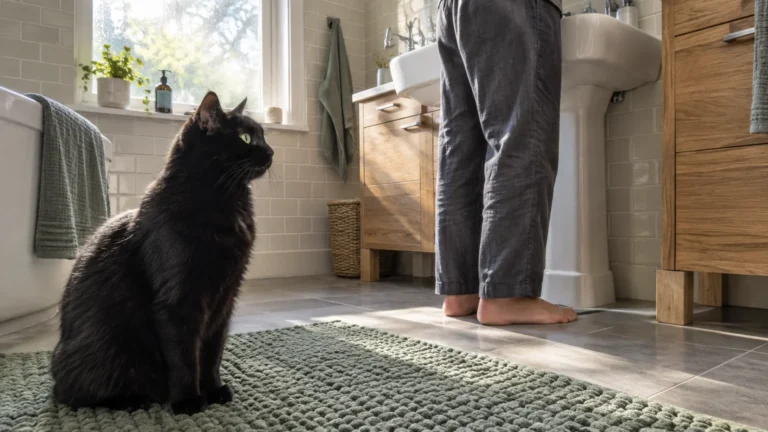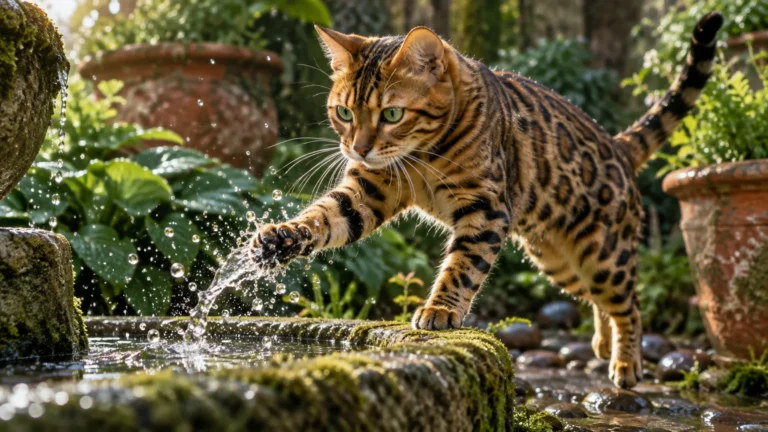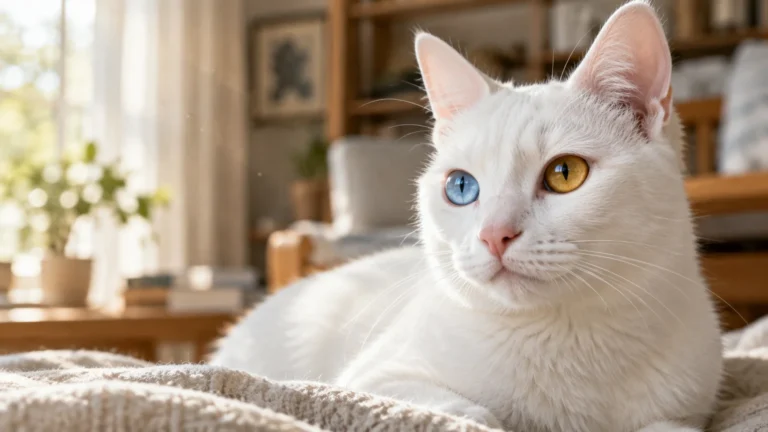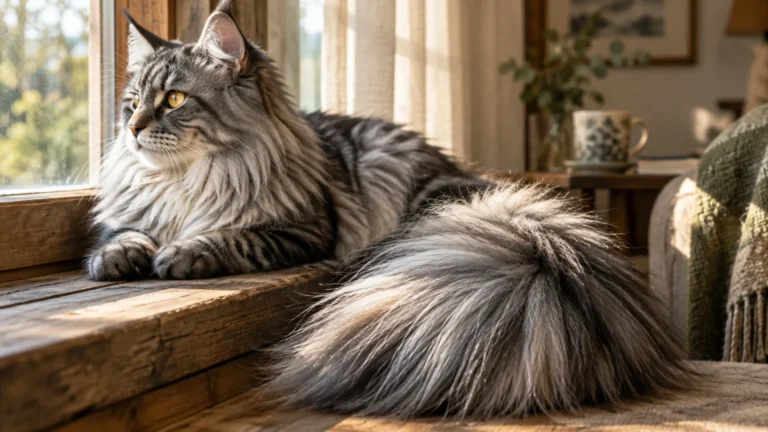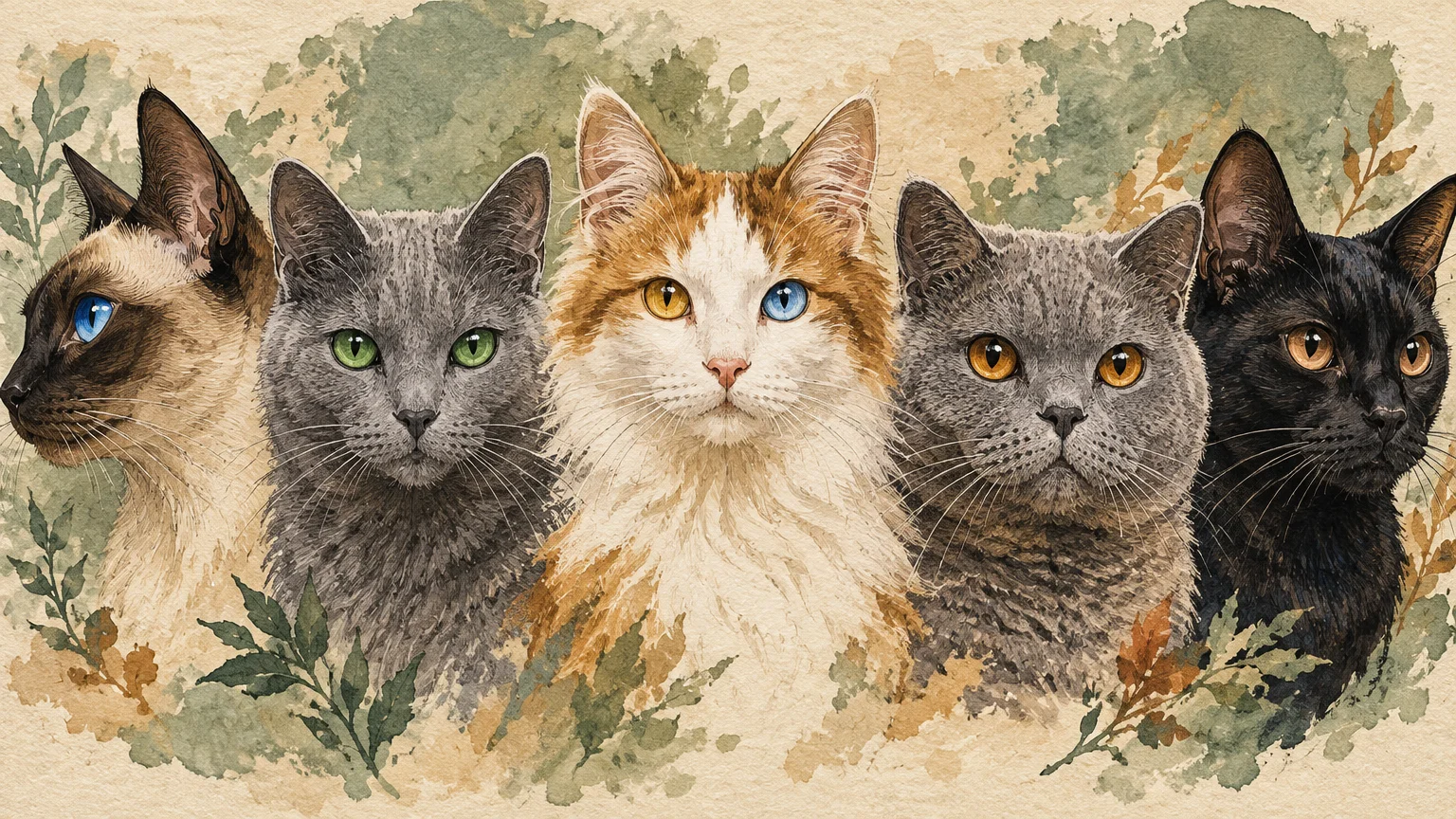
A cat’s gaze can captivate you instantly, shifting from deep sapphire to luminous copper under soft sunlight. These striking hues emerge from precise genetic traits that govern pigment distribution across the feline iris.
While all domestic kittens start life with baby blue eyes, mature shades change dramatically as pigment cells develop. Certain pedigree lineages consistently produce the most intense greens, ambers, and mesmerizing mixed tones in the animal world.
Explore the top ten cat breeds with colorful eyes to discover the fascinating genetics behind their hypnotic stares.
The Science Behind Cat Eye Colors
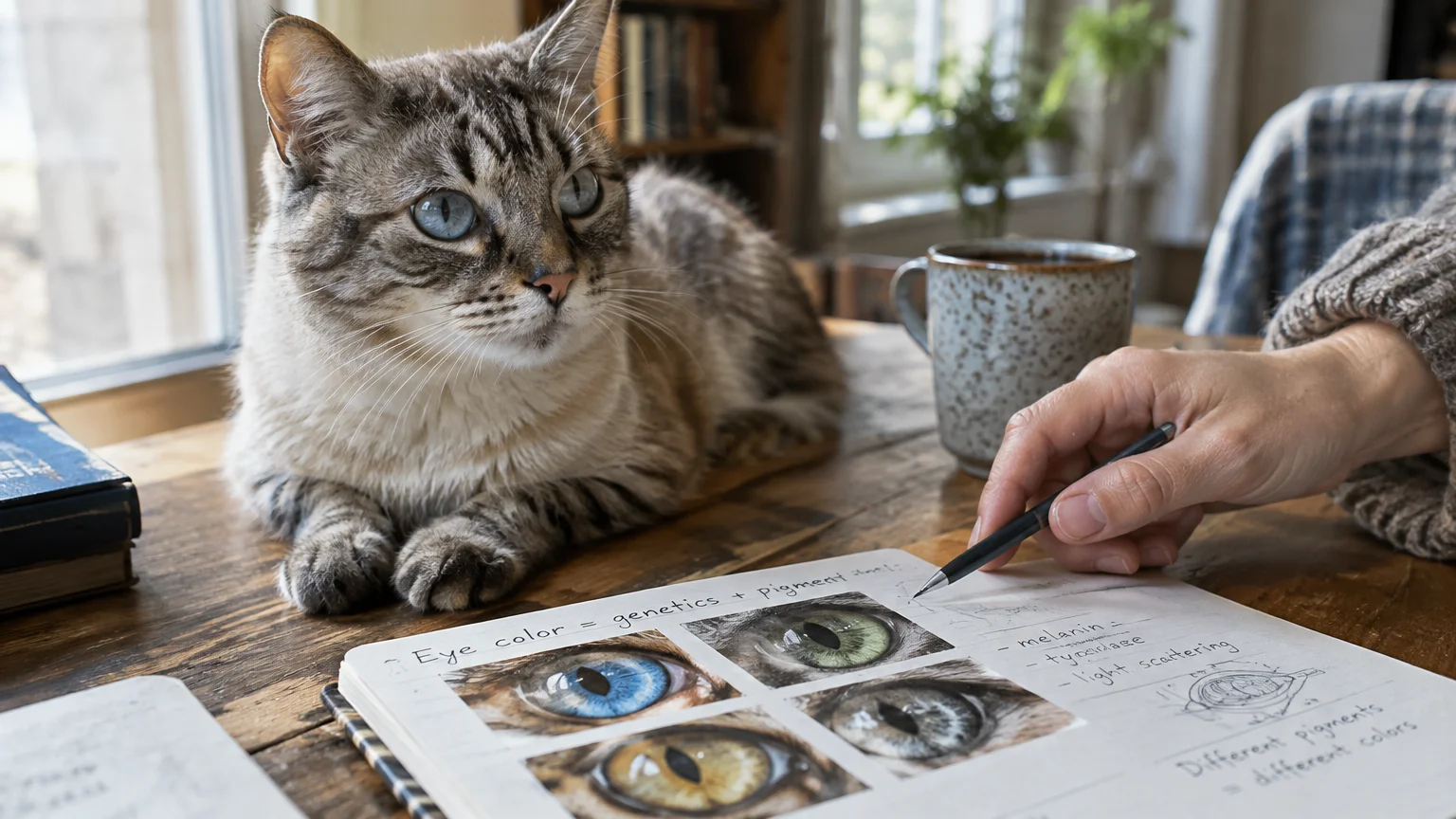
Feline eye color comes from two primary factors: iris pigmentation and light refraction. Melanocyte cells in the iris stroma produce melanin, which creates shades of yellow, hazel, green, and deep copper.
Cats with zero melanin in their irises reflect clear light through the eye structure, creating the illusion of vivid blue. As light passes through the transparent ocular medium, shorter blue wavelengths scatter back outward.
Structural color also plays a crucial role in feline vision. The reflective tapetum lucidum behind the retina bounces light back through photoreceptors, amplifying night vision while making eyes glow in dim settings.
According to the Cornell Feline Health Center, genetics determine the exact density of these pigment-producing cells before birth. Higher melanin concentrations produce richer amber and copper tones, while low concentrations create subtle green hues.
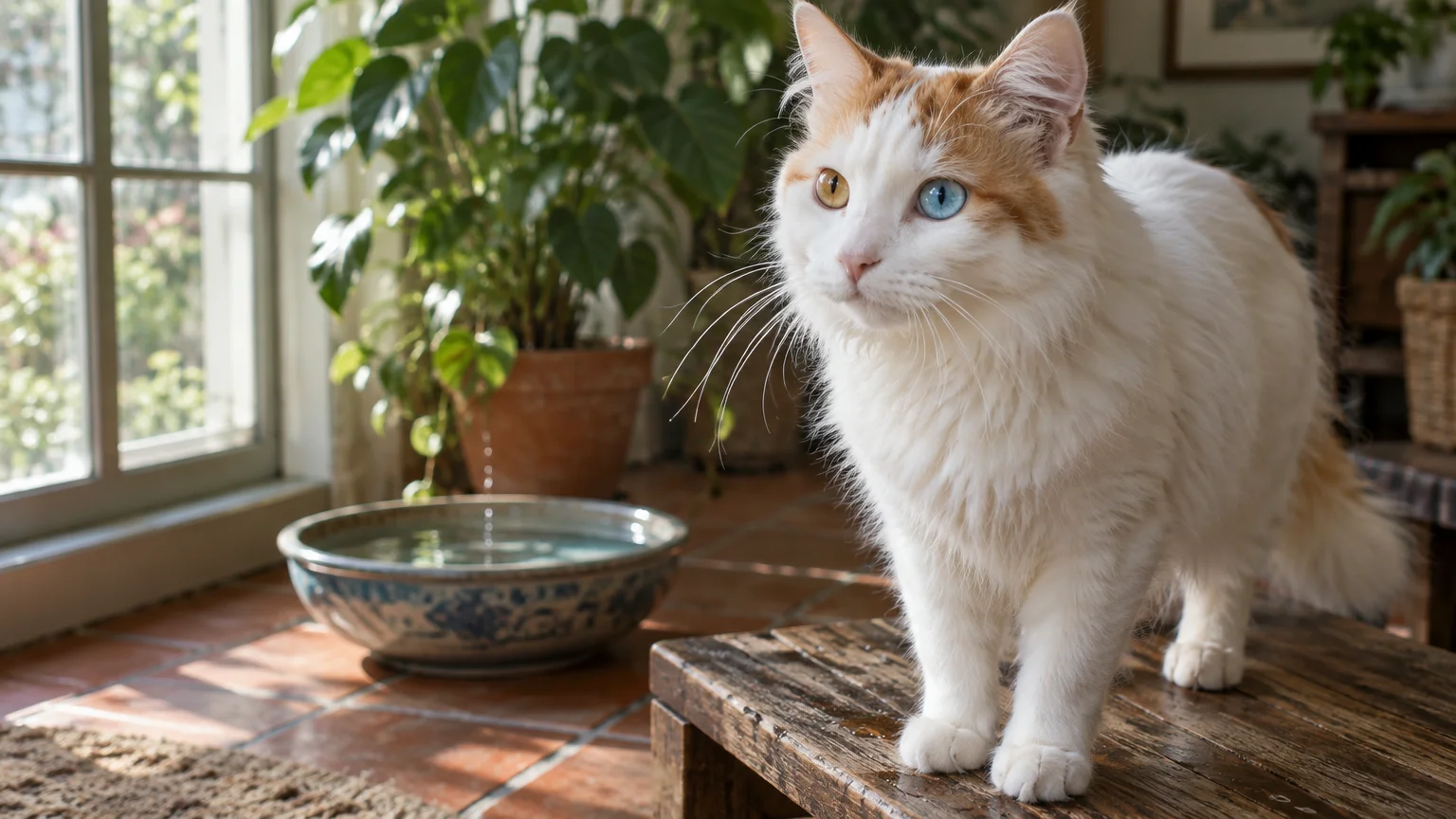
01 Turkish Van: Amber and Blue Odd Eyes
Originating near Lake Van in eastern Turkey, the Turkish Van is famous for its semi-longhair coat and striking gaze. This natural landrace breed frequently displays heterochromia, giving individual cats one blue eye and one amber eye.
The dominant white gene suppresses melanin migration into one iris during early embryonic development. As a result, one eye retains structural blue refraction while the other fills with warm amber pigment.
Their chalk-white bodies and auburn head markings frame these mismatched jewel tones with dramatic elegance.
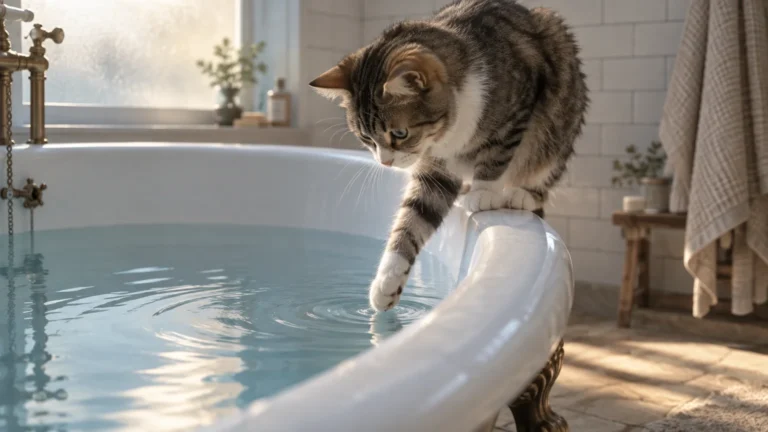
If you bring a Turkish Van into your home, expect an energetic swimmer that enjoys splashing in fresh water. Their striking amber and blue gaze stays curious and alert throughout their lives.
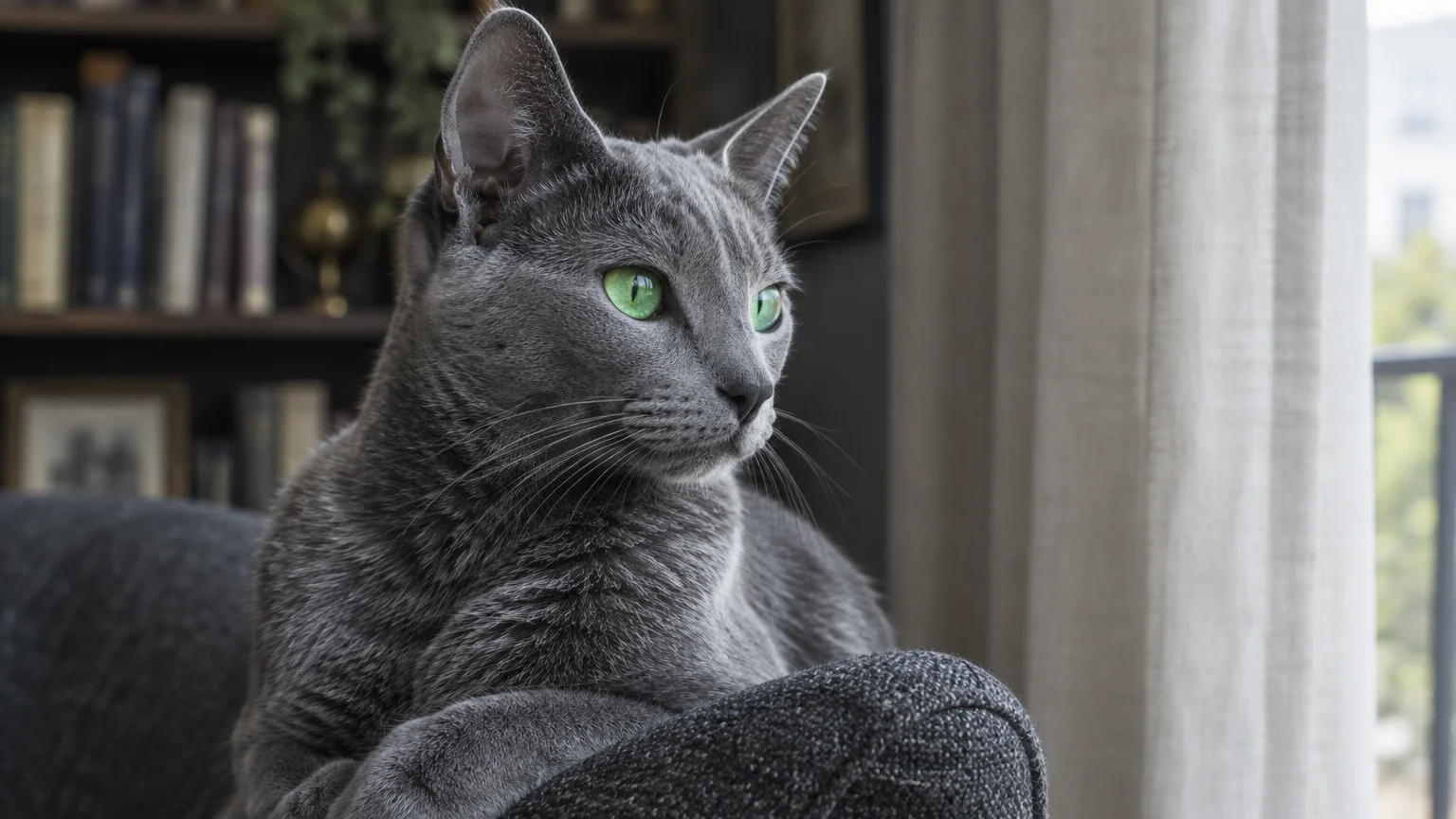
02 Russian Blue: Luminous Emerald Green
The Russian Blue pairs a shimmering, silver-tipped blue coat with piercing emerald green eyes. This breed boasts one of the most uniform eye colors in the entire domestic cat fancy.
Kittens enter the world with soft yellow eyes that gradually transition into vivid green by four months of age. By adulthood, their irises settle into an intense, vivid green that lacks any yellow or hazel flecks.
The contrast between their plush slate fur and glowing green irises gives them an unmistakable, aristocratic appearance.
Their calm demeanor and quiet disposition make their emerald gaze even more captivating during quiet indoor moments. These gentle cats form profound attachments to their human families while remaining reserved around unfamiliar visitors.
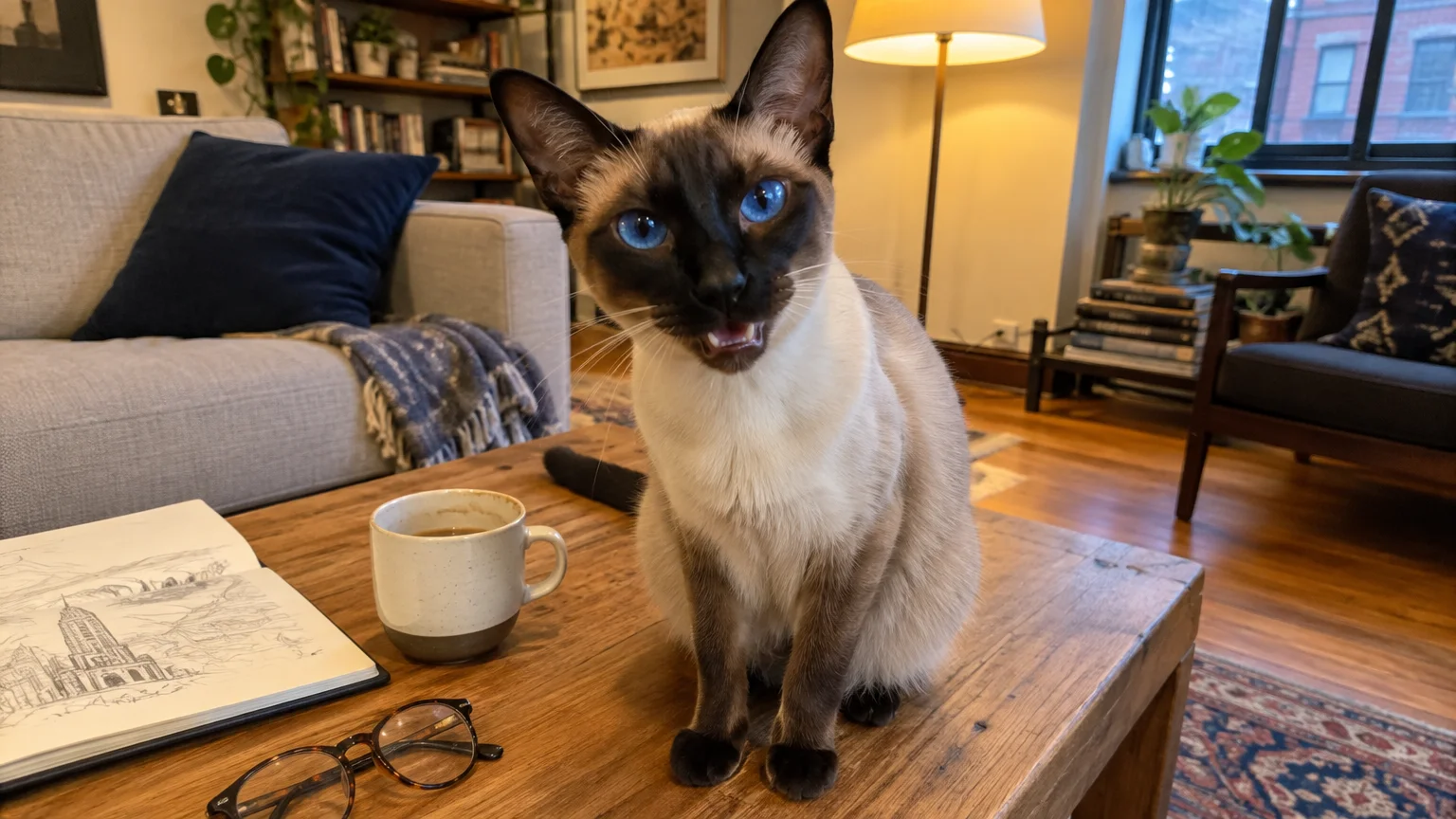
03 Siamese: Deep Sapphire Blue
Few felines are as instantly recognizable as the Siamese, celebrated for its sleek silhouette and vivid blue eyes. Breed standards emphasize a deep, striking sapphire hue that looks brilliant in bright lighting.
Their blue gaze stems from a temperature-sensitive form of albinism known as the Himalayan gene mutation. This genetic quirk prevents melanin from forming across warm core areas, leaving the irises completely pigment-free.
Light scatters through the clear ocular stroma, generating the radiant blue shade that defines this ancient Asian breed.
Siamese cats communicate constantly with their owners, matching their vocal personalities with their piercing blue stare. You will always know what your Siamese companion desires, from mealtime requests to affectionate lap sessions.
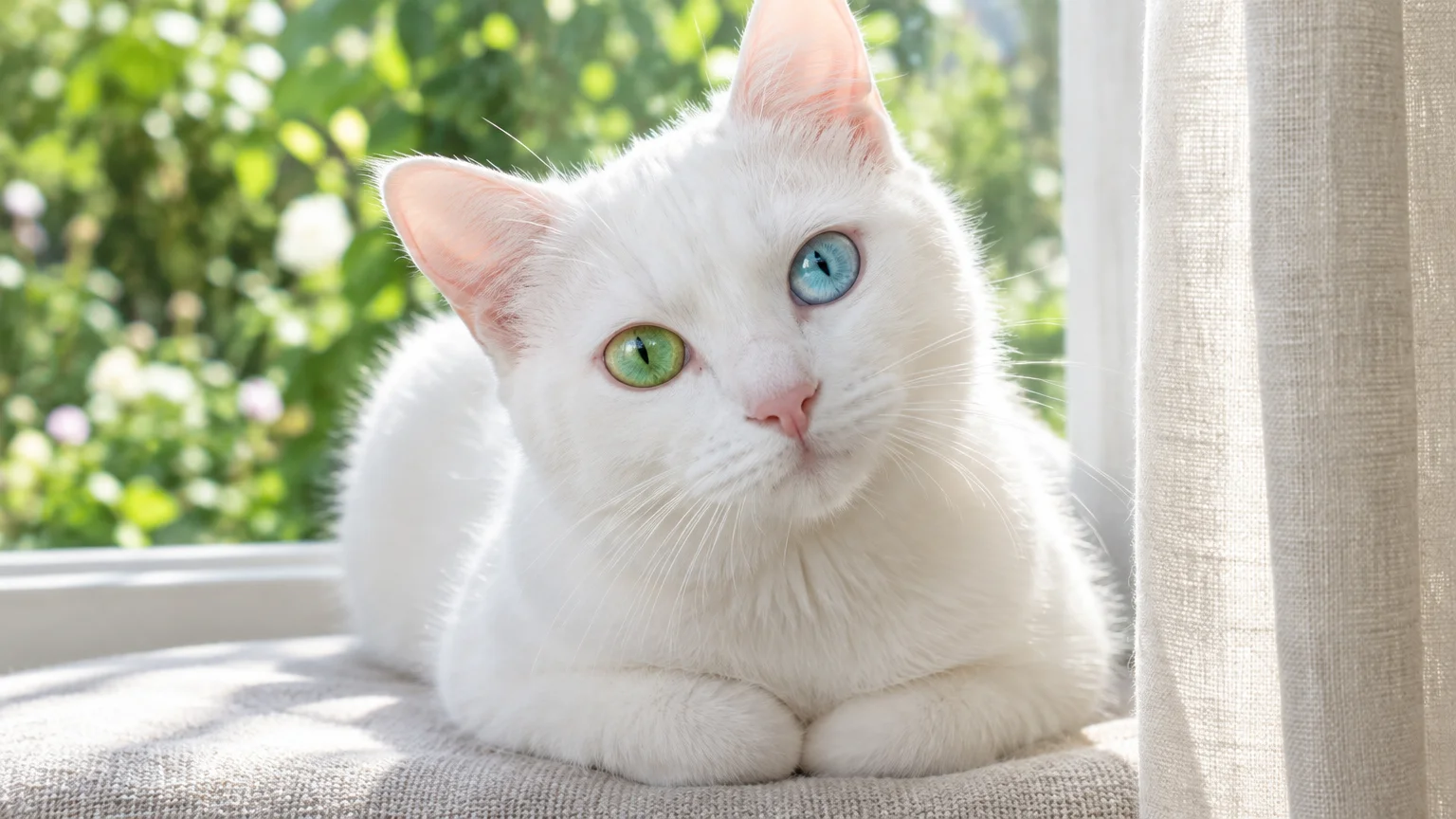
04 Khao Manee: The Jewel-Eyed Wonder
Known in its native Thailand as the “White Gem,” the Khao Manee represents one of the world’s most unique cat breeds. For centuries, Thai royalty prized these pure white cats as sacred bringers of prosperity.
While some individuals carry matching blue or yellow eyes, the odd-eyed variation remains the most celebrated standard. These cats showcase one brilliant sapphire blue eye paired with a glittering gold or soft green iris.
Their smooth white coats maximize the luminous contrast of these mismatched, gem-like ocular shades.
This playful Thai breed craves active interaction and loves exploring household heights. Their rare odd-eyed gaze reflects their inquisitive nature, making them engaging and affectionate animal companions.
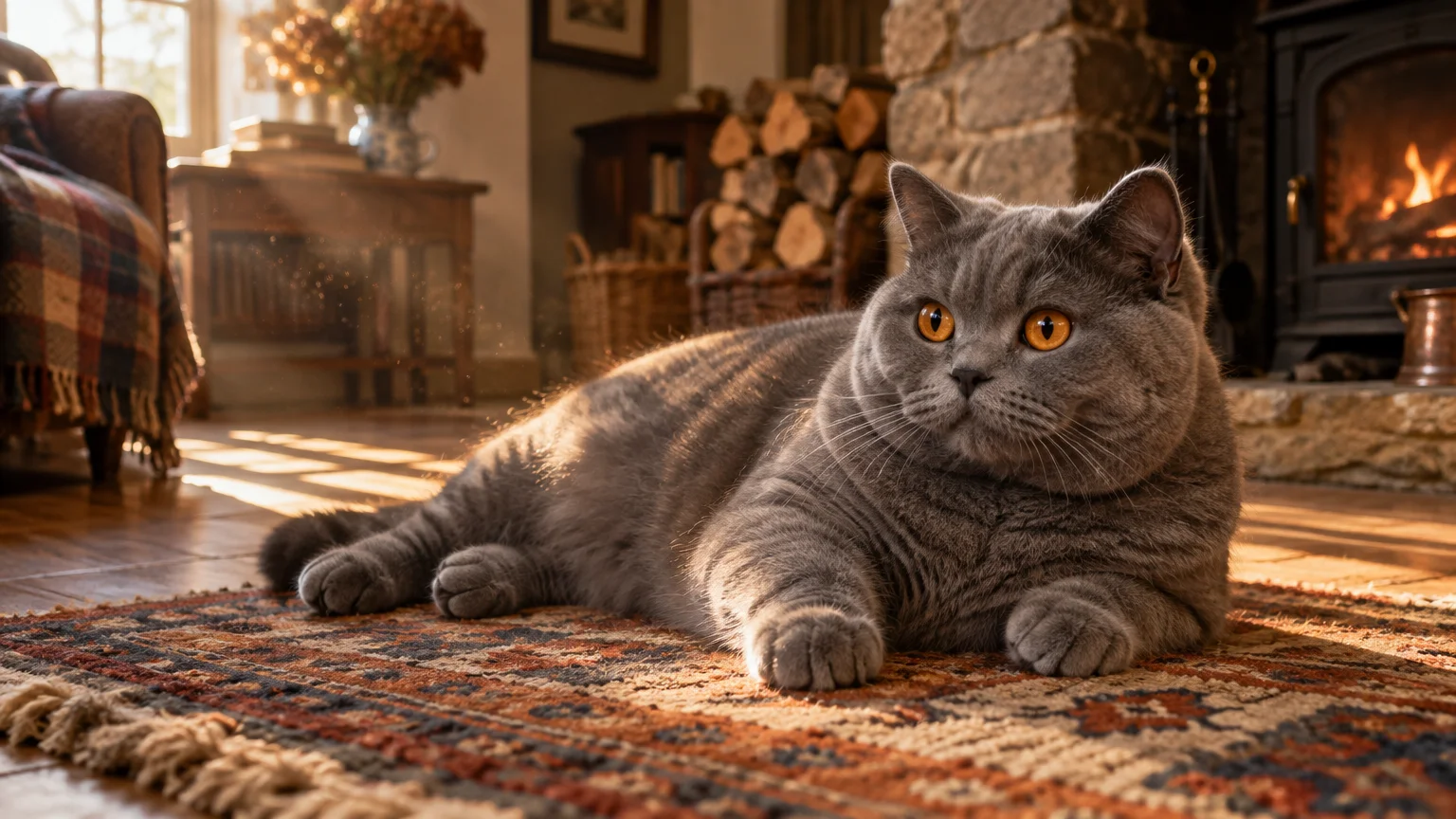
05 British Shorthair: Fiery Copper and Gold
British Shorthairs charm pet lovers with their round faces, dense plush coats, and massive circular eyes. Although the breed comes in various patterns, blue-coated British Shorthairs almost universally possess glowing copper irises.
Intense concentrations of melanocytes pack the iris stroma, generating deep amber, pumpkin, and fiery copper hues. These warm shades create a vivid visual balance against the cool, smoky tones of their dense fur.
Their wide-set eyes enhance their friendly, teddy-bear expression and capture room lighting with exceptional clarity.
These sturdy felines enjoy calm household environments where they can lounge peacefully nearby. Their luminous copper eyes give them an enduring, soulful look that complements their easygoing temperament.
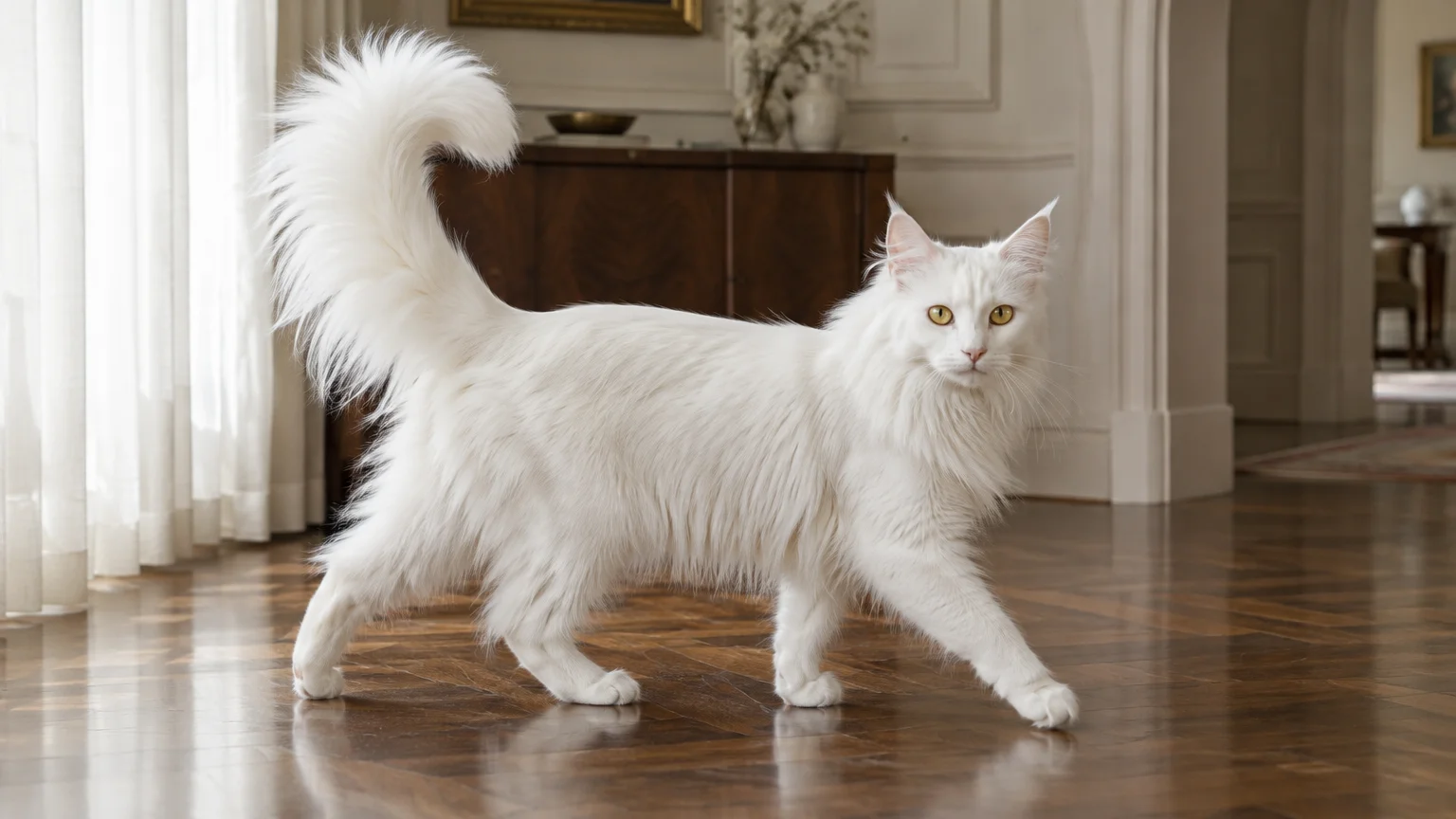
06 Turkish Angora: Multicolored Elegance
The Turkish Angora is an ancient, naturally occurring breed renowned for its silky coat and expressive almond-shaped eyes. These graceful felines display an astonishing spectrum of eye colors, including sky blue, emerald green, and rich amber.
According to The Cat Fanciers’ Association breed standards, judges accept all eye colors regardless of coat shade. Odd-eyed Turkish Angoras frequently pair a bright blue eye with an amber or green partner.
Their fine, feather-light coats drape smoothly over their bodies, highlighting their refined facial contours and luminous irises.
Turkish Angoras love climbing cat trees and surveying their environment from high perches. Their multi-colored eyes sparkle with intelligence as they master interactive puzzle toys and agility games.
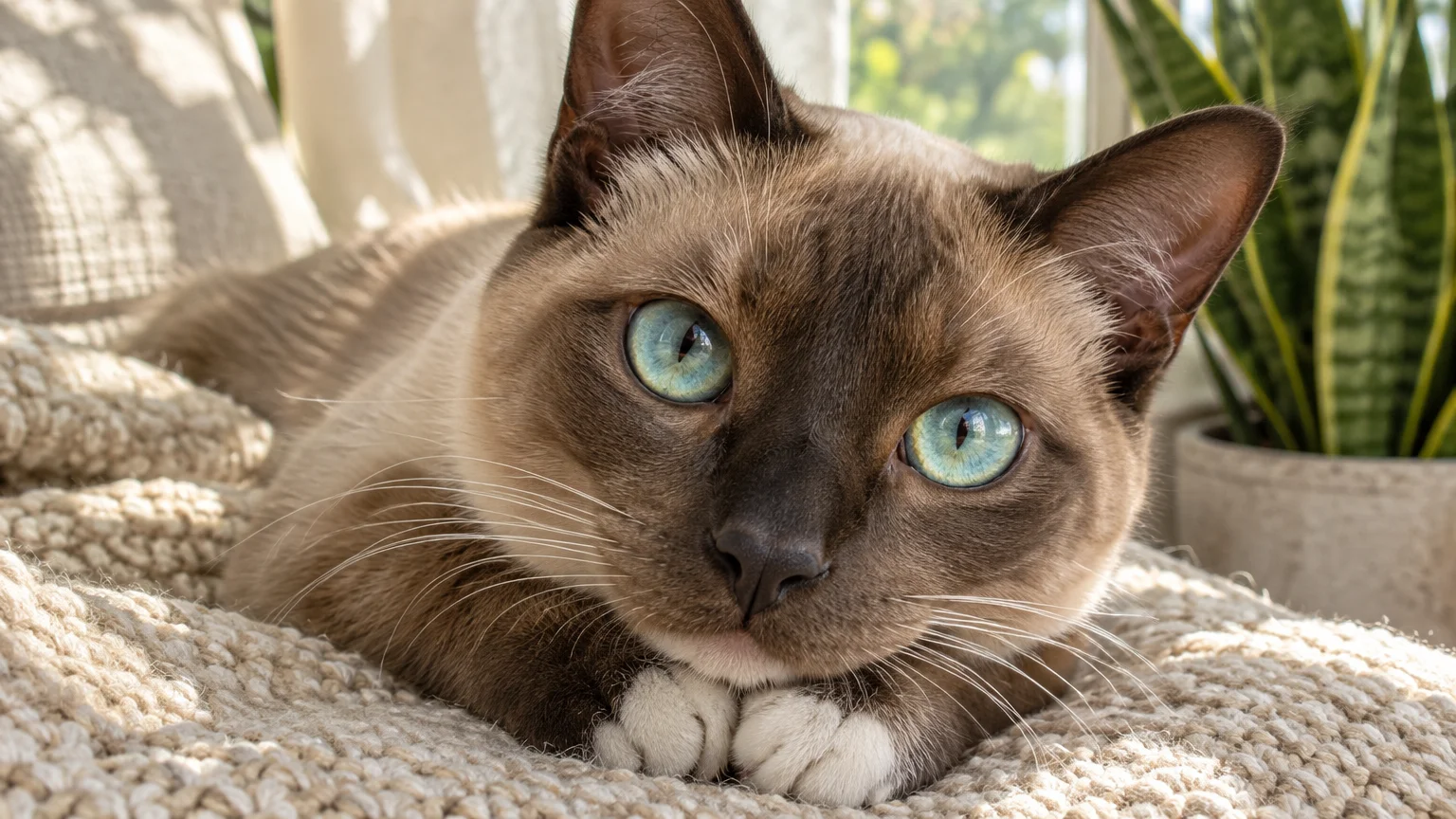
07 Tonkinese: Rare Aqua and Seafoam
Created by crossing the Siamese and Burmese, the Tonkinese offers one of the rarest cat eye colors: glittering aqua. This unique seafoam shade sits directly between the deep sapphire of Siamese and the gold of Burmese.
Their aqua eyes occur exclusively in mink-patterned coats, where intermediate melanin levels create a luminous turquoise glow. Under direct sunlight, their irises shift subtly between pale translucent jade and soft oceanic blue.
This distinct ocular hue pairs beautifully with their warm, point-shaded coats and playful personalities.
Tonkinese cats inherit the playful zest of the Siamese alongside the sweet cuddliness of the Burmese. Their shimmering aqua gaze reflects their outgoing personality and deep craving for daily social playtime.
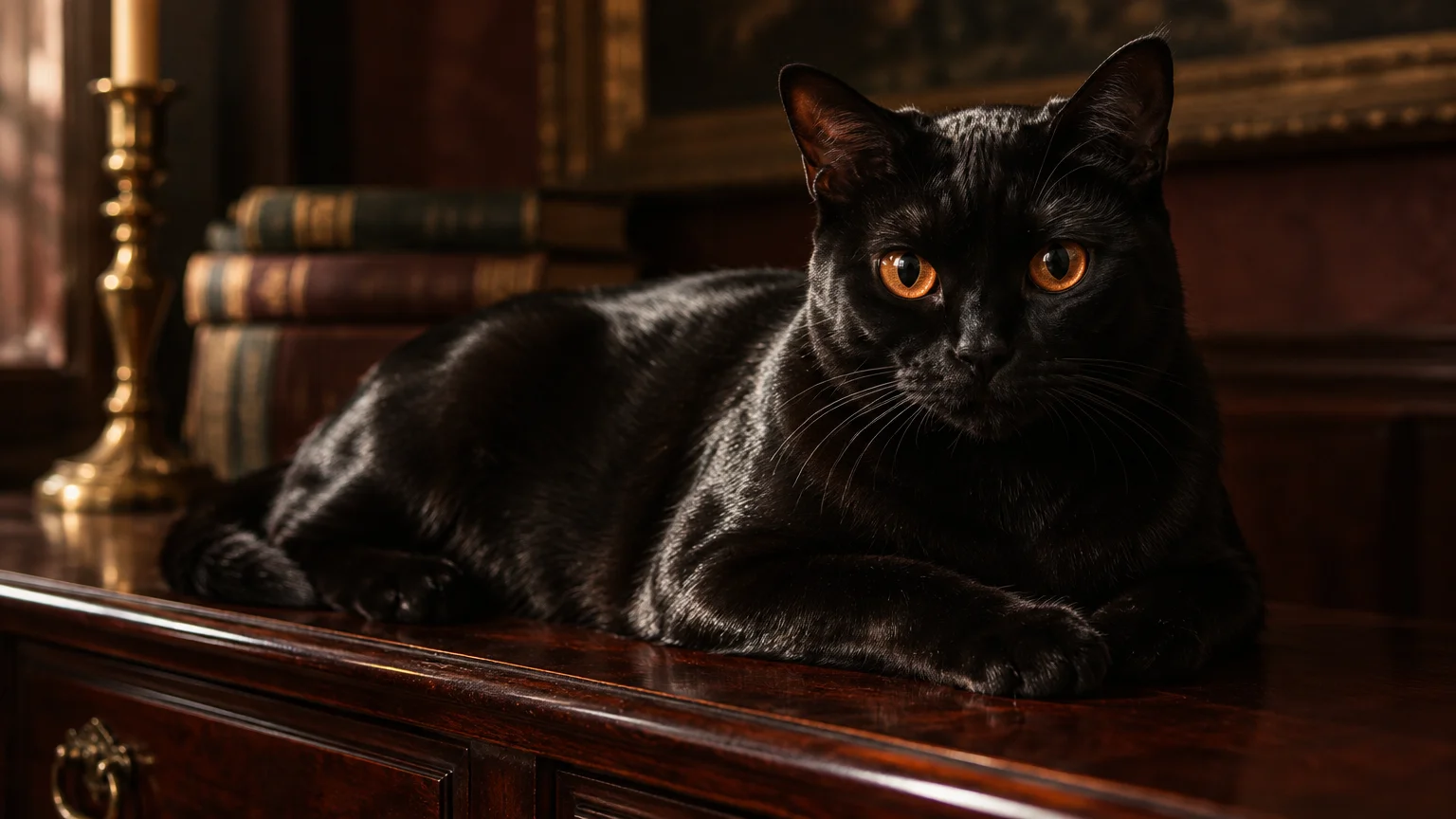
08 Bombay: Glowing Copper Pennies
Breeders selectively developed the Bombay cat to mirror the sleek, midnight look of an Indian black leopard. Their pitch-black coats provide an astonishing backdrop for intense copper or golden-yellow eyes.
Generations of breeding Burmese and American Shorthair cats produced exceptionally dense melanin deposits within the Bombay iris. This high pigment density creates an unmistakable, penny-bright copper tone that gleams against their patent-leather fur.
Breed standards heavily favor deep, rich copper shades over lighter greenish-amber hues in competitive show rings.
Known affectionately as “velcro cats,” Bombays thrive on constant human companionship and warmth. Their gleaming copper eyes follow your every move across the house, eager for snuggles and shared play.
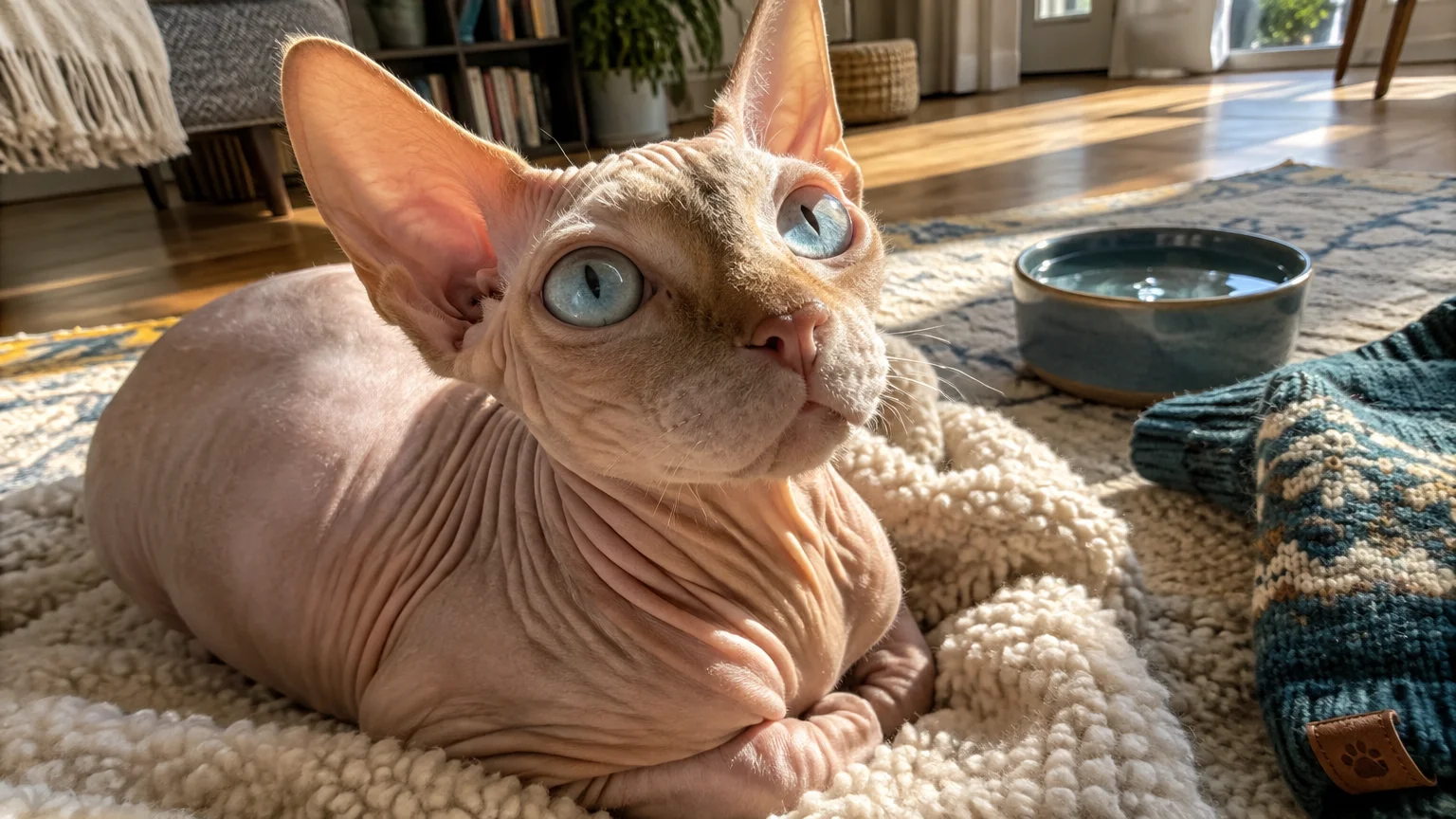
09 Sphynx: Striking Multihued Intensity
The hairless Sphynx features large, lemon-shaped eyes that command immediate attention in any room. Because Sphynx cats appear in virtually every feline color pattern, their eyes display an incredible variety of shades.
You can find Sphynx cats with ice blue, moss green, deep amber, and striking odd-eyed color combinations. The lack of facial fur and eyelashes makes their eyes appear remarkably prominent, saturated, and expressive.
Their open ocular anatomy requires attentive pet owners to wipe away environmental dust and natural tear buildup regularly.
Without fur to buffer ambient temperatures, Sphynx cats actively seek warm laps and cozy blankets. Their giant, expressive eyes communicate warmth and curiosity, forging an intimate connection with attentive caregivers.
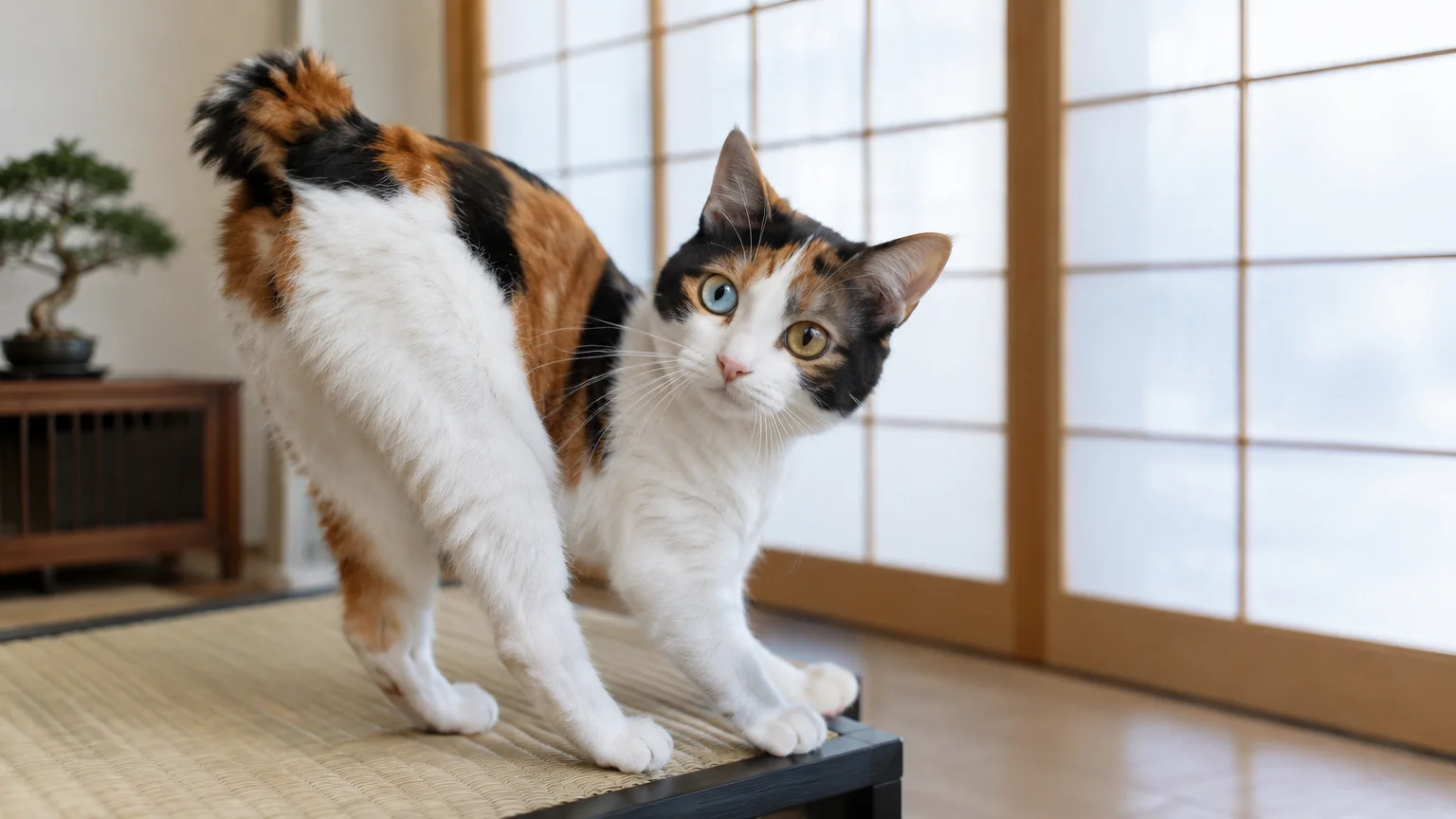
10 Japanese Bobtail: Expressive Bicolored Gaze
With their signature pom-pom tails and porcelain-patterned coats, Japanese Bobtails stand out among unique cat breeds. Tricolor calico varieties, known historically as Mi-Ke, frequently possess dramatic odd eyes.
One eye typically radiates brilliant sapphire blue, while the other shines in warm gold, hazel, or green. Japanese folklore portrays these odd-eyed cats as lucky guardians that bring prosperity and good health to households.
Their large, oval eyes slant slightly upward, giving their colorful gaze an exotic and inquisitive appearance.
These spirited felines often carry toys in their mouths and chirp cheerful greetings to household members. Their expressive bicolored gaze accentuates their friendly, bold attitude during everyday interactions.
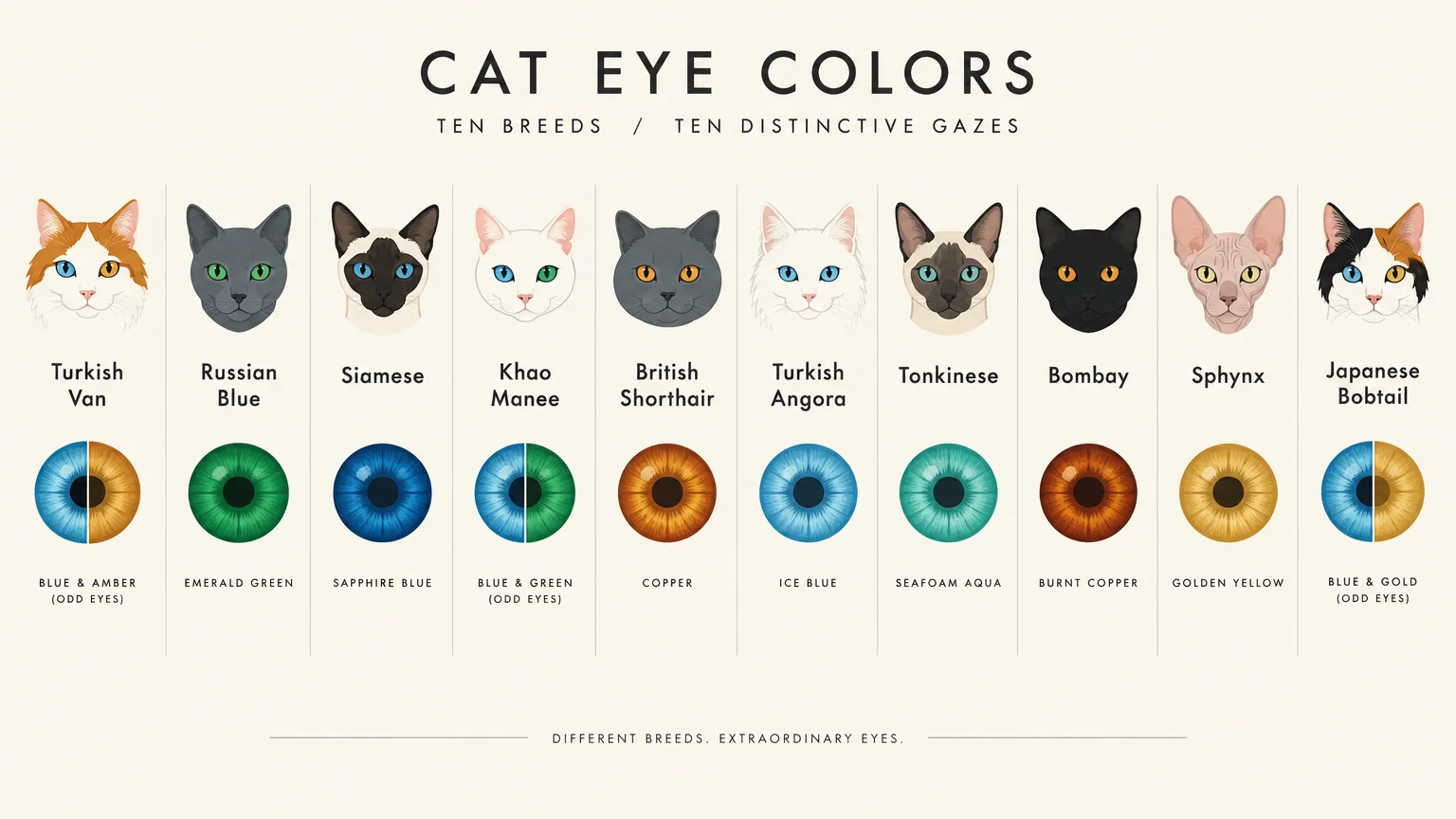
Key Eye Colors Across Popular Cat Breeds
Understanding which breeds carry specific eye colors helps you recognize how genetics influence feline appearances. Review this quick comparison to see how pigment concentration and coat genetics shape each breed’s signature gaze.
| Breed | Primary Eye Colors | Melanin Concentration | Distinctive Optical Feature |
|---|---|---|---|
| Turkish Van | Amber, Blue, Odd-Eyed | Asymmetric Distribution | Classic heterochromia with one blue and one amber eye |
| Russian Blue | Vivid Emerald Green | Low to Moderate | Luminous green irises with zero traces of yellow |
| Siamese | Deep Sapphire Blue | Zero Iris Melanin | Rayleigh light scattering caused by albinism gene |
| Khao Manee | Blue, Gold, Odd-Eyed | Variable / Asymmetric | Jewel-toned heterochromia paired with a pure white coat |
| British Shorthair | Copper, Rich Amber | High Density | Fiery circular eyes contrasting blue-gray plush coats |
| Turkish Angora | Blue, Green, Amber, Odd | Variable Distribution | Almond-shaped eyes displaying wide genetic diversity |
| Tonkinese | Aqua, Seafoam Turquoise | Intermediate Balance | Translucent jade-blue hue unique to mink point patterns |
| Bombay | Copper, Warm Gold | High Density | Gleaming copper-penny irises on jet-black coats |
| Sphynx | All Colors, Odd-Eyed | Variable Distribution | Prominent lemon-shaped eyes without framing fur |
| Japanese Bobtail | Gold, Blue, Odd-Eyed | Variable / Asymmetric | Bicolored gaze frequently featured on calico patterns |
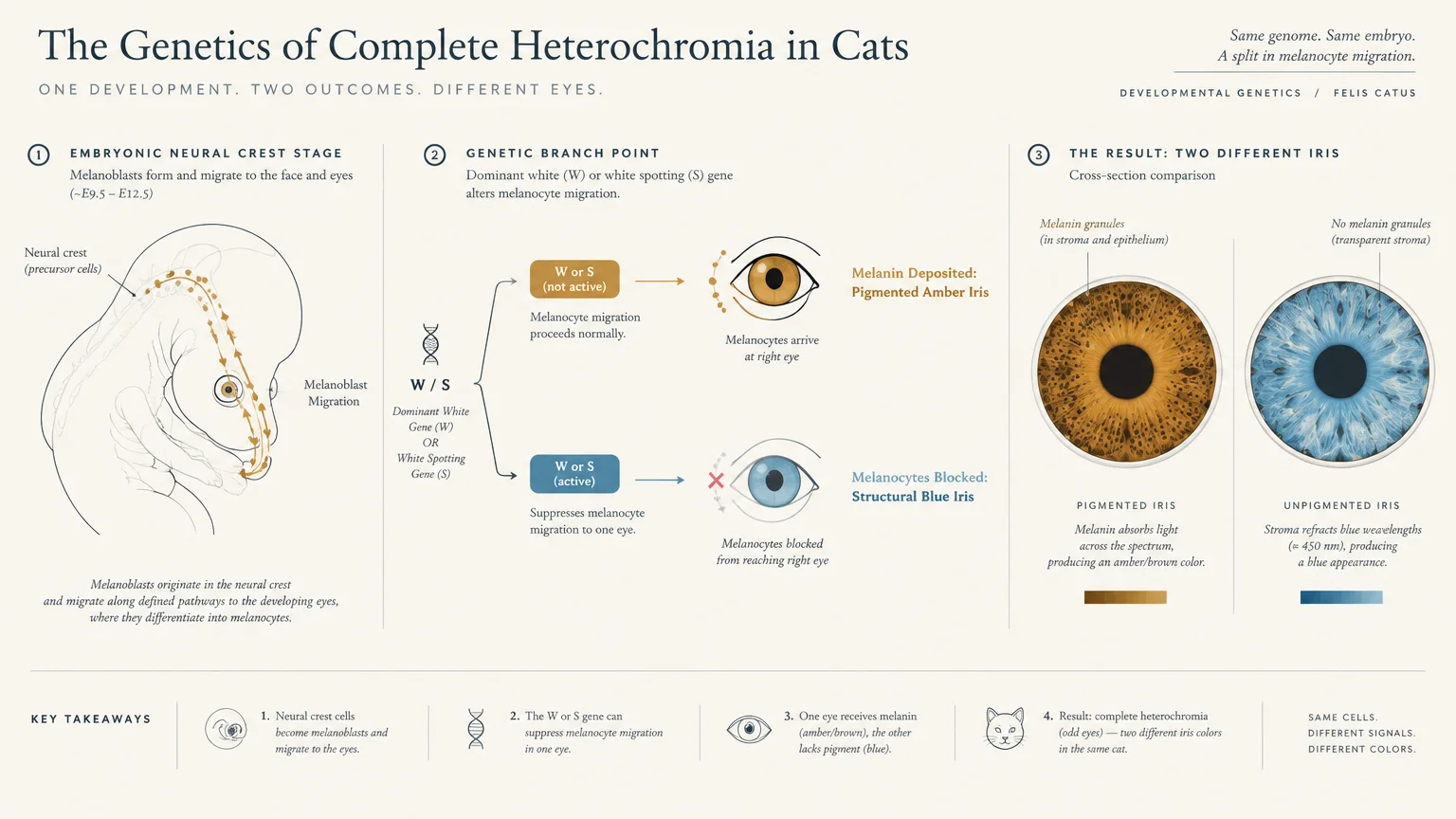
The Genetics of Odd-Eyed Cats
Odd-eyed cats showcase complete heterochromia, a condition where each iris develops a completely different color. This striking trait occurs most commonly in pure white cats or those with high-grade white spotting patterns.
The dominant white gene stops melanin cells from migrating into one eye during fetal development. That pigment-deprived eye defaults to clear refraction, appearing blue, while the other eye receives normal melanin deposits.
Sectoral heterochromia represents another captivating variation, occurring when two different colors appear within the same iris. While less common than complete heterochromia, it produces striking split-color patterns that fascinate pet lovers.
Research from the UC Davis Veterinary Genetics Laboratory links the white coat gene to an increased chance of congenital sensorineural deafness. When deafness occurs in an odd-eyed cat, it almost always affects the ear located on the blue-eyed side.
Fortunately, heterochromia does not diminish visual acuity, night vision, or depth perception in feline eyes.
Practical Eye Care for Vibrant Feline Vision
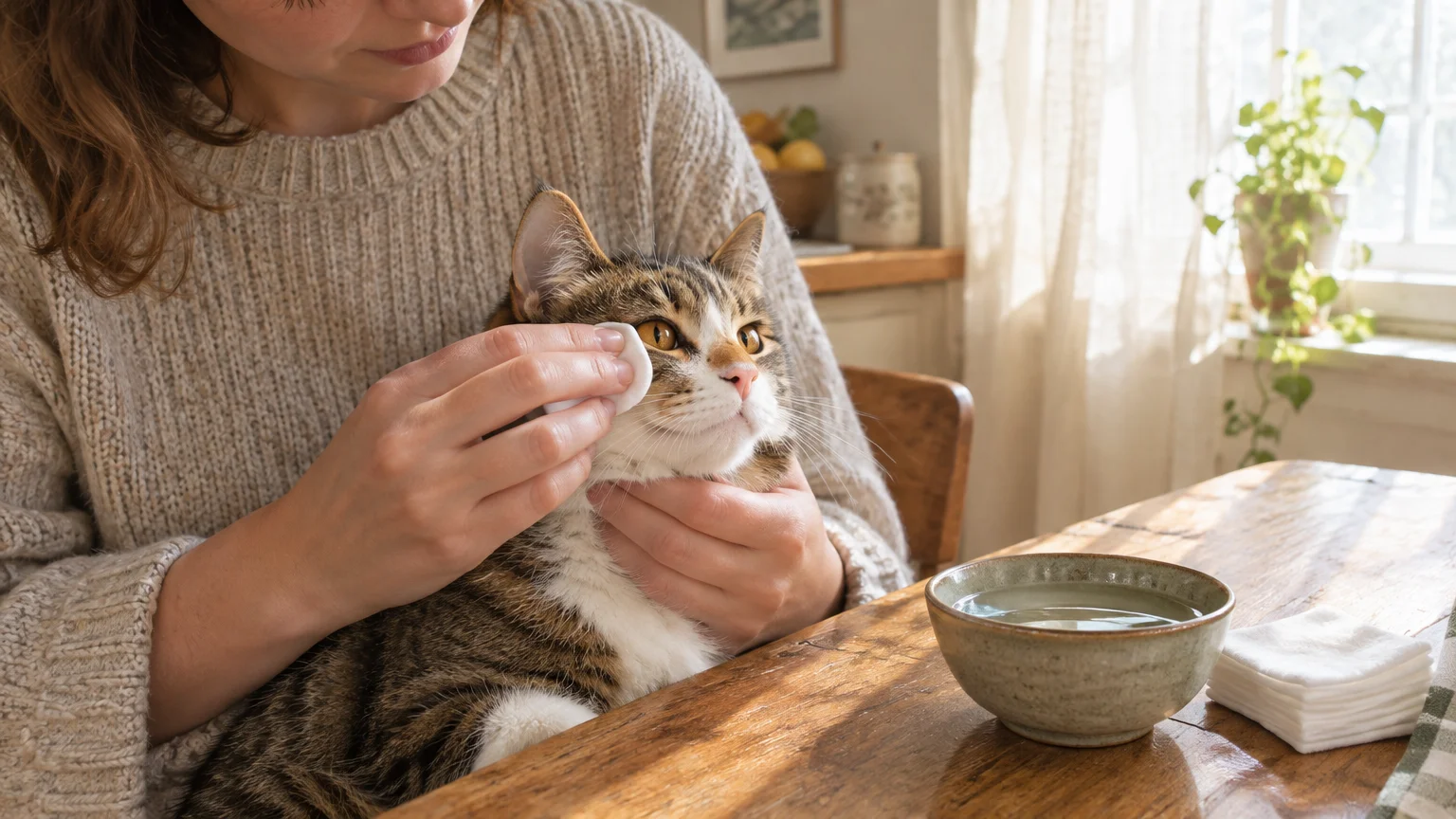
Maintaining your cat’s stunning eye health requires proactive observation and routine gentle cleaning at home. Healthy feline eyes should always appear clear, glossy, and free from redness or unusual squinting.
Wipe the outer corners of your cat’s eyes using a clean, damp cotton ball to remove discharge. Never swipe across the cornea directly, and always use a separate fresh pad for each eye to prevent cross-contamination.
Provide your cat with high-quality nutrition rich in taurine and omega fatty acids. These vital nutrients support ongoing retinal health and maintain corneal moisture over your pet’s entire lifespan.
- Inspect eyes weekly for redness, swelling, or unusual cloudiness.
- Wipe ocular discharge using a clean, moist cloth dampened with warm water.
- Avoid using over-the-counter human eye drops on feline eyes.
- Schedule immediate veterinary visits if your cat squints or rubs their eyes.
Watch for sudden changes in eye color, as darkening irises can indicate systemic conditions such as uveitis or feline iris melanosis. Unequal pupil sizes or cloudy surfaces demand immediate veterinary evaluation to preserve your pet’s eyesight.
Frequently Asked Questions
Are all cats with blue eyes deaf?
No, not all cats with blue eyes are deaf. Deafness links primarily to the dominant white coat gene rather than the blue eye color itself, leaving color-pointed breeds like the Siamese with normal hearing.
Can a cat’s eye color change naturally after adulthood?
No, an adult cat’s eye color should remain completely stable after their first year of life. Any sudden color shift, dark spotting, or cloudiness warrants an immediate visit to your veterinarian for an ocular exam.
What is the rarest eye color in domestic cats?
Aqua is the rarest eye color among domestic cats, appearing almost exclusively in mink Tonkinese felines. This unusual seafoam hue requires a precise genetic balance between Siamese blue and Burmese yellow eye traits.
Essential Takeaways for Cat Lovers
Feline eyes offer an extraordinary window into genetics, showcasing everything from rich copper to seafoam aqua and mismatched jewel tones. Appreciating these colorful nuances enriches your bond with these fascinating companions.
The information here is meant for educational purposes. Specific circumstances—including health conditions, finances, location, and goals—may require different approaches.
When in doubt, consult a licensed professional or check official sources directly.
Last updated: May 2026. Rules, prices, and details change—verify current information with official sources before acting on it.