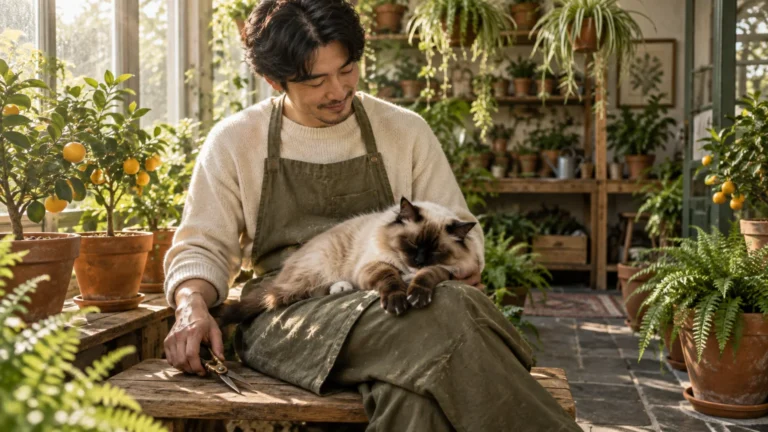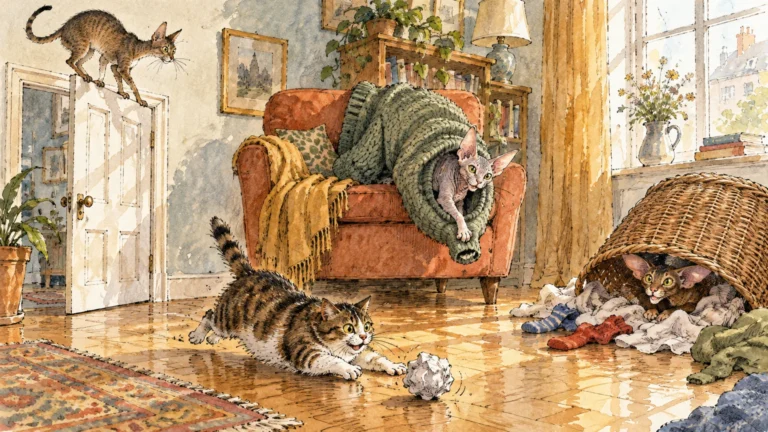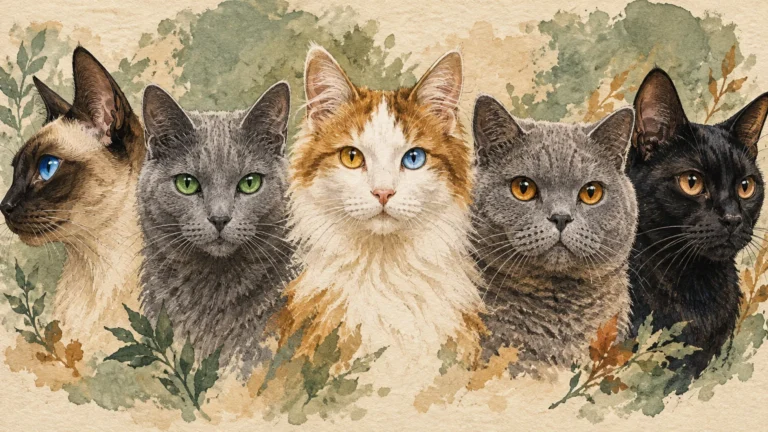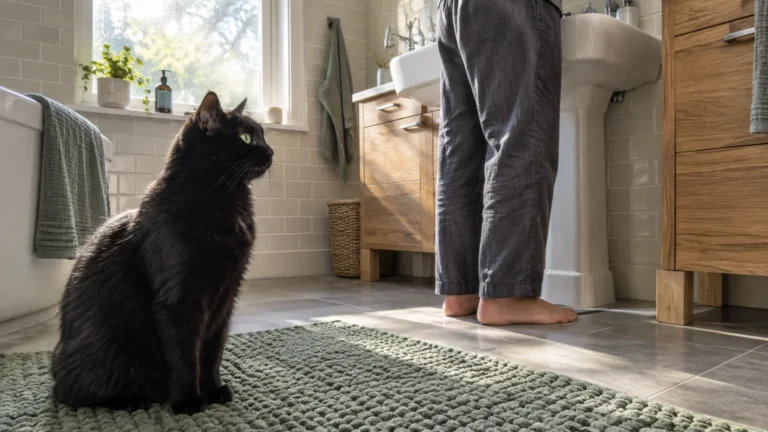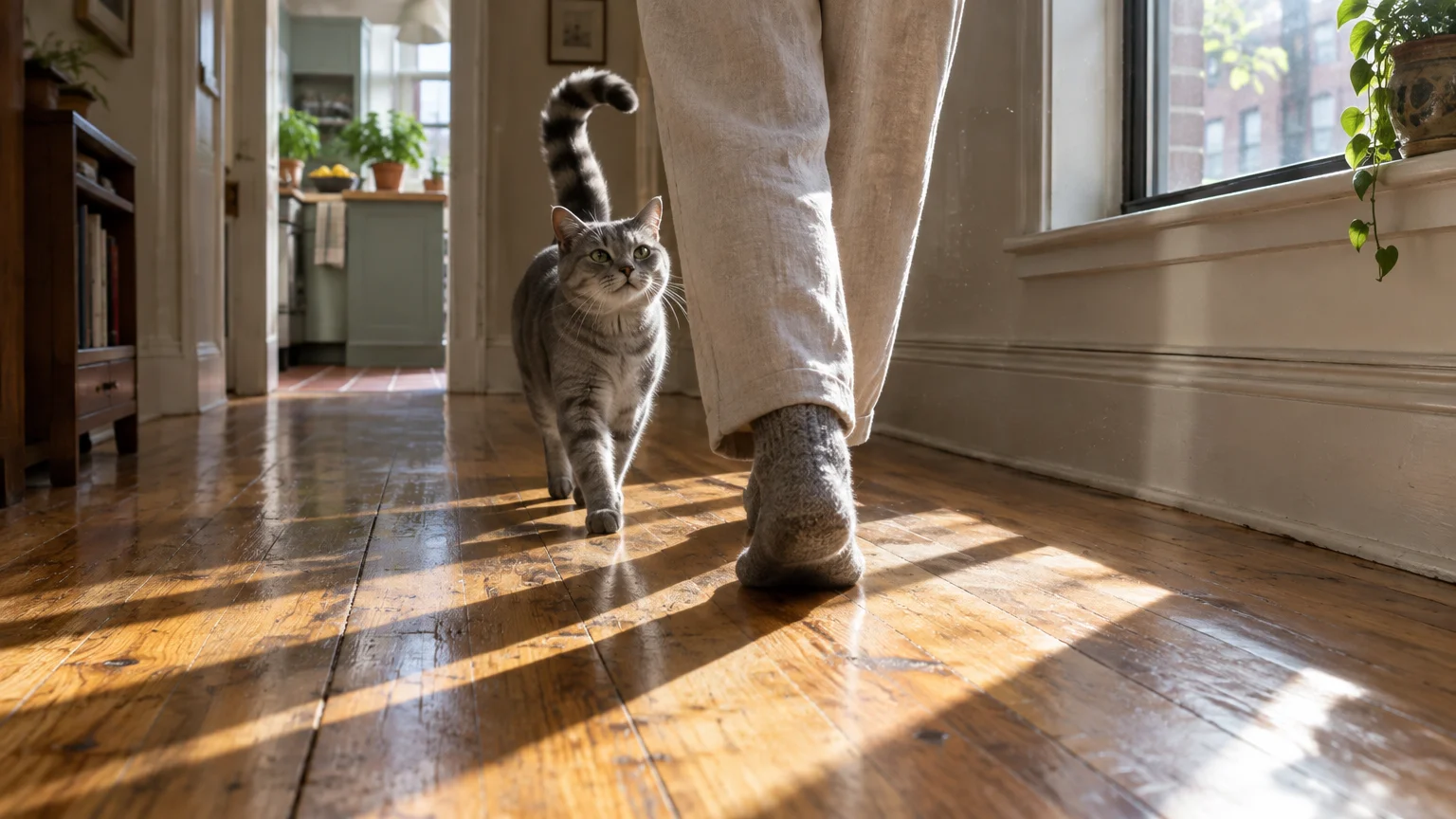
If you want a companion that trails your footsteps like a loyal puppy, certain feline breeds naturally crave your company. These affectionate cats build deep social bonds and prefer supervising every chore you tackle.
While cats have an unfair reputation for cold aloofness, many lines specifically celebrate human connection above all else. They turn simple household routines into shared adventures.
Discovering which breeds exhibit this velcro behavior helps you match your daily lifestyle with the right companion. Here are ten breeds renowned for shadowing their people throughout the home.
Why Certain Cats Follow You Everywhere
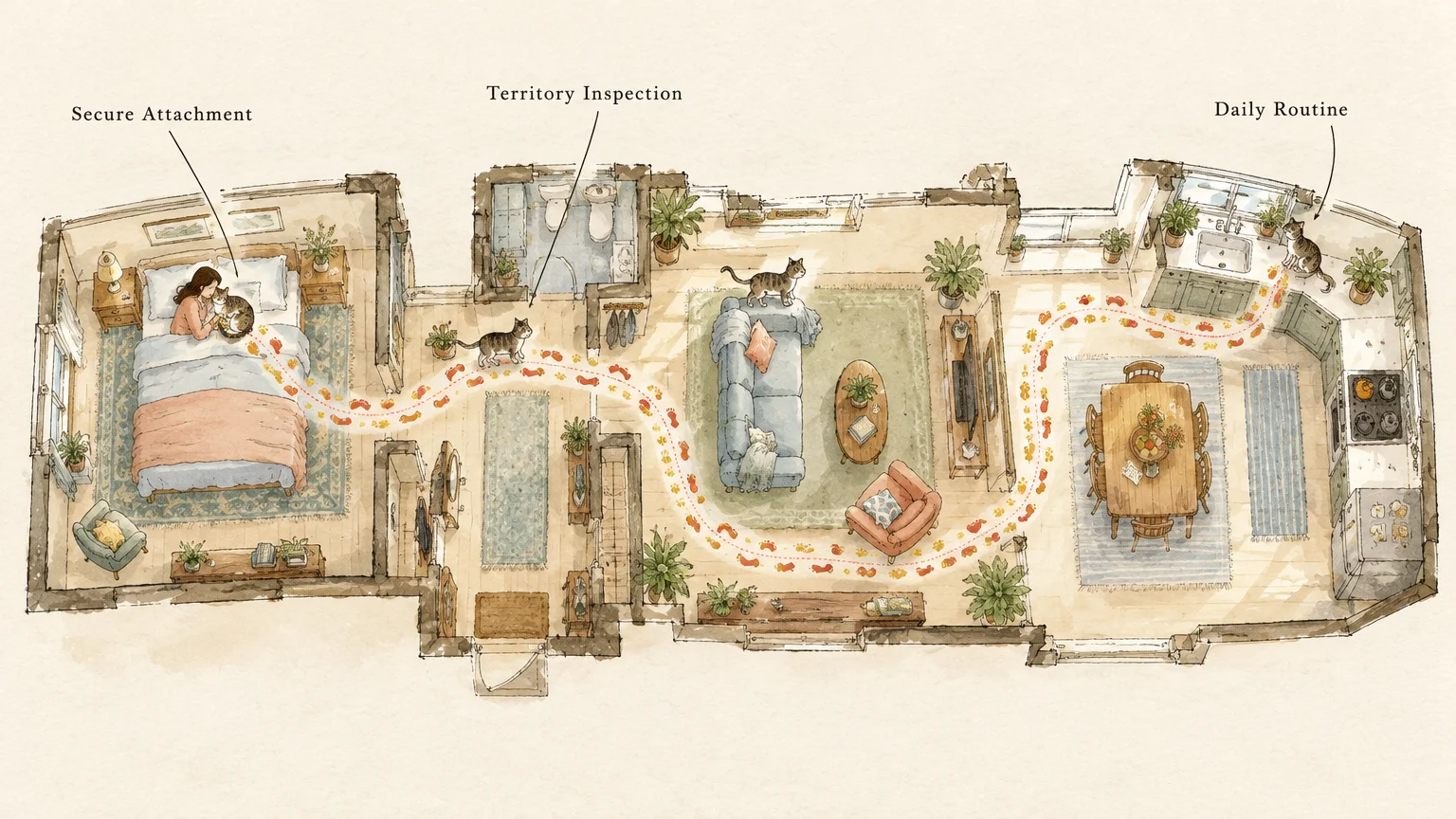
Domestic felines develop strong bonds with their primary caregivers. According to research cited by the Cornell Feline Health Center, cats form secure attachments that closely mirror canine and human relationships.
Your cat views your daily presence as a comforting anchor in their territory. Walking alongside you helps them verify that their environment remains safe and orderly.
Simple curiosity also motivates your feline shadow. Cats track routine changes throughout the house, turning your trips between rooms into rewarding mini-expeditions.
Cats also quickly learn that trailing their humans produces tangible rewards. Head scratches, tasty treats, and opened closet doors reinforce their tagalong behavior over time.
01 Ragdoll: The Docile Household Shadow
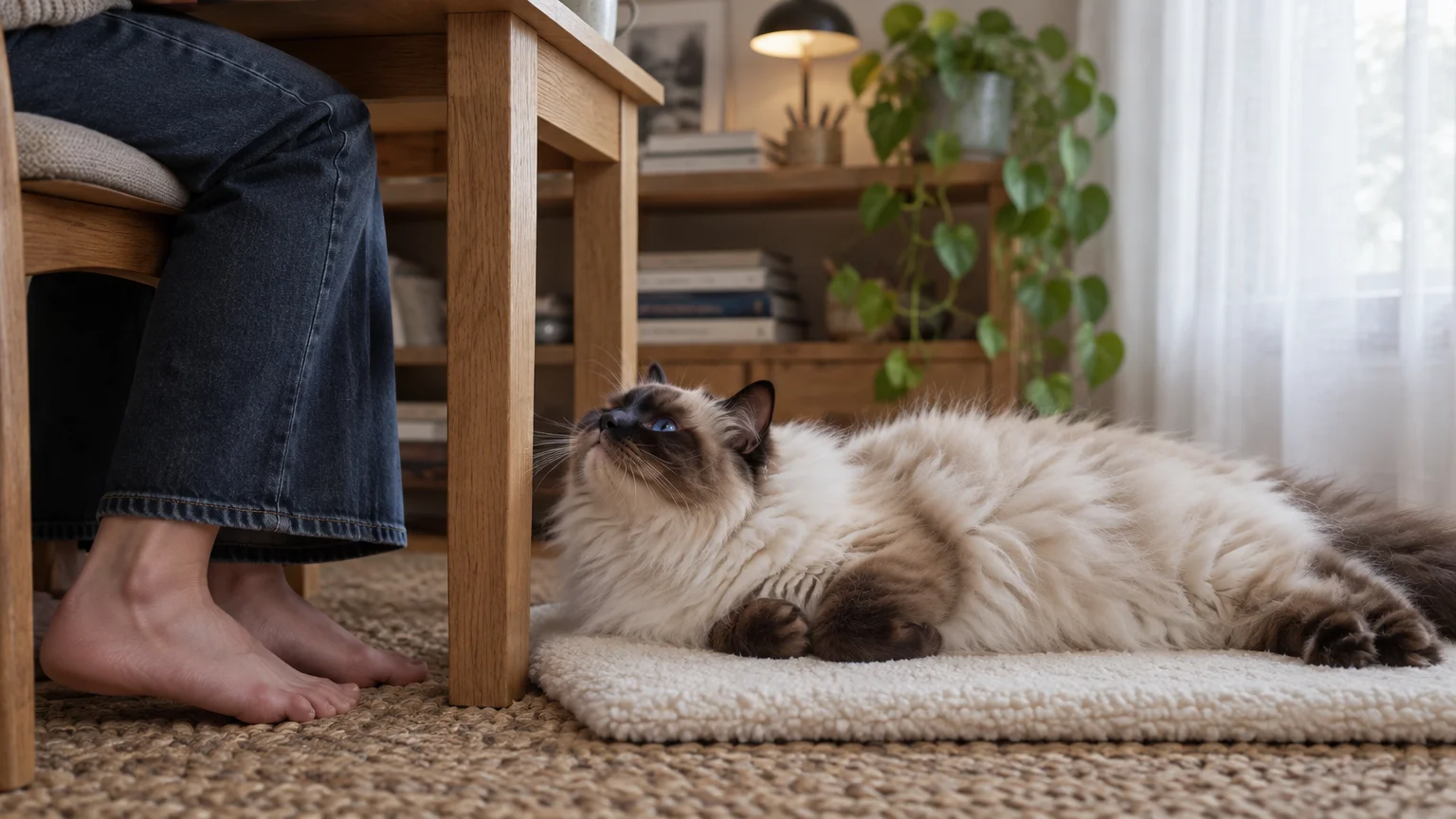
Breeders specifically selected Ragdolls for their docile, people-oriented temperaments. They earned the nickname “puppy cats” because they greet you at the front door and trail behind you all day.
These large cats prefer staying near floor level rather than climbing high curtains. They sprawl casually across your path, eager for gentle head scratches.
According to breed standards documented by the Cat Fanciers’ Association, Ragdolls thrive on relaxed domestic companionship. They seek human comfort without making loud vocal demands.
Their semi-longhair coat requires gentle weekly combing to prevent tangles. Use grooming time as a calming daily ritual after they follow you into the bedroom.
Provide a soft floor mat beside your desk. Your Ragdoll will happily nap beside your chair for hours while you work.
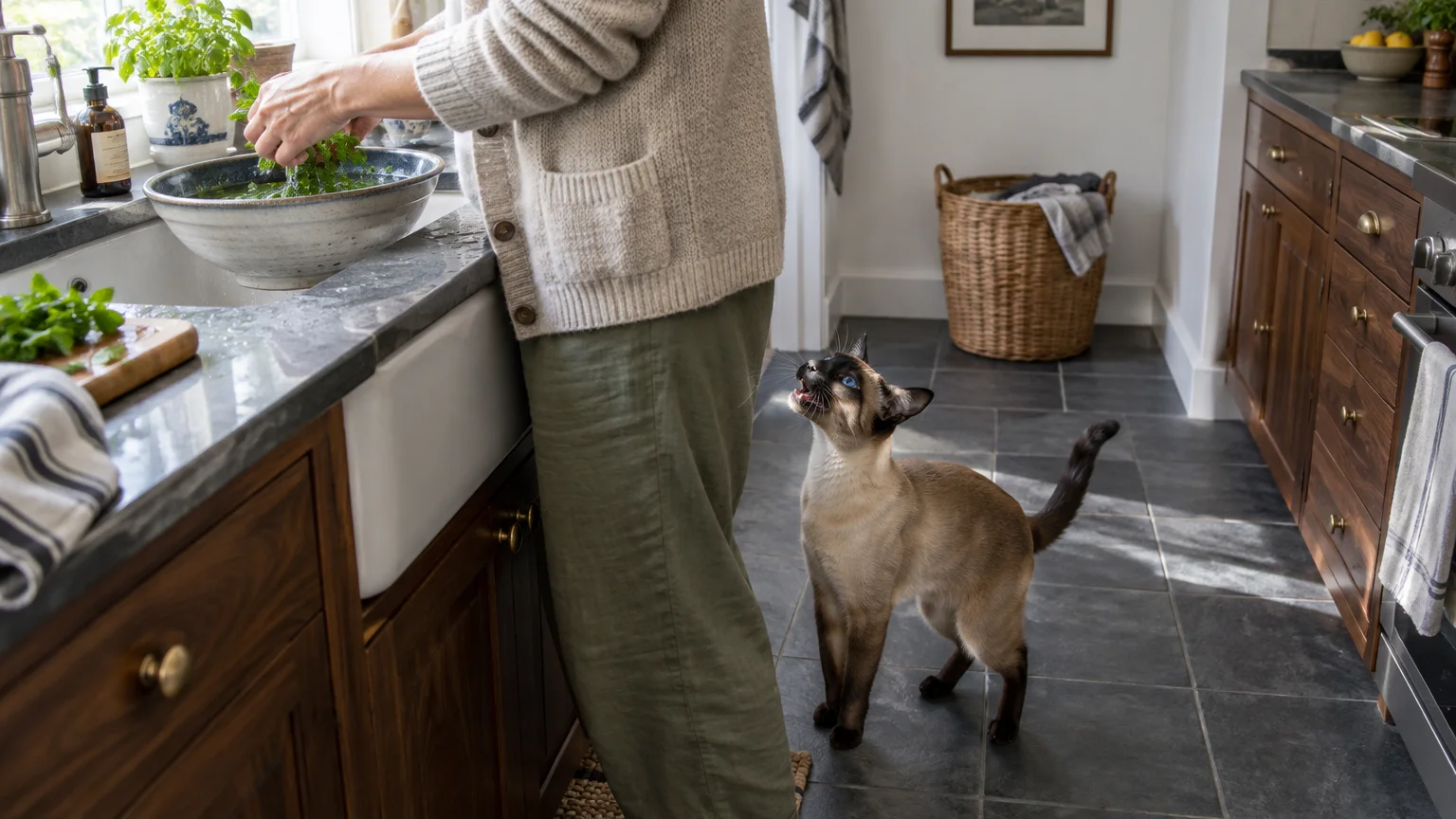
02 Siamese: The Vocal Supervisor
Siamese cats insist on active participation in your daily routine. They communicate constantly, providing a running commentary with their distinctive raspy meows while walking right at your heels.
This ancient breed possesses extraordinary intelligence and emotional sensitivity. If you shut a door behind you, your Siamese will likely protest until you grant them entry.
Their social nature means they view household chores as joint activities. They inspect your laundry baskets, observe your cooking, and offer running opinions.
Engaging them with puzzle feeders prevents boredom when you need uninterrupted focus. Interactive wand toys also burn their boundless conversational energy.
If you work away from home, consider adopting a bonded pair. Siamese cats thrive when they have constant feline company during solitary hours.
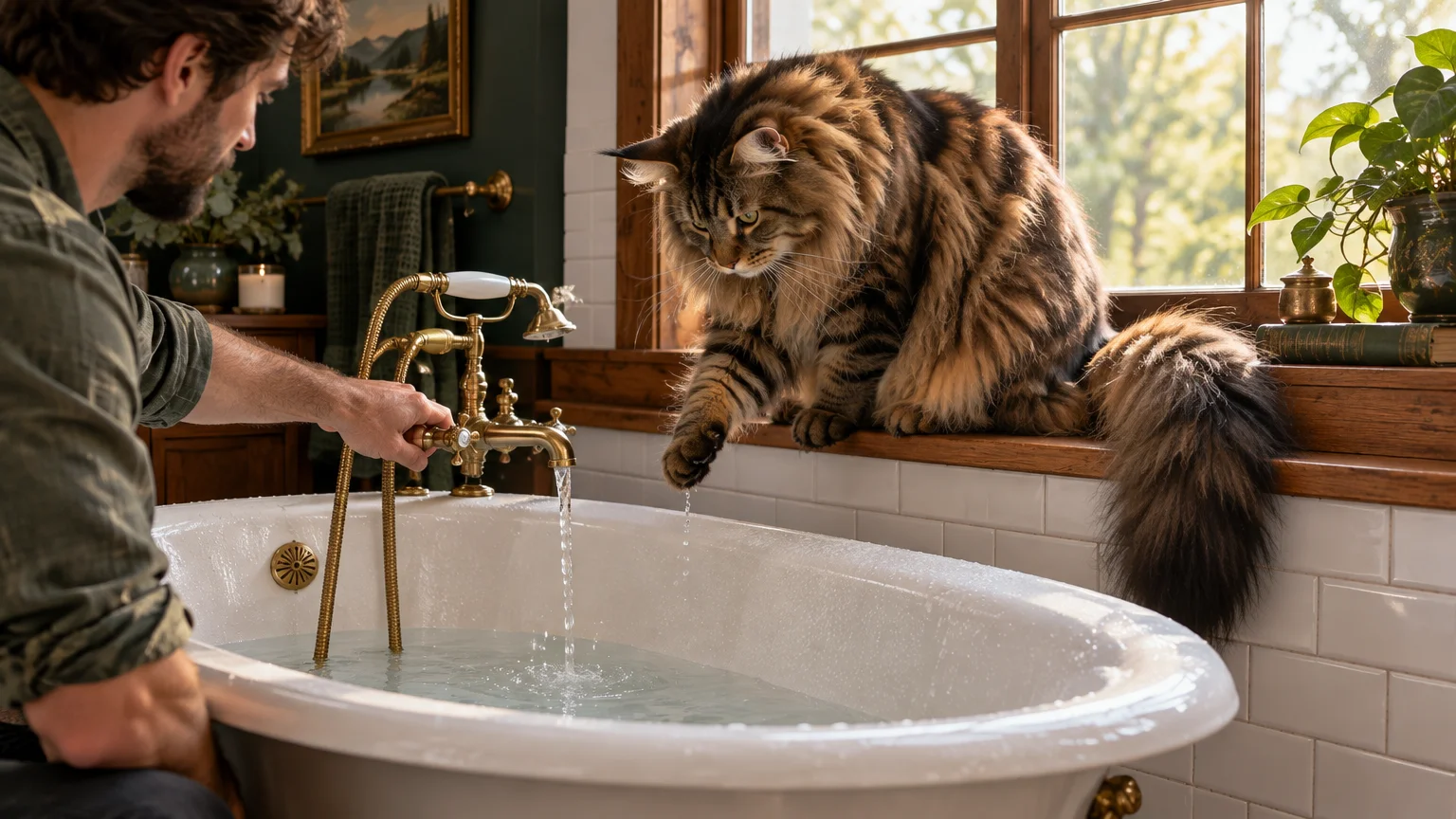
03 Maine Coon: The Sociable Gentle Giant
Maine Coons offer a steady, companionable presence without crowding your personal space. These massive cats stroll alongside you from the kitchen to the bedroom, curious about your daily chores.
They rarely demand immediate lap time. Instead, they choose a nearby perch to observe your tasks with calm, intelligent expressions.
Their fascination with water often leads them straight into your bathroom. You may find them balancing on the rim of the bathtub to bat at running faucet drips.
These gentle giants chirp and trill rather than meow loudly. They announce their entrance into each room with friendly, melodic squeaks.
Set up a heavy-duty scratching post near your living room couch. This gives your Maine Coon an approved lounging post right beside you.
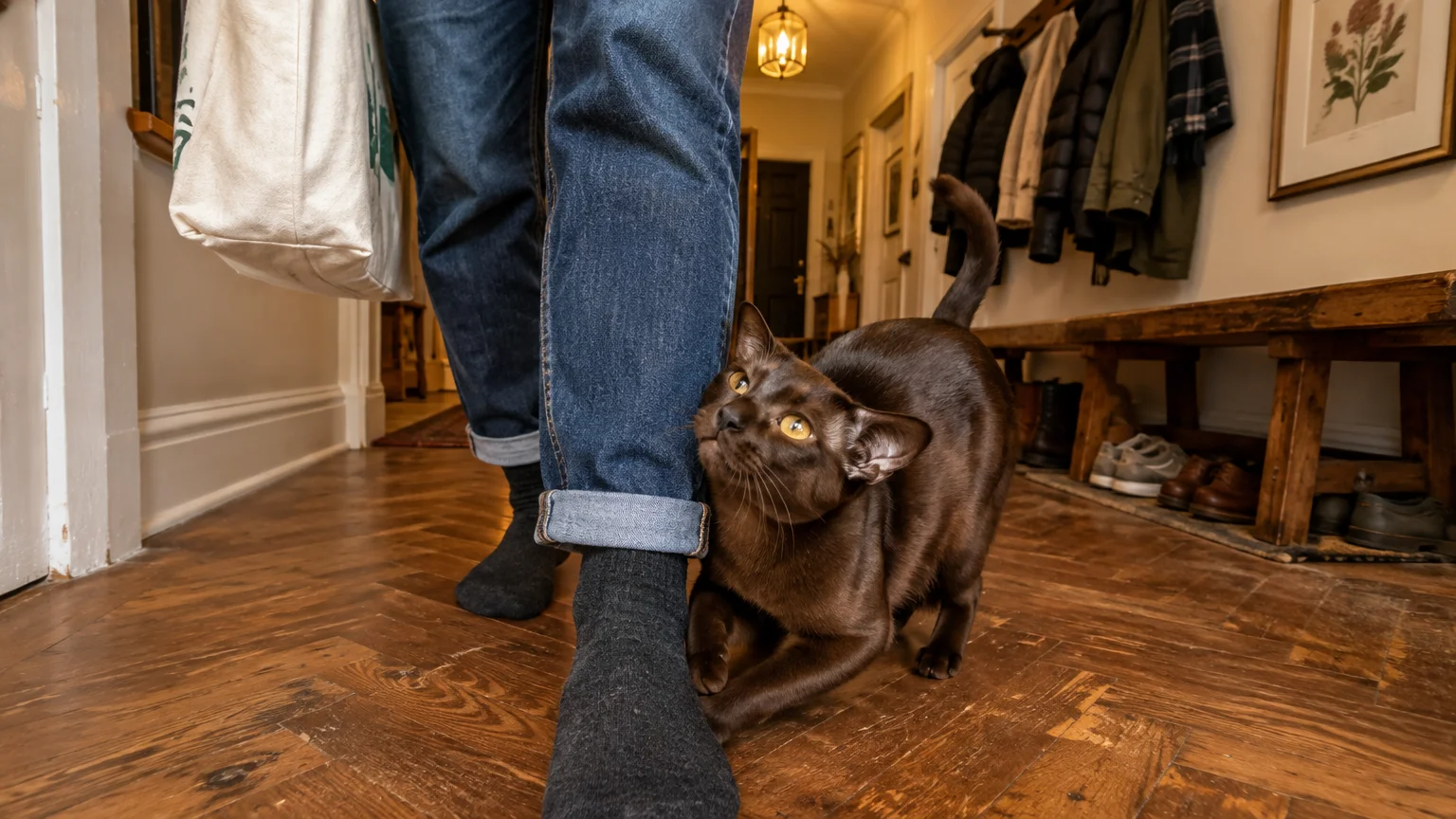
04 Burmese: The Ultimate Velcro Companion
Burmese cats define the phrase velcro cats through their relentless pursuit of physical contact. They maintain close proximity from morning until night, often riding on your shoulders as you navigate the house.
These cats retain their playful, kitten-like devotion well into adulthood. They dislike solitude and struggle if left alone for extended periods.
They often follow family members from sofa to kitchen, demanding warm laps the moment anyone sits down. Their silky coats feel warm and inviting against your skin.
Burmese cats welcome house guests with open paws. They treat visitors as new friends who might offer warm laps and attentive chin scratches.
Pairing a Burmese with another friendly pet provides necessary comfort if your job takes you out of the house.
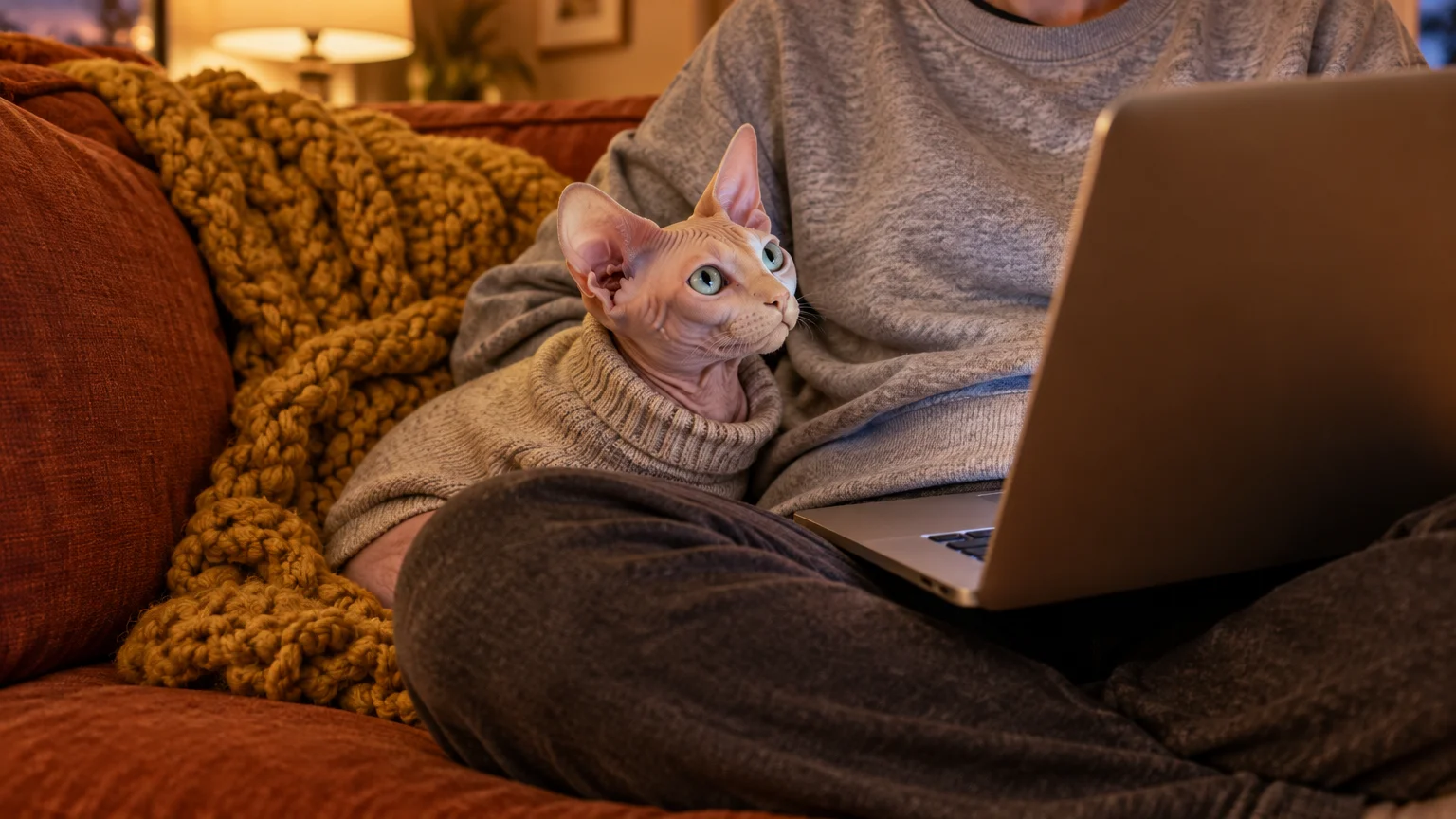
05 Sphynx: The Heat-Seeking Sidekick
The hairless Sphynx pairs genuine affection with a practical physiological need for warmth. Your body serves as both a beloved companion and an efficient personal radiator.
Under guidance from The International Cat Association, the Sphynx stands out as one of the most extroverted, human-centric breeds in existence.
Expect them to burrow beneath your sweater or perch on your neck whenever you pause. Their inquisitive nature keeps them scampering behind you all day.
Because they lack an insulating coat, their skin produces natural oils that require regular sponge baths. They often supervise your bath time before enjoying their own gentle wash.
Place self-warming fleece beds in rooms where you spend the most time so your Sphynx remains cozy near you.
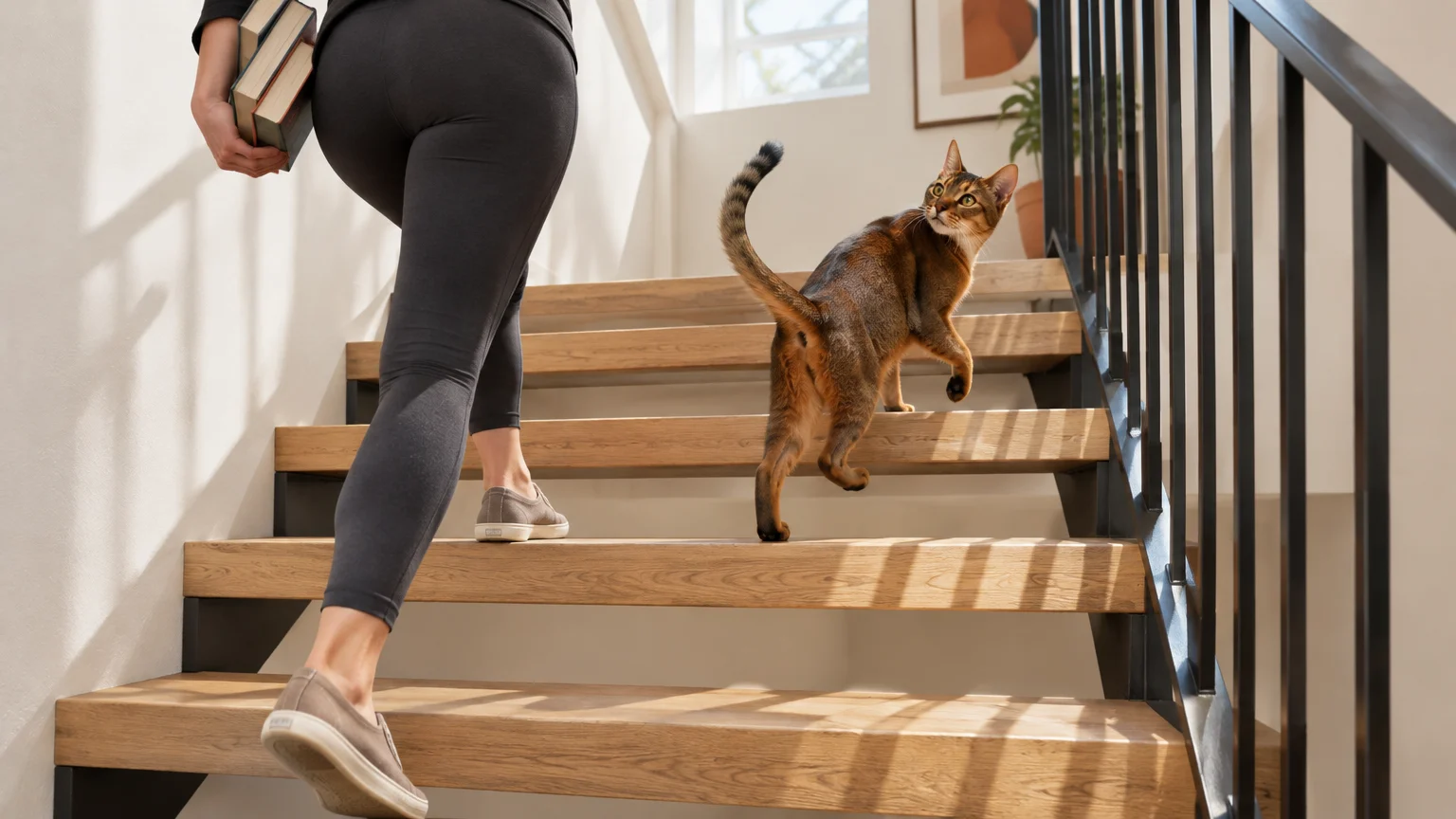
06 Abyssinian: The High-Energy Observer
Abyssinians express devotion through energetic exploration rather than sedate lap naps. They shadow your footsteps to inspect opened cabinets, freshly folded laundry, and vacuuming paths.
Their athletic frames allow them to leap onto tall furniture to supervise chores from shoulder height. They genuinely want to experience whatever project currently holds your focus.
While they rarely sit still for long petting sessions, their loyalty remains constant. They stay in the same room, actively engaging with your environment.
Their clownish antics and curious expressions turn routine days into entertaining spectacles. They love interactive fetch games using soft foam balls.
Install vertical climbing perches along hallways to give your Abyssinian an elevated runway to follow your movements safely.
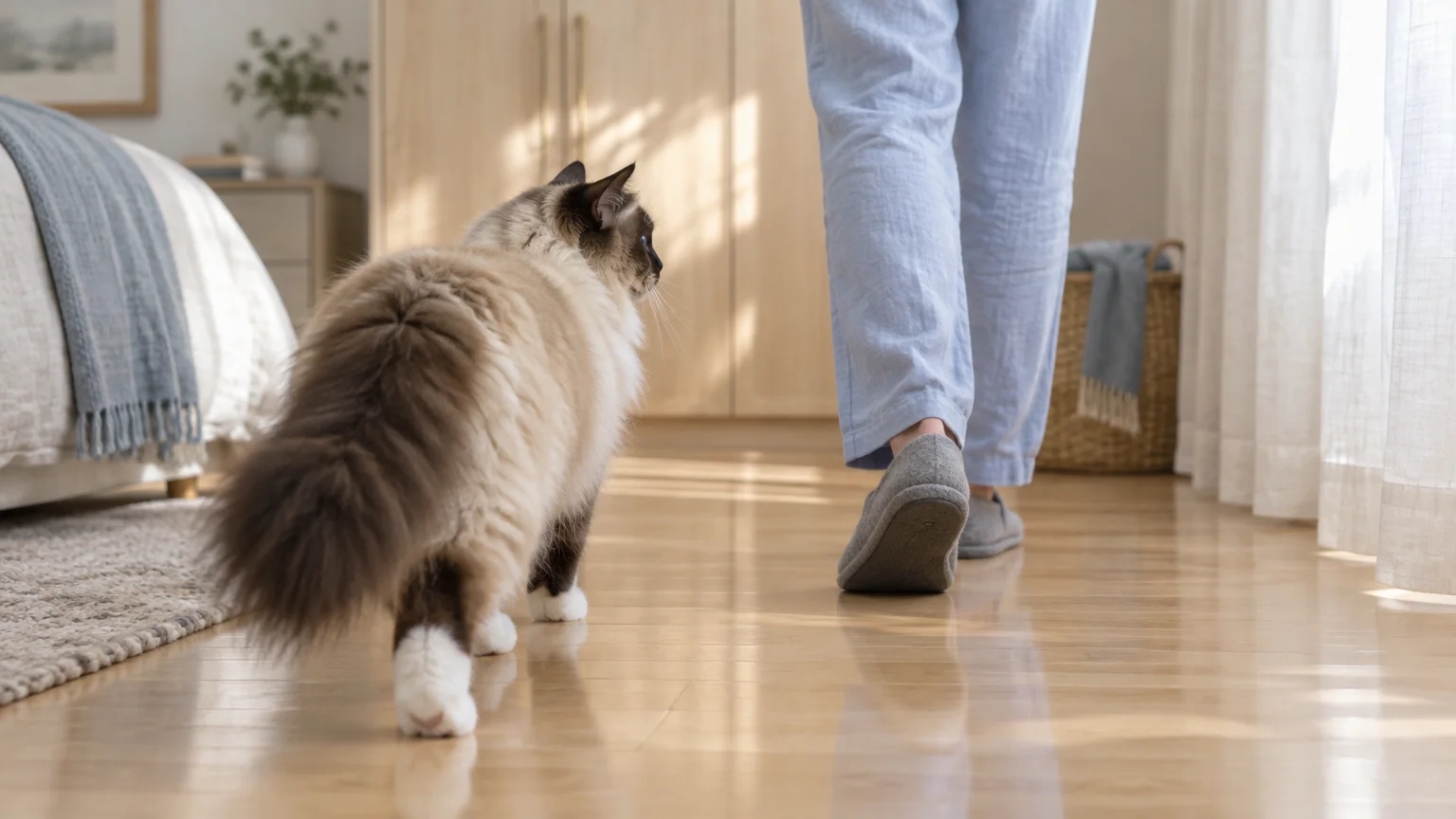
07 Birman: The Serene Footstep Follower
Birmans provide gentle, quiet companionship that never feels intrusive. They pad softly behind you across the house, settling quietly at your feet as you work.
Their sweet chirrup greets you warmly after brief absences. They remain deeply loyal to their family without displaying destructive or demanding habits.
This breed thrives on peaceful routines and adapts seamlessly to quiet home offices. They appreciate gentle grooming sessions that double as shared bonding time.
Their sapphire-blue eyes track your movement across the kitchen counter without jumping into your food preparation area. They balance curiosity with polite feline manners.
Place a plush cushion near your workspace so your Birman can snooze within arm’s reach.
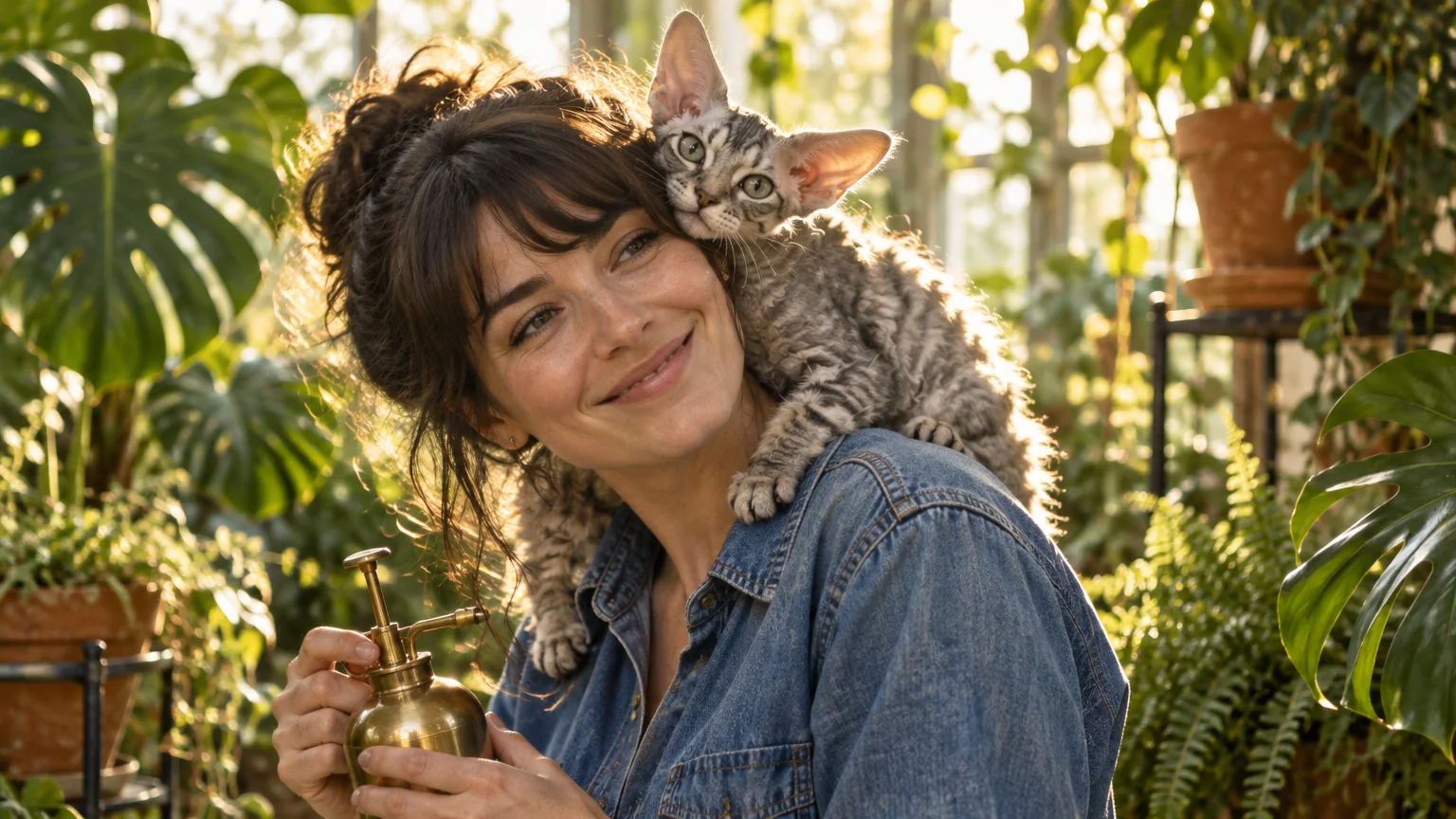
08 Devon Rex: The Mischievous Shoulder Percher
The Devon Rex features huge ears, wavy fur, and an intensely social personality. They treat their owners as playmates, following behind to coordinate games and explore corners.
You will frequently find a Devon Rex perched directly on your shoulders or wrapped around your neck. They crave high-contact physical closeness throughout the day.
Their mischievous antics bring endless entertainment to active homes. They quickly learn household routines, arriving at the refrigerator or pantry door before you even reach the handle.
They get along remarkably well with children and friendly dogs. Their outgoing spirit makes them eager participants in busy family households.
Keep interactive teaser wands handy to channel their energetic curiosity into positive exercise.
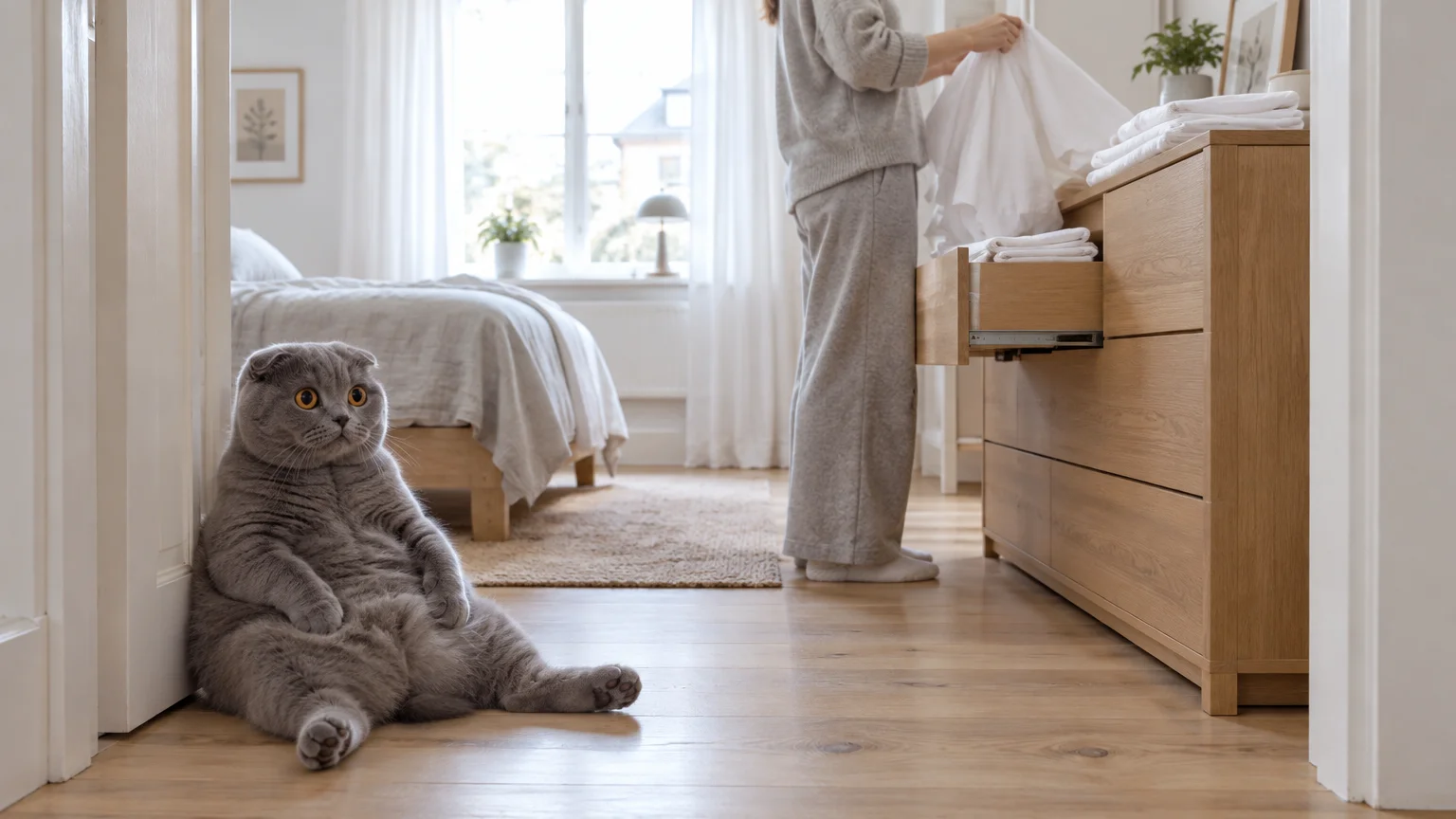
09 Scottish Fold: The Quiet Roommate
Scottish Folds form deeply loyal bonds and love monitoring their favorite human. They trot from room to room, sitting upright in their famous “Buddha pose” to observe you.
These quiet companions avoid vocal demands, preferring peaceful visual contact. They are content simply sharing your physical space while you read, cook, or watch television.
Their calm disposition makes them wonderful partners for relaxed households. They track your movement without darting under your feet or causing trip hazards.
Their folded ears and round faces give them an endearing, owl-like appearance. They express affection through soft purrs and gentle cheek rubs against your ankles.
Provide supportive orthopedic bedding in your main living areas to keep your Scottish Fold comfortable while lounging nearby.
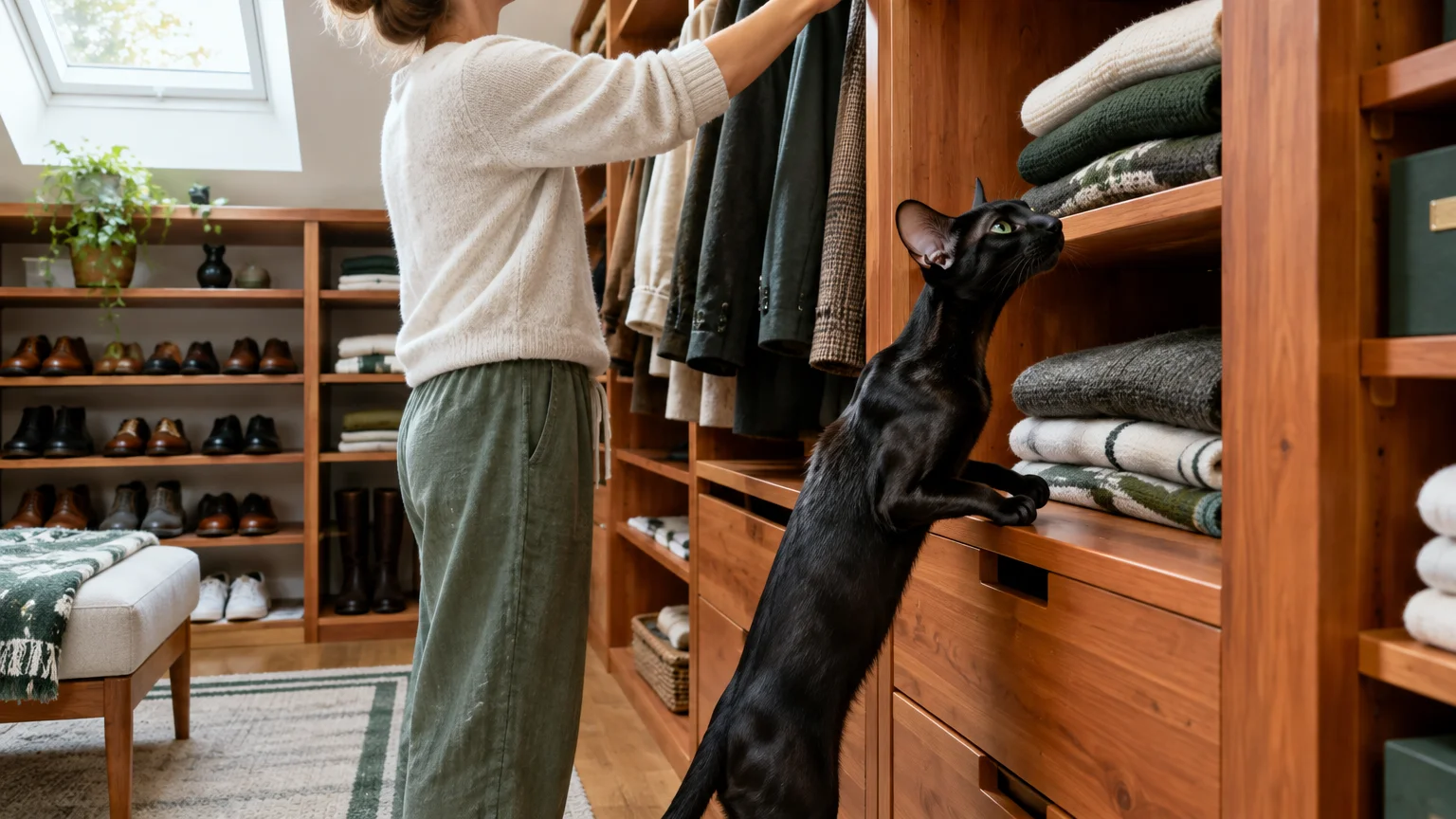
10 Oriental Shorthair: The Inquisitive Tagalong
Closely related to the Siamese, the Oriental Shorthair craves emotional and physical closeness. They accompany you room to room while narrating their thoughts with expressive vocalizations.
They view themselves as full partners in every household task. Ignoring them rarely works, as they simply redouble their vocal efforts and head-butts.
These slender cats form intense attachments to specific individuals. When you move to another room, they immediately abandon their resting spots to follow your lead.
Their high energy and boundless curiosity demand mental stimulation. They enjoy puzzle toys, agility tunnels, and leashed walks in secure backyard gardens.
Make time for daily interactive training sessions to keep their razor-sharp minds stimulated.
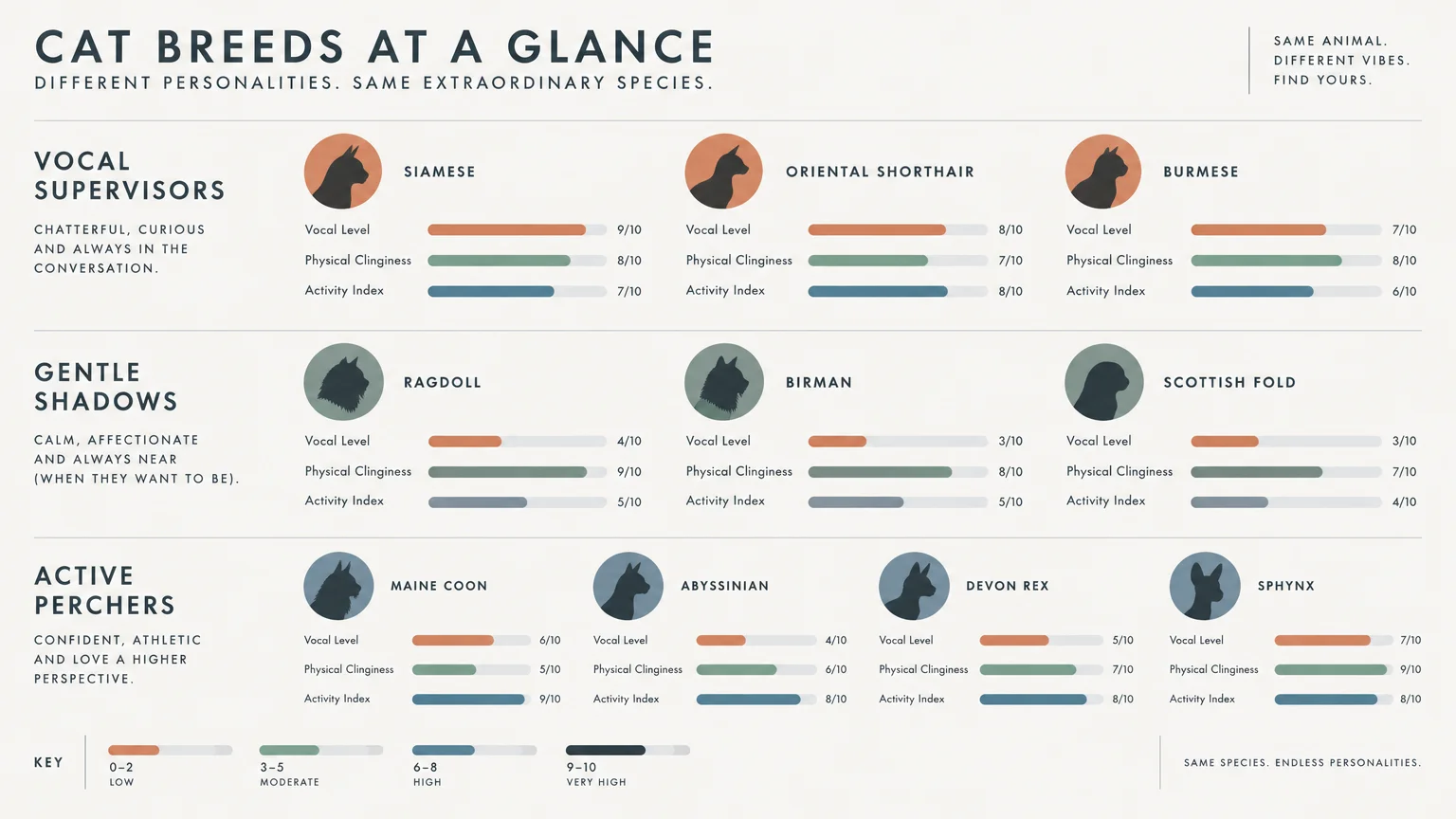
Comparing Clingy and Loyal Cat Breeds
Every attentive cat breed expresses companionship differently. Some breeds prefer quiet visual supervision, while others demand constant vocal chats and lap space.
Review the chart below to find the feline companion that best matches your daily home habits and activity level.
| Breed | Shadowing Style | Vocalization Level | Activity Level | Ideal Home Match |
|---|---|---|---|---|
| Ragdoll | Floor-level lounger | Very quiet | Low | Calm homes, apartments |
| Siamese | Persistent inspector | Extremely vocal | High | Engaged owners, bonded pairs |
| Maine Coon | Sociable observer | Gentle chirps | Moderate | Active families, large homes |
| Burmese | Shoulder rider | Moderately vocal | High | Multi-pet homes, social spaces |
| Sphynx | Lap burrower | Moderately vocal | High | Dedicated owners, warm spaces |
| Abyssinian | Elevated supervisor | Quiet | Very high | Active owners, climbing spaces |
| Birman | Serene foot warmer | Soft chirps | Low to moderate | Quiet homes, remote workers |
| Devon Rex | Shoulder percher | Soft chatter | High | Lively families, playful owners |
| Scottish Fold | Buddha-sitting watcher | Very quiet | Low to moderate | Relaxed routines, gentle homes |
| Oriental Shorthair | Narrative co-pilot | Highly vocal | Very high | Attentive owners, busy homes |
Matching your personal energy with the breed’s social expectations ensures a harmonious home life. Highly vocal breeds suit lively households, while gentler cats prefer quiet remote workers.
Consider your daily routine honestly before choosing a companion. Highly social breeds need owners who can provide consistent companionship and engagement.
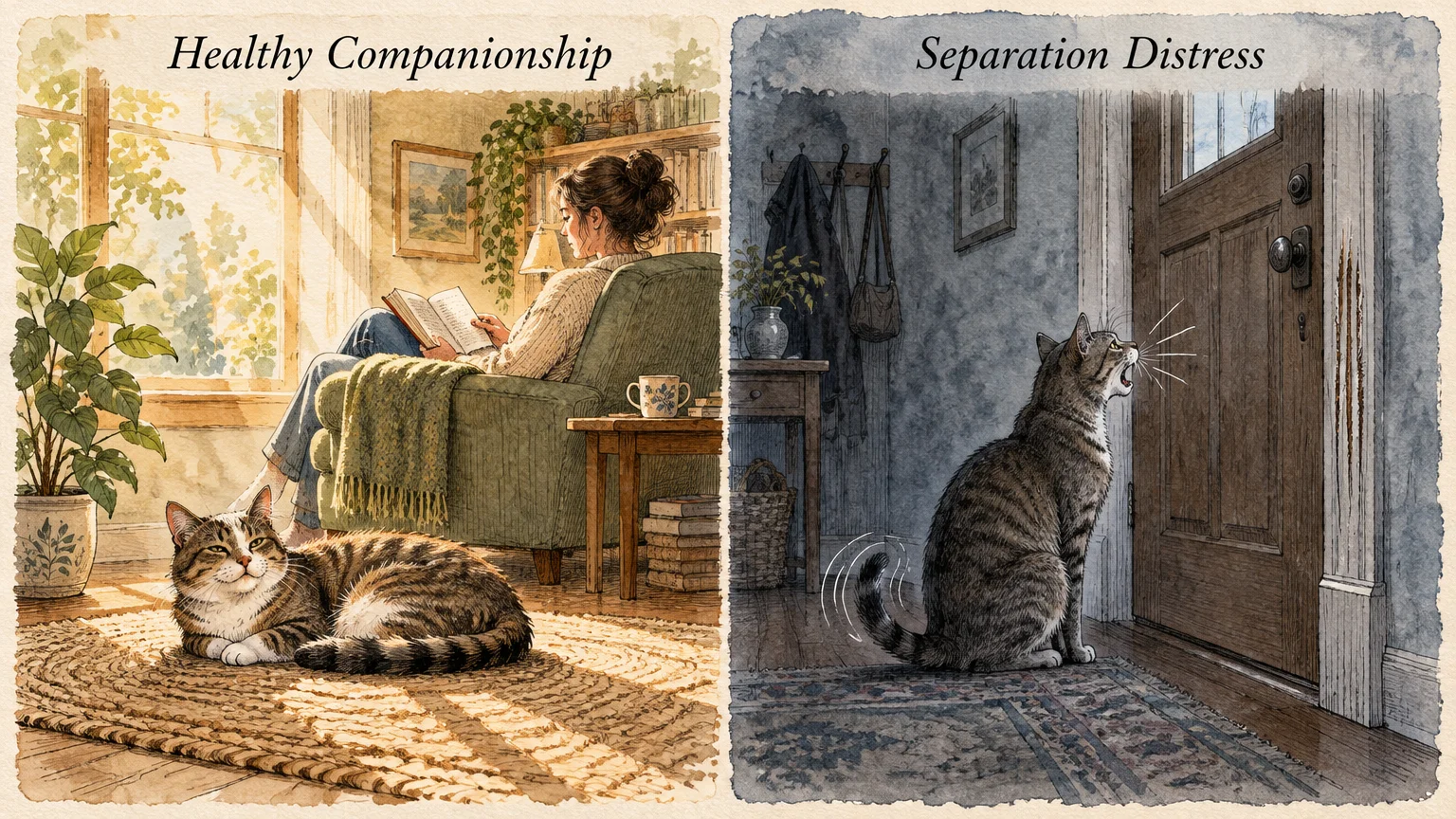
Things to Watch Out For: Affection vs. Separation Anxiety
While having a devoted shadow feels rewarding, extreme clinginess sometimes signals emotional distress. Felines can experience clinical separation anxiety when attached too rigidly to one person.
Watch for frantic vocalization, destructive scratching at doors, or litter box accidents that occur exclusively when you step outside.
Compulsive over-grooming that leaves bald patches also suggests chronic stress rather than affectionate loyalty.
Frequent pacing and frantic demands for contact whenever you stand up may mean your pet struggles with insecurity.
If your cat exhibits severe panic when separated from you, consult your veterinarian or a certified animal behaviorist to explore gentle desensitization techniques.
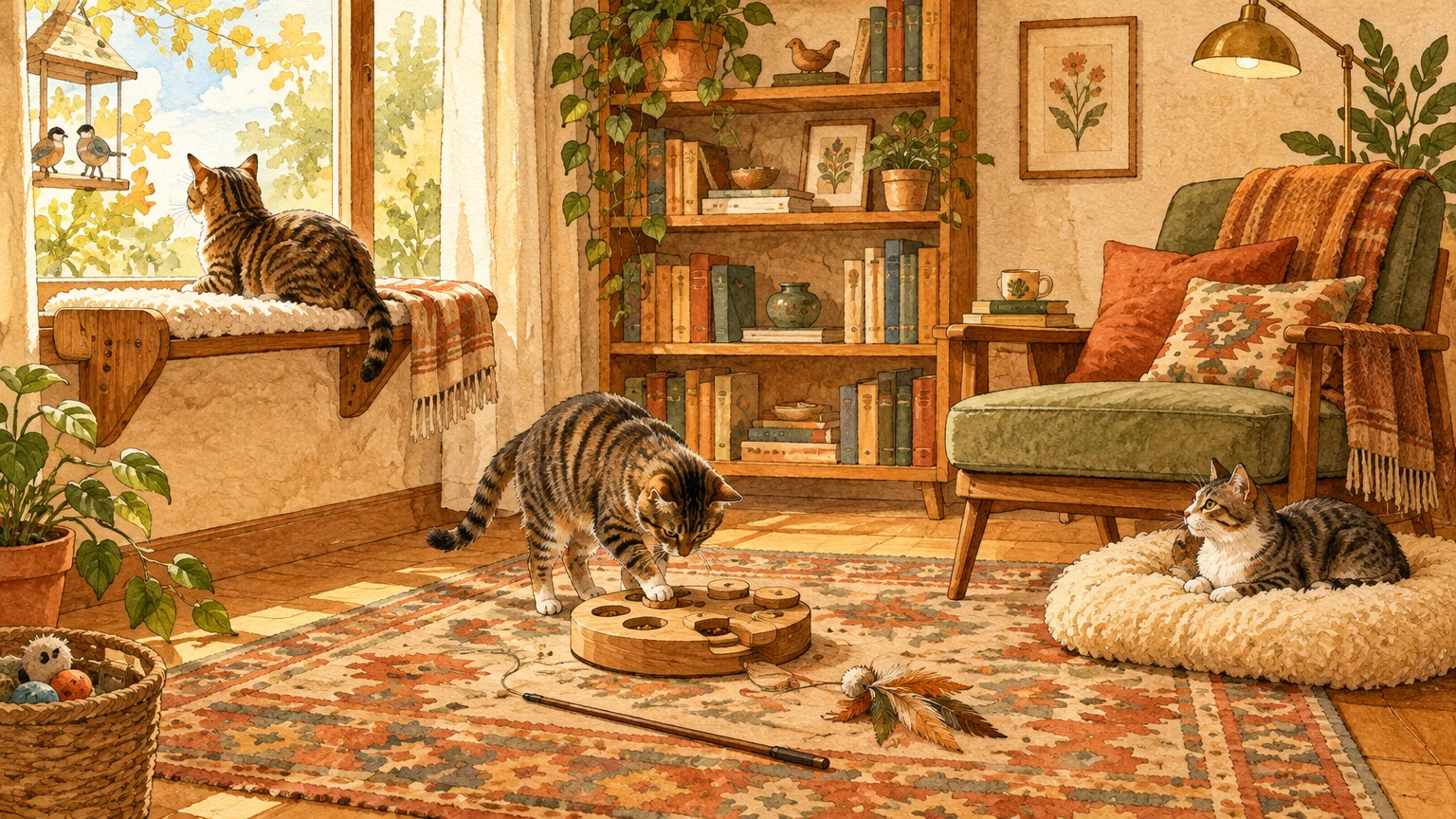
How to Support an Attentive Feline Companion
Living with an attentive cat requires thoughtful adjustments to keep both of you comfortable and safe.
Implement these practical strategies to enrich your cat’s routine while preserving your personal space:
- Set up dedicated perches: Place soft beds or cat trees in rooms where you spend hours, like your home office or kitchen.
- Practice foot awareness: Walk with deliberate steps in dim hallways and on stairs to prevent accidentally stepping on a cat trailing your heels.
- Encourage independent play: Offer puzzle feeders, automated rolling balls, and window bird feeders so your cat builds confidence playing alone.
- Establish daily play rituals: Dedicate fifteen minutes twice each day to interactive feather-wand play, satisfying their need for social interaction.
- Reward calm independence: Toss a treat when your cat chooses to nap across the room rather than demanding constant lap contact.
These balanced routines ensure your cat feels emotionally secure without depending entirely on your continuous physical presence.
Rotating their toys weekly prevents boredom and keeps their independent play sessions fresh and exciting.
Frequently Asked Questions
Why does my cat follow me into the bathroom?
Bathrooms contain moving water, interesting scents, and closed spaces that cats view as high-value territory. Your cat also knows you are sitting still and available for uninterrupted attention.
Can a cat suddenly become clingy later in life?
A sudden shift toward clingy behavior can indicate vision loss, cognitive decline, arthritis pain, or thyroid issues. Schedule a veterinary exam if an independent cat suddenly begins shadowing you constantly.
Are male cats more affectionate than female cats?
Neutered male cats often show slightly more outgoing, clingy behavior than females, though individual socialization plays a larger role. Proper early handling creates affectionate companions regardless of sex.
How can I safely walk without tripping over my cat?
Train yourself to avoid shuffling in dark areas and consider attaching a gentle safety bell to your cat’s breakaway collar. Vocalizing your movements also helps your cat anticipate your walking path.
Welcoming a Devoted Companion
Sharing your living space with a loyal cat turns ordinary household routines into shared moments of connection.
Embrace their watchful curiosity, design spaces that encourage their tagalong nature, and enjoy the remarkable bond that comes with having a devoted companion.
The information here is meant for educational purposes. Specific circumstances—including health conditions, finances, location, and goals—may require different approaches.
When in doubt, consult a licensed professional or check official sources directly.
Last updated: October 2026. Rules, prices, and details change—verify current information with official sources before acting on it.