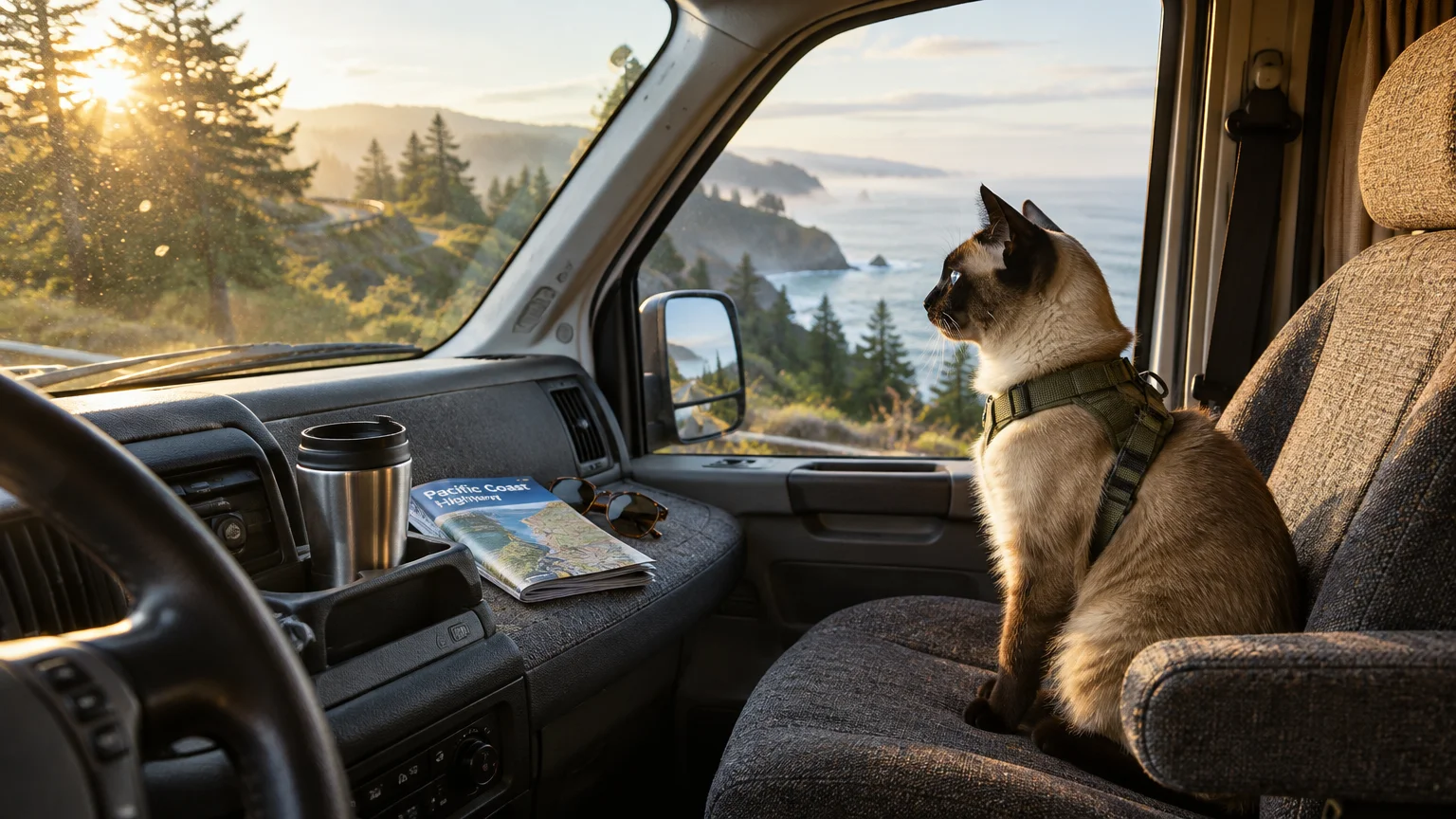
Packing your bags for a road trip or flight does not mean leaving your feline companion behind. Choosing the right breed gives you a confident companion who enjoys exploring new destinations by your side.
While many cats find disrupted routines stressful, certain breeds possess the bold curiosity, calm temperament, and people-oriented focus needed for travel. These adaptable felines embrace harness walks, hotel rooms, and vehicle motion with surprising ease.
Whether you dream of weekend cabin getaways or full-time RV living, matching your lifestyle to an adaptable breed sets everyone up for adventure. Here are twelve cat breeds renowned for taking travel in stride.

What Makes a Cat Breed Travel-Friendly?
Most cats build their core security around an established physical territory. Relocating disrupts that sense of safety unless the cat prioritizes human attachment over geographic familiarity.
Adaptable cat breeds share specific behavioral characteristics that buffer against stress. High curiosity, low startle reactivity, and strong sociability determine how comfortably a cat navigates novel environments.
Breeds with confident dispositions view unfamiliar sights and sounds as engaging puzzles rather than imminent threats. This psychological resilience makes them ideal companions for road trips, flights, and outdoor excursions.
12 Cat Breeds Built for Travel
1. Siamese
Siamese cats thrive on constant human contact and view any journey as a shared social expedition. Their extroverted nature means they prefer traveling beside you over staying behind with a pet sitter.
Because they form intense bonds, these cats feel secure in vehicles simply by hearing your voice. Many Siamese cats take quickly to harness walking, making roadside exercise stops straightforward and enjoyable.
Keep interactive puzzle toys in your vehicle to prevent boredom during lengthy road trips. A bored Siamese will loudly voice dissatisfaction until you provide stimulation.
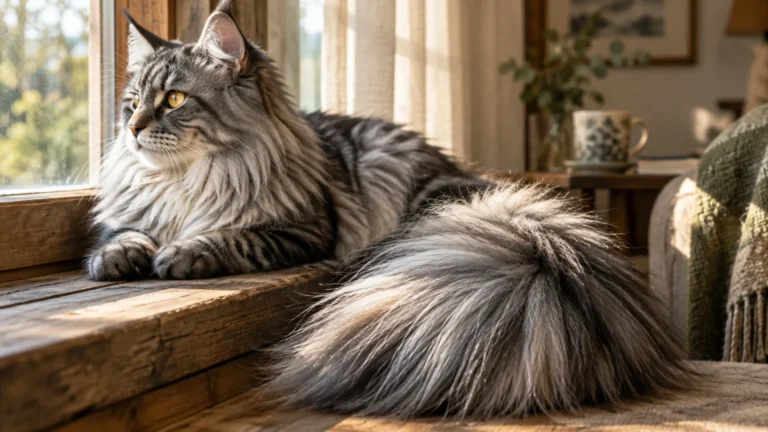
2. Maine Coon
Often described as the gentle giants of the feline world, Maine Coons possess an unflappable temperament. Their calm demeanor prevents panic when engines rumble or unfamiliar hotel corridors echo with noise.
These sociable cats often display dog-like loyalty, following your cues whenever you step into unfamiliar territory. They explore new vacation rentals with steady curiosity rather than scurrying under furniture.
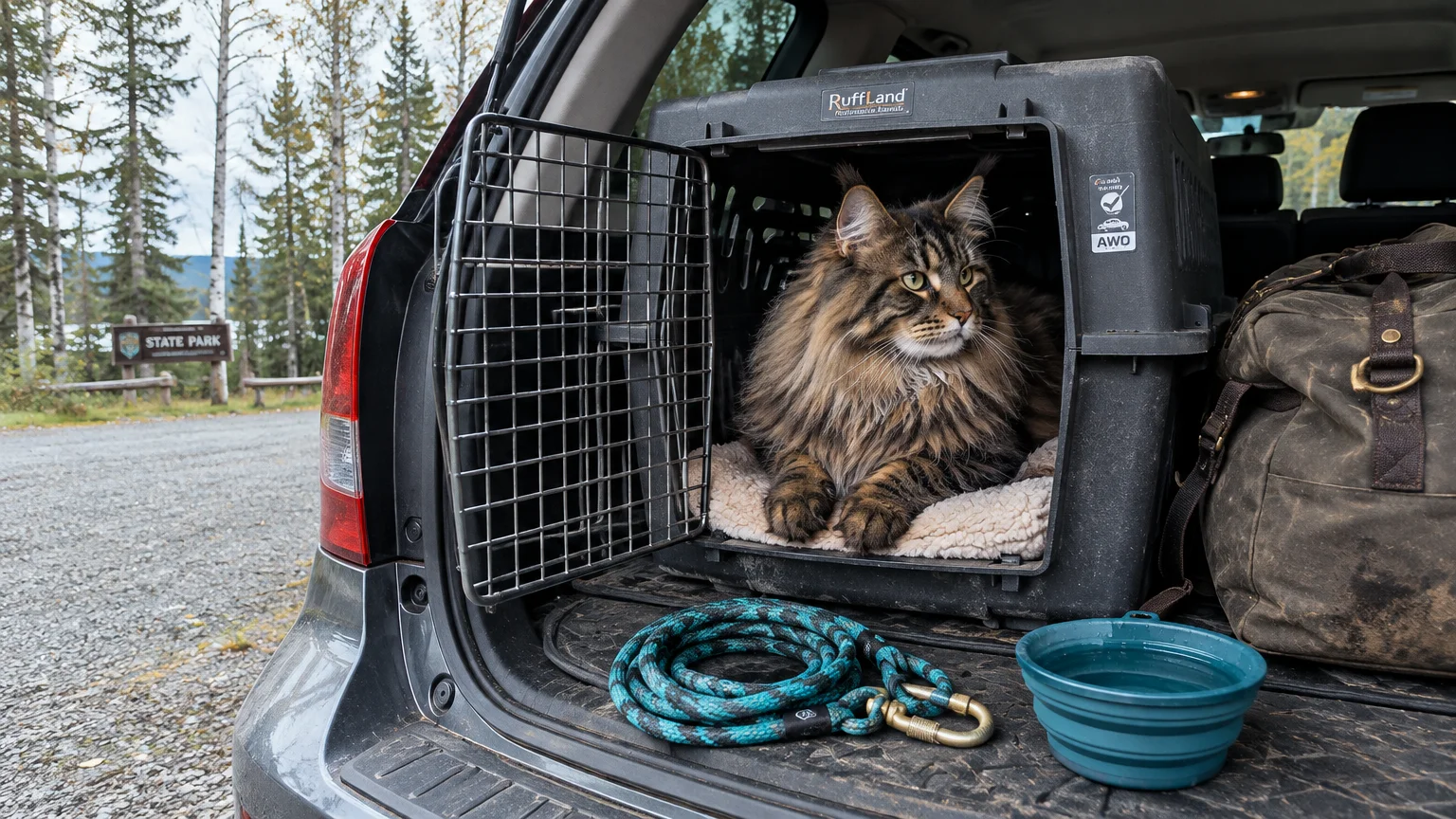
Because a full-grown Maine Coon can weigh twenty pounds, purchase an extra-large, crash-tested carrier for your vehicle. Ample physical space ensures their comfort during extended travel intervals.
3. Ragdoll
Ragdolls earned their name from their tendency to collapse into relaxed limpness when held. This gentle, trusting nature transfers seamlessly to travel carriers and quiet vehicle rides.
These docile cats rarely react defensively to sudden environment shifts, looking instead to their owners for comfort. Their serene disposition makes them stellar companions for flights and hotel stays.
Their relaxed demeanor means they lack sharp predator-avoidance instincts. You must keep them secured on a harness whenever opening car doors or carrier gates.
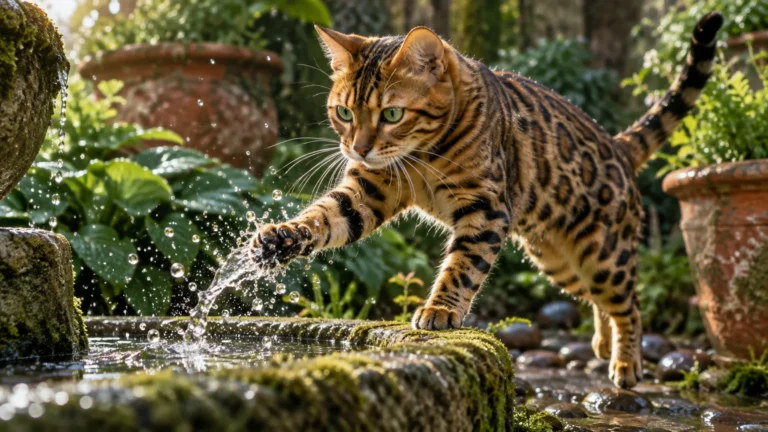
4. Bengal
Bengals possess an athletic, confident spirit that mirrors that of an eager trail dog. Their bold curiosity and high energy make outdoor excursions and camping trips remarkably fulfilling.
Many Bengals relish leash training and will proudly hike established trails or explore shoreline campsites. They love visual motion, so a secure window hammock in an RV keeps them thoroughly entertained.
You must satisfy their physical energy requirements every evening to prevent restless nighttime pacing. Carry durable wand toys and set aside time for vigorous play after arriving at your destination.
5. Abyssinian
Abyssinians bring fierce intelligence and endless curiosity to every journey. Rather than retreating into hiding in a strange hotel room, an Abyssinian immediately maps out the highest vantage points.
Their fearless disposition helps them process foreign stimuli without falling victim to sensory overload. They accept walking vests readily and approach new settings like intriguing obstacle courses waiting for exploration.
Double-check all hotel window screens and entryways, because their impressive leaping agility enables rapid escapes. A portable scratching post inside your room channels their physical energy safely.
6. American Shorthair
The American Shorthair stands out for its even-tempered personality and sturdy constitution. These cats accept changes in their daily routine without the gastrointestinal distress or anxiety that plagues nervous breeds.
Modern American Shorthairs inherit steady composure from ancestors who protected cargo ships during transatlantic voyages. They adjust to shifting lodging swiftly, resuming normal eating and litter box habits within minutes.
Their independent nature allows them to rest quietly in their carriers while you navigate busy highway interchanges. They stay content as long as you maintain their regular feeding schedule.
7. Russian Blue
Russian Blues are quiet, graceful cats that bond deeply with their chosen human companions. While reserved around strangers, their unshakable trust in you provides complete reassurance in unfamiliar settings.
These tranquil cats excel in peaceful travel environments, making them ideal partners for remote cabin retreats and camper vans. They rarely vocalize during transit and settle quickly into dark, cozy carriers.
Line their travel crate with a blanket that carries the familiar scent of your home. Familiar scents provide sensory reassurance as you transit through unfamiliar airports or highways.
8. Scottish Fold
Scottish Folds are famous for their sweet, adaptable nature and distinctive folded ears. They thrive on quiet human companionship and display an easygoing attitude toward novel surroundings.
Motion rarely upsets a Scottish Fold, making them peaceful passengers across multiday driving trips. They gladly perch beside you in vacation rentals, watching outdoor scenery unfold through patio windows.
Because their cartilage mutation can cause joint stiffness, outfit their carrier with dense orthopedic bedding. Supportive padding cushions them against bumpy road vibrations and keeps their spine comfortable.
9. Birman
Birmans strike a gentle balance between calm relaxation and affectionate social engagement. Their polite demeanor and trust in their owners allow them to navigate transit without panic.
Unfamiliar hotel rooms rarely disorient a Birman as long as you establish their litter and food stations nearby. They explore new surroundings with soft curiosity before curling up across your lap.
Their silky coat lacks a dense undercoat, which reduces matting, but daily brushing remains helpful after travel days. Grooming also provides a familiar bonding ritual that eases transit fatigue.
10. Japanese Bobtail
Japanese Bobtails are brave, communicative felines that actively seek out family activities. These historic voyagers have traveled aboard ships for centuries, developing an innate comfort with motion and change.
They master harness walking with minimal fuss and enjoy watching roadside landscapes blur past vehicle windows. Their sweet, melodious chirps keep conversation lively during quiet highway drives.
Their nimble paws love opening loose latch handles, so fasten carrier doors and vehicle glove boxes securely. Offer food-dispensing puzzle toys during travel delays to keep their sharp minds occupied.
11. Pixie-bob
Pixie-bobs combine the rugged appearance of a wild bobcat with the devoted loyalty of a retriever. They relish road adventures and bond fiercely with everyone inside the vehicle cabin.
Most Pixie-bobs take naturally to harness training, stepping alongside you through dog-friendly parks and rest areas. Their sturdy musculature helps them absorb vehicular sway without developing motion sickness.
Pixie-bobs crave social inclusion, meaning they dislike being left behind in hotel rooms while you sightsee. Plan excursions where your cat can accompany you safely inside a travel backpack.
12. Norwegian Forest Cat
Norwegian Forest Cats possess fearless resilience forged across centuries in harsh Scandinavian environments. They encounter new locations with majestic confidence, viewing every unfamiliar space as fresh territory to survey.
Their insulating double coat equips them perfectly for autumn camping trips and cool-weather mountain cabins. When trained early, they ride comfortably in carriers without exhibiting nervous pacing or vocal protests.
Ensure your vehicle’s air conditioner runs reliably during summer excursions, as their thick coat traps heat quickly. Keep chilled water bowls accessible to prevent dangerous thermal stress on warm travel days.
Comparing Travel Traits Across Breeds
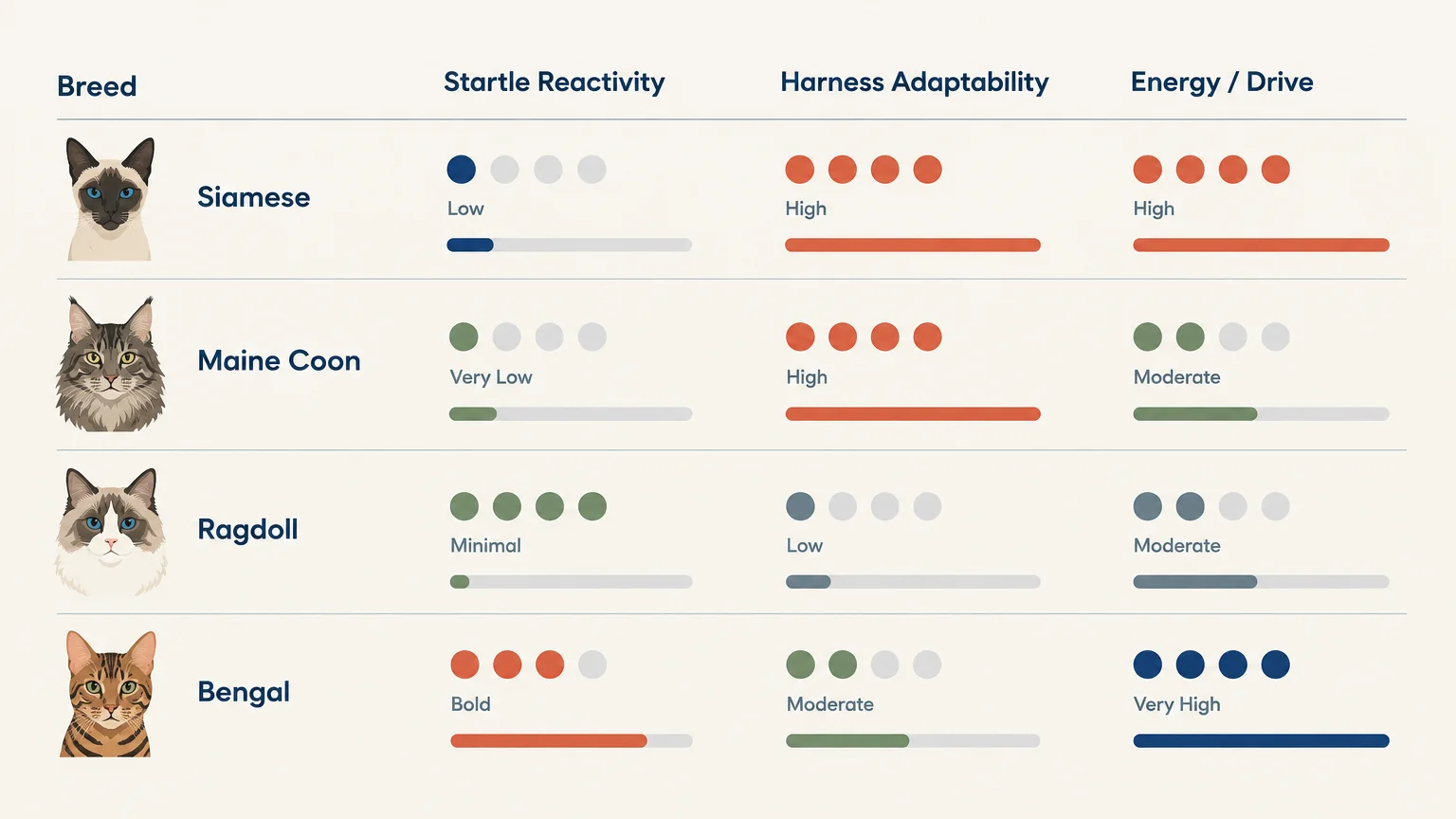
Review this quick reference table to match specific breed personalities with your preferred travel itinerary and lifestyle.
| Breed | Energy Level | Vocalization | Ideal Travel Style | Standout Travel Asset |
|---|---|---|---|---|
| Siamese | High | Frequent and loud | Road trips and RV living | Deep attachment to handlers |
| Maine Coon | Moderate | Soft chirps | Spacious vehicle travel | Unflappable confidence |
| Ragdoll | Low | Quiet and gentle | Cabin flights and quiet stays | Low startle response |
| Bengal | Very High | Moderate | Hiking and trail camping | Athletic harness agility |
| Abyssinian | High | Quiet | Leashed outdoor exploration | Fearless curiosity |
| American Shorthair | Moderate | Low | Cross-country driving | Routine adaptability |
| Russian Blue | Low to Moderate | Very quiet | Tranquil vacation rentals | Composed carrier demeanor |
| Scottish Fold | Low | Soft | Casual road travel | Easygoing passivity |
| Birman | Low to Moderate | Gentle | Hotel and resort stays | Trusting sociability |
| Japanese Bobtail | High | Melodic chirps | Boating and active outings | Historical affinity for travel |
| Pixie-bob | Moderate | Chirps and clicks | Dog-friendly trail adventures | Sturdy, balanced physique |
| Norwegian Forest Cat | Moderate | Quiet | Cold-weather wilderness retreats | Weather-hardy confidence |
Each breed brings unique advantages to travel, yet individual temperament always plays a determining role in trip success.
How to Prepare Your Cat for Travel
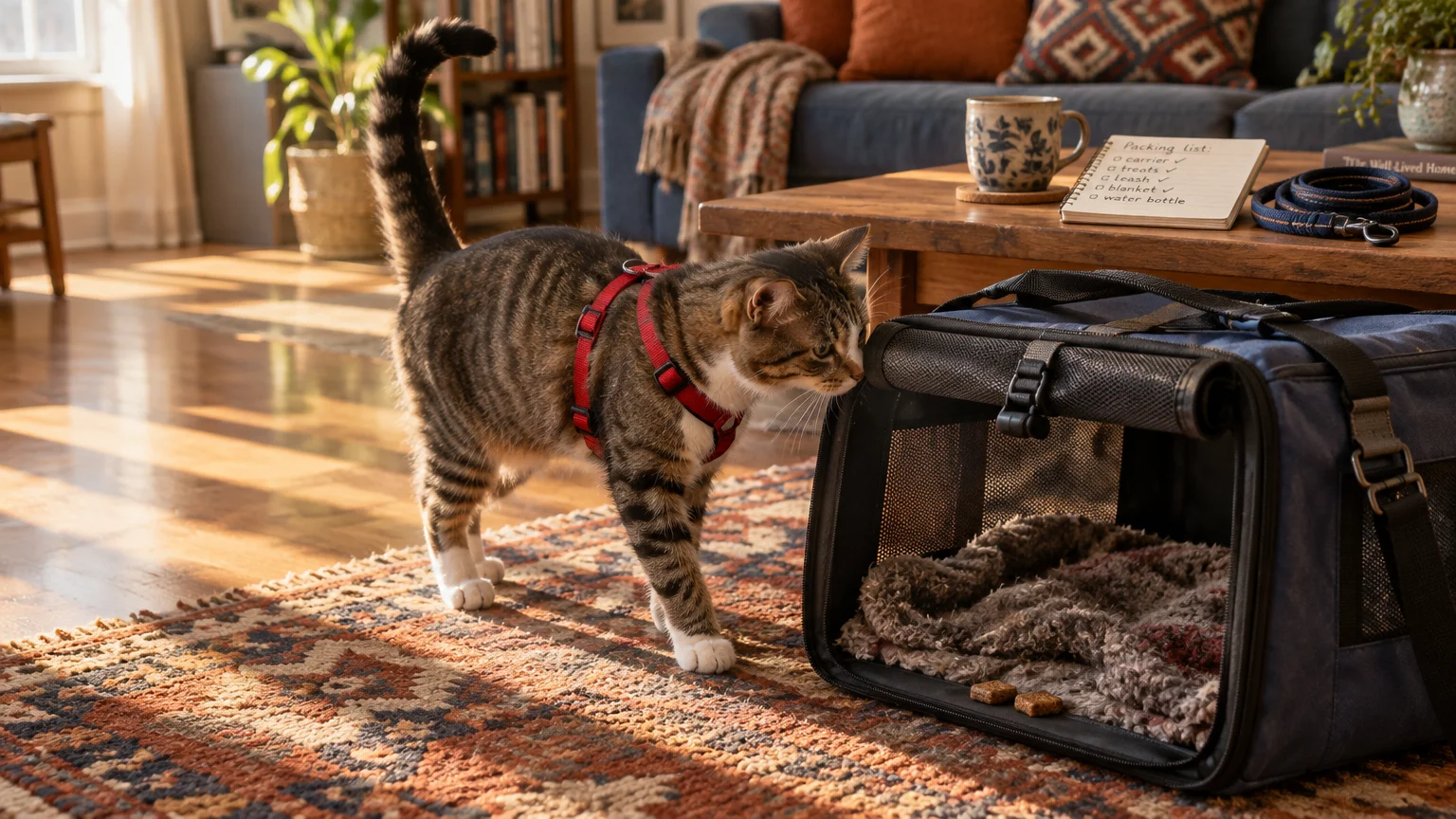
Even the most naturally adaptable cat requires structured preparation before setting out on a major expedition. Gradual exposure turns strange travel gear into comforting safe havens.
According to The Cat Fanciers’ Association, early socialization and positive reinforcement help cats view new experiences with curiosity rather than fear.
- Introduce the travel carrier weeks ahead of departure by leaving it open with treats and bedding inside.
- Practice short five-minute drives around your neighborhood to acclimate your cat to vehicular motion and engine vibration.
- Fit your cat with an H-style harness indoors before attempting outdoor walks near vehicle traffic.
- Establish a consistent schedule featuring regular feeding, hydration, and portable litter box breaks.
Consistent pre-trip conditioning transforms potentially scary travel equipment into familiar anchors that keep your cat grounded anywhere you travel.
Things to Watch Out For
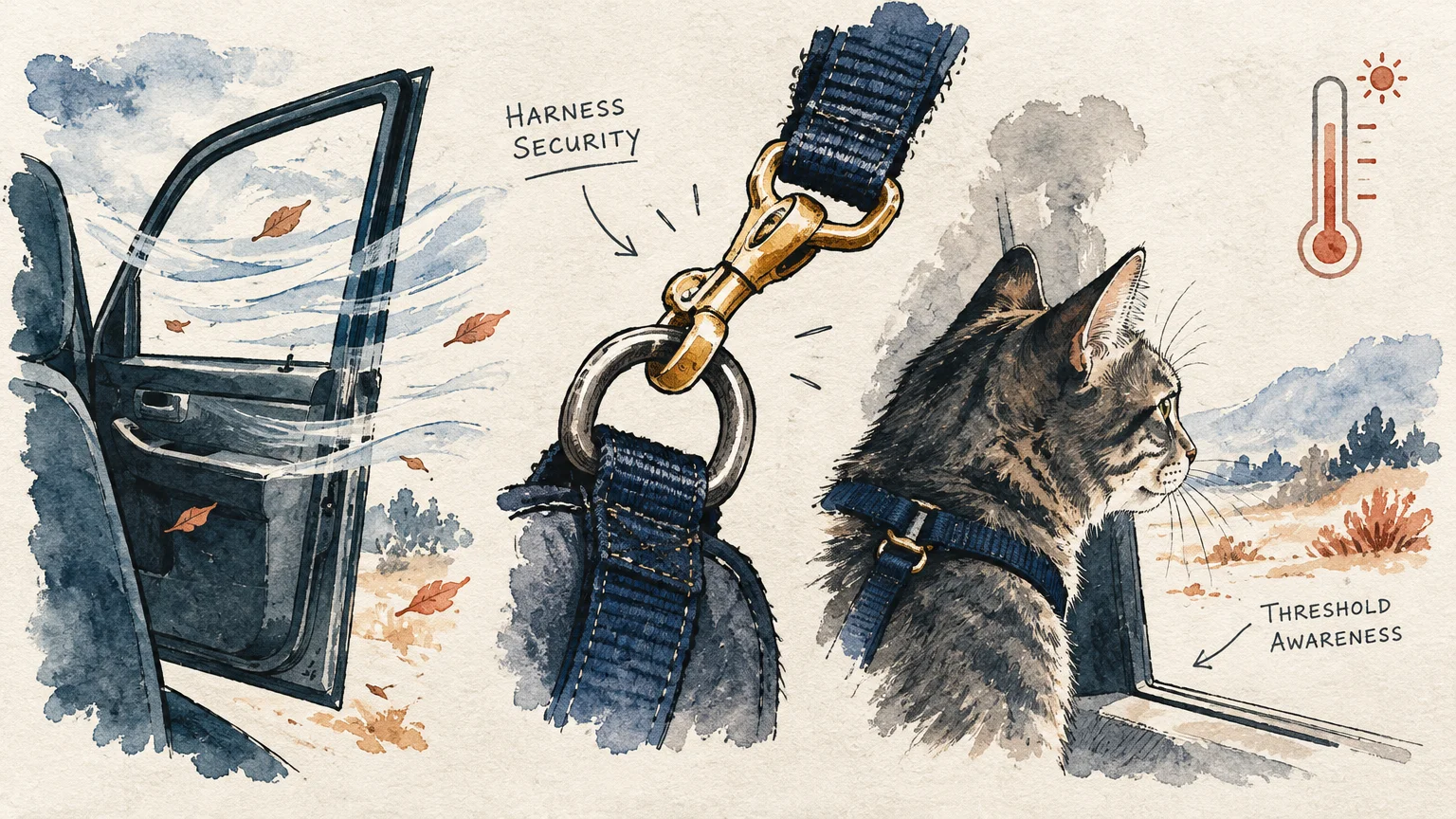
Traveling with feline companions introduces distinct environmental hazards that require proactive management. Watch out for these four common travel pitfalls before hitting the highway or heading to the airport terminal.
Sudden escapes represent the single greatest danger during transit. A startled cat can bolt through an open car door in seconds, making a secure harness and leash tether mandatory during every transit stop.
Vehicle temperatures fluctuate rapidly, creating deadly heatstroke conditions in minutes. Never leave your cat unattended inside a parked car, even with windows cracked or during mild weather.
Different regional tap water supplies contain unfamiliar mineral profiles that can trigger gastrointestinal distress. Pack bottled water or gallon jugs filled from your home tap to maintain digestive stability.
Foreign hotel rooms contain hidden hazards like unsecured recliner mechanisms, open heating vents, or poisonous cleaning residues. Inspect the entire room thoroughly before letting your cat leave their carrier.
When DIY Isn’t Enough
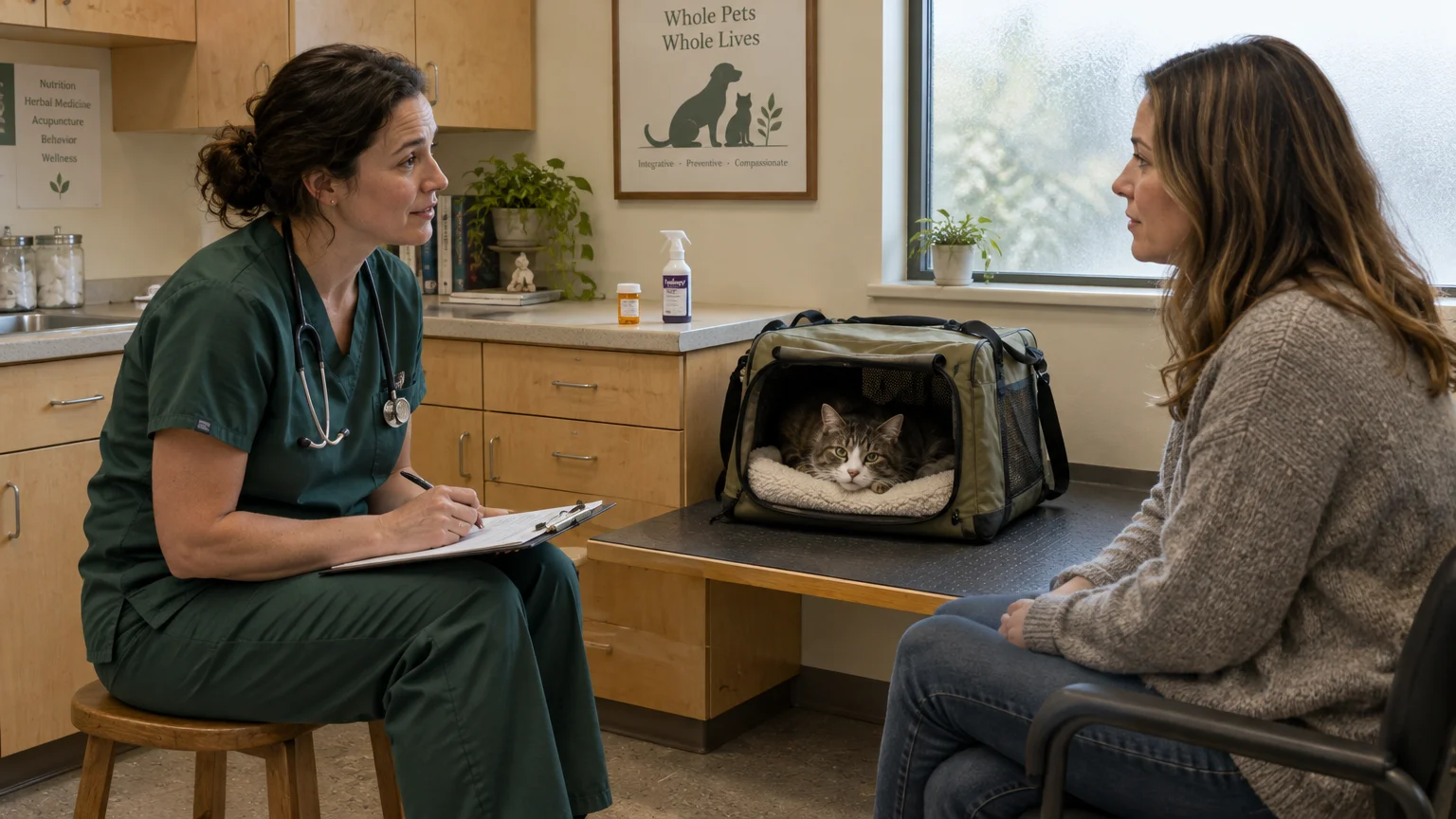
While behavioral conditioning helps many cats adapt, certain travel challenges require direct veterinary intervention. Consult your veterinarian well before departure if your cat faces any of these situations.
Severe motion sickness causes excessive drooling, nausea, and vomiting during transit. Your veterinarian can prescribe targeted antiemetic medications that soothe an upset stomach without heavy sedation.
Extreme situational terror or flight panic can overwhelm a cat’s ability to cope. A veterinarian can evaluate whether mild prescription anxiety medications will make the trip safe and humane.
Crossing state or international borders involves strict legal regulations. The American Veterinary Medical Association reminds pet owners that accredited veterinarians must issue official Certificates of Veterinary Inspection before domestic flights or interstate transit.
Frequently Asked Questions
Can you train any cat breed to travel?
Any cat with a confident temperament can learn to travel, regardless of their genetic pedigree. While specific breeds show higher statistical probabilities of adaptability, early socialization and gradual desensitization matter far more than paperwork.
How do TSA security checkpoints handle cats?
The Transportation Security Administration requires you to remove your cat from their carrier while the carrier passes through the X-ray machine. You must hold your cat in your arms or request a private screening room to prevent escape during screening.
How often should cats take litter breaks during road trips?
Plan to offer a travel litter box every three to four hours while driving. Most cats prefer waiting until the vehicle stops completely before feeling secure enough to relieve themselves.
Should you sedate your cat before traveling?
Veterinarians strongly discourage heavy over-the-counter sedatives because they impair a cat’s thermoregulation and balance. If your cat suffers from intense travel anxiety, request modern prescription calming medications from your vet.
Final Thoughts on Traveling With Cats
Traveling with your cat deepens your companionship and opens up incredible opportunities for shared adventures. Take time to respect your pet’s comfort threshold, pack familiar comforts, and celebrate every small travel milestone together.
This article provides general information only. Every reader’s situation is different—what works for others may not be the right fit for you.
For personalized guidance on health, legal, or financial matters, consult a qualified professional.
Last updated: October 2026. Rules, prices, and details change—verify current information with official sources before acting on it.