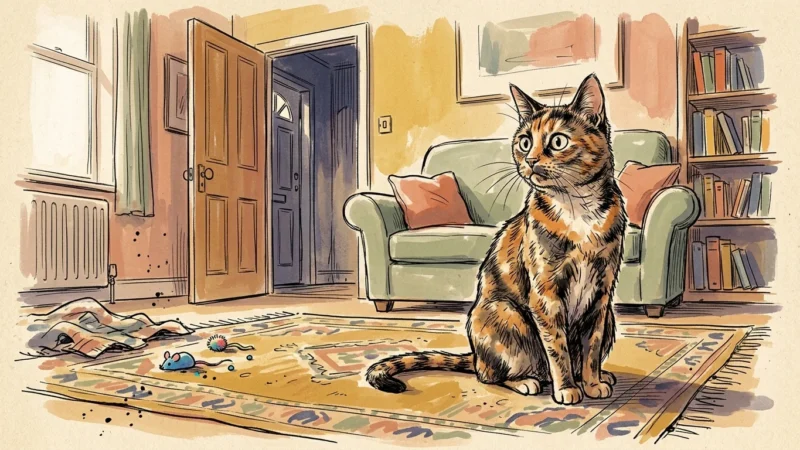
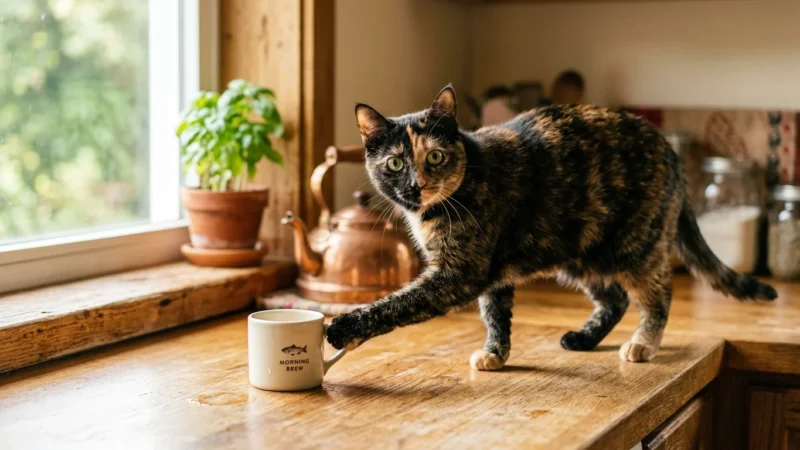
You turn your house upside down searching for your cat, only to spot two glowing eyes peering from an unzipped gym bag. Feline companions possess a legendary knack for vanishing into cramped, improbable household corners without making a sound.
This behavior stems directly from evolutionary biology, not stubbornness or spite. Understanding your cat’s favorite retreats helps you build a secure home while recognizing the difference between cozy rest and sudden illness.
Here is what drives your cat into ten classic hiding nooks, alongside practical tips to keep those spaces safe and enriching.

The Science of Feline Hiding: Predators and Prey
Domestic cats occupy a rare ecological role known as mesopredators. Because they hunt small prey while remaining vulnerable to larger predators, concealment serves as an essential survival strategy.
Enclosed spaces give cats 360-degree sensory protection. When an animal shields its flanks and rear, it eliminates the risk of an ambush from behind.
A landmark shelter study by researchers at Utrecht University revealed that providing hiding boxes reduced feline stress levels within the first forty-eight hours. The study demonstrated that sheltered felines adapt to unfamiliar environments significantly faster when given concealment options.
Hiding is an innate coping mechanism cats use to process environmental changes, minimize cortisol spikes, and regain psychological control over their territory.
Thermoregulation also influences their nesting choices. Research from the American Association of Feline Practitioners notes that a cat’s normal body temperature ranges between 100.5 and 102.5 degrees Fahrenheit.
Because cats maintain higher baseline temperatures than humans, their thermoneutral zone sits between 86 and 97 degrees Fahrenheit. Small, insulated nooks trap radiant body heat, allowing them to rest comfortably without expending metabolic energy.

1. Cardboard Boxes and Paper Bags
Drop an empty delivery box onto the living room rug, and your cat will claim it within minutes. Cardboard provides exceptional thermal insulation alongside rigid physical boundaries.
Corrugated cardboard holds your cat’s warmth and muffles surrounding room noise. The firm walls allow a resting cat to lean its spine against solid resistance, triggering deep muscle relaxation.
Paper grocery bags provide a similar tactile appeal. The crinkling sound mimics dry leaves rustling in the wild, which stimulates a cat’s latent prey drive.
Always snip the handles off paper bags before offering them as toys. Loose handles can loop around a pet’s neck, sparking severe panic and choking hazards.

2. Underneath the Bed
The space beneath a bed represents the ultimate ground-level fortress. It offers expansive darkness, low ceiling clearance, and quick access to perimeter exits.
From under the bed skirt, your cat monitors human footsteps without revealing its position. This vantage point delivers maximum safety when unfamiliar guests arrive or loud vacuum cleaners start running.
The mattress above traps residual bedroom heat, creating a warm microclimate. It also carries the concentrated scent of its human owners, providing emotional reassurance.
If you want to keep this area welcoming, clear out dust bunnies and stray wires. A tidy under-bed sanctuary prevents allergic reactions and keeps your pet clean.

3. Inside Closets and Wardrobes
A cracked closet door presents an irresistible invitation for an inquisitive cat. Wardrobes recreate the stillness and darkness of a natural cave or hollow log.
Closets buffer external household noise better than open rooms. The dense hanging fabrics absorb sound vibrations from televisions, street traffic, and barking neighborhood dogs.
These dark spaces also smell intensely of you. Cats rely on scent transfer to build communal territory, and resting on your wardrobe floor reinforces their sense of belonging.
Check closet corners periodically to ensure you do not accidentally trap your pet inside for hours. A sleeping cat can remain unnoticed behind coats all afternoon.

4. High Shelves, Bookcases, and Kitchen Cabinets
Not all cat hiding spots sit on the floor. Vertical retreats tap directly into a cat’s tree-climbing ancestry, offering unmatched sightlines across an entire room.
Elevated shelves allow cats to survey their territory while remaining out of reach of toddler hands or curious dogs. Height grants psychological control over the living space.
Warm air naturally rises toward the ceiling, making high perches noticeably toastier during winter months. The top shelf of an armoire often stays several degrees warmer than the carpet.
Anchor tall bookcases firmly to your wall studs with safety brackets. Heavy feline leaps can destabilize unanchored furniture, posing serious crushing risks to pets and humans.

5. Laundry Baskets and Piles of Folded Clothes
Fresh laundry straight from the tumble dryer functions as an instant feline magnet. It combines soft nesting materials with residual industrial heat.
Textiles conform to a cat’s sleeping posture, cushioning sensitive joints. Older cats with early-stage osteoarthritis frequently seek out laundry piles to relieve pressure on aging hips.
Even cold, unwashed laundry draws attention due to biological chemistry. Piles of worn sweatshirts carry your sweat and pheromones, creating an olfactory oasis that lowers stress.
Watch out for discarded clothing with decorative drawstrings, buttons, or loose threads. Curious cats can chew or ingest these embellishments, leading to life-threatening intestinal obstructions.

6. Bathroom Sinks and Bathtubs
A cat curled asleep inside a smooth porcelain sink looks humorous, yet clear biological needs govern the habit. Smooth porcelain conducts heat away from the body rapidly.
During sweltering summer afternoons, a bathroom sink provides an effortless cooling station. The chilled ceramic draws excess heat away from thick feline fur.
The ergonomic basin also mimics a defensive nest. Its curved contours allow a cat to settle securely while high rim walls protect against surprise disturbances.
Keep toilet lids closed and rinse tub cleaners thoroughly before your pet claims the porcelain. Residual cleaning bleaches and surfactants can irritate sensitive footpads and stomach linings.

7. Behind Curtains and Window Drapes
Window curtains offer an ingenious compromise between total concealment and prime environmental stimulation. The fabric serves as a functional hunting blind.
Sitting behind floor-length drapes allows your cat to stalk garden birds and chipmunks without being spotted. Cats gain immense mental enrichment from tracking moving targets through glass.
Direct sunlight pools behind window treatments, creating radiant heat traps. Your cat can absorb warm sunbeams while remaining shielded from busy indoor pathways.
Secure or replace dangling cord loops on blinds and heavy drapes. Window cords cause tragic strangulation accidents each year when playful paws get caught in hanging loops.

8. Beneath Sofas and Heavy Armchairs
Low-slung living room furniture gives cats a front-row seat to household life from behind impenetrable barriers. They stay connected to family routines without having to interact directly.
The underside of a couch offers dark, tight boundaries that calm hyper-reactive cats. It serves as a temporary decompression zone when daily routines become chaotic.
Cats frequently rip open the thin dust covers under sofas to create suspended hammock pockets. This fabric cavity supports their weight while keeping them entirely invisible.
Check under manual or electric recliners before operating footrests. Reclining mechanisms feature heavy metal scissor hinges that can trap or severely injure a resting feline.

9. Inside Hollow Cat Trees, Caves, and Tunnels
Commercial cat cubbies and felt caves fulfill a feline’s instinctual need for a dedicated, permanent den. These accessories provide stable scent territories that never shift.
Enclosed cat tunnels tap into hunting behaviors, simulating rodent burrows. Cats use these pathways to launch playful ambushes against toy mice or passing housemates.
Unlike makeshift cardboard boxes, felted wool caves and lined cat cubbies maintain stable interior temperatures through specialized insulating fabrics. They provide consistent year-round comfort.
Place dedicated cat caves in low-traffic living room corners. This positioning lets your pet rest close to the family while maintaining private boundaries.

10. Quiet Utility Rooms and Basements
When sensory overload strikes, many cats seek out the quietest, lowest level of the home. Basements and utility rooms deliver unmatched isolation.
These subterranean areas have thick foundation walls that block outside noises, barking dogs, and neighborhood sirens. They provide absolute sensory quiet for nervous temperaments.
Furnaces and hot water heaters emit substantial warmth, drawing cats toward utility corners during winter. Unfinished basements also provide rough surfaces for exploratory scratching.
Keep all home maintenance chemicals, automotive fluids, and toxic rodent baits locked away in these zones. A quick exploratory sniff of spilled antifreeze or motor oil can prove fatal.

Comparing Popular Feline Hiding Spots
Different hiding spots fulfill distinct feline needs, ranging from thermal regulation to emotional safety. The table below outlines what each area provides and how to manage it safely.
| Hiding Location | Primary Instinct | Microclimate / Benefit | Key Precaution |
|---|---|---|---|
| Cardboard Boxes | Boundary security & play | Traps body heat; sound dampening | Remove staples, packing tape, and plastic bands |
| Under the Bed | Perimeter defense & escape | Dark, quiet, familiar human scent | Keep storage boxes organized; clear dust |
| High Bookcases | Territory oversight & safety | Rising warm air; wide field of view | Anchor furniture securely to wall studs |
| Laundry Baskets | Nesting & scent comfort | Soft cushioning; radiant heat retention | Inspect for buttons, loose threads, and pins |
| Bathroom Sinks | Cooling & defensive nesting | Conductive cooling during hot days | Wipe away disinfectant cleaners and residue |
| Window Drapes | Concealed hunting blind | Direct solar warmth; visual enrichment | Eliminate looped curtain cords and tie-backs |
| Beneath Recliners | Immediate ground retreat | Tight compression; dim lighting | Never move footrests without checking underneath |
| Utility Basements | Sensory decompression | Low noise; radiant appliance warmth | Lock up paint, solvents, and motor fluids |

Things to Watch Out For: Hazardous Hiding Spots
Cats do not always distinguish between cozy hideaways and perilous mechanical traps. Curious pets regularly investigate enclosed spaces that carry severe risks.
Clothes dryers and front-loading washing machines represent top household hazards. Always inspect drum interiors before closing doors and starting wash cycles.
During cold weather, outdoor and free-roaming cats often climb into car wheel wells or sleep on warm engine blocks. Bang loudly on your vehicle’s hood before starting the engine on frosty mornings.
Open wall cavities during home renovations can trap inquisitive felines behind drywall. Block access to construction zones to prevent costly emergency rescues.

When DIY Isn’t Enough: Medical Reasons Cats Hide
While hiding is normal feline behavior, sudden retreats into dark corners can signal urgent medical issues. Sick or injured cats hide instinctively to avoid appearing vulnerable to predators.
Clinical data from the Cornell Feline Health Center highlights that sudden behavioral withdrawal often serves as an early indicator of system illness. Chronic hiding frequently accompanies conditions like arthritis, dental abscesses, or kidney decline.
Feline Lower Urinary Tract Disease (FLUTD) causes sharp pelvic pain that drives cats into secluded corners. Male cats suffering from urinary blockages face life-threatening toxicity within twenty-four to forty-eight hours.
Contact a veterinarian immediately if hiding accompanies changes in appetite, litter box straining, unkempt fur, or vocal crying. Early clinical intervention prevents manageable health problems from escalating into life-threatening emergencies.

How to Support Your Cat’s Natural Instincts
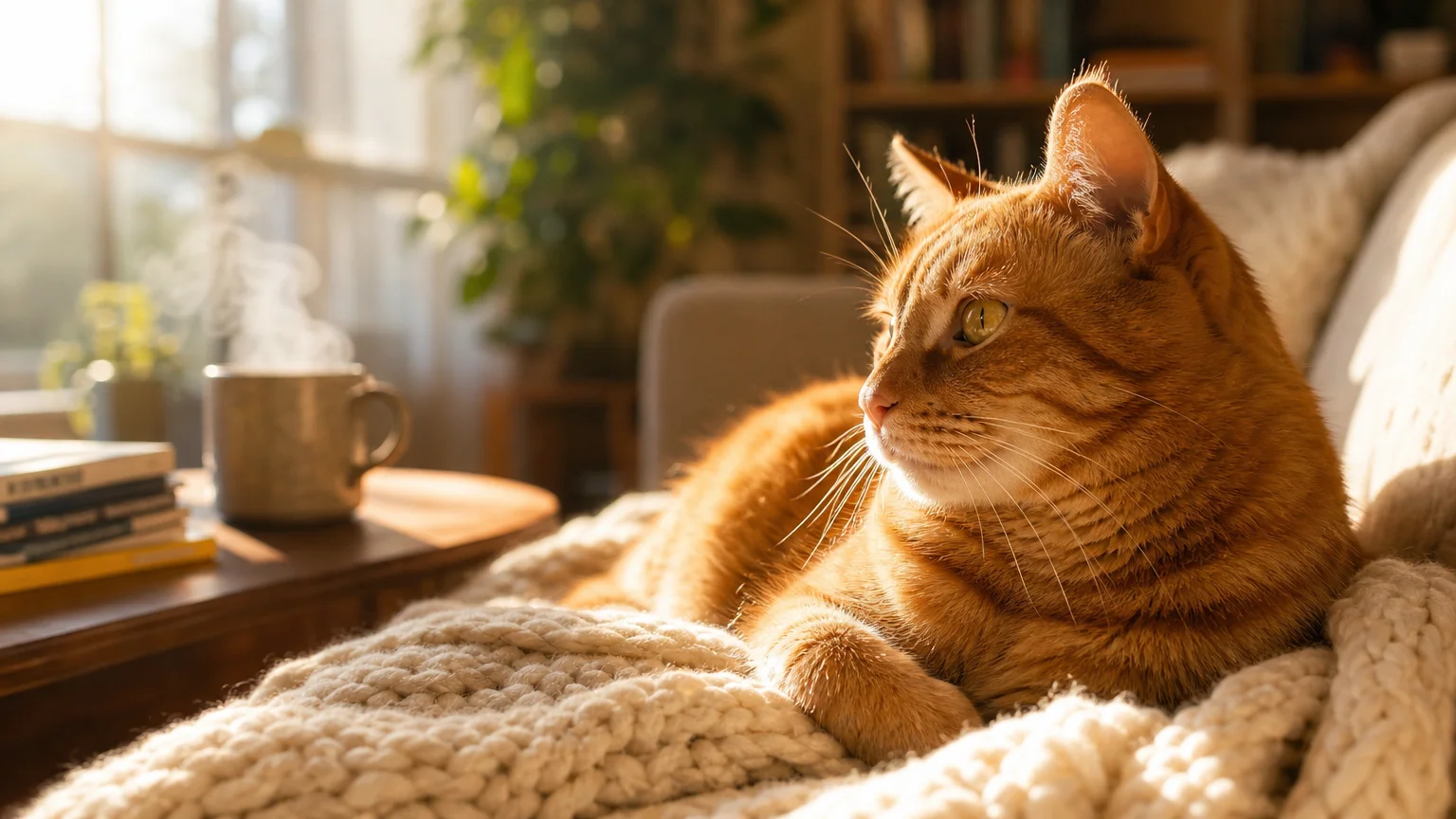
Instead of discouraging hiding habits, provide structured, safe outlets that satisfy your cat’s wild drive for concealment. Thoughtful environmental enrichment reduces anxiety and prevents unwanted destructive behaviors.
- Place sturdy cat trees and window perches in shared family spaces to offer elevated, secure observation points.
- Distribute several covered cat beds, felt pods, and open cardboard boxes throughout quiet household corners.
- Use synthetic feline facial pheromone diffusers near resting areas to promote a calming atmospheric territory.
- Respect their boundaries by never pulling, dragging, or cornering a cat that has chosen to rest inside a safe hideaway.
- Maintain predictable daily routines for feeding, play, and grooming to build long-term confidence across your home.
Frequently Asked Questions About Cat Hiding Spots
Why do cats prefer tight spaces over large, open beds?
Tight spaces trigger a comforting sensory effect known as thigmotaxis, where an animal seeks contact with surrounding surfaces. Touching physical walls on multiple sides reassures a cat that predators cannot approach undetected.
Should I pull my cat out of its hiding spot to socialize?
Never drag a hiding cat from its chosen sanctuary unless an immediate physical danger threatens its safety. Forcibly extracting a hiding pet elevates cortisol levels, breaks trust, and frequently provokes defensive biting or scratching.
How can I tell if my cat is hiding from fear or just sleeping?
A relaxed cat maintains loose body posture, slow breathing, and soft facial muscles while resting in a cozy corner. A fearful or sick cat crouches tightly, keeps paws tucked flat beneath the chest, widens its pupils, and flattens its ears.
Why does my cat hide as soon as guests enter my home?
Loud voices, heavy footsteps, and novel human scents overwhelm sensitive feline sensory systems. Retreating to a quiet closet allows your cat to assess the unfamiliar environment safely from behind protective borders.
Summary of Feline Hiding Instincts
Hiding is not an annoying quirk; it is a fundamental survival tool hardwired into every domestic cat’s DNA. Providing safe, elevated, and warm nesting retreats supports your pet’s physical comfort and psychological well-being.
Keep common danger zones secured, monitor sudden shifts in routine, and respect your companion’s need for occasional solitude. When you accommodate their natural instincts, you create a peaceful, enriching home where your cat feels truly safe.
This article provides general information only. Every reader’s situation is different—what works for others may not be the right fit for you. For personalized guidance on health, legal, or financial matters, consult a qualified professional.
Last updated: May 2026. Rules, prices, and details change—verify current information with official sources before acting on it.