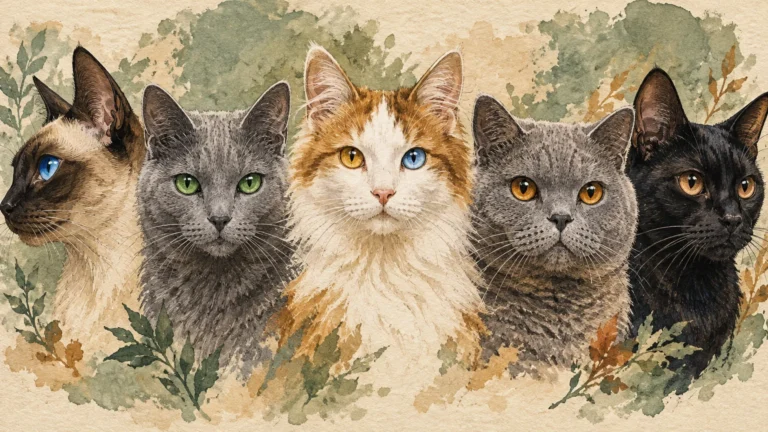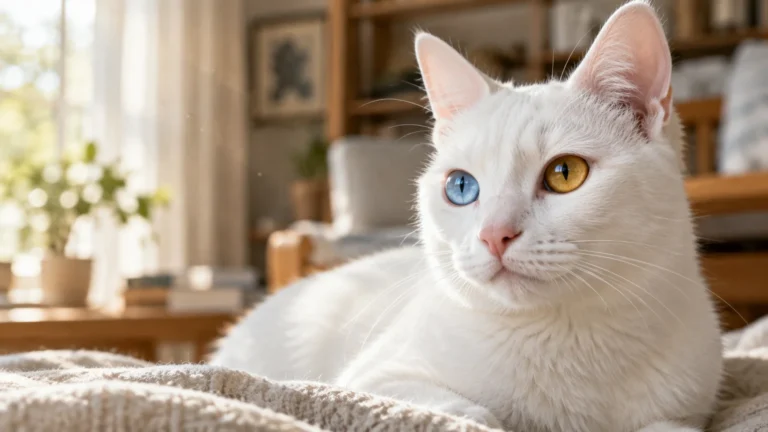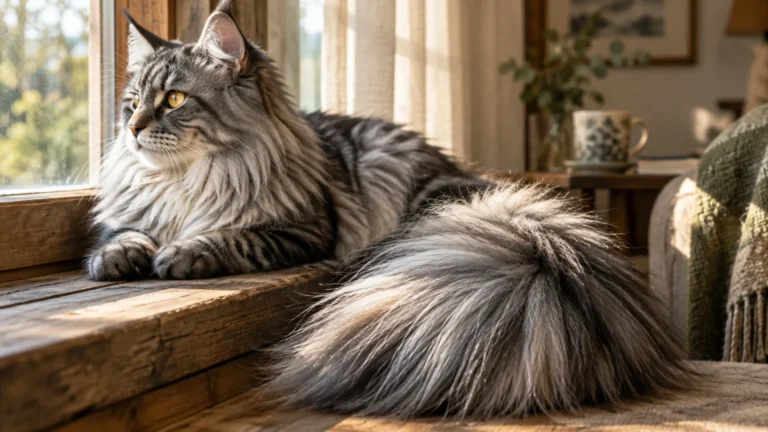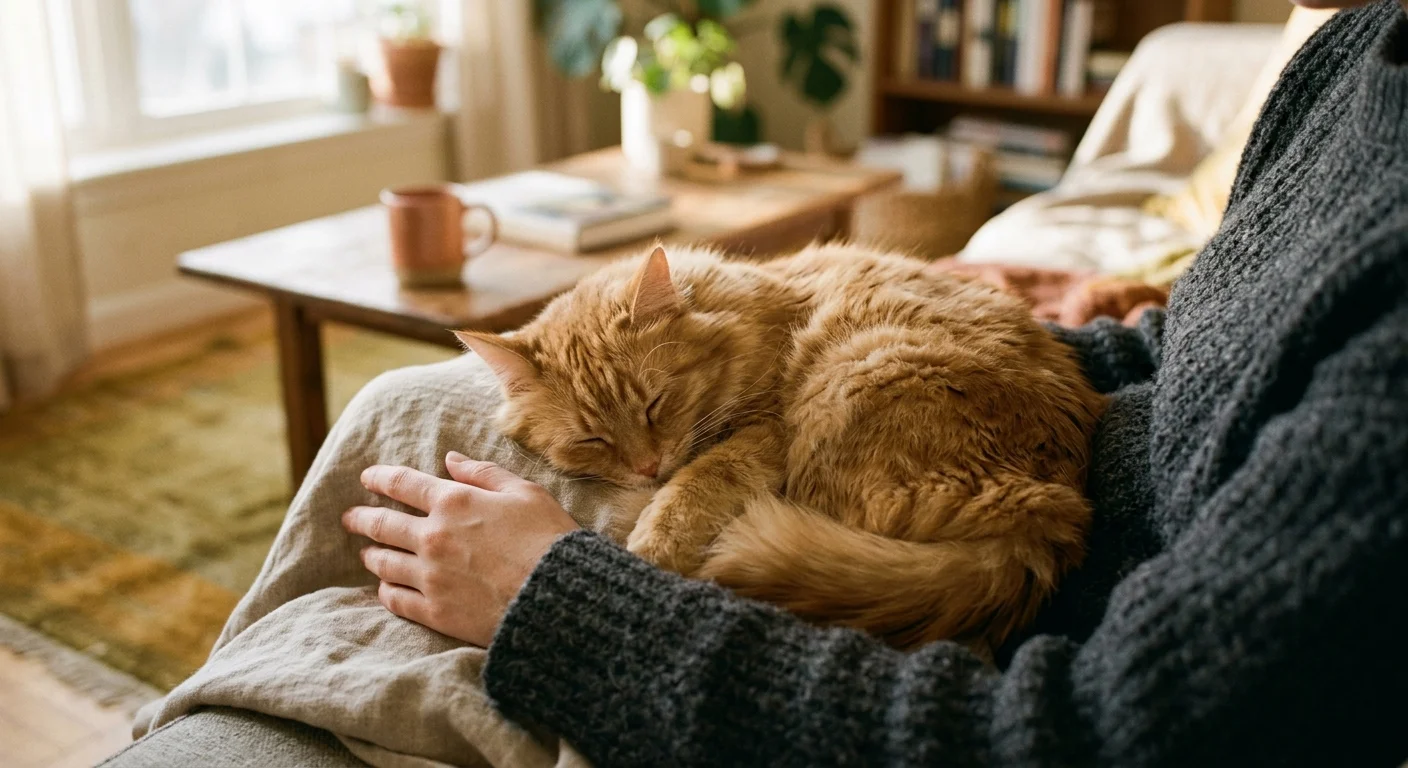
Cats rarely surrender control without a compelling reason; their ancestral instincts keep them vigilant against potential threats in their environment. When your feline companion lowers their defensive guard around you, they are offering a profound statement about your shared bond.
Understanding how cats show trust relies on reading subtle physical shifts, from facial muscle relaxation to intentional scent-marking behaviors. By recognizing these natural cat trust signals, you can confirm that your home provides the ultimate safe haven for your pet.
Recognizing these subtle signs of cat bonding behavior helps you respond appropriately, strengthening your relationship and encouraging even deeper mutual security over time.
The Science Behind Feline Attachment and Trust
Domestic cats possess a reputation for independence, yet feline behavior research paints a far richer picture of their social capabilities. Contrary to the outdated belief that cats view humans merely as food providers, behavioral studies demonstrate that cats form distinct attachment styles with their owners.
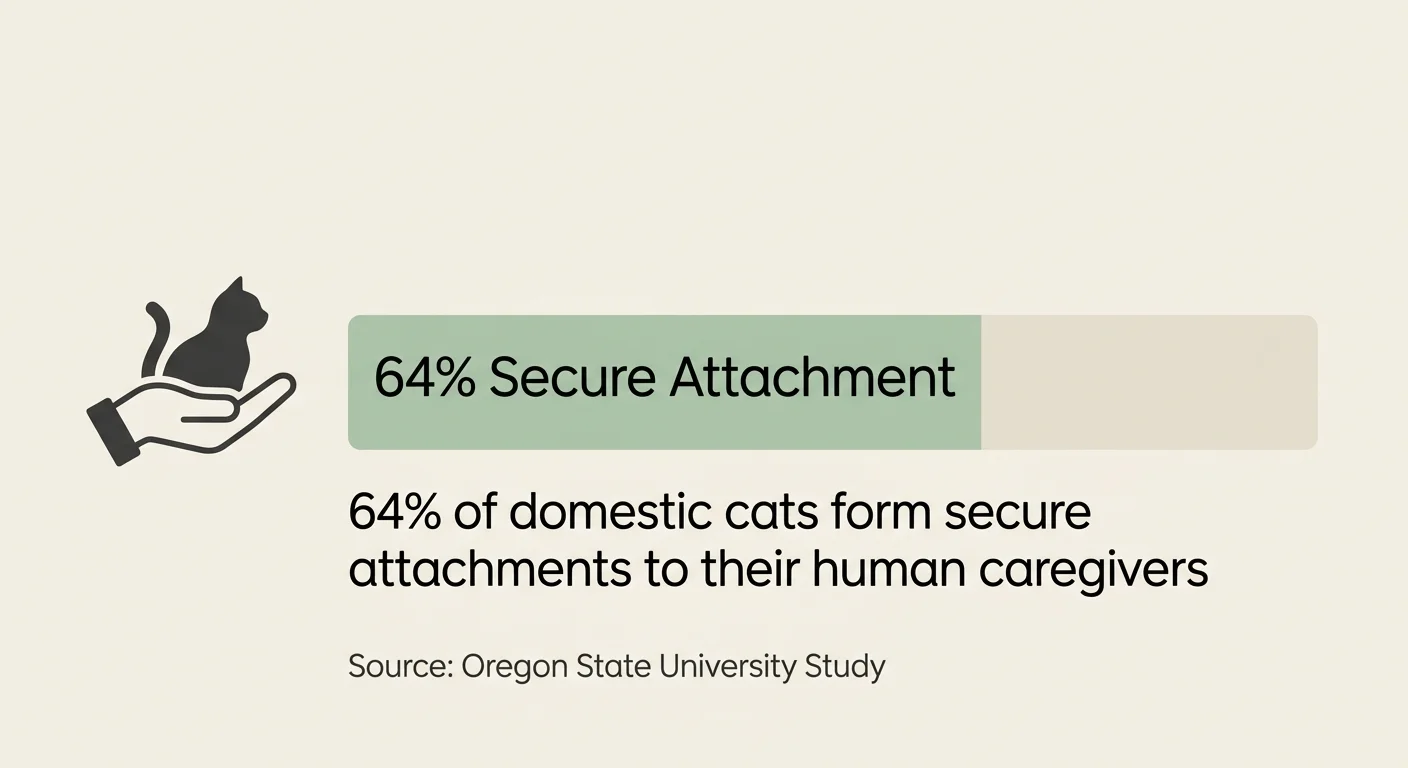
Research published in Current Biology by Oregon State University revealed that roughly 64 percent of domestic cats exhibit secure attachment styles to their human caregivers—a proportion strikingly similar to rates observed in human infants and dogs.
Because cats descended from African wildcats (Felis lybica), who were both solitary hunters and potential prey for larger carnivores, vulnerability carries inherent risk for them. A cat does not drop its guard casually.
Trust in the feline world means acknowledging that a person poses no physical threat, respects territory, and offers emotional predictability. When you observe feline affection signs, your cat is telling you that their hardwired survival alarm system has turned off in your presence.
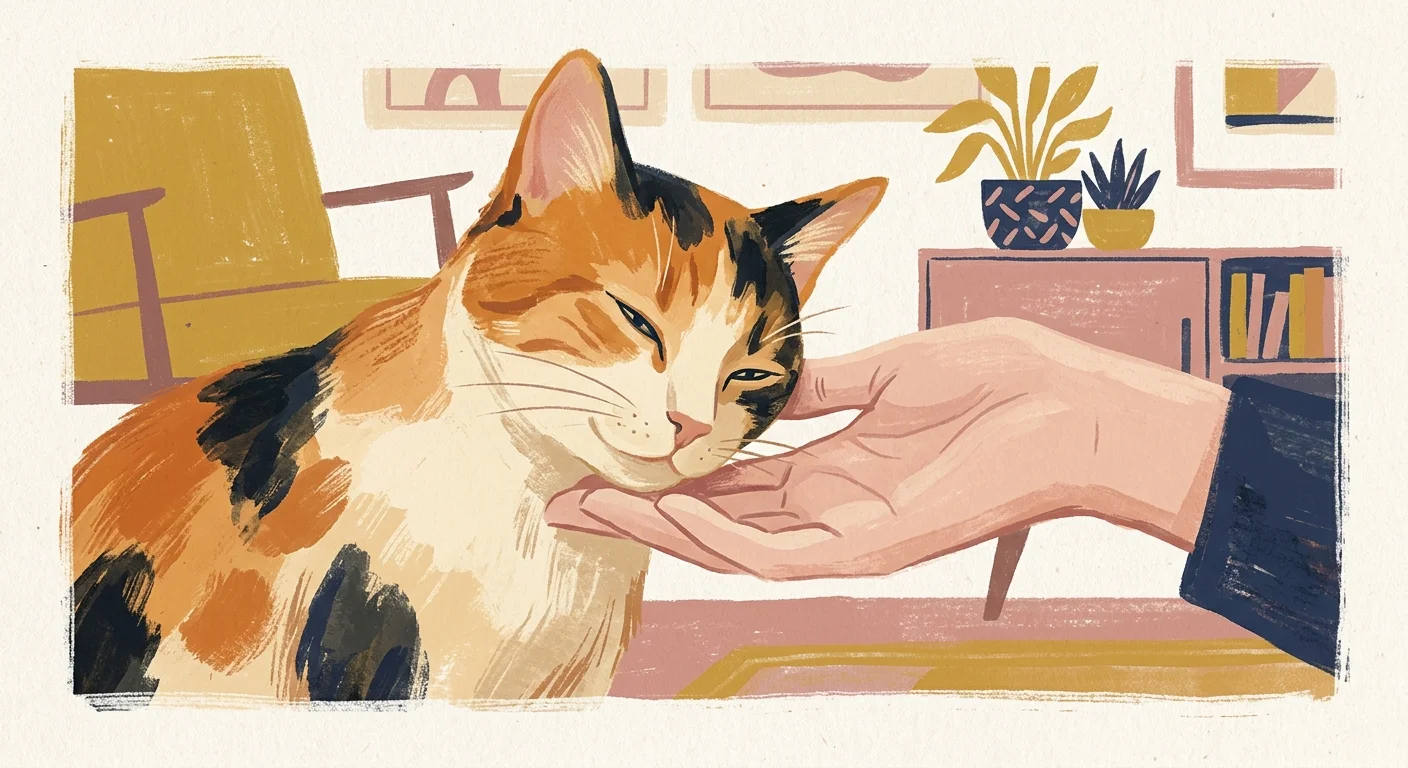
10 Clear Signs Your Cat Actually Trusts You Completely
1. The Slow Blink (Feline Eye Contact)
Direct, unblinking eye contact in the animal kingdom often signals aggression or competitive threat. If a unfamiliar cat stares at you without breaking gaze, they are likely assessing you as a potential hazard.
Conversely, when your cat looks at you and slowly closes and reopens their eyes, they are executing what feline behaviorists call a slow blink.
This subtle gesture acts as a physical declaration of safety; by closing their eyes, your cat demonstrates that they do not feel required to monitor your movements for danger. You can return this sign of trust by returning the slow blink back to them.
Studies show that human-initiated slow blinks make cats significantly more receptive to approach and interaction.
2. Unprotected Belly Exposure
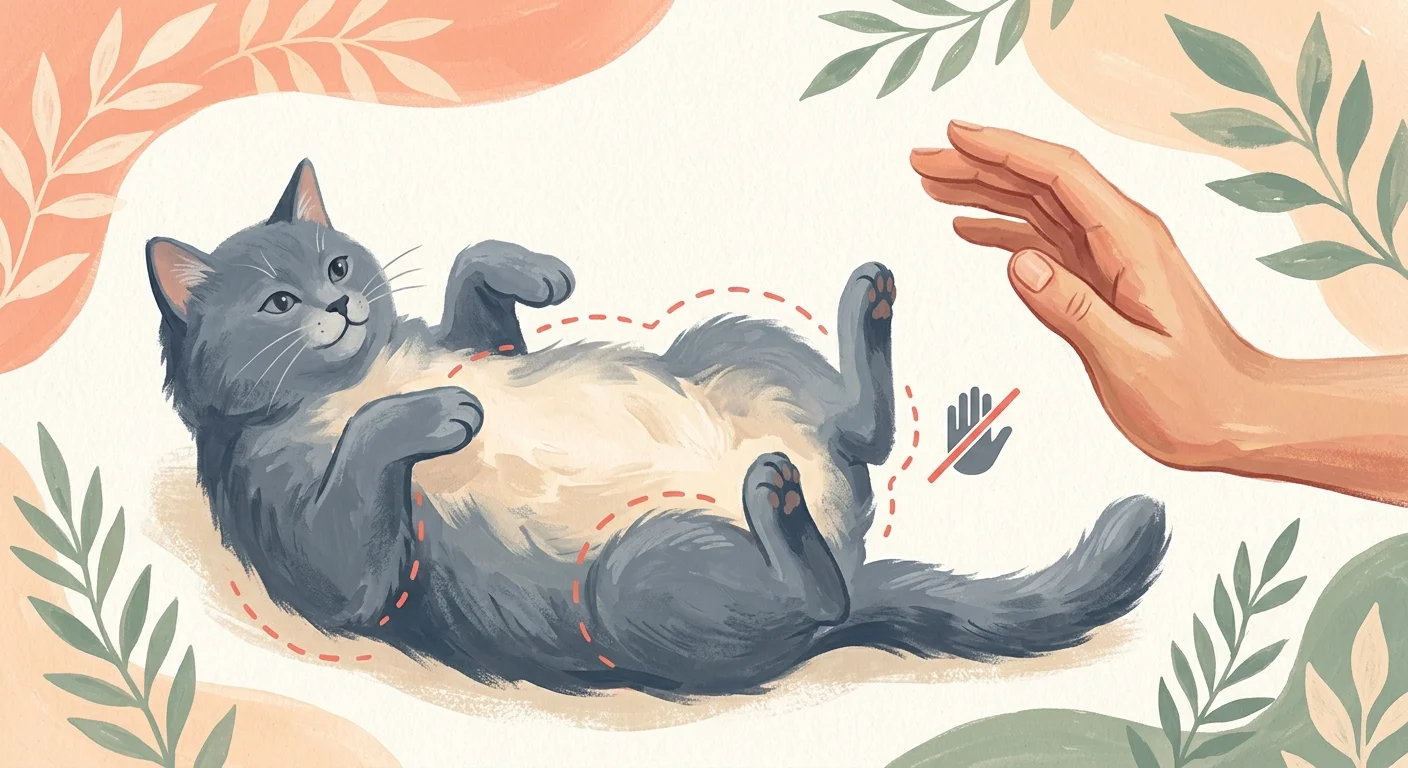
Few actions demonstrate vulnerability quite like a cat rolling onto their back to reveal their abdomen. A cat’s belly houses vital organs, making it the most physically delicate area of their body.
In predatory encounters or defensive fights, cats protect their undersides aggressively.
When your cat flops over and shows you their belly, they are confirming complete psychological safety in your space; they know you will not harm them. However, pet owners frequently misinterpret this cat trust signal as an invitation for a belly rub.
While a few cats enjoy abdominal scratches, most react defensively when touched there. Respecting this boundary by petting their cheeks or forehead instead preserves the trust they just displayed.
3. Bunting and Facial Scent Marking
Have you ever noticed your cat pushing their forehead, cheeks, or chin firmly against your knuckles, legs, or face? This headbutting behavior, scientifically termed bunting, transfers chemical signals from scent glands located around their face and ears.
Cats rely heavily on olfactory communication to define their home territory. According to guidance from the Cornell Feline Health Center, facial pheromones convey comfort, familiarity, and social connection.
When your cat bunts against you, they are marking you with their unique scent profile, claiming you as a trusted member of their social group and creating a shared familiar aroma.
4. Deep Sleeping Near or On You
Sleep leaves any animal entirely defenseless against predators. In natural habitats, wild felids select elevated, concealed, or highly secure locations before succumbing to heavy rest.
If your cat chooses your lap, chest, or immediate foot space for deep sleep, they are relying on you as a living security shield.
Pay close attention to how your cat sleeps around you. Twitching whiskers, rhythmic breathing, and sudden limb movements indicate REM sleep—the deepest stage of restorative rest.
A cat will only enter this state if they feel completely safe from ambush, making your lap the ultimate compliment of feline trust.
5. Allogrooming (Licking Your Skin or Hair)
Grooming serves functional hygienic purposes, but mutual grooming—known as allogrooming—is exclusively a social bonding ritual.
In multi-cat colonies, friendly cats groom one another in places that are difficult to reach, such as the top of the head and neck, to establish group cohesion and reduce social tension.
When your cat licks your hands, arm, or head with their rough tongue, they are treating you as family. They are depositing their scent, removing foreign odors, and expressing social comfort.
Accepting this behavior calmly reinforces your position as a trusted social partner.
6. Persistent Shadowing and Proximity Seeking
A cat who distrusts their environment seeks isolation, hiding under beds or retreating to high shelves whenever humans enter the room.
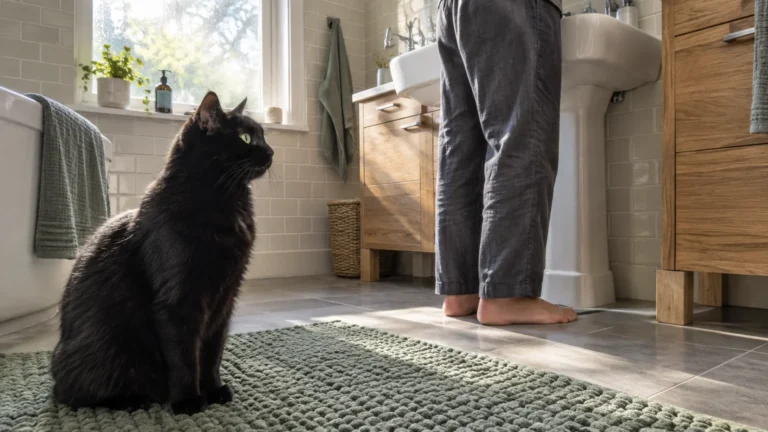
Conversely, a cat who trusts you completely will engage in shadowing—following you from the kitchen to the home office, or waiting outside the bathroom door.
This proximity-seeking behavior is not merely about begging for food; it reflects a desire to participate in your routine.
Even if your cat simply sits two feet away while you work on a computer, choosing to share physical space indicates that your presence provides a calming anchor.
7. The Upright Tail with a Curved Tip
A cat’s tail acts as a mood barometer, offering real-time feedback regarding their emotional state. A tucked, swishing, or puffed-up tail signals fear, irritation, or defensive arousal.
However, a tail held high in the air with a gentle forward curve at the tip indicates confidence, happiness, and trust.
When your cat walks toward you with their tail held upright—sometimes accompanied by a subtle, rhythmic quiver at the base—they are extending an enthusiastic, friendly greeting.
This posture exposes their anal glands to you, which in feline social etiquette represents full openness and transparency.
8. Rhythmic Kneading (“Making Biscuits”)
Kneading occurs when a cat rhythmically pushes their front paws in and out against a soft surface, such as a blanket, pillow, or your thigh.
This instinctive behavior originates in early kittenhood, where nursing kittens push against their mother’s mammary glands to stimulate milk flow.
Adult cats retain this instinct and employ it when feeling thoroughly safe, relaxed, and content. Kneading releases endorphins and activates scent glands located in the paw pads.
When your cat kneads your lap, they are tapping into memories of infant security and actively marking you as a source of comfort.
9. Tailored Vocalization Patterns
Adult cats rarely use vocal meows to communicate with other adult cats; they rely predominantly on body language, scent, and subtle facial expressions. Meowing at humans is an evolutionary development specific to domestic cats, tailored to communicate with human companions.
A cat who trusts you will develop a personalized vocabulary of vocal sounds just for you. Soft trills, chirps, gentle short meows, and deep rhythmic purring signal high comfort levels.
When your cat responds to your voice with a gentle chirp, they are engaging in a two-way social dialogue built on established trust.
10. Leaning Full Body Weight Against You
Cats are agile, self-directed animals that maintain precise control over their balance and personal space. When a cat approaches you and leans their entire body weight against your calf, ankle, or hip, they are relaxing their structural posture in your presence.
This physical contact demonstrates physical comfort and emotional dependence. By physically resting against you, your cat shows that they rely on you for balance and emotional stability, knowing you will not startle them or move away abruptly.
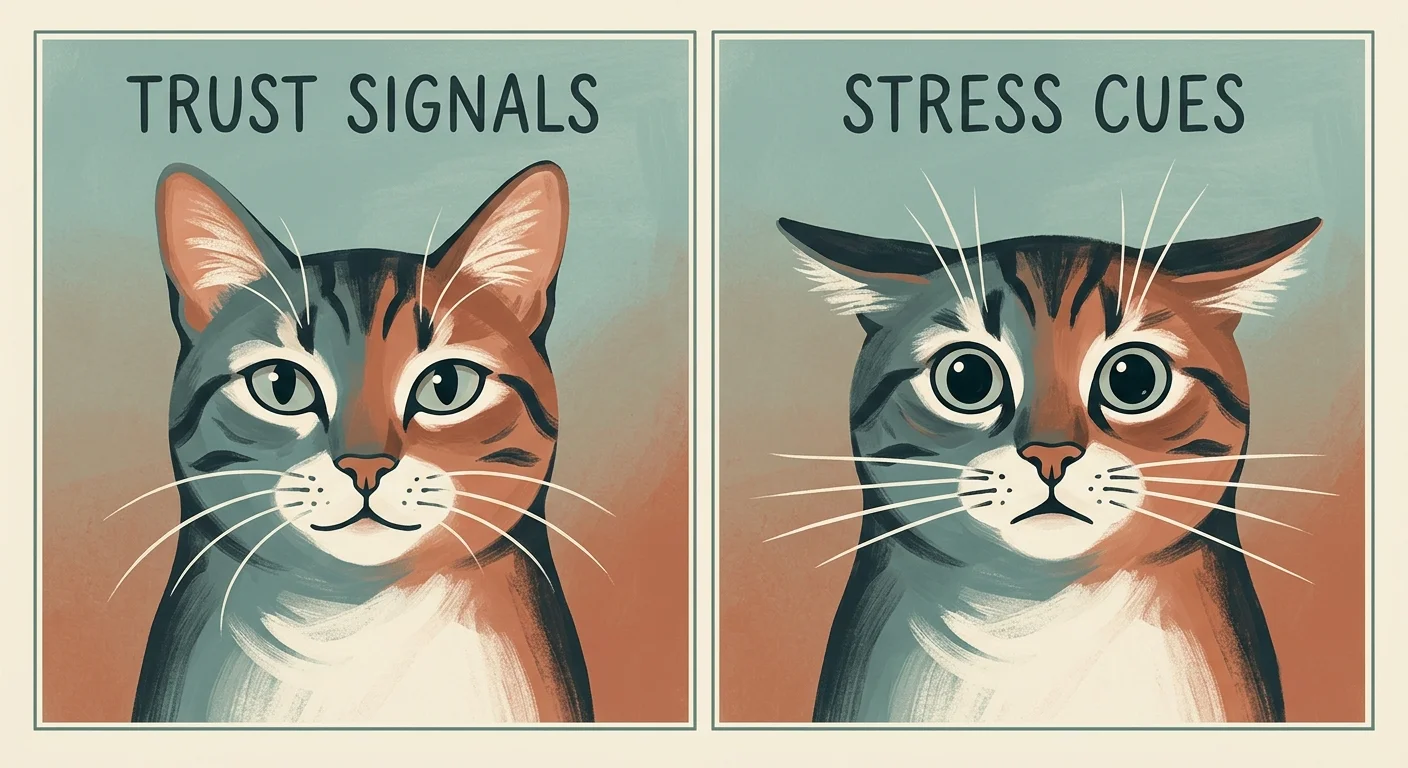
Distinguishing Trust Signals From Stress Cues
Understanding feline body language requires evaluating the whole picture rather than focusing on a single physical movement. Below is a detailed breakdown to help you distinguish between high-trust behaviors and subtle stress signals that require a step back.
| Body Area | High-Trust Behavior | Apprehension or Stress Signal |
|---|---|---|
| Eyes | Soft gaze, slow blinks, relaxed eyelids. | Wide dilated pupils, unblinking stare, hyper-vigilant scanning. |
| Ears | Facing forward, relaxed, naturally neutral. | Flattened sideways (“airplane ears”), swiveling rapidly toward minor sounds. |
| Tail | Upright with a gentle hook, soft sway, slight twitching tip. | Tucked tightly against body, thumping vigorously, puffed fur. |
| Posture | Exposed side or belly, loose muscles, leaning on you. | Crouched low, tense shoulders, ready to spring or flee instantly. |
| Vocalizations | Soft trills, rhythmic purring, high-pitched quiet chirps. | Low rumbling growls, intense prolonged meows, sharp hissing. |
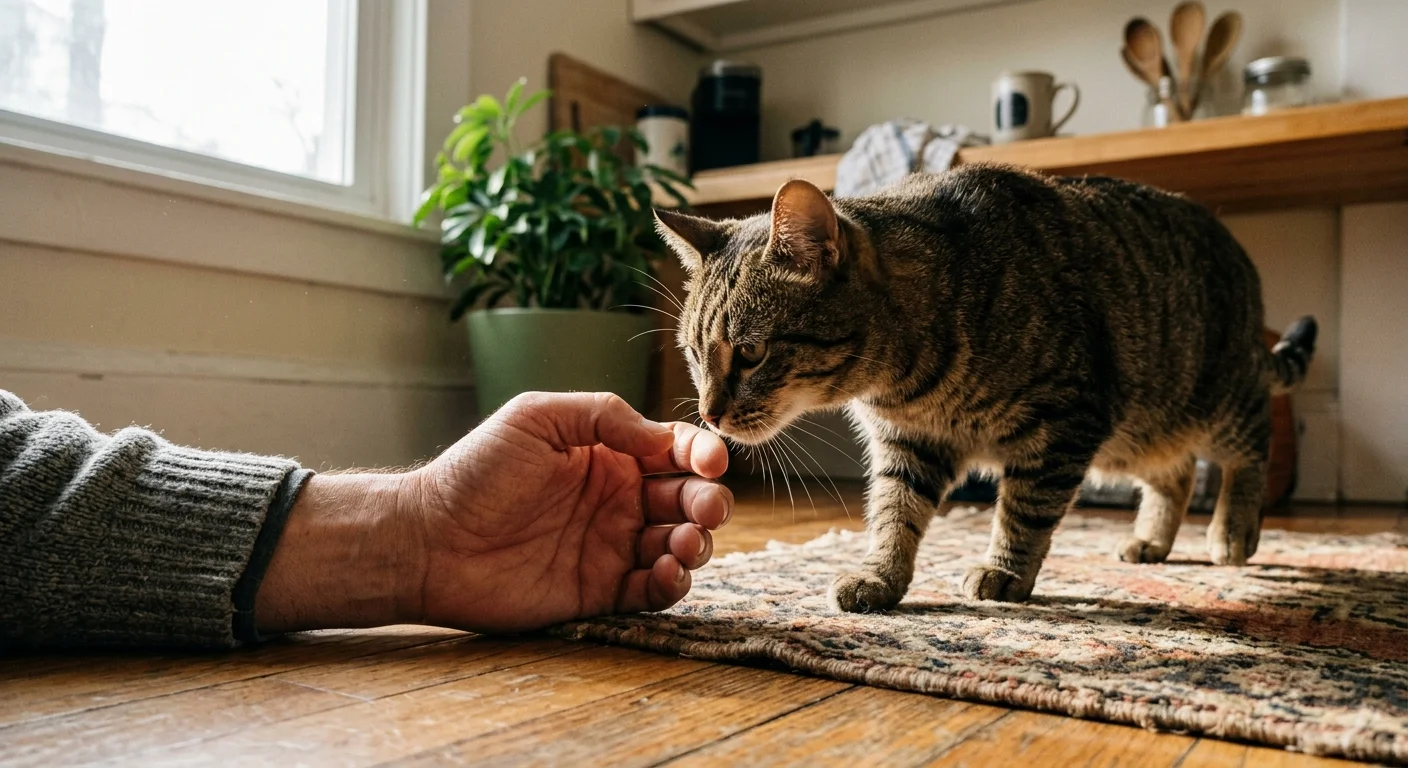
Practical Steps to Build Deeper Trust With Your Cat
Trust is not static; it requires continuous reinforcement through positive interactions and respect for feline autonomy. If your pet shows hesitance, implementing structured bonding strategies will help them feel secure.
- Practice the “Consent Test”: Offer your index finger at eye level a few inches away from your cat. Allow them to approach and sniff your finger first. If they rub their cheek against your finger, they have granted consent for handling; if they back away, give them space.
- Establish Consistent Routines: Cats thrive on environmental predictability. Feeding, playing, and grooming at fixed times daily reduces stress hormones and creates a stable world.
- Provide Vertical Safe Zones: Install cat trees, wall shelves, or window perches. High viewpoints allow cats to survey their environment without feeling cornered, increasing their overall confidence.
- Focus Petting on Preferred Zones: Most cats prefer gentle strokes around the scent glands—specifically under the chin, behind the cheeks, and at the base of the ears. Avoid the lower back, tail base, and abdomen until firm trust is established.
Common Mistakes That Damage Feline Trust
Even well-intentioned owners can unintentionally jeopardize their bond with a cat by misreading behavioral cues or applying human logic to feline situations. Avoiding these common mistakes helps preserve mutual security.
Forcing physical interaction remains one of the fastest ways to erode trust. Pulling a cat out of a hiding spot or holding them against their will triggers a fight-or-flight response, teaching them that human contact is unpredictable and restrictive.
Always allow your cat to initiate or end physical interactions on their terms.
Punishing unwanted behaviors through yelling, water spray bottles, or physical pushing damages feline trust severely. Cats do not connect delayed human anger with their previous actions; instead, they learn to associate the owner’s presence with danger.
Grounded advice from behavioral experts at the ASPCA stresses replacing punishment with environmental redirection and positive reinforcement, such as rewarding good behavior with treats or play.
Frequently Asked Questions
How long does it take for a cat to fully trust a new owner?
The timeline varies widely based on a cat’s age, genetics, and past experiences.
A well-socialized kitten may demonstrate trust within a few days, whereas a rescue cat with a history of trauma or neglect may require six months to a year of quiet consistency before showing clear trust signals.
What should I do if my cat suddenly stops displaying trust behaviors?
Sudden behavioral changes often indicate underlying medical distress or acute pain rather than an emotional rift. Cats naturally hide illness to protect themselves.
If a previously affectionate cat suddenly isolates themselves, stops purring, or reacts aggressively to touch, schedule a comprehensive veterinary examination promptly.
Does a cat sleeping at the foot of the bed mean they don’t trust me as much?
Not at all. Sleeping at the foot of the bed offers a strategic vantage point; it allows your cat to remain physically close to you while retaining a clear, unobstructed exit route if they hear a sudden noise.
It balances physical affection with their natural desire for spatial awareness.
Why does my cat bite me gently after purring and rubbing against me?
This behavior is often a “love bite” or a signal of overstimulation. Petting generates sensory arousal, and some cats reach their threshold quickly.
Pay attention to subtle body shifts like a twitching tail or flattened ears, which indicate it is time to give your cat physical space.
Nurturing a Lifelong Friendship
Building deep trust with a cat is a quiet, deeply rewarding journey that demands patience, observation, and respect.
When you learn to interpret subtle feline affection signs—from a slow blink across the living room to a gentle nudge of the forehead—you unlock a profound connection with your pet.
By honoring your cat’s boundaries and rewarding their curiosity, you create a home environment where trust prospers naturally.
This article provides general information only. Every reader’s situation is different—what works for others may not be the right fit for you.
For personalized guidance on animal behavior or health matters, consult a qualified veterinarian or certified animal behaviorist.
Last updated: May 2026. Rules, prices, and details change—verify current information with official sources before acting on it.