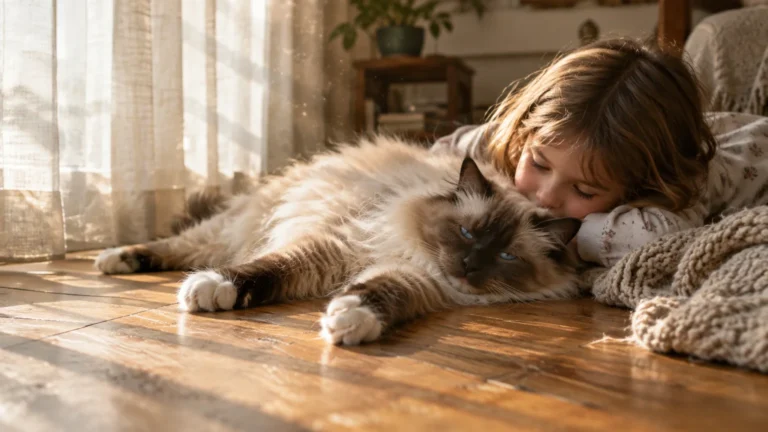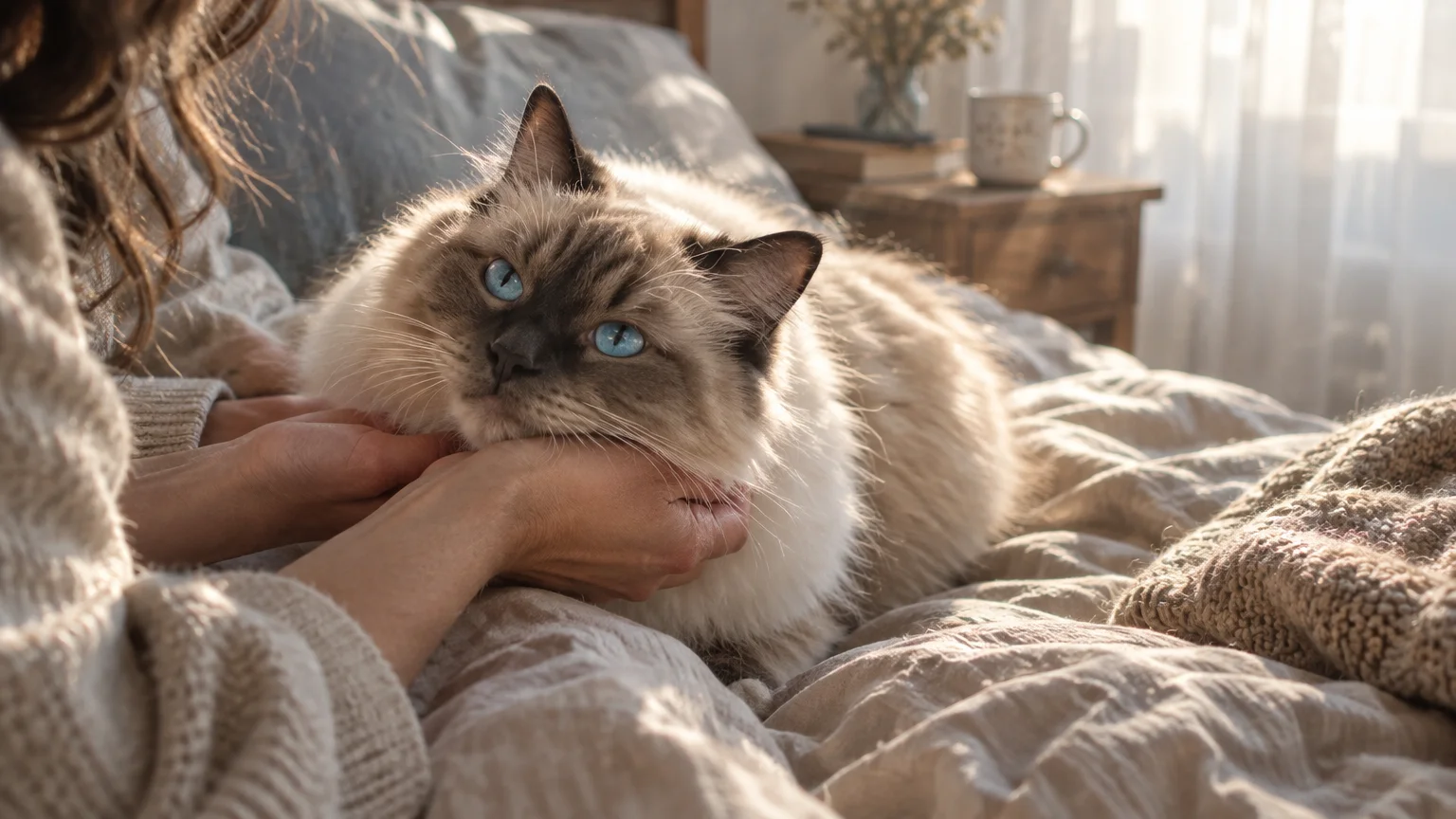
Cats carry an unfair reputation for aloof indifference, yet certain felines form fierce, dog-like attachments to their owners. Finding the right companion starts with understanding which breeds actively seek your presence every day.
Behavioral researchers have confirmed what dedicated cat parents already knew: domestic felines mirror the deep attachment styles seen in dogs and infants. Selecting an affectionate breed transforms your home into a shared sanctuary of companionship.
Here are 12 cat breeds renowned for their devotion, alongside practical insights on care costs, temperaments, and building lifelong bonds.
The Science Behind Feline Attachment and Loyalty
Popular culture often portrays domestic cats as solitary opportunists who view humans merely as automated can openers. Scientific research paints a far more touching reality.
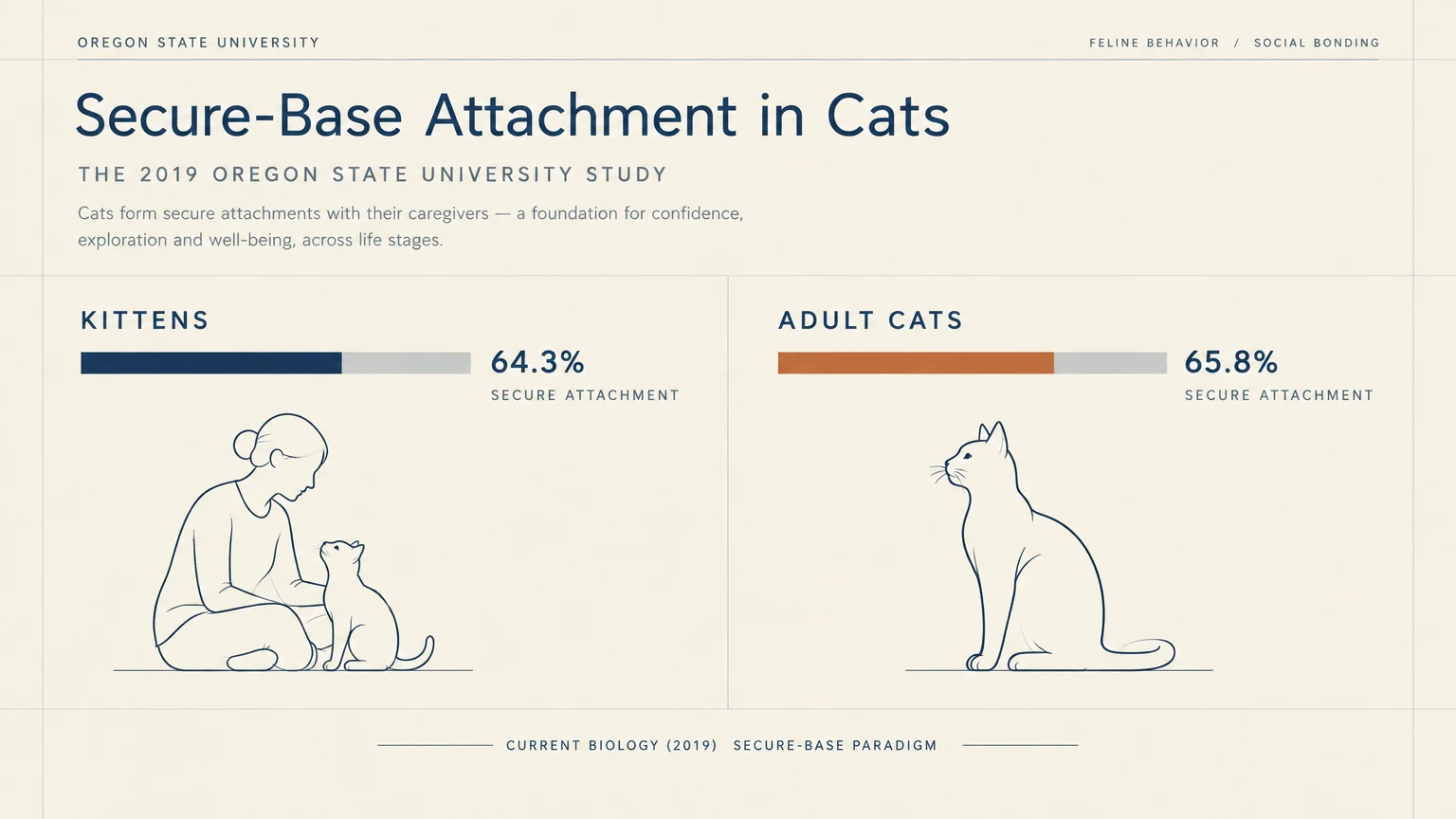
A landmark 2019 study published in Current Biology by researchers at Oregon State University evaluated feline caregiver bonds using formal behavioral criteria.
The researchers tested cats using the same secure-base attachment paradigm developed for human children and canines. The results challenged decades of stubborn cultural myths.
Specifically, 64.3% of kittens displayed a distinct secure attachment style to their caregivers. When their human returned after a brief separation, these kittens showed significantly lower stress.
Adult cats demonstrated an even stronger pattern, registering a 65.8% secure attachment rate. These cats actively greeted their guardians and used them as anchors of safety.
When you establish trust with an affectionate cat, your scent and presence soothe their nervous system. That bond creates a loyal partnership that endures for life.
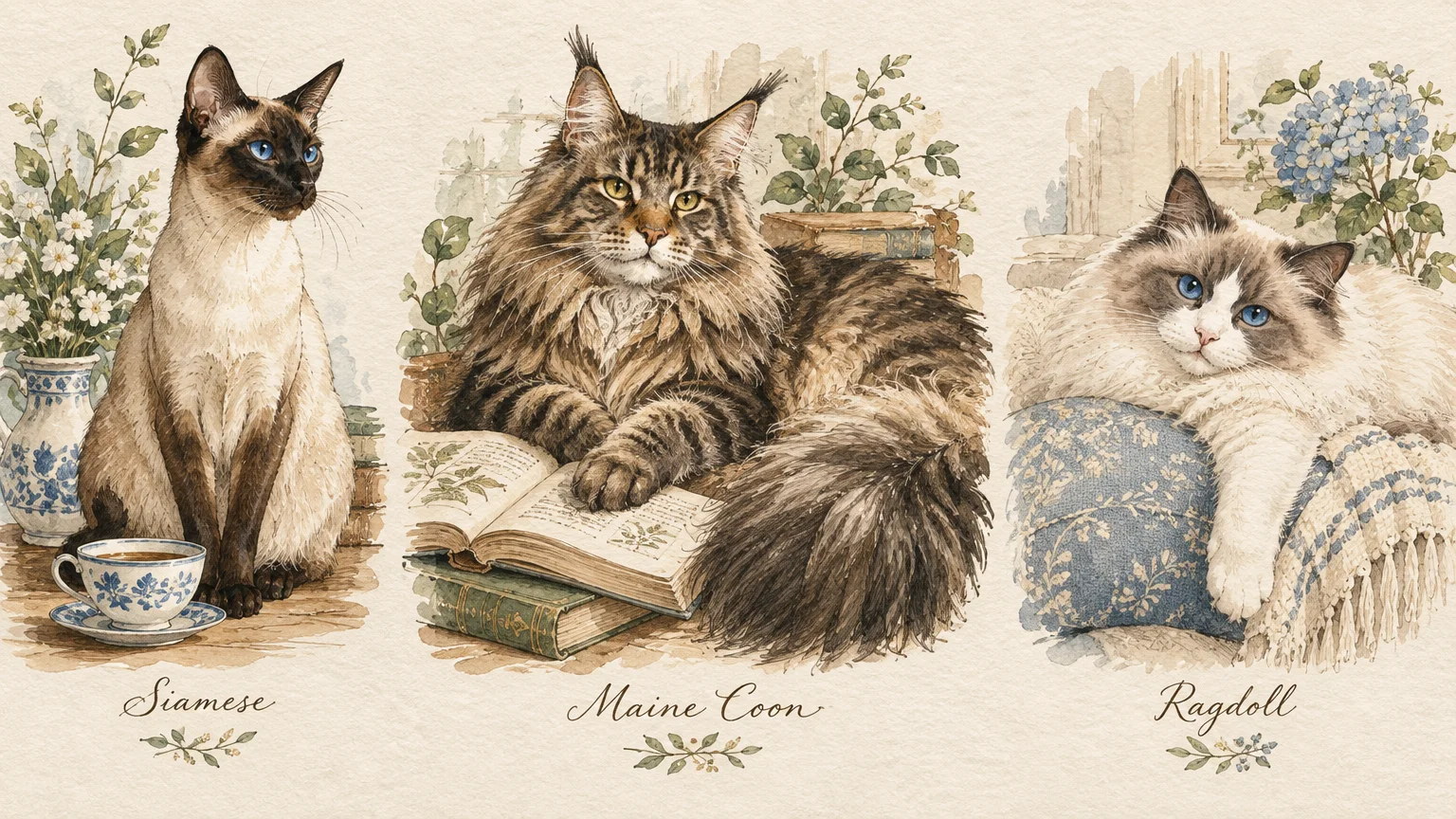
12 Cat Breeds That Form Unbreakable Bonds
While socialization and early handling shape every individual feline, genetics strongly influence sociability and desire for human companionship. These 12 breeds consistently stand out for their devoted nature.
1. Ragdoll
Breeders often call the Ragdoll the puppy-dog of the feline world. Ann Baker originally developed this striking, blue-eyed breed in California during the 1960s.
The Cat Fanciers’ Association granted the Ragdoll championship status in 2000. It has since climbed to the number one spot among pedigreed breeds worldwide.
Ragdolls earned their memorable name because they relax completely and go limp when held. They greet you at your front door and track your daily movements room by room.
Their sweet, placid temperament makes them exceptionally gentle around children and household guests. They thrive on physical contact and prefer curling beside you on furniture.
2. Siamese
If you prefer an expressive, talkative companion who comments on your daily activities, the Siamese delivers unmatched dedication. Western fanciers first admired this historic breed at London’s Crystal Palace Cat Show in 1871.
Siamese cats treat domestic life as an intimate team effort. They emit recognizable vocalizations to greet you, demand attention, and ask about your day.
This ancient Asian breed often singles out one preferred human caregiver for intense loyalty. They curl beneath your blankets at night and ride comfortably on your shoulders.
Because they possess sharp intellects and deep emotional sensitivity, they require daily mental stimulation. Leaving a Siamese alone for long stretches can cause genuine distress.
3. Maine Coon
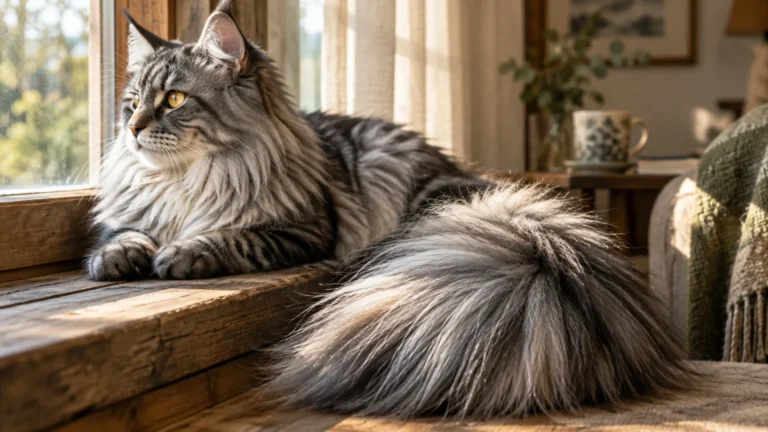
Consistently holding the second or third spot in international breed registrations, the Maine Coon pairs rugged physical stature with tender loyalty. Mature males frequently weigh between 15 and 22 pounds.
Despite their imposing frame, Maine Coons communicate with surprisingly soft chirps, trills, and gentle purrs. They express devotion through loyal companionship rather than suffocating lap time.
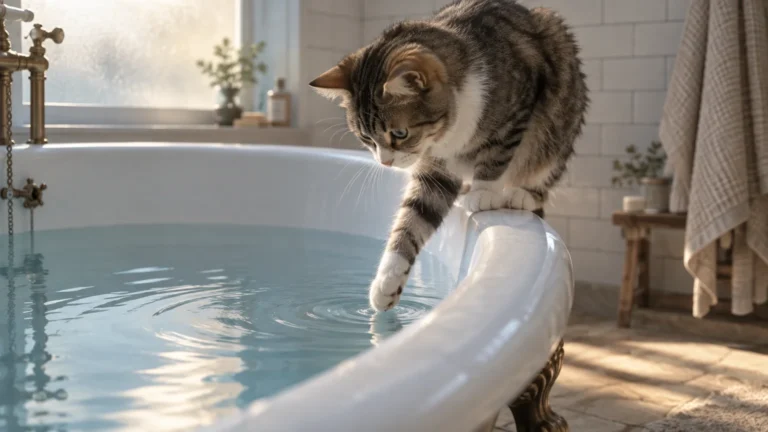
A Maine Coon will lie quietly across your feet while you work or rest near the bathtub rim. They love water and often dip their massive paws into running faucets.
Their playful demeanor persists well into their senior years. Many owners successfully train their Maine Coons to fetch thrown balls and walk comfortably on harnesses.
4. Burmese
Burmese cats take physical closeness to an art form. Cat fanciers routinely label them velcro cats because they refuse to acknowledge personal boundaries.
Dr. Joseph Thompson established the foundation for the modern breed in 1930 after bringing a female named Wong Mau to San Francisco. The CFA officially registered the breed in 1936.
A Burmese will follow you from the kitchen to the bathroom without hesitation. The moment you sit down, your Burmese will climb into your lap and purr vigorously.
They maintain an open-hearted, trusting attitude toward humans throughout their entire lives. They adapt wonderfully to multi-pet homes and actively seek out warmth from your hands.
5. Abyssinian
The Abyssinian expresses loyalty through energetic participation in everything you do. Bearing a ticked coat that resembles a miniature wildcat, this breed possesses athletic grace and sharp curiosity.
Rather than lounging passively, an Abyssinian inspects your paperwork, helps you fold laundry, and monitors your cooking from high countertops. They love being the center of your universe.
They form deep attachments through shared play rather than prolonged lap cuddles. Investing in tall cat trees and wand toys keeps their brilliant minds fulfilled.
Their devotion shows in their constant supervision. If you move to another room, your Abyssinian will trot alongside you like an attentive scout.
6. Sphynx
Because the hairless Sphynx lacks an insulating coat of fur, this breed actively seeks external warmth. That biological reality fuels an affectionate, heat-seeking personality unlike any other breed.
A Sphynx will burrow under your duvet, climb inside your sweater, or wrap around your neck. Their warm skin feels soft, resembling a warm chamois cloth.
They maintain high metabolic rates and produce endless social energy. They welcome your touch eagerly and greet arriving visitors with purrs and head-butts.
Their affectionate nature requires responsible care. You must clean their skin regularly and protect them from drafts to keep them comfortable.
7. Birman
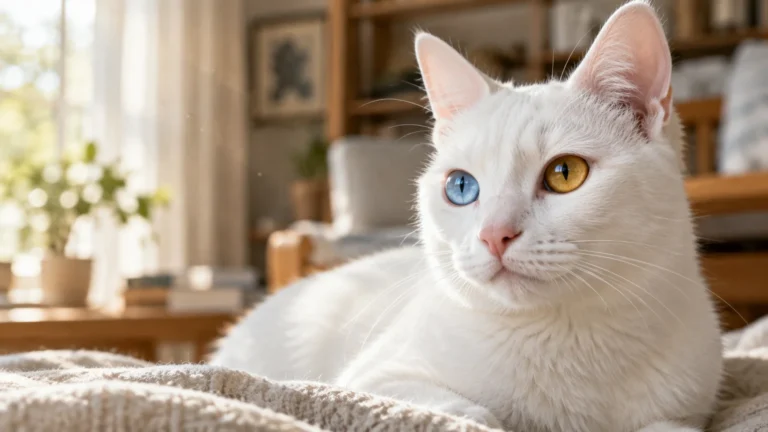
Legend tells that the Birman acquired its sapphire eyes and golden coat from a temple goddess in ancient Burma. Regardless of folklore, their gentle devotion remains undeniable.
Birmans display striking color points paired with immaculate white paws called gloves. They combine the vocal affection of pointed breeds with a softer, calmer disposition.
Your Birman will shadow you discreetly, waiting patiently for you to finish your work before seeking your affection. They emit soft, melodious chirps to signal their arrival.
They adapt exceptionally well to serene homes and bonded pairs. Their patient, even-tempered nature makes them loyal companions for adults who value peaceful company.
8. Devon Rex
Featuring oversized bat-like ears, prominent cheekbones, and short rippled fur, the Devon Rex resembles an elfin creature. Their loyalty matches their distinctly mischievous personality.
A Devon Rex prefers resting right against your skin. You will regularly find them perched on your shoulders or curled around the back of your neck.
They retain kitten-like silliness throughout their adult years. They master games of fetch effortlessly and eagerly investigate the contents of every cabinet you open.
Their desire for social interaction means they struggle in isolation. They need human contact or the company of another active pet to stay happy.
9. Russian Blue
The Russian Blue exhibits a selective, dignified style of feline loyalty. While they often hide from boisterous guests, their devotion to their chosen family is total and unwavering.
They possess dense, shimmering blue-gray coats tipped with silver and vivid emerald eyes. They observe domestic life with thoughtful, quiet intelligence.
Your Russian Blue will notice subtle shifts in your mood. When you feel unwell or stressed, they will quietly position themselves beside you to offer comfort.
They value consistency and quiet routines. Once you earn their trust, they will reward you with gentle head-butts and devoted evening lap visits.
10. Scottish Fold
Recognizable by their folded ears and large round eyes, Scottish Folds boast sweet, accommodating personalities. All Scottish Folds trace their ancestry back to a barn cat named Susie discovered in Scotland in 1961.
These cats often rest on their backs or sit upright in an amusing Buddha posture. They watch your movements with quiet affection and mild amusement.
Scottish Folds rarely make loud demands for attention. Instead, they position themselves on the arm of your sofa or beside your pillow to stay nearby.
Their flexible, calm temperament makes them ideal companions for apartments. They get along gracefully with dogs and respect household boundaries.
11. Tonkinese
Breeders created the Tonkinese by crossing the athletic Siamese with the affectionate Burmese. The International Cat Association fully recognizes this hybrid breed for its outgoing, people-loving personality.
Tonkinese cats possess the warm sociability of both ancestral breeds without the piercing vocal volume of traditional Siamese. They crave conversation and affection in equal measure.
They treat guests like lifelong friends and invent clever games to keep you entertained. A Tonkinese will gladly ride on your arm or snuggle under your chin.
Because they possess such strong social drives, they dislike empty homes. They thrive when paired with another playful cat or an attentive work-from-home owner.
12. Bombay
Created in the 1950s by breeder Nikki Horner, the Bombay resembles a parlor panther with gleaming black fur and copper eyes. Horner bred them specifically to combine wild panther looks with affectionate dog-like manners.
Bombays love following their humans from room to room, rubbing against ankles and supervising chores. They readily learn to walk on leashes and greet guests at the entryway.
Their short, glossy black coats require minimal grooming, freeing up time for interactive play. If you sit on the floor, your Bombay will promptly crawl into your lap.
They seek heat constantly and love snuggling under bedsheets during winter nights. Their warm loyalty makes them wonderful therapy and family companions.
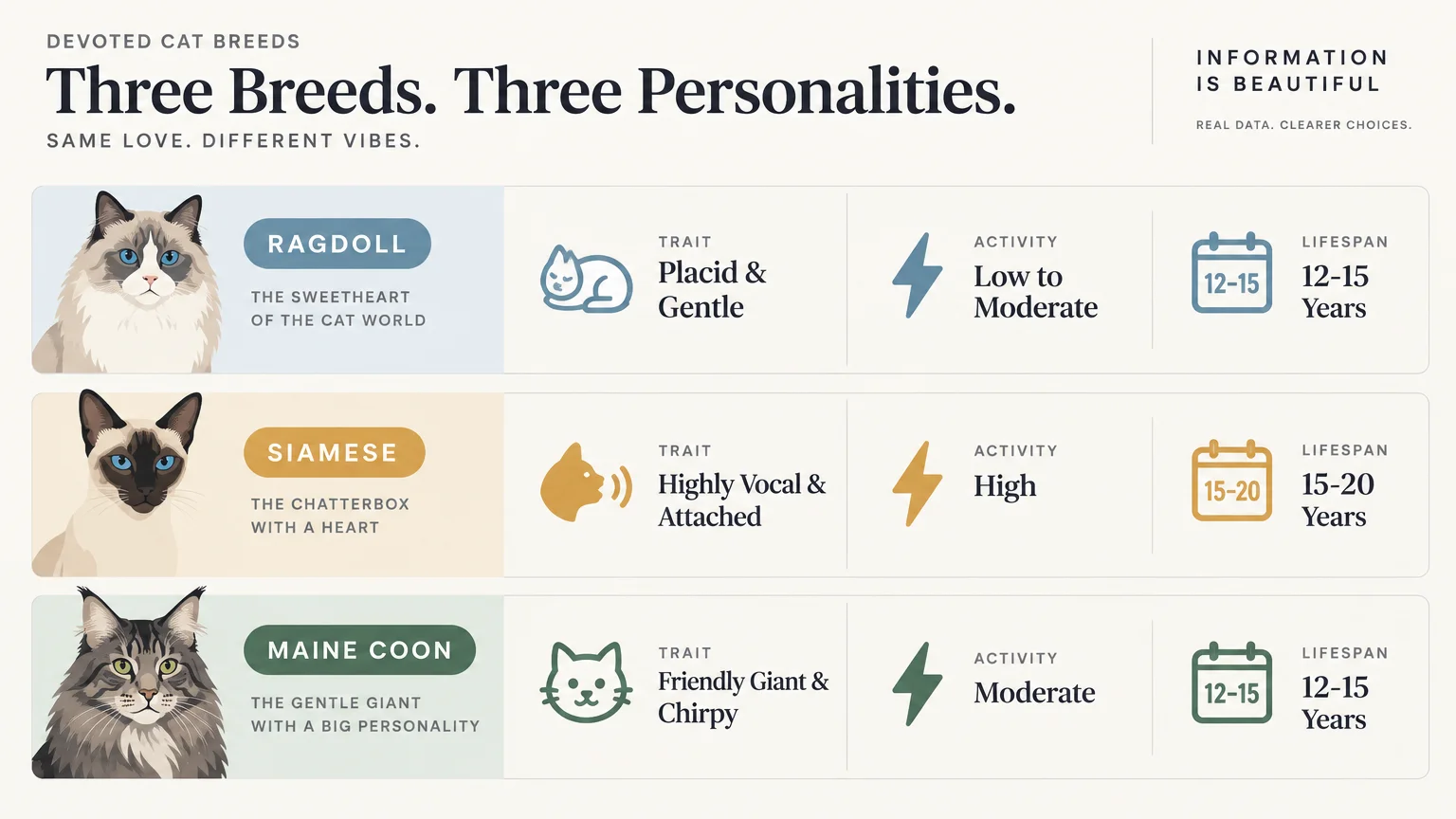
Comparing Loyal Cat Breeds: Traits, Activity, and Lifespan
Each loyal breed offers a distinct combination of personality, energy levels, and grooming needs. The following comparison highlights key differences to help you choose the best match for your home.
| Breed | Attachment Style | Energy Level | Grooming Needs | Average Lifespan |
|---|---|---|---|---|
| Ragdoll | Docile, lap-oriented, follows owner | Low to Moderate | Moderate (brush 2x weekly) | 12–17 years |
| Siamese | Intense, vocal, prefers one person | High | Low (weekly brushing) | 15–20 years |
| Maine Coon | Gentle shadow, family-friendly | Moderate | High (regular detangling) | 12–15 years |
| Burmese | Physical velcro, seeks lap contact | Moderate to High | Low (quick brush weekly) | 14–18 years |
| Abyssinian | Active helper, explores constantly | Very High | Low (occasional brushing) | 12–15 years |
| Sphynx | Heat-seeking cuddler, very clingy | High | High (weekly sponge baths) | 12–16 years |
| Birman | Quiet companion, peaceful shadow | Low to Moderate | Moderate (silky coat resists mats) | 13–16 years |
| Devon Rex | Shoulder-percher, playful clown | High | Low (gentle wipe-downs) | 13–17 years |
| Russian Blue | Reserved, devoted to chosen family | Moderate | Low (brush weekly) | 15–20 years |
| Scottish Fold | Sweet observer, rests nearby | Low to Moderate | Moderate (brush weekly) | 11–14 years |
| Tonkinese | Extroverted, demanding of lap time | High | Low (weekly brushing) | 13–18 years |
| Bombay | Dog-like shadow, affectionate snuggler | Moderate | Low (occasional buffing) | 13–17 years |
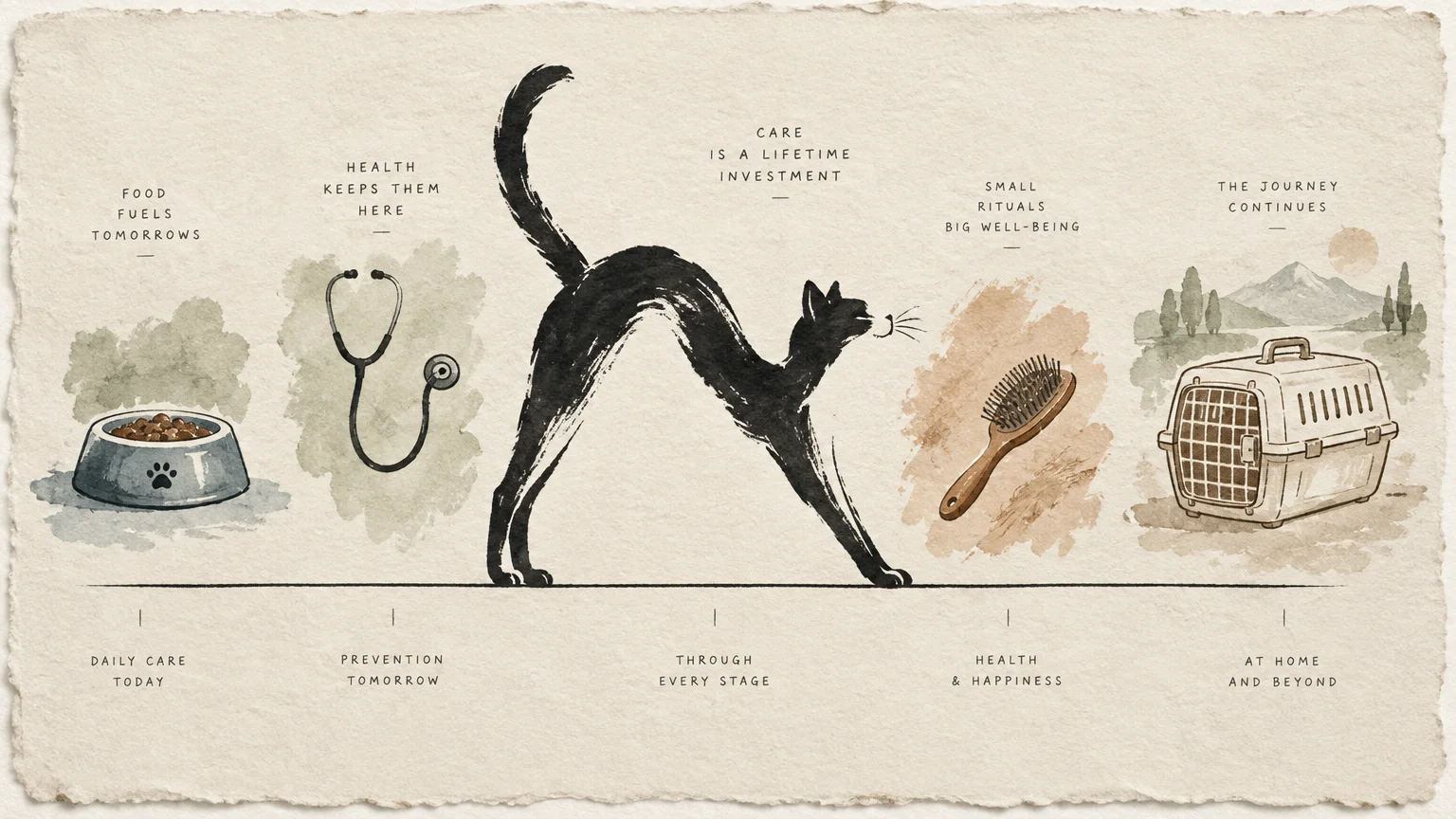
Financial Realities: Acquisition and Lifetime Costs
Bringing a loyal pedigreed companion into your life requires clear financial planning. Quality breeding practices, ethical lineage screening, and preventive veterinary care carry substantial upfront and recurring costs.
Purchasing a pet-quality kitten from an accredited breeder registered with the CFA or TICA typically ranges between $1,000 and $2,800. Rare bloodlines or show-quality kittens easily command between $3,000 and $5,000.
Adoption provides an ethical, affordable alternative. Purebred rescue organizations and local animal shelters typically charge adoption fees between $75 and $400, or up to $600 for specialty purebred rescues.
These adoption fees routinely cover essential veterinary services, including spaying or neutering, age-appropriate vaccinations, deworming, and microchip registration.
During your kitten’s first year at home, veterinary examinations, vaccination boosters, initial supplies, and litter setups generally cost between $1,500 and $2,500. Budgeting responsibly prevents unexpected medical compromises later.
- First-Year Medical Care: Wellness exams, core vaccines, spay or neuter surgery, and flea preventatives run $600 to $1,200.
- Initial Supplies: Scratching trees, ceramic bowls, litter boxes, carriers, and toys average $300 to $600.
- Annual Ongoing Maintenance: Quality food, yearly veterinary checks, and daily litter require $1,000 to $2,000 per year.
- Pet Insurance: Comprehensive accident and illness insurance coverage runs between $30 and $70 each month.
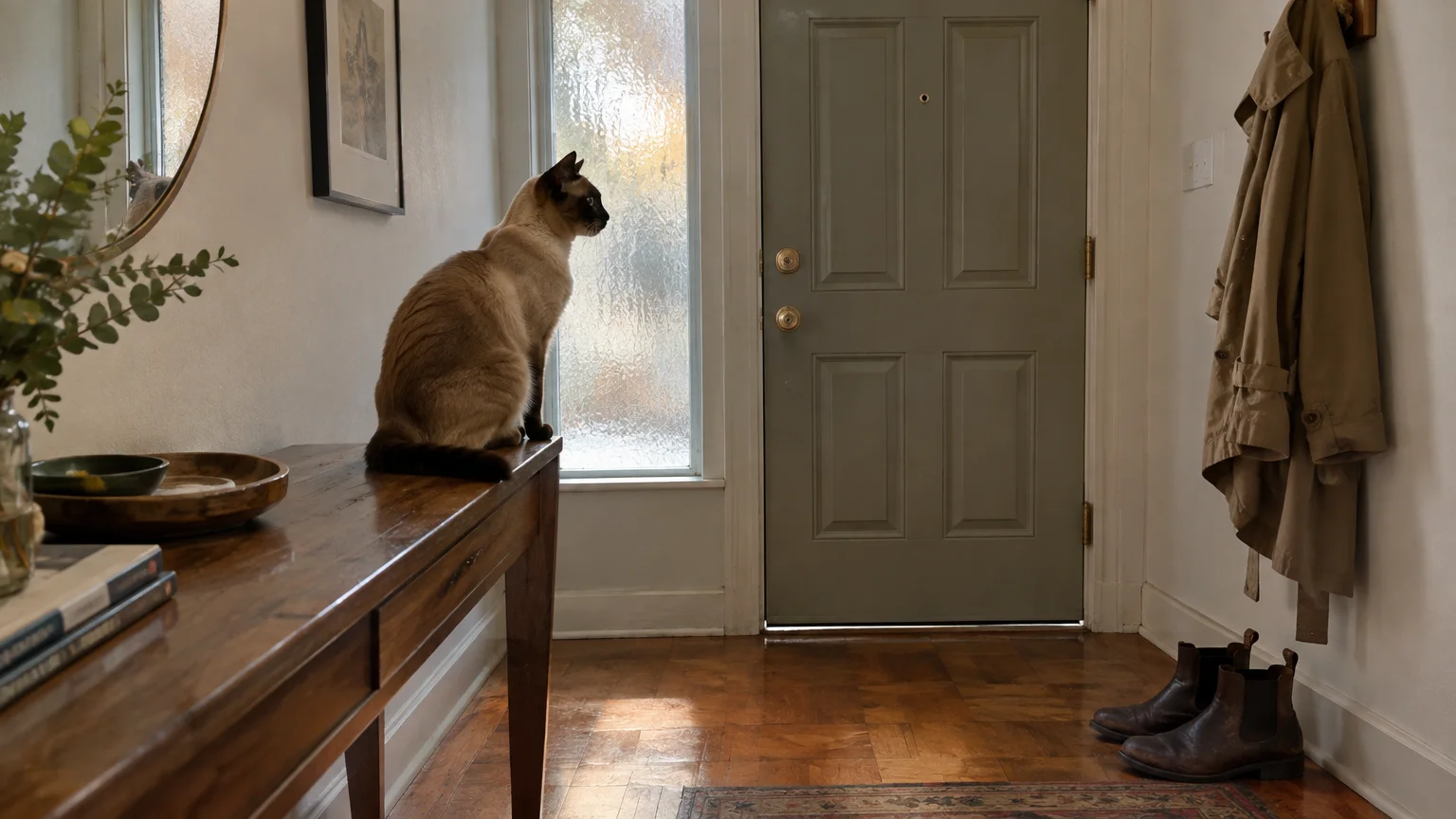
What Can Go Wrong: Managing Separation Anxiety in Velcro Breeds
Intensely loyal breeds bring boundless warmth, but their extreme attachment can trigger distress when left unmanaged. Without intentional routines, clingy cats can develop severe separation anxiety.
Scenario 1: Doorway and Window Destruction. An anxious cat may scratch aggressively at carpet edges, doors, and weather stripping in desperate attempts to follow you outside.
Scenario 2: Litter Box Regression. Elevated cortisol from loneliness often triggers feline idiopathic cystitis. Cats may urinate on your bed or laundry because your scent provides reassurance.
Scenario 3: Compulsive Over-Grooming. Frustrated cats sometimes groom their bellies and inner thighs raw. Veterinarians classify this stress response as psychogenic alopecia.
Scenario 4: Incessant Vocal Distress. Breeds like Siamese and Tonkinese can howl continuously when alone. This vocalization disrupts household peace and upsets nearby apartment neighbors.
You can prevent these issues by conditioning your cat to enjoy independent time. Offer interactive puzzle feeders and automate play sessions before you leave for work.
Keep departures and arrivals calm and quiet. Making a major scene during arrivals reinforces the false belief that being alone was dangerous.
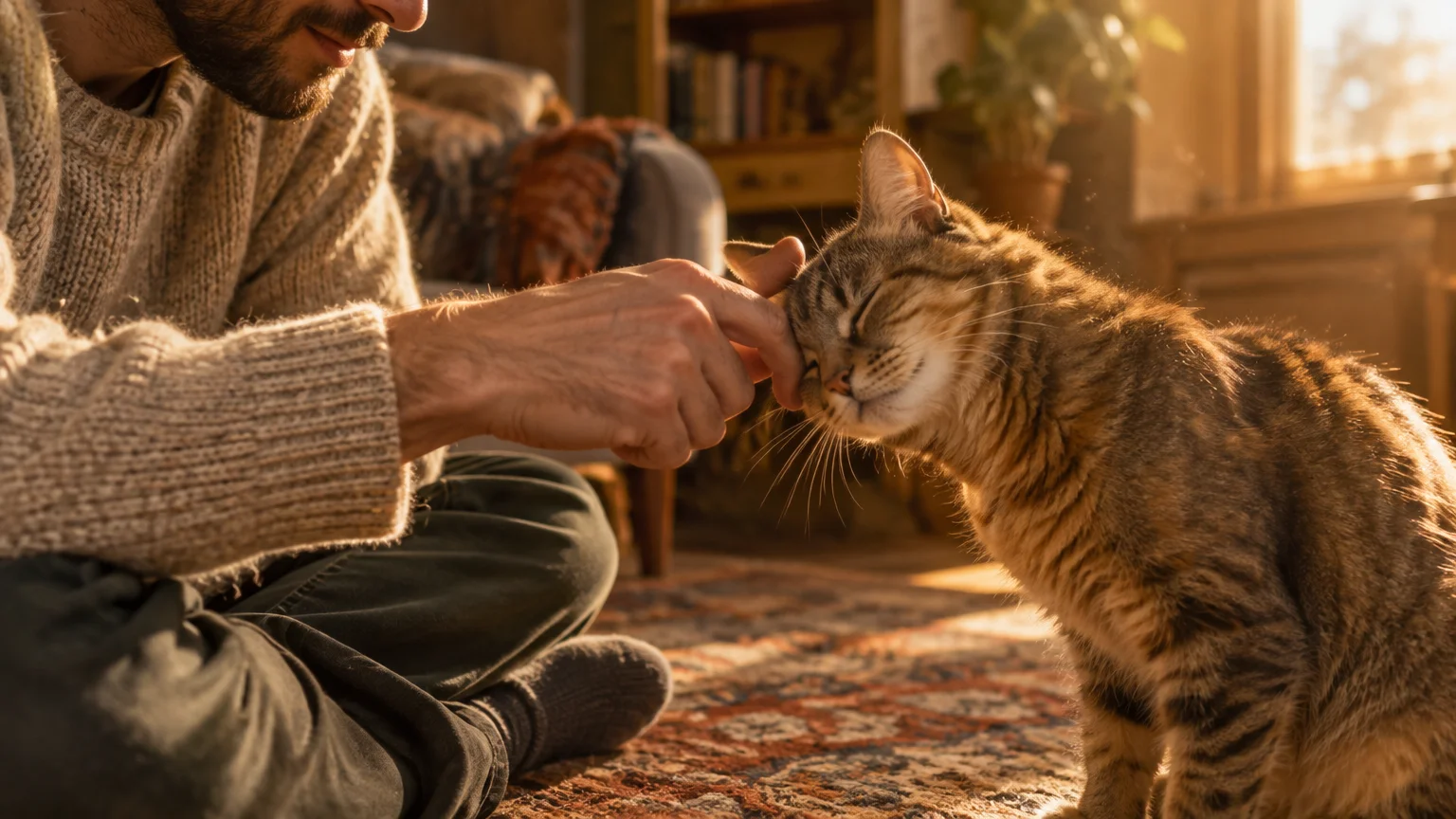
How to Foster a Deeper Bond With Any Cat
You do not need a pedigreed kitten to experience profound feline loyalty. Domestic shelter cats form equally unbreakable attachments when you understand and respect their communication style.
Always let your cat initiate physical contact. Forcing pets into your arms creates avoidance, whereas rewarding voluntary approaches builds trust.
Offer the slow-blink signal when making eye contact with your cat. Feline behaviorists recognize this gentle blink as an authentic expression of safety and affection.
Schedule two 10-minute interactive play sessions every day using feather wands or laser pointers. Completing a mock hunt followed by a protein snack satisfies their natural instincts.
Respect personal boundaries when grooming or petting your cat. Stop petting immediately when your cat twitches their tail, flattens their ears, or turns their head away.
Frequently Asked Questions
Do loyal cats bond to just one person or the whole family?
Breeds like the Siamese and Russian Blue often select a primary favorite person. Breeds like the Ragdoll, Maine Coon, and Scottish Fold share their affection generously across the whole family.
Can shelter cats be just as loyal as purebred breeds?
Domestic short-hairs from shelters frequently exhibit deep, dog-like devotion. Early socialization, positive reinforcement, and a predictable daily routine influence loyalty far more than a pedigree certificate.
How do you know if your cat has a secure attachment to you?
A securely attached cat greets you at the door, rubs their scent onto your clothes, and settles down peacefully nearby. They use your presence to feel confident in their environment.
Which loyal cat breed is easiest for first-time owners?
Ragdolls and Maine Coons make outstanding choices for first-time owners. Their forgiving temperaments, calm demeanors, and gentle manners minimize behavioral misunderstandings.
Choosing a devoted feline companion enriches your home with years of joyful, affectionate companionship. The information here is meant for educational purposes.
Specific circumstances—including health conditions, finances, location, and goals—may require different approaches. When in doubt, consult a licensed professional or check official sources directly.
Last updated: May 2026. Rules, prices, and details change—verify current information with official sources before acting on it.