Finding a cat that welcomes clumsy toddler hugs requires looking at temperament first. The right feline companion will greet your child at the door rather than vanishing under the sofa.
Certain breeds possess an innate gentleness and robust emotional resilience that make household noise easy to handle. These patient cats turn daily family chaos into shared cuddle sessions.
Drawing from pedigree registration data and veterinary behavior standards, we evaluated the most tolerant felines for bustling homes. Here are twelve extraordinary breeds known for their steady, child-friendly nature.
Key Traits of Child-Friendly Cats
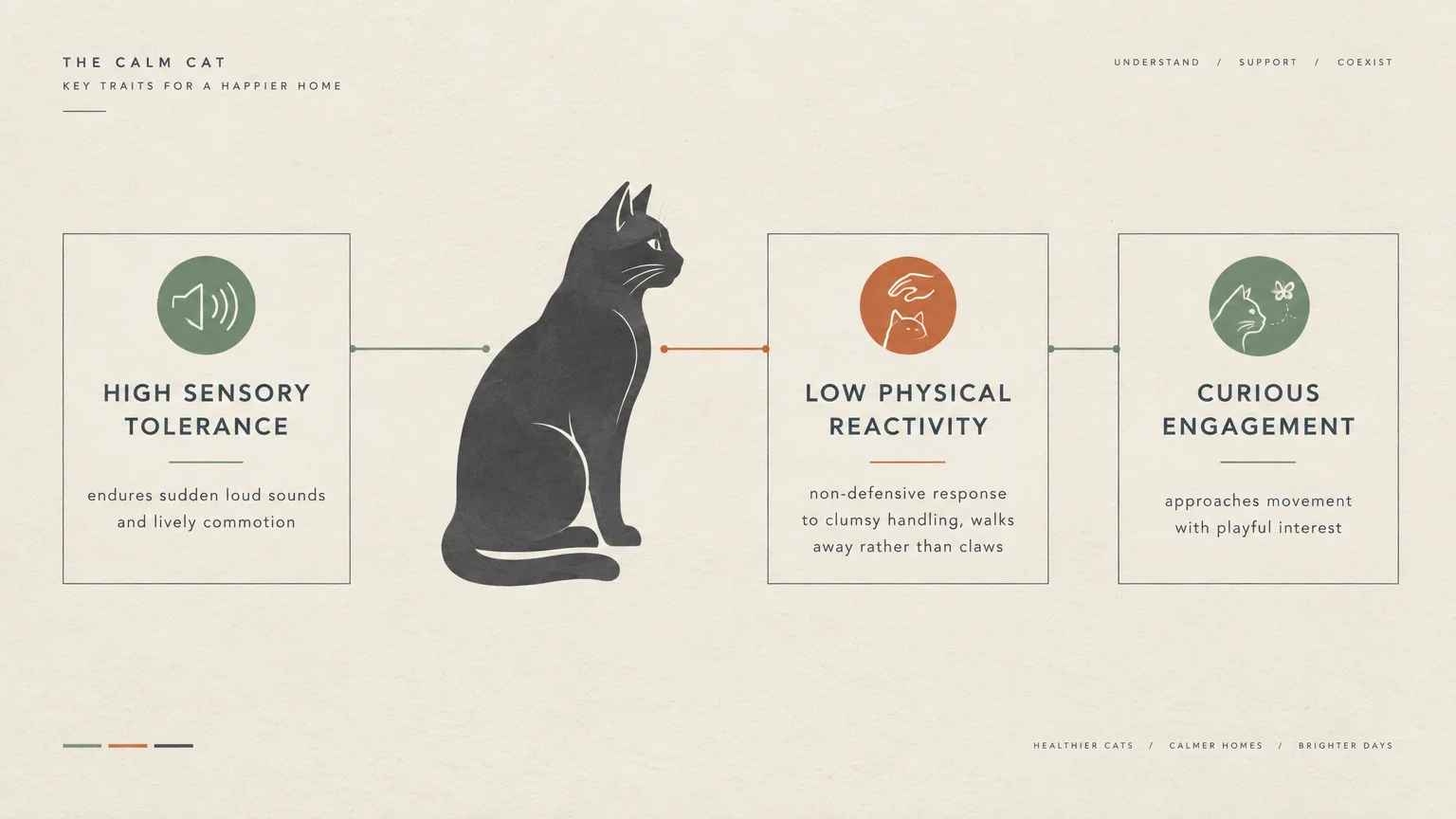
Not every cat appreciates an impromptu tea party or a sudden loud laugh. Truly kid-friendly cats share specific neurological and behavioral traits that keep them calm.
High sensory tolerance allows these felines to endure sudden sounds without fleeing in terror. They view unpredictable movements with curious amusement rather than defensive fear.
Additionally, patient cats exhibit low reactivity to physical handling. Instead of reacting with claws when startled, they gently walk away toward a quieter sanctuary.
12 Patient Cat Breeds for Families
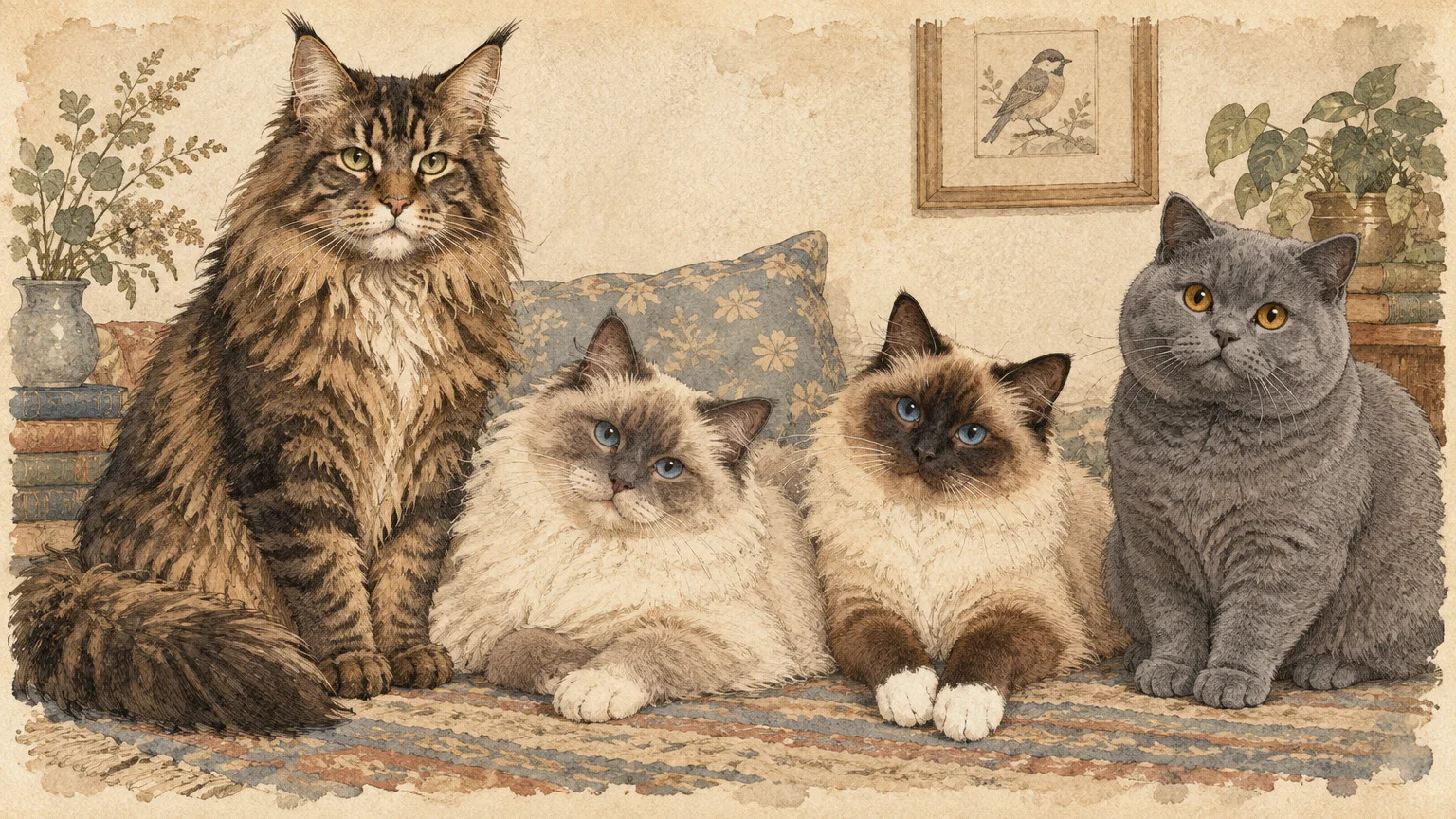
1. Ragdoll
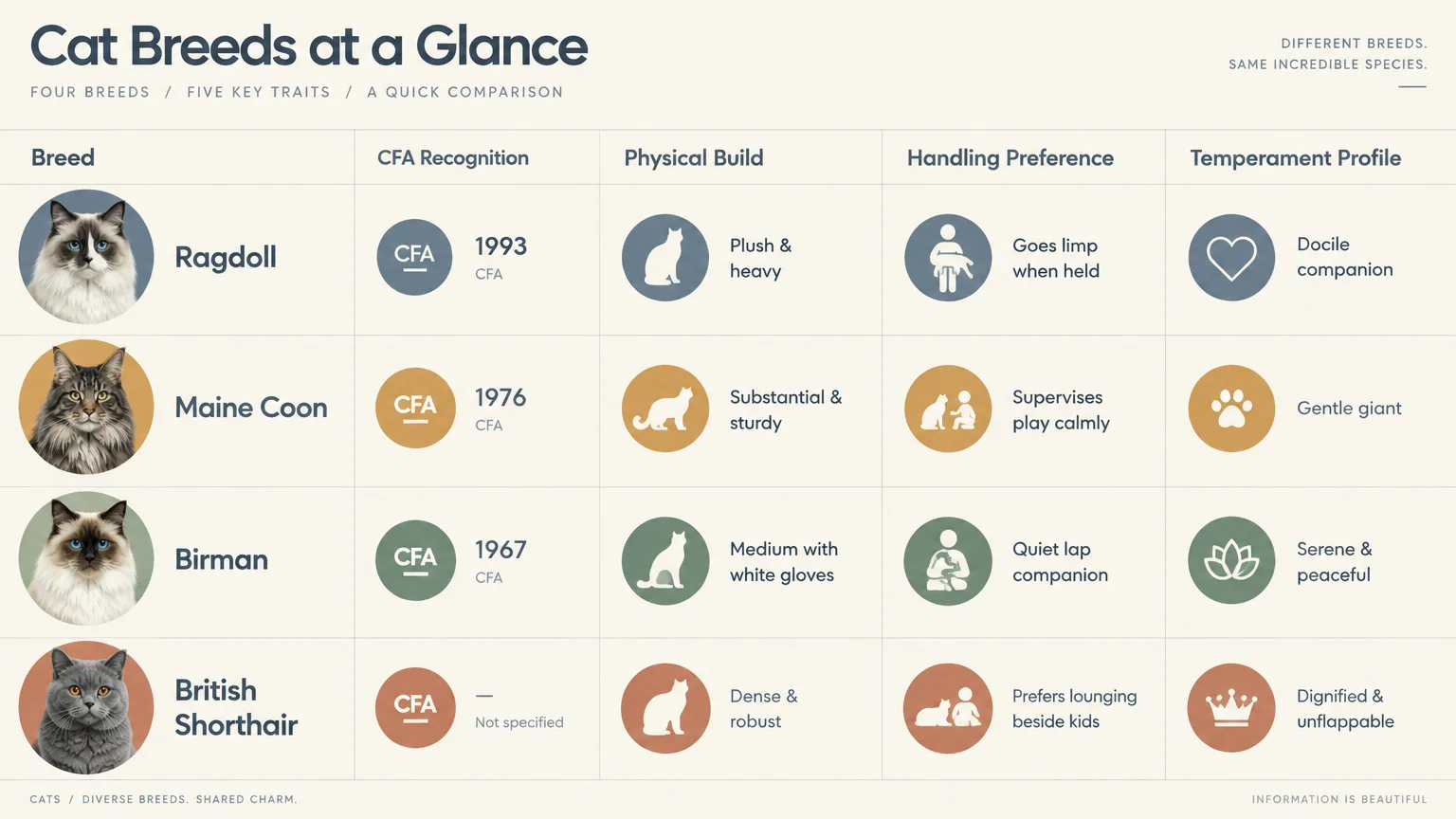
Official registration records from the Cat Fanciers’ Association (CFA) confirm that the Ragdoll held the position of the world’s most popular registered pedigreed breed for five consecutive years. The CFA granted championship status to the breed in 1993.
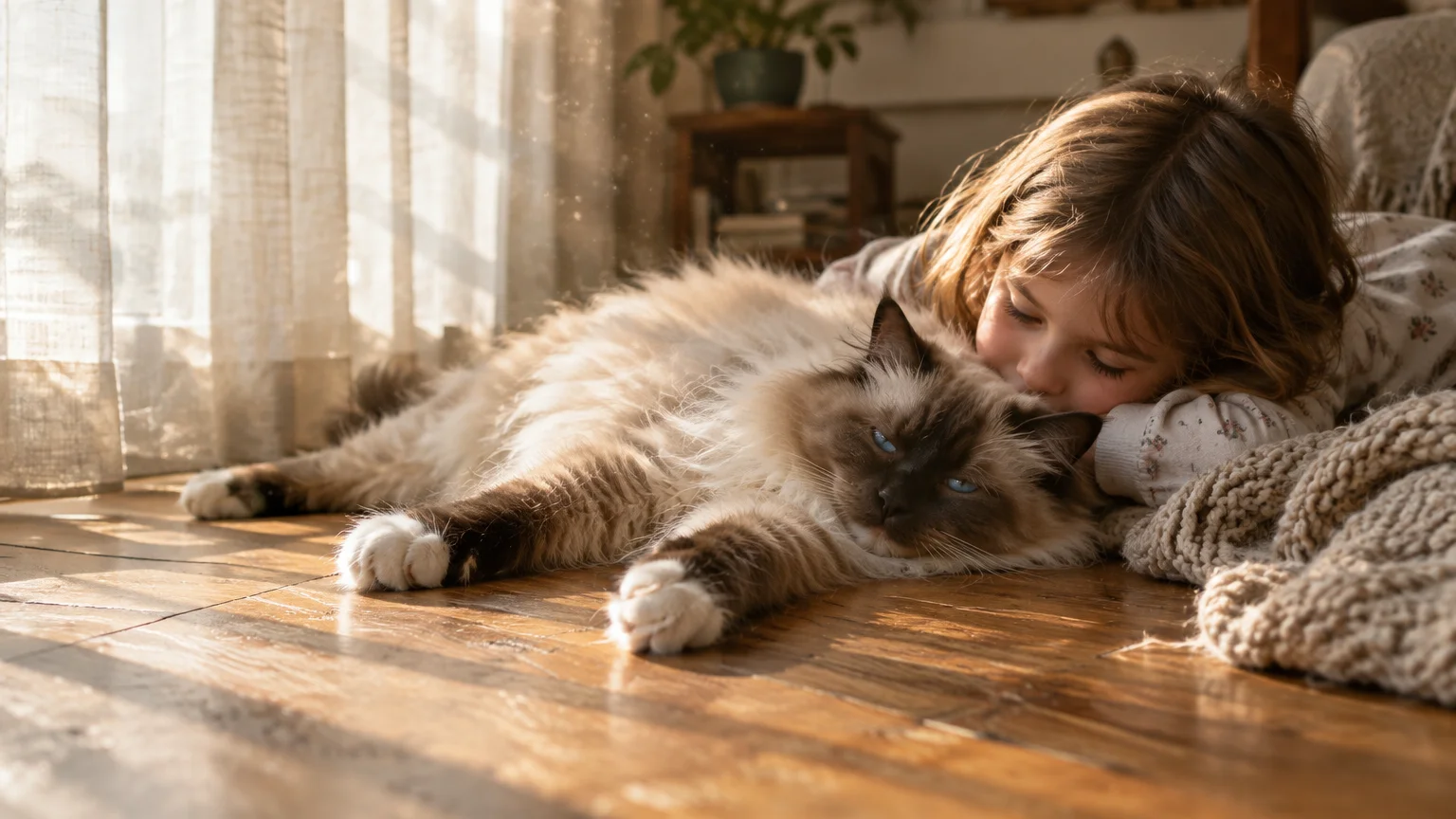
Ragdolls earned their evocative name because they go physically limp with contentment when held. Their plush bodies and slow-paced movements make them remarkably forgiving companions for gentle children.
They rarely extend their claws during play sessions. Instead, they prefer lying across a child’s lap or tagging along between bedrooms like an affectionate puppy.
2. Maine Coon
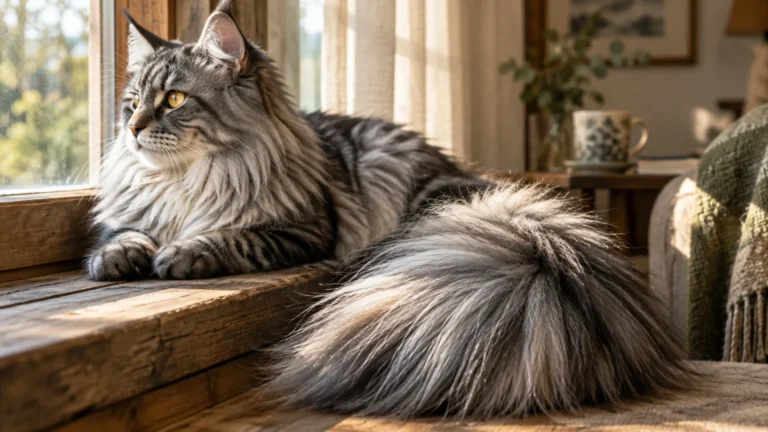
Holding second place in CFA registrations, the Maine Coon represents one of North America’s oldest native breeds. The CFA officially recognized this majestic feline in 1976.
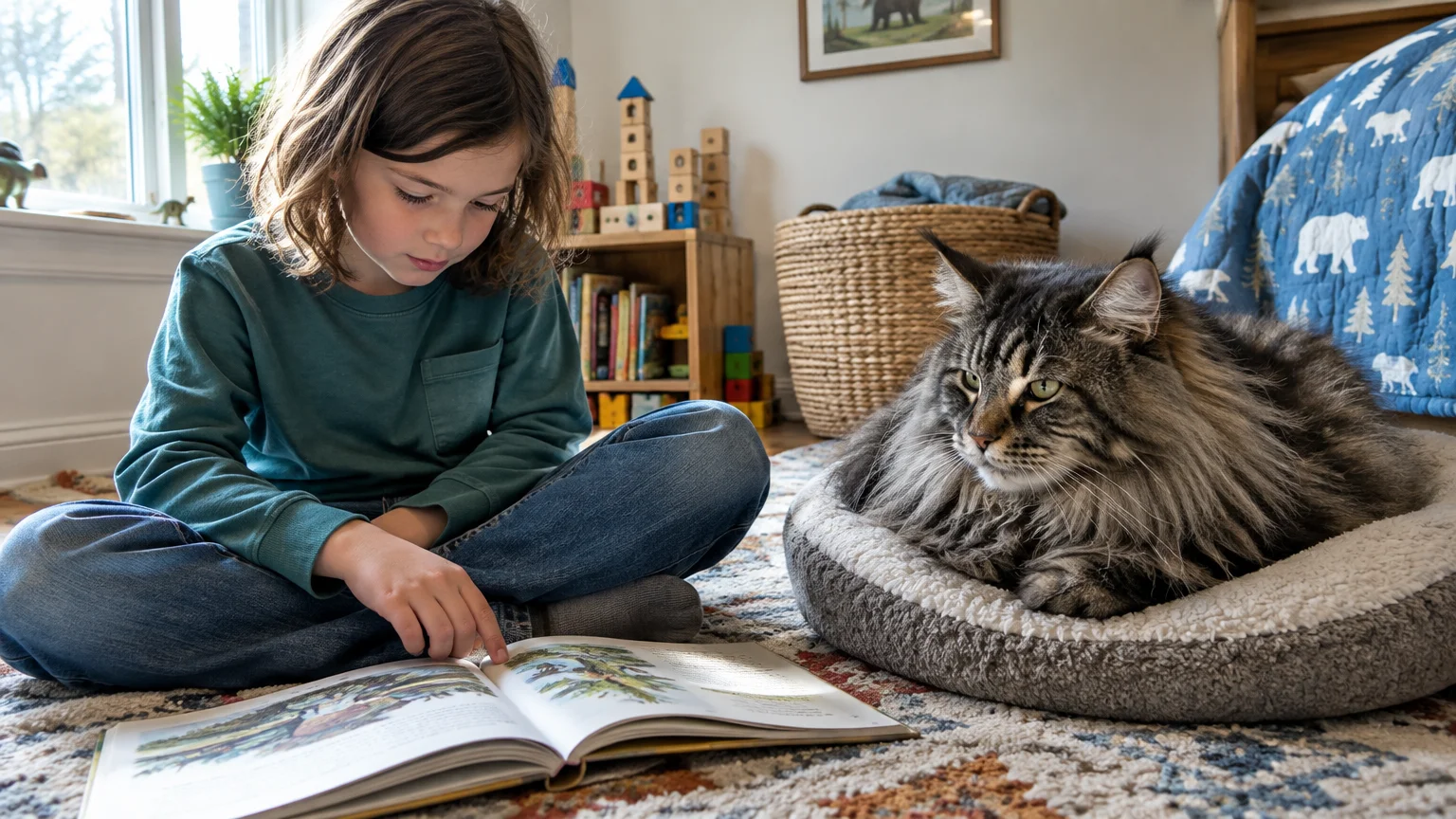
Known universally as gentle giants, Maine Coons combine substantial physical size with an exceptionally soft-spoken nature. Their sturdy frames mean they do not feel fragile around energetic kids.
These intelligent cats adore communal activities. You will frequently find them supervising homework sessions or participating calmly in pretend games without taking offense.
3. Birman
The CFA granted championship status to the Birman in 1967, preserving generations of serene, balanced disposition. These striking colorpoint cats feature distinctive white paws known as gloves.
Birmans possess a remarkably peaceful voice and rarely demand attention through persistent yowling. They provide quiet emotional comfort to sensitive children who dislike intense sensory stimulation.
Their patient temperament allows them to tolerate household chatter with graceful dignity. They bond deeply with youngsters, often sleeping quietly at the foot of their beds.
4. British Shorthair
British Shorthairs are famous for their round faces, dense coats, and dignified, unflappable composure. They treat sudden noises and lively household commotion with serene indifference.
While they generally dislike being carried around like stuffed toys, they happily lounge directly beside young companions. Their robust build prevents accidental injury during clumsy interactions.
This independent gentleness suits busy families who want a devoted pet without intense, clingy demands. They remain calm even when toddlers race past them down the hallway.
5. Abyssinian
If your children possess boundless energy, the Abyssinian makes an exceptional athletic playmate. These agile felines channel curiosity into interactive play rather than skittish retreat.
Abyssinians readily learn tricks, fetch small felt toys, and navigate obstacle courses built from couch cushions. Their dog-like enthusiasm bridges the gap between active kids and independent felines.
Their quick reflexes and athletic confidence mean they rarely feel trapped. When play gets too loud, they simply leap smoothly to higher perches out of reach.
6. Burmese
Burmese cats crave social connection and thrive inside lively, bustling domestic environments. They often act more like companion dogs than detached felines.
These silky companions actively supervise daily family life from morning breakfast to evening bath time. They tolerate being dressed in doll accessories far better than most other breeds.
Their deeply trusting nature fosters instant bonds with young family members. They rarely scratch in anger, choosing instead to purr loudly while participating in group activities.
7. Devon Rex
With oversized ears and soft, wavy coats, the Devon Rex looks like a mischievous fairytale pixie. Their playful personalities match their whimsical appearance.
Devon Rexes enjoy perching on shoulders and snuggling under blankets with little companions during bedtime stories. Their social enthusiasm makes them eager participants in child-led games.
Because their short coats shed minimally, grooming requires very little fuss from busy parents. They maintain a cheerful, puppy-like curiosity well into their senior years.
8. American Shorthair
Originally bred to protect homestead supplies from pests, the American Shorthair possesses a steady, confident emotional foundation. They rarely show nervousness around houseguests or loud children.
These muscular, athletic cats balance affectionate cuddle sessions with easygoing independence. They tolerate gentle handling and happily engage with feather wands for hours.
Their robust health and thick bone structure make them resilient family pets. They adapt seamlessly to changing household schedules without exhibiting stress-related behaviors.
9. Scottish Fold
Easily recognized by their distinctive folded ears and wide owl-like eyes, Scottish Folds display an extraordinarily sweet disposition. They often sit upright on their haunches in comical poses.
These placid felines dislike conflict and rarely exhibit territorial aggression toward other household pets. They engage calmly with children who approach them with gentle curiosity.
Their soft vocalizations and quiet presence make them reassuring study buddies for older children. They love resting near their human siblings while reading books.
10. Siberian
Hailing from the subarctic forests of Russia, the Siberian cat combines hearty physical endurance with a deeply affectionate heart. They are surprisingly light on their feet despite their dense size.
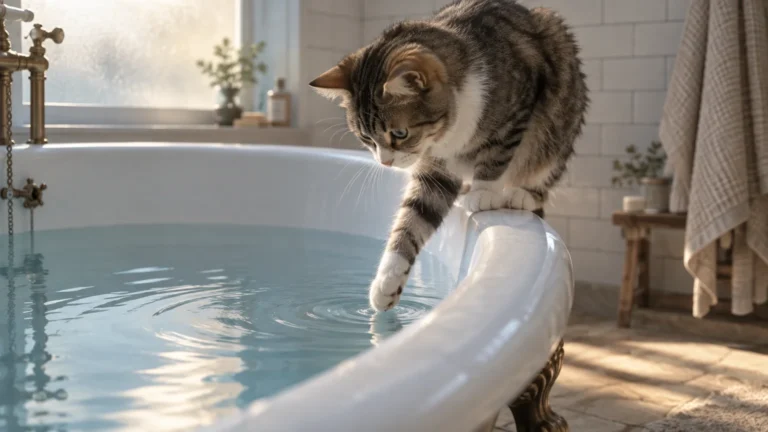
Siberians often produce lower levels of the Fel d 1 protein, making them helpful for families managing mild pet sensitivities. They love water play and may even join your child near the tub.
Their fearlessness allows them to remain completely relaxed during rough-and-tumble household activities. They greet children joyfully at the front door after school.
11. Manx
The tailless Manx is a sturdy, round-bodied cat with powerful hind legs and an even-keeled personality. Without a sensitive tail to accidentally grab, they make wonderful companions for younger children.
Manx cats develop intense loyalty toward their human families and will protect their territory with surprising courage. They readily jump into games of hide-and-seek or fetch.
Their calm demeanor keeps them grounded when toddler tantrums occur nearby. They simply observe the commotion from a safe distance without panic or defensive hostility.
12. RagaMuffin
A close relative of the Ragdoll, the RagaMuffin is famous for its luxurious coat and completely docile attitude. They cherish human contact above almost everything else.
RagaMuffins love being cradled on their backs in children’s arms like real babies. Their extraordinarily high threshold for patience makes them exceptional therapy and family animals.
They thrive on gentle praise and family togetherness. Even in busy rooms, a RagaMuffin will melt into a relaxed puddle of purring satisfaction.
Comparing the Top Patient Cat Breeds
Choosing the ideal feline companion depends on matching energy levels, grooming habits, and household activity. Review the quick summary below to compare these twelve patient breeds.
| Breed | Coat Type | Activity Level | Key Family Trait | Grooming Need |
|---|---|---|---|---|
| Ragdoll | Semi-longhair | Low to Moderate | Relaxes completely when carried | Moderate |
| Maine Coon | Longhair | Moderate | Patient, sturdy gentle giant | High |
| Birman | Semi-longhair | Low to Moderate | Soft-spoken and deeply devoted | Moderate |
| British Shorthair | Shorthair | Low | Unflappable, independent presence | Low |
| Abyssinian | Shorthair | High | Playful partner for energetic kids | Low |
| Burmese | Shorthair | Moderate to High | Affectionate shadow and participant | Low |
| Devon Rex | Short, wavy | High | Clownish lap warmer and explorer | Low |
| American Shorthair | Shorthair | Moderate | Resilient, adaptable family pet | Low |
| Scottish Fold | Short or long | Low to Moderate | Placid, docile observer | Moderate |
| Siberian | Triple-coat longhair | Moderate to High | Fearless, loyal, allergen-friendly | High |
| Manx | Short or long | Moderate | Robust without a grabable tail | Moderate |
| RagaMuffin | Semi-longhair | Low | Sweet, placid cuddle enthusiast | Moderate |
Keeping Interactions Safe and Positive
Even the most patient cat requires clear boundaries to remain safe and comfortable. Parents must model respectful physical interactions before introducing any pet into their children’s routine.
According to the American Veterinary Medical Association (AVMA), adults should maintain continuous supervision during all pet interactions involving children under age five. Young toddlers lack the fine motor control and emotional maturity needed to read subtle feline stress signals.
A cat that feels cornered can react swiftly to defend its personal space. Medical data reveals that feline defensive injuries carry serious microbiological consequences.
Research highlighted by the Centers for Disease Control and Prevention (CDC) and the American Academy of Pediatrics confirms that 20% to 50% of cat bites become infected. The narrow, sharp teeth of cats inject bacteria like Pasteurella multocida deep into soft tissues.
Teaching children how to stroke cats gently along their cheeks rather than pulling tails prevents these defensive incidents. Gentle handling protects both your child’s health and your cat’s emotional well-being.
Common Mistakes to Avoid
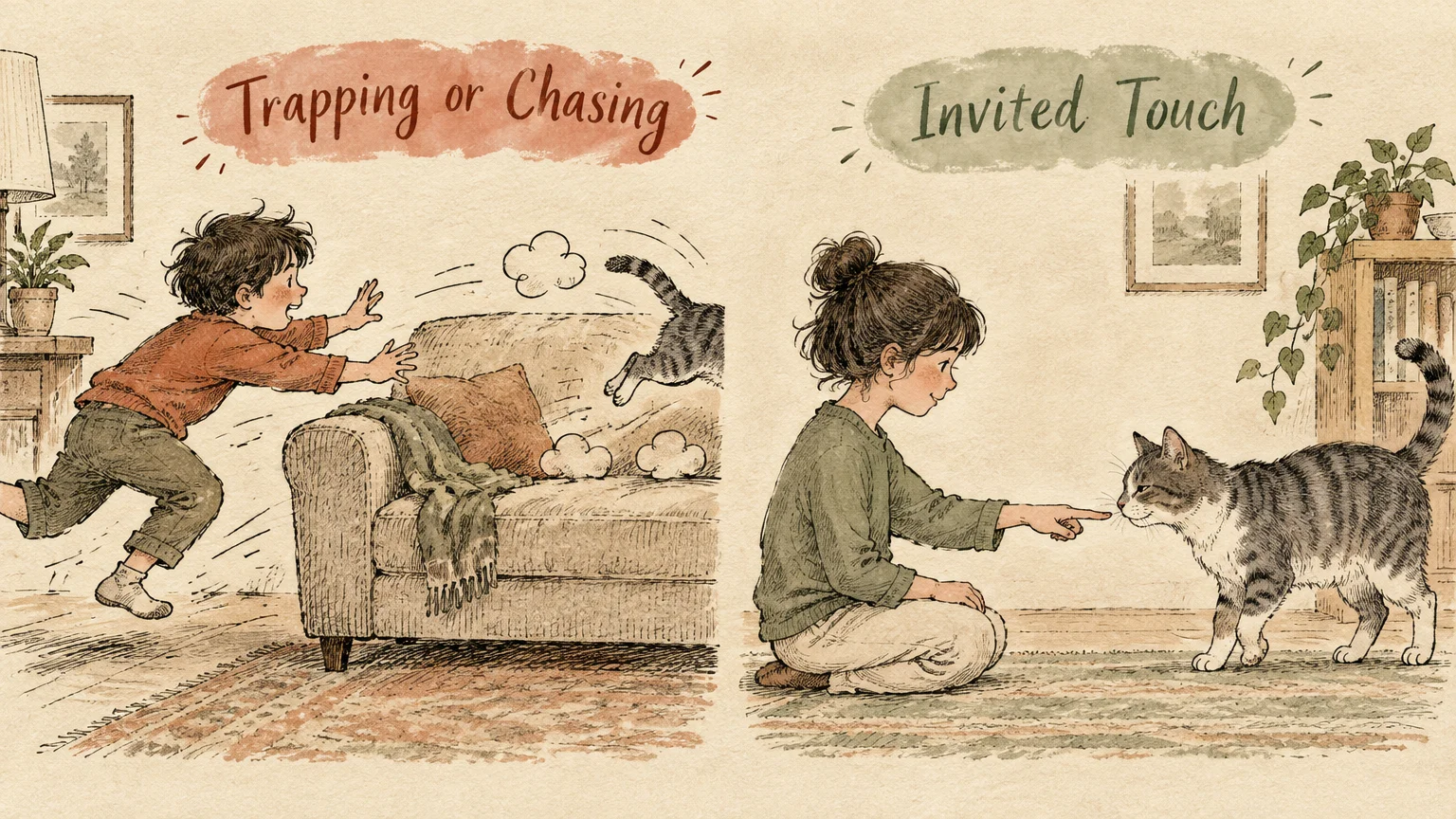
Families often make predictable errors when bringing a new cat into a home with children. Avoiding these four common pitfalls ensures a smooth, scratch-free transition for everyone.
- Ignoring Subtle Stress Signals: Cats rarely strike without warning. Flicking tail tips, flattened ears, dilated pupils, and rippling back skin signal that your pet needs immediate breathing room.
- Treating the Cat Like a Dog: Children accustomed to canine roughhousing may squeeze or wrestle felines. Always remind children that cats require quiet respect and voluntary physical contact.
- Failing to Provide Elevated Sanctuaries: Cats require private retreats where little hands cannot reach them. Install sturdy cat trees, wall shelves, or baby-gated rooms where your pet can rest undisturbed.
- Assuming Kittens Are Naturally More Patient: Young kittens possess needle-sharp claws and fragile bones, making them vulnerable to accidental injuries. In contrast, mature adult cats often exhibit far more emotional patience with young kids.
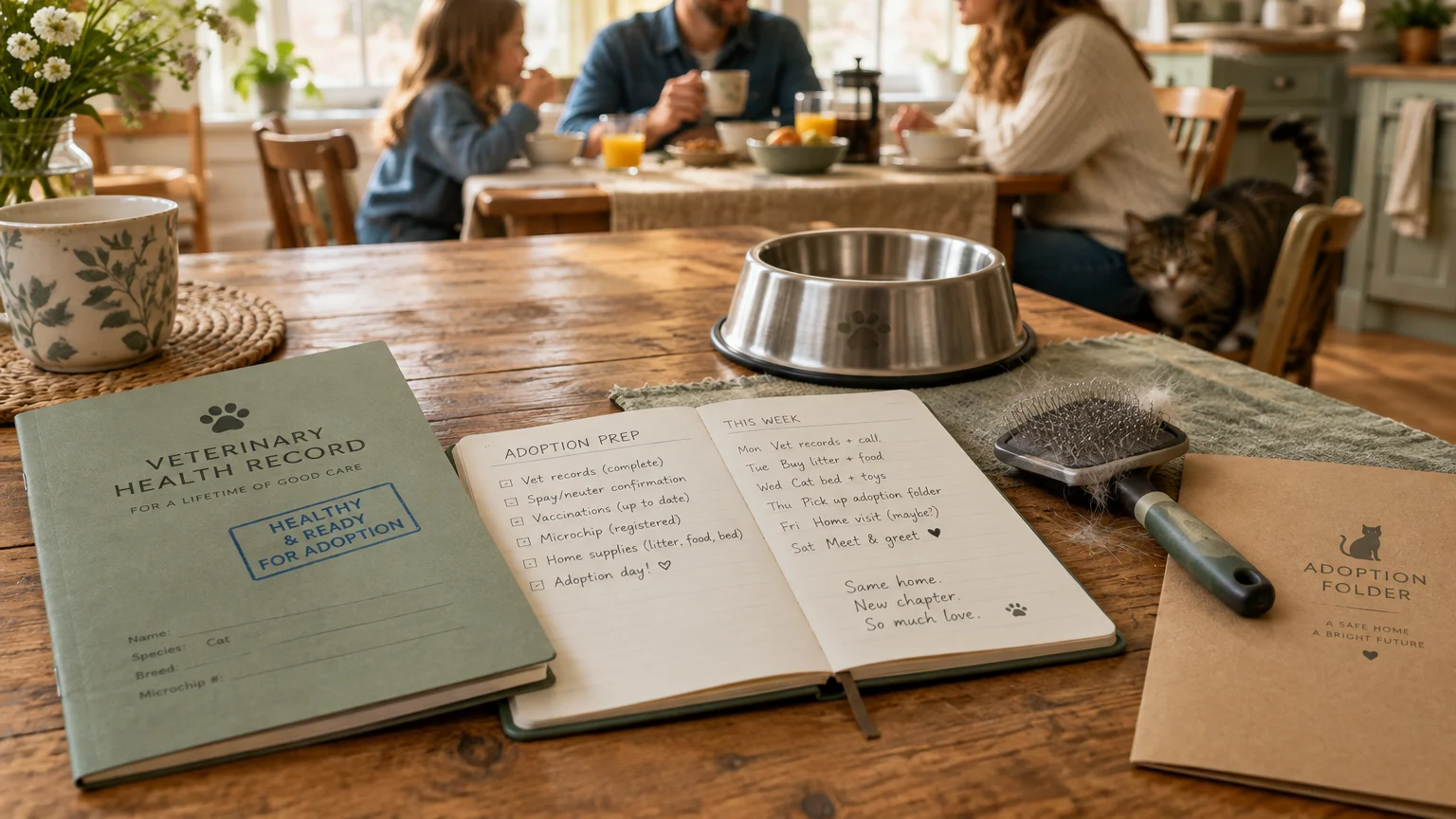
Adoption Considerations and Budgeting
Acquiring a purebred kitten from a registered CFA or TICA breeder generally costs between $1,200 and $3,000 or more. This investment often covers genetic health screenings, early social development, and initial veterinary vaccinations.
Always verify that your chosen breeder emphasizes gentle temperament selection alongside physical breed standards. Ethical breeders welcome your questions regarding how the kittens interact with real family members.
Alternatively, local animal shelters house thousands of patient, kid-tested felines awaiting loving homes. Adoption fees usually range between $50 and $200, which includes spay or neuter surgery, microchipping, and essential vaccines.
Shelter adoption counselors excel at matching family lifestyles with calm adult cats whose gentle temperaments are already well-proven. An adult rescue cat often provides immediate patience without the chaotic unpredictability of kittenhood.
Frequently Asked Questions
Explore answers to the most common questions parents ask when selecting a kid-friendly feline.
Which cat breed is the absolute most patient with toddlers?
Ragdolls and Maine Coons consistently rank highest due to their laid-back personalities and physical resilience. Ragdolls go limp in loving arms, while Maine Coons act like gentle canine-like playmates.
Are male or female cats better with young children?
Neutered males often show slightly more outgoing, clingy affection, while spayed females can be more independent. However, individual personality and early socialization matter far more than biological sex.
How should I prepare my cat for a newly crawling baby?
Introduce baby scents, sounds, and stroller gear several weeks before delivery. Provide elevated perches and quiet hiding spots where your cat can observe new routines completely undisturbed.
Can rescue cats be as patient with kids as purebreds?
Absolutely. Many adult mixed-breed rescue cats display remarkable patience, and shelter staff can accurately assess their behavior around kids before you finalize adoption.
Finding Your Family’s Companion
Welcoming a feline companion brings warmth, empathy, and joy into any family home. When you match the right patient breed with thoughtful supervision, you set the stage for a lifetime of heartwarming companionship.
This article provides general information only. Every reader’s situation is different—what works for others may not be the right fit for you.
For personalized guidance on health, legal, or financial matters, consult a qualified professional.
Last updated: May 2026. Rules, prices, and details change—verify current information with official sources before acting on it.