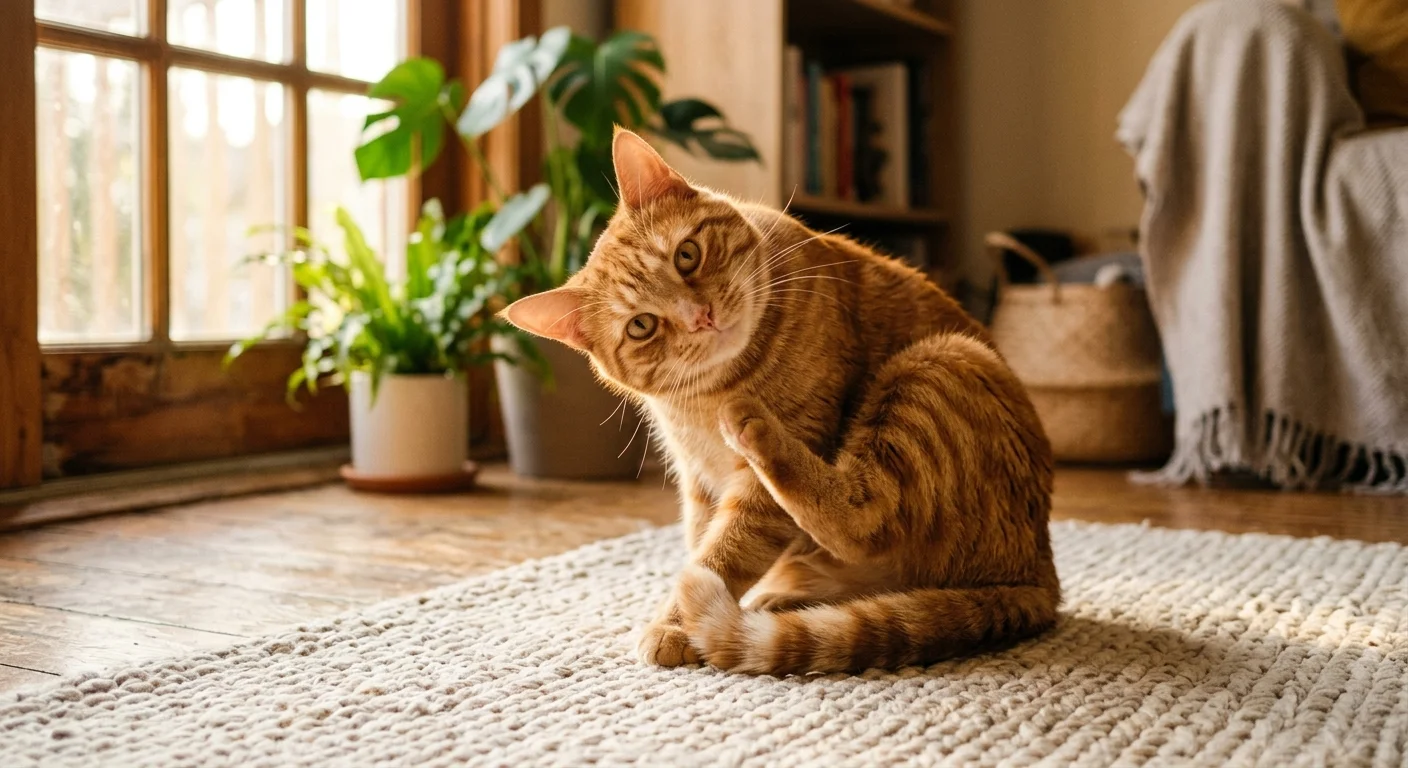
Cats naturally spend up to half of their waking hours grooming their fur to stay clean, regulate body temperature, and reduce scent markers. However, when everyday licking transforms into obsessive chewing, pulling hair, or creating bald patches, your feline companion is communicating distress.
Uncovering why does my cat keep licking requires looking beyond the coat—excessive grooming in cats often stems from hidden skin allergies, parasite bites, localized physical pain, or chronic environmental stress.
Identifying the primary cause quickly prevents painful skin infections and restores your cat’s comfort; working closely with a veterinarian ensures you target the root issue rather than just treating the symptoms.
01 Flea Bites and Parasitic Infestations
Parasites represent the single most common cause of compulsive licking and biting in domestic cats. Even if your cat lives strictly indoors, tiny parasites can enter your home on your clothing, through screen doors, or on other household pets.
Fleas in particular trigger an intense immune response known as Flea Allergy Dermatitis (FAD). When a flea bites, it injects saliva containing specialized proteins into your cat’s skin.
For an allergic cat, a single flea bite can cause agonizing itching that persists for weeks.
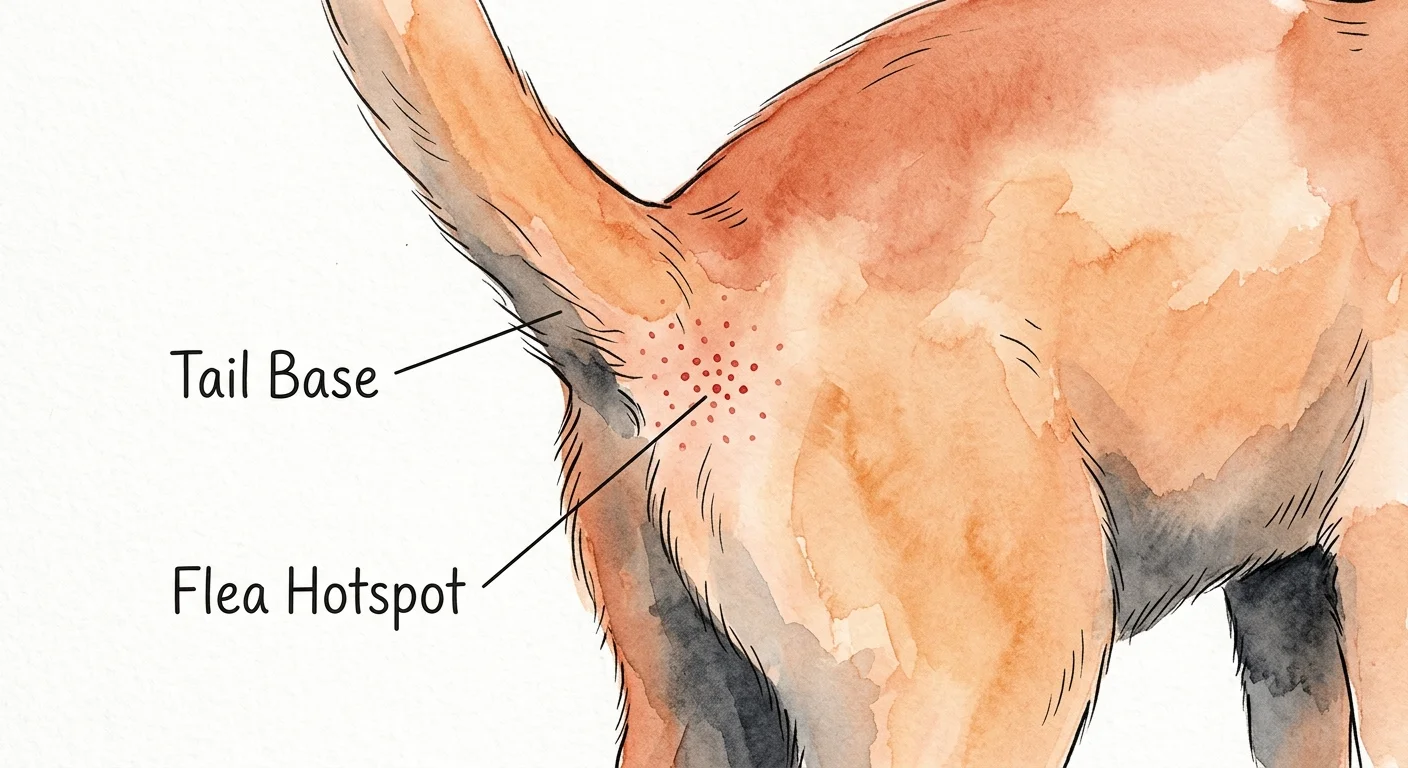
According to VCA Animal Hospitals, cats with flea allergy dermatitis frequently groom themselves to the point of hair loss along their lower back, tail base, thighs, and neck.
You may notice small, crusty bumps beneath the fur, a condition veterinarians call miliary dermatitis because the skin feels like it is covered in tiny millet seeds.
Cats are meticulous groomers, which means they routinely ingest fleas while licking their coat. Because of this, you might never actually see a live flea crawling on your cat.
Other external parasites can cause similar frantic licking and scratching:
- Cheyletiella Mites: Also known as walking dandruff, these surface mites cause flaky skin and intense itching along the spine.
- Demodex Mites: Microscopic mites that inhabit hair follicles or skin surfaces, leading to localized hair loss and crusting.
- Ear Mites (Otodectes cynotis): While primarily infecting ear canals, severe infestations prompt cats to lick their paws and rub their heads incessantly.
- Lice: Although less common in indoor pets, biting lice cause irritation and coat matted with debris.
02 Environmental and Food Allergies
Just like humans, cats can develop hypersensitivity reactions to everyday substances in their surroundings or diet. Cat skin allergies manifest primarily through the skin rather than sneezing or watery eyes.
When a cat encounters an allergen, its immune system releases histamine and inflammatory chemical mediators that cause intense cutaneous itching, prompting the animal to lick relentlessly to soothe the sensation.
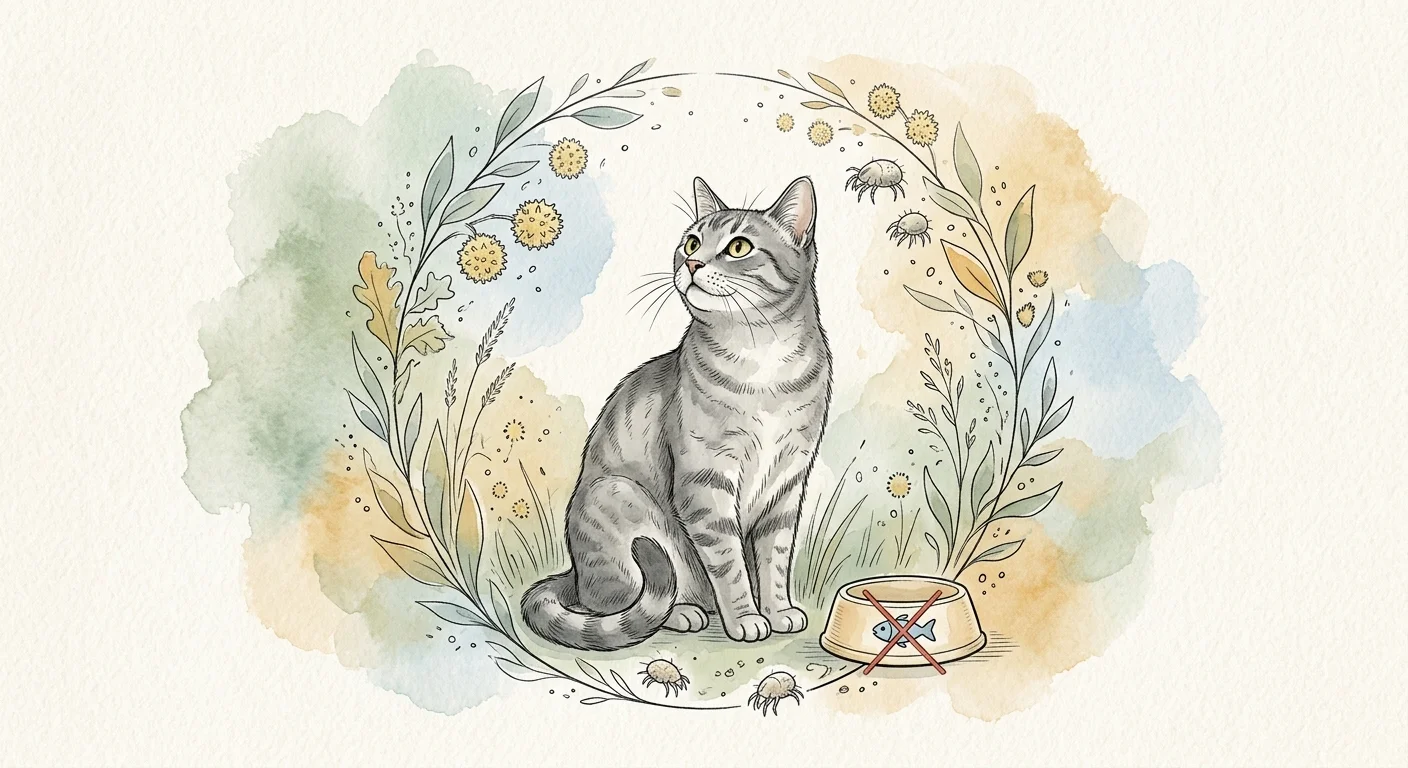
Environmental allergies, or feline atopic dermatitis, occur when a cat reacts to airborne particles such as pollen, dust mites, mold spores, or storage mites.
You may notice that environmental licking worsens during specific seasons, such as spring or autumn, though indoor dust mite allergies can cause year-round distress. Cats suffering from atopy usually target their stomach, groin, inner thighs, and paws.
Food allergies represent another major trigger for feline overgrooming causes. Cats typically develop allergies to protein sources they have eaten for months or years, such as beef, chicken, fish, or dairy products.
Unlike environmental allergies, food sensitivities cause non-seasonal, persistent itching that often focuses on the head, neck, and face, though broad abdominal overgrooming is also widespread. Over time, constant licking damages the skin barrier, creating red, raw patches that invite secondary bacterial infections.
03 Psychogenic Alopecia and Stress-Induced Overgrooming
Grooming serves an essential psychological function for felines. The repetitive rhythmic motion of licking stimulates sensory nerve endings in the skin, triggering the brain to release endorphins—the body’s natural soothing chemicals.
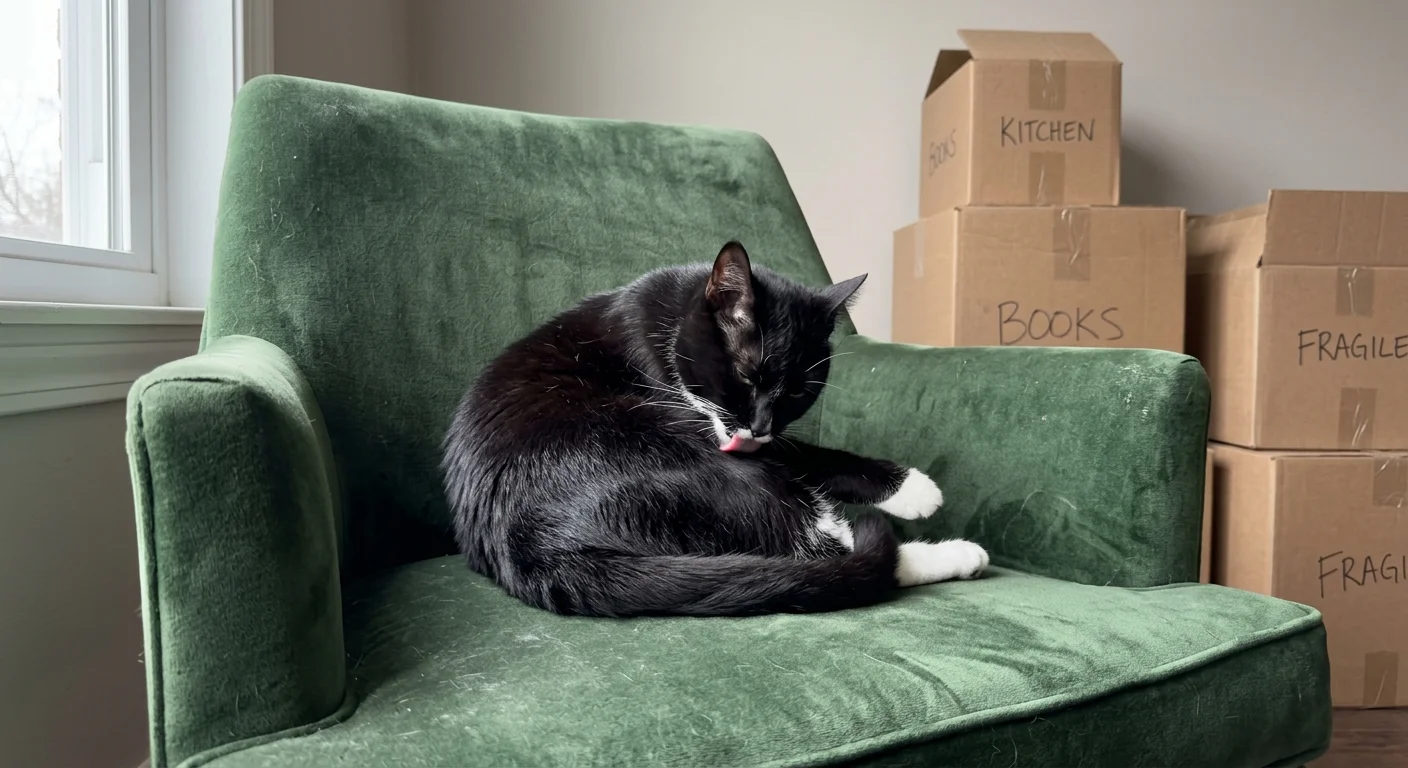
When a cat encounters chronic stress or environmental anxiety, grooming can transform from a hygienic habit into an obsessive coping mechanism known as psychogenic alopecia.
Research published by the Merck Veterinary Manual emphasizes that psychogenic alopecia is a behavioral response to stress where cats lick or bite their fur until hair loss occurs, typically in easy-to-reach areas like the belly, inner forelegs, or flanks.
Subtle changes in a cat’s environment can provoke this behavior, including:
- Moving to a new home or rearranging household furniture.
- The arrival of a new family member, baby, or additional pet.
- Tension, bullying, or resource competition among pets in multi-cat households.
- Changes in your work schedule or prolonged absences from home.
- Boredom and a lack of mental or physical stimulation throughout the day.
A key characteristic of stress-induced overgrooming is that the skin beneath the removed hair usually looks entirely normal; you will not see crusts, redness, or scabs unless secondary trauma occurs.
The cat licks not because the skin inherently itches, but because the act of licking relieves internal nervous tension.
04 Underlying Pain or Localized Discomfort
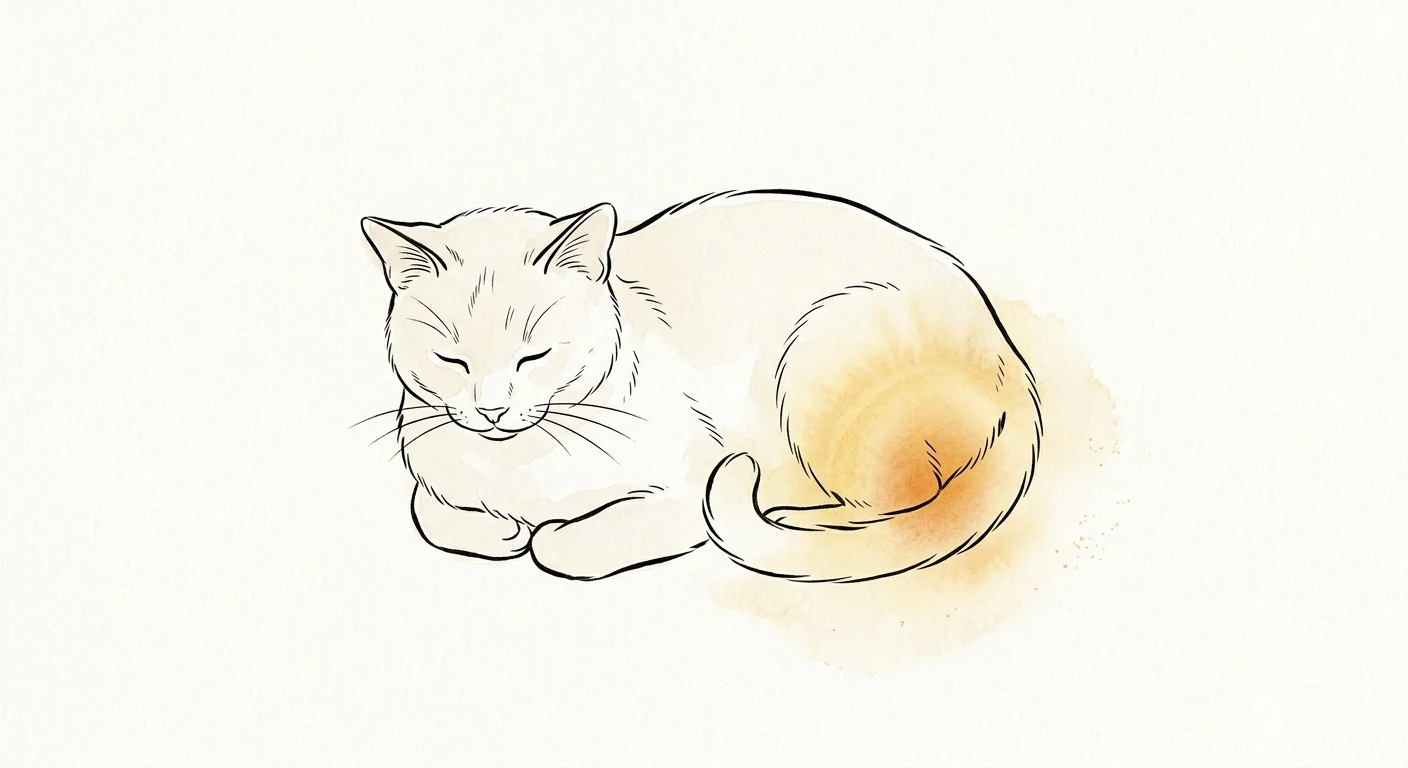
When a cat licks one specific spot on its body repeatedly, physical pain beneath the skin surface is often responsible. Cats instinctually mask pain from predators and owners alike, but they frequently groom over painful joints, organs, or soft tissue injuries as a self-soothing technique.
The tactile input of licking acts like a gentle massage, temporarily overriding deep pain signals sent to the brain.
Osteoarthritis is a widely underdiagnosed cause of excessive grooming in older cats. A cat suffering from painful arthritis in its hips, spine, or knees will lick the skin directly over those joints continuously, sometimes stripping the area completely bare.
Similarly, soft tissue injuries, muscle sprains, foreign bodies like splinters, or healing surgical wounds provoke intense localized licking.
Internal organ pain also triggers targeted overgrooming behavior. Cats experiencing Feline Lower Urinary Tract Disease (FLUTD), bladder infections, or painful urinary stones frequently lick their lower abdomen, groin, and perineal area until the skin becomes hairless and inflamed.
Likewise, cats suffering from impacted anal glands or localized dental pain groom their bellies or paws compulsively to manage deep somatic distress.
05 Secondary Bacterial or Fungal Skin Infections
A cat’s tongue is an remarkably efficient tool covered in hundreds of tiny, backward-facing barbs made of keratin, known as filiform papillae. While these barbs excel at removing loose fur and dirt, they act like coarse sandpaper when applied repeatedly to inflamed skin.
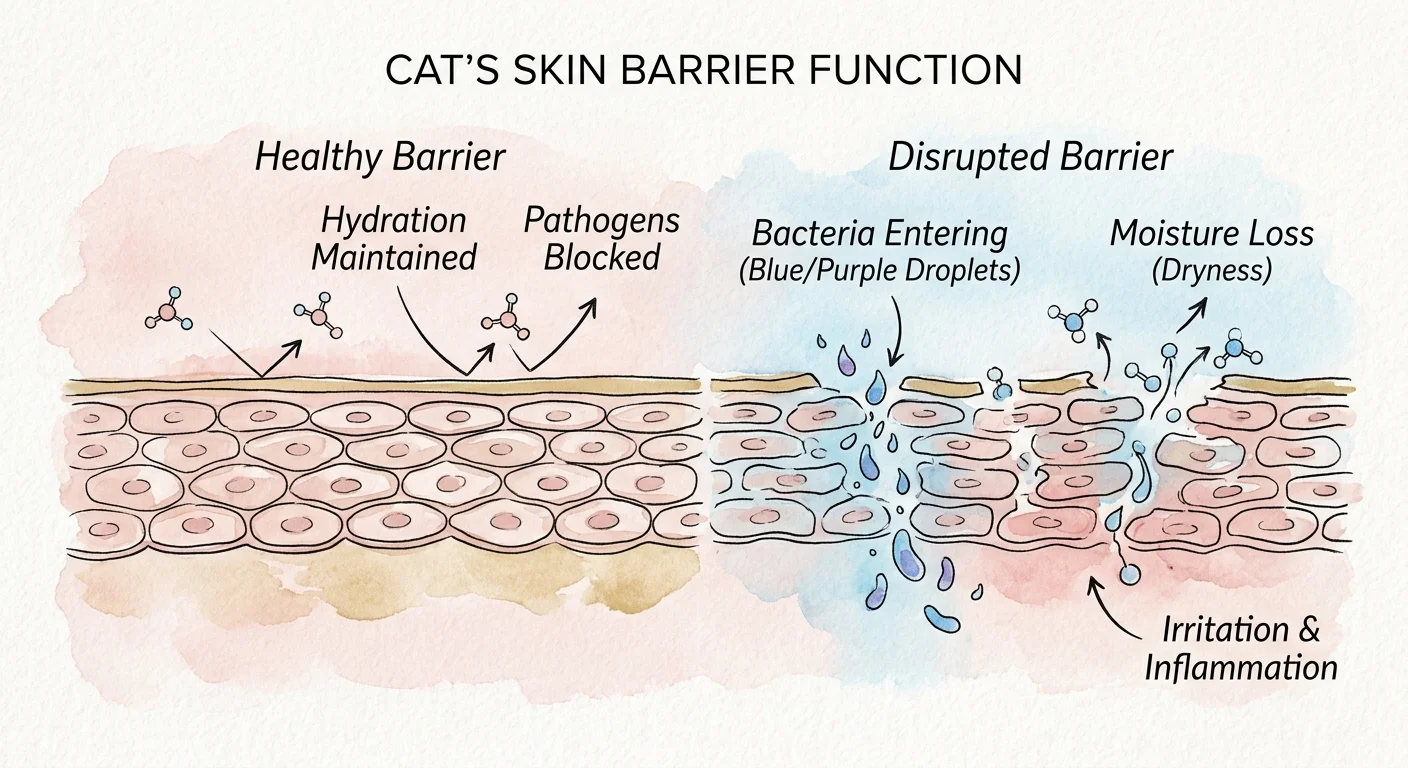
Continuous tongue friction removes the protective outer layer of skin cells, breaking down the natural skin barrier.
Once the skin barrier degrades, naturally occurring skin bacteria—such as Staphylococcus pseudintermedius—and yeast organisms multiply rapidly within the micro-abrasions. This secondary infection causes intense localized inflammation, burning sensations, and oozing crusts, which in turn causes the cat to lick even more aggressively.
This destructive cycle can rapidly turn a minor itch into a severe, widespread skin lesion.
Fungal infections can also initiate compulsive grooming. Ringworm (dermatophytosis) is a contagious fungal organism that infects hair shafts and outer skin layers.
According to the Cornell University College of Veterinary Medicine, ringworm causes circular patches of hair loss, scaly skin, and variable itching that prompts constant grooming, particularly in young, elderly, or immunocompromised cats.
06 Dry Skin and Environmental Low Humidity
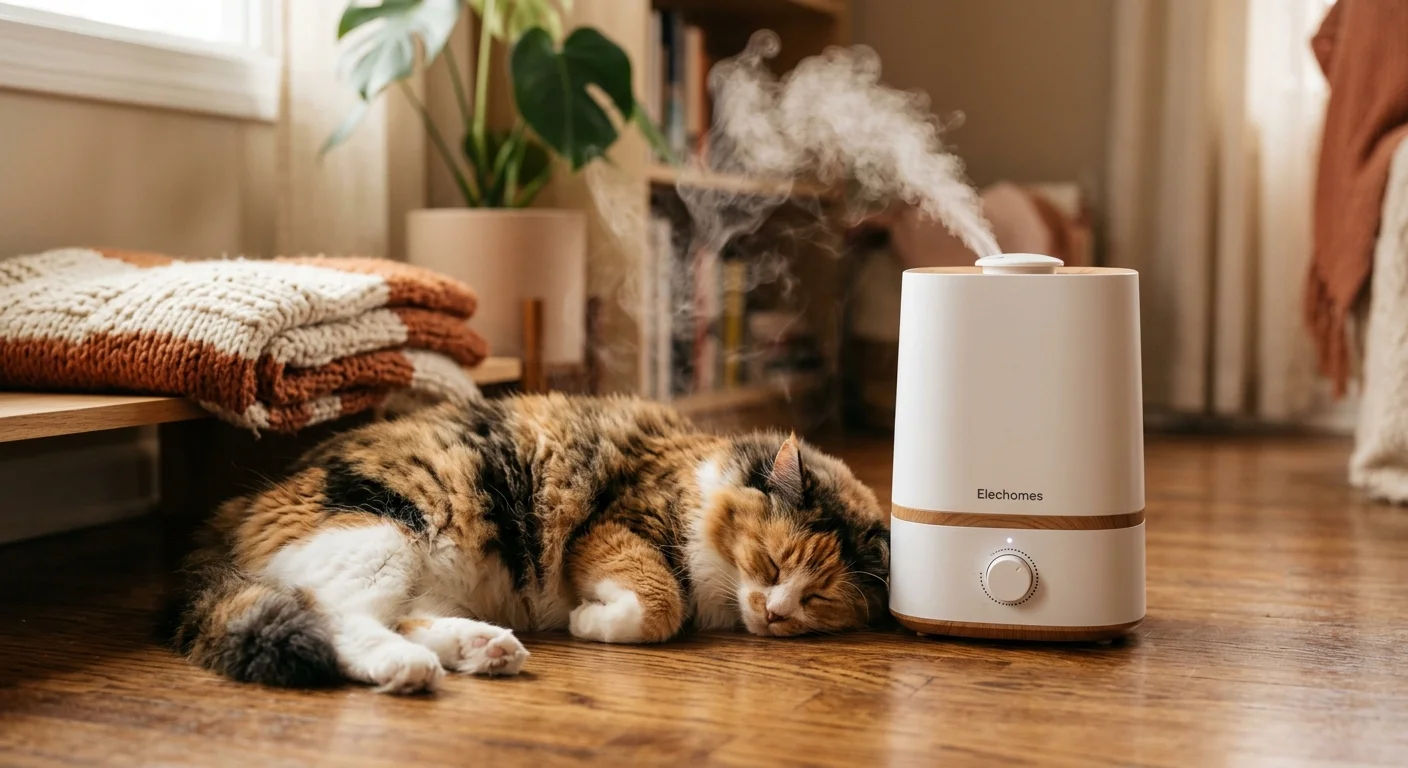
Environmental conditions within your home can directly compromise your cat’s skin health. During cold winter months, artificial indoor heating dramatically lowers ambient humidity levels.
Dry air strips natural oils from your cat’s coat and epidermis, leading to tight, flaky, and uncomfortable skin.
Diets lacking balanced essential fatty acids—specifically Omega-3 and Omega-6 fatty acids—further exacerbate skin dryness. Essential fatty acids maintain the structural integrity of cell membranes and support the lipid barrier that locks moisture into the skin.
When dietary fats fall short, your cat’s skin becomes brittle, prone to micro-fissures, and chronically itchy.
A cat experiencing dry skin will groom persistently across its entire body in an attempt to clean away loose dander and soothe diffuse, mild itching.
You will often see fine white flakes sprinkled across the fur, especially along the lower back, accompanied by a dull, brittle coat texture.
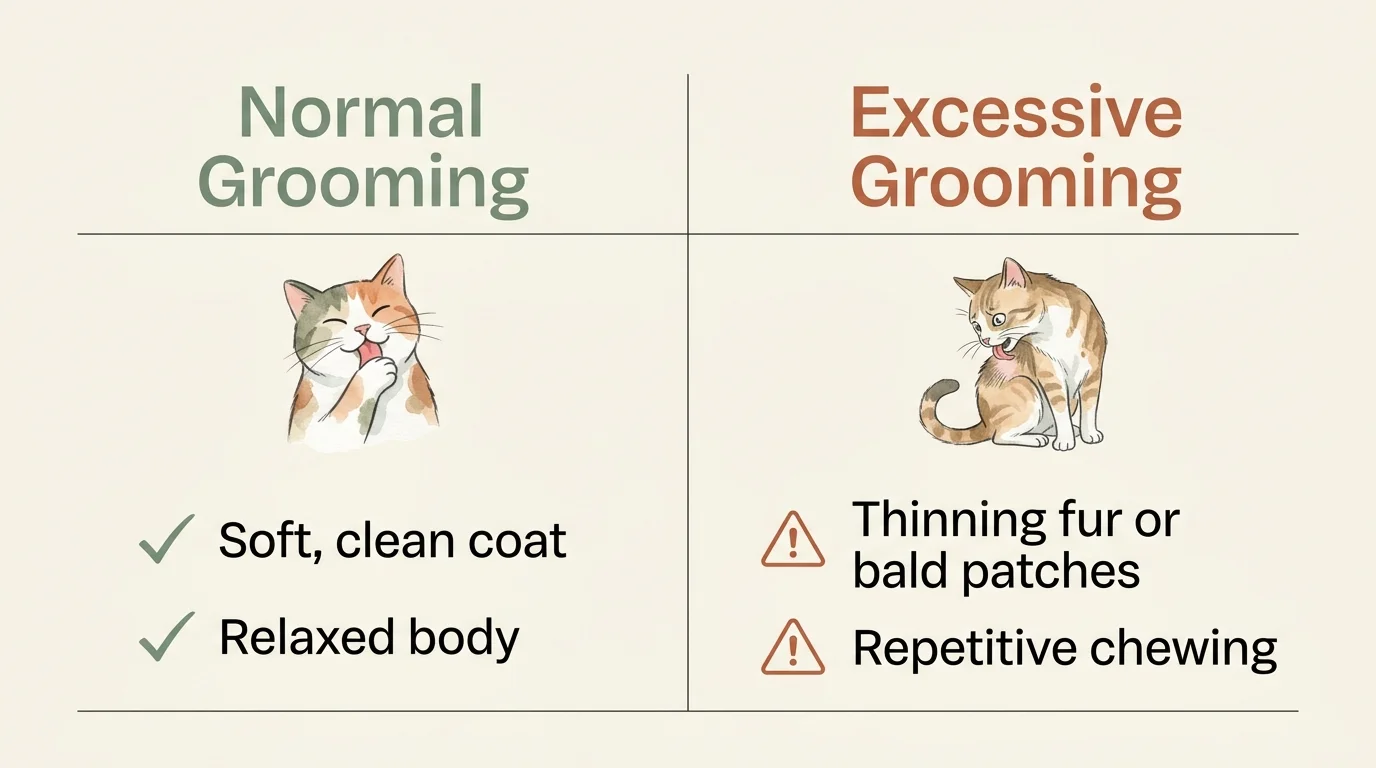
Distinguishing Normal Grooming from Excessive Grooming
Because grooming is a fundamental feline behavior, recognizing when self-care crosses the line into pathological behavior can be challenging. Paying close attention to the context, frequency, and physical outcome of your cat’s grooming routine helps you distinguish healthy habits from medical distress.
| Feature | Normal Grooming Behavior | Excessive / Pathological Grooming |
|---|---|---|
| Daily Duration | Grooms during natural transitions (after waking, post-meal, or after outdoor time). | Interrupts eating, sleeping, or play to lick frantically; grooms for extended hours. |
| Fur & Coat Health | Smooth, clean, shiny coat without bald spots or broken hair shafts. | Thinning fur, distinct bald patches (alopecia), stubbly hair, or complete hair loss. |
| Skin Appearance | Pink, soft, supple skin free from red marks, bumps, scabs, or scaling. | Redness, open sores, weeping lesions, scabs, dark pigmentation, or heavy flakes. |
| Behavioral Focus | Distributes attention evenly across the front legs, shoulders, back, and paws. | Fixates obsessively on a single spot, such as the lower belly, tail base, or rear leg. |
| Response to Interruption | Easily pauses grooming when called or offered a toy or meal. | Ignores distractions or immediately resumes licking with intense urgency. |
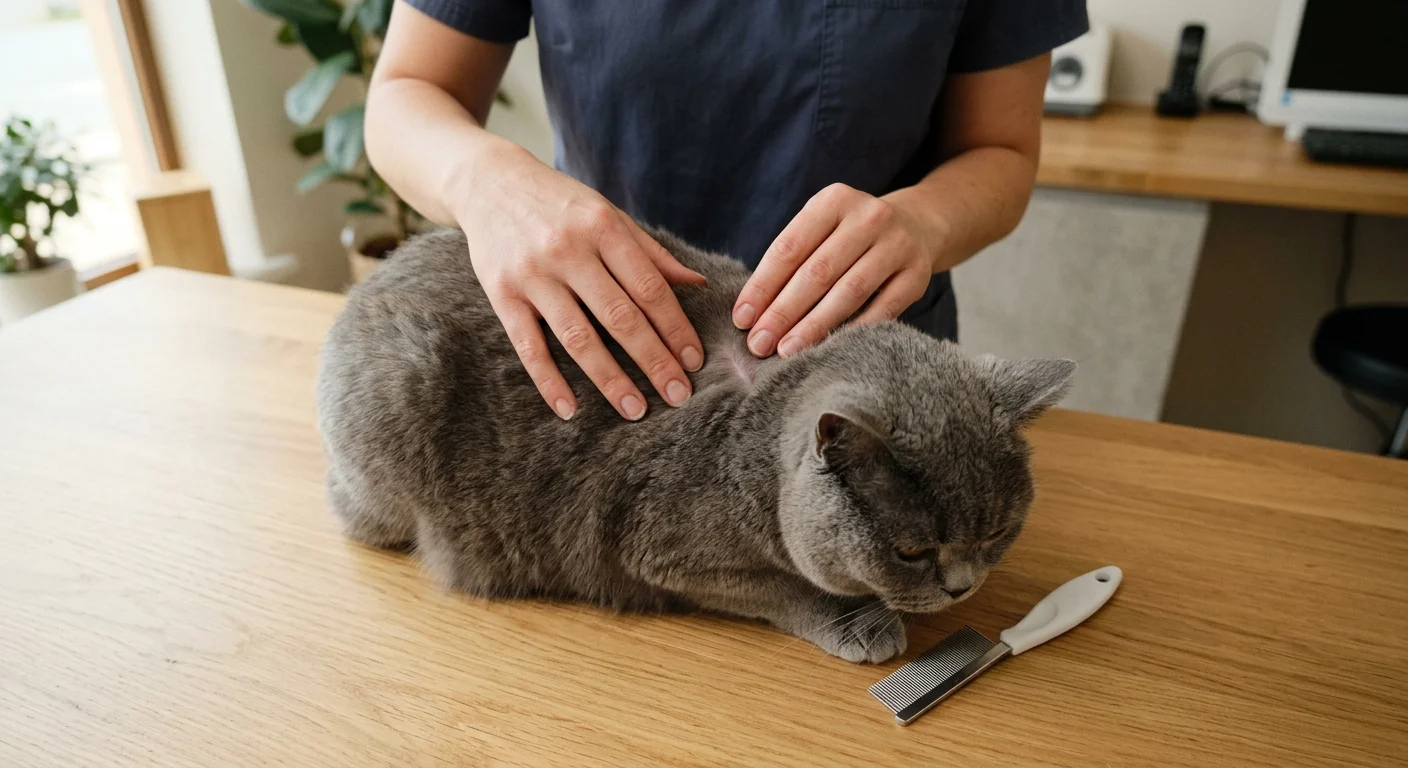
How Veterinarians Diagnose Feline Overgrooming Causes
Because numerous underlying issues produce identical overgrooming symptoms, pinpointing the precise cause requires a systematic diagnostic approach. Your veterinarian will begin with a thorough medical history and physical exam, working through potential causes systematically:
- Dermatological Diagnostics: The vet uses a flea comb to search for parasites and flea dirt, performs skin scrapings to check for microscopic mites, and uses microscopic tape pulls to identify bacterial or yeast overgrowth. A Wood’s lamp or fungal culture tests for ringworm.
- Systemic Parasite Trial: Because cats groom away fleas so efficiently, veterinarians frequently prescribe a strict 8-to-12-week course of high-potency, broad-spectrum veterinary flea preventative for all pets in the household to rule out flea allergy dermatitis entirely.
- Elimination Food Trial: To evaluate food allergies, your veterinarian will prescribe a strict hydrolyzed protein or novel protein diet for 8 to 12 weeks. During this window, your cat must consume exclusively the prescription food—no treats, flavored medications, or table scraps—to observe whether skin itching resolves.
- Diagnostic Imaging and Bloodwork: If the vet suspects localized joint pain, urinary tract issues, or systemic metabolic illness, complete blood counts, biochemistry panels, urinalysis, and X-rays help evaluate internal health.
- Behavioral Exclusion Diagnosis: Veterinarians diagnose psychogenic alopecia only after systematically ruling out every medical, parasitic, and allergic cause through structured testing.
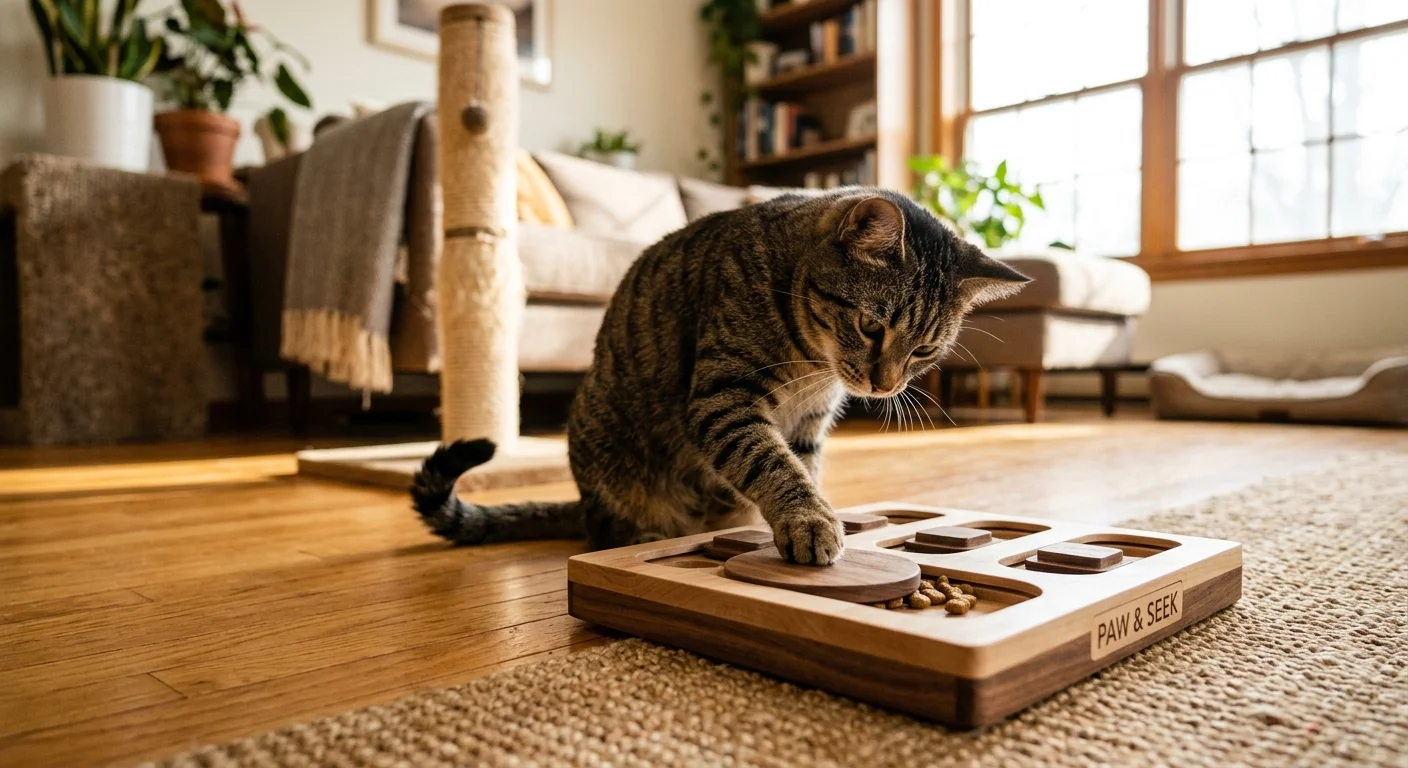
Practical Solutions to Stop Excessive Licking
Resolving overgrooming requires a tailored plan that addresses the precise underlying trigger identified by your veterinarian. Combining medical interventions with home management strategies yields the most reliable results for long-term skin health.
- Maintain Strict Parasite Prevention: Administer year-round, veterinarian-approved spot-on flea and parasite preventatives to every pet in your home, regardless of whether they go outdoors.
- Upgrade Dietary Nutrition: Feed a high-quality, balanced diet rich in bioavailable Omega-3 fatty acids (EPA and DHA) from fish oil to support the skin’s natural lipid barrier and reduce inflammatory skin responses.
- Enhance Environmental Enrichment: Combat stress and boredom by installing vertical climbing trees, window perches, scratching posts, and interactive puzzle feeders that channel your cat’s energy into engaging activities.
- Utilize Synthetic Pheromones: Plug synthetic feline facial pheromone diffusers (such as Feliway) into rooms where your cat spends the most time to create a comforting, secure atmosphere.
- Establish Consistent Daily Routines: Keep feeding times, play sessions, and litter box cleanings on a predictable schedule to minimize feline anxiety caused by unpredictable household changes.
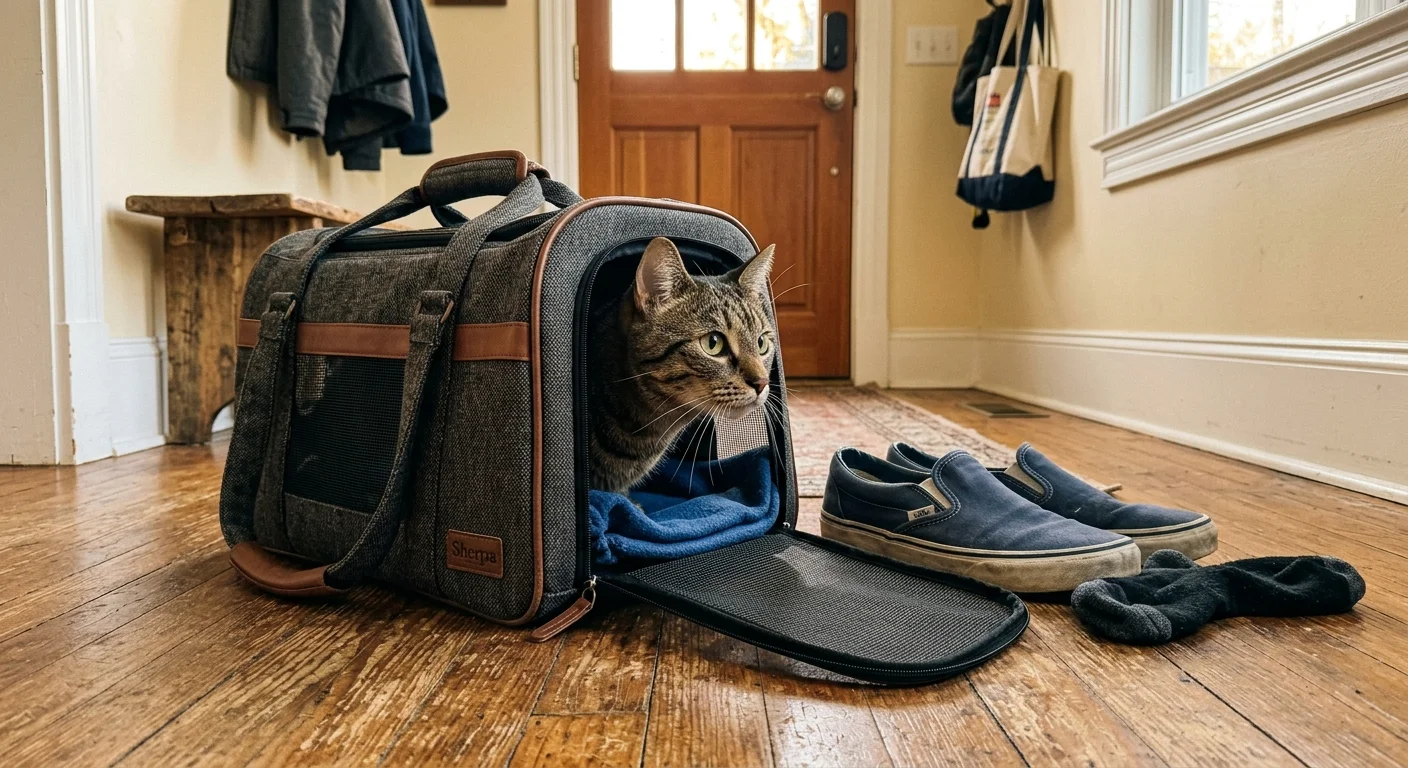
- Establish a Safe Rest Area: Provide a quiet, elevated retreat away from household noise, small children, or competing pets so your cat feels secure resting without interruption.
Worth Keeping in Mind
Navigating feline skin problems requires patience and careful observation. Avoiding common missteps speeds up recovery and protects your cat from unnecessary discomfort:
- Elizabethan Collars Are Not Cures: Putting a protective cone or surgical suit on your cat prevents skin damage, but it does not remove the underlying itch or pain. Relying solely on cones increases stress and causes frantic behavioral frustration.
- Human Medications Are Toxic: Never give your cat human anti-itch creams, antihistamines, or pain relievers without explicit veterinary direction. Common over-the-counter drugs like acetaminophen and ibuprofen are extremely toxic and rapidly fatal to felines.
- Indoor Cats Get Fleas: Assuming an indoor cat cannot have parasites is a frequent error. Fleas easily hitchhike into homes on footwear, clothing, or dog companions, making consistent prevention vital for all indoor cats.
- Changing Food Brands Rarely Solves Food Allergies: Over-the-counter cat foods often share common manufacturing lines and cross-contaminated ingredients. True allergy diagnosis requires a strict prescription hydrolyzed diet managed under veterinary supervision.
When to Get Professional Help
While occasional grooming is completely healthy, specific red-flag symptoms require prompt professional veterinary intervention to prevent worsening tissue damage and infection. Schedule a veterinary visit immediately if you observe any of the following signs:
- Raw, open, bleeding, or oozing skin wounds (“hot spots”) caused by persistent chewing.
- Foul odors, thick yellow discharge, or extensive crusting on any part of the skin.
- Symmetrical, widespread hair loss that expands rapidly across the body over a few days.
- Straining, vocalizing, or crying while attempting to urinate in or outside the litter box.
- Noticeable changes in overall behavior, such as persistent hiding, lethargy, loss of appetite, or sudden aggression when touched.
Frequently Asked Questions
Why does my cat keep licking one specific spot?
Targeted overgrooming on a single body spot usually indicates localized pain, inflammation, or an isolated skin issue.
Joint pain from arthritis, bladder inflammation from a urinary tract infection, splinters, anal gland discomfort, or a localized insect bite all prompt cats to lick one specific area repeatedly for pain relief.
Can stress cause a cat to lick itself raw?
Yes. Chronic stress and anxiety trigger psychogenic alopecia, where grooming becomes an obsessive self-soothing mechanism.
The repetitive licking action releases endorphins in the brain, but over time, the cat’s rough tongue can wear away fur and tear delicate skin, leading to raw, painful lesions.
How can I tell if my cat’s overgrooming is caused by a food allergy?
Food allergies typically produce non-seasonal itching concentrated around the head, face, neck, and ears, though belly overgrooming is also common. The only definitive way to confirm a food allergy is through an 8-to-12-week strict prescription elimination food trial guided by your veterinarian.
Will an Elizabethan collar solve my cat’s licking problem?
An Elizabethan collar (cone) only serves as a temporary physical barrier to prevent immediate self-trauma and allow open skin wounds to heal. It does not treat the underlying itch, pain, or anxiety driving the behavior.
You must address the root medical or environmental cause to stop the compulsion permanently.
Restoring Your Cat’s Skin and Mind
Determining why your cat will not stop licking requires a calm, observant approach that balances medical diagnostics with careful environmental management.
By tracking when, where, and how your cat grooms, you provide your veterinarian with critical clues that unlock the correct diagnosis—whether that means eradicating microscopic parasites, shifting to an hypoallergenic diet, managing joint pain, or easing household stress.
Your proactive care makes all the difference in your pet’s quality of life.
Once you identify and treat the primary trigger, your cat’s skin can heal, its coat will regrow, and grooming will return to its proper place as a relaxing, healthy part of daily life.
The information here is meant for educational purposes. Specific circumstances—including health conditions, finances, location, and goals—may require different approaches. When in doubt, consult a licensed professional or check official sources directly.
Last updated: May 2026. Rules, prices, and details change—verify current information with official sources before acting on it.