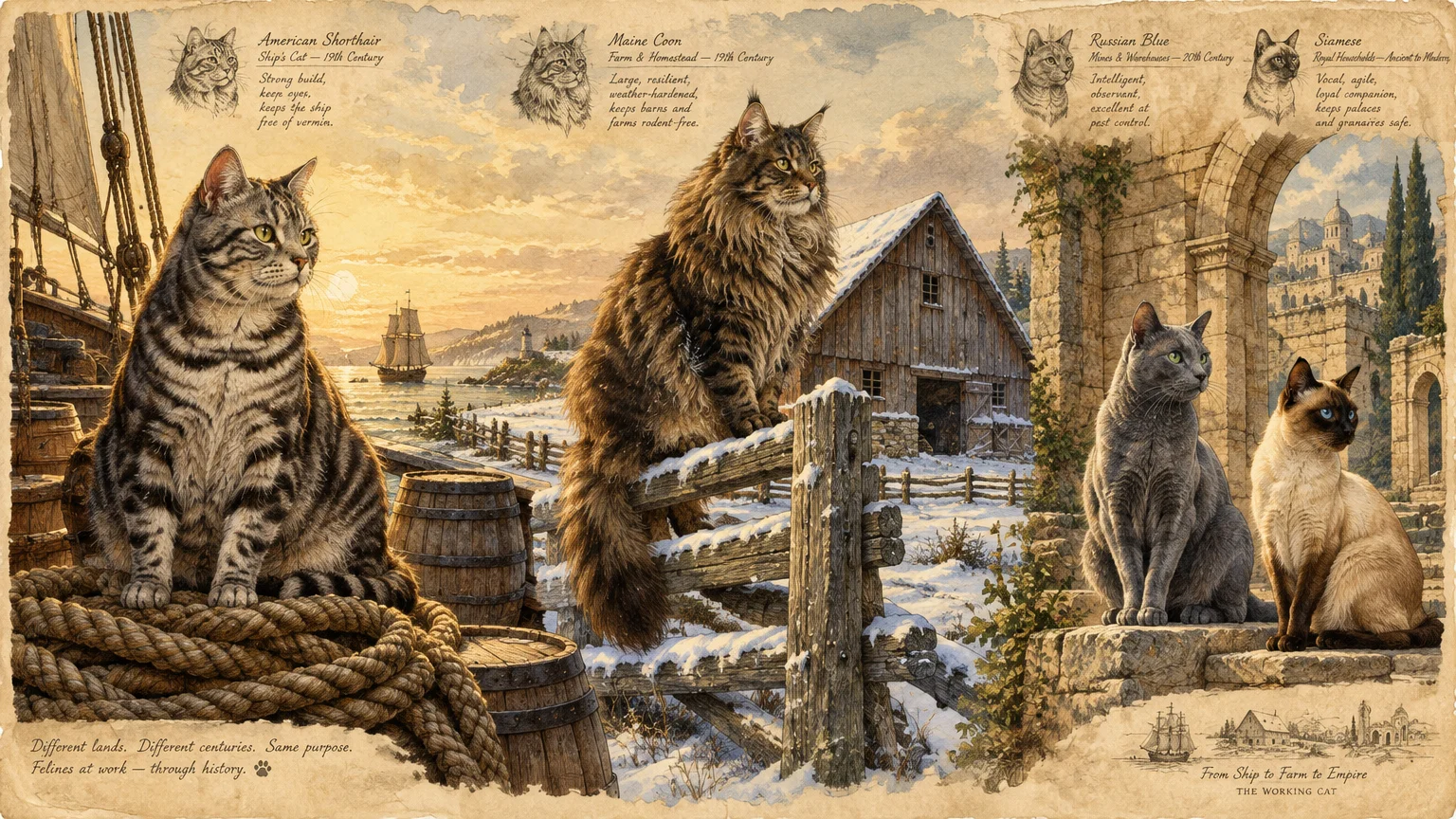
Cats may spend hours napping on your sofa, but several iconic pedigrees originated as dedicated, hardworking laborers. Long before modern registries emerged, people bred domestic felines to solve vital, practical problems.
Careful selection produced dense water-repellent coats, muscular frames, and sharp hunting instincts suited for rough ships and granaries. Knowing these historical cat breed roles explains why your pet stalks toys so fiercely today.
When you recognize your cat’s working lineage, you can provide better enrichment that satisfies their innate drives. Here are seven purpose bred cat breeds with remarkable historical careers.
01 American Shorthair: Maritime Defender and Frontier Mouser
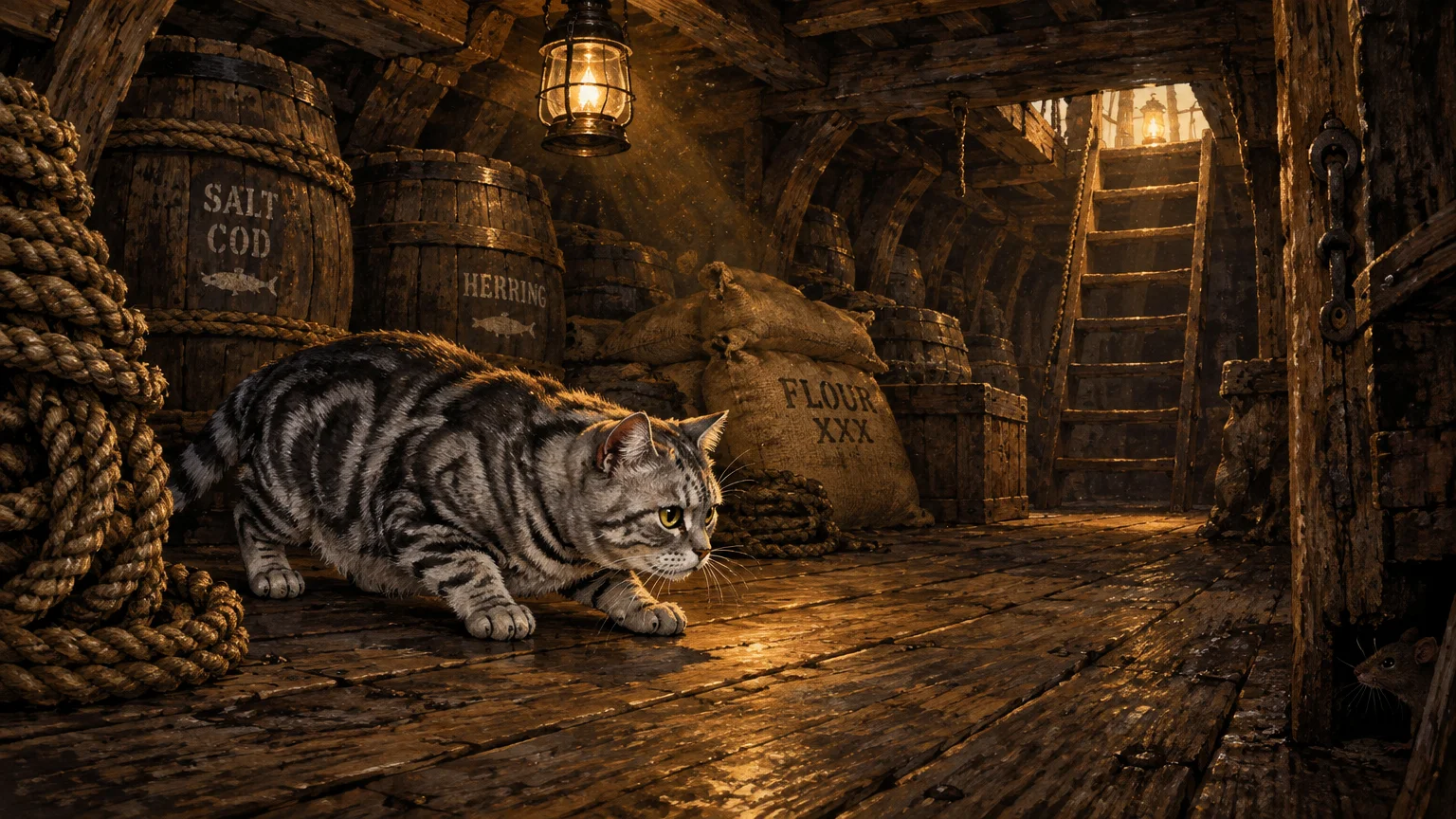
You might recognize the American Shorthair as a gentle family companion. Historically, however, this cat earned its keep protecting food stores and wooden hulls during treacherous ocean voyages.
European settlers carried the breed’s ancestors aboard transatlantic vessels, including the Mayflower in 1620. Ships required relentless pest control to prevent brown rats from chewing through rope rigging, food supplies, and electrical telegraph cables centuries later.
According to the Cat Fanciers’ Association, the organization originally recognized this working cat in 1906 under the name “Domestic Shorthair.” Breeders later renamed the registry standard to “American Shorthair” in 1966 to celebrate its distinct, carefully preserved American heritage.
Centuries of working homesteads developed the breed’s wide, muscular chest and heavy bone structure. Their powerful jaws allowed them to dispatch large rodents instantly without sustaining facial bites.
You will notice this heritage during playtime. American Shorthairs often carry heavy plush toys in their mouths, demonstrating the firm, crushing grip their ancestors used on frontier farms.
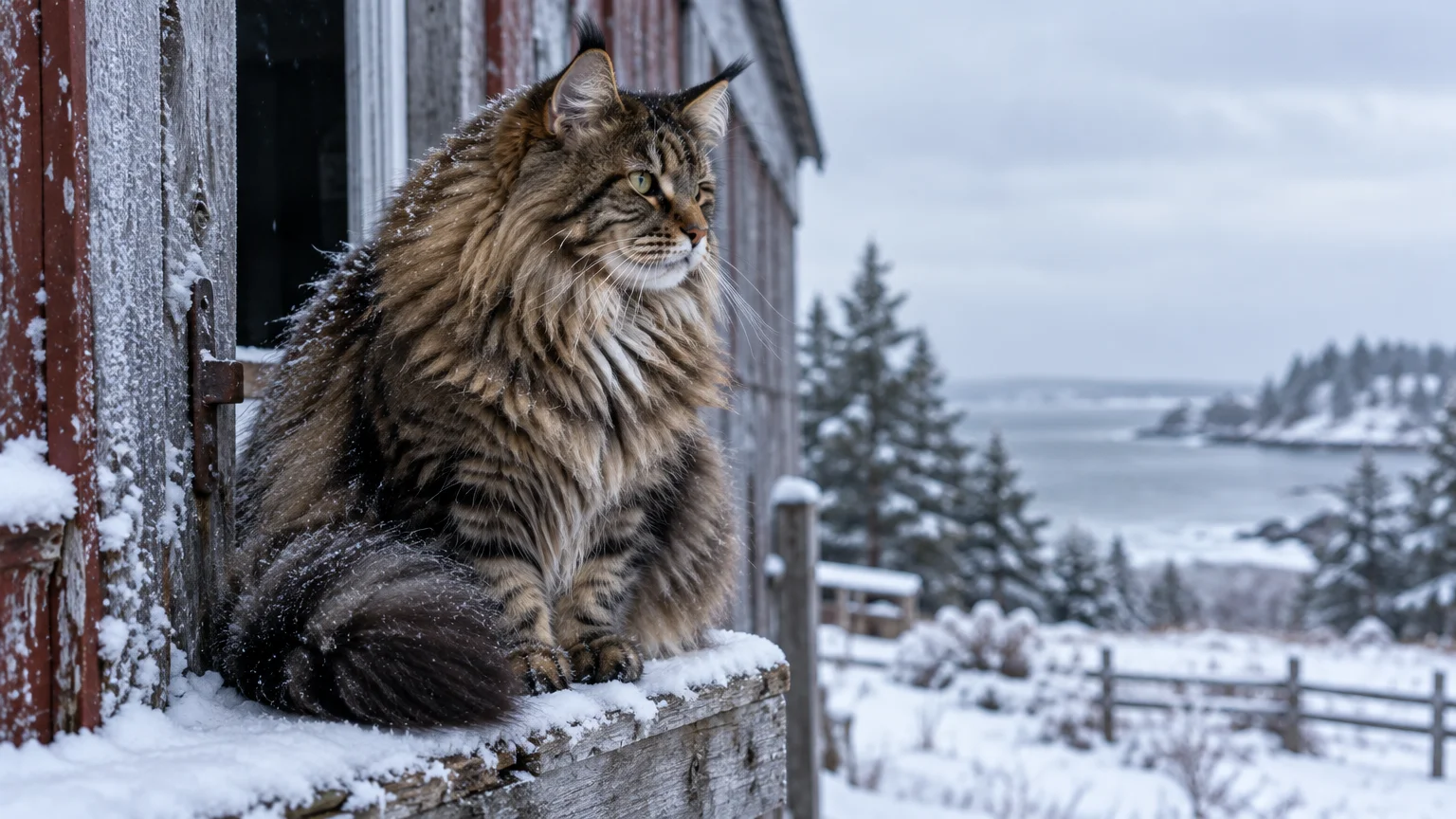
02 Maine Coon: Cold-Hardy Granary Guardian
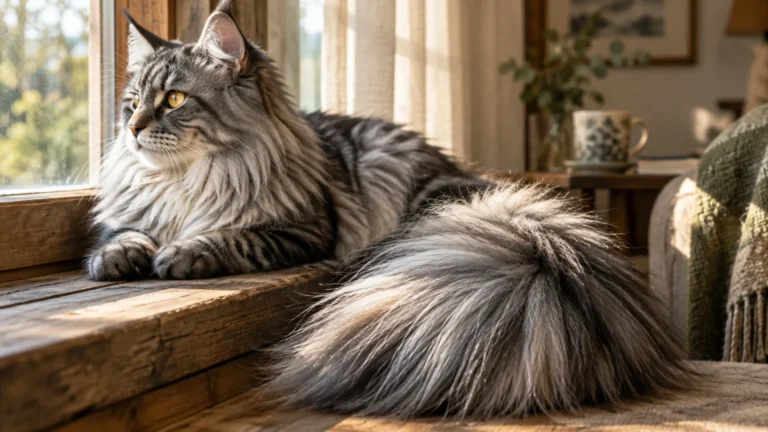
As the largest non-hybrid pedigree cat in the world, the Maine Coon was not bred merely for exhibition. New England farmers and dockmasters cultivated these giants to survive brutal winters while patrolling rugged coastal barns.
Adult males routinely weigh between 13 and 18 pounds, with some individuals reaching 25 pounds. Their total body length often stretches up to 40 inches from nose to tail.
Every physical feature on this cat represents functional engineering against extreme freezing weather. Their heavy, water-resistant coat repels melting snow, while large, tufted paws function like natural snowshoes across frozen terrain.
The State of Maine formally recognized this utilitarian heritage when it designated the breed as the official Maine State Cat in 1985. Their thick, bushy tails wrap tightly around their faces to conserve core body warmth while stalking prey.
If your Maine Coon swats at water bowls or climbs your highest shelving, they are exercising survival traits. Barn mousers needed great aerial agility and total comfort near icy harbor waters.
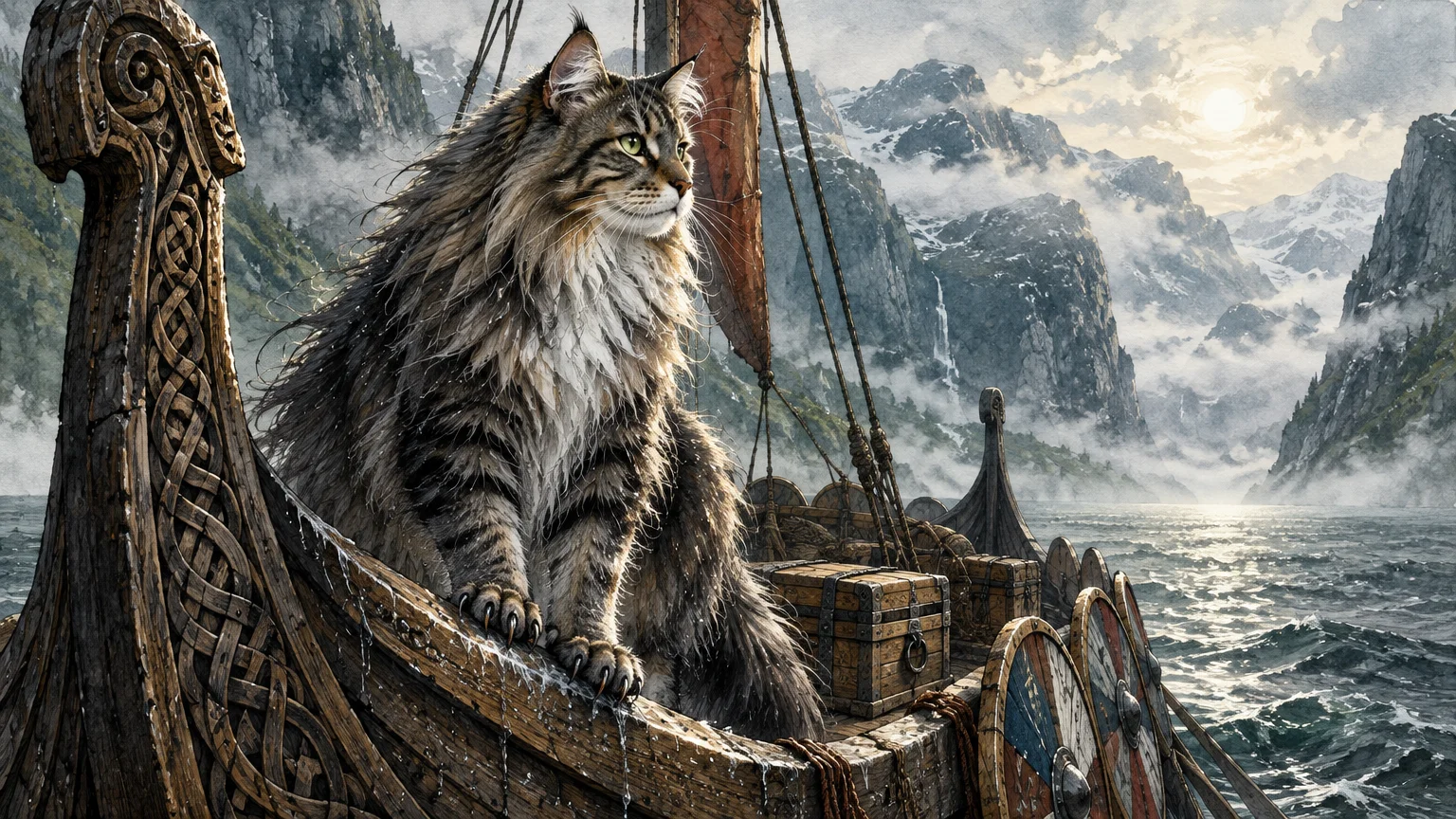
03 Norwegian Forest Cat: Viking Navigator and Timber Patrol
Known in its native homeland as the Norsk Skogkatt, this ancient breed developed alongside Viking seafarers around 1000 AD. Norse travelers kept them on longships to defend grain reserves and leather shields against destructive rodents.
Scandinavian homesteads later adopted these cats to patrol isolated timber mills and deep-woods farmsteads. Harsh subarctic winters eliminated any cat without superior climbing dexterity and cold-weather insulation.
The breed features an insulating double coat: a dense woolly undercoat topped by long, glossy, water-shedding guard hairs. King Olav V named the Skogkatt the official national cat of Norway, and the Fédération Internationale Féline granted it full championship recognition in 1977.
Unlike most domestic felines, the Norwegian Forest Cat possesses exceptionally powerful hind legs and strong claws. This physical trait allows them to climb down vertical tree trunks headfirst, a critical skill when pursuing boreal pests.
If you live with a Norwegian Forest Cat, you must supply tall, heavy-duty cat trees. Their working ancestry drives them to survey their territory from high, vertical vantage points.
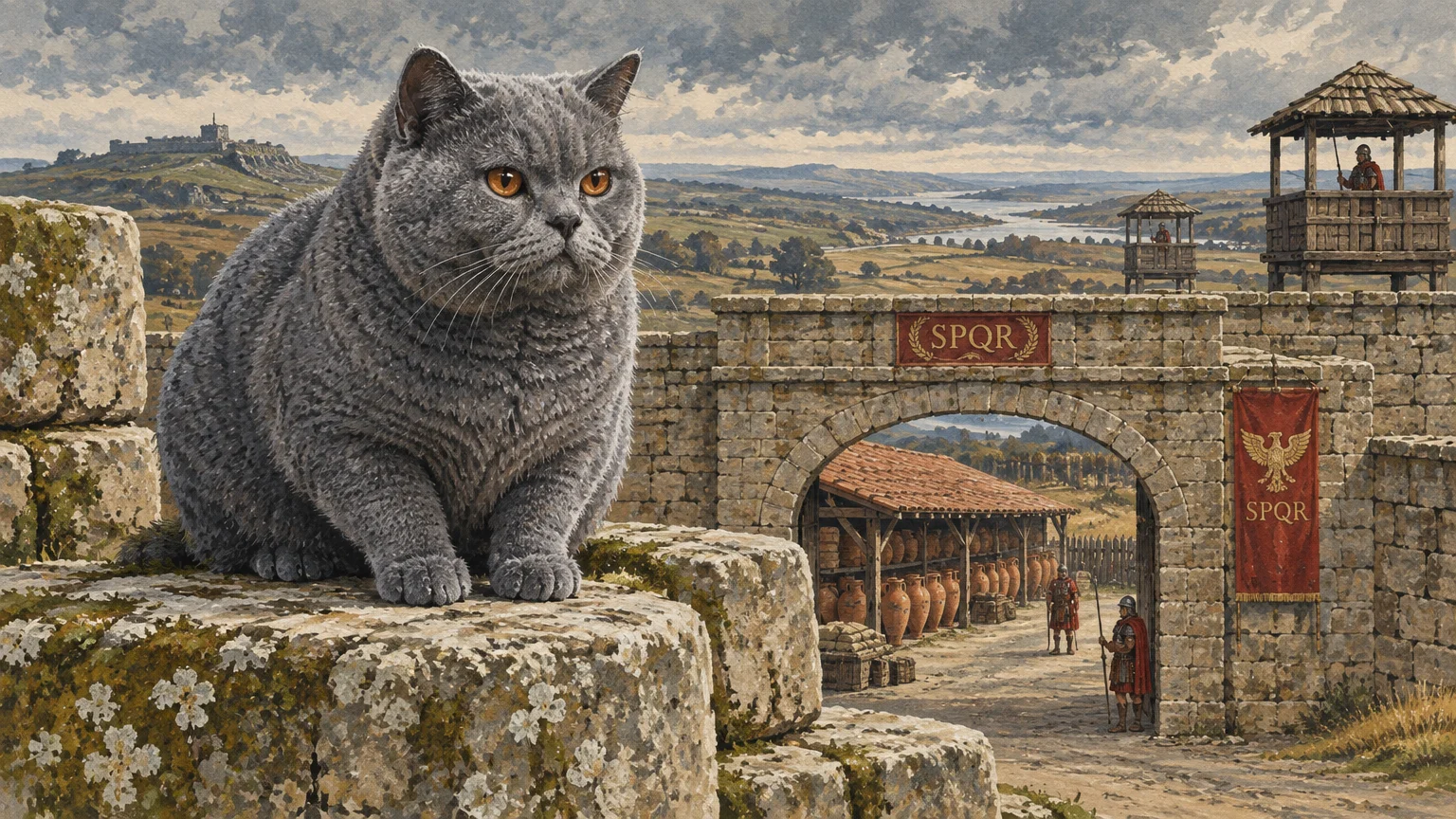
04 British Shorthair: Roman Camp and Street Sentry
The British Shorthair represents one of the oldest identifiable working cat breeds in Europe. Roman legionaries brought the breed’s ancestors across the English Channel to protect army encampments and military supply trains.
These cats spent centuries safeguarding grain silos, village bakeries, and city streets across Great Britain. Their dense, plush coat acted as natural armor, repelling heavy rain, brambles, and rodent bites.
In 1871, renowned animal illustrator Harrison Weir standardized the breed and exhibited it at London’s Crystal Palace during the world’s first major cat competition. Weir praised the British Shorthair for its composure, physical power, and unmatched working utility.
The breed develops a sturdy, “cobby” build characterized by a broad chest, short muscular legs, and round, heavy cheeks. These physical traits gave the cat mechanical leverage to pin fast vermin against warehouse floors.
Because modern indoor life requires little rodent hunting, British Shorthairs can easily become overweight. You should introduce daily interactive play sessions with feather wands to keep their powerful muscles toned.

05 Chartreux: Monastic Library and Wool Merchant Watcher
With their distinct slate-blue coat and copper eyes, Chartreux cats carry a storied working history in France. French oral tradition connects them to Carthusian monks, who valued the silent felines for keeping monastery libraries free of paper-destroying mice.
French cloth merchants and Parisian grain millers also prized the breed throughout the sixteenth and seventeenth centuries. French poet Joachim du Bellay immortalized the breed’s working character as early as 1558 in his poem Vers Français sur la mort d’un petit chat.
A Chartreux possesses a double coat that feels thick, woolly, and naturally water-repellent. This dense barrier shielded the cats from freezing dampness inside stone cellars and damp grain barges.
One remarkable functional trait of the Chartreux is its near-total silence. Working hunters could not alert rodents in silent monastery corridors, so the breed developed a soft, rarely used chirp.
Your Chartreux will likely retain this calculated hunting technique. They prefer patient, low-profile stalking over noisy sprinting, watching moving toys for minutes before executing an explosive ambush.
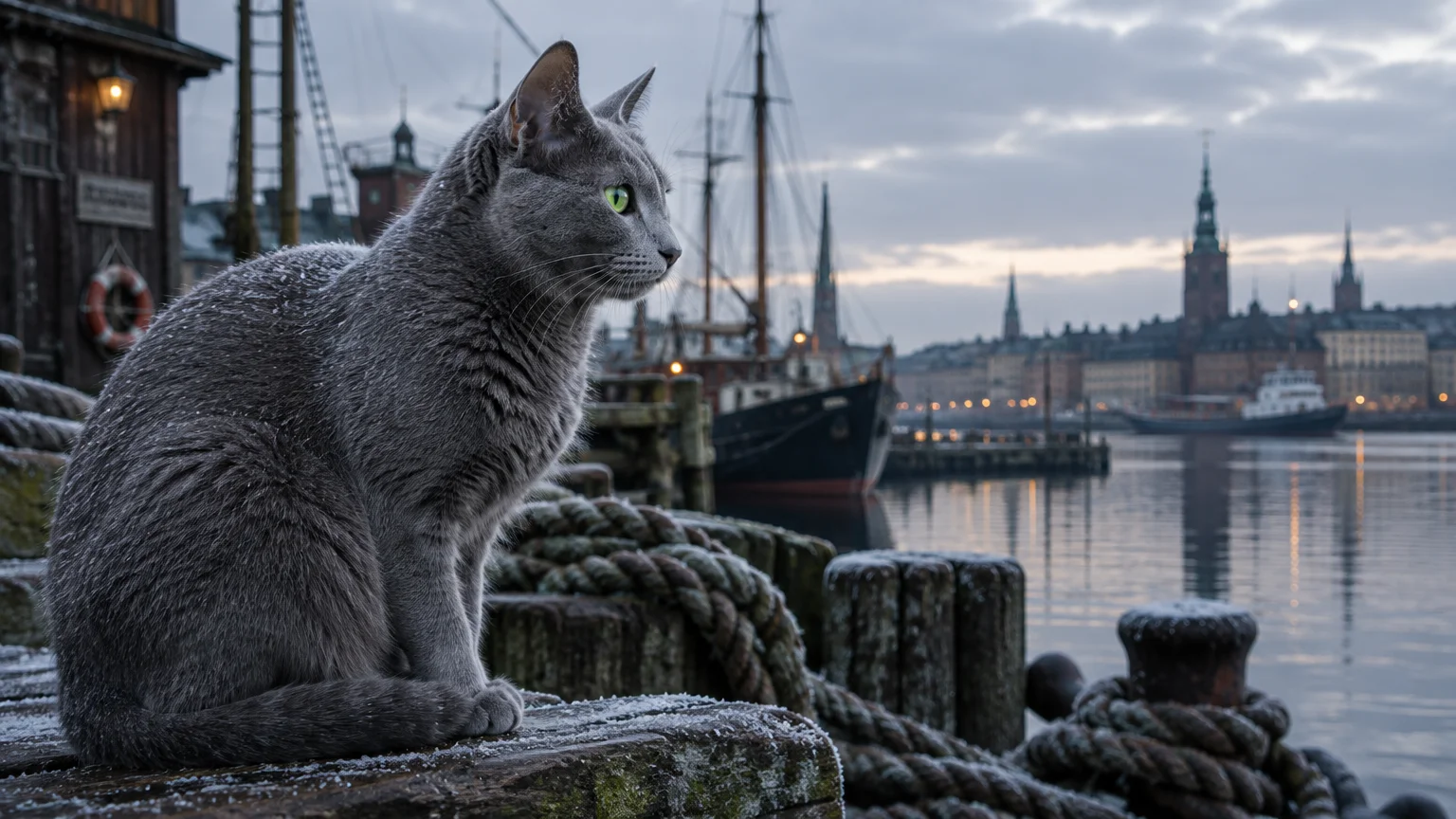
06 Russian Blue: Archangel Port Hunter and Imperial Court Protector
The Russian Blue traces its roots to the northern port city of Arkhangelsk, where sailors valued them for clearing cargo holds. Their fame quickly traveled south to the Russian aristocracy.
In 1745, Empress Elizabeth issued an official imperial decree ordering thirty of the finest mousing cats from Kazan to eradicate vermin inside the newly built Winter Palace. Decades later, Catherine the Great elevated these talented mousers to formal “court cats.”
Descendants of these imperial working cats remain on duty today. St. Petersburg’s State Hermitage Museum still retains a dedicated staff that feeds and houses approximately 50 to 70 working cats inside its vast basement galleries.
The Russian Blue features a short, plush double coat tipped in silver, creating a shimmering camouflage against cold stone floors. Their muscular, athletic frame enables rapid acceleration from a dead stop.
These cats possess intense visual and auditory focus. You can satisfy your Russian Blue’s working instinct by hiding food puzzles around your home, encouraging them to systematically search their environment.

07 Siamese: Sacred Temple and Royal Palace Guardian
While many cat breeds bred for work hunted barn pests, the Siamese served as a spiritual sentry and palace alarm. Originating in the ancient Ayutthaya Kingdom of Siam (modern-day Thailand), these cats guarded Buddhist temples and the royal court.
Scribes carefully illustrated and described the breed’s revered status in the Tamra Maew (“Cat-Book Poems”), manuscripts composed between 1351 and 1767. According to Britannica’s Siamese cat history, royal families believed these cats received the souls of deceased monarchs upon death.
Priests placed Siamese cats inside sacred temple chambers to catch snakes, scorpions, and pests that threatened ancient parchment scrolls. Furthermore, their piercing, brassy vocalizations alerted temple guards whenever an unauthorized intruder approached.
The traditional Siamese body is lithe, athletic, and agile, designed for quick jumping and high-speed interception. Their striking blue eyes maintain excellent binocular tracking, allowing them to monitor fine movements in low light.
If your Siamese meows persistently at you, remember their lineage. These purpose bred cat breeds were selected over centuries to communicate loudly with their human handlers.
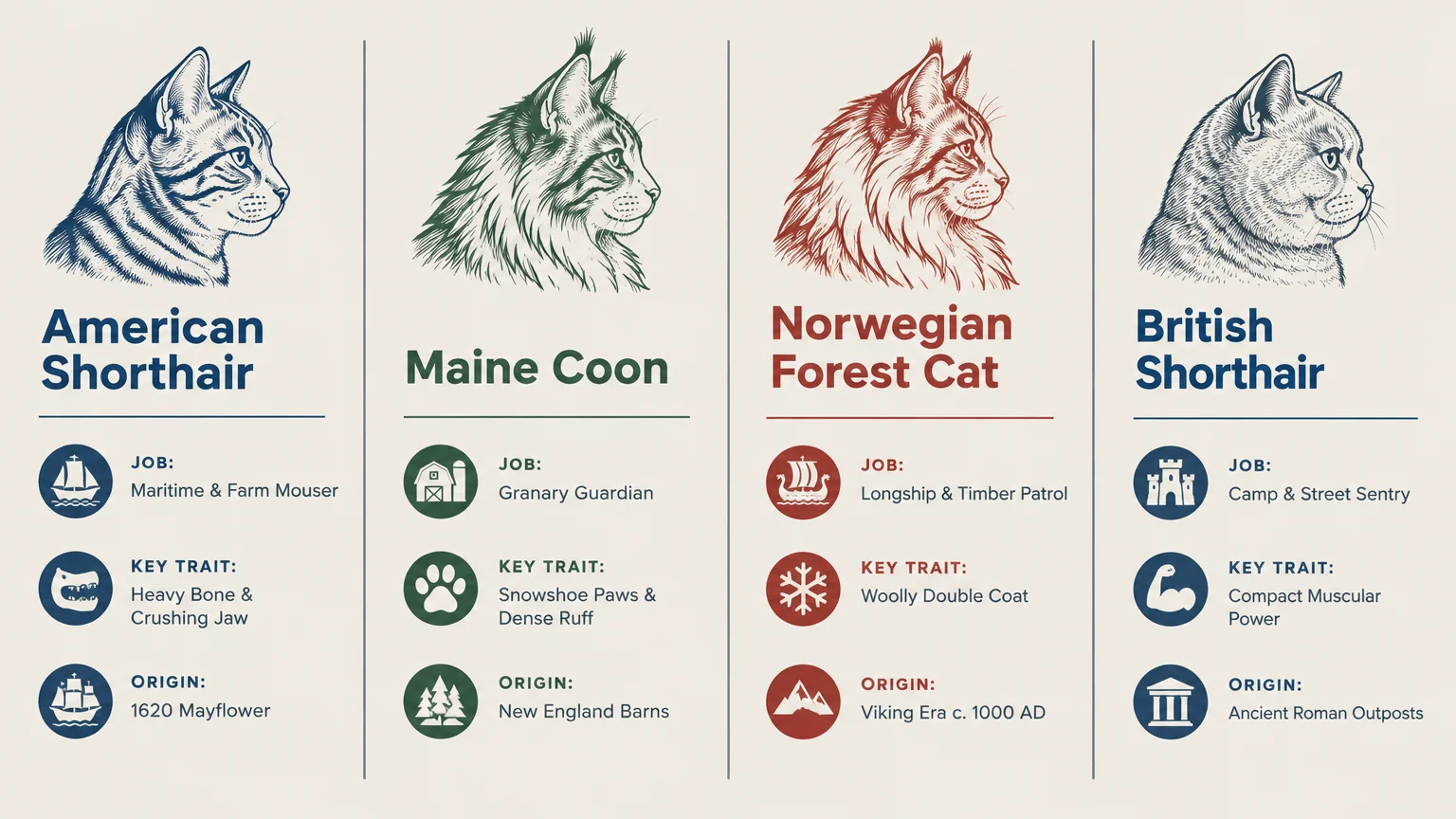
Comparing Historical Working Cat Breeds
Each working breed adapted specific body types, coat textures, and hunting tactics to match its historical job. The table below outlines how these historical cat breed roles shaped their unique physical profiles.
| Breed | Historical Job | Origin | Key Physical Adaptation | Recommended Enrichment |
|---|---|---|---|---|
| American Shorthair | Ship & Homestead Mouser | United States | Heavy bone structure and powerful jaw | Weighted plush toys to carry |
| Maine Coon | Harbor Barn Vermin Hunter | United States (Maine) | Massive frame and tufted snowshoe paws | Sturdy, extra-tall climbing trees |
| Norwegian Forest Cat | Viking Ship & Timber Patrol | Norway | Muscular hindquarters and double coat | High wall perches and vertical posts |
| British Shorthair | Roman Military Camp Sentry | United Kingdom | Stocky cobby build and dense plush coat | Interactive wand toys for stamina |
| Chartreux | Monastery Library Mouser | France | Water-repellent coat and silent gait | Stealth ambush tunnel games |
| Russian Blue | Imperial Palace Guardian | Russia | Agile sprinting frame and silver camouflage | Scattered food foraging puzzles |
| Siamese | Royal Temple Watcher & Alarm | Thailand (Siam) | Piercing voice and slender athletic frame | Auditory toys and vocal dialogue |
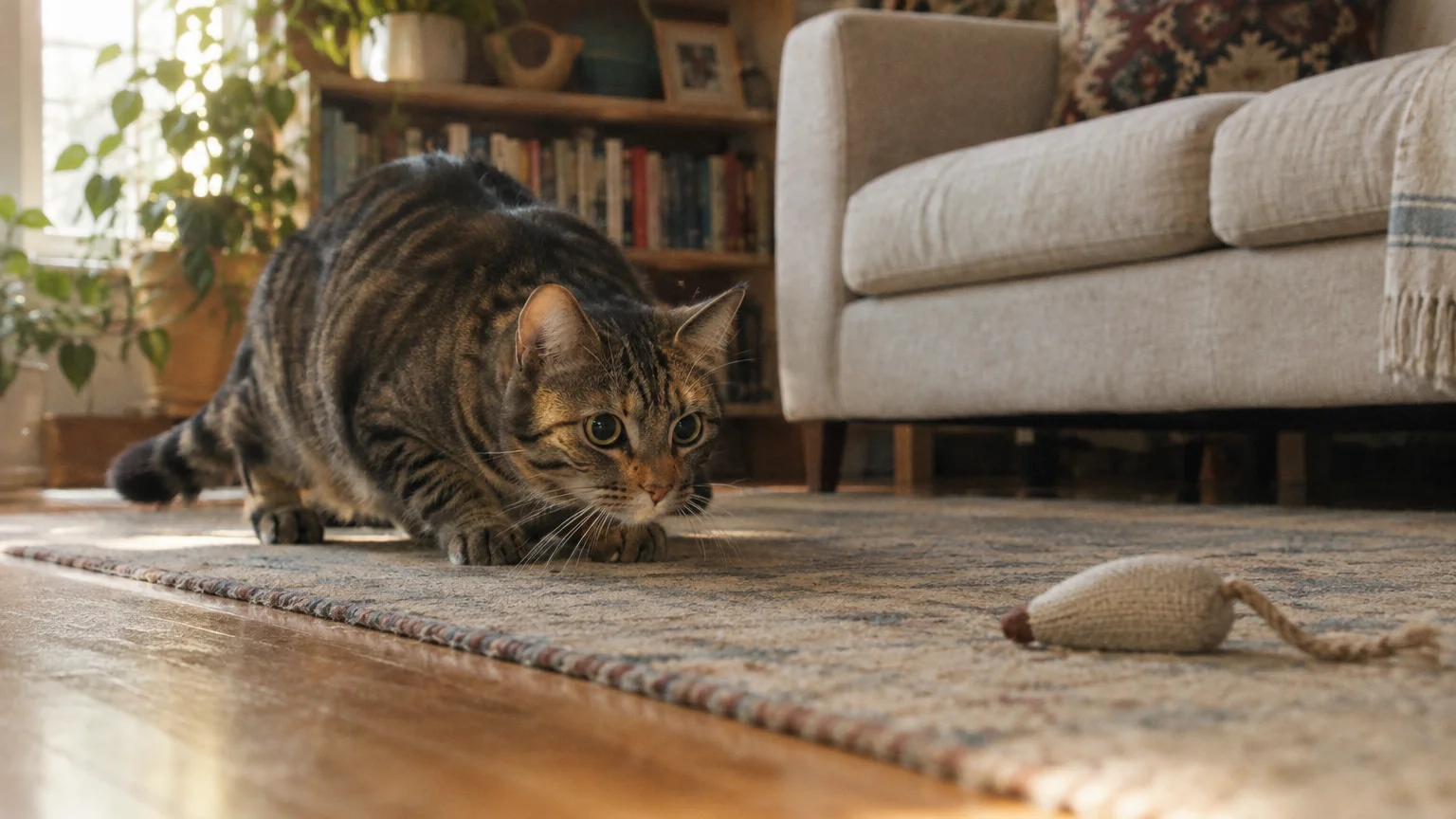
The Modern Legacy of Working Cat Breeds
While machines, refrigeration, and pest management firms took over commercial vermin control, working cats still hold formal civil positions. Modern institutions recognize that feline hunting drives provide sustainable, non-toxic pest deterrence.
Great Britain provides the most prominent modern example. On February 15, 2011, the UK Cabinet Office appointed Larry the Cat to the official post of Chief Mouser to the Cabinet Office at 10 Downing Street.
Larry has served continuously across multiple British Prime Ministers, patrolling government halls and maintaining an ancient civil service tradition. Similarly, working cat adoption programs place rescued feral cats in breweries, plant nurseries, and equestrian barns across the United States.
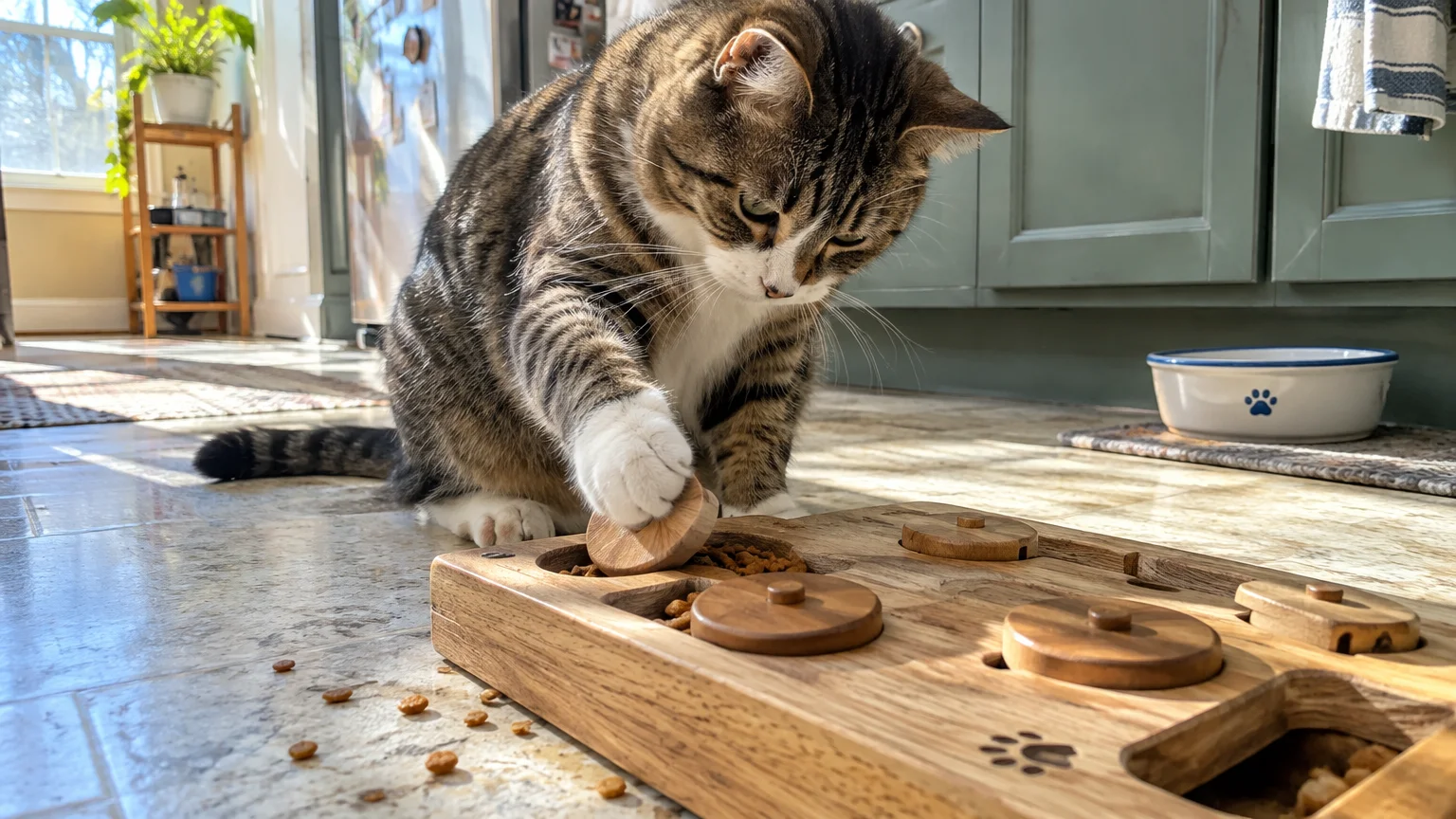
How to Channel Your Cat’s Working Drive at Home
Cats with working ancestry can develop behavioral issues like destructive clawing, nighttime vocalizing, or ambushing human ankles if their minds remain unengaged. You can prevent boredom by turning your living room into an enriching mock-workplace.
- Rotate high-prey toys: Swap wand attachments weekly between feathers, synthetic fur, and rattles to mimic diverse prey species.
- Build vertical hunting routes: Install wall shelves and cat bridges so climbing breeds like the Norwegian Forest Cat can stalk from above.
- Ditch standard food bowls: Serve dry kibble in complex puzzle feeders that force your cat to swat, manipulate, and work for meals.
- Incorporate scent enrichment: Spritz silver vine, valerian root, or fresh catnip on cardboard scratchers to stimulate their olfactory searching instincts.
- Conduct structured play cycles: Play intensely for 10 to 15 minutes right before mealtime to satisfy the natural predatory sequence of hunt, catch, kill, and eat.
Frequently Asked Questions
Can domestic cats still perform pest control jobs today?
Yes. Many animal shelters operate working cat or barn cat programs, placing cats unsuited for indoor life into barns, warehouses, and vineyards where they humanely deter rodents.
Are working cat breeds more aggressive than other cats?
No. High hunting drive directed toward vermin does not translate to human-directed aggression. Most historical working breeds, including the Maine Coon and British Shorthair, are famously calm and gentle with families.
Do working cat breeds need to go outdoors to stay happy?
No. You can fully satisfy a working cat’s instincts indoors using puzzle toys, vertical climbing towers, and dedicated daily hunting play sessions without exposing them to outdoor risks.
Final Thoughts
Your cat may spend most of their afternoon sunbathing, but their DNA carries centuries of dedicated craftsmanship. When you look into their eyes, you see descendants of Roman legion sentries, Viking longship mousers, and sacred temple guardians.
By learning your pet’s breed history, you can better understand their quirks, respect their instincts, and design an enriching home that honors their working heritage.
This article provides general information only. Every reader’s situation is different—what works for others may not be the right fit for you.
For personalized guidance on health, legal, or financial matters, consult a qualified professional.
Last updated: May 2026. Rules, prices, and details change—verify current information with official sources before acting on it.