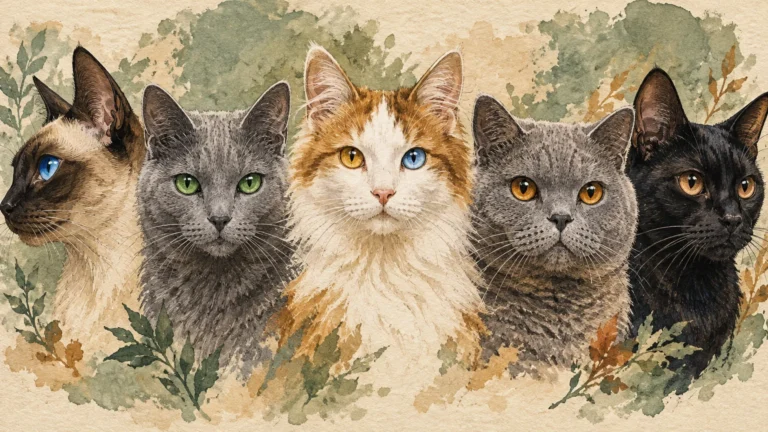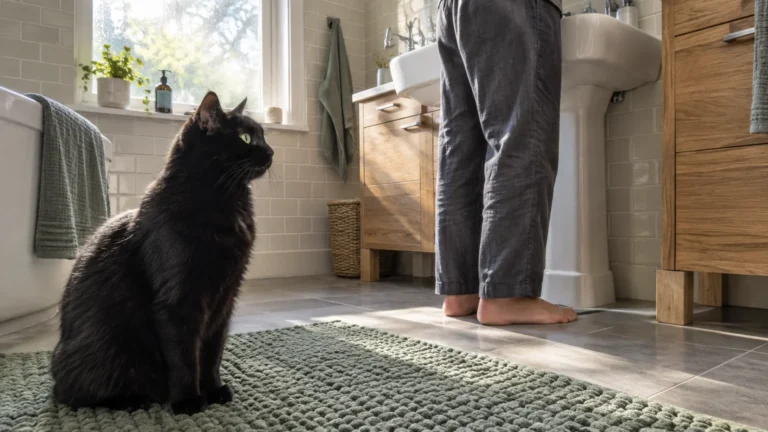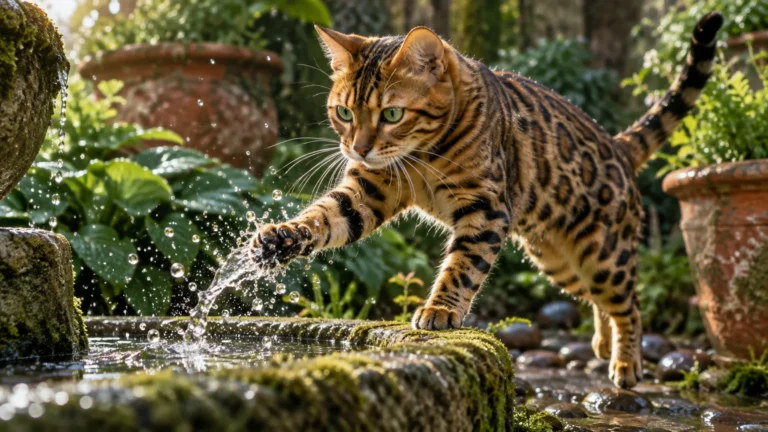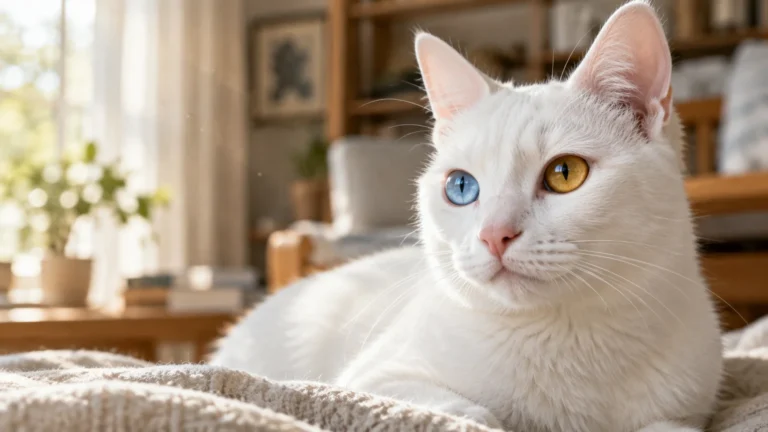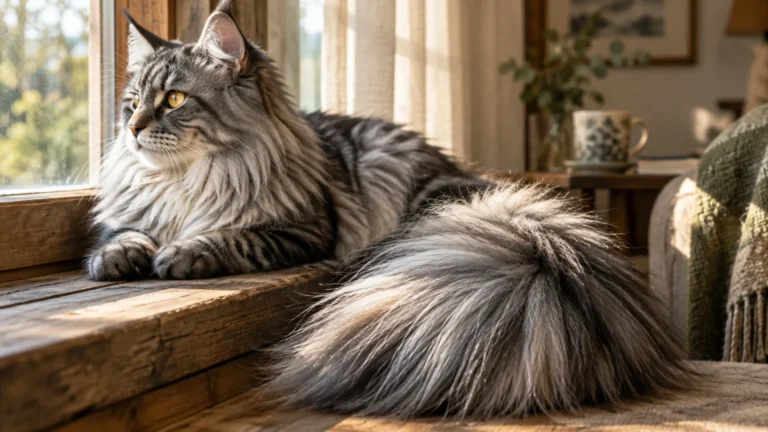
A mentally fulfilled cat displays a calm confidence, moving smoothly between active curiosity, focused predatory play, and deep, restorative sleep.
Because indoor felines descend directly from solitary hunters with razor-sharp survival instincts, their emotional well-being depends on daily brain exercise just as much as quality nutrition.
When you provide adequate sensory engagement, puzzle challenges, and interactive hunting games, your companion’s daily habits reflect that inner peace.
Recognizing the subtle markers of cognitive fulfillment helps you confirm that your home enrichment strategies are working effectively—or spot subtle behavioral shifts before boredom manifests as stress, destructive scratching, or midnight howling.
Why Feline Brain Exercise Matters
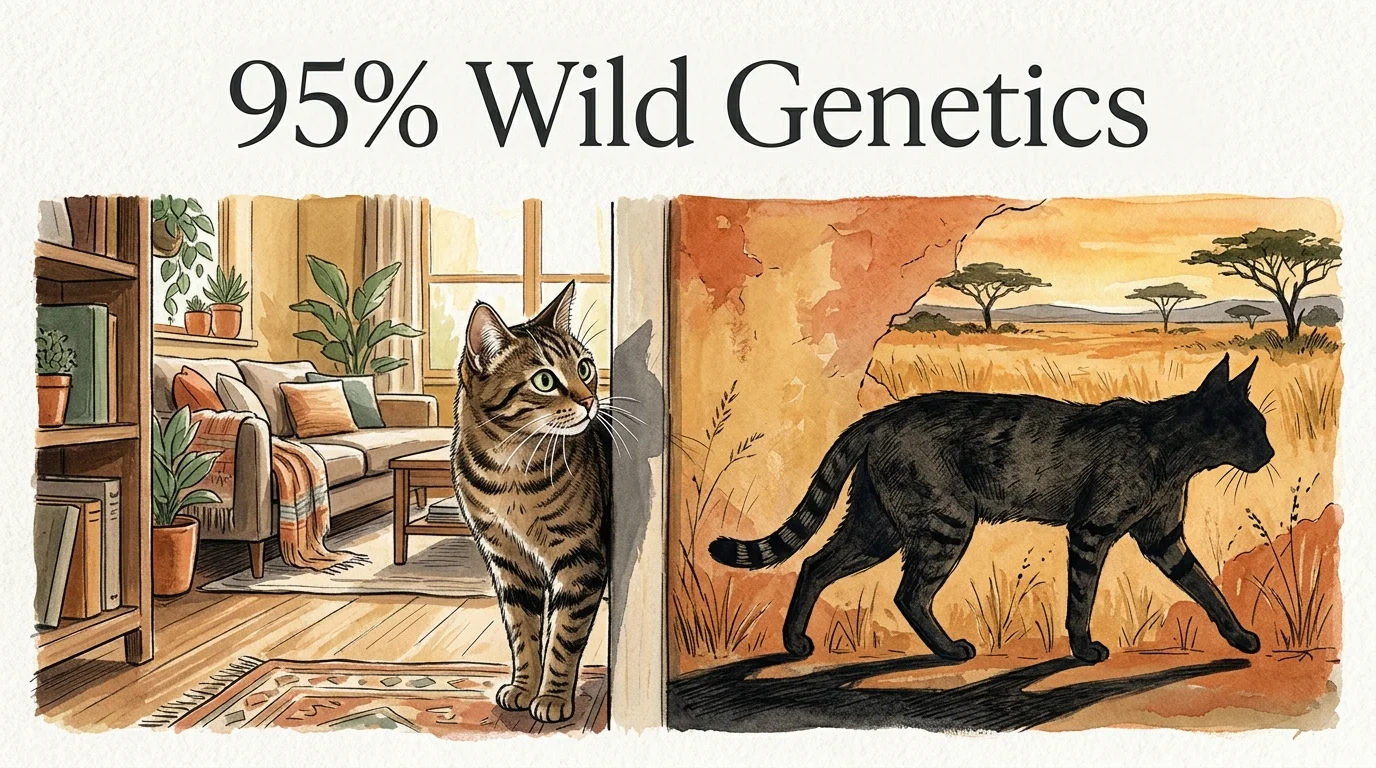
Domestic cats share more than 95% of their genetic makeup with their wild ancestor, the African wildcat (Felis lybica). In the wild, a cat spends significant portions of its waking hours assessing territory, tracking auditory cues, stalking moving prey, and navigating physical obstacles.
When cats transition to a comfortable indoor lifestyle, they trade environmental dangers for safety, but they also lose the natural mental friction that keeps their minds sharp.
According to the American Association of Feline Practitioners (AAFP) Environmental Needs Guidelines, meeting a feline’s cognitive and behavioral requirements is essential to prevent chronic distress. Without deliberate enrichment for indoor cats, an under-stimulated brain often turns inward or becomes destructive.
Conversely, when you give your cat regular opportunities to problem-solve, hunt, and forage, you unlock a balanced temperament and a resilient nervous system.
01 They Complete the Full Predatory Play Sequence
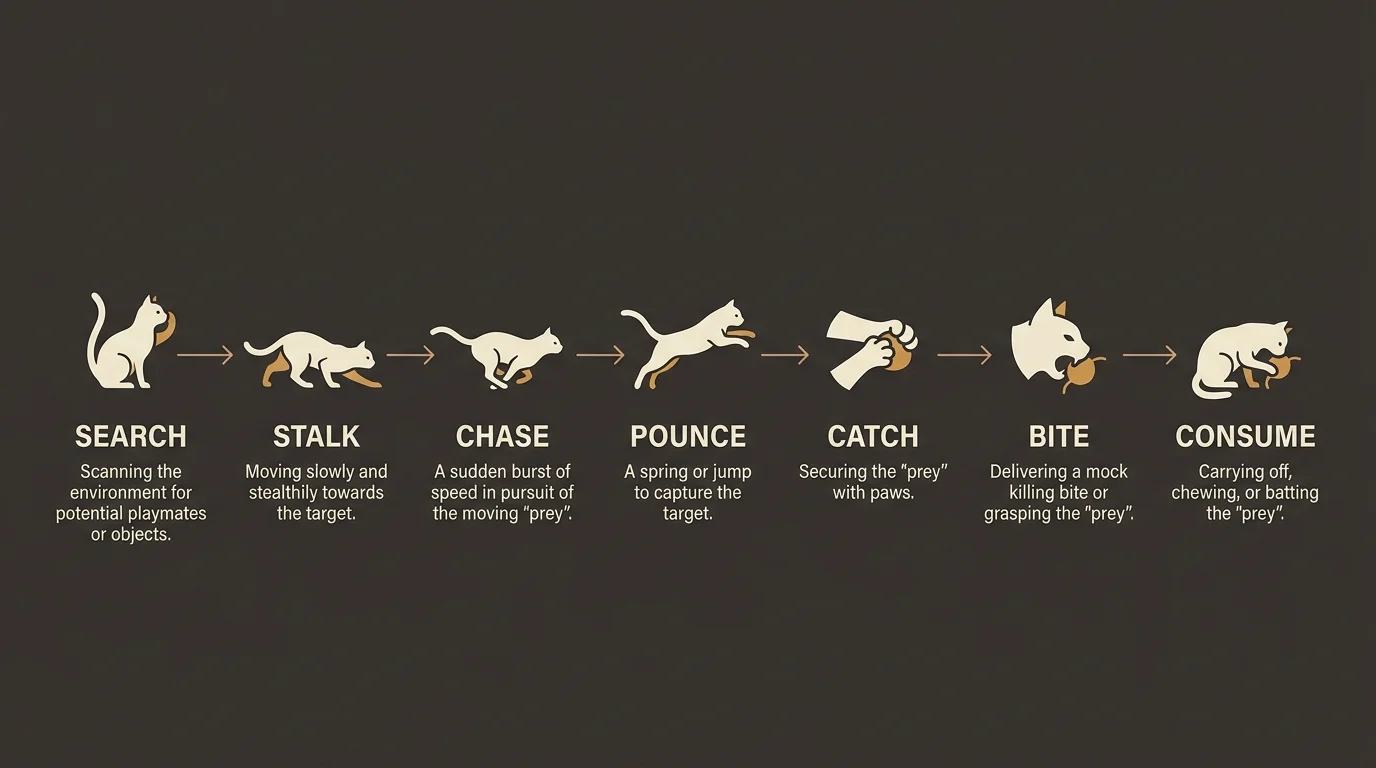
Every cat carries an innate neurological motor pattern designed for hunting: search, stalk, chase, pounce, catch, bite, and consume. Mentally stimulated cats frequently engage in toys or games that allow them to execute this entire loop.
When you introduce a wand toy or a feather teaser, a well-exercised cat does not simply swat lazily from the floor; they observe from cover, calculate their trajectory, accelerate into a burst of pursuit, and grasp the “prey” securely with their front paws.
Crucially, a cat with adequate brain stimulation transitions out of play smoothly. Once they make the final catch and receive a small food reward or meal, their autonomic nervous system shifts from sympathetic arousal (the hunt) to parasympathetic relaxation (digestion and rest).
If your cat regularly experiences the satisfaction of a completed hunt without lingering frustration, excessive panting, or frenzied pacing, their predatory drive is finding a healthy, structured outlet.
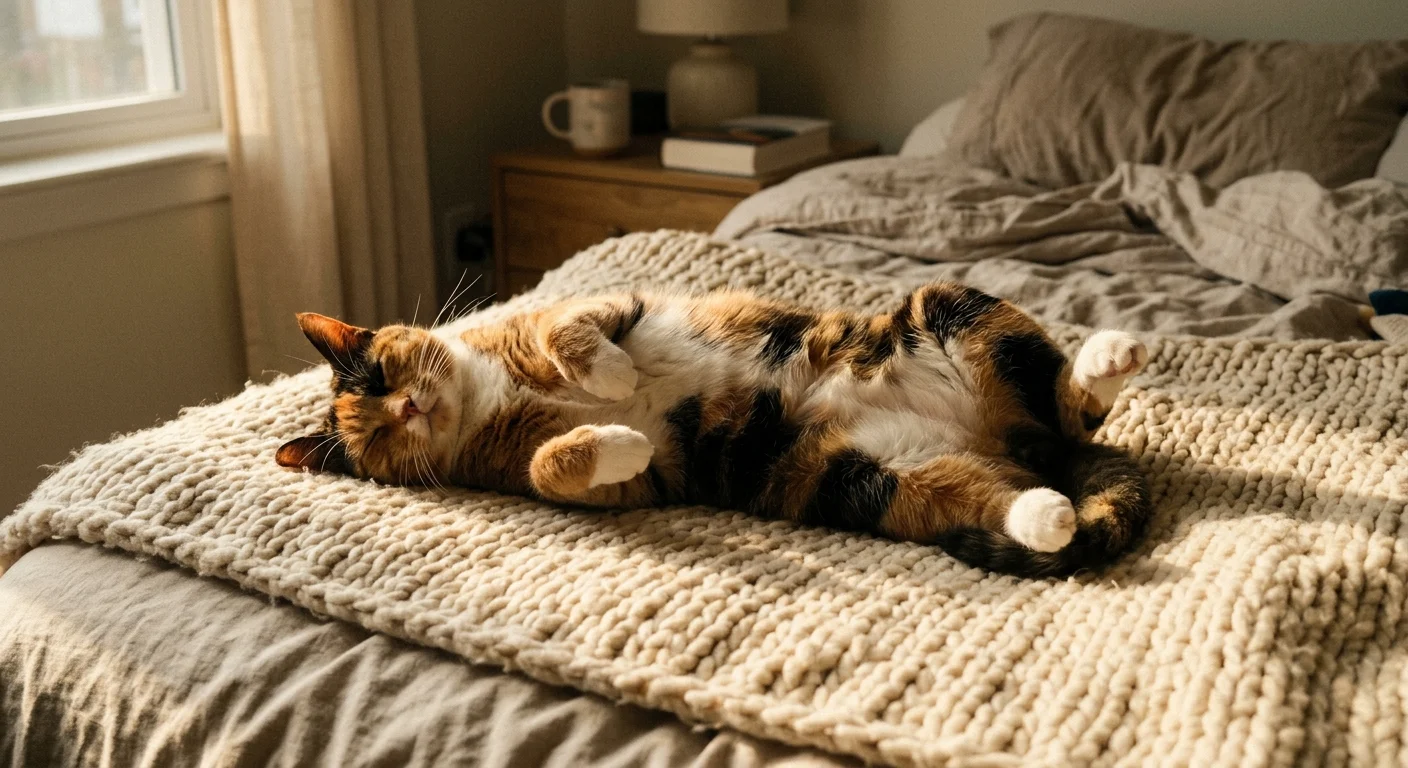
02 They Experience True, Restorative Sleep Rather Than Boredom Lethargy
Cats naturally sleep between 12 and 16 hours per day, but there is a profound physiological difference between restorative rest and chronic lethargy. A bored cat often sleeps simply because their environment offers zero novelty or incentive to move.
This “sleep of disengagement” is typically shallow, accompanied by a dull demeanor when waking, and frequently interrupted by sudden, erratic bursts of vocalization or agitation.
In contrast, a cat that receives proper cat mental stimulation signs enjoys deep, restorative sleep cycles, including rapid eye movement (REM) sleep. You will notice physical signs of deep relaxation:
- Twitching whiskers, fluttering paws, and soft chirps during dream cycles;
- Loose, sprawled body posture, often exposing their belly or curling comfortably in a side position;
- A smooth transition from waking up to stretching, grooming, and calmly exploring their surroundings;
- Consistent sleep schedules that align with household rhythms rather than frantic 3:00 a.m. wake-up calls.
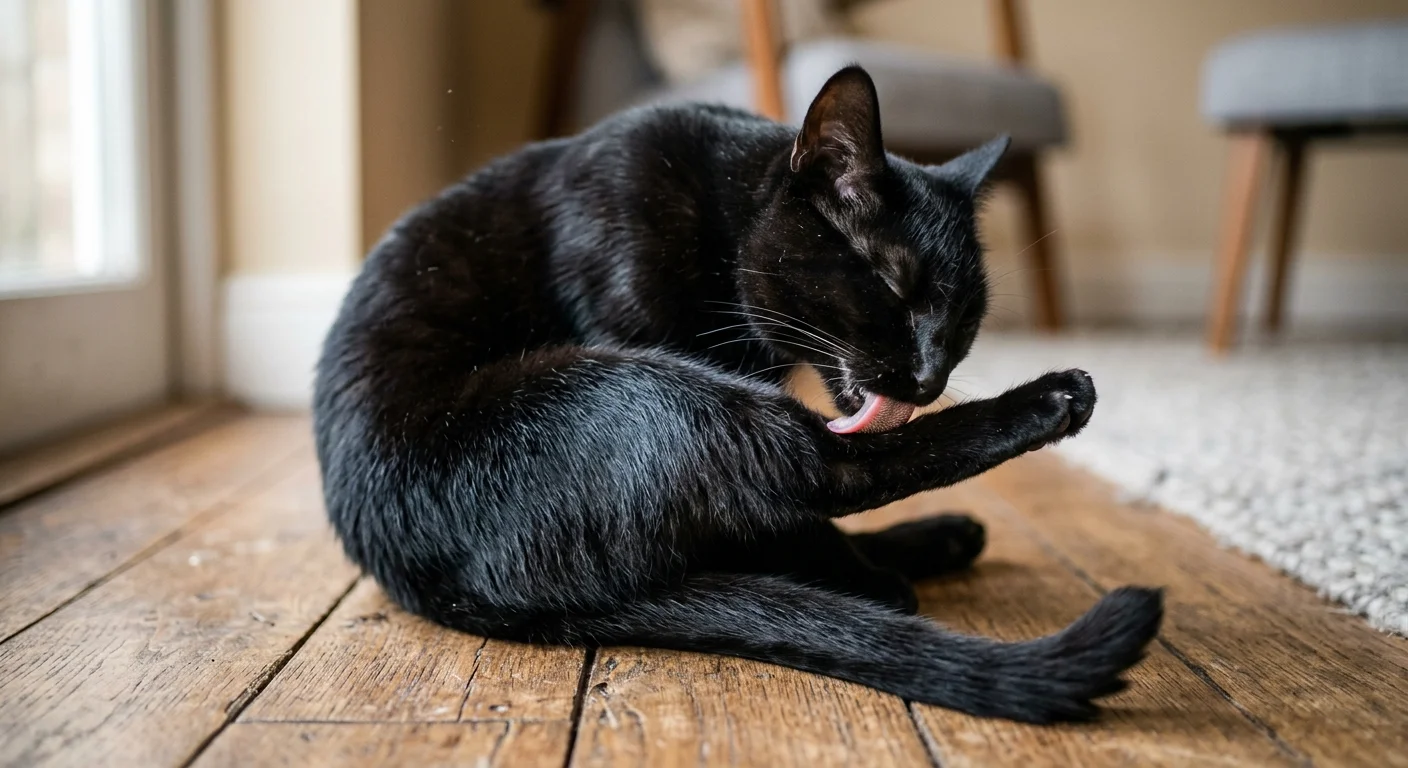
03 Balanced, Purposeful Grooming Routines
Grooming serves vital functions beyond basic hygiene; it regulates body temperature, distributes natural skin oils, and releases calming endorphins.
When an indoor cat lacks cognitive challenges, grooming can quickly deteriorate into a compulsive displacement behavior known as psychogenic alopecia—where the animal obsessively licks their belly, inner thighs, or forelegs until the fur thins or breaks off entirely.
Research published through the Cornell Feline Health Center notes that stress and lack of environmental variety frequently trigger obsessive self-soothing behaviors in indoor felines. When your cat is mentally engaged, their coat remains full, glossy, and evenly groomed from head to tail.
They groom after meals, after vigorous play sessions, or upon waking, but they do not use the behavior as an anxious coping mechanism to pass empty hours.
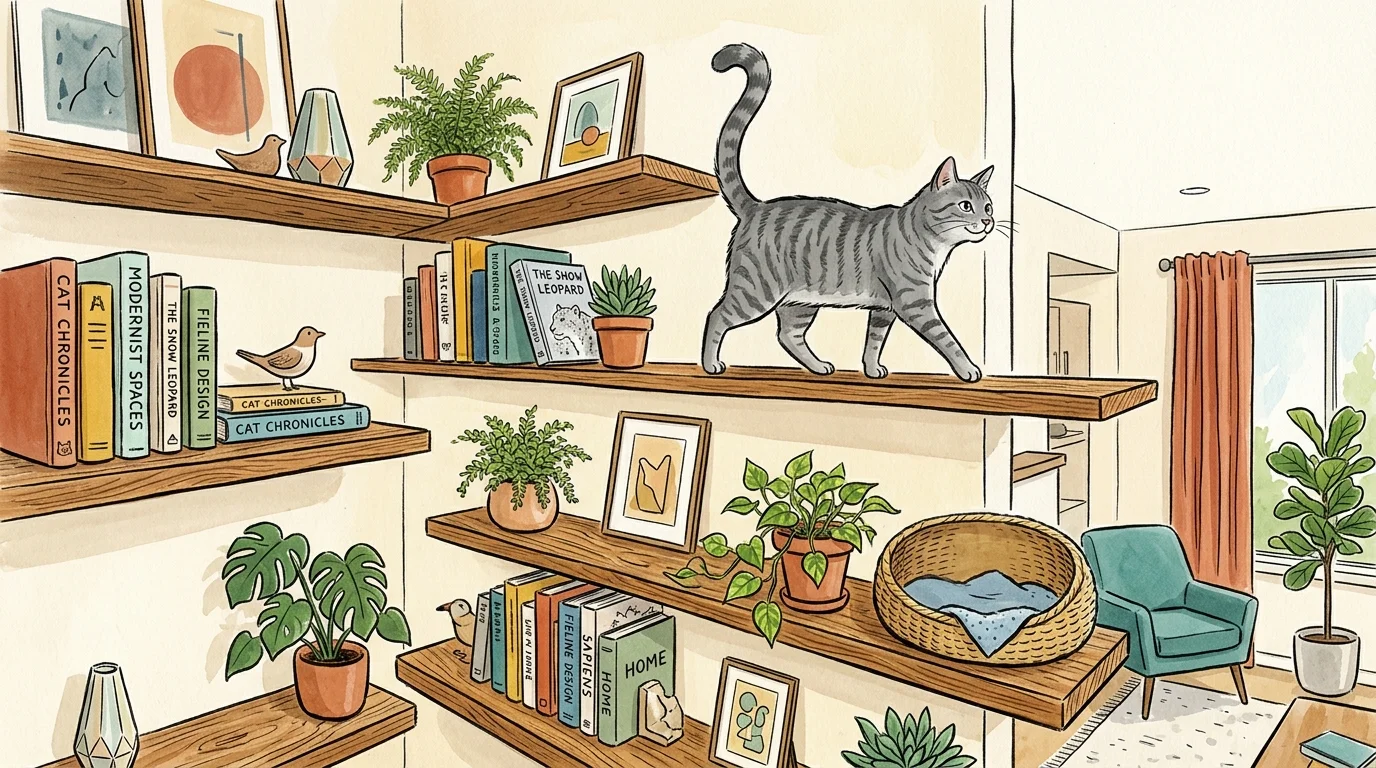
04 Calm Curiosity and Confident Territory Exploration
A stimulated cat maintains an active interest in their immediate environment without descending into hyper-vigilance or fear. When you bring a grocery bag, a cardboard box, or a clean shipping parcel into your living room, how does your cat respond?
A cat with a healthy cognitive load investigates with calm curiosity:
- They approach at a deliberate pace with their tail held upright in an inquisitive question-mark shape.
- They sniff the perimeter, engaging their Jacobson’s organ (often displaying the soft, open-mouthed flehmen response to process novel scents).
- They rub their cheeks and chin against the object’s corners (bunting), marking it with reassuring facial pheromones.
- They step inside, swat lightly, or use the object as a temporary observation post before moving on to another activity.
This sequence demonstrates cognitive flexibility and territorial security. An under-stimulated or chronically stressed cat, by comparison, may either ignore novel stimuli out of apathy or react with excessive suspicion and hiding.
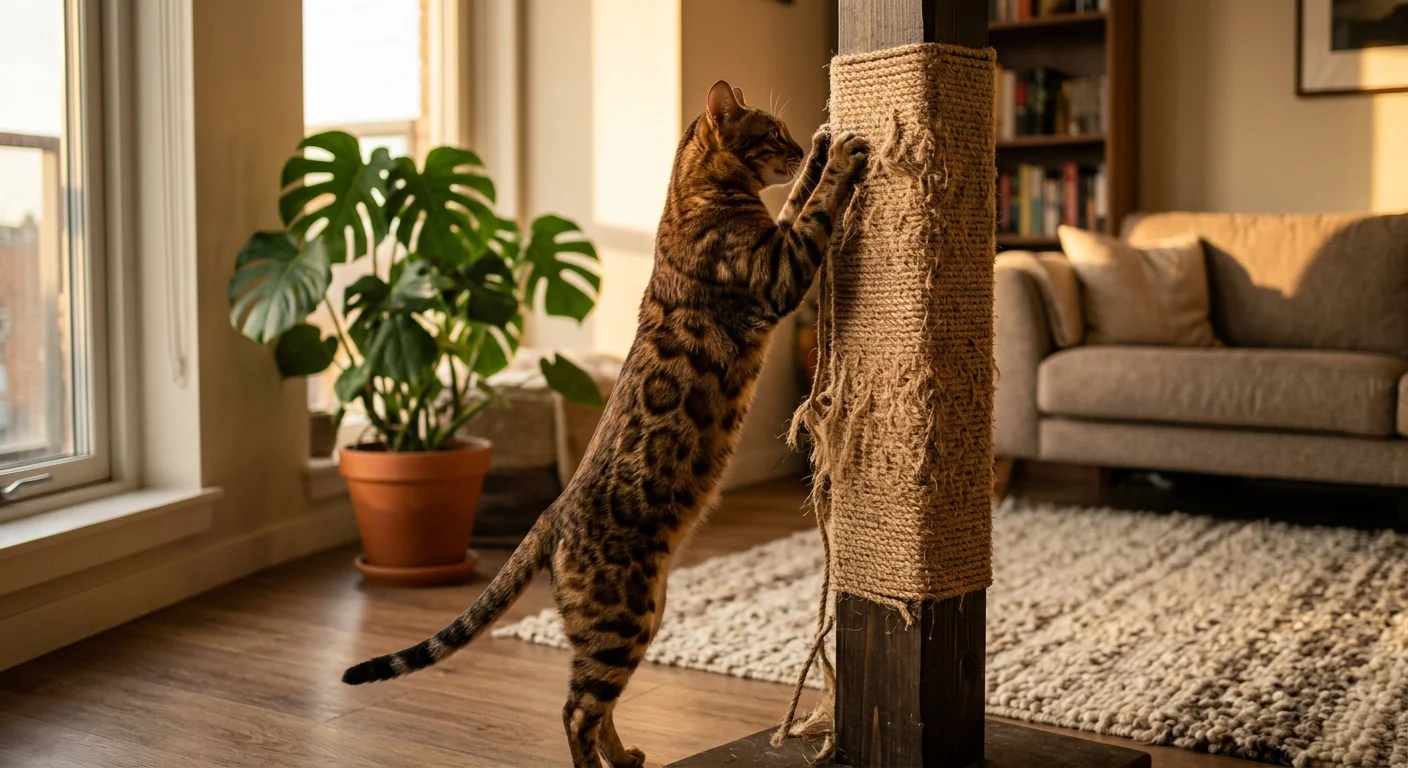
05 Intentional Scratching and Confident Vertical Movement
Scratching is an instinctive behavior that fulfills both physical conditioning (shedding the outer claw husk and stretching the spine) and communicative needs (depositing scent from interdigital glands).
When cats receive sufficient mental engagement and designated outlets, their scratching is deliberate, confident, and directed at appropriate surfaces.
Mentally content cats actively utilize vertical territory—such as sturdy sisal posts, cat trees, and window perches—to map their space in three dimensions.
They use these high vantage points to observe household movements or watch outdoor birds, a practice often described as “cat TV.” When cognitive needs are met, cats rarely resort to frantic carpet pulling, destructive sofa shredding, or wall scratching out of pent-up emotional frustration.
06 Harmonious Social Interactions and Zero Redirected Aggression
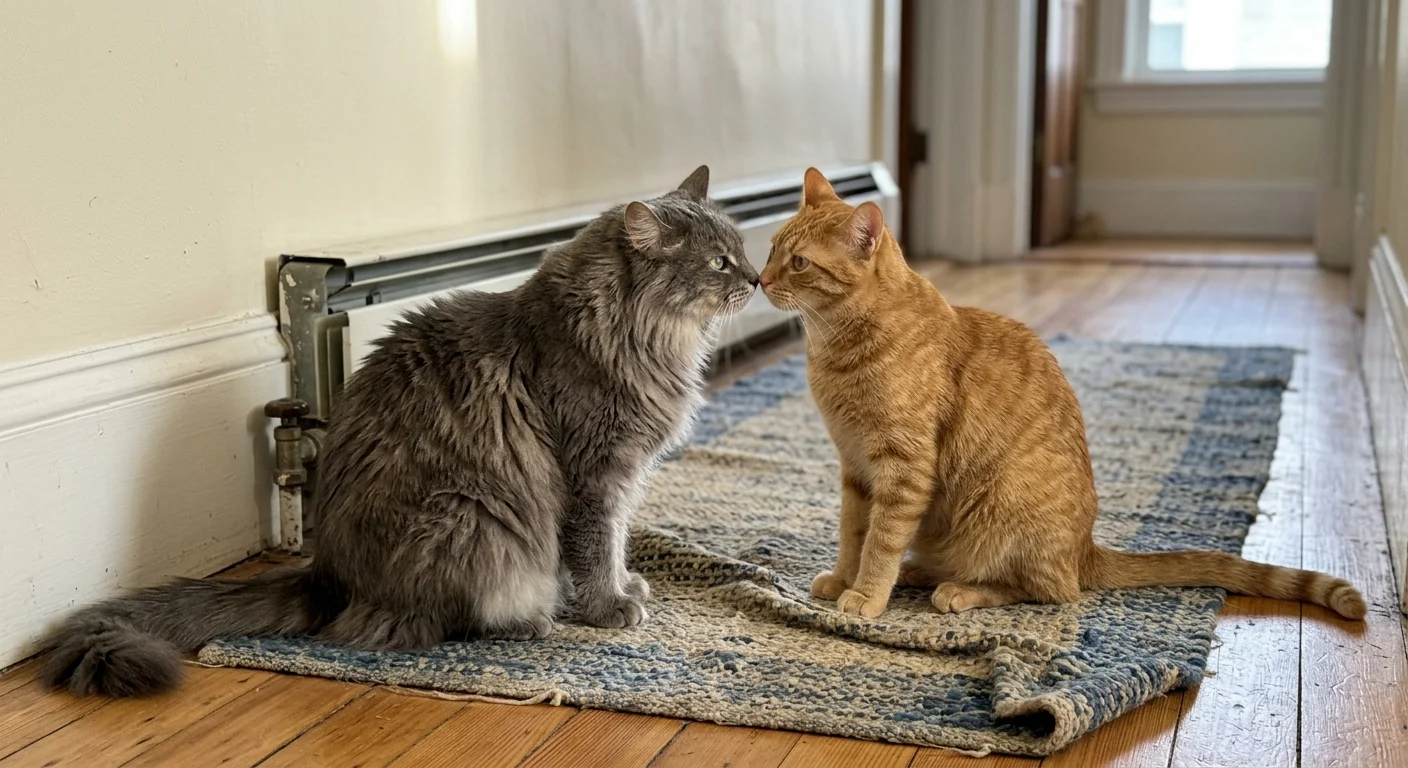
Unspent predatory drive and chronic boredom frequently disguise themselves as behavioral problems. When an indoor cat has no puzzles to solve or toys to conquer, they may redirect their hunting instincts toward moving human ankles, stalking housemates, or ambushing other pets walking past a doorway.
A cat receiving proper mental stimulation maintains gentle, predictable social boundaries. They greet you with soft vocalizations, initiate head-butts, and enjoy gentle petting without suddenly swatting or biting due to low frustration thresholds.
In multi-cat households, mentally stimulated cats engage in mutual grooming (allogrooming) and reciprocal play chases rather than territorial skirmishes or resource guarding.
07 Enthusiastic Problem-Solving and Foraging Behavior
In nature, felines must work for every single meal; food never arrives in a static bowl sitting quietly on the kitchen floor.
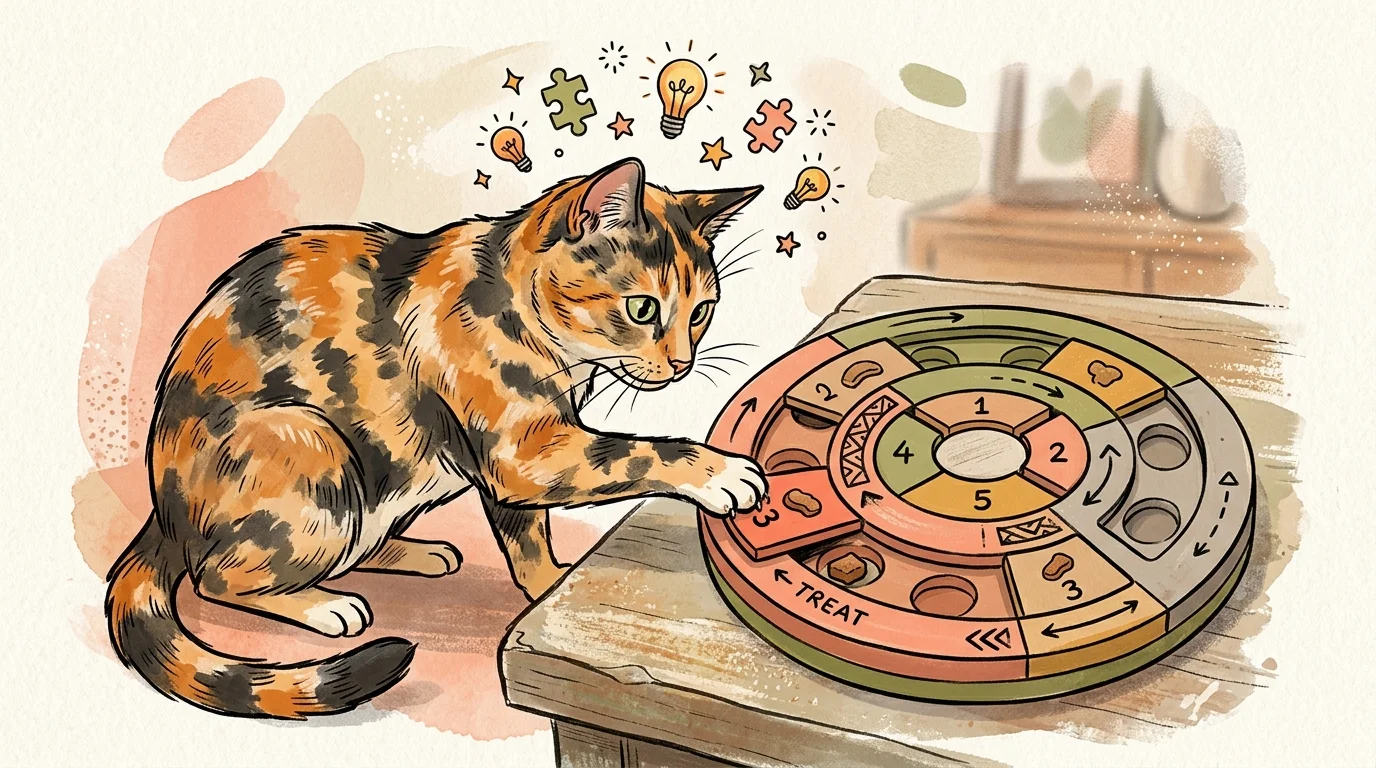
Cats possess an innate drive called contrafreeloading—the preference to work for food rather than simply eating from an open container, provided the puzzle is appropriately challenging.
When you present a puzzle feeder, a treat-dispensing ball, or a snuffle mat, a mentally stimulated cat approaches the task with focus and persistence. They use their paws to manipulate sliders, nudge rolling cylinders, and extract hidden treats.
Their willingness to engage with problem-solving games shows that their working memory, spatial reasoning, and curiosity are functioning at their peak.
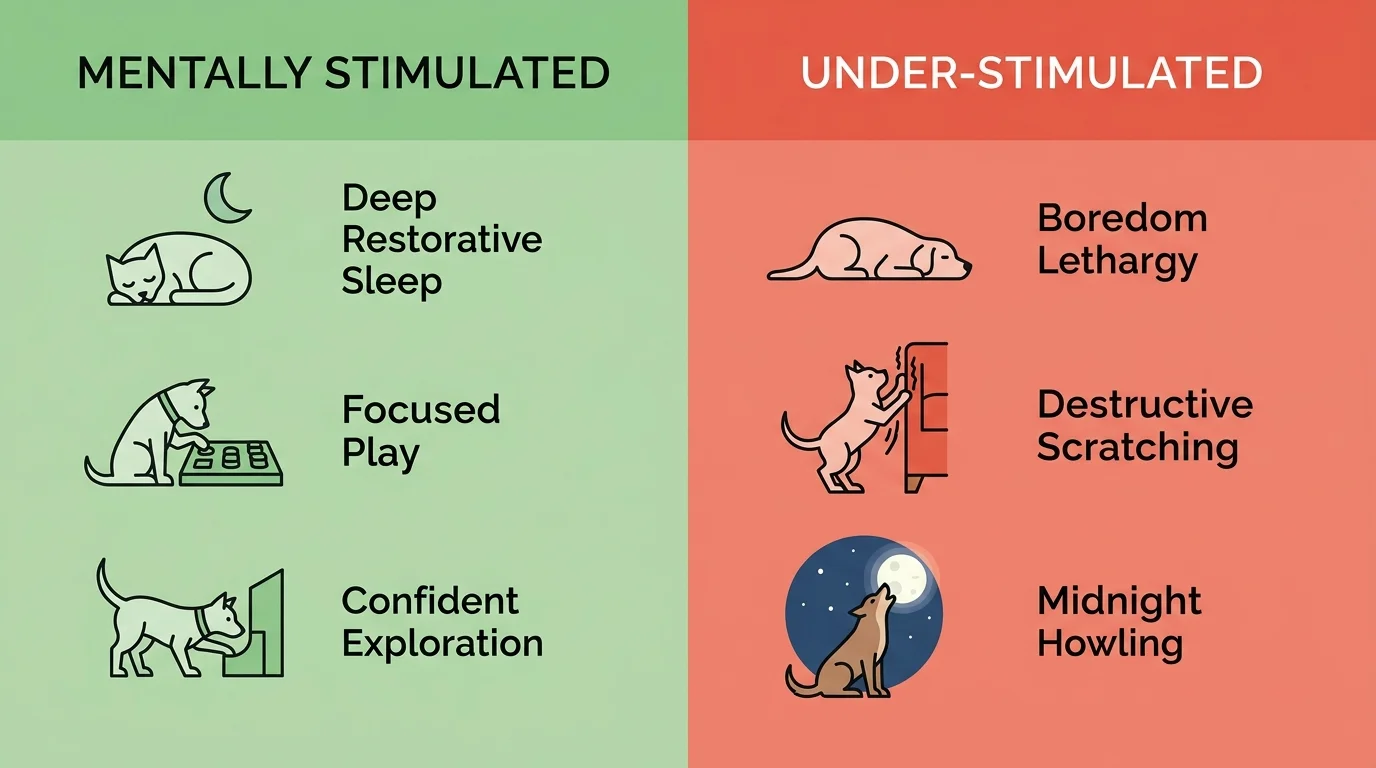
Comparing Mentally Stimulated vs. Under-Stimulated Feline Behavior
To help you assess where your cat stands on the cognitive wellness spectrum, review the primary behavioral differences outlined in the comparison table below.
| Behavioral Area | Mentally Stimulated Cat | Under-Stimulated (Bored) Cat |
|---|---|---|
| Play & Hunting | Engages in complete predatory cycles; settles down calmly after the catch. | Ignores toys completely, or attacks human hands and ankles unpredictably. |
| Sleep Quality | Enjoys deep, restorative REM sleep with regular daytime waking periods. | Excessive, shallow sleeping throughout the day; frantic pacing or howling at night. |
| Grooming Habits | Maintains a clean, glossy coat through balanced self-maintenance. | Displays overgrooming (bald patches) or unkempt neglect from apathy. |
| Territory & Scratching | Uses vertical posts and designated scratching surfaces purposefully. | Destructive clawing on carpets, doorframes, and upholstered furniture. |
| Feeding & Foraging | Eagerly works through puzzle feeders, foraging mats, and treat mazes. | Demands food constantly out of boredom, or eats rapidly without engagement. |
| Social Demeanor | Approachable, relaxed body posture, inquisitive greeting rituals. | Easily overstimulated, reclusive, or hyper-reactive to normal household sounds. |
Practical Strategies for Keeping Cats Mentally Engaged
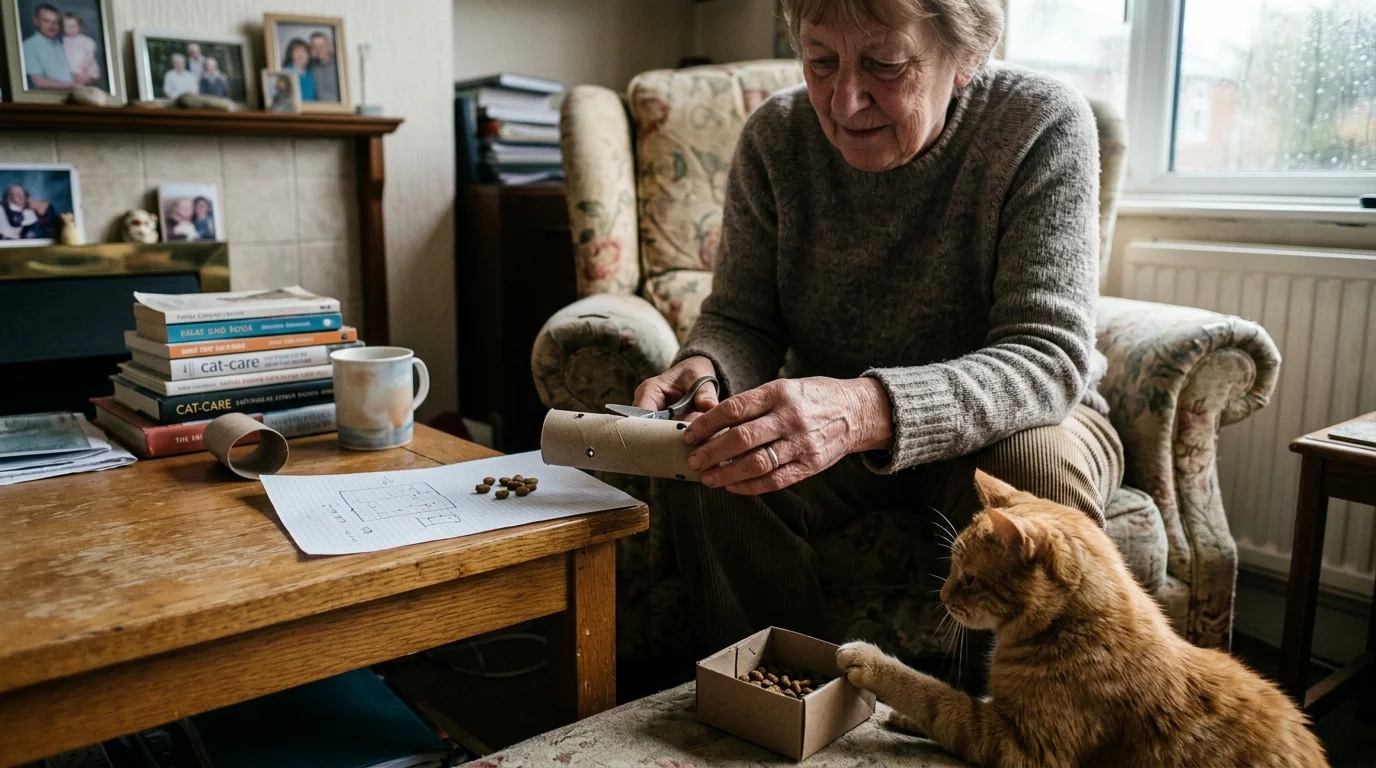
If you want to maintain your cat’s cognitive health or introduce fresh variety to their routine, implementing small daily changes yields remarkable results. You do not need expensive gadgets to create a stimulating home environment; consistency and sensory novelty matter most.
1. Rotate Toys on a Weekly Schedule
Leaving a dozen toys scattered across the floor causes sensory fatigue; cats quickly categorize stationary objects as “dead” and uninteresting. Store toys in a sealed container infused with dried catnip, silvervine, or valerian root.
Keep only three or four active toys out at a time, swapping them every few days to maintain a steady sense of novelty.
2. Ditch the Food Bowl for Foraging Games
Transform mealtime into an engaging mental exercise. Divide your cat’s daily dry food ration across several puzzle feeders, or hide small silicone food cups on different vertical levels around the room.
This encourages your cat to use their keen sense of smell and spatial memory to hunt down their dinner.
3. Introduce Tactile and Olfactory Novelty
Cats experience a vast world through their olfactory system. Bring safe outdoor elements inside for them to investigate, such as fallen autumn leaves, pinecones, fresh wheatgrass (cat grass), or a clean shipping box dusted with a pinch of organic silvervine.
Allowing them to sniff safe, unfamiliar textures keeps their sensory processing centers engaged.
4. Practice Positive Reinforcement Training
Contrary to popular myth, cats are exceptionally receptive to operant conditioning. Using a clicker and high-value treats, you can teach your cat foundational cognitive skills like target training (touching their nose to a target stick), “sit,” high-fives, or voluntarily entering a travel carrier.
A five-minute training session provides intense mental exercise that leaves cats visibly relaxed and content.
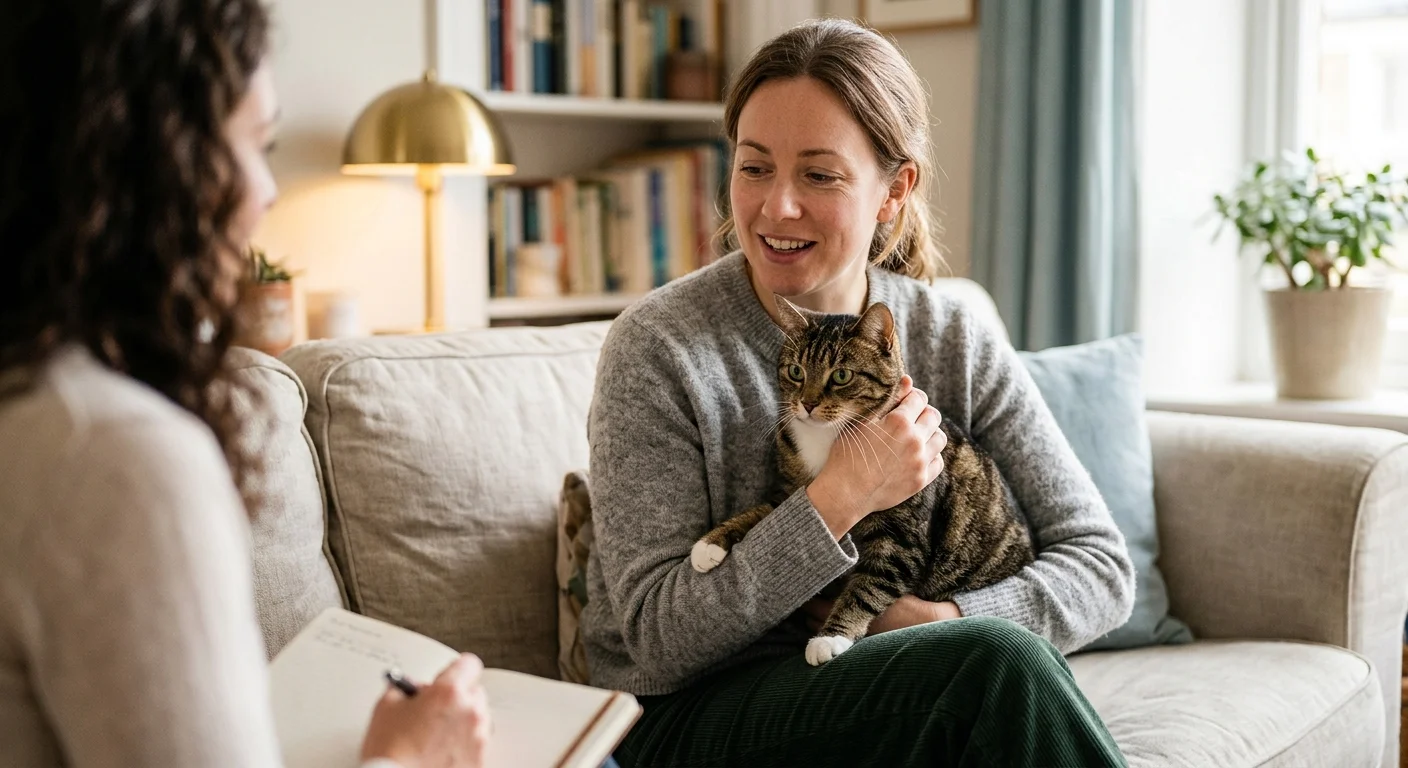
When to Get Professional Help
While environmental enrichment solves many behavioral concerns, sudden personality shifts or extreme behaviors should never be written off simply as boredom. Several medical conditions closely mimic behavioral under-stimulation or stress:
- Feline Idiopathic Cystitis (FIC) and Urinary Issues: Inappropriate elimination outside the litter box often stems from painful urinary tract inflammation or bladder stones rather than simple behavioral frustration.
- Hyperthyroidism: Common in senior felines, this endocrine disorder causes intense restlessness, constant vocalization, increased appetite, and pacing that owners frequently mistake for hyperactive boredom.
- Osteoarthritis and Chronic Pain: A cat that stops climbing cat trees or refuses to engage in interactive chase games may be suffering from joint discomfort rather than a lack of interest in play.
- Feline Cognitive Dysfunction (FCD): Similar to dementia in humans, older cats experiencing cognitive decline may wander aimlessly, stare at blank walls, or vocalize loudly at night.
If your cat displays sudden changes in appetite, litter box habits, mobility, or grooming frequency, according to guidance from the ASPCA Cat Behavior Resources, schedule a comprehensive physical examination with your veterinarian before modifying their behavioral routine.
Frequently Asked Questions
How many minutes of mental stimulation does an indoor cat need daily?
Most healthy adult cats thrive on 20 to 30 minutes of dedicated mental and physical stimulation each day. This time is best divided into two or three short sessions of 10 to 15 minutes each, matching their natural hunting rhythm of short, intense energy bursts followed by rest.
Can senior cats still benefit from cognitive enrichment?
Yes. Senior cats benefit immensely from gentle brain exercise, which helps preserve cognitive function and slow the progression of feline dementia.
For older felines, swap high-speed running games for stationary snuffle mats, gentle scent exploration, low-lying foraging puzzles, and scenic window viewing stations equipped with supportive ramp access.
What should I do if my cat gets easily frustrated by puzzle feeders?
If a cat walks away from a puzzle toy, the challenge level is likely set too high for their current problem-solving skill. Start with the easiest setting—such as an open egg carton with visible treats—and reward small efforts immediately.
Gradually increase the difficulty only after your cat demonstrates confidence and persistence at the basic stage.
How can I tell if my cat is overstimulated rather than mentally fulfilled?
A mentally fulfilled cat exhibits relaxed muscles, slow blinks, and calm rest after play. An overstimulated cat displays physical warning signals: a twitching or lashing tail, flattened ears (airplane ears), rippling skin along the back, dilated pupils, and sudden, defensive swatting when touched.
When you notice these signs, immediately pause the activity and give your cat quiet space to decompress.
Providing regular, varied mental challenges transforms your cat’s indoor life, satisfying their deepest evolutionary drives while strengthening your mutual bond.
When you observe your feline companion navigating their territory with confident curiosity, solving puzzles with focused determination, and resting peacefully in the sunshine, you can feel proud that your enrichment routine is supporting a vibrant, balanced mind.
The information here is meant for educational purposes. Specific circumstances—including health conditions, finances, location, and goals—may require different approaches.
When in doubt, consult a licensed professional or check official sources directly.
Last updated: May 2026. Rules, prices, and details change—verify current information with official sources before acting on it.