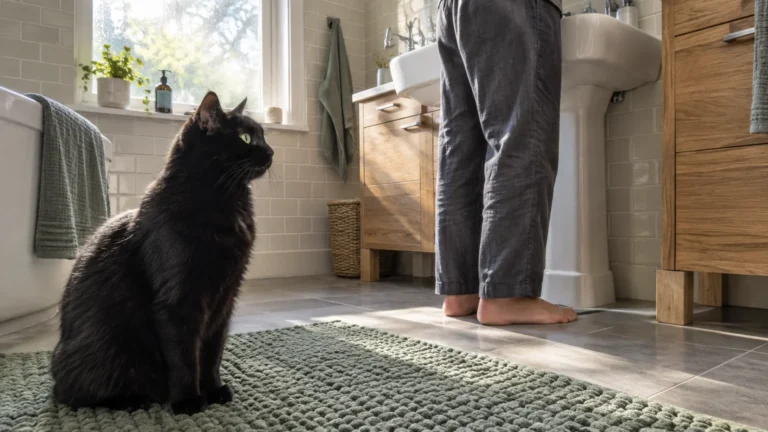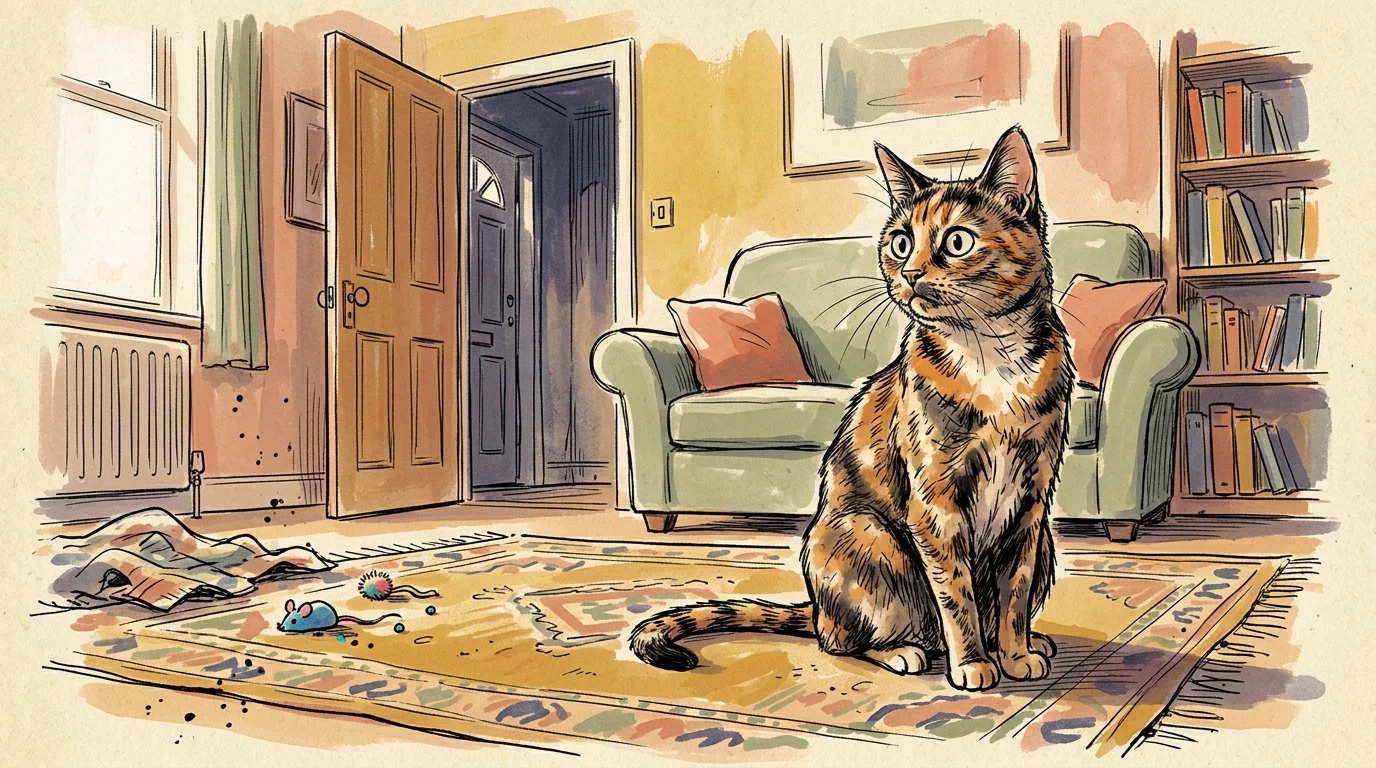
Cats excel at hiding discomfort, a survival trait inherited from their wild ancestors who needed to avoid appearing vulnerable to predators.
Because subtle changes in body language or daily routine often signal internal distress, recognizing cat anxiety symptoms early prevents minor tension from escalating into severe behavioral or physical health issues.
Whether your feline companion started avoiding the living room, grooming excessively, or skipping meals, learning to decode stressed cat behavior helps you restore their sense of security.
Pay close attention to subtle shifts in vocalization, litter box habits, and resting postures, as these often reveal exactly how your cat processes environmental stress and emotional strain.
01 Inappropriate Elimination and Litter Box Avoidance
When a house-trained cat begins urinating or defecating outside the litter box, pet owners often mistake the action for spite. In reality, inappropriate elimination stands as one of the primary cat stress signals.
Cats use scent as their ultimate security blanket; spreading their urine in prominent locations—such as your bed, rugs, or laundry piles—helps them feel more secure by saturating their environment with familiar pheromones.
Stress also directly affects a cat’s bladder. Feline Idiopathic Cystitis (FIC) is a painful inflammatory condition of the lower urinary tract that flares up almost exclusively during periods of emotional or environmental stress.
According to the Cornell Feline Health Center, stress plays a major role in triggering urinary tract inflammation and house-soiling behaviors in domestic cats.
If you notice your cat elimination patterns changing, follow these tactical steps:
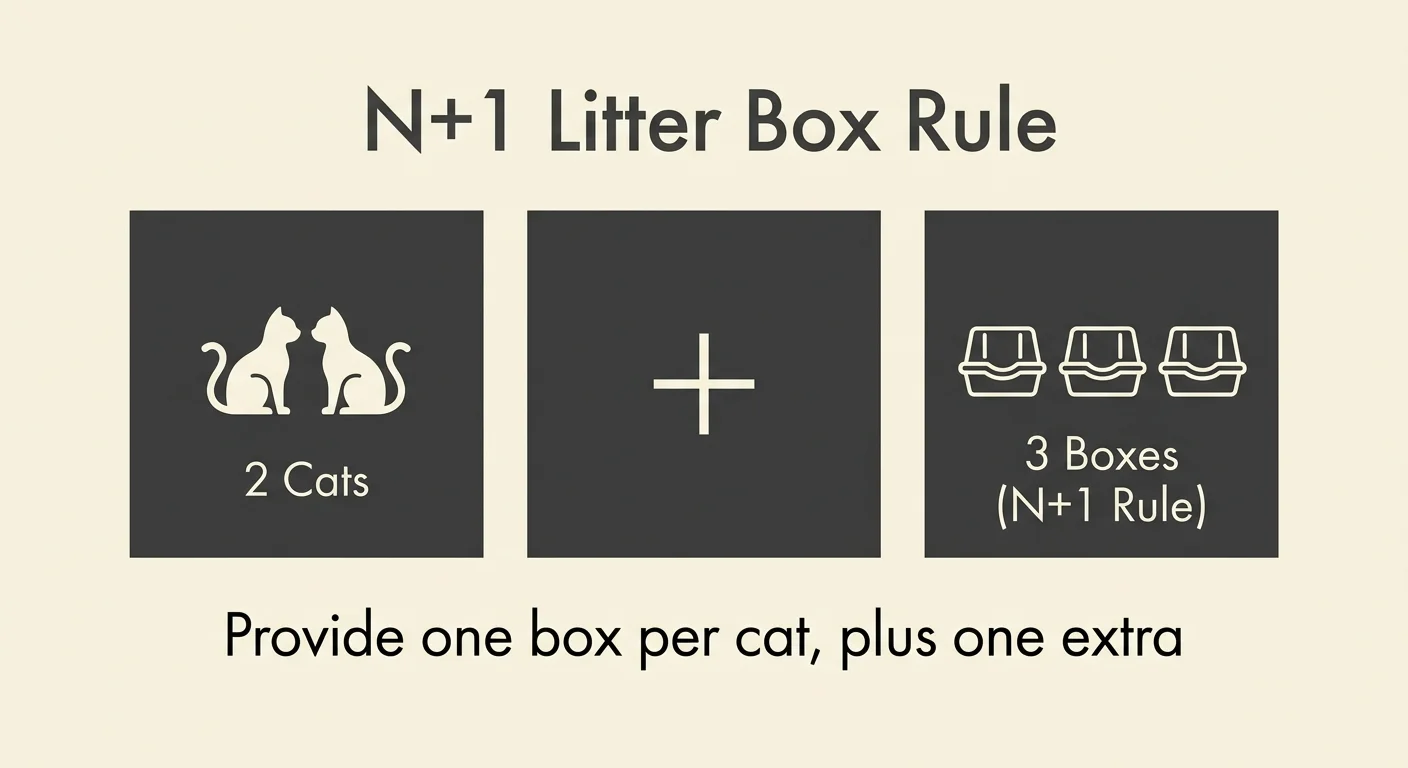
- Check the box count: Follow the golden rule of litter boxes by providing one box per cat in the home, plus one extra (N+1 rule).
- Evaluate location: Place boxes in quiet, low-traffic areas where a cat cannot be cornered by dogs, children, or other felines.
- Keep it clean: Scoop boxes at least once daily and perform a complete litter change every two weeks; anxious cats are hyper-sensitive to odor buildup.
- Switch litters carefully: Unscented, fine-grained clumping litters generally feel most comfortable on sensitive paws.
02 Over-Grooming and Psychogenic Alopecia
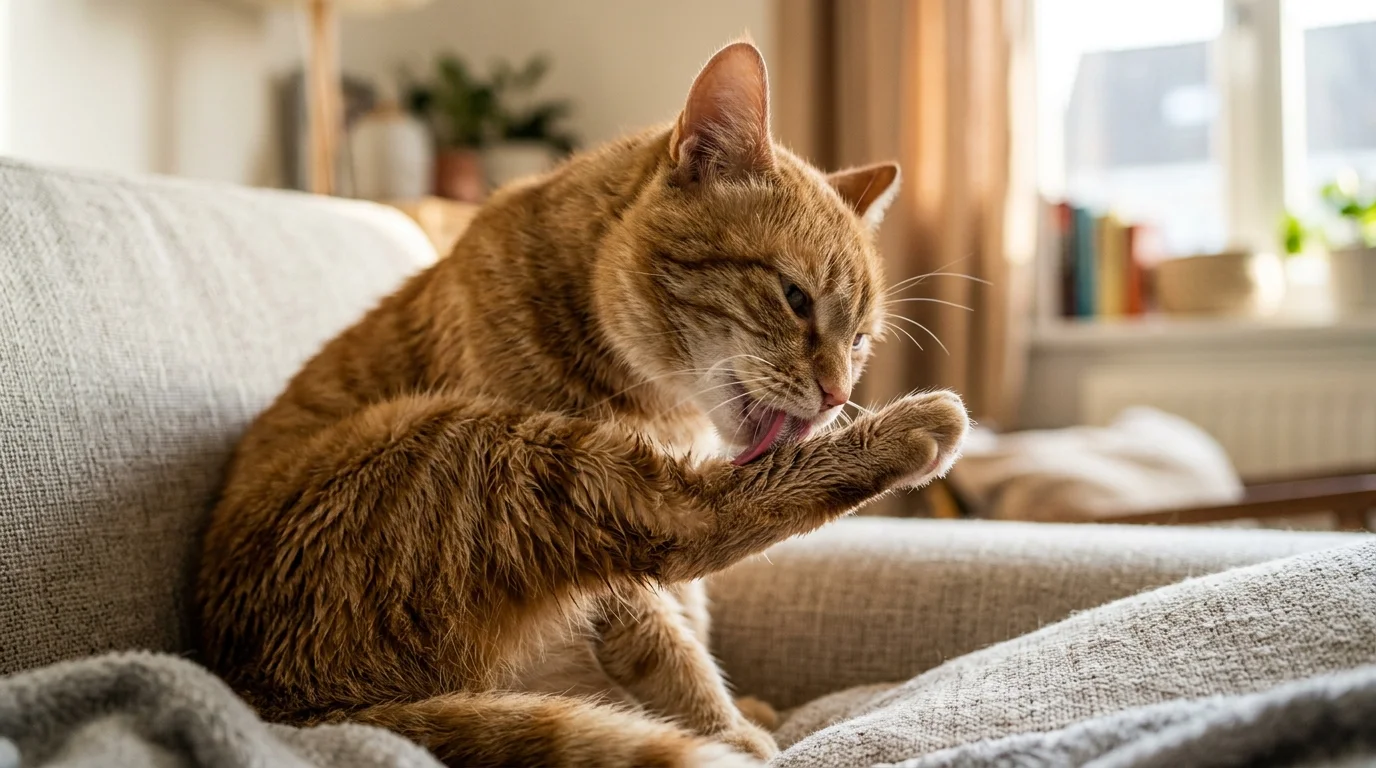
Grooming serves two purposes for felines: hygiene and emotional self-soothing. The rhythmic motion of licking releases endorphins—feel-good neurochemicals—in a cat’s brain.
However, when a cat faces chronic environmental stressors, this comforting ritual can quickly turn into a compulsive behavior known as psychogenic alopecia.
You may notice your cat repeatedly licking the same area—most commonly their inner thighs, lower belly, forelegs, or base of the tail. Over time, this intense focus strips the fur down to stubble or creates completely hairless patches of clean skin.
Unlike flea infestations or skin infections, psychogenic alopecia usually leaves the underlying skin looking smooth and healthy, without scabs or red lesions.
To address stress-induced over-grooming, interrupt licking sessions without raising your voice or scolding. Redirect your cat’s attention by tossing a favorite lightweight toy, making a quiet clicker sound, or opening a window blind to offer a visual distraction.
Providing puzzle feeders during peak stress hours also channels their nervous energy into food-seeking behaviors instead of fur pulling.
03 Shifts in Vocalization Patterns
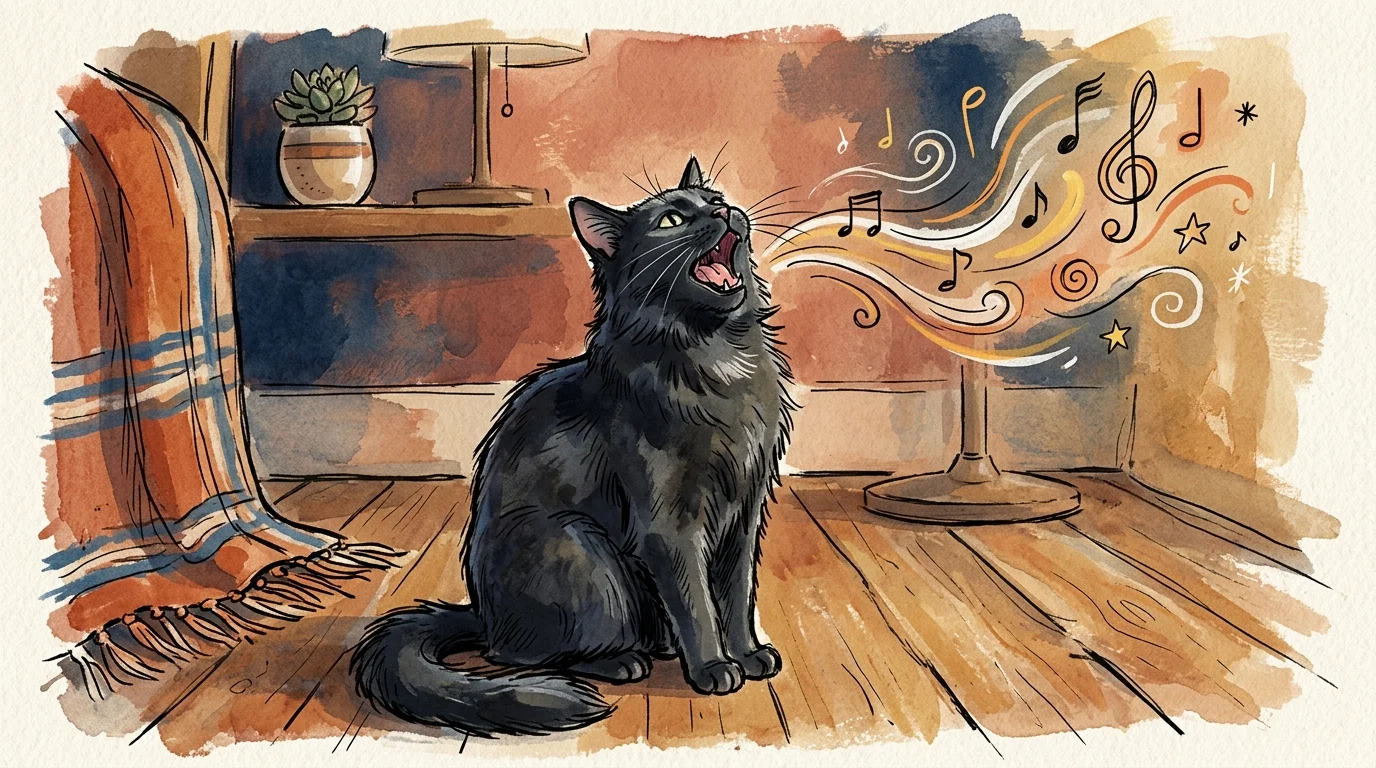
Cats communicate with humans through vocalizations, but a sudden shift in pitch, frequency, or volume provides a clear window into their emotional state. Stressed cat behavior often manifests in two extreme vocal directions: excessive loud vocalization or unusual, heavy silence.
An anxious cat may produce frequent, low-pitched yowls, particularly during the night when the household grows quiet. This nocturnal crying frequently indicates territorial insecurity or distress over changing routines.
Conversely, a naturally chatty breed—such as a Siamese or Oriental Shorthair—that suddenly stops vocalizing altogether may be retreating into a protective state of withdrawal.
Pay attention to the context of these vocal changes. If your cat vocalizes while pacing near doors, windows, or specific rooms, they may be reacting to stray animals outside or internal household tension.
Avoid yelling or spraying water to stop the vocalization; punitive reactions validate your cat’s fear that the environment is unsafe.
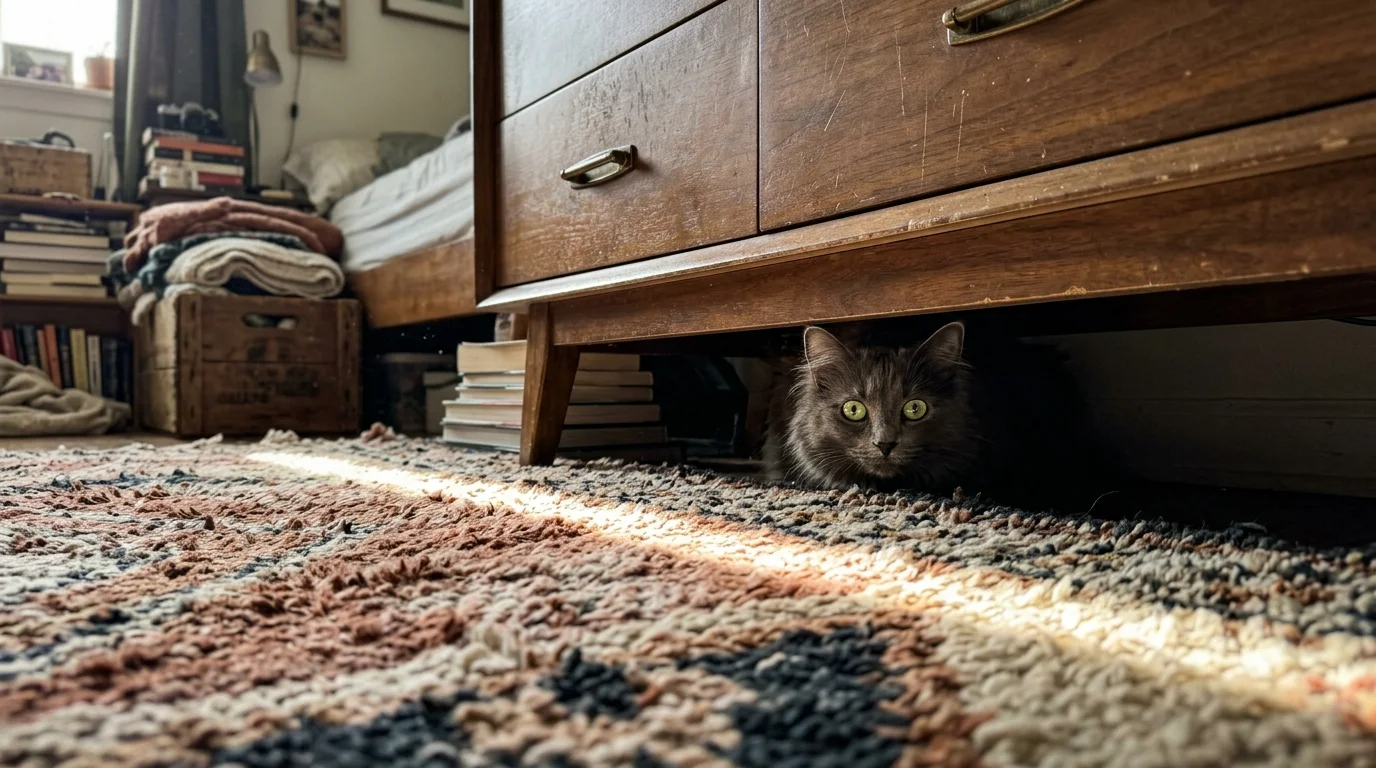
04 Excessive Hiding and Environmental Withdrawal
While all cats appreciate quiet nap spots, a confident cat moves comfortably through shared living spaces. If your cat spends days tucked under beds, inside dark closets, or squeezed behind major appliances, they are actively trying to decrease their exposure to perceived threats.
Hiding represents a biological coping mechanism designed to preserve safety. When an environment feels unpredictable—due to visiting guests, construction noise, home remodeling, or a new family member—hiding allows a cat to regulate their arousal levels.
According to feline behavior guidelines published by Cat Friendly Homes, providing safe, elevated safe havens helps anxious cats feel protected while retaining control over their environment.
Never drag a hiding cat out from under furniture unless an immediate emergency requires it. Reaching into a hidden cat’s safe zone forces them into a fight-or-flight response, which can cause severe bites or scratches.
Instead, set up dedicated refuge zones equipped with key resources:
- High vertical perches like cat trees, window shelves, or sturdy bookcase tops.
- Enclosed beds or cardboard boxes lined with fleece blankets carrying your subtle scent.
- Separate food, water, and litter facilities close to their preferred hiding zone so they do not have to cross high-stress areas.
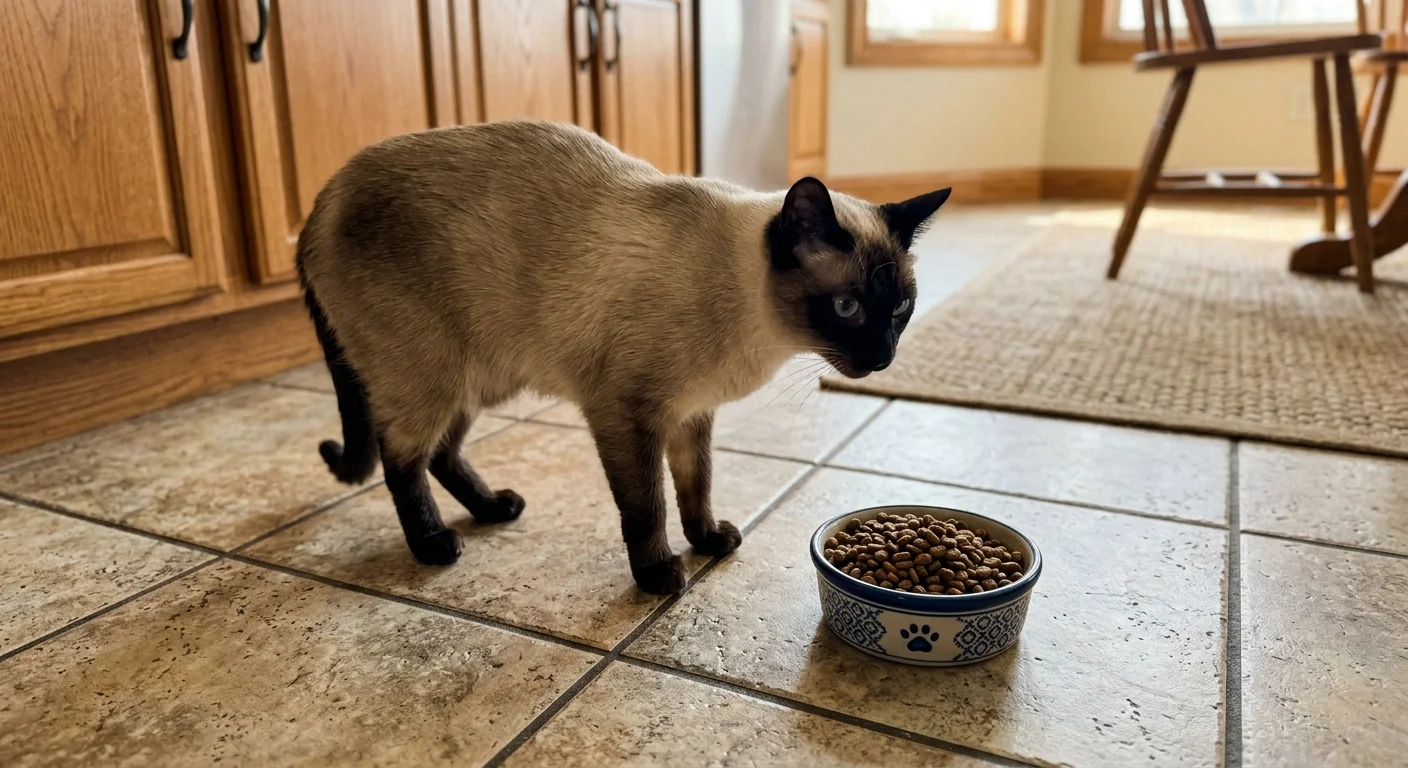
05 Changes in Eating and Drinking Habits
Stress directly impacts a cat’s gastrointestinal tract and metabolic drive. When cortisol and adrenaline flood a cat’s bloodstream, appetite naturally drops.
A stressed cat may sniff their dish and walk away, eat only tiny amounts, or completely refuse food for multiple days.
In multi-cat households, feeding stress often occurs due to subtle competition. Cats do not like sharing meal space; standing side-by-side at double bowls forces them into close physical proximity that triggers quiet tension.
One cat may guard the kitchen entryway, subtly preventing another cat from reaching their food dish.
Conversely, some cats respond to chronic boredom and mild anxiety by overeating or eating frantically, fearing that another animal will claim their meal. To create a stress-free feeding environment:
| Feeding Strategy | Standard Approach (High Stress) | Optimized Approach (Low Stress) |
|---|---|---|
| Bowl Placement | Side-by-side in high-traffic kitchens or next to litter boxes. | Separate rooms or visually blocked stations away from noise. |
| Feeding Schedule | Irregular free-feeding or unpredictable meal times. | Consistent, predictable daily meal schedules. |
| Enrichment | Standard flat bowls that cause whisker fatigue. | Wide, shallow dishes and interactive puzzle feeders. |
| Multi-Cat Setup | Shared dishes forcing physical contact. | Microchip-activated feeders or completely separate rooms. |
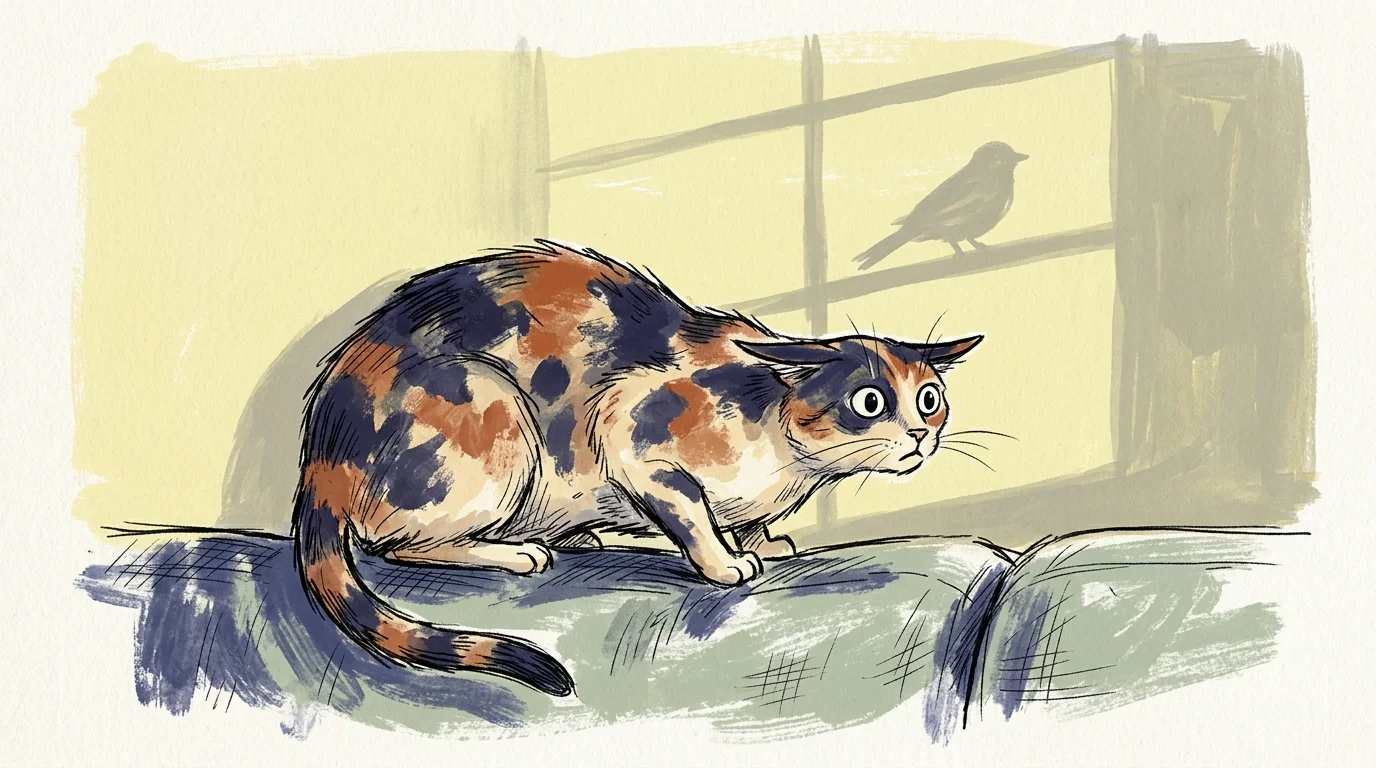
06 Hypervigilance and Tense Body Language
A relaxed cat exhibits loose body posture; their eyes soft, whiskers neutral, and body resting comfortably on its side. An anxious cat, however, maintains high muscular tension even while sitting still.
Recognizing physical cat stress signals allows you to intervene before your pet reaches panic levels.
Watch for these key physical indicators of feline anxiety:
- Dilated Pupils (Mydriasis): Large, dark pupils that remain wide open even in bright lighting conditions signal elevated adrenaline.
- “Airplane Ears”: Ears swivel backward or flatten laterally against the head to protect them during potential conflict.
- Rippling or Twitching Skin: The skin along the back twitches or rolls spasmodically, indicating heightened nerve sensitivity.
- Tail Tucking or Thumping: The tail remains held tightly against the body, wrapped around the paws, or thumps rhythmically against the floor.
- Tense, Crouched Posture: The cat sits with paws tucked beneath their body, ready to spring or bolt at any moment, avoiding full muscle relaxation.
When you spot these body language cues, give your cat immediate space. Avoid direct, unbroken eye contact—which felines interpret as a threat—and lower the ambient light and noise levels in the room.
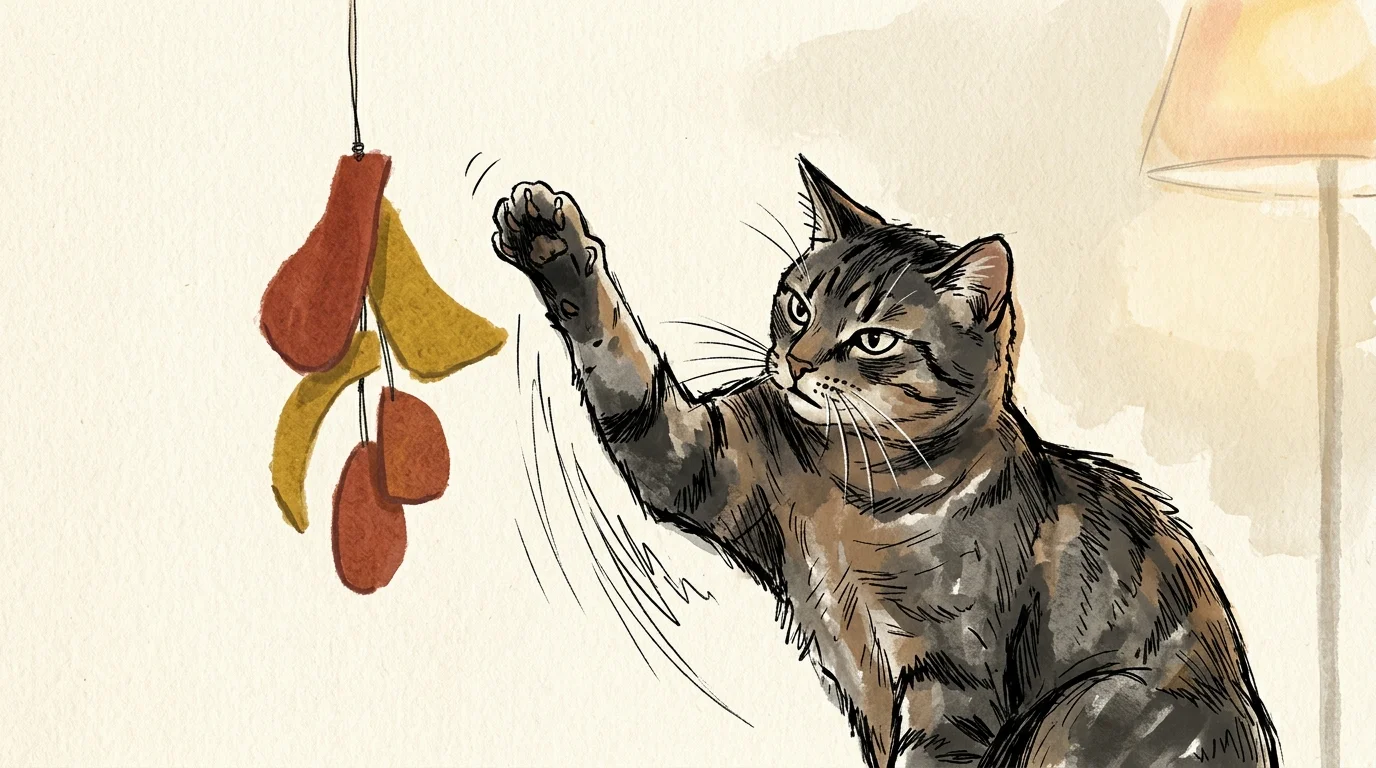
07 Uncharacteristic Aggression or Irritability
When chronic stress depletes a cat’s emotional bandwidth, their tolerance for handling, play, or environmental changes plunges. A previously affectionate pet may swat, hiss, growl, or bite when you attempt to pet them in routine situations.
This behavior often stems from redirected aggression. When a cat spots a neighborhood outdoor cat through a window, their defensive instincts trigger.
Because they cannot physically reach the trigger through the glass, they turn their pent-up frustration toward the nearest human, fellow household pet, or object.
Guidance from the ASPCA Behavior Team notes that redirected aggression is a common response to external environmental triggers that owners frequently overlook.
If your cat shows sudden irritability, do not punish them. Physical or verbal reprimands confirm their belief that their environment is hostile.
Instead, carefully block viewlines to outside triggers using opaque window films, use interior baby gates to manage multi-pet interactions, and allow your cat time to decompress in a quiet room.
The Bigger Picture: Understanding Feline Stress
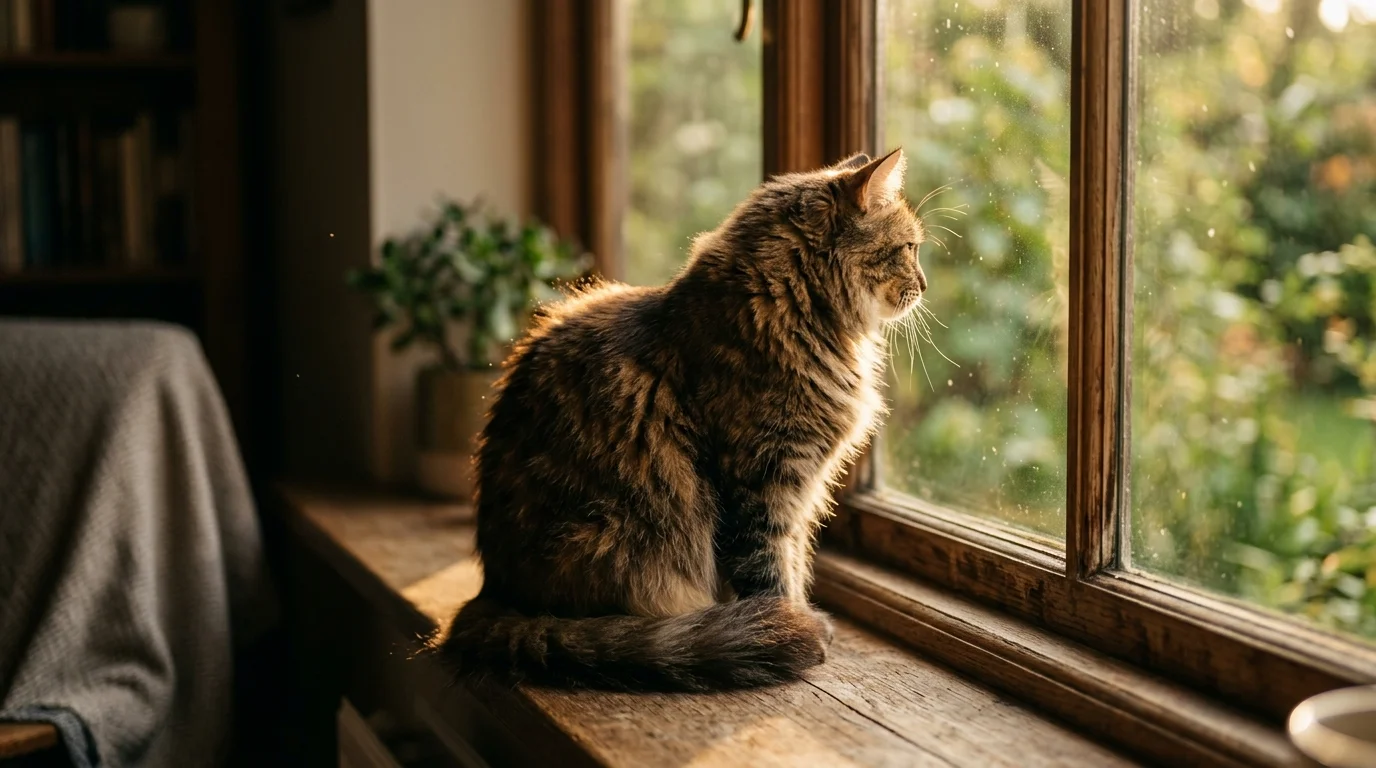
To successfully resolve feline anxiety, you must understand how cats view their world. As both meso-predators and prey animals, domestic cats rely heavily on environmental predictability and territorial control.
In the wild, an unexpected change in territory could mean encountering a larger predator or losing vital hunting grounds.
In a human home, events that seem minor to us—rearranging living room furniture, changing work schedules, buying a scented air freshener, or welcoming weekend houseguests—can thoroughly disrupt your cat’s sense of safety.
Cats mark their territory by rubbing their facial glands against objects, spreading calming pheromones (facial pheromone fraction F3). Deep cleaning or replacing furniture removes these invisible security markers, leaving your cat feeling exposed.
Understanding this evolutionary backdrop shifts your perspective from frustration to empathy, helping you pinpoint how to tell if a cat is anxious and take meaningful steps to rebuild their confidence.
Worth Keeping in Mind
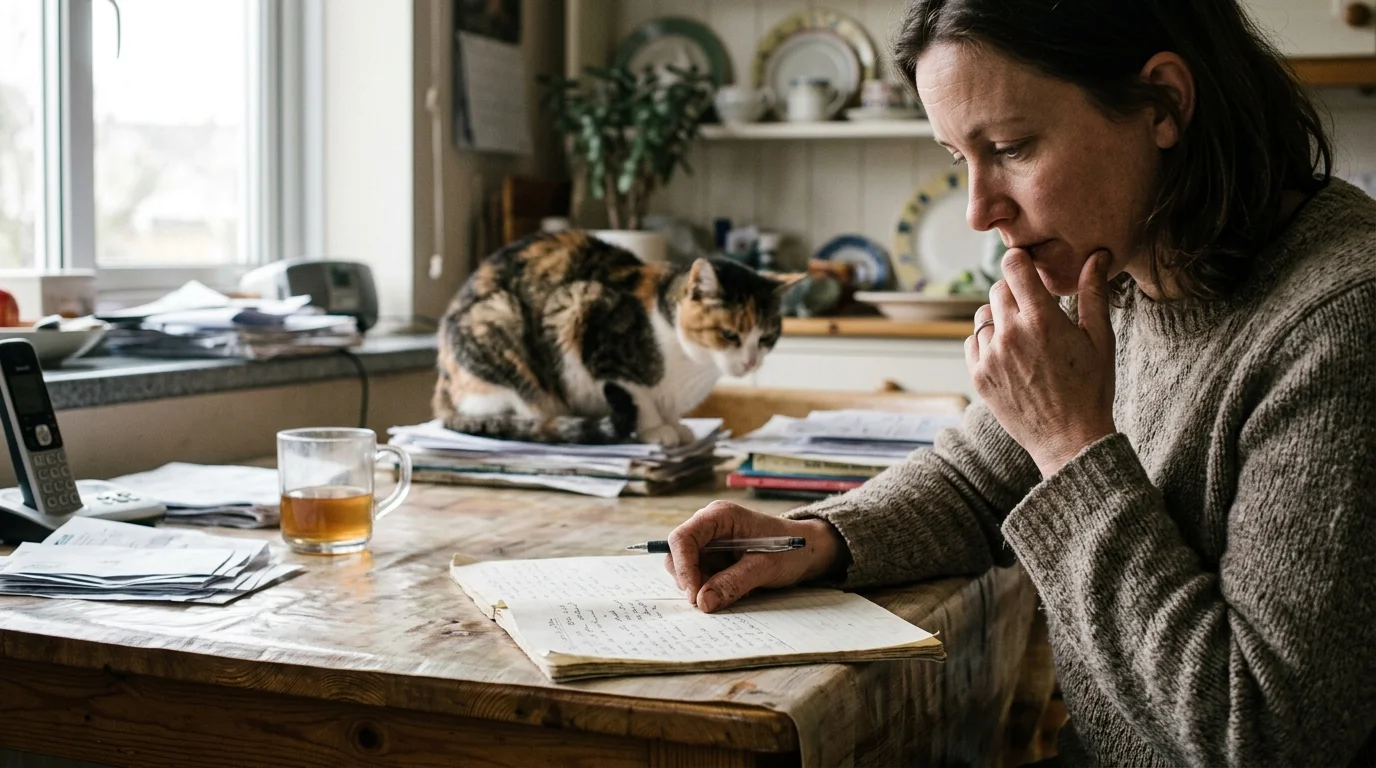
Managing a stressed cat requires patience, observation, and an awareness of common pitfalls that can accidentally worsen anxiety. Keep these key scenarios in mind while working through behavioral changes:
- Medical issues mask as stress: Sudden behavior changes often stem from physical pain—such as arthritis, dental disease, or metabolic conditions—rather than emotional stress alone. Always rule out underlying illness with a vet check first.
- Pheromone diffusers are helpful tools, not magic fixes: Synthetic feline pheromones (like Feliway) help lower room-wide tension, but they cannot overcome severe environmental deficits like dirty litter boxes or active conflict between pets.
- Punishment destroys trust: Scolding, yelling, or using spray bottles increases cortisol levels and causes cats to view their owners as unpredictable threats.
- Behavioral modification takes time: True emotional recovery from chronic feline anxiety typically takes weeks or months of consistent environmental management, not days.
Proactive Strategies to Reduce Stress at Home
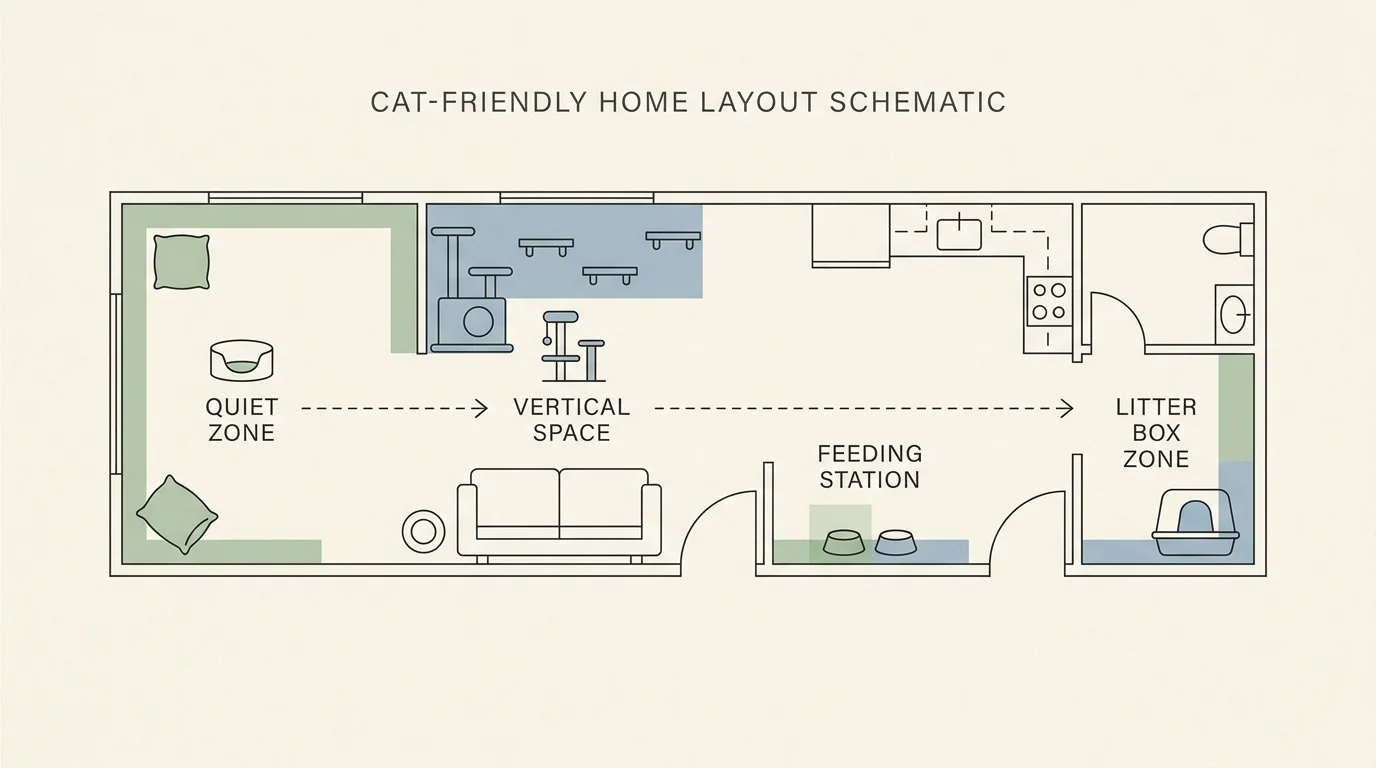
Once you recognize the signs of cat stress, you can implement effective, practical adjustments to optimize your home environment. Creating a cat-friendly space centers on providing choices, routine, and rich sensory outlets.
First, optimize vertical space. Cats assess safety through height; elevated vantage points allow them to observe their surroundings without feeling trapped.
Install floating cat shelves, clear wide windowsills, or place tall cat trees near active family areas so your cat can participate in household life from a secure vantage point.
Second, establish strict daily routines. Feed meals, initiate play sessions, and offer affection at predictable times every day.
Predictability lowers baseline stress by teaching your cat precisely what to expect from their environment.
Third, implement daily interactive play. Engage your cat in 10-to-15-minute sessions using wand toys that mimic natural prey movements—such as mice darting under furniture or birds fluttering near the ground.
Ending play sessions with a meal or protein treat satisfies their full predatory cycle (hunt, catch, kill, eat, groom, sleep), releasing physical tension and promoting deep, restful sleep.
When to Get Professional Help
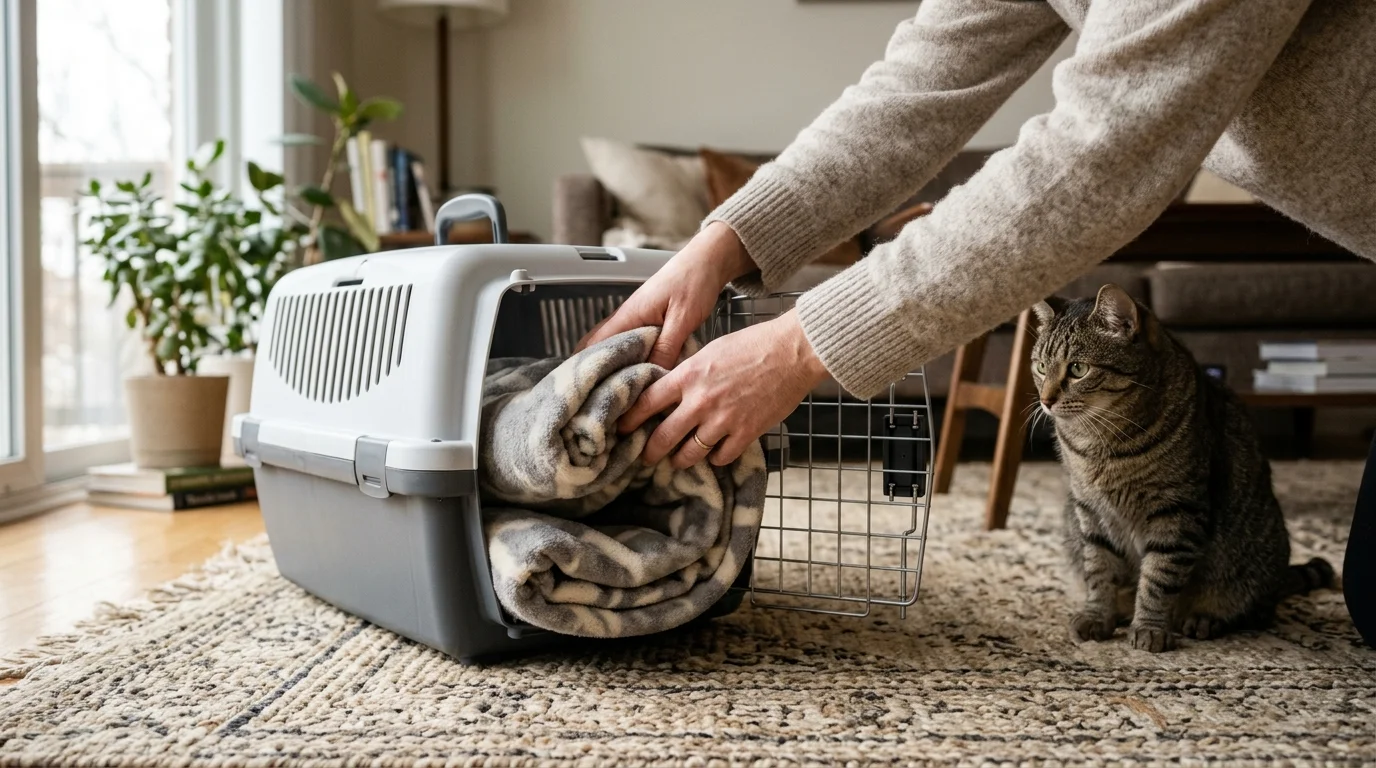
While many feline stress triggers respond well to basic environmental modifications, certain situations require prompt professional medical or behavioral intervention. Seek professional support in the following scenarios:
- Urinary Strain or Blockage: If a male cat strains in the litter box, vocalizes in pain while attempting to urinate, or licks his genitals frantically, seek emergency veterinary care immediately. Urethral obstructions are life-threatening medical emergencies, not simple behavioral issues.
- Complete Anorexia: If your cat refuses all food for more than 24 to 48 hours, contact your veterinarian. Prolonged fasting in cats triggers hepatic lipidosis (fatty liver disease), a severe metabolic condition.
- Self-Inflicted Skin Damage: Severe over-grooming that leads to open wounds, skin lesions, or secondary bacterial infections requires immediate veterinary treatment to control pain and inflammation.
- Unmanageable Intra-Pet Aggression: If cats in your home engage in serious fights resulting in physical injury, consult a board-certified veterinary behaviorist (DACVB) or a certified cat behavior consultant (IAABC) to create a structured reintroduction protocol.
Frequently Asked Questions
How long does it take for a stressed cat to calm down?
Recovery time depends entirely on whether the stress source is acute or chronic. For short-term events like a vet visit or a loud thunderstorm, a cat usually settles within a few hours to a day once quiet returns.
However, recovering from chronic stress—such as moving to a new house or adjusting to a new pet—typically takes anywhere from two to eight weeks of consistent environmental management and routine.
Can stress cause physical illness in cats?
Yes. Chronic emotional stress depresses a cat’s immune system and directly causes physical conditions.
The most common stress-induced illness is Feline Idiopathic Cystitis (FIC), an painful inflammation of the bladder wall. Stress can also cause gastrointestinal distress, leading to vomiting, diarrhea, reduced appetite, and secondary skin infections from compulsive over-grooming.
Do calming diffusers and sprays actually work for cats?
Synthetic feline pheromones mimic the natural facial marking pheromones that cats deposit when they feel safe. Peer-reviewed clinical studies show that these products reduce anxiety-related behaviors like urine spraying and vertical scratching in many cats.
While they are highly effective when combined with environmental enrichment, they work best as part of a comprehensive strategy rather than a standalone fix.
Should I get another cat to keep my anxious cat company?
Not necessarily. Cats are naturally territorial, solitary hunters, and introducing a new feline often increases environmental competition for resources like food, space, and litter boxes.
Unless your cat has previously shown a strong desire for feline companionship, adding another cat usually escalates stress levels rather than soothing them.
Recognizing cat stress signals gives you the power to transform your home into a true sanctuary for your pet. By paying close attention to small changes in routine, physical posture, and litter box habits, you can intervene early and rebuild your cat’s confidence.
Small, thoughtful adjustments—like adding vertical perches, keeping feeding times consistent, and respecting your cat’s need for retreat—go a long way toward restoring peace and happiness in your home.
The information here is meant for educational purposes. Specific circumstances—including health conditions, finances, location, and goals—may require different approaches.
When in doubt, consult a licensed professional or check official sources directly.
Last updated: May 2026. Rules, prices, and details change—verify current information with official sources before acting on it.