Bringing your cat in for sterilization surgery alters far more than reproductive capability. Within weeks, declining sex hormones trigger significant shifts in your feline companion’s daily habits, energy levels, and social drives.
These biological changes smooth out erratic behaviors while safeguarding your pet from serious territorial injuries and reproductive diseases. Understanding what changes—and what stays the same—helps you support your cat through a smooth transition.
From reduced roaming impulses to a slower metabolic engine, sterilization reshapes everyday life for both of you. Here are the eight key traits that change once your cat is spayed or neutered.
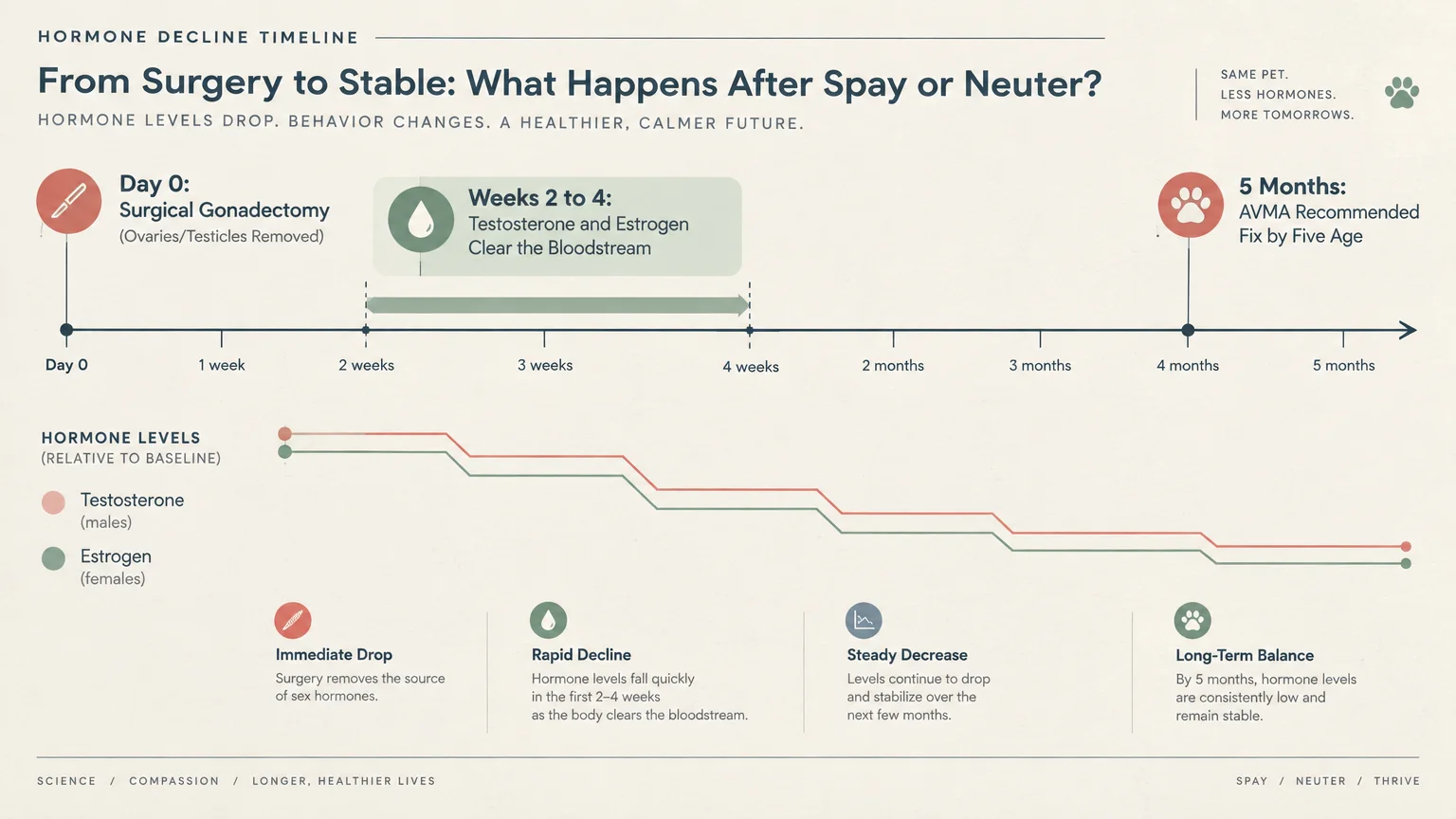
The Hormonal Timeline: What Happens After Gonadectomy
Surgical sterilization removes the primary producers of sex hormones: the ovaries and uterus in females, and the testicles in males. This sudden hormonal halt alters how your cat perceives territory, stress, and mating urges.
However, behavioral changes do not happen overnight. Circulating testosterone and estrogen take two to four weeks to clear your cat’s bloodstream completely.
Veterinary organizations, including the American Veterinary Medical Association (AVMA), recommend sterilizing cats by five months of age. Performing surgery before sexual maturity prevents hormone-driven habits from turning into permanent learned behaviors.
01 Territorial Urine Spraying and Scent Marking
Unneutered male cats mark their territory by backing up to vertical surfaces and spraying pungent, concentrated urine. Intact females also spray during estrus to advertise their reproductive status to nearby suitors.
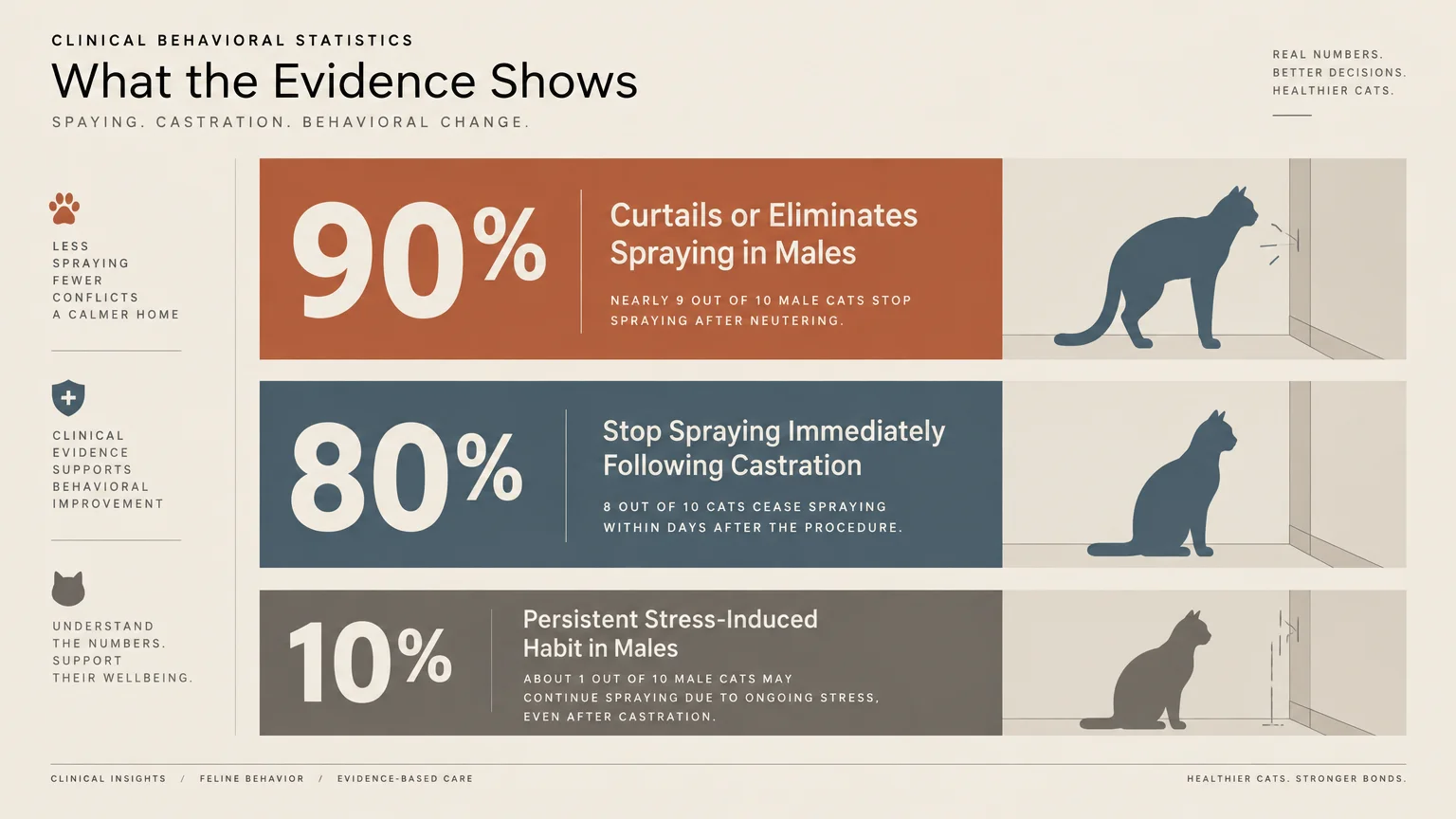
Neutering eliminates or significantly curtails this spraying behavior in approximately 90% of male cats. Furthermore, roughly 80% of males stop spraying immediately following castration.
Only about 10% of neutered males and 5% of spayed females continue spraying as a stress-induced habit. Additionally, the sharp, musky tomcat odor vanishes as testosterone leaves the body.
02 The Restless Urge to Roam and Escape
Intact cats experience an overwhelming biological drive to patrol expansive home ranges in search of mates. This instinct frequently leads to door-dashing, wandering miles away, and catastrophic encounters with moving vehicles.
Castration resolves wandering and escape behaviors in over 90% of male cats. Around 60% of these males show an immediate reduction in roaming tendencies.
Spayed females experience a similar sense of ease once their recurring hormonal cycles disappear. Your cat will spend more time resting peacefully indoors instead of relentlessly scouting exterior doors and windows.
03 Hormone-Mediated Aggression and Inter-Cat Fighting
Intact male cats fight furiously over mates and territorial perimeters. These battles produce deep bite wounds, painful abscesses, and elevated transmission rates of feline immunodeficiency virus (FIV).
Neutering reduces hormone-driven aggression toward other felines in more than 90% of male cats. Approximately 60% of these cats reduce their fighting habits right after surgery.
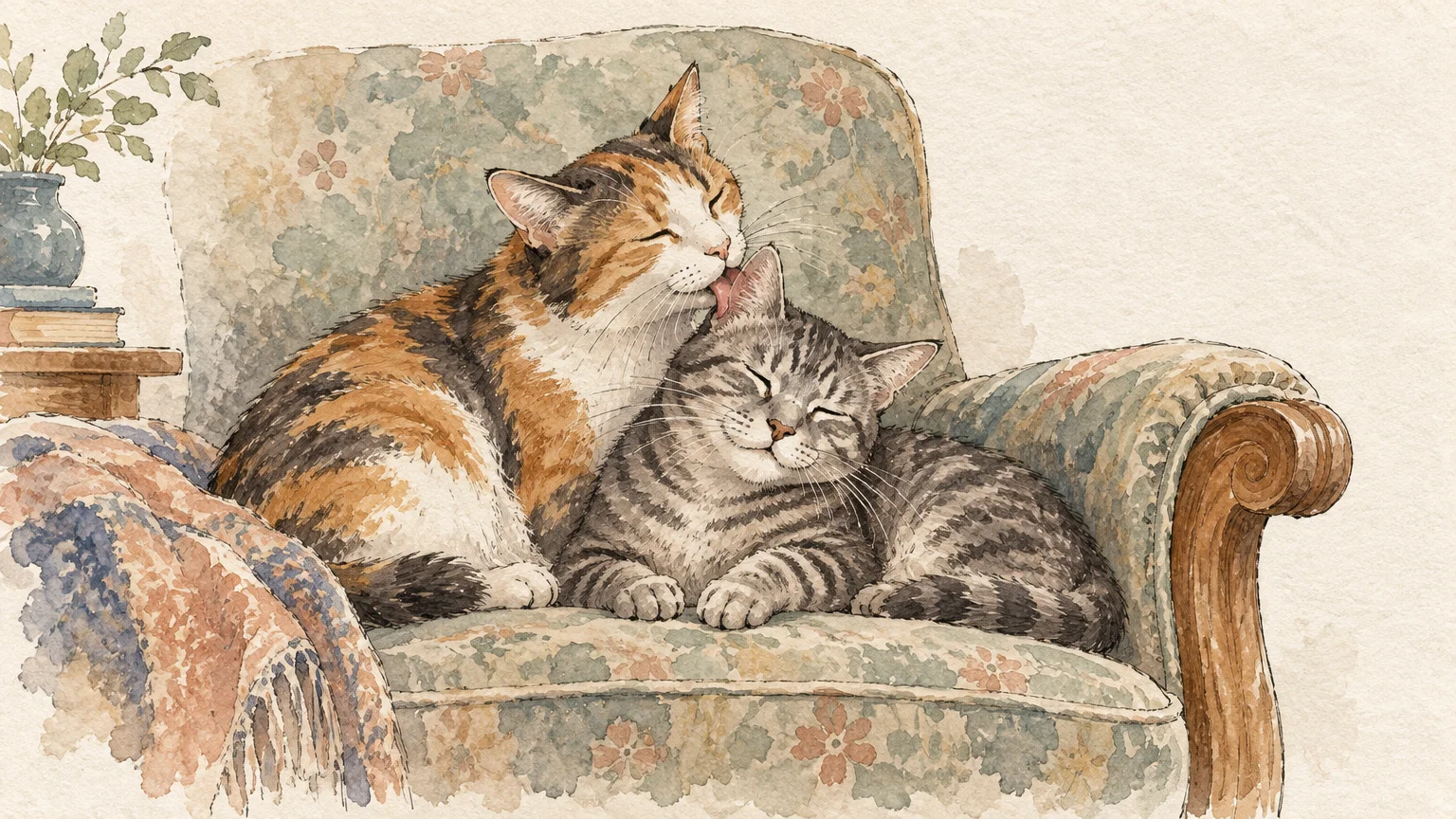
In multi-cat households, altered pets exhibit far more social tolerance toward their feline companions. While personality friction can still happen, intense territorial dominance displays subside dramatically.

04 Midnight Caterwauling and Vocal Heat Cycles
An intact female cat in estrus produces a loud, persistent, and mournful yowl known as caterwauling. She will call for days on end to attract male cats from all across the neighborhood.
Alongside incessant vocalizations, females in heat display frantic rubbing, pacing, and exaggerated spinal postures. Spaying removes the ovaries, permanently eliminating these stressful, noisy estrus cycles.
Similarly, intact males vocalize loudly when detecting the scent of a female in heat nearby. Once neutered, male vocalization drops back to normal, conversational household meowing.
05 Resting Metabolic Rate and Caloric Needs
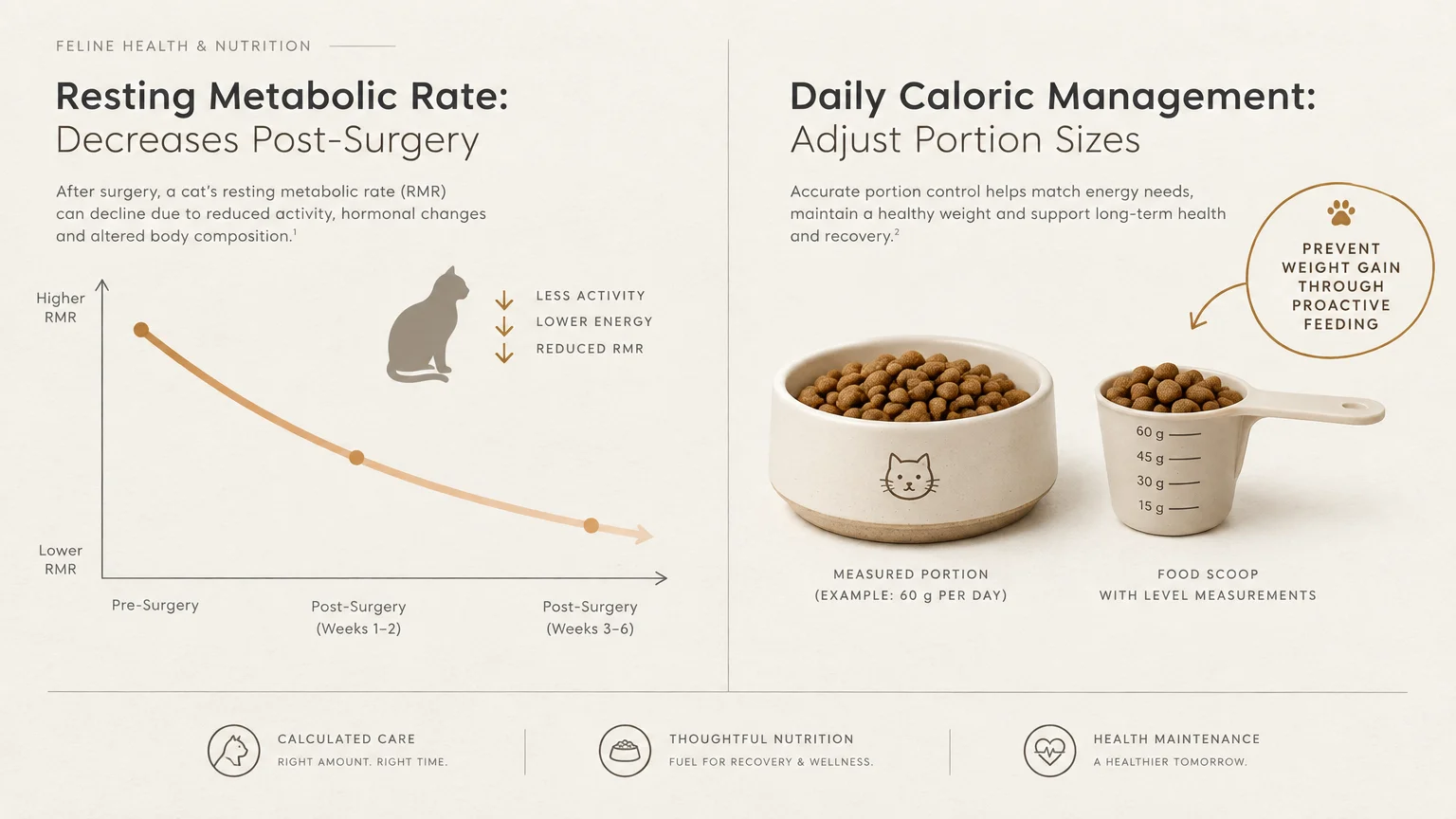
One of the most dramatic physiological shifts involves your cat’s energy metabolism. Following surgery, a cat’s resting metabolic rate and daily energy requirements decline by 20% to 30%.
Simultaneously, hormonal shifts in ghrelin and leptin trigger an increased appetite. This combination leaves altered felines three to four times more susceptible to obesity if their diet stays unchanged.
Managing spayed cat weight gain demands proactive portion control from day one. Measure meals with a kitchen gram scale and reduce your cat’s daily caloric intake by roughly 20% post-surgery.
06 Affection, Clinginess, and Perceived “Laziness”
A common misconception claims that sterilization breaks a cat’s spirit or makes them hopelessly lazy. In reality, your pet’s core personality and playful curiosity remain intact.
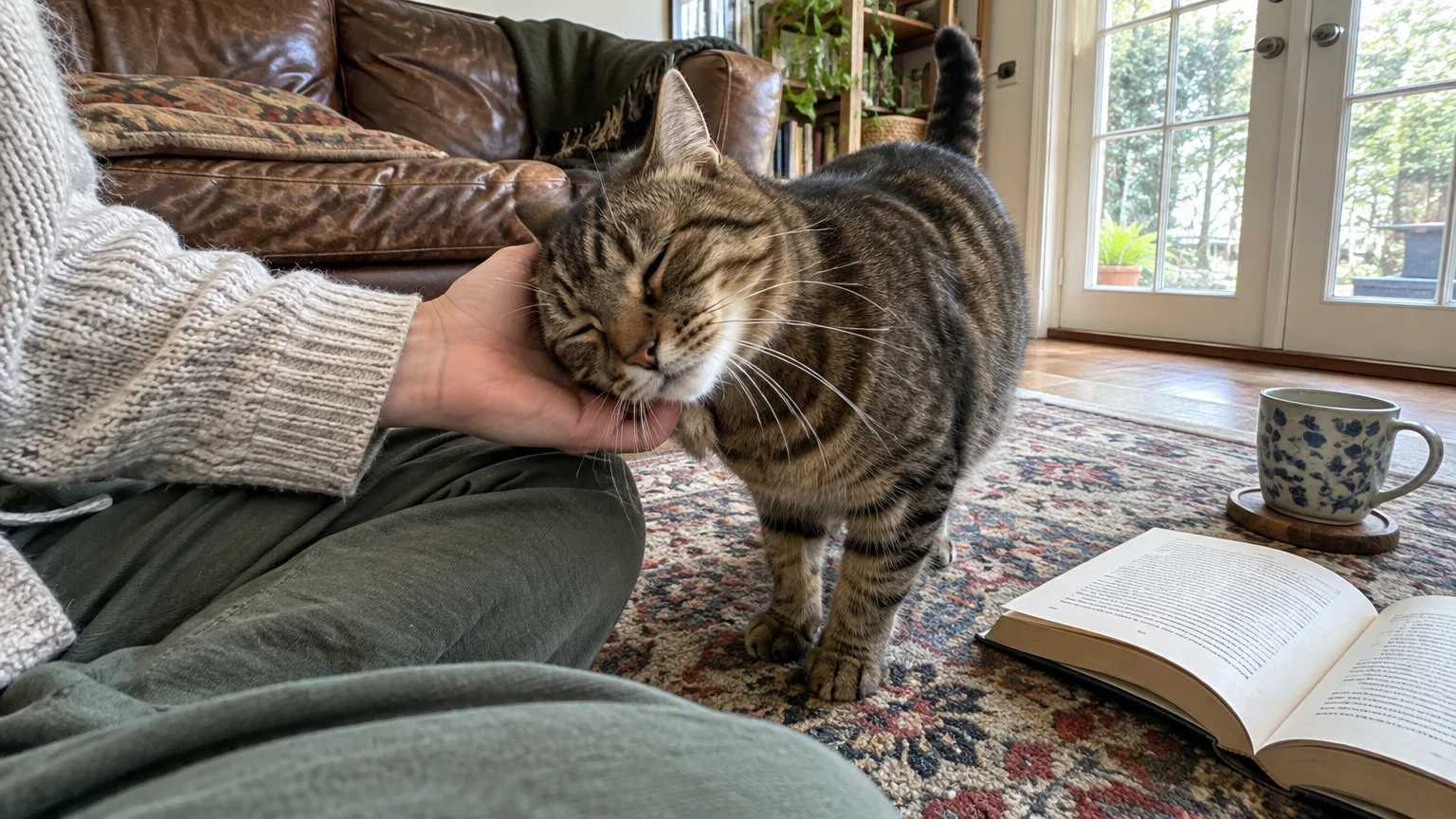
What pet parents interpret as lethargy is simply the disappearance of relentless mating anxiety. Without constant hormonal tension, cats reallocate their attention toward social bonding with human caretakers.
Many pet owners observe that their neutered cat personality becomes noticeably warmer and more even-tempered. Your cat will often seek out lap naps, initiate interactive play, and purr more consistently.
07 Reproductive Frustration and Mating-Driven Stress
Intact cats endure chronic emotional stress when their biological imperatives go unfulfilled. Male cats pace anxiously, while unbred females cycle in and out of estrus every two to three weeks.
This biological frustration often triggers destructive scratching, agitated pacing, and displaced aggression toward pet parents. Sterilization eliminates this chronic physical and psychological tension at the source.
Without the biological mandate to reproduce, your pet settles into a much calmer emotional baseline. You will notice a more balanced companion who feels secure in their home environment.

08 Long-Term Health Demeanor and Physical Longevity
Sterilization does not merely adjust daily conduct; it shields your cat from life-threatening medical emergencies. Feline mammary tumors are malignant in 85% to 90% of diagnosed cases.
Groundbreaking research in the Journal of Veterinary Internal Medicine reveals that spaying before six months reduces mammary cancer risk by 91%. Spaying between six and twelve months slashes the risk by 86%.
Moreover, demographic studies from Banfield Pet Hospital tracking over 460,000 felines show altered pets live significantly longer. Neutered males live 62% longer, while spayed females live 39% longer than intact counterparts.
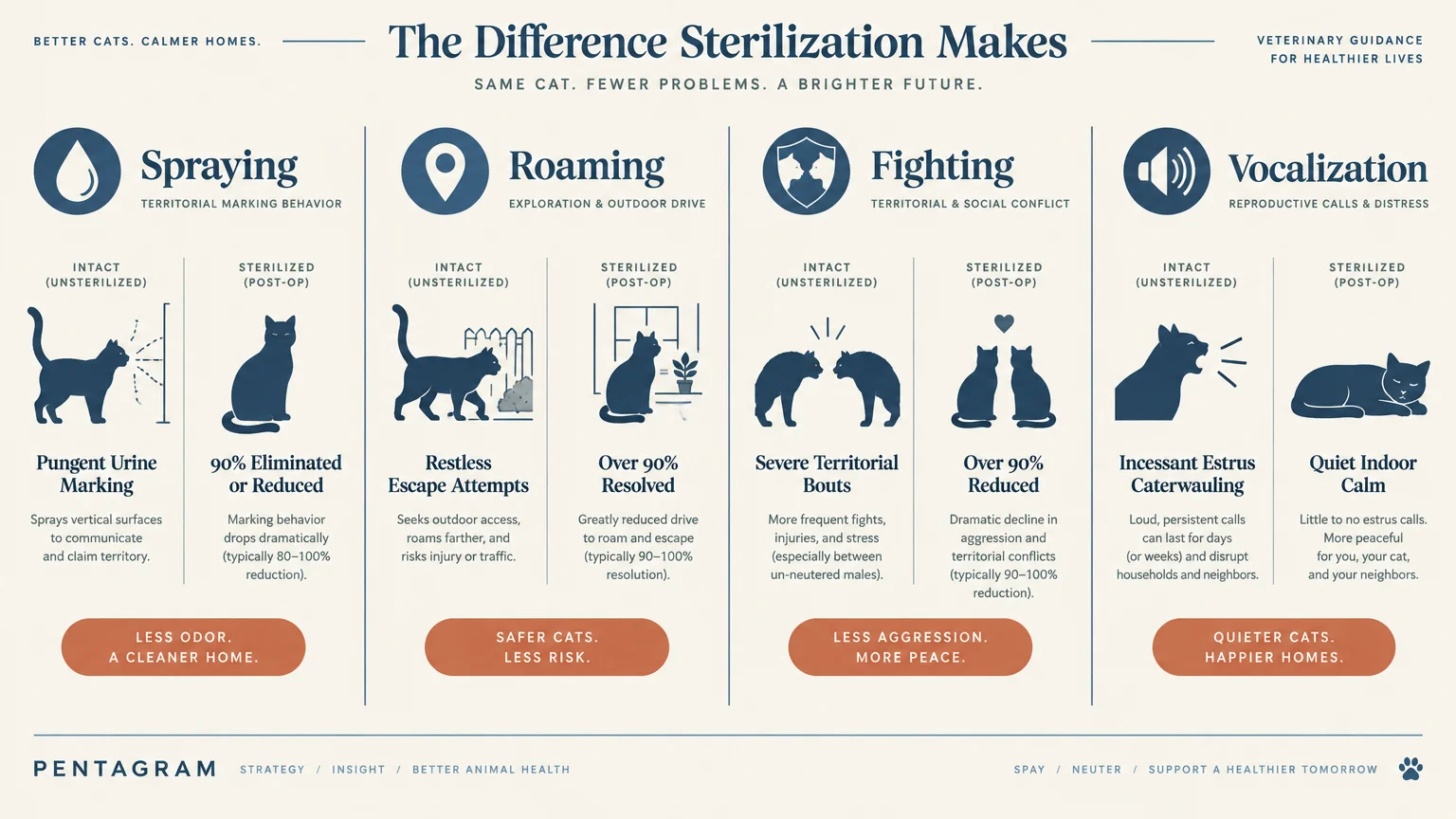
Comparing Intact and Sterilized Feline Traits
Sterilization reshapes a wide variety of behavioral and biological traits. The table below summarizes how these characteristics differ between intact and altered felines.
| Trait or Characteristic | Intact Felines | Spayed or Neutered Felines |
|---|---|---|
| Territorial Urine Spraying | High; frequent vertical marking with strong musky odor | Rare; eliminated or significantly reduced in ~90% of cats |
| Urge to Roam and Escape | Intense; driven by mating searches over vast territories | Low; wandering decreases in >90% of altered males |
| Fighting and Aggression | Frequent; vicious clashes over territory and mates | Minimal; hormone-related fighting drops by >90% |
| Vocalization Patterns | Extreme caterwauling and distress calls during estrus | Normal conversational meowing; no mating calls |
| Daily Caloric Demand | Baseline metabolic demand remains higher | Metabolic needs drop 20% to 30%; requires strict portion control |
| Mammary Carcinoma Risk | High; tumors are malignant in 85% to 90% of cases | Reduced by up to 91% when spayed before six months |
| Average Lifespan | Shorter due to trauma, pyometra, and fighting infections | Up to 62% longer in males and 39% longer in females |
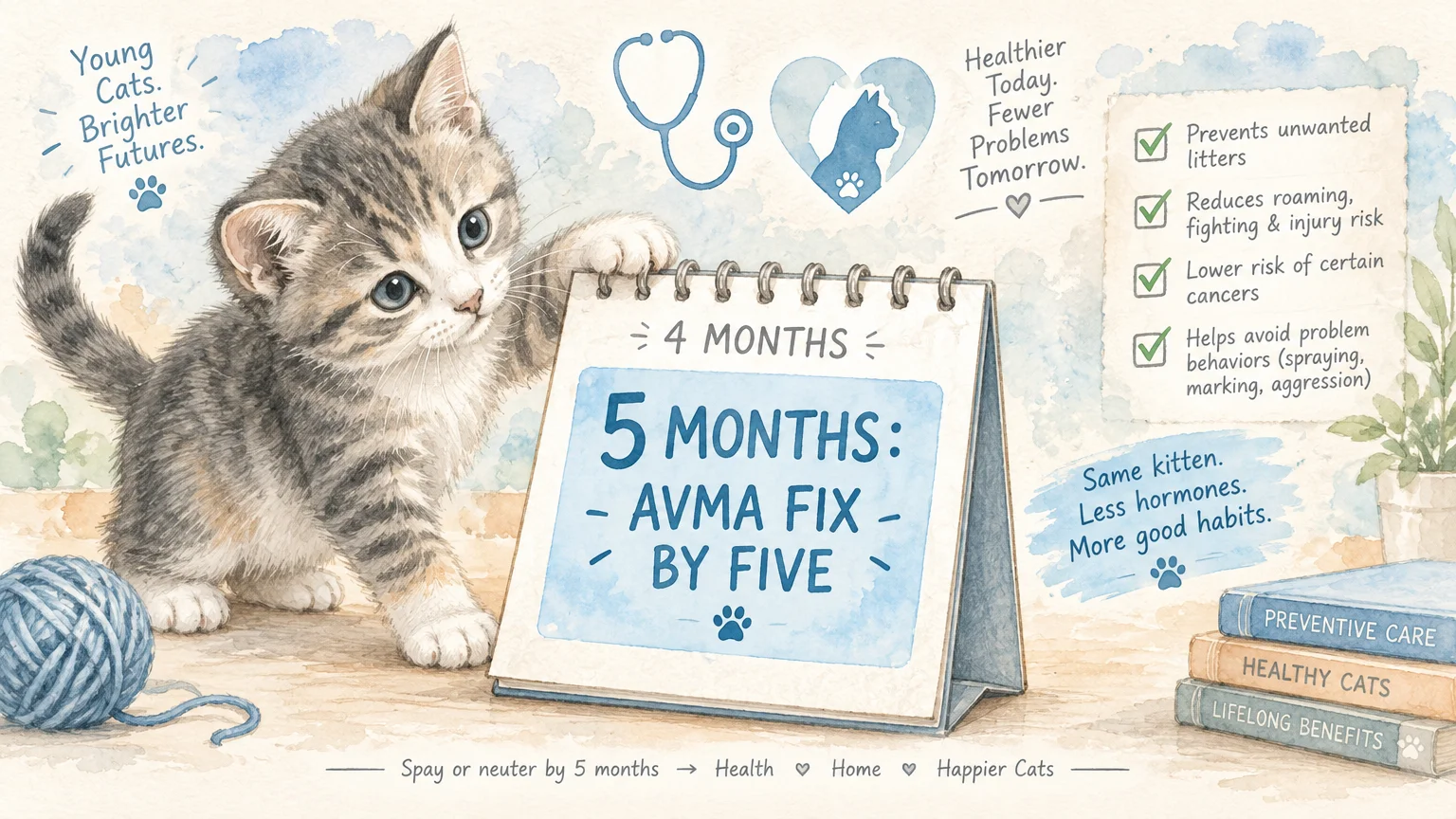
The “Fix by Five” Standard: Why Surgical Timing Matters
The American Animal Hospital Association (AAHA) and feline specialists now advocate sterilizing cats before five months of age. This standard updates older recommendations that advised waiting until six months.
Completing surgery by five months ensures the procedure occurs before your kitten reaches sexual maturity. This prevents accidental litters and stops territorial marking before it turns into a habitual behavioral pattern.
Kittens sterilized at this stage recover remarkably quickly from anesthesia. Their smaller tissues heal rapidly, resulting in less surgical trauma and minimal post-operative discomfort.
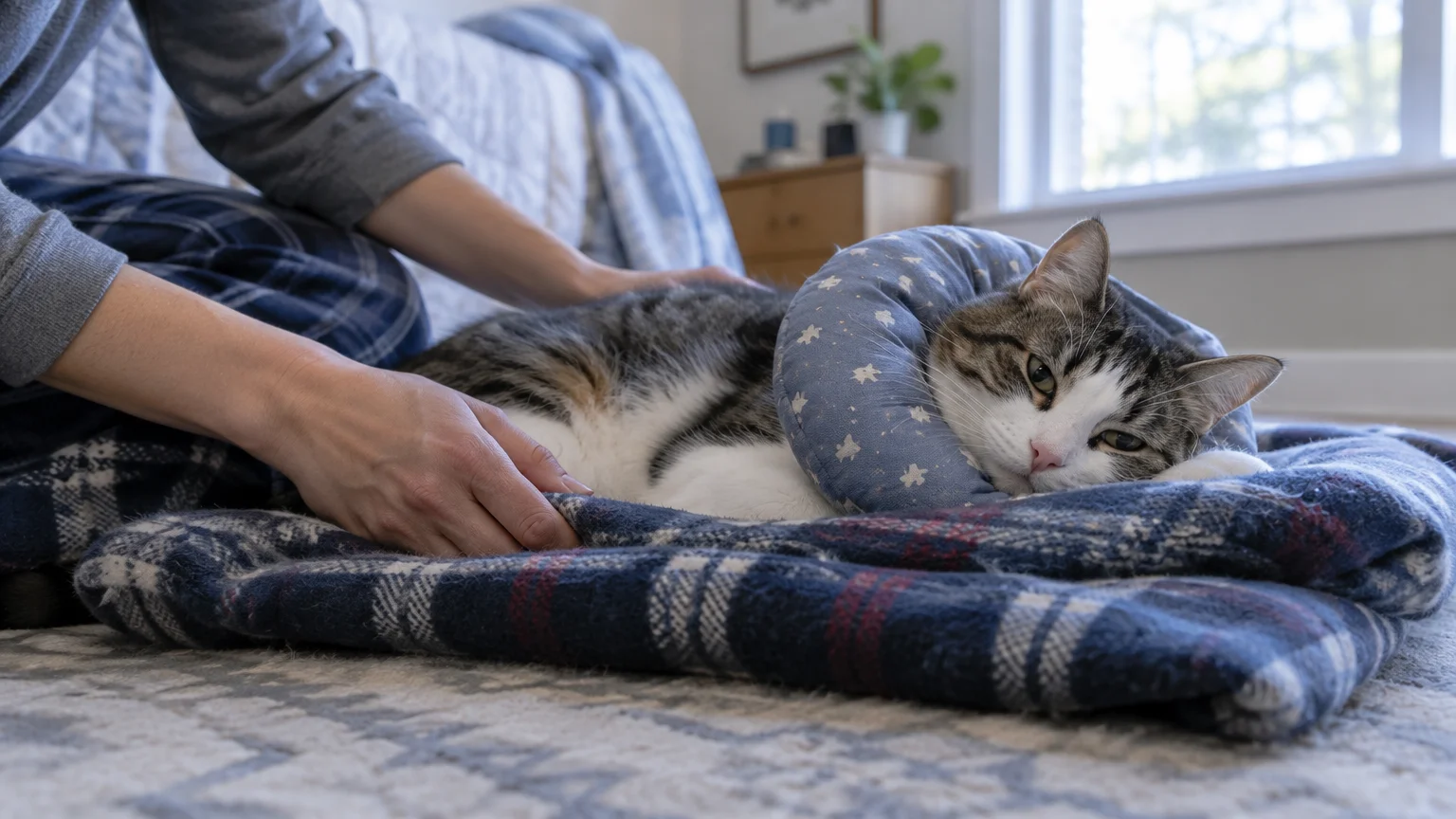
Things to Watch Out For
While sterilization provides clear behavioral and medical advantages, pet parents should prepare for several common post-surgical adjustments.
- Rapid Weight Gain: Decreased metabolic needs coupled with increased appetite can cause rapid fat accumulation. Switch to measured meals rather than free-feeding dry kibble.
- Lingering Hormones: Testosterone and estrogen take several weeks to dissipate fully. Expect mild lingering territorial interest during the first month following surgery.
- Litter Box Avoidance: Cats may avoid their litter box if dusty clay litters irritate surgical incision sites. Use paper pellet litter during the initial ten-day recovery window.
- Post-Surgical Inactivity: Mild lethargy is normal for 24 to 48 hours following anesthesia. However, continuous sluggishness beyond two days requires immediate veterinary assessment.
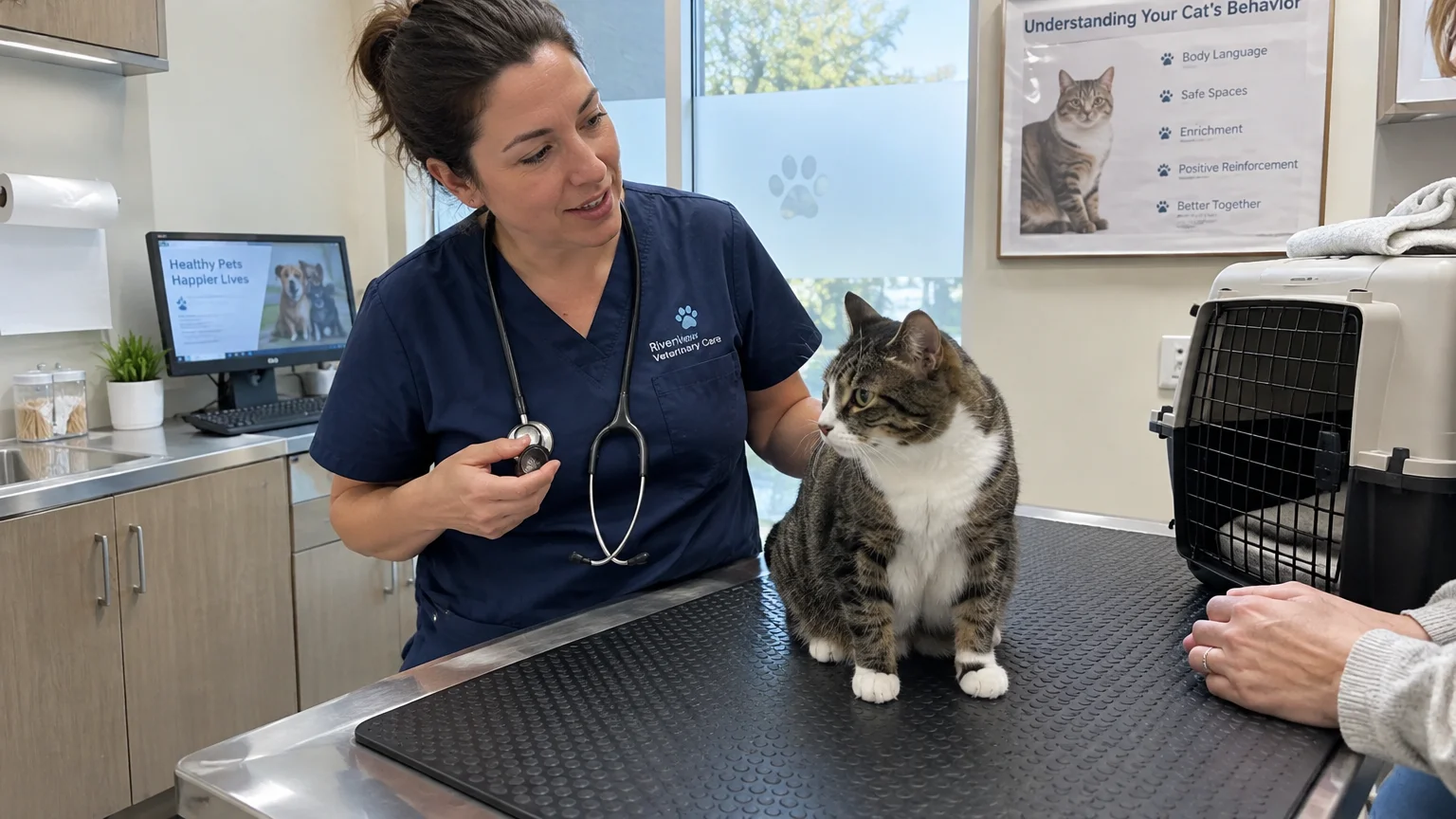
When DIY Isn’t Enough
Most cats sail through sterilization without incident, but certain behavioral and medical hurdles require professional clinical evaluation.
- Spraying Past Eight Weeks: If your altered cat sprays two months post-surgery, schedule a urinalysis. Feline lower urinary tract disease (FLUTD) often mimics territorial marking.
- Symptoms of Estrus in Spayed Females: If your spayed female vocalizes and assumes breeding postures months later, she may have ovarian remnant syndrome. A veterinarian can run hormonal assays to confirm remaining ovarian tissue.
- Severe Multi-Cat Tension: When household cats fight violently after returning from the clinic, non-recognition aggression has likely occurred. Consult a certified feline behaviorist for a structured reintroduction protocol.
- Sudden Lethargy or Food Refusal: If your cat stops eating for more than 24 hours post-procedure, call your veterinarian. Felines that refuse food risk developing hepatic lipidosis, a life-threatening liver condition.
Frequently Asked Questions
Will neutering change my cat’s unique personality?
No, surgical sterilization will not alter your cat’s fundamental temperament or playful curiosity. It simply removes hormonal anxiety, resulting in a more relaxed and affectionate daily demeanor.
How quickly will I notice behavioral changes after surgery?
Most male cats stop roaming and spraying within two to four weeks as testosterone levels drop. Immediate changes in energy and vocalization often appear within the first few days.
Why is my neutered male cat still mounting toys or blankets?
Occasional mounting in neutered males is usually an expression of excitement, play, or mild stress rather than reproductive drive. Redirect their attention toward wand toys or puzzle feeders.
Can spaying an older cat still stop caterwauling and spraying?
Yes, spaying an older female immediately halts estrus cycles and reproductive caterwauling. However, established spraying habits in older males may require both surgery and environmental behavior modification.
A Healthier Future for Your Cat
Sterilizing your feline companion resolves erratic, hormone-driven behaviors while protecting them from serious reproductive illnesses. By monitoring food portions and offering stimulating enrichment, you ensure your pet enjoys a vibrant, contented life.
The information here is meant for educational purposes. Specific circumstances—including health conditions, finances, location, and goals—may require different approaches.
When in doubt, consult a licensed professional or check official sources directly.
Last updated: May 2026. Rules, prices, and details change—verify current information with official sources before acting on it.